 October 9, 2026
 Categories: Parsha
TORAH SHORTS: Parshat Miketz: Joseph, Social Economist
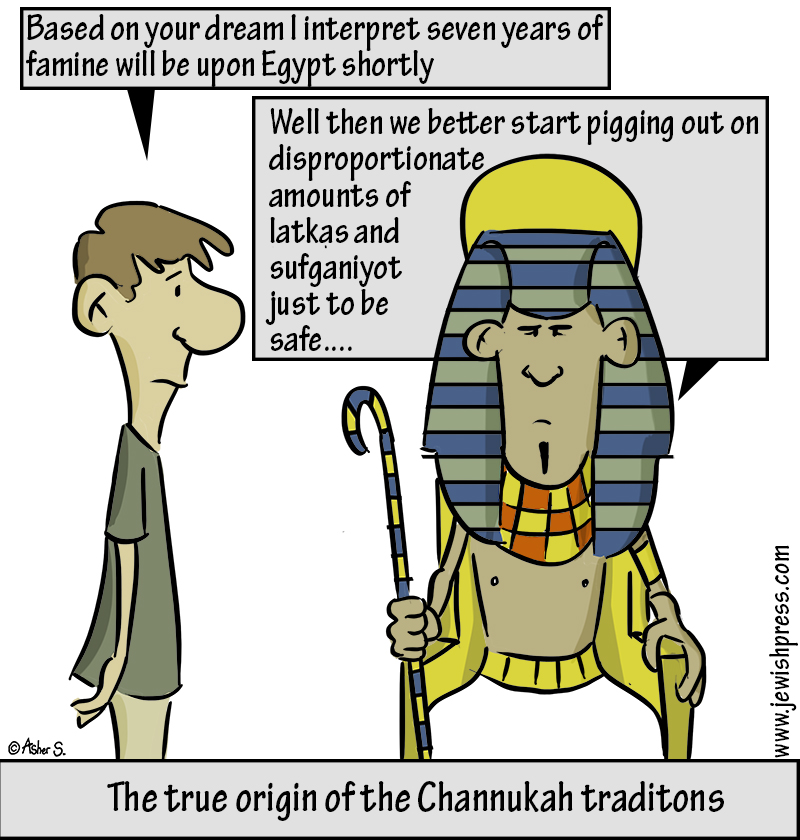


Rabbi Hirsch, in his commentary on Genesis 41, points out two noteworthy economic policies that Joseph instituted during the years of famine.
The first policy was that people had to pay for the grain that he distributed. Though the storehouses of Egypt were overflowing with "uncountable" amounts of grain, Joseph still charged the starving population for it. Rabbi Hirsch explains that had Joseph handed the grain out for free, it would not be valued by the population. People don't value or appreciate handouts as much as something that they have to pay for.
The second policy was that Joseph sold only enough grain to each family to feed that family. He did not sell wholesale. There were only retail sales. He wanted to prevent a situation of hording, speculative buying and enterprising capitalists cornering the grain market.
Although socialists may have preferred free handouts and capitalists would have preferred freer access to wholesale deals, investments, a fluctuating market, speculation, and letting their capital work for them, Joseph's policies insured that Egypt survived the famine.
A balanced economic policy seems to have been exactly what the country needed.
Shabbat Shalom and Chanuka Sameach