 September 18, 2026
 Categories: Headline / Features
Toronto City Council Bans Foreign Flags from Flying Over City Hall


Toronto has sadly become a hotbed of antisemitism, with its Jewish residents facing ever-increasing violence and intimidation. Will a new law against the official display of foreign flags in the city have any effect on the climate of hate?
In a vote of 19 to 7 on March 26, Toronto’s City Council voted to ban foreign flags from being flown over City Hall and at civic centers. The ban also sought to end the Council’s program of accepting requests from non-profits to raise their organizations’ flags, but this additional restriction was dropped in an amendment.
Last November, the Palestinian flag was raised at Toronto City Hall for the first time. The Israeli flag has been raised there in the past on Yom Haatzma’ut. Additionally, in recent months, there have been protests in Canada in support of Iranians suffering under the late Ayatollah Khamenei’s crackdown.
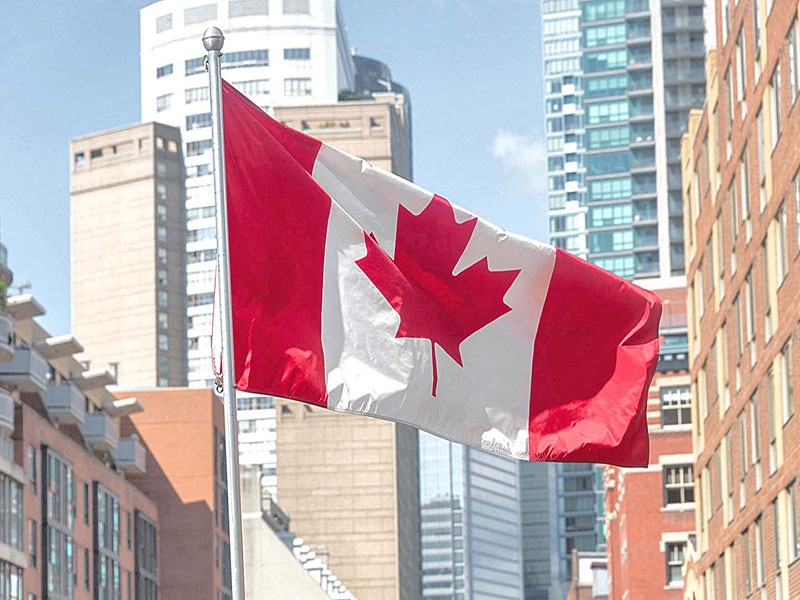
Foreign country flags have caused political divisiveness rather than served as a unifier, according to Councillor Jone Burnside, who sponsored the “One Country, One Flag: Celebrating the Canadian Flag” motion. He told the Toronto Star newspaper: “A flag is supposed to bring people together. It’s not supposed to be a focal point of our differences, not supposed to tear us apart.”
Since October 7, hate crimes against Canadian Jews have skyrocketed. In recent weeks, shots were fired at area shuls in two separate incidents. Police have now banned pro-Palestinian protestors from demonstrating in Jewish areas. In March, Canada’s Ministry of Public Safety allocated up to “$10 [million] to be provided to eligible organizations through the Canada Community Security Program (CCSP) that will assist Jewish communities in enhancing the security of their gathering spaces, including schools, daycares, overnight camps, and places of worship.” According to statistics, Canadian Jews are 25% more likely than other groups to be targeted for hate crimes despite representing one percent of the country’s population. Last April, B’nai Brith Canada issued a report finding that there were 6,219 antisemitic incidents in 2024, which was 125% higher than 2022 and around 7% higher than 2023.
“I’ve watched riot squads of police officers go up and down Bay Street in preparation for a particular flag-raising, and that has to stop,” said Councillor Burnside. Toronto has allowed the raising of flags of foreign countries recognized by the federal government on national days or special occasions by written request, a policy in place since 1999. The Council will honor existing requests.
According to Councillor Lily Cheng, who voted against the flag ban, “I really struggle with this decision because we live in the most diverse city in the world.” She said it is meaningful for people who cannot return to their home countries to be able to celebrate with their country’s flags on municipal buildings. “I am saddened that we have lost one of the ways we have historically celebrated the diversity that makes our city so special.”
A motion by Councillor Cheng requesting that the Iranian flag be raised was not voted on by the Council because Speaker Frances Nunziata deemed it to be out of order.
The flag ban is set to go into effect on December 1, 2026. As part of the One Flag motion, the city clerk is directed to review Toronto’s current flag-raising policy and report to the Council in the first quarter of 2027 with a community recognition program proposal that considers the flag-raising policy, the commemorative lighting program for the Toronto sign (an illuminated landmark in front of City Hall), and “other recognition initiatives.”
Flags of Indigenous and Treaty partners, the Intersex Pride flag, the Black Liberation flag, the flags of professional sport organizations, and the flags of cities that are part of the City’s International Alliance program will continue to be raised.