 October 9, 2026
 Categories: Features / Money Matters
What the Pesach Seder Teaches About the Best Investment of All
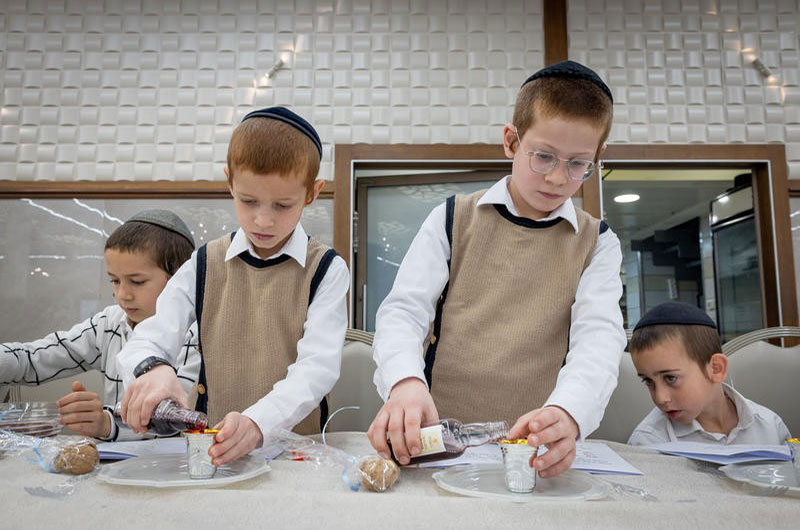


Pesach has always held a special place in my heart. Longtime readers know that I return to this theme each year because the holiday continues to capture what Judaism is all about. It is a time when tradition, perseverance, history, miracles, and faith all converge. It is when we reflect on our transformation from a persecuted people into a nation, guided and sustained by Hashem. Most importantly, it is when we actively pass these ideas and experiences from one generation to the next.
The investment and challenge of yeshiva education: That act of transmission is not theoretical. It is deeply personal. Each year, as I sit at the Seder table and watch my children participate, I am reminded that the most meaningful investment I make is not in the stock market or in real estate. It is in their yeshiva education. After the basic necessities of life, putting food on the table, maintaining a home, and saving for the future, the next largest financial commitment I make is to tuition. And each year, Pesach reinforces why that investment matters so much.
In many frum communities, the cost of yeshiva education is a source of real stress. Families struggle to keep up, and the financial burden is significant. I have written in the past about the financial pressures and the need for systemic improvement, and I continue to believe that there is room to do better. Yet despite these challenges, the central role of a yeshiva education in preserving Jewish continuity cannot be overstated. At its core, it is about far more than academics. It is about transmitting, shaping identity, instilling values, and creating a framework through which young people understand their place in the world. A yeshiva education cultivates character rooted in Torah values and places students in an environment where those values are not just taught, but lived. That environment fosters a strong sense of belonging, responsibility, and moral clarity.
Throughout the year, I appreciate the snippets my children bring home. A Dvar Torah at the Shabbos table, a story about a historical figure, or a discussion about halacha. These moments are meaningful, but they often come in pieces. The Seder, however, is different. It is the moment when everything comes together. The history, the symbolism, the questions, and the intergenerational dialogue all merge into a single, powerful experience. It is during these hours that I step back and fully appreciate the return on investment of those tuition dollars.
Preserving tradition: One of the most striking aspects of a yeshiva education, especially as highlighted during the Seder, is its role in preserving tradition. Judaism has endured for thousands of years not because of institutions alone, but because of the consistent transmission of knowledge and practice from parent to child. Yeshivas play a central role in that process. They provide students with a deep understanding of Jewish law, history, and language. They immerse them in a Torah environment that strengthens their connection to their identity. When a child confidently explains a section of the Haggadah or asks a thoughtful question about Yetziat Mitzrayim, it is clear that this chain of transmission is alive and well.
Intellectual rigor: Another critical component is the intellectual training that comes with Torah study. The rigor of learning and grappling with complex ideas develops skills that extend far beyond the classroom. Critical thinking, disciplined reasoning, and the ability to engage with nuance are all cultivated through years of study. Speaking from personal experience, these abilities were not formed in business school or in the workplace. They were developed during my years in yeshiva. The capacity to think deeply, work persistently, and approach problems from multiple angles is something that continues to serve me in every aspect of life.
Ethical framework: Equally important is the emphasis on values and community. Knowing what is right is not always straightforward, especially in environments where ethical lines can become blurred. A strong grounding in halacha, combined with an emphasis on chesed and proper middot, provides a moral compass. It shapes how individuals interact with others, how they conduct themselves in business, and how they respond to challenges. It also instills a sense of responsibility to the broader community. These are lessons that are reinforced not only in the classroom but also through the culture of the yeshiva itself.
Dual curriculum: Many yeshivas offer a comprehensive education that includes both religious and secular studies. The goal is to produce individuals who are deeply rooted in Torah while also equipped to succeed in the modern world. This balance is not always easy to achieve, but when done well, it is incredibly powerful. It allows students to navigate professional environments while maintaining a strong commitment to their values. The success of many yeshiva graduates in a wide range of fields speaks to the effectiveness of this approach.
More important than ever: In recent years, another dimension has added urgency to this conversation. We recite in Vehi She’amda in the Haggadah: “In every generation they rise up to destroy us, but the Holy One, blessed be He, saves us from their hand.” The rise in antisemitism around the world is deeply concerning. Incidents of hate and violence have become more visible, reminding us that the challenges faced by previous generations have not disappeared.
Antisemitism is not a new phenomenon. It has existed in various forms throughout history. What the Haggadah teaches us is that resilience is part of our identity. Our survival is not accidental. It is rooted in faith, in community, and in the strength of our traditions. A strong Jewish education plays a crucial role in this resilience. It ensures that each generation understands its history, its values, and its responsibilities to stand firm in the face of adversity.
Inspiration for the future, despite challenging times: As families gather around the Seder table, this reality becomes tangible. Children eagerly share what they have learned. They sing, they ask questions, and they engage with the story in ways that are sincere and enthusiastic. These heartwarming moments affirm that the investment in education is yielding results that go far beyond grades or test scores.
There is a profound sense of continuity in watching this unfold. The same story that has been told for generations is now being carried forward by a new generation. The same values are being internalized and expressed in fresh ways. It is a reminder that while the challenges we face may evolve, the foundation that sustains us remains constant.
Return on investment of a yeshiva education: Ultimately, return on investment means something very different here. It isn’t measured in dollars or percentages, but in identity, values, and the strength of a legacy carried forward for millennia. When I see my children engaged, knowledgeable, and proud of who they are, the conclusion is unmistakable: yeshiva education as an investment yields an extraordinary return. Furthermore, it offers reassurance about the future by preparing the next generation with the tools to face whatever comes their way.
Pesach is a time of reflection, gratitude, and renewal. It is an opportunity to appreciate not only where we have come from, but also where we are going. As we retell our story and reaffirm our values, we are also shaping the future. In that process, a yeshiva education stands out as one of the most impactful investments we can make.