יום שני, ח׳ חשוון תשפ״זMonday, October 19, 2026



Follow Us


Jonathan I. Shenkman, AIF® is the President and Chief Investment Officer of ParkBridge Wealth Management. In this role he acts in a fiduciary capacity to help his clients achieve their financial goals. He publishes regularly in financial periodicals such as Barron’s, CNBC, Forbes, Kiplinger, and The Wall Street Journal. He also hosts numerous webinars on various wealth management topics. Jonathan lives in West Hempstead with his family. You can follow Jonathan on Twitter/YouTube/Instagram @JonathanOnMoney.
Read More

Whatever one thinks of Nixon's politics, his diagnosis is correct. Endless leisure is not a reward. For most people, it is a slow drain.

Financial news outlets love obsessing over rates because it drives engagement. They would get far less attention if they simply stated the truth.

A person's financial life moves through seasons too. The mistake many people make is applying the same strategy to every stage when each season calls for its own priorities.

Every year as we read Kohelet during Sukkos the same verse stops me in my tracks: “To everything there is a season, and a time to every purpose under Heaven.” It goes on to say that there is a time to plant and a time to reap. A time to weep and a time to […]

My Grandpa, Jack Shenkman, kept his etrogim long after Sukkot, storing them in a large decorative bowl on display throughout the year, like fine fruit. I still do the same, and every year I catch myself smiling at that bowl before I have even smelled what is inside.

Some argue that a gigantic house brings a family closer together. It's a nice theory, but how often does that actually happen in practice, and what price is being paid to make it possible?

Teshuvah Is a Correction, Not a Punishment: Here's where people badly misread the holiday and badly misread their finances. Teshuvah doesn't mean beating yourself up. It means "return," the deliberate process of getting back on the right road.

Saying all debt is terrible lacks nuance. Sometimes debt is a useful tool that can help build wealth. Other times, it is a decision that creates endless financial strain.

For families dealing with significant financial pressure from tuition, simchas, or other obligations, a reliable used car purchased with a manageable loan is usually the safest choice while preserving more cash for other priorities.
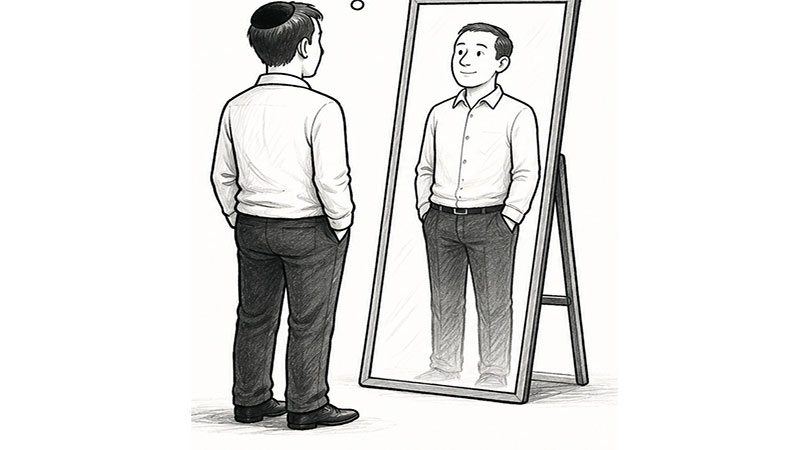
Elul asks something subtler of us: introspection, to notice where we have drifted and begin walking back before the Day of Judgment. That approach, honest review followed by patient correction, is also some of the best advice any financial planner could give a client.

Financial transparency, whether a couple reviewing their numbers monthly or a family being honest with a tuition committee, is not a secular add-on to Jewish life. It is closer to the Torah's own standard.
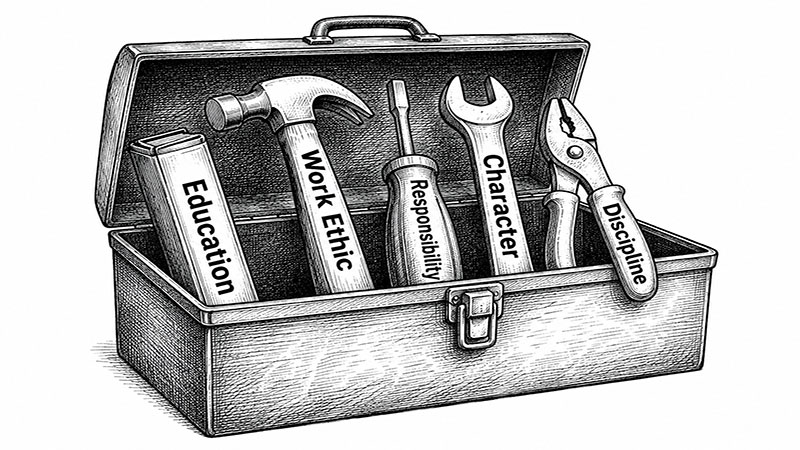
Three thousand years before behavioral economists began publishing papers on sudden wealth syndrome, the Torah was already treating this question as a serious concern.

The greatest factor affecting long-term growth is not the government's initial $1,000 contribution. It is consistent annual family contributions.

A total approaching $5,000 is certainly at the upper end of the spectrum, but it is not unheard of in communities where certain brands and accessories have become an unofficial standard.

We are told that beginning with Rosh Chodesh Av, we reduce our simcha. This is not meant to make us miserable.

This is a walk through 250 years of history, told through the men and women whose vision helped fund a revolution, build railroads, rescue cities from ruin, and construct institutions that still anchor the global economy. It is a record Jewish Americans can read with pride.

One of the most common financial mistakes people make is allowing the opinions and behaviors of others to influence their own decisions.

I recommend establishing a longer-term investment account focused primarily in equities. If an institution does not need the funds for many years, the stock market can allow those assets to appreciate meaningfully over time, potentially outpacing inflation and helping offset adverse currency fluctuations.

Balancing work, community responsibilities, and family life is not easy. However, consistently making time for your family can have a profound impact on your children's upbringing and on marital harmony.

Selling the home, paying off the mortgage, and accepting a large tax bill may feel painful. Few people enjoy writing large checks to the IRS. However, taxes are sometimes the price of simplifying life and unlocking financial flexibility.

Having low fixed expenses early in life allows you to save aggressively and build a foundation that can compound for decades.

Wealth should serve a purpose beyond individual comfort. Before personal consumption, the first portion of one’s resources should be directed toward higher purposes.

Consolidation brings clarity. Keeping investment accounts at one primary institution, or two if necessary, and maintaining a separate bank for checking, simplifies oversight.

A healthier approach is to adopt a strategy both partners can live with emotionally. The mathematically optimal portfolio is irrelevant if it creates stress or conflict.

Financial research shows that wealth, even when substantial, rarely survives more than three generations. What seems permanent in one era often fades in the next.

One of the biggest misconceptions about financial planning is that it is purely mathematical. Numbers matter, but they are only part of the equation.
Water adapts, taking the shape of whatever holds it, while also maintaining a quiet strength that allows it to carve through stone over time.

When it comes to financial news, successful investing does not require constant attention to headlines or daily market movements. It is more useful to focus on financial history instead of forecasts.

One of the most striking aspects of a yeshiva education, especially as highlighted during the Seder, is its role in preserving tradition.

Values such as kibbud av va’em and the importance of supporting children as they build their lives are deeply ingrained. These are not obligations people take lightly.
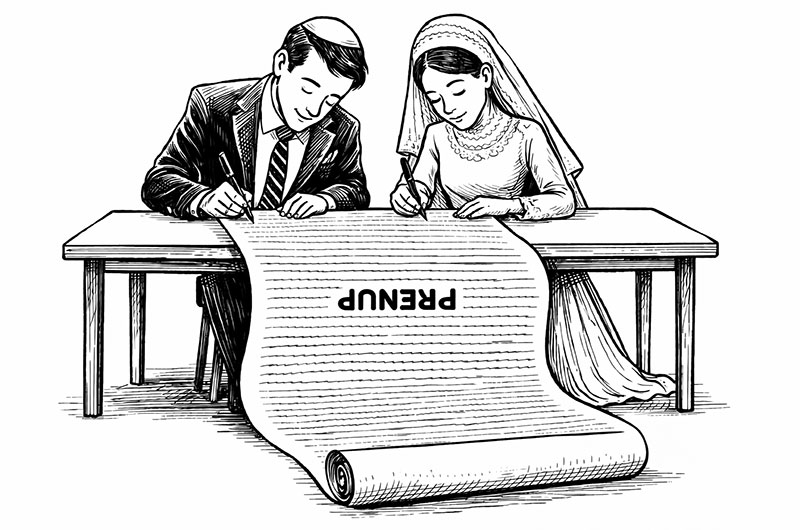
Regardless of the circumstances, couples considering a financial prenuptial agreement should always consult experienced legal professionals.

Allocating a portion of his gifts to charity reinforces the idea that financial blessings come with obligations. It teaches gratitude, perspective, and the importance of contributing to something larger than oneself.

At its core, investing means allocating capital to a productive enterprise. When you buy a stock, you’re purchasing a stake in a business that sells goods or services and generates cash flow.

While the Megillah takes only 30-40 minutes to read, the actual story unfolded over nearly 10 years. By the time the threat becomes clear, the decree has already been sealed.

While wealthy families may not worry about paying monthly bills, they face a different, and sometimes more complex, set of challenges. As wealth increases, so does exposure to lawsuits, taxes, poor investment decisions, complicated family dynamics, and spiritual drift. Thoughtful planning becomes essential.

Even under ideal conditions, managing property requires time, expertise, and patience. Once family dynamics enter the picture, routine business decisions can quickly become emotional, and disagreements that might otherwise be manageable can strain relationships.

It’s important to point out that good financial planning primarily focuses on smart lifestyle planning. There is no savvy investment or tax strategy that will magically solve financial stress.
Spend money to enjoy life: After covering essentials and saving responsibly, use your resources to enhance your life.

It can feel unfair, even infuriating, seeing someone who pays less enjoying something that many others have given up in the name of paying full tuition.

While I can’t speak to what is standard for all yeshivas, I can touch on all the points in your question, provide some background, and offer some suggestions for any employees in your situation.

I won’t mention specific names, but if readers want to do their own research just look up the best performing funds/stock pickers in a previous year. They will rarely be on top multiple years in a row. Yet, they will still get prominent airtime to discuss their strategies, which are usually wrong or antiquated.

Where will the market end in 2026? What sectors will be the best performers in the new year? If you had to invest $1 million in one area of the market for 2026, what would it be? Where will the market trade tomorrow? These are all actual topics that financial “gurus” discuss this time of year.

If an investor is approaching retirement, like you are, having some money in cash equivalents and high-quality bonds for a couple of years’ worth of expenses makes sense.

The custom is rooted in the idea of honoring and supporting the groom as he enters marriage. It began as a way for the bride’s family to show respect, strengthen the bond between families, and provide the groom with items that would help him fulfill his new spiritual and communal roles.

The trend toward extravagance, ostentatiousness, and high prices is also relevant in the investment world. I struggle against it with clients. I’m advising them to stick to a sensible investment program, while they are lured by approaches that seem more exciting.
Regardless of our hard work, experience, and effort, we all still need a bit of mazal to be successful. You can make all the right decisions, but if your timing is off, nothing else matters.
It rarely makes sense to have retirement accounts scattered at various institutions, especially old employers. It’s better to consolidate old accounts into an IRA to keep your assets organized.

Despite my background in shadchanas, I must admit that I am no expert on today’s dating scene. I have been out of the parsha for a long time, and expectations and social etiquette may have changed.

While I realize that your question is post marriage, it’s worth pointing out that a couple’s approach to money should be in sync and laid out BEFORE they tie the knot.

Not every family is fortunate to have extra dollars to spend on non-essential items. Many individuals in our community are just getting by.

The consequences of this election will be interesting (and perhaps scary), but instead of sitting back and complaining about the bad policies, I favor a more proactive approach.

Many readers may not have a background in investing and financial planning. However, you do have intuition.

hTe truth is that some events are too seismic to plan for in advance. During these situations, we learn the ultimate lesson from Noach, which is to …Walk with G-d (Bereishit 6:9).

This “keeping up with the Joneses” mentality can occur at every wealth level. You will never be able to earn your way out of this approach to life.
The struggle for every Jew is finding a way to strike a balance between physicality and spirituality. Most of us are not in an environment that is fully focused on ruchnius.

Switching yeshivas is a significant life decision. It will be disruptive, and another school may have a different style, hashkafa, or other attributes that don’t make it your first choice. However, tough choices need to be made to address your predicament.

In this piece, I will cover accounts that may not be top of mind, but can be extremely beneficial for frum families with a range of wealth, lifestyle, and personal circumstances.

Having too much cash sitting in a checking account is typically a poor decision, as you are losing buying power due to inflation.

An important first step after receiving a large windfall is to assess your overall finances. If you borrowed any money, you should consider paying that off first.
During the 9 Days, and on Tisha B’Av, in particular, it's easy to feel dejected. Those feelings are further compounded by the surge in antisemitism. Remaining in a constant state of dejection is not the Jewish way.

A healthy cash flow is the cornerstone of personal finance. It’s imperative you position yourself to earn a livable wage while you are young, by attaining proper schooling or training, before launching your own business or career.

While it’s important to have articulate advocates representing Israel and the Jewish people, what is the average person’s role in improving the plight of Jews around the world?

In addition to revealing wasteful spending, a regular review process will also empower the school with the information to go to the market and find the most cost-effective services.

My personal view on homeownership has evolved over time. Instead of focusing on the subpar returns that most homes will generate, I have come to appreciate why a house may be an excellent financial decision for many families.

Being frustrated at work or trying to get away from a difficult boss are not good reasons to retire.

The most important aspect of successful investing is having a long-time horizon.
The new bow word association signifies more than my expanded knowledge base of girl matters with which I was previously unfamiliar. It more broadly highlights a willingness to learn new things and expand my horizons.

If readers take a moment to think about the role that mazal has played in their own lives, they will undoubtedly find the luck in seemingly small or seemingly insignificant decisions or events that literally changed the trajectory of their life.

The human tendency to focus on positive memories, while conveniently forgetting about the less positive ones, is helpful.

If you need to take out credit card debt to pay for something, it means you are spending too much money.

It behooves all families, but especially folks with a lot of assets, to speak with an estate planning attorney and tax accountant who specialize in these cross-border issues. Failure to do so can wreak havoc within your finances, especially for your loved ones after you pass away.

With Purim rapidly approaching, below is a blueprint of how to prudently spend your money to enhance the holiday instead of just trying to one up your friends.

Investors also possess superpowers that can help them overcome financial challenges. If implemented, they can help families – even those with modest incomes – achieve wealth and prosperity.
Yitro teaches us the importance of having a confidant in your family, who sees things through a different set of eyes, and can be trusted for sage advice.

While we should all daven for divine intervention to protect us and help us make good decisions and achieve our goals, I find that, in the realm of personal finance, far too many people seem to rely solely on miracles to secure their financial future.

The best way to manage the inevitability of changing market dynamics is to plan ahead.

For every bad financial experience regarding kollel, I imagine there are many positive ones. The most non-financially stressful kollel experience requires a Yissachar and Zevulun relationship that is clearly defined from the onset.

In my annual investment outlook, I always try to focus on strategies that are more practical for investors. My friend, Yoni Raab, suggested that this year I look to Parshas Mikeitz and Pharaoh’s dreams to glean some timeless Torah wisdom for investors to apply in the year ahead. As always, Mr. Raab’s suggestion turned out to be spot on.

While I truly believe that most people in the investment business conduct themselves with high ethical standards and are motivated to help investors achieve their financial goals, there are a few bad apples out there that are usually the loudest and most skilled salespeople.

In the realm of estate planning, if one son is in kollel and the other son is an investment banker, more money may be needed to support the former. The latter may appreciate a different type of non-financial support to help them achieve their full potential.

I’m sure readers can point to their own parents, grandparents, or great-grandparents, who moved to this country to improve their respective circumstances. Whether it was to flee antisemitism and pogroms, or perhaps to find a job, moving has always been an effective financial planning strategy.
Do not rush to make investment decisions based on who the new president is. Take time to digest the information.

To determine how best to allocate your funds, it’s important to understand your personal financial goals.
Admittedly, in my own home, I need a reminder to recite ushpizin. It's all too easy to get caught up in a myriad of other distractions while preparing to eat in the sukkah.

The cornerstone of personal finance is to live within your means. Buying something you can’t afford goes against this dictum and will set you up for financial ruin.

The importance of creating meaningful experiences is especially relevant as we approach the chagim.

A caveat on my perspectives. My kids are not yet of marriageable age. My only wedding planning experience comes from my own nuptials. Although beyond showing up with a suit and kittel, and selecting a stellar mesader kedushin, my involvement was modest, and that’s being generous. My opinions, therefore, don’t stem from the details of planning.

At the end of the day, believing in your plan can keep you committed to it when the going gets tough.
Surround yourself with people who derive joy from other aspects of life beyond materialism to eliminate the feeling of constantly needing to keep up with friends in your community.
It's always tempting to play the victim card when something we've worked hard on is ruined. However, throwing a pity party or dwelling on the offender’s punishment is not the Jewish way.

Investors tend to make drastic decisions when they are feeling scared, greedy, or impatient. Unfortunately, these impulsive moves rarely, if ever, work out. Emotional decisions have no place in the world of successful investing.

It’s always worth reminding yourself that wealth is what you don’t see. Houses, cars, fancy clothes, and the like are all visible things on which people spend money. What’s actually in their bank account is not advertised to the public.

It’s possible Nvidia may continue to rise. It also may plummet like many of the aforementioned investments. The main point, and a good reminder for all investors, is: You will NOT win the investing lottery!
Successful investing does not mean perfection. There is no perfect portfolio or time to invest in the market.

The question I constantly find myself asking is why does this intellectual dishonesty occur? The answer, at least partially, is due to confirmation bias.
Unpleasant surprises that induce feelings of helplessness can also strike our personal finances. In fact, the likelihood of adverse financial events impacting our nest eggs is far higher than experiencing an earthquake.
First, the biblical Miriam. One of the great female prophetesses (Masechet Megillah 14a). She was part of Bnei Yisrael’s leadership team during Yetziat Mitzrayim alongside her brothers, Moshe and Aharon. Her faith never wavered, and she led the women to redemption, tambourine in hand.
The essence of this message is simple. It’s to continue living by the same traditions and values that have been passed down from generation to generation.
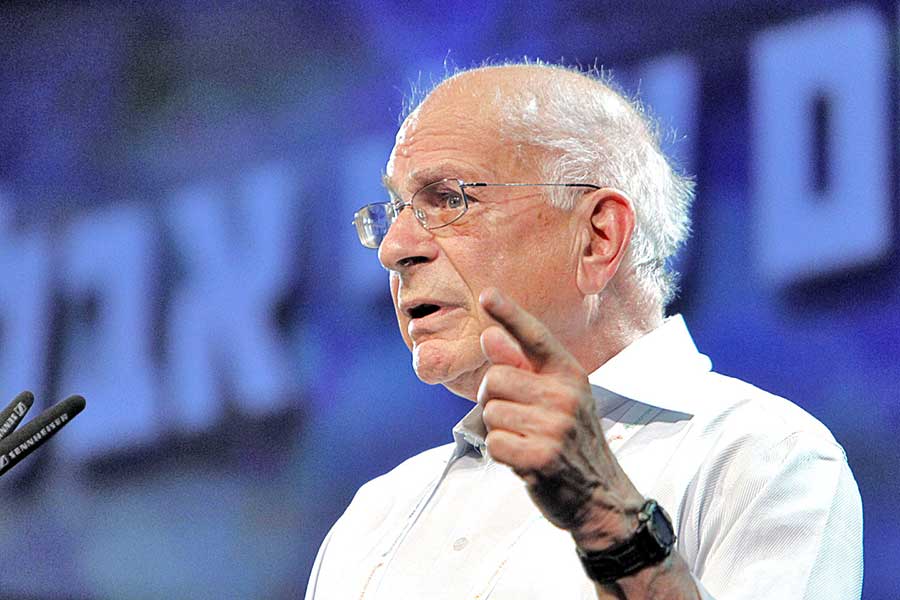
The biggest stumbling block for many investors is themselves. The tendency for people to get in their own way is usually what prevents folks from achieving success in the markets.

This week I’ve decided to compile some popular rules of thumb to share with readers and offer my own thoughts on the relevance of each rule. Keep in mind that it’s OK if your personal situation doesn’t alight exactly with every rule.


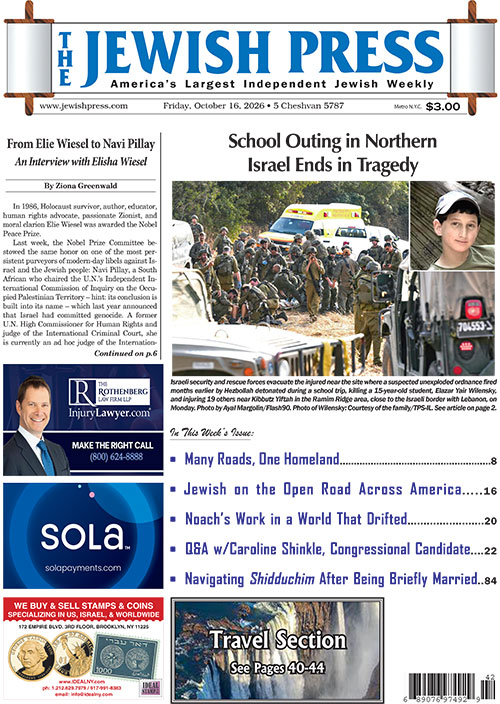 October 16, 2026