 July 31, 2026
 How to Buy Quality Tefillin: A Consumer's Guide


Following my recent article addressing the scandal involving stores that were selling pasul tefillin, I thought it would be helpful to provide a general guide on what consumers should look for when purchasing tefillin. One of the questions I am asked most often is, "How do I know if I'm buying quality tefillin?"
The answer is surprisingly simple: don't be afraid to ask questions.
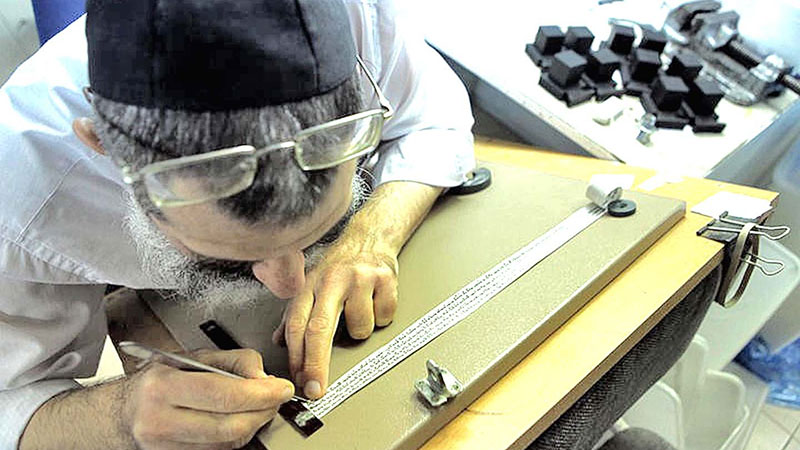
Tefillin are handwritten by a sofer, and there can be tremendous differences in quality even among pairs that are technically kosher. Understanding those differences is one of the best ways to make an informed purchase.
First, ask to see the actual ksav. A reputable dealer should have no hesitation in showing you the writing before you buy. Looking at the ksav also gives you the opportunity to compare different levels of quality and appreciate the craftsmanship involved. Even if you do not know exactly what you are looking at, a seller who refuses to show you the parshiyot should raise a red flag.
Second, ask about the sofer. Who wrote the tefillin? What certifications does the sofer have? Are those certifications current? A knowledgeable seller should be able to answer these questions and explain why they trust the sofer whose work they are selling. The name Vaad Mishmeres STaMshould come up in this conversation.
Keep in mind that the person selling the tefillin is often not the sofer who wrote them. In many cases, purchasing through a reputable dealer can actually provide additional quality control, since established dealers typically inspect the tefillin, verify their source, and stand behind what they sell. They also give you the opportunity to compare multiple sofrim and quality levels rather than being limited to a single source.
Third, ask about the batim and retzuot. Which manufacturer produced them? What quality level are they? Do they carry a reputable hechsher? Not all certifications are equal. Many quality batim include some form of authentication, such as a tamper-evident seal, hologram, serial number, or other verification that can often be checked with the manufacturer.
You should also ask whether the tefillin were inspected by a qualified magiah and request a copy of the computer scan and inspection report. Computer scans are an excellent tool for identifying many technical issues, but they should never replace a careful manual inspection by an experienced magiah. Both are important.
The truth is that even after asking all of these questions, you still may not know exactly what you are looking at. STaM is a highly specialized area of halacha, and most consumers simply do not have the training to evaluate it themselves. That is why it is often worthwhile to consult a trusted third party who is knowledgeable in both the halachic requirements of STaM and modern STaM manufacturing. Those two areas of expertise do not always overlap, and independent guidance can be invaluable.
Over the years, I have personally examined many examples of problematic STaM. Most recently, I reviewed a collection of approximately 1,000 mezuzot from a dealer that contained missing tagin on some letters, improperly formed letters, spacing issues, and other deficiencies. These are exactly the kinds of issues that should have been identified before the STaM reached the market. Unfortunately, they sometimes are not, which is why asking questions and purchasing from knowledgeable, reputable sources is so important.
Even after purchasing quality tefillin, your responsibility does not end there. Tefillin should be checked periodically, particularly if they are regularly worn with wet hair or have been exposed to excessive heat, moisture, or physical impact.
The purpose of this article is not to make anyone fearful. There are many outstanding sofrim and reputable retailers who produce and sell exceptional STaM. Rather, the goal is to help consumers make informed decisions and understand exactly what they are buying.
A knowledgeable STaM professional should welcome your questions. They should be happy to explain the ksav, the sofer, the quality of the klaf, the inspection process, and the differences between the various levels of hiddur.
Purchasing tefillin is one of the most meaningful investments a person can make in a mitzvah. Taking the time to understand what you are buying helps ensure that your tefillin will serve you faithfully in your avodas Hashem for many years to come.