יום שלישי, ט׳ חשוון תשפ״זTuesday, October 20, 2026



Follow Us


Chaim Saiman is Professor of Law & Chair in Jewish Law, Villanova University Charles Widger School of Law.
Read More
By Chaim Saiman
There are watches in heaven matching the watch periods on earth, and the night itself is genuinely dangerous – exile, dread, and demons all make their appearance. That dread is held at bay through Torah study.
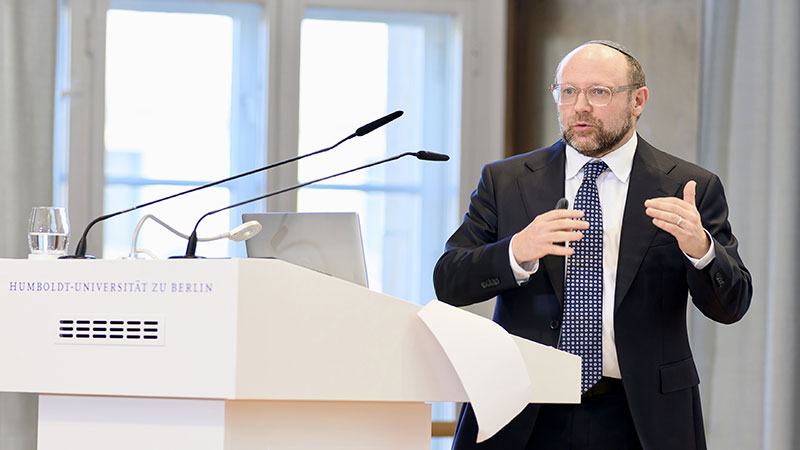
By Chaim Saiman
I was initially perplexed as to why the specific location loomed so large; surely Humboldt has many suitable lecture halls. But the significance of Humboldt’s elegant nineteenth-century Senate House became clear as I was being introduced at the event.
By Chaim Saiman
My day job is teaching contract law, while I am learning Bava Batra at night. Often, the substance of these two periods of study can be remarkably similar. Yet the experience of engaging with them is fundamentally different. It's the difference between "learning" and "shteiging."
By Chaim Saiman
While din ensures that legal principles are upheld without deviation, it can sometimes lead to harsh or impractical outcomes.
By Chaim Saiman
It is hard to imagine the study of Torah without debate and machloket – indeed what would the Talmud look like shorn of the multiplicity of debates and disagreements that propel its dialogue forward?
By Chaim Saiman
Believers have long been challenged to develop a real and concrete relationship with an abstract G-d. Yet the evolution of the shekel is evidence that modern society has little trouble organizing itself around an abstraction.
By Chaim Saiman
Avraham turned his inner world inside out for G-d, such that G-d should reverse the world’s course for us.
By Chaim Saiman
There is little consensus on how the Torah’s social vision should apply to our present condition, whether viewed in terms of tilling the soil or understanding what Shemittah means in an economy that runs on high tech rather than agriculture.
By Chaim Saiman
Do publishing imprints and styles matter? Artscroll, Mesorah or Sha’ar? Koren, Maggid or Toby? Frum vs. academic publishers?
By Chaim Saiman
The stark contrast of dipping the hard bread in ash underscores how some of the most poignant messages of the fast are found not in the fasting but davka in the eating.
By Chaim Saiman
Almost everyone “believes in” money, and even the “monetary atheists” who dream of returning to the gold-standard usually lead their lives as if money really exists.


 October 16, 2026