יום שלישי, ט״ז חשוון תשפ״זTuesday, October 27, 2026



Follow Us


Jerold S. Auerbach, professor emeritus of history at Wellesley College, is the author of “Print to Fit: The New York Times, Zionism and Israel, 1896-2016."
Read More
The overriding question is whether Palestinians can ever accept the reality that land west of the Jordan River, except for the Gaza Strip, is not theirs.

Nearly a century after Winston Churchill’s surrender of Palestinian land to the King of Transjordan, the boundaries of the Jewish state remain a continuing source of contention.
Nides proudly claims spending “60% of my time trying to help the Palestinian people” – revealing that his role as Ambassador to Israel is undeserving of his attention.

NY Times columnist’s laceration of the Jewish state has a long history.
To be there is to return to the source of Jewish history in the promised land.
For author Tamara Neuman, the return of Jews to Hebron demonstrates how “the aggrandizement of maternal roles” was used to claim rights in “Palestinian areas that have little remaining material evidence of a Jewish past.” She ignores Hebron’s place in Jewish history.
Why was it, wondered author Walid Shoebat of Bethlehem, “that on June 4, 1967, I was a Jordanian and overnight I became a Palestinian.”
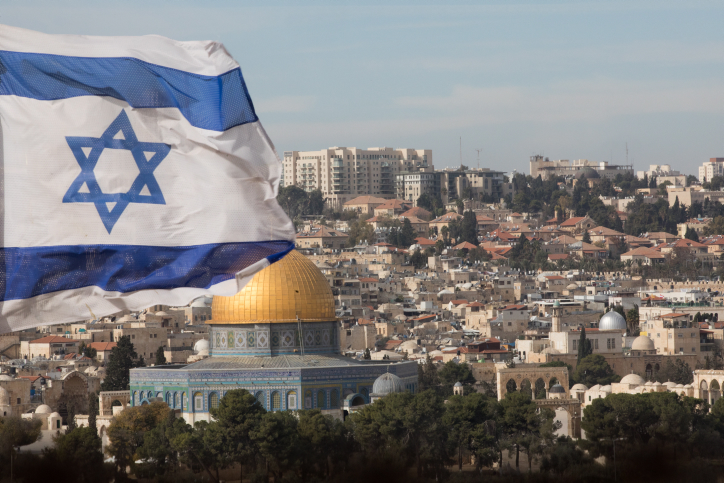
When it comes to conflict and terror, the Palestinians are somehow never the villains
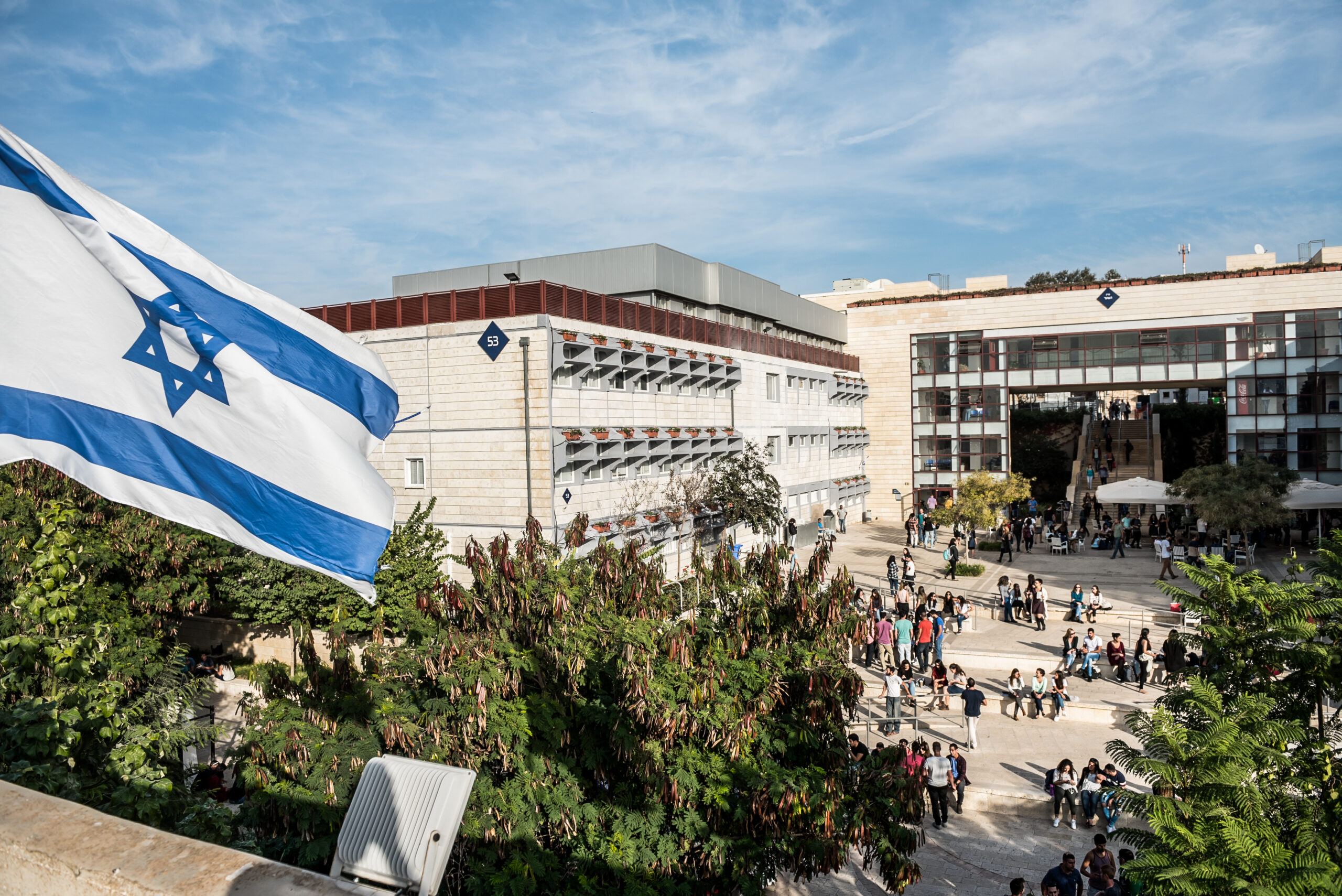
Among areas identified for additional housing units is Ariel, a secular community midway between Tel Aviv and the Jordan River. Its thriving University of Judea and Samaria teaches 17,000 students.
Long before Jerusalem was mentioned in the biblical text, Hebron was embedded as a site of pilgrimage for sacred memory.

A family dynasty that has guided “The New York Times” since the 1930s has made it a standard not to portray the Jews too favorably.
New York Times Jerusalem bureau chief David M. Halbfinger’s litany of criticism for anything of benefit to Israel seems endless.
“Returning” is more accurate. It is, by history and under international law, Jewish land.
Coexistence with Israel under any circumstances, even including assurance of massive American economic investment, would not be worth relinquishing the decades of hostility that are embedded in Palestinian identity. Their rigid reluctance to engage in negotiations with Israel long ago doomed any peace prospects
If implemented, U.S. President Trump’s Mideast peace plan will reaffirm the right of Jews to continue to inhabit a substantial portion of their biblical homeland, which is what Zionism is all about.

The mantle of Israel-bashing links academics and historians like David Shulman, who believes that the Jewish state is worthy of loathing.
For nearly sixty-five years national self-definition has been the skeleton in the closet of Israeli politics and culture.
Times reporter Anne Barnard reported (7/15) that Israel was to blame (so her Palestinian sources asserted) for its continued “occupation” of Gaza – which, Barnard failed to note, ended nearly a decade ago.

During much of the 20th century, elite American colleges and universities carefully policed their admission gates to restrict the entry of Jews. Like its Big Brothers – Harvard, Yale and Princeton – Wellesley College, where I taught history between 1971 and 2010, designed admission policy to perpetuate a white Anglo-Saxon Protestant elite.
Yossi Klein Halevi’s Like Dreamers (Harper) explores the lives of seven Israeli paratroopers in the Six-Day War who, his subtitle suggests, “Reunited Jerusalem and Divided a Nation.” It offers a fascinating variation on the theme of Israel at a fateful crossroads, in search of itself, following the wondrously unifying moment at the Western Wall in June 1967 when Jewish national sovereignty in Jerusalem was restored for the first time in nineteen centuries.
In death as in life, Menachem Begin remained who he had always been: a proud yet humble Jew.
Eighty years ago, in January 1933, Adolf Hitler was appointed chancellor of Germany. Barely a month later Franklin D. Roosevelt was inaugurated president of the United States. For the next twelve years, until their deaths eighteen days apart in April 1945, they personified the horrors of dictatorship and the blessings of democracy.

One of my searing early memories from Israel is a visit nearly four decades ago to the Ghetto Fighters Museum in the Beit Lohamei Hagetaot kibbutz. The world’s first Holocaust museum, it was built soon after the Independence War by survivors of the Warsaw Ghetto uprising.

Nearly sixty-five years ago Israel declared its independence and won the war that secured a Jewish state. But its narrow and permeable postwar armistice lines permitted incessant cross-border terrorist raids. For Egypt, Syria and Jordan, the mere existence of a Jewish state remained an unbearable intrusion into the Arab Middle East. As Egyptian President Nasser declared, “The danger of Israel lies in the very existence of Israel.”

For anyone with historical memory the expulsion of Jews – by the Romans, English, French, Spaniards, Nazis, and Muslims – instantly evokes tragic episodes in Jewish history. Now the state of Israel expels Jews from their homes. Something is amiss in Zion.
Near the end of the nineteenth century, Theodor Herzl, the Viennese journalist who would wrestle with the plight of Jews amid the enticements and dangers of modernity, felt trapped. For his son’s sake he considered conversion to Christianity; to solve the vexing “Jewish Question” he even fantasized the mass conversion of Jews.


 October 23, 2026