יום ראשון, י״ד חשוון תשפ״זSunday, October 25, 2026



Follow Us


Read More
In the days leading up to the Day of Atonement, there’s a certain tension in the air.
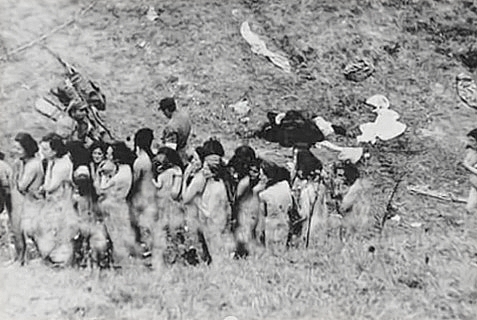
Since the establishment of independent Ukraine, Jews are acknowledged, but attempts to create an official memorial that honors all victims and provides a framework to impart the message of “Never again” have repeatedly stalled.
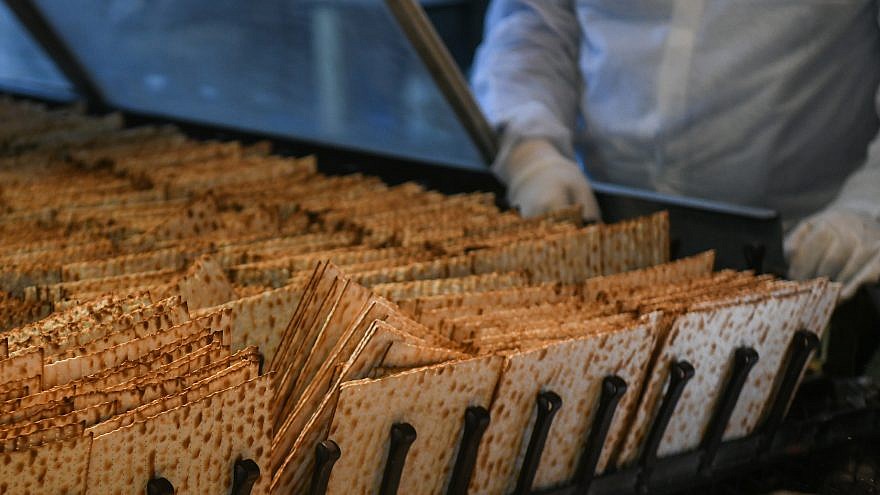
If you've never heard an Arab calling out “alter zachen” (“old things”) in Yiddish, then you've never experienced pre-Passover preparations in Jerusalem. It's part of the clean-up mania that grips the city in the run-up to the holiday.
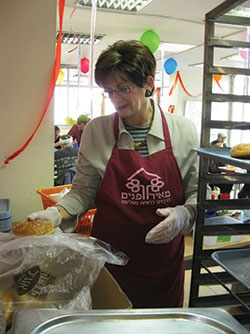
According to Maimonides, the great medieval Jewish scholar, “Gifts for the poor [matanot l’evyonim] deserve more attention than the seudah and mishloach manot because there is no greater, richer happiness than bringing joy to the hearts of needy people, orphans, widows and proselytes.”
Israelis have a reputation for being frank and direct – dugri, in local parlance. But when it comes to death and dying or dealing with chronic illness, many Israelis have as much trouble dealing with it as do people in any other part of the world.


 October 23, 2026