יום שלישי, ה׳ אלול תשפ״וTuesday, August 18, 2026



Follow Us


Rabbi David Brofsky has taught Talmud and halacha in numerous institutions in Israel, including Yeshivat Har Etzion, Michlelet Mevaseret Yerushalyim, Midreshet Lindenbaum, and Midreshet Torah V'Avodah. He writes a weekly halacha article for Yeshivat Har Etzion's Virtual Beit Midrash (VBM), and is the author of “Hilkhot Tefilla,” “Hilkhot Moadim,” and a forthcoming book on hilchot aveilut.
Read More

The late Israeli writer Shai Agnon (Elu ve'Elu) wrote: "One who has not seen the festivities of Lag B’Omer at the grave of R. Shimon bar Yochai in Meron has never seen true joy.
R. Bentzion Meir Chai Uziel writes that when a non-Jewish woman is already married to a Jew, she will grow closer to the Torah as her husband's family if we convert her.
The Rema adds that a beis din may even decree "not to circumcise his child or bury him until he divorces his wife."
R. Asher Weiss permits prisoners to wear ankle bracelets, which record their movements on Shabbos.
Rabbi Eliyahu Schlesinger argues vehemently that only music that leads to rikkudim umecholos is prohibited; music, however, that is spiritually uplifting and soothing to one's soul is permitted.
The Orchos Chayim... writes that full inebriation is certainly prohibited, "and there is no greater sin, as it leads to sexual impropriety, bloodshed, and other sins."
What, then, happens when the rabbinic chinuch obligation contradicts the biblical obligation as described in the verses cited by the Ramban?
Most poskim disagree with Rav Moshe, including R. Shlomo Zalman Auerbach. He argues that one may touch, move, and even play with snow on Shabbos.
Halachic authorities immediately spoke out against cremation when cremation facilities were first opened across Europe in the late 19th century. Indeed, they even opposed interning the ashes of a cremated body.
Even if we assume a rabbi has truly repented, should he necessarily be reinstated to his prior position?
The Talmud (Gittin 61a) states: “We bury dead gentiles along with dead Jews because of the ways of peace (darchei shalom)."
In addition to analyzing the origins of a secular holiday, it is equally important to address the nature of its festivities.
In recent years, some have called for reinstituting the ancient practice of likut atzamos. In the time of the Mishnah, a two-stage burial process was practiced in Eretz Yisrael.
In recent years, there has been a flurry of halachic discussion on whether pregnant and nursing women should be permitted – or even encouraged – to drink small amounts of water on Yom Kippur to avoid endangering their lives or the lives of their fetus. Let us first review the laws of one who is […]
Some Rishonim write that one may speak lashon hara to prevent potential damage or injury.
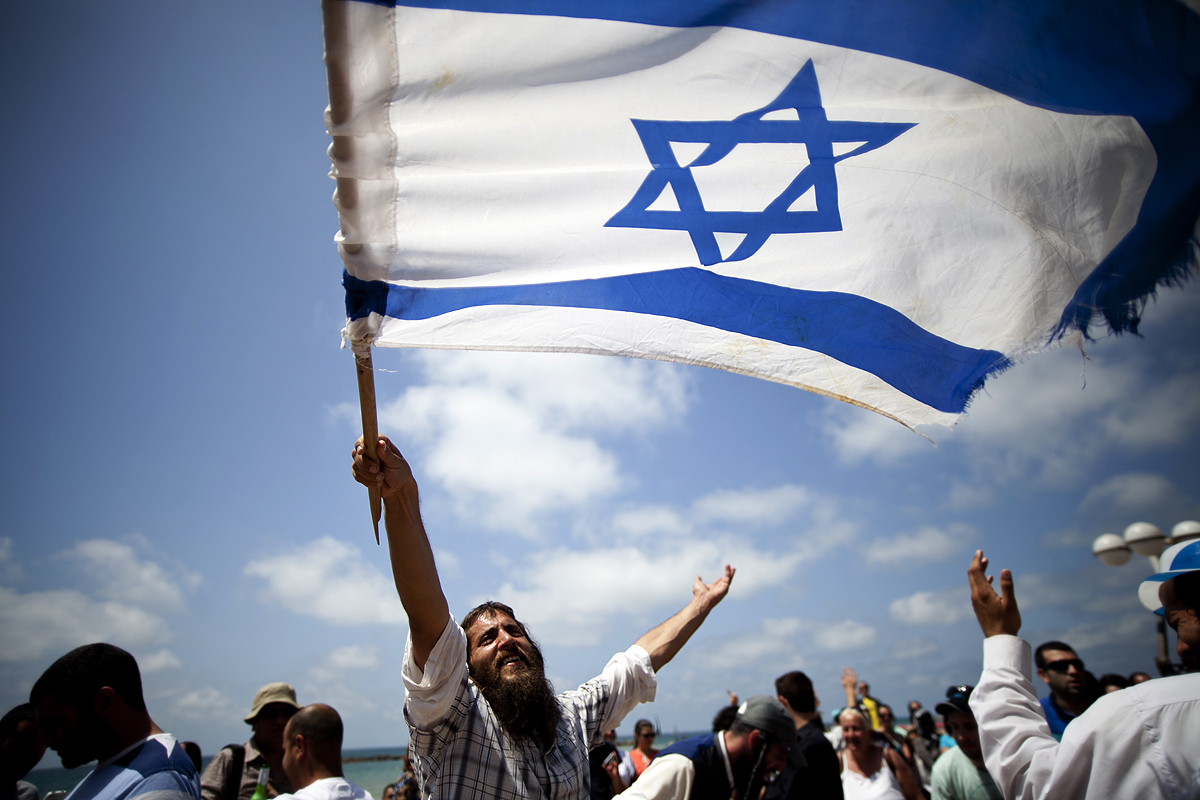
R. Hadaya strongly argues in favor of establishing a festive day in commemoration of the establishment of the state of Israel.


 August 14, 2026