יום רביעי, י׳ חשוון תשפ״זWednesday, October 21, 2026



Follow Us


Rabbi Dr. Jeffrey R. Woolf recently retired from the Talmud Department of Bar Ilan University.
Read More
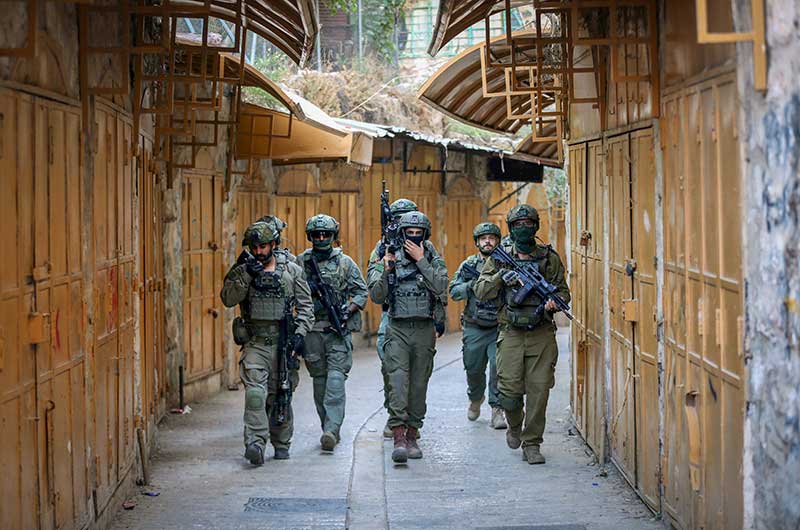
Aliyah is not about taking. It’s about giving. It’s about building.
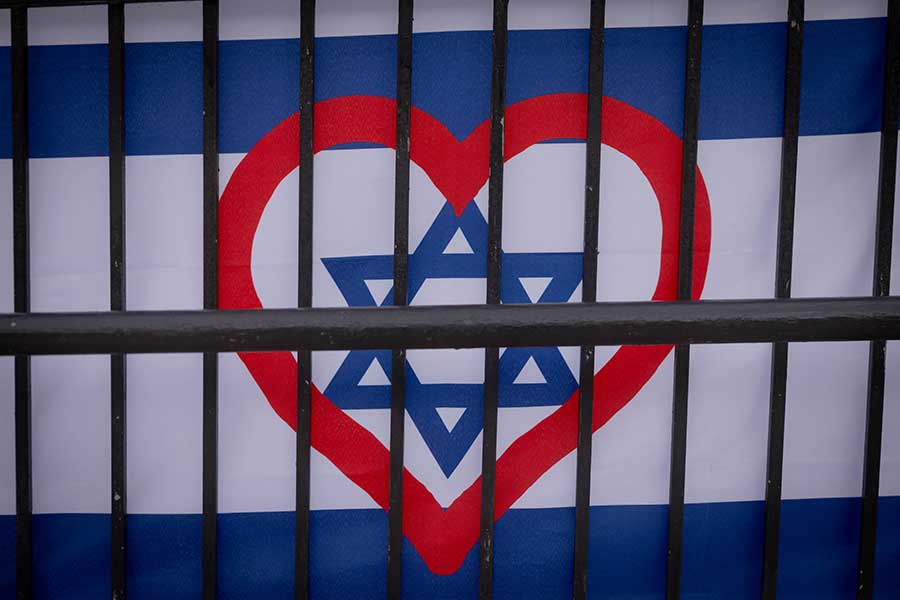
Along with the initial, existential shock, a miracle occurred: The vicious and vociferous arguments were seemingly set aside. The mutual hostility and suspicion seemingly disappeared.
Far from de-emphasizing the Temple, the Sages demonstrated how to live in a keen, spiritual awareness and tangibly realistic experience of the Temple and the avodah (largely through study and prayer), even as the Jews waited for its reappearance at the chosen time.
While still in his home in Gerona, he had come to the abiding belief that G-d would never allow His Land to give its fruit to foreign occupiers, the self-same forces that persecuted His People. This, he wrote, was meant to be a sign of the Jewish People’s exclusive title to the Promised Land.
Here in Israel, as the entire country prepares for Pesach, we are again in the midst a wave of terror that has left thirteen people murdered, among them eleven Israeli Jews.
How many times have any of us said to ourselves: “I felt so badly that I wanted to die.” And yet, G-d does not demand that of us. He wants us to live and do teshuvah.
With some exceptions, Talmudists had little in-depth knowledge of the Rav’s philosophical output, while his Talmudics were off the radar for philosophers.
The way to prevent the recognition of non-Orthodox conversions in Israel is by adoption of the proposed law.
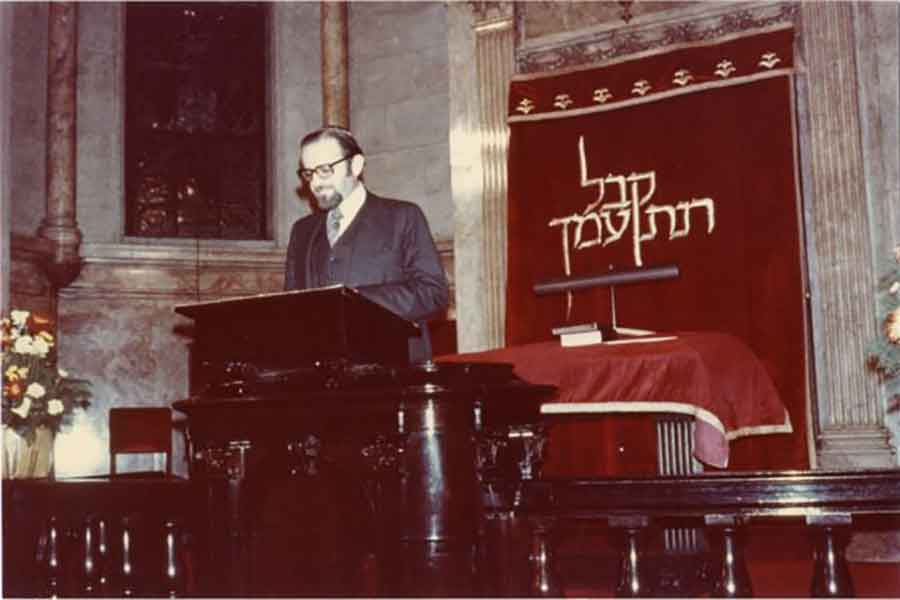
Not only did he respond to those who reached out to him, he proactively reached out to others in order to help, advise, cajole and simply share his rich experience with a tyro.
Empathy and caring must be part and parcel of the encounter with inter-faith couples. However, that cannot come at the expense of the integrity of the Torah or of the Future of the Jewish People. Sometimes, the whole is greater than the sum of its parts.


 October 16, 2026