יום שבת, י״ג חשוון תשפ״זSaturday, October 24, 2026



Follow Us


Rabbi Yehoshua Grunstein, former Rabbi of the Beth Israel synagogue of Halifax, and former director of training and placement at Ohr Torah Stone, is the director of North America of the Tzohar Rabbinic organization. An experienced rabbi, writer and popular lecturer in Israel and around the world, he is the author of Daven Your Age (2013), Beyond Routine (2018), Murmurings of a Minyaner (2021), co-editor of Machzor Vechai Bahem (OTS 2020 and 2021), and has over 1,000 recorded classes online in both Hebrew and English.
Read More

The "debate" regarding [so called] Ultra-Orthodox who refuse to serve in the IDF (even during war) won't be solved easily, and of course, nobody can take life-dependent decisions based only on "the feelings of the heart", on the emotional hurt for all those that fell in this war.
I've lived in Israel for the majority of my years on earth. So please tell me... WHEN DO I BECOME AN ISRAELI?!
Shabbat Chol Hamoed Pesach was a davening challenge I never experienced before, one I didn't think I would be able to overcome.
By definition elections are a divisive time. One would naively think that once the polls are closed, and a clear winner has been decided, such divisiveness would be behind us...
An open letter to Minister Meirav Michaeli in response to her comments on freeing the Western Wall.
When tragedy strikes, our moral and halakhic duty is to transcend the natural, and scrutinize our own actions by looking at ourselves in our own mirror, and not the actions of the others seen through the window, so that a desired change may hopefully come.

Using the term "Halacha" for policies which are not in fact Halacha, delegitimizes those who differ and causes ill-will towards Jewish law.
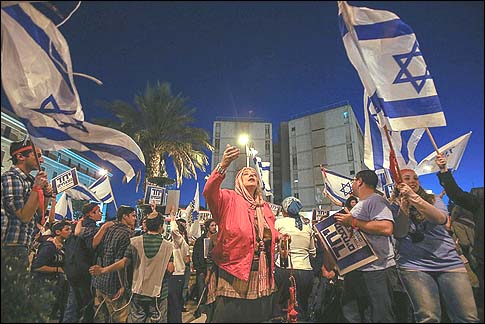
This past week should teach us one thing; in the eyes of the enemy, Israel is one Israel.

As the worse in now behind us, and yet with restorations efforts still ahead of us, I believe that the terms utilized so widely this week to describe a terrible predicament should force us to reconsider their use when, thankfully, tragedy doesn’t strike. Though my heart and soul are with those hurt by the storm, I am disturbed that so many of these very adjectives are commonly used to describe common occurrences, a far cry from the critical situation that so many Americans on the East Coast are facing.
A leisurely Shabbat stroll around town recently turned a calming experience into a rather upsetting one, as graffiti sprayed on quite a few buildings in my neighborhood defaced the beautiful Jerusalem stone with the words; “Dabru Ivrit/Speak Hebrew”!
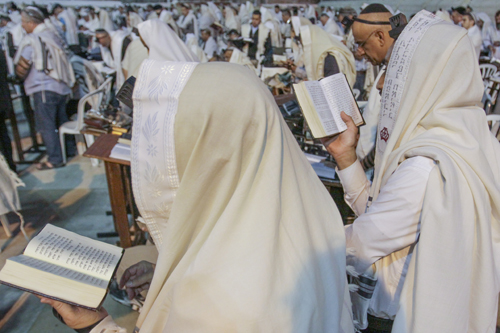
"It is a Sabbath of Sabbaths for you, and you shall afflict yourselves, It is an eternal statute” (Vayikra 16:31). This is how our Torah sums up the upcoming experience of Yom Kippur: a Sabbath of all Sabbaths. Rather than use the more colloquially known "Yom HaKippurim," The Day of Atonement, the Torah reading of Yom Kippur morning uses the above term to summarize the twenty-five hour experience we are about to step into.

You've seen the scene before – the congregants are silent, the tension can be cut with a butter knife, all eyes are peeled on the bimah in the center, two blessings are uttered, and the silence is pierced….by the most primitive horn one could find!
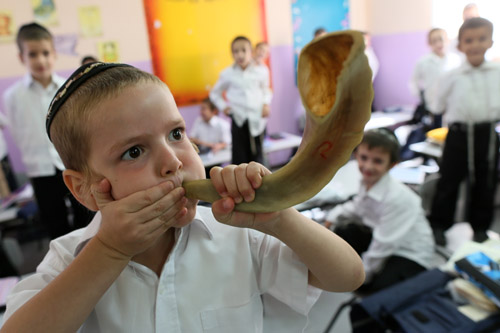
As the year is coming to an end, with endless days filled with doing the very same commandments, we besiege G-d on each remaining day, asking for one vital ingredient for the one yet to come: May we never get used to our routine.

I'd like to submit that anything Frequent in our life tends be Forgotten! Something we see every day does not rank high on our list of concerns, and therefore, we just naturally forget about it.

As a frequent traveler abroad, I rarely see a community where everyone is alike. Though the comfort of "living with your own" is understandable, there is much to be said for a Jewish community in which Streimlach walk on the same sidewalk with Kippot Serugot, and girls wearing heavy stockings walk to shul on Shabbat together with those wearing sandals without any socks.
"Monopoly was created for a summer Shabbat and Fast Days…"! So I heard, time and again, in my early years. Years later, I know rather too well that while "Monopoly" has a place in the Jewish home, I am not sure about it's appropriateness to either Shabbat or a Fast-Day.
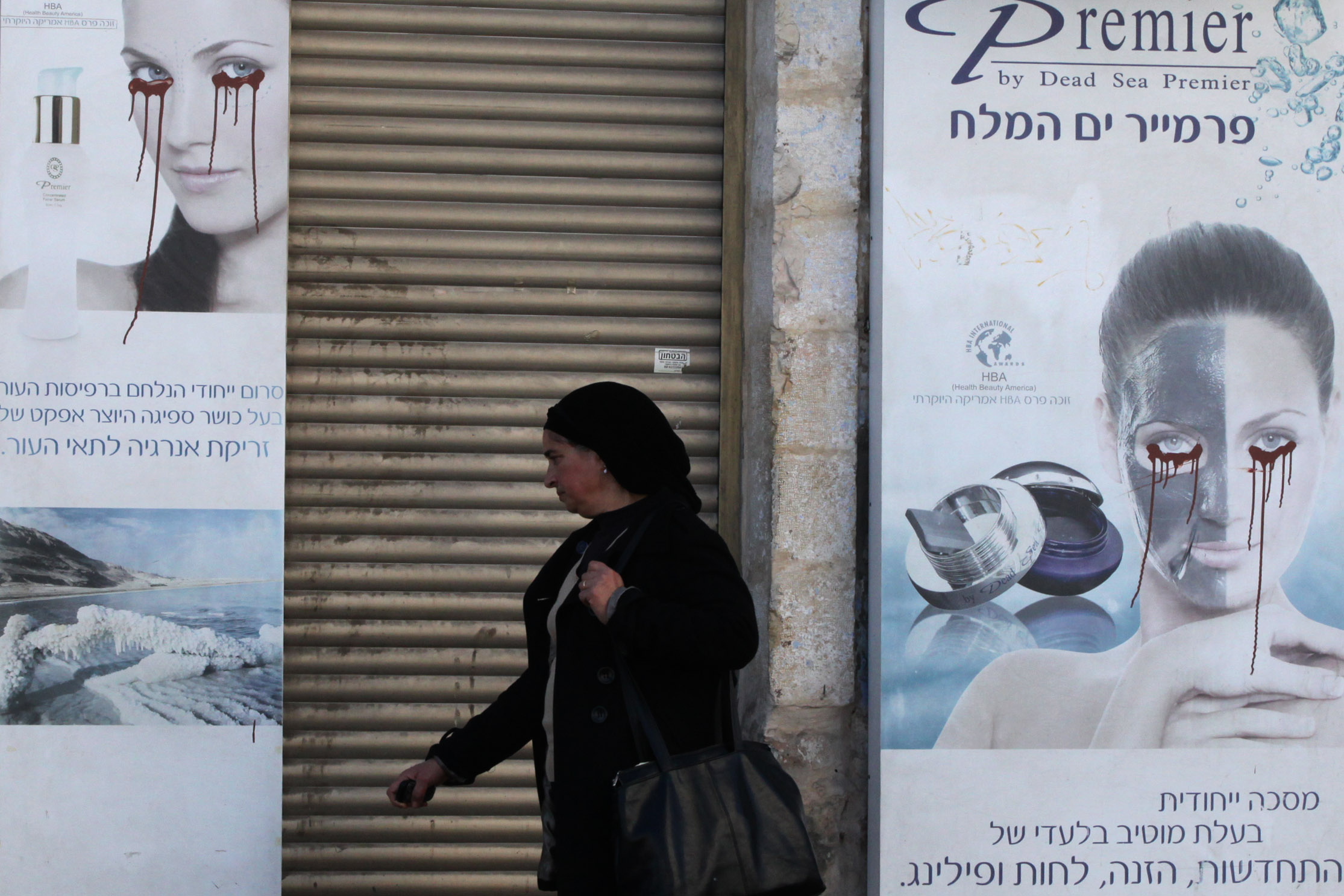
I am deeply concerned that a new religion, though close to Judaism but not part of it, is being formed based on a so-called "frumkeit" not defined as a mere "Chumra" [stringency], but rather actually violating clear laws and regulations set down by God for the Jewish people to follow
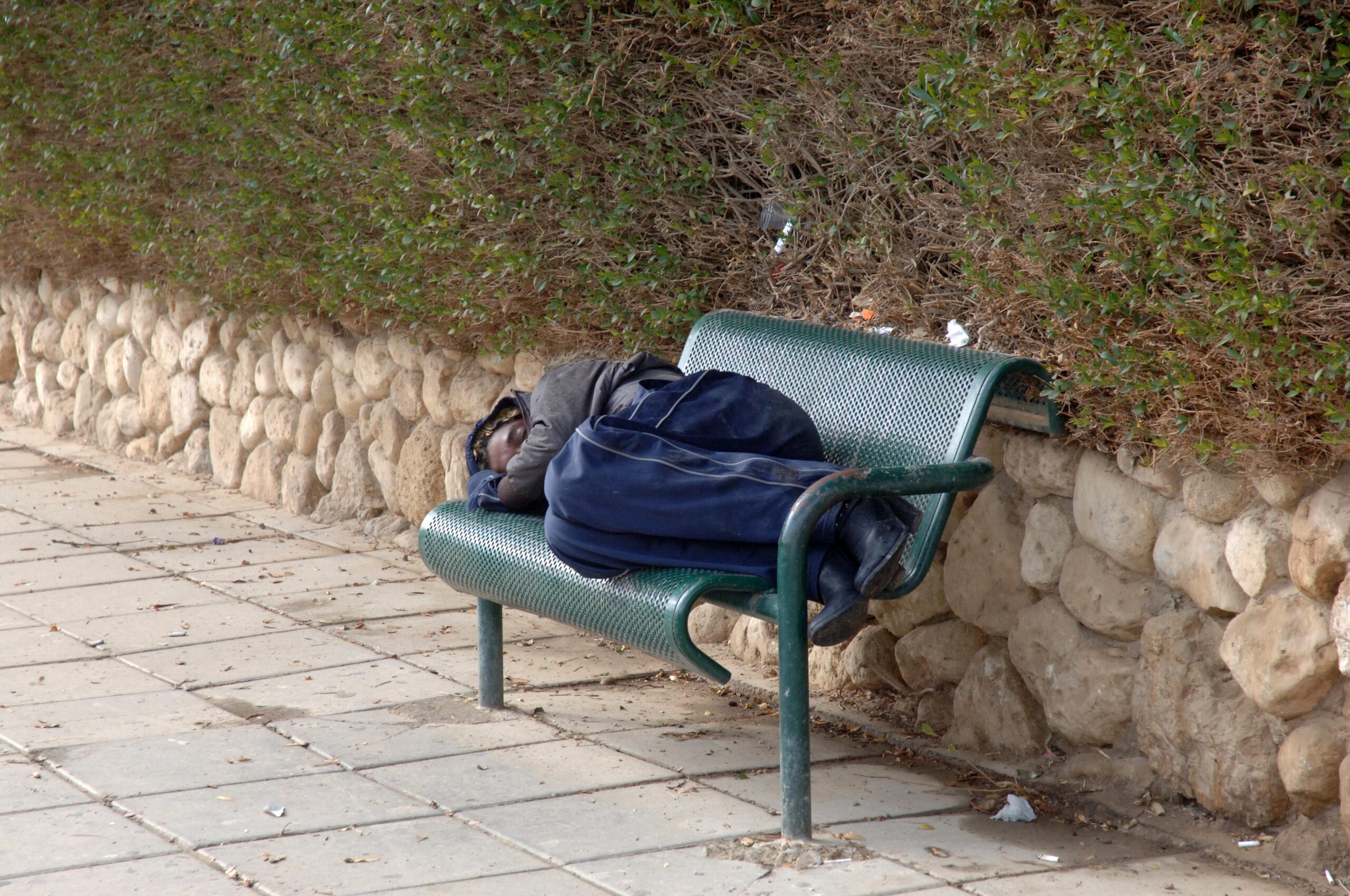
As one that has trained and followed rabbis throughout their careers, I can generally say that rabbis gain detractors not so much because of their sermons, vision, lectures or the like, but rather when they fail to return phone calls, when they avoid bikur cholim, and when they fail to respond to emails. One can deal with refusal, disagreements, debates and the answer 'no', but how should one deal with being totally and utterly ignored?!
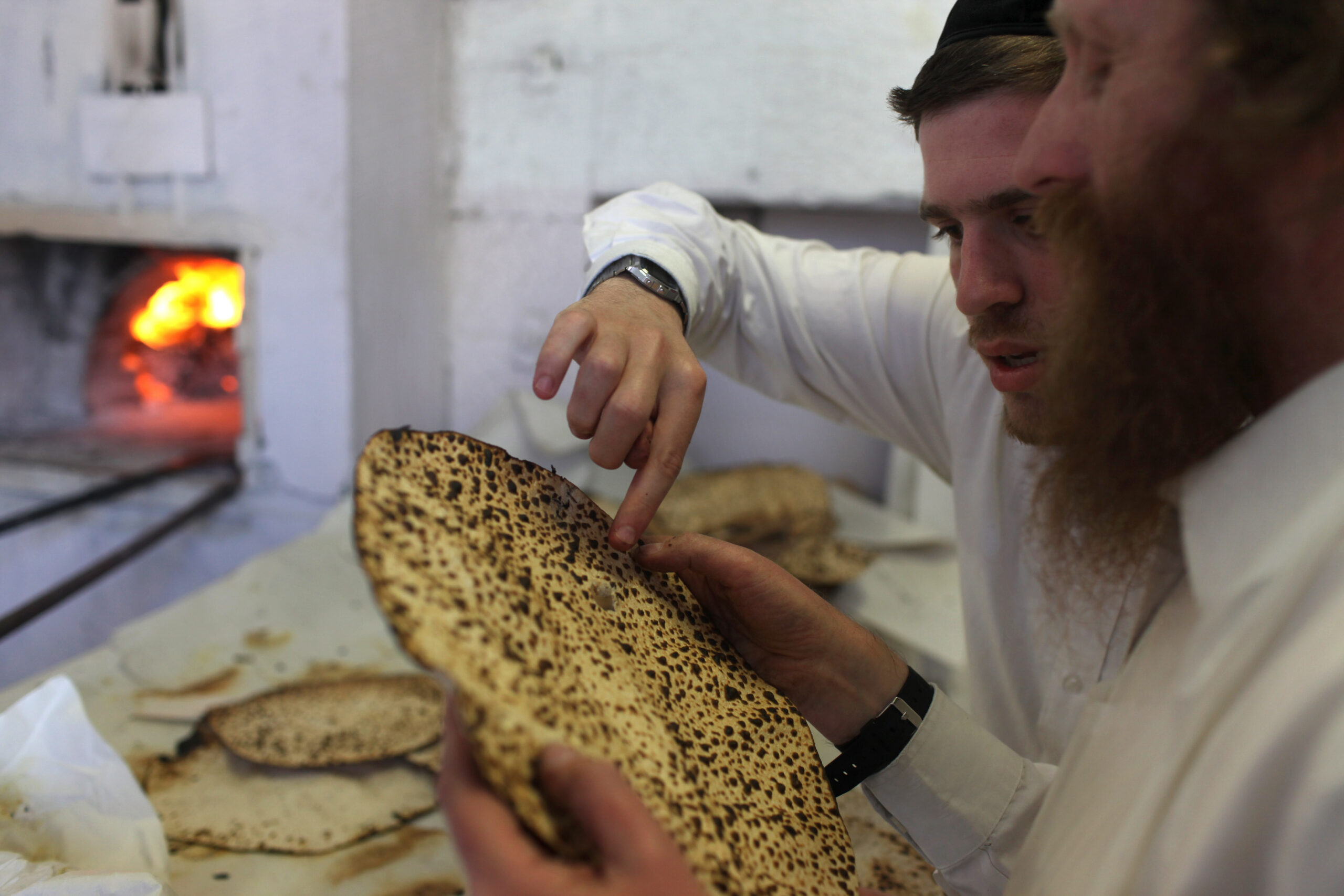
I believe we need to get back to the basics. Holiness is something we should embrace rather than stray from, and thus we should "look" for more opportunities to become holy rather then stay "safely" away from it. True, with every act of holiness comes restrictions and I can already feel the backache of cleaning the pantry from Chametz. But shall this hardship turn Pesach into the Holiday of misfortune rather than happiness?


 October 23, 2026