יום שני, ח׳ חשוון תשפ״זMonday, October 19, 2026



Follow Us


Yaakov Lappin is an Israel-based military affairs correspondent and analyst. He is the in-house analyst at the Miryam Institute; a research associate at the Alma Research and Education Center; and a research associate at the Begin-Sadat Center for Strategic Studies at Bar-Ilan University. He is a frequent guest commentator on international television news networks, including Sky News and i24 News. Lappin is the author of Virtual Caliphate: Exposing the Islamist State on the Internet. Follow him at: www.patreon.com/yaakovlappin.
Read More

(July 15, 2026 / JNS) Former Israeli intelligence officers and an American defense expert are expressing deep skepticism regarding a July 13 New York Times report alleging that the Mossad attempted to recruit former Iranian President Mahmoud Ahmadinejad as part of a regime-change operation. The article claimed that Israeli intelligence built a years-long operation to groom the […]
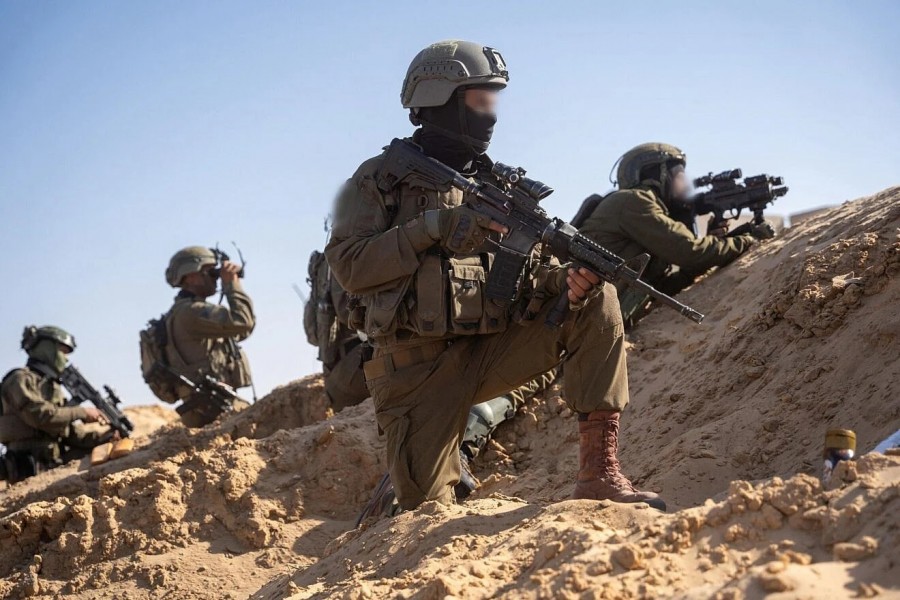
"Unlike in the past, the IDF will remain in every area that is conquered in Gaza, to prevent the return of terrorism," a security source says.
Hamas seeks to end the war while maintaining its military control over Gaza, mirroring Hezbollah’s pre-war dominance in Lebanon. Israel must not allow this to happen, even if Egypt pushes for it.

While Israel's defense establishment touts ongoing cooperation with Cairo, observers have concerns.

With the deadline looming, concerns remain over the Lebanese Armed Forces’ readiness to enforce the ceasefire agreement and curb Hezbollah’s resurgence.
Currently, the IDF is dealing with the hundreds of terrorists who remain, demonstrating the scale of the challenge posed by a well-entrenched adversary.
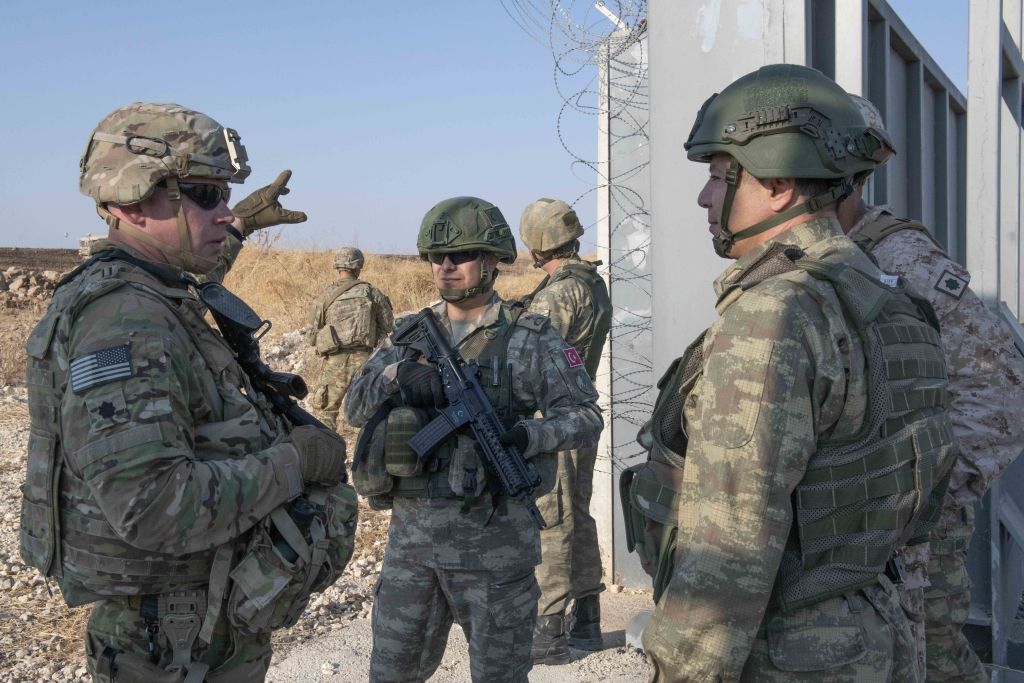
Military action against the Kurds in northern and eastern Syria threatens a U.S. ally that could prevent future Iranian arms smuggling.

"Obama broke the tradition where an outgoing president doesn't initiate significant new policies during the transition."

The targeted maneuvers follow months of special forces ops that uncovered staggering quantities of weapons meant for an invasion of the Galilee.
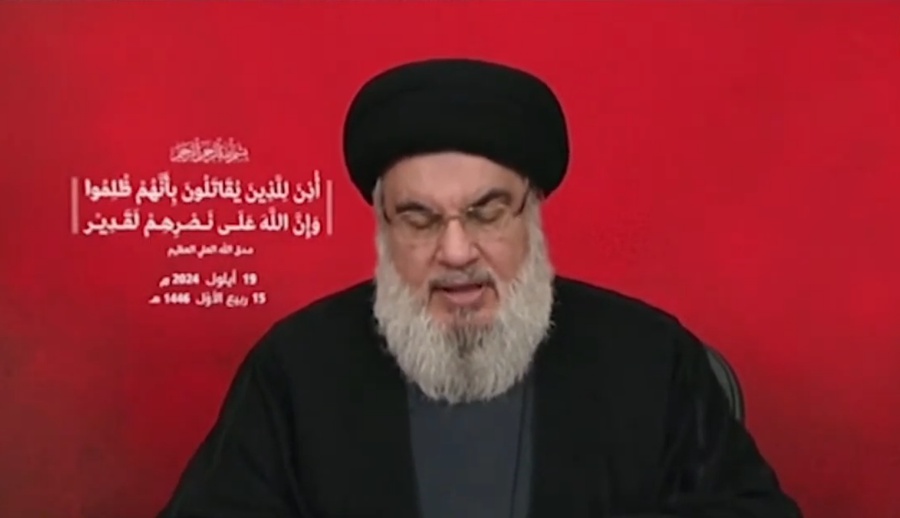
Nasrallah acknowledged that his organization absorbed an unprecedented blow to its personnel and security.
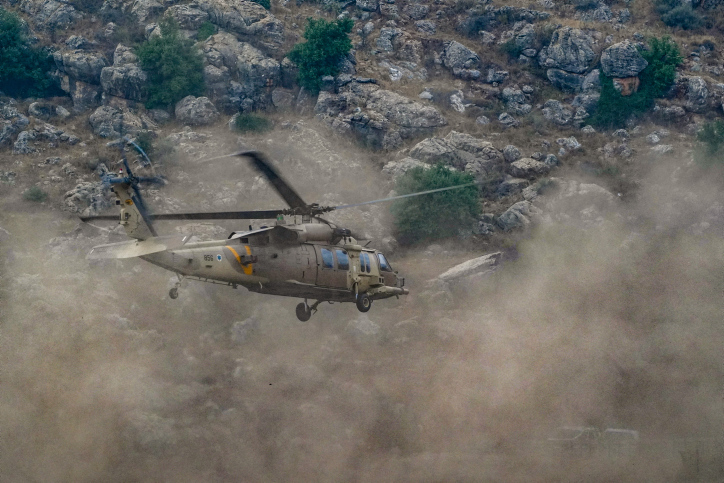
Israel must not opt for "more of the same" in the aftermath of Hezbollah's deadly attack on Majdal Shams,
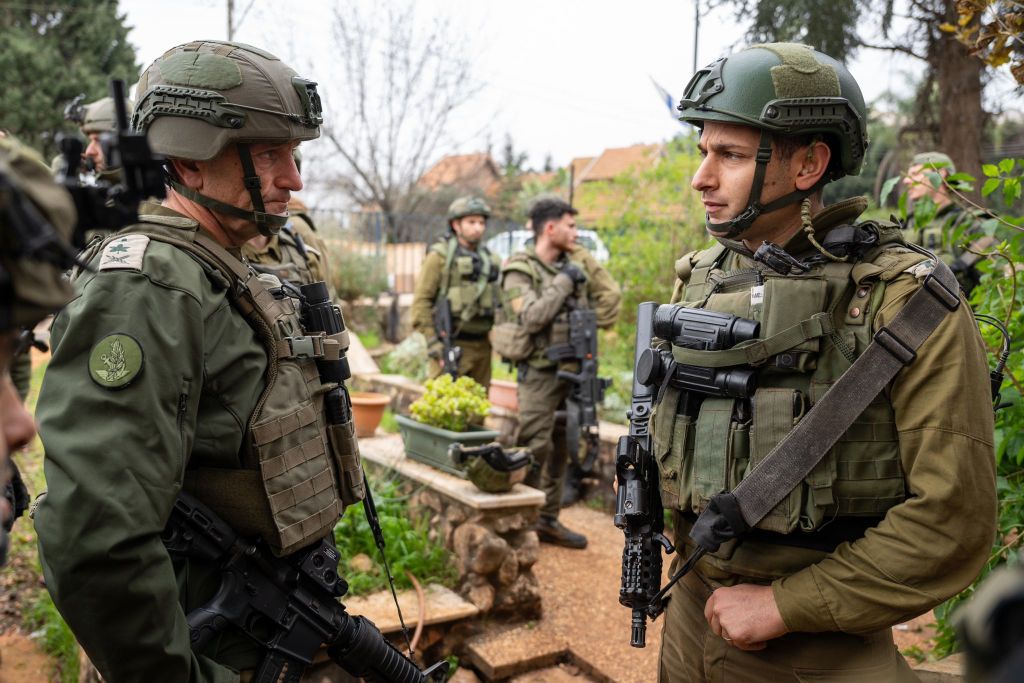
Former IDF Military Intelligence chief Amos Yadlin: The problem is not Gaza. The problem is Iran.
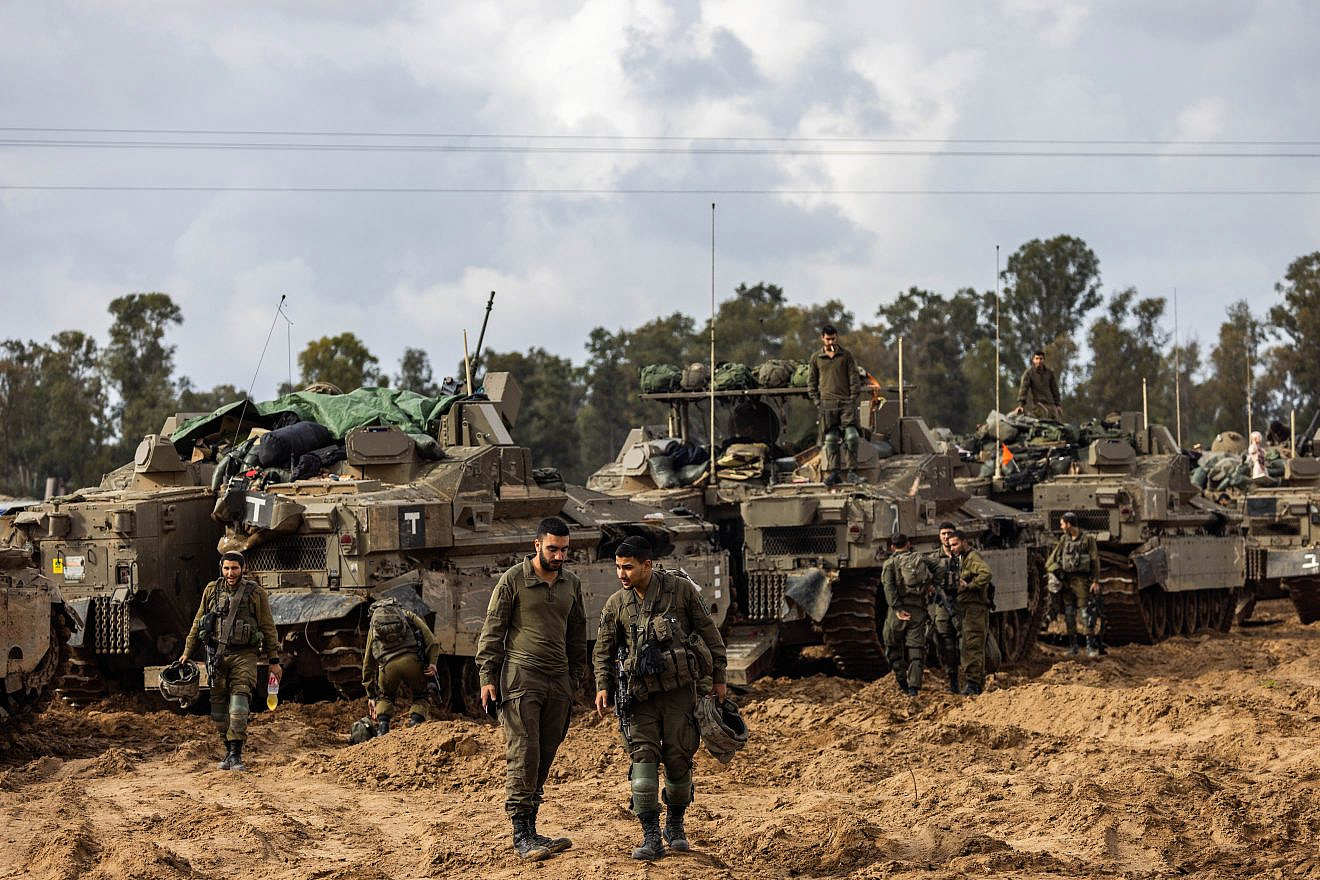
While the depth of a future buffer zone remains unclear, a kilometer appears to be one realistic option for defending the border communities—a kilometer into Gaza in which Israel will have a complete picture of what is occurring overground and underground.
The 98th Division, with its special forces, is taking the lead in the remaining enemy strongholds such as Khan Yunis.
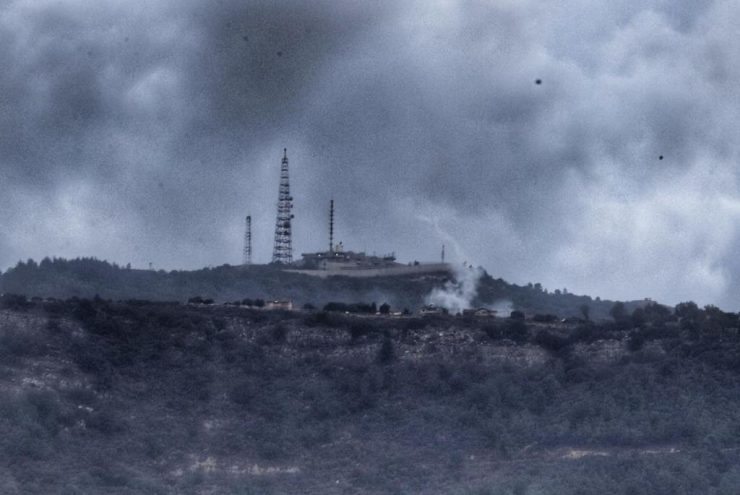
(TPS) Hezbollah’s Jan. 6 attack on the Israeli Air Force’s Meron air traffic control base, likely using Iranian-supplied Kornet-EM missiles, marks a significant escalation by the Iran-backed terrorist group. The day before the attack, Hezbollah chief Hassan Nasrallah had threatened retaliation for the Jan. 2 assassination of Saleh Al-Arouri, Hamas’s deputy politburo chief in Beirut. […]

It remains unclear whether the increased tensions in the region will develop into conflict, or whether Washington will make due with minimal defensive measures.
The Hamas leader Yahaya Sinwar "hears the IDF’s bulldozers over him," Israeli Defense Minister Yoav Gallant said. "He will meet our barrels soon.”
The IDF is using the ceasefire to enhance readiness, learn from recent battle experiences and develop future operational plans.
Hamas terrorists weren't targeted to avoid harming Gazan noncombatants.
Landing patterns have been changed to bypass the GPS disruptions.
Hamas has a number of models that have a very similar appearance to UAVs in the possession of Hezbollah, and in principle one can say that the inspiration for them is Iran.
A year and a half ago, Tehran took the strategic decision to significantly step up attacks on Israel using proxies and partners located within and around the Jewish state.

The IDF trains 10,000 people a year in cyber programs.
The CERS Center is responsible for developing and manufacturing chemical, biological and potentially nuclear weapons.
Despite growing cooperation with Moscow, Iran sees a new opportunity to deepen its hold on Syria due to the reallocation of Russian military forces to Ukraine.
The laser system will be integrated directly into the Rafael-made Iron Dome air defense batteries, which have been in operation since 2011.
Every day that passes might be sending the wrong message to Nasrallah, who could be misinterpreting Israeli restraint as a confirmation of his theory that Israel is getting weaker.
The Jenin operation is a reflection of a larger strategic problem, namely the growing power vacuum and chaos in Samaria.
(TPS) Former Israel Defense Forces Chief of Staff Lt. Gen. Gadi Eisenkot revealed earlier this month that Israel was asked by Egypt in 2015 to conduct airstrikes against Islamic State targets. “There aren’t many countries in the world that know how to locate targets the size of a podium and to put a missile on […]
(TPS) The murderous terror attack at a gas station near Eli in Judea and Samaria on Tuesday marked another stage in the ongoing deterioration of the security situation in the area. The two terrorists who shot dead four Israeli civilians before being killed—one by an armed Israeli civilian on the scene, the second a few […]
The terrorist orgs are brainwashing their children to be cannon fodder via the social networks.
Rafael’s Drone Dome system has already been deployed in Dubai, and is also protecting airports, military targets and borders in a number of NATO states, as well as in Asian countries.
“Iraq is in a transitional phase, and it is worth monitoring developments there, because it can go back to being a threatening arena to Israel.”
Question #1: Was the terrorist, an Egyptian border policeman, acting on his own?
Chief of Staff, Lt. Gen. Herzi Halevi, will need to safely and swiftly maneuver through a domestic minefield without entangling the military in politics.
Operatives are continuously gathering pre-attack intelligence on Israel, the Alma Center says.
The Space Administration's mission will be to examine new ways to use space “in ways that cannot be detailed."
The main concern is that Palestinian Authority security personnel will interpret it as a green light to take part in terrorism, a former defense official says
Russian-Iranian competition in Syria appears to be a thing of the past, and a new Iranian-Hezbollah attempt at entrenchment in southern Syria may have already begun.
PIJ fires some 400 rockets from the Gaza Strip, including a barrage at Tel Aviv, as the Israeli military strikes terror targets in the Gazan enclave; Iron Dome intercepts 95 percent of projectiles heading for populated areas; Hamas remains on the sidelines.
Lt. Col. (ret.) Michael Segall, a senior analyst at the Jerusalem Center for Public Affairs, discusses Iranian intelligence-gathering and attack vessels active in the region.
“Just as memorial ceremonies can be held in Haifa or any other Israeli city, they will be in Miami and New York, too. These families gave their children, and we have to hug them wherever they live,” said Efrat Shefa Dor, manager of the Tiberias District for Bereaved Families.
“Even now, Hezbollah’s Golan File Unit gathers intelligence and awaits an opportunity to attack Israel,” says a report by the Alma Research and Education Center.
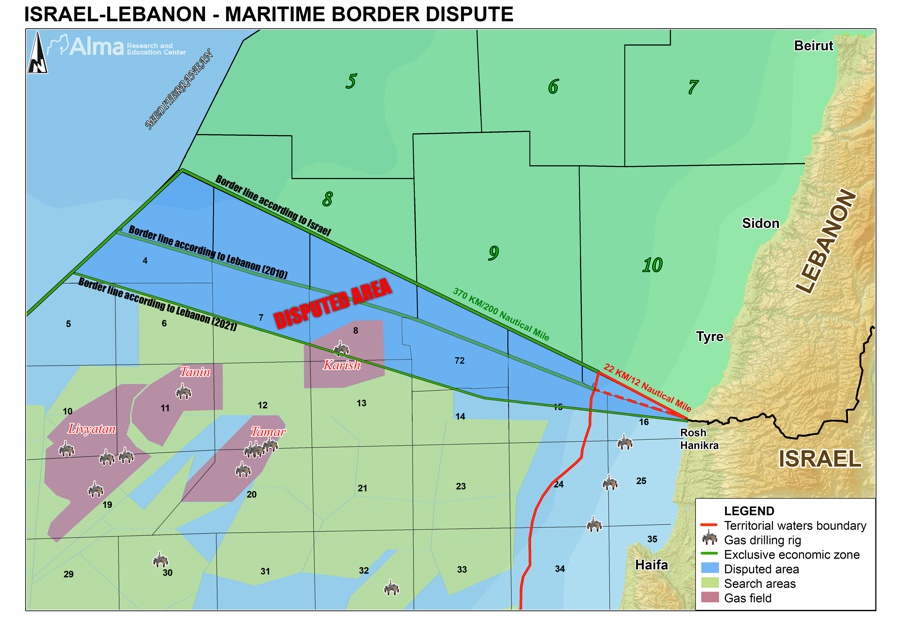
“Lebanon has been out of the economic waters game for a long time. The Syrians have ‘taken a bite’ from gas reserves to the north—and the maritime border between Syria and Lebanon has never been finalized,” says Maj. (res.) Tal Beeri.

“Those who do not act now should not be surprised when an Iranian-made UAV crashes into their skyscrapers.”
Combining guided missiles with drone technology, UVision’s series of loitering munitions is being delivered to the U.S. Marines, the Indian military, and now, a new cooperation agreement is in place with a German defense company.

The reported attack’s messaging “cyber-attack 64411,” is designed to tell Iranians that their regime is not infallible, while the disruption to the gas-pump supply underscores an issue that’s led to destabilization in the past.
The reinforced underground facility unveiled by Oracle—nine floors underground—is geared to enable business continuity in all kinds of emergencies, said a company executive.
The Rex MK II can move autonomously on rough terrain, fire on targets, transfer logistics and gather intelligence; it can also carry water, food and ammunition through enemy territory.
Elbit’s ARCAS allows soldiers to shoot from around a corner; the company says it offers ballistic correction, automatic motion detection and the detection of enemy fire sources.
The Alma Center report said they connect entire regions of the country to one another; some tunnels are able to allow pick-up trucks with multi-barrel rocket launchers to fire, vanish and re-emerge tens of kilometers from the firing point.
According to an Israeli military source, Hamas is sharing its operational lessons with its allies.
Hamas will always prioritize its radical ideological and political objectives over pragmatic considerations whenever those two factors come into conflict. As Israeli decision makers monitor Hamas’s renewed efforts at force build-up following Operation Guardian of the Walls, they face dilemmas as they look for “least-worst” options.
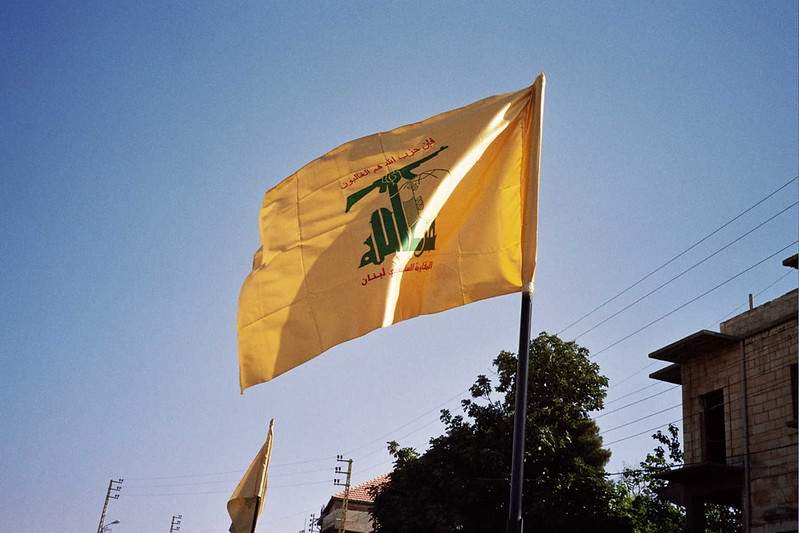
A 'Rabat' stationed in southern Lebanese villages as Iranian-backed Hezbollah’s official administrator runs daily affairs [and] helps plant missiles in civilian homes.
“There are certain things that only F-35s can communicate to one another.”
The defense minister shares Israeli Prime Minister Netanyahu Benjamin’s grave concern over the emerging Iran nuclear deal, though believes that strategic dialogue, as opposed to a more defiant posture, is the way forward with Israel’s greatest ally.
The Israeli military is developing a new system to intercept rockets at their ascent stage, using a network of sensors and missiles to destroy active enemy launchers within 10 to 15 seconds.
IDF official: Hamas’s force build-up process is problem • Vital to disrupt future re-armament programs to prevent new escalation in near future.
From short-range Burkan rockets with massive warheads that can destroy buildings to medium-range Iranian Fateh 110 missiles that can reach greater Tel Aviv, the Alma Center sheds new light on how Lebanon is brimming with Hezbollah’s firepower.
A drive-by shooting in the Shomron was likely unorganized, though the terror group that runs Gaza is seeking to leverage recent tensions to pressure both the Palestinian Authority and Israel.
Researchers say April 11 blast set back Iran’s nuclear breakout time by two months • Tehran announcement regarding 60 percent enrichment will not “materially alter” ability to sprint to nuclear weapon for now, they add.
The ICC Prosecutor’s investigation of Israel will get underway in the next few months. The Court’s decision to grant itself jurisdiction in Gaza and the West Bank raises the disturbing prospect of future indictments—and arrest warrants—being issued against senior Israeli military personnel and officials.
Iran believed that its attempt to deny the military role of the “Saviz” would protect it from attack, but the deniability ended up making it easier for those who struck it, says a former defense official.
Israel’s alleged ongoing disruptions of Iranian oil-smuggling to Syria, which enabled a terror financing channel to Hezbollah, and Tehran’s resulting retaliation may have set off alarm bells in the Biden administration ahead of new nuclear talks.
Hamas is working around the clock to recruit Israeli (Arab) citizens for intelligence gathering that would enable it to conduct terror attacks inside Israel
The idea of network-centered combat that led to the development of systems like “Circle of Fire” is not new, but is “developing together with technological capabilities.”
The apparent Iranian attack on an Israeli-owned civilian cargo ship is a wider threat against shipping and comes as part of retaliation for the assassination of Iran’s top nuclear scientist. Meanwhile, Iranian proxy warfare against the United States has returned to the region.
A speech by Hezbollah leader Hassan Nasrallah and a video released a day later showing targets in Israel are designed to falsely legitimize the terror group’s use of human shields, states Maj. (res.) Tal Beeri of the Alma Center, which exposed four new missile sites in Beirut.
Rafael’s Trophy system has amassed more than 1 million operational hours and saved countless lives in combat since 2011. It’s now installed on a growing number of armored vehicles, including on four American tank brigades.
The fifth generation F-35 fighter jet is playing a game-changing role in Israel’s ongoing campaign to disrupt the activities of the radical Iranian axis in the Middle East.
An online investment conference was driven by the objective of assisting the Gulf state in meeting one of its central challenges, which came to light even more so amid the coronavirus pandemic.
The Islamic Shiite Waqf Committee in Burj al Barajneh foundation is suspected of being used to hide ballistic missiles and launch sites, according to the Alma research organization.
A “return to the nuclear deal from 2015 or even a similar deal with a few improvements is bad and wrong . . . operationally and strategically."
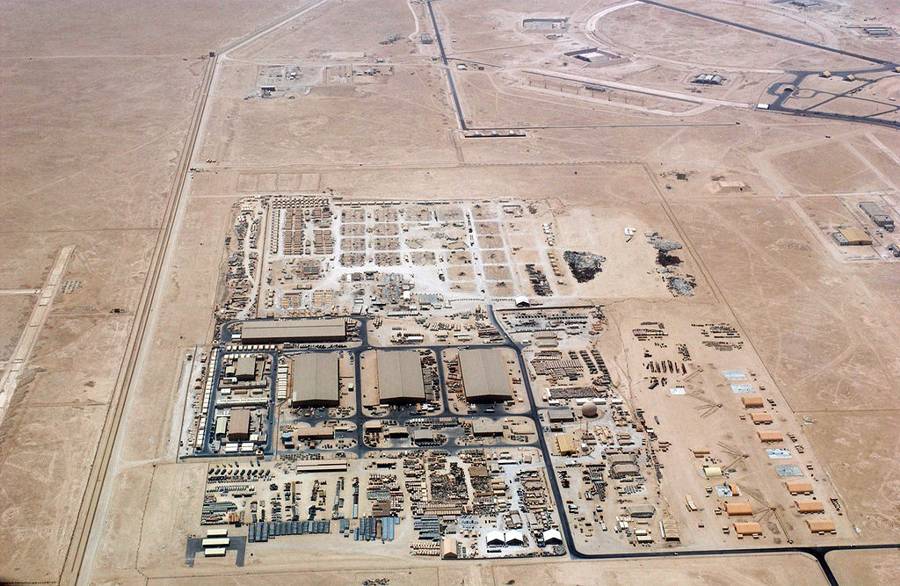
As Iran tensions remain high, moving Israel to CENTOM’s area of responsibility would enable Israel, the United States and Arab partners to conduct joint exercises and planning for Iran-specific threats, thereby boosting readiness, says Jonathan Ruhe, director of foreign policy at JINSA.
The Israel Defense Forces’ Tactical Command College (TCC), the Israeli equivalent of the West Point military academy, is increasingly shaping the professional cadre of the Israeli military’s ground forces and leaving its mark on future military leaders.
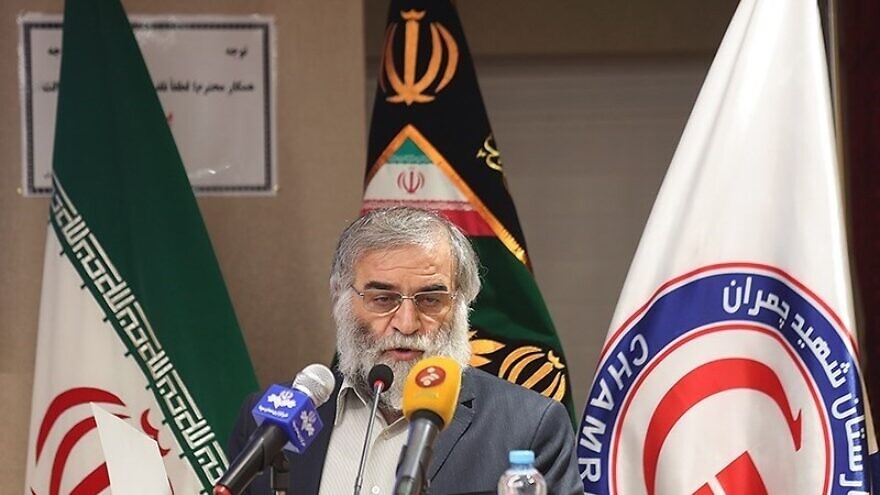
Fakhrizadeh headed the “weaponization” group of Iran’s nuclear program, attended an underground nuclear-weapons test in North Korea in 2013 and was earmarked for the stage following a sufficient accumulation of uranium.
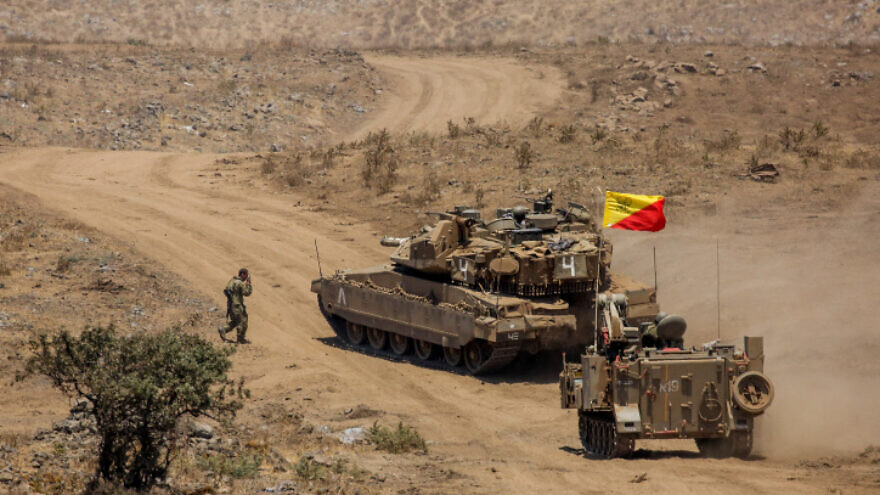
“They are preparing operational plans in anticipation of the next war,” warned Maj. (res.) Tal Beeri, director of Alma’s research department, who tells JNS that Hezbollah is deeply embedded among Syrian military’s forces, using their bases to gather intelligence and prepare military attack plans.
Hezbollah is unconcerned if its actions cause an out-of-control spiral.

Momentum, the IDF’s ambitious new multi-year force build-up program, will require a long-term budget framework if it is to achieve its goals—but clouds of uncertainty have gathered around it in the shadow of a massive government deficit.
A new report is calling on the U.S. to designate three Iranian organizations as terror groups.
As Hamas weighs its response to the application of Israeli sovereignty to parts of the West Bank, it continues to raise a terror army, build up its rocket arsenal, and plot to increase its presence in the West Bank.
The UAV, dubbed “SkysPrinter,” is a small system designed to take part in combat operations.
Former IDF chief of staff Benny Gantz officially took up his position as defense minister a week ago. His first challenges will be to wage a bitter struggle for a defense budget and promote a cautious approach to Donald Trump’s peace plan.
Egyptian-Israeli relations are at their best level since the peace treaty was signed, mostly based on common security interests. But something can always go wrong.
The IDF has assigned a new role to an elite naval commando unit to apply its special skills and training to assist civilians in the fight against the coronavirus pandemic.
For the first time in Israel’s history, ceremonies and honor guards on Yom Hazikaron will be held at military cemeteries without visitors due to coronavirus restrictions on gatherings

The coronavirus pandemic has turned into a serious challenge for the Iran-backed Lebanese terror organization Hezbollah, placing the world’s most heavily equipped non-state armed group under strain. Nevertheless, recent reports indicate that these conditions have not stopped Hezbollah’s ongoing military and terrorist activity in the region.
Recent reports indicate that the shadow war between Israel and the Shi'ite axis in Syria remains active despite the virus.
Naftali Bennett says the Jewish state must move from closure to a new “corona routine” that keeps the rate of transmission under control without destroying the economy, calling for the IDF to lead information tracking backed by artificial intelligence, massive testing and localized quarantines.
Defense officials are working on a national plan to get food, medical equipment and other basic needs to vulnerable Israelis under COVID-19.

The Iranian regime has, in recent months, absorbed one upper cut after another. The setbacks include a deteriorating economic crisis fueled by U.S. sanctions, the U.S. drone strike that killed Iranian Quds Force commander Qasem Soleimani, the Ukrainian aircraft downing fiasco that followed soon after, and the growing anti-regime demonstrations driven by an Iranian public demanding a better quality of life.
“The Palestinians are still angry at the State of Israel, but they’re also looking at Gaza; they see the conditions there, and they do not want to reach that. They fear closures and disorder disrupting their lives,”
Lt. Gen. Aviv Kochavi shares his assessment of the growing risk of a direct clash with Iranian forces, saying, of course, that “it would be better if we weren’t the only one acting against them.”

The proposal has been met with criticism from some in Israel, who argue that it could limit Israel’s freedom to maneuver and constrain the Israel Defense Forces. But with the growing threat of Iran in the Middle East, proponents say now could be the time to sign the pact and boost deterrence
Israel seeks to prevent a powder keg from detonating on the southern border as it prioritizes the more threatening front up north.
The next Israeli government will have to make critical decisions on urgent security challenges stemming from multiple arenas simultaneously. It will also have to waste no time in securing the next defense budget.
The announcement comes after joint drill where NATO vessels simulated medical emergencies at sea with the Israeli Navy.
Efforts to replicate the rocket threat in the Gaza Strip have been nipped in the bud due to Israel’s intelligence network and nightly counter-terrorism raids.
The fact that the world’s most powerful military chose an Israeli active protection system to protect the lives of its tank crews is historic.
IDF Brig. Gen. (res.) Yossi Kuperwasser: ISIS has been “hit hard, but it is not defeated, and if pressure on it is relieved, it could come back.”


 October 16, 2026