יום רביעי, י״ב תשרי תשפ״זWednesday, September 23, 2026



Follow Us


By Mendi Glik
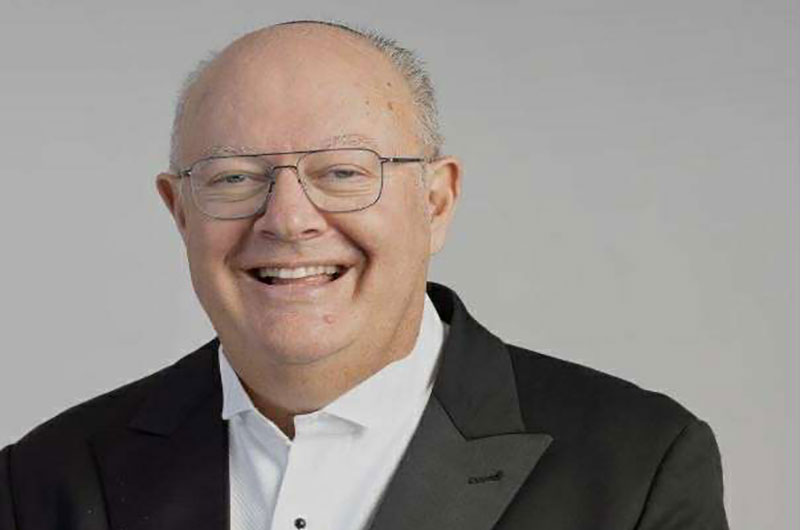
When preparing for a performance, it’s very important to know how to choose a piece. It’s not enough for the cantor just to like the music. It has to be a piece that matches his voice.

By Mendi Glik
Do not have any excuses. The Torah is not far away. You don’t have to reach the heavens or cross the ocean in order to learn Torah and do mitzvot.

By Mendi Glik
The navi Yishayahu compares the return of Am Yisrael to Eretz Yisrael as doves who return to their home. The navi continues and describes how the gates of Israel will be open day and night for Jews to return home.
By Mendi Glik
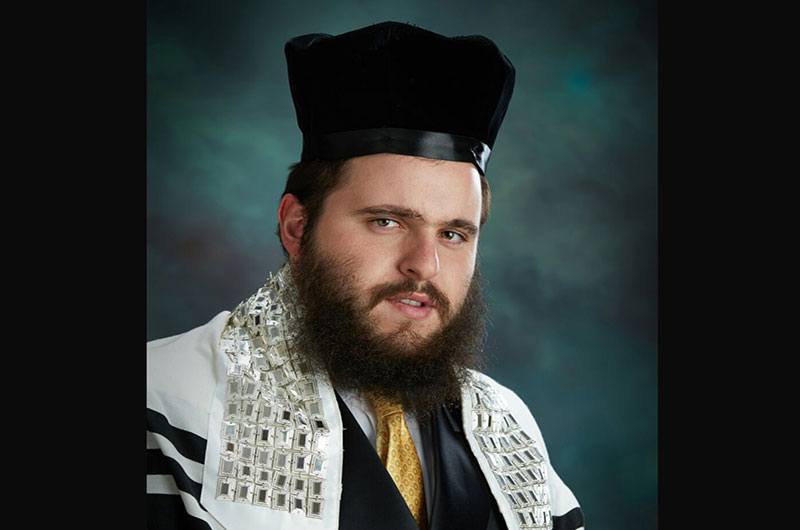
Moti used to listen to chazzanut for hours and try to analyze the pieces, to listen to the dynamics and understand their meaning.

By Mendi Glik
I’ll be very honest with you: This new trend of using different tunes for the High Holiday tefillot really ruins the davening for me.
By Mendi Glik
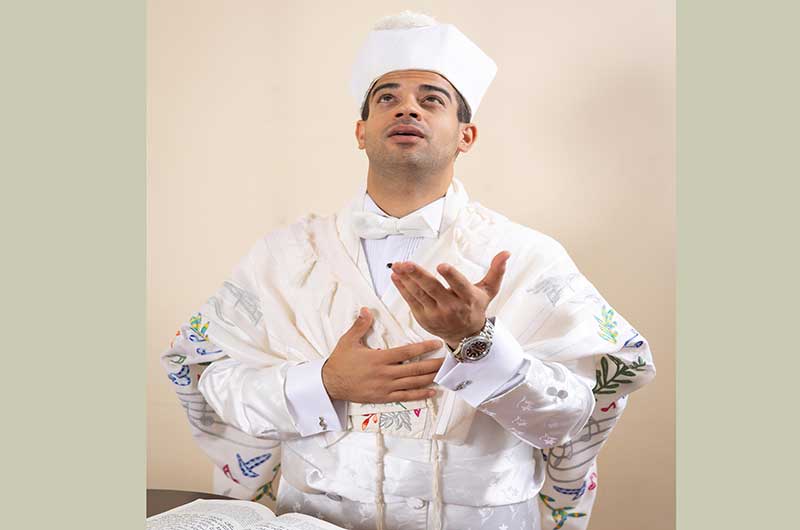
Yossi grew up in a musical house. His mother played accordion and used to sing with the kids every Shabbat. His grandfather on his father’s side was a ba’al tefillah. His grandfather’s brother was a cantor and knew the big cantors.
By Mendi Glik
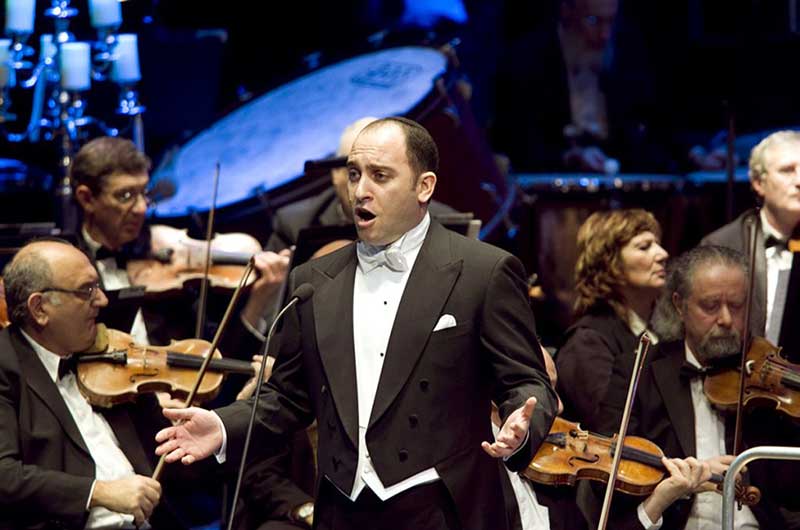
You’ll be surprised to hear that Netanel was not pushed by his father to be chazzan – it was all his choice. But chazzanut was a big part of his childhood.

By Mendi Glik
The key to success is very simple: If you see someone you like, don’t be shy – approach her (or him), introduce yourself, be nice, and have a chat.

By Mendi Glik
Music can generate curiosity. Once young people start to listen to this music often, they might start to look for the “original.” And if it sounds almost the same anyway, why not start listening here and there to more goyish music?


By Mendi Glik
The reason, by the way, that I didn’t really pay attention to the words all those years is because the melody is just so beautiful that I didn’t really care that I didn’t understand the words.
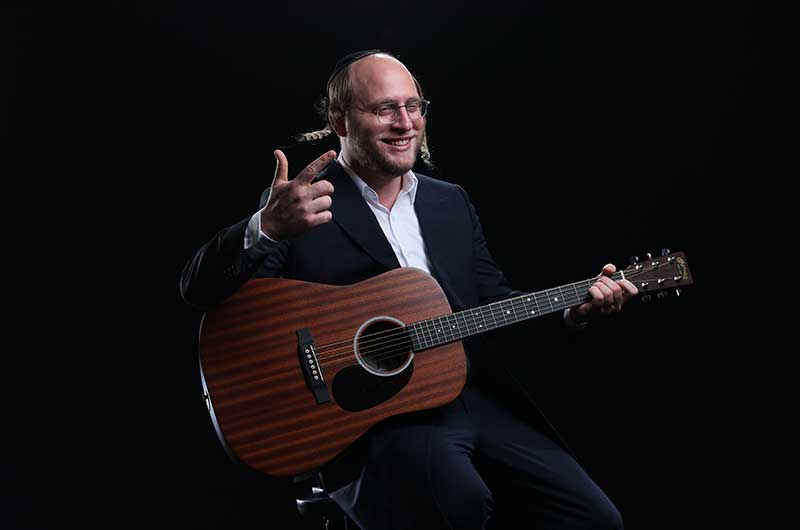
By Mendi Glik
When Motty returned to Israel from the trip, he continued to sing and play music at events, and sometimes used to sing the Hashgacha Pratit song, but with his own words. Instead of “hashgacha pratit,” he used to sing machshavot tovot, diburim tovim (positive thinking, positive speech).
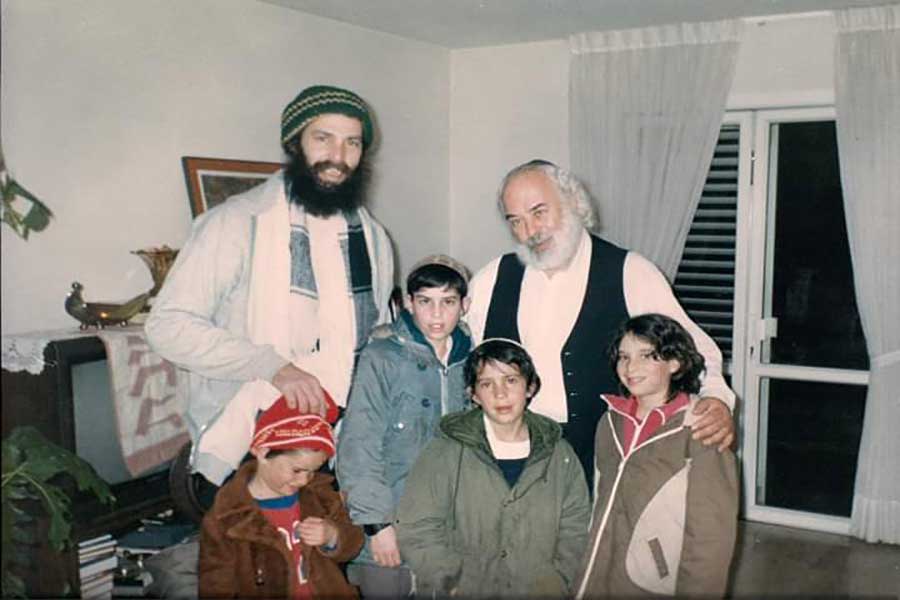
By Mendi Glik
One day, his brother brought him a cassette of Bob Marley. It was the first time he had listened to Bob Marley, and from that moment he got connected to reggae music and started to make his own reggae. It’s kind of as if reggae chose him.
By Mendi Glik
How many scary scenarios heard we heard in the last few years about the day Israel will have to attack Iran? It seemed to complicated, nearly impossible. But we must not forget that the main reason everything worked perfectly is just because of the hashgacha of Hashem.
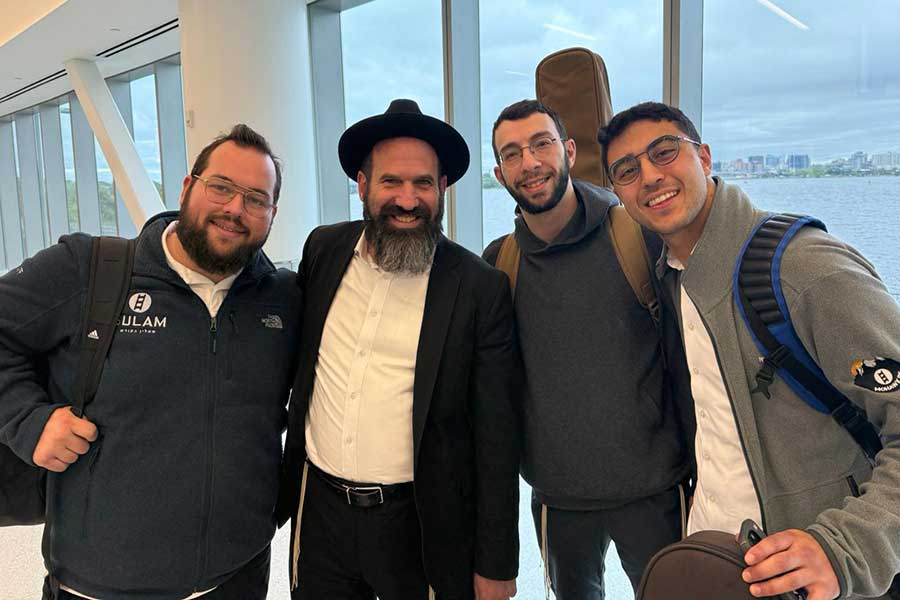
By Mendi Glik
The yeshiva is all about authenticity and feeling, [being] real with yourself, Rabbi Wolf told me. When you have those thoughts, you think of real stuff, it generates inspiration, and the students share it with the world.
By Mendi Glik
A lot more songs during dance sets are rock or electronic style, Mordy says. It used to be more freilach, but recently the music has more of a rock, electronic, and trance vibe.

By Mendi Glik
As a teenager, we used to go on Yom Yerushalayim to the Rikud Degalim (March of Flags). The whole city filled with boys and girls dressed in blue and white holding flags of Israel in their hands, storming the streets with dancing, joy, and happiness, celebrating Yerushalayim.

By Mendi Glik
The beauty of klezmer music is that you don’t need to understand the language. Because there’s no language. It’s only music.
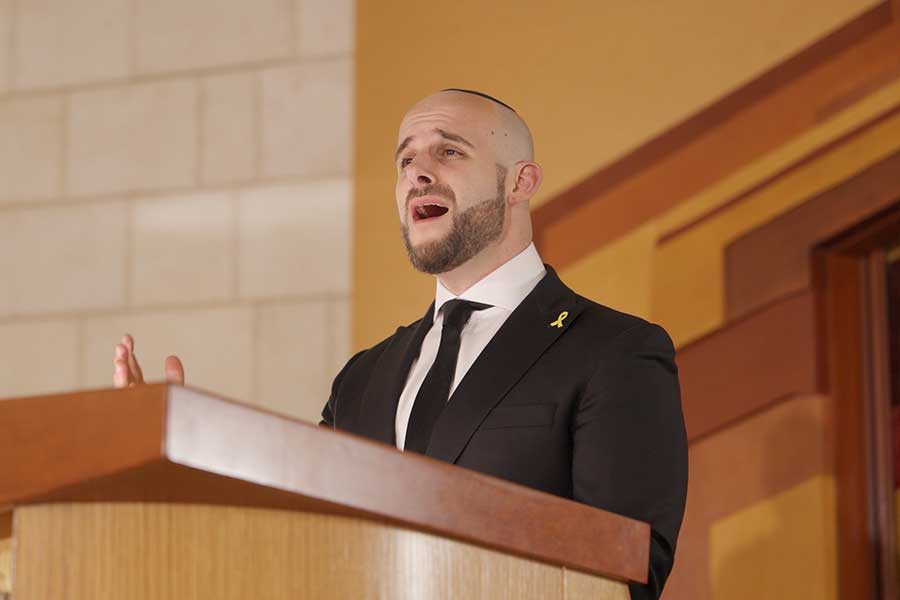
By Mendi Glik
The first time Mordy started to sing was in high school. First, however, he learned how to play a guitar. Just because it was cool.

By Mendi Glik
Despite the controversy and arguments between the different groups, we always need to remember that – left, right, secular, religious, haredi, Ashkenazi, Sefaradi – we are still one nation, Am Yisrael.
By Mendi Glik
For years there was a controversy in Israel about the date of Yom HaShoah. The suggestion was for it to be on the day that the Warsaw Ghetto Uprising started.

By Mendi Glik
I have a feeling that you’re going to hear about these two a lot in the future. They both grew up in very musical homes and music has been part of their lives since they were born.

By Mendi Glik
As Avigdor puts it, from his father, he and his siblings got the military part, and from his mother the music part.
By Mendi Glik
The reason that I liked so much to go to the Spanish and Portuguese Synagogue is because of the special nusach that they still daven there, a nusach that goes back hundreds of years. They still pray in the original style that they prayed in when the shul began.
By Mendi Glik
Many Jewish songs have been written and composed based on Rabbi Elimelech’s writings and tefillot that he composed. Rabbi Elimelech was also a composer and composed a few niggunim.
By Mendi Glik
This is one of the greatest holidays in the year for musicians, perhaps the busiest, and so there are many songs and performances of Purim songs.

By Mendi Glik
In our column we’re going to have some oldies together with some contemporary music. I’m not only going to suggest Purim songs, but also other upbeat songs that will cause you to hold hamantaschen in one hand, a good bottle of wine (or whiskey) in the other hand, and start dancing! Hora!
By Mendi Glik
I still make sure to sing mostly the tunes and melodies my father sings. But at the same time I also love and enjoy listening to the new versions, new tunes that the different singers perform on their albums. But the melodies from the albums stay in the car, or wherever I listen to music.
By Mendi Glik
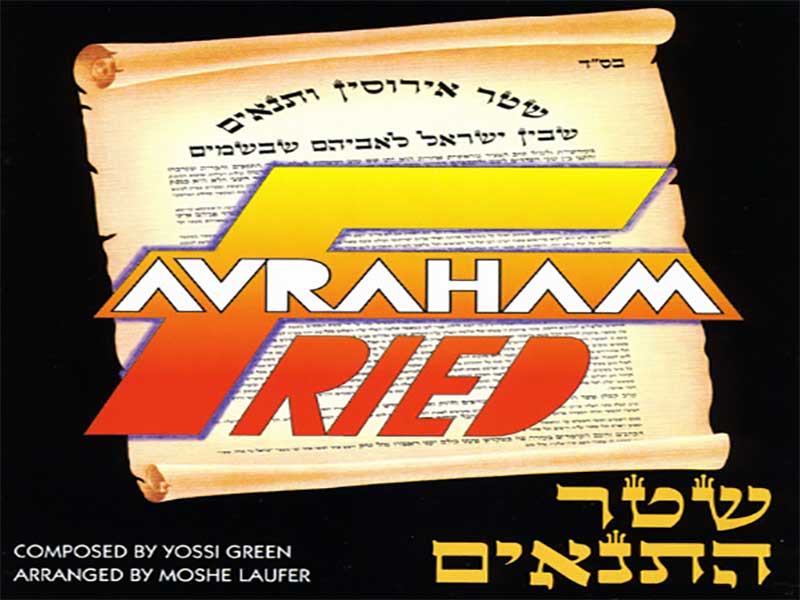
The song is about a “shtar tena’im – an engagement contract between a chatan and kallah, a groom and a bride. And we’re going to talk about this song and explain it. What a beautiful song!

By Mendi Glik
I can imagine Rabbi Nachman standing in the middle of the cold forests of Ukraine, yearning for and dreaming of Eretz Yisrael. The kedusha, the holiness of the land.

By Mendi Glik
So this Sunday is the big game, and whether you’re hosting a Super Bowl party in your house and looking for the best playlist to dance with your guests during the break, or just watching with friends and family, I’ll have you covered.

By Mendi Glik
In order to listen to hi-res music, we need a special music player which can play these files. These players are relatively expensive, but they are worth the price.
By Mendi Glik
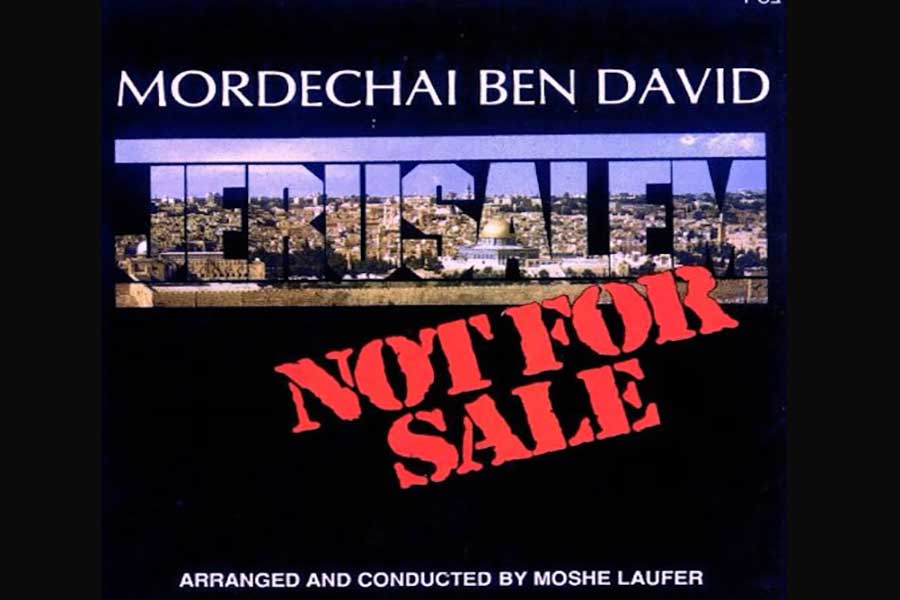
Interesting fact: Go on Google or Wikipedia and search for the famous picture of Sadat and Begin in the King David Hotel in Jerusalem when he came to visit Israel. Look closely at his tie and see the pattern. What symbol is repeating on his tie? (Hint: Swastika.)
By Mendi Glik
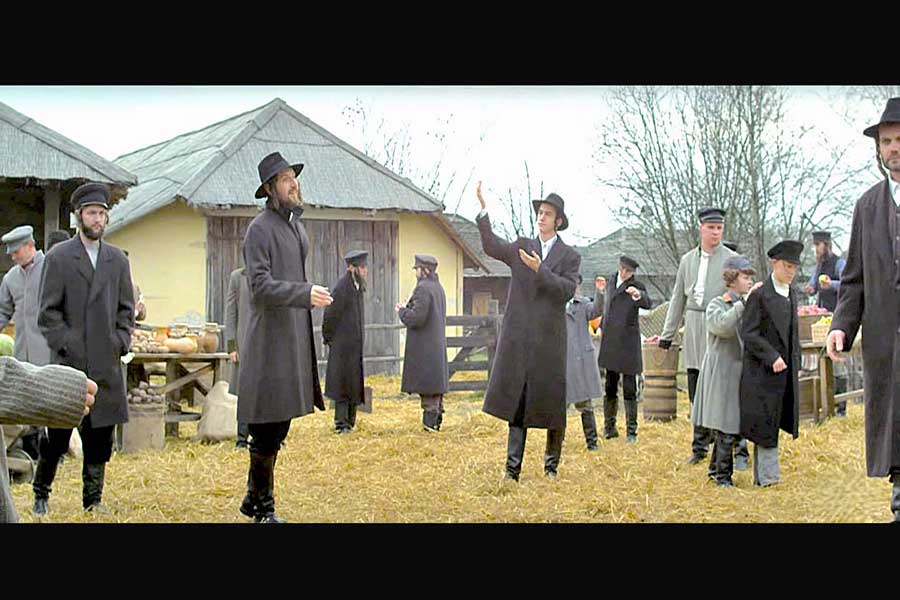
Music has power. Sometimes music is the power behind big movements. OK, saying it’s the power behind movements might be too exaggerated, but it definitely accompanies and empowers movements and social processes.

By Mendi Glik
You know how it is when a song gets stuck into your head and you keep humming it? This song just got into my head and I had to find it.

By Mendi Glik
I still love this music, but to some kids it was not appealing as it sounded kind of anachronistic. Not to mention that most (if not all) of the singers dress and look charedi; in other words, they didn’t look like rock stars.

By Mendi Glik
The narrator then prays to Hashem that he’ll lead him in the right way, so everyone will see that the tefillot are get accepted. He then asks Hashem to allow him to always smile, to be healthy, and sing.
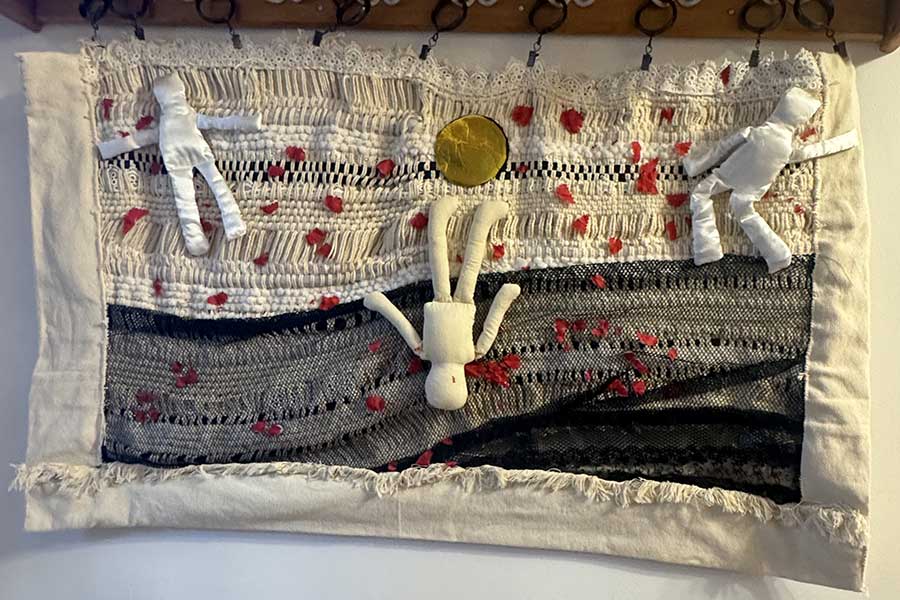
While the themes of Terror, Faith, and Hope dominate the artworks and the wall texts that accompany each image, it is the hand and heart of each individual artist that opens a deeply human dimension to this exhibition.
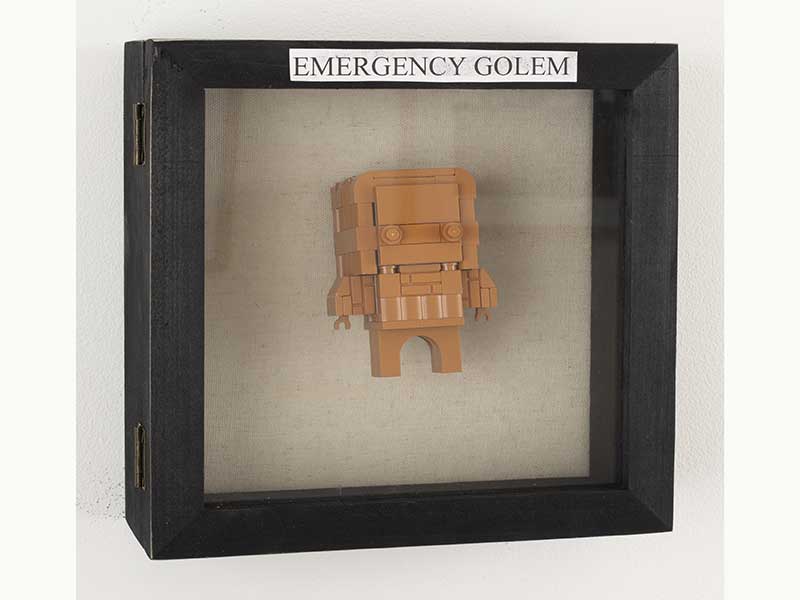
Many of the artworks here naturally reference the Holocaust as the summation of antisemitism.

A new film about the fall of the Second Temple reminds us that our disputes must never be allowed to deteriorate into a rift resulting in destruction.

By Alan Zeitlin
The roles the actors play are all inherently difficult, as it is impossible to recreate what one would feel like during a massacre.
By Alan Zeitlin
As a woman in particular in a war room, [Golda Meir] had to take control of the situation and make them understand that her voice as going to be an important part of the whole thing and they should not sideline her, Mirren agreed.
By Roni
Dror started gathering songs to record an album and while that was getting underway, his brother-in-law introduced him to his now-wife. The album, entitled Yachid Bimlucha – You are a Star, started to take shape and reflected a multitude of emotions and musical styles.
By Roni
And the new-old album delivers. Why buy the new version? Because 40 years later, it finally sounds the way it was meant to sound. Perfected.
Lobell’s hilarious documentary brings humor to an otherwise poignant visit to a place where so much culture and history have been lost.
By Alan Zeitlin
The sad truth is that audiences now know that violence against Jews is no longer relegated to stories from years ago of the Russian czar kicking Jews out of Russia, but seen in Pittsburgh, New York, Los Angeles, and across the globe.
Mikva, the Musical, is produced under the non-profit aegis of Raise Your Spirits Theatre, an educational theater company dedicated to Torah values led by Klein Greenwald and Tamar Rubin along with a large cast of female performers and supporters.
By Baruch Lytle
My goal is to express myself in an authentic way and I think there are a lot of people this message will resonate with.
By Alan Zeitlin
There are still some who believe that, had Peres beaten Netanyahu, there would have been a peace deal.
By Roni
The first song he sang was “Racheim,” and when he opened his mouth, the band was in shock: they didn't know this kid could actually sing.

By Roni
Did Abie have a problem letting go and allowing others to give input into the songs on the album? Without them, this album might not have happened, he says.
By Roni
Now, I have seen Avraham Fried perform live nearly a dozen times. But I never saw him like this.
I create emotional art, which will hopefully cause the observer to be moved by the experience.
By Sharon Katz
Never in the course of history had a nation escaped from within another nation, especially in a country as tyrannical as Egypt. That is…Never until 1.5 million Jews escaped the Soviet Union.
By Alan Zeitlin
Money from club-promoting life allowed him to stop dealing marijuana, but when he felt spiritually lost, he searched for spirituality.
Weinstein said one thing that sets Six13 apart is their ability to perform original songs using texts from the Torah or words from the siddur.

By Roni
Burstyn was so in demand that for 25 years booking agents placed him in the Catskills hotels and on the condo and venue circuit in South Florida.
By Roni
Lucky was recorded mostly during lockdowns and quarantine. It was hard for the duo and their musicians to gather in the recording studio.
By Alan Zeitlin
The Jewish Comedian Hits the Road – and Looks to Unite Jews
By Alan Zeitlin
Are we really trying to understand what made his brain feel it was acceptable to attempt to wipe out a people, or are we trying to figure out why in 2021 are there people who may want to do what he failed to do?
By Alan Zeitlin
An Affinity with the Character of Kive Motivated One Fan’s Latest Artistic Series
By Roni
The concept of a tribute to Rabbi Sacks came to Rabbi New shortly after his passing. He was very moved and influenced by his teachings and his life’s story.
By Roni
In the early 1990s, he was on staff at Camp Agudah. One of his responsibilities was arranging and overseeing the adult harmony group in the camp’s annual Cantata play. Then he started writing original songs for the cantatas.
By Roni
Silberstein’s target audience is not easily defined, mainly because his style is fluid.
By Roni
Levine attributes the success of the song to the optimistic and hopeful message it carries.
By Ben Bresky
Hasidic-based film "Talking to God" wins international film festival awards. A discussion with the director.
By Roni
With an uplifting tune, he admits that he is growing every day and getting wiser and seeing the world through new prisms.
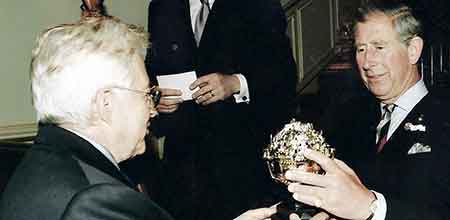
By Eve Glover
His magnificent gold and silver plated sculptures – exquisitely crafted with painstaking detail – have been given as gifts to world leaders and dignitaries.

By Tzvi Fishman
When Rav Kook became the chief rabbi of Jerusalem, he visited the Bezalel Academy of Art, and encouraged the students to use their talents to paint landscapes of Eretz Yisrael to arouse a yearning for the Land in the hearts of everyone who viewed the paintings.
By Roni
It’s Leiner’s fourth solo album, and it’s packed with what has made him a household name in the Jewish music world. Perhaps the album’s most unique aspect, though, is its production.
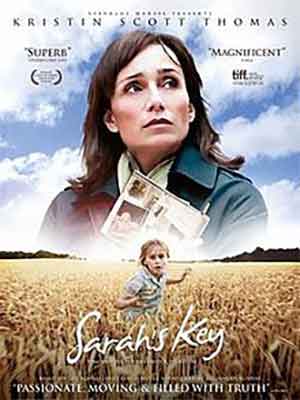
By Maari Weiss
Movies engender experiences that have a stronger staying power than lectures, not to mention classes in Hebrew.
By Roni
One song in particular on this album, “Bayom Hahu,” stands out from all the others.
By Roni
The viewer/listener is treated to a mix of older, beloved soloists as well as some new voices. Since this is a Gerstner production, it of course has a 2020 flash and modern sound.
By Roni
Herzlich 2 has been in the works for a few years and the attention to detail, precision production, and careful selection of songs rewards the listener with a very rich and enjoyable experience.
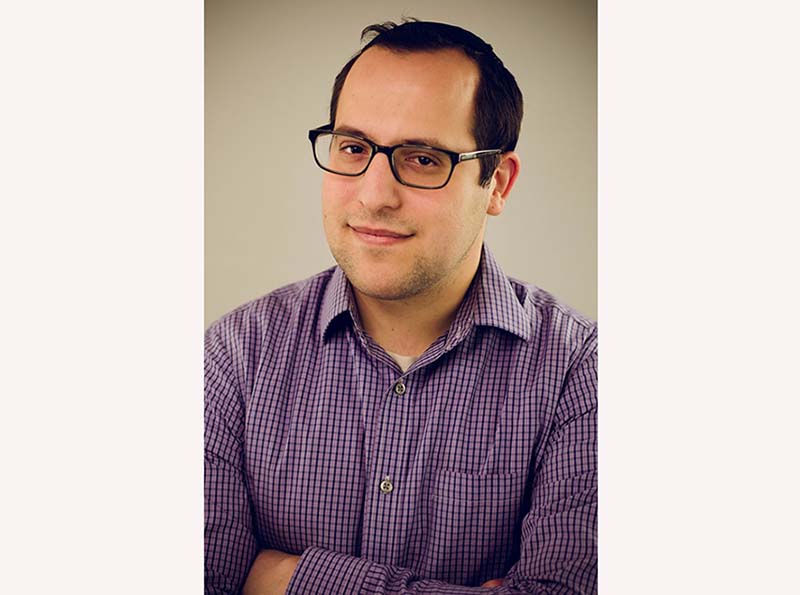
It's Lebowicz's first trip to Israel as a comedian and hopes to give both residents and visitors something to look forward to during their Pesach vacation.
By Alan Zeitlin
The documentary, which includes simple re-enactments with actors, will make you cry and will make you angry.
By Alan Zeitlin
Kingsley is extremely convincing as a man who tries at first to say he only pushed paper and is not culpable for the crimes and thinks he can outsmart the Israelis.
By Sharon Katz
Crypto-Jews, who saw in their own circumstances a reflection of the events of Tisha B’Av.
“I perform a show that I would not be ashamed for my rav to see, but I’m sure there are always going to be people that feel I pushed it too far.”
The first time I saw Matisyahu perform he was mesmerising. It was 2006, at the height of his chassidic phase...
By Lana Melman
Not all artists are taken hostage by the BDS movement
By Alan Zeitlin
If you’re hearing this is when you’re driving and someone cuts you off, you’ll be able to breathe easy.
By Alan Zeitlin
After giving a talk at a melaveh malka about his work experience a few years ago, people told him he had enough material to do a standup routine. They were right.
Gradually, a picture emerged of survivors who had each experienced a different horror, but who all shared the pain of living with the memory.

By Alan Zeitlin
“We Will Not Be Silent” tells the story of Sophie Scholl, a German college student who placed anti-Nazi leaflets at her college and was hanged for her "crime."

By JNi.Media
While being questioned at Nuremberg, Göring was “humble” about having pulled off one of the most extensive theft of artwork in history...
Rabbi Lau is a world class speaker. When he relates stories, even concentration camp stories, the audience is mesmerized. As we would soon discover, he is in the movie as well.

The most uplifting aspect of the film was the footage from the displaced persons camps.
Guys and Dolls in Jerusalem
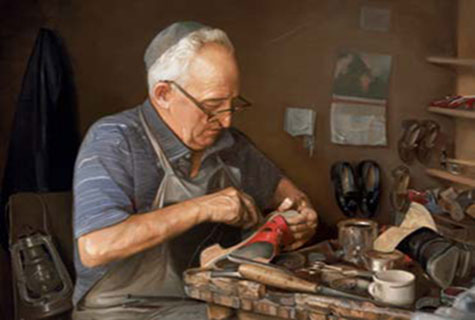
Nouril concluded he had no choice: He had to become more observant.
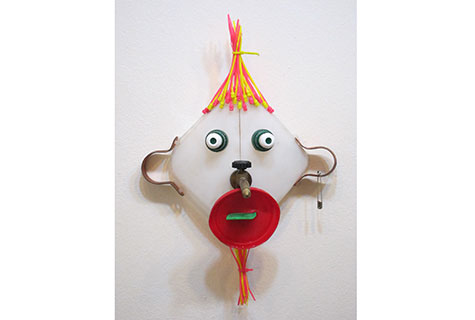
Being the son of an Orthodox rabbi who witnessed my artwork without scorn was a green light for me to continue.

"We are living in a Golden Age of Jewish Art, but don't know it."
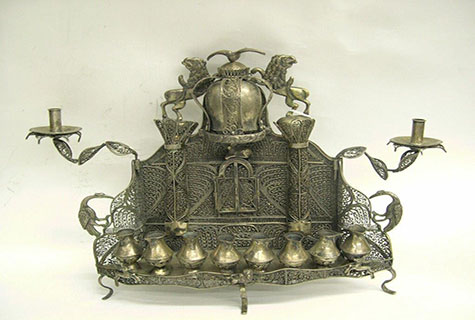
Synagogue ritual art is also abundant but for various reasons not usually collected.
He refuses to flinch from our painful history, perhaps finding a kind of solace in the consistency of irrational enmity directed against us.
A new generation of Sabra artists have come to the fore, creating imaginative and attractive pieces of arts.

"Vidduy: The Musical" breaks through the formidable barrier of repetitive confession to allow us to begin to understand what is at the heart of this fundamental religious act.

These eleven nursing home residents and their accompanying staff from the Connecticut nursing home could represent any of us or our own loved ones...

The highlight of the auction was a superb and extremely rare ram-shaped silver spice container (very similar to the one in the Kiev Jewish Museum, and probably by the same maker) which brought $36,000.

A fascinating glimpse into the rich complexity of medieval Jewish life and its contemporary relevance had intriguingly emerged.
 September 18, 2026


