 August 14, 2026
 The Season of Rebirth: Israeli Songs of Spring
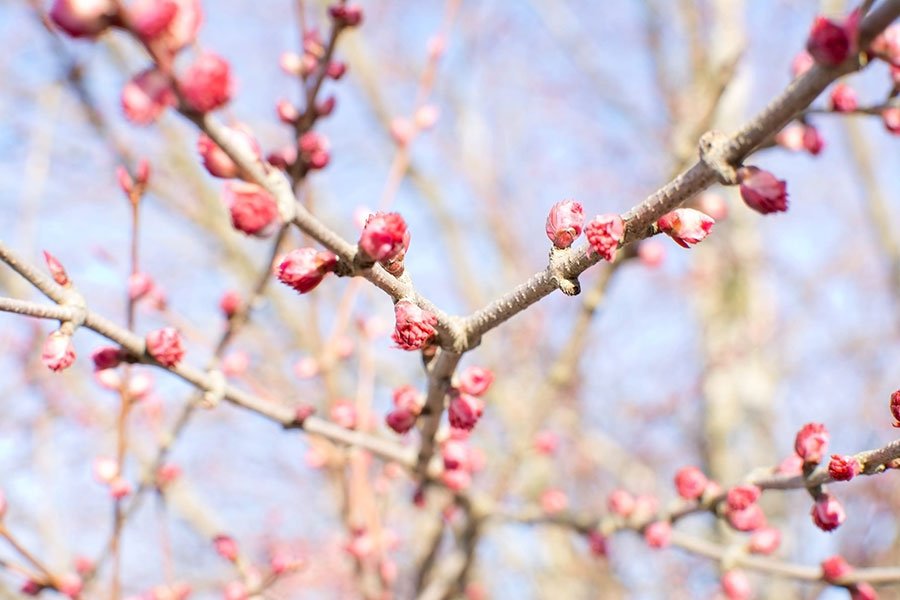


We are getting ready to welcome spring. Everything is starting to blossom in many colors, the grass is finally looking green after a long winter, the days are getting warmer, and summer is just around the corner. Pesach is very soon and everyone is preparing with excitement to celebrate the holiday. I personally love winter and cold weather – the beautiful white snow and especially skiing – but most of my friends love spring. So, let’s look at some music for spring.
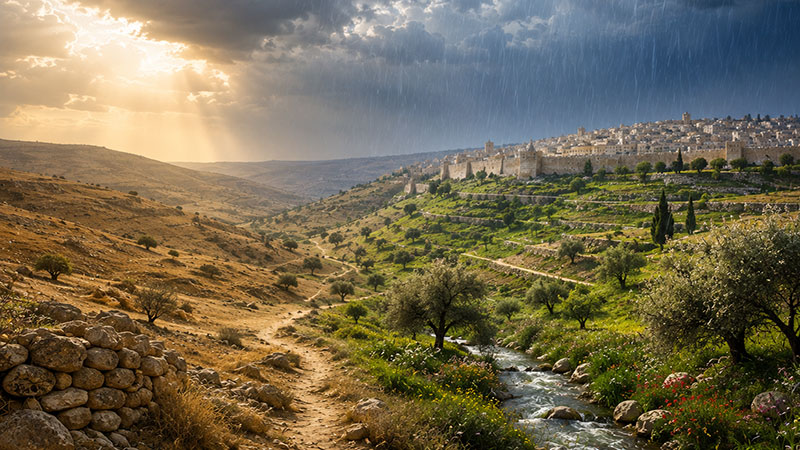
Classic Israeli music has many songs to offer about spring and nature. And how could it not? Just walking outside in Israel immediately inspires you. The beautiful views of the land, from the high mountains in the North – Mount Hermon in the Golan Heights – and beyond to the breathtaking views of (currently, temporarily) southern Lebanon, including Har Dov and the Litani River, which hopefully soon will return back to Israel. Then there is the Sea of Galilee – the Kinneret – and the Mediterranean Sea, Jerusalem, and the deserts of the South.
The area of South Lebanon is actually the portions of land assigned to Asher and Naftali, and within the borders of the Promised Land. For many years, Jews lived in that area, which was then Northern Israel. There were snail hunters who lived in Tyre and used the rare snails to color the threads of the tzizit with techelet. In fact, it was David Ben-Gurion who determined that the northern border of Israel should be the Litani River.
One of my favorite songs is “LaTzafon b’Ahava” (To the North with Love), which was written by the Israeli poet and songwriter Dudu Barak, composed by Nurit Hirsh, and performed by Yigal Bashan. The final verses talk about spring, but the whole song is a happy song about Mount Hermon and the Golan Heights.
“K’shehashemesh chiyuch acharon laChermon yishlach, b’yom ruach shel stav, yetzaltzel telefon b’pikud haTzafon; Zeh anachnu me’ever lakav” – When the sun sends its last smile to Mount Hermon, on a windy autumn day, a telephone will ring in the IDF Northern Command: It is we from across the line.
“Elef shir laTzafon miGolan ad Chermon, ad Kinneret v’ad laRama; Nezamer v’hashir yaapil le’amon, yehadher ad midbar hashmama” – A thousand songs to the North, from the Golan Heights to Mount Hermon, to the Kinneret and to the Heights. We’ll sing and the song will ascend to Ammon, echoing all the way to the desolate desert.
And now to the spring part:
“Yom yavo v’hashemesh yatzitz chaichani, yerdu hashlagim me’harim, u’flagim yizremu bein pirchei tzivoni, bashvilim hak’chulim hakarim. At, ani, v’hachoref habaita chozrim, shalom lach mamlechet hakefar, chayalei haTzafon; nitra’eh baharim – bashana habaa nachazor” – A day will come when the sun will peak smilingly, the snow will descend from the mountains, and streams will flow among tulips on the blue, cold paths. You, I, and the winter, returning home. Farewell to you, kingdom of frost, soldiers of the North. We’ll see you in the mountains – next year we shall return.
Another classic song I love is “Nitzanim Niru BaAretz,” composed by the famous Israeli composer Nachum (Nakhche) Heiman. The lyrics are from Shir HaShirim.
“Nitzanim nir’u, nir’u baAretz; eit zamir hegia, eit zamir. Ki hinei stav avar, stav chalaf halach lo, hafanim semadar natnu, natnu reicham” – The buds appear, appear in the Land; the time of song has come, the time of song. For behold, the winter is past, the winter is over and gone; the vines in blossom give forth, give forth their fragrance.
There are a few performances of this song; the most popular are those of HaGevatron band and Dudu Zakai. I like both of them.
There’s another song to these lyrics, composed by Dov Carmel and performed by HaParvarim. It’s less known, but worth listening to. The Parvarim are an Israeli band that first formed in 1960. They focused on shirei Eretz Yisrael, songs of the land of Israel.
Talking about HaGevatron, which is one of my favorite Israeli bands, another classic song is “Yam HaShibolim,” written by Yitzhak Quenan and composed by Haim Agmon. It’s the ultimate spring song.
“Yam hashibolim she’misaviv; al galav lashut yatza haruach, eleph chiyuchim shalach elay haaviv; shemesh chaviva yaztzha lasuach” – A sea of waving grain all around; upon its waves, the wind sets out to sail. A thousand smiles from spring I have found; the pleasant sun steps out across the vale.
One of the cute Israeli songs of spring is “Ha’Ohavim et Ha’Aviv” by Hashlosharim (The Three’ngers Trio). Hashlosharim was an Israeli rock band active from 1969-70. Among their popular hits were “Lili Sheli,” “Tzarot Tovot,” “Tzif Tzif Me’al Haratzif,” “Lu Hayiti Pirat,” and, as I mentioned, “Ha’Ohavim et Ha’Aviv.” In 1969, the band won third place in the chasidic song festival when they performed the song “Veha’er Eineinu” by Rabbi Shlomo Carlebach.
“Mi hayu sham? Hi v’hu im hahi v’hahu v’hanuninu. Basadeh levad halchu, vehatziporim saviv, mezamrot bekol adin: ‘Dinga dinga ding,’ la’ohavim et ha’aviv” – Who was there? She and him, with the she, and the him, and the nuninu [not a real word in Hebrew]. In the field they walked alone, and the birds around them, singing in a gentle voice: Dinga dinga ding, for those who love the spring.
A more modern Israeli song about the spring is “Ba’aviv” by Micha Shitrit. “Naavor et hachoref v’achar kach nireh, ba’aviv; beinatayim shev tachat etz haklemantinot, zeh onati” – We’ll pass the winter and then we’ll see, in the spring; in the meantime, sit under the clementine tree, it’s seasonal…
Another popular modern Israeli song is “HaAviv Bapetach” by Ehud Banai. “HaAviv bapetach, shuv chashim bareiach – lo tzarich shavshevet kedei ladaat sheyihiye sameach. Doda Malka makpia et habamia, shelo yechsar michutz la’onah; eifo naaseh et haSeder? K’mo bashana she’avra” – Spring is at the door; you notice the fragrance again – you don't need a weather vane to know that it will be joyful. Aunt Malka freezes the okra, so there will be plenty out of season. Where will we have the Seder? The same as last year.
How about some chassidish music? While this week’s column is about Israeli music, I just saw on YouTube two new songs that were released in the last couple of days that I wanted to share with you.
The first is “B’Nisan Nigali” by Harav Shia Heshil Scharf. It’s an upbeat song with a jumpy electronic beat. You know my opinion about electronic beats in Jewish music, yet I can still enjoy it even though I don’t like the trend.
In the song description on YouTube, it says: “In honor of Chodesh Nissan and the Yom Tov of Pesach, I’m releasing this brand-new single, B’Nissan Nigali, composed on erev Pesach afternoon several years ago under the atmosphere and excitement of counting the hours to the holy “Seder nacht. In a year like this year, when the hope of every Yid is that we should be zoche to the Geulah Shleima and all the Simanim (signs) show that we are almost there, I felt that it’s time I should share these uplifting and exciting tunes with Klal Yisrael.”
In addition, Hershey Eisenbach and Shimmy Sklar just released a new acoustic performance of the melody of R’ Yerachmiel Begun to “Vehi She’amda” (originally performed by The Miami Boys Choir). In the description of the song, they mention that these days, the words of the Haggadah take on – again – a meaning more relevant and tangible than ever. The video, which was filmed around the piano, seeks to provide a visual and musical expression of both the plea and the longing in the words, alongside gratitude to Hashem for the miracles.