 October 9, 2026
 Categories: In Print / Featured / Book Reviews
When Science Isn’t Enough: A Journey of Faith, Love, And Longing
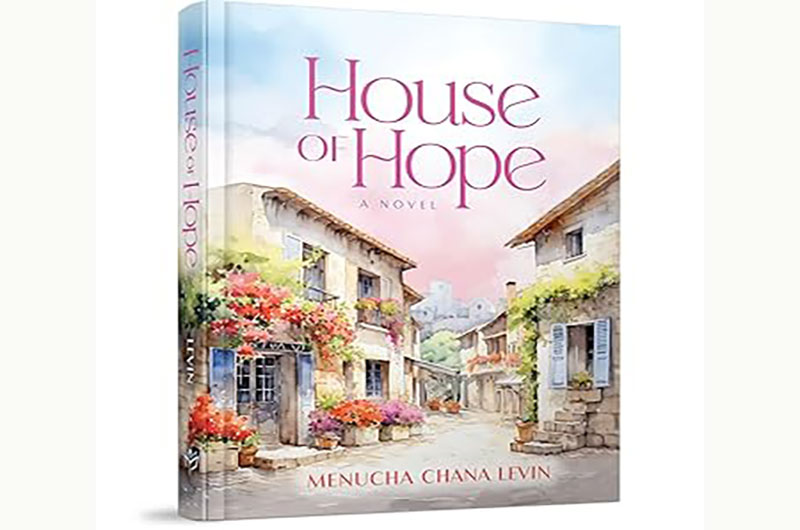


Title: House of Hope: A Novel By: Menucha Chana Levin Menucha Publishers 296 pages
From the first page of House of Hope, I was captivated. This compelling novel offers a deeply personal, first-person narrative through the voice of Adina, a young Orthodox woman navigating the emotional and spiritual complexities of infertility. After years of marriage and numerous failed medical attempts to conceive, Adina and her husband David embark on a journey that is both geographic and soul-deep – traveling from Far Rockaway, New York, to Eretz Yisrael in search of healing, meaning, and hope.
What begins as a disheartening struggle through fertility treatments gradually evolves into something far more transformative. With grace and authenticity, House of Hope explores the couple’s shift from investing their faith in conventional medical protocols to deeper emotional exploration, spiritual growth, and eventually, mystical inquiry.
Adina’s inner world is opened to the reader with raw honesty – her grief, envy, doubt, and longing are all deeply relatable, not only for women in similar circumstances, but for anyone who is dealing with health issues that baffle contemporary medicine.
A major strength of the novel lies in its realistic portrayal of a marriage under strain. Adina is mystically inclined and spiritually sensitive, while David is grounded in halachic texts and wary of anything bordering on the kabbalistic. Yet their mutual respect remains a core value to both of them, even as their paths diverge and then intertwine in unexpected ways. Their journey is not just about building a family but about building each other – through moments of tension, conflict, and genuine transformation.
One particularly moving aspect of the novel is the couple’s involvement in a therapeutic support group for childless couples in Israel. The men and women meet separately, and these gender-separated sessions serve as a powerful turning point for both Adina and David, offering them space to express their inner doubts and turmoil and hear them shared and validated by others.
These scenes are especially resonant because they underscore the isolation many feel in silent suffering. As readers, we are drawn into the communal and individual aspects of healing. We experience firsthand how connection can ease pain and spark growth.
The story also bravely touches upon mystical themes, including Adina's vivid past-life “memory” that emerges during one of the couple’s spiritual pilgrimages to the gravesites of tzaddikim in Eretz Yisrael. These elements are not treated as fantastical, but as sincere avenues of healing within the rich tapestry of Torah tradition. The author handles these topics respectfully and thoughtfully, making them accessible even to readers who may be unfamiliar with or cautious about such ideas.
Approximately 10% of American women experience infertility. House of Hope doesn’t just tell a story – it gives voice to a struggle that is more common than many realize, yet still under-discussed in the Orthodox community.
The novel encourages a compassionate, spiritually attuned approach to suffering, one that integrates Emunah (faith), hishtadlus (effort), and emotional honesty.
House of Hope is ultimately a tribute to resilience, marriage, and the mysterious, tender ways Hashem guides us through our deepest challenges. Whether or not you’ve experienced infertility yourself, this book will move you. It will open your heart, deepen your empathy, and strengthen your belief in the quiet miracles that often unfold just beyond the edges of reason.
I wholeheartedly recommend House of Hope – a powerful, hopeful, and beautifully written novel that stays with you long after the last page.