 September 4, 2026
 Returning to Synagogue: How do we Speak to our Children about Pittsburgh?


{Written by Rabbi Dr. Ari Sytner and originally posted to the JNS website}
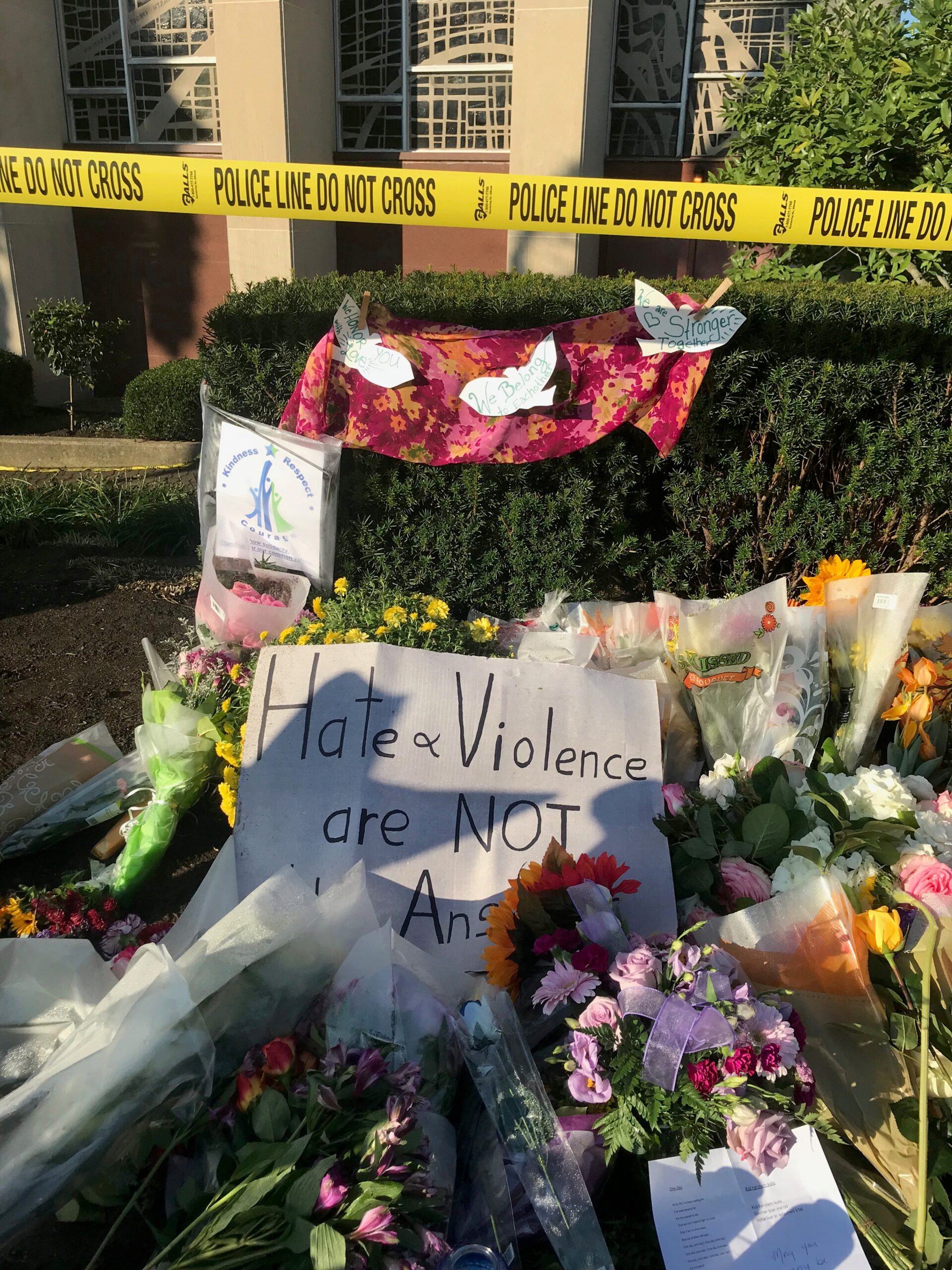
Unlike any previous tragedy, where we listen to the horror stories, process our emotions and then return to ordinary life, this time is different. As the tragic shooting took place in a synagogue, the reverberations of trauma may have a direct impact on our own lives. Most certainly, we will all be thinking of it this Shabbat.
Looking to protect us, the psyche constantly searches for threats and creates anxieties that will cause us to avoid potentially dangerous situations. In this case, the association with danger has become the shul. A place we once gathered for solace, prayer, peace, love, unity, kindness, study and inspiration has been transformed into one of anxiety, fear and horror.
Does that mean we avoid shul? Certainly not. However, the task of returning can be more difficult for some than others, based upon how the brain processes stress, as well as previous exposures to traumatic incidents.
Below are seven suggestions for how to help our children cope.
- Turn Off the News
In contrast, when I returned to my hotel lobby, I noticed the television reporting on local news stories and was shocked by what I saw. It was as if they were reporting on a different time and place in history. Were they talking about the same Pittsburgh I was in? The sensationalized nature of the news is designed to play on one’s fear and depict the synagogue not as a haven for healing, but as a “crime-scene” being swarmed by investigators. While that is the nature of news reporting, researchers have found that re-exposure to trauma can have lasting impacts, especially on children, who are led to believe that the threat is still lingering. Therefore, as a first step to helping our children cope, turning off the news (including social media) will prevent children from increased exposure and re-traumatization.
- Validate and Normalize
- Should I Check In With Those Affected?
As an example, during my time in Pittsburgh, I was speaking with an adorable 8-year-old boy, who in a very age-appropriate and matter-of-fact way was telling me his feelings about lockdowns. While an adult may have been more serious about this conversation, the child was perfectly calm and happy. However, in the middle of talking, he heard the distant sounds of a siren as a police car drove by. He immediately froze with a stone-cold look on his face. He explained that he now hates sirens and never wants to hear them again. We talked about it at length and how it made him feel. I invited him to think about the possibility that sirens can also have a positive association, such as being safe and protected or even taking someone to the hospital to have a baby. His face lit up by the end of the conversation as his mind found peace with a comfortable reality—the possibility that sirens are not bad, and that is something he could more easily live with.
- Be Patient and Tolerant
- If Necessary, Take Small Steps Back to Synagogue

- Heightened Sensitivity
While it may be difficult to know what particular things can trigger feelings of trauma, at this point in time, it is worth being extra-sensitive, especially in shul. This may include not allowing doors to slam, banging on the tables or speaking too loudly in the halls. Over time, when life resumes without incident or re-traumatization, the brain learns to once again relax, feel safe and carry on with regular daily life.
- I Don’t Know
Nevertheless, while many of us feel that the world is unstable (and even insane), our children should not be led to feel that the world is unsafe. While maintaining our vulnerability, we must balance it with strength.
I, for one, will continue to remind my kids that for thousands of years, people have tried to destroy us, but our strength is in our ability to rise up, and stand together and stronger in times of darkness. There will be time for calls to action later, but now it is time to stand together.
Rabbi Dr. Ari Sytner is director of community initiatives at Yeshiva University’s Center for the Jewish Future and a professor at Y.U.’s Wurzweiler School of Social Work. A therapist in private practice, he also works as a trauma and grief counselor for organizations such as Chai Lifeline and Shalom Task Force.