יום שישי, כ״ח תשרי תשפ״זFriday, October 9, 2026



Follow Us



The modern practice involves clearing the notes twice annually, typically before Passover and before the High Holy Days, a schedule that reflects both practical considerations, including making space for the influx of pilgrims during major festivals, and symbolic ones, as these periods are associated with renewal, repentance, and communal prayer.

Judaism remained an important part of his identity throughout his career. Unlike some highly assimilated Jews of the era, Reading appears to have retained a meaningful attachment to Jewish communal life so that some contemporary observers regarded him as the first genuinely believing Jew to serve in the British Cabinet, distinguishing him from more secular Jewish politicians.
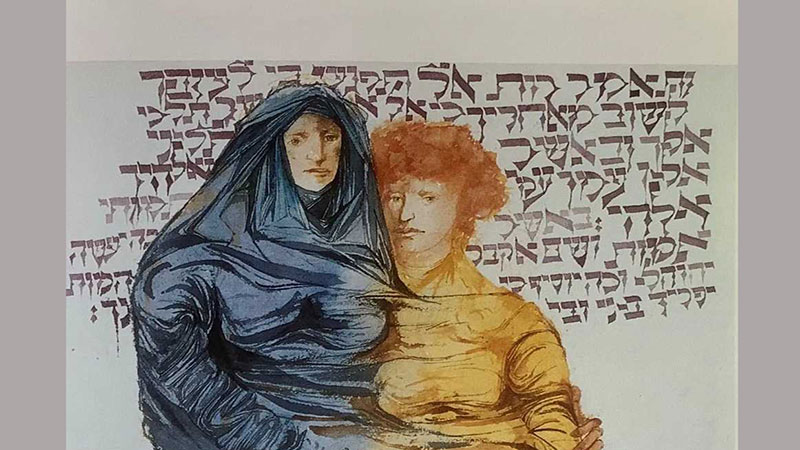
At the end of the day, if one seeks a single thread uniting Baskin’s Judaism, art, and worldview, it may be the ancient Jewish insistence upon memory.
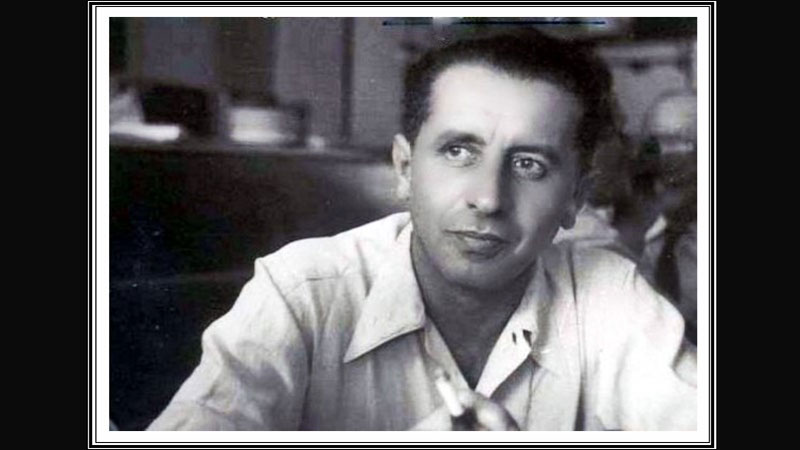
The early twentieth century was also a period of profound instability for Jews in the Russian Empire, marked by political upheaval, economic uncertainty, and episodes of antisemitic violence, conditions that contributed to large-scale emigration, particularly to North America and Eretz Yisael.
Lécache was not born into prominence, nor did he begin life as a professional defender of Jewish rights.
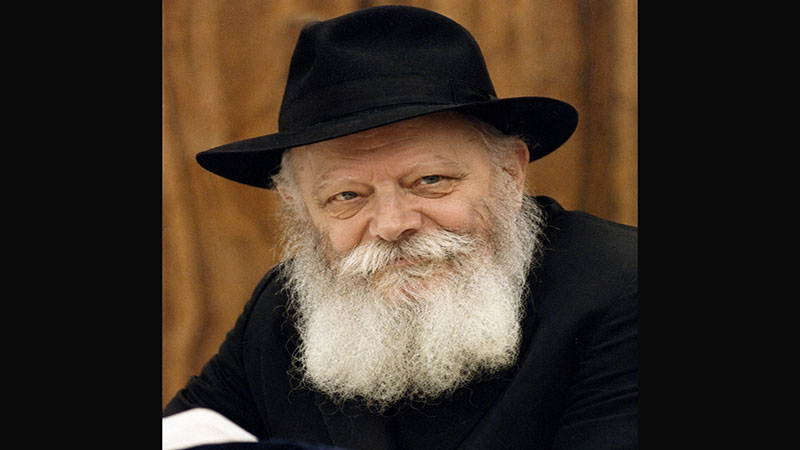
Public lectures in synagogues and community centers frequently emphasized not technical mystical doctrines but the Baal Shem Tov’s accessible teachings about joy, prayer, and the value of every individual.
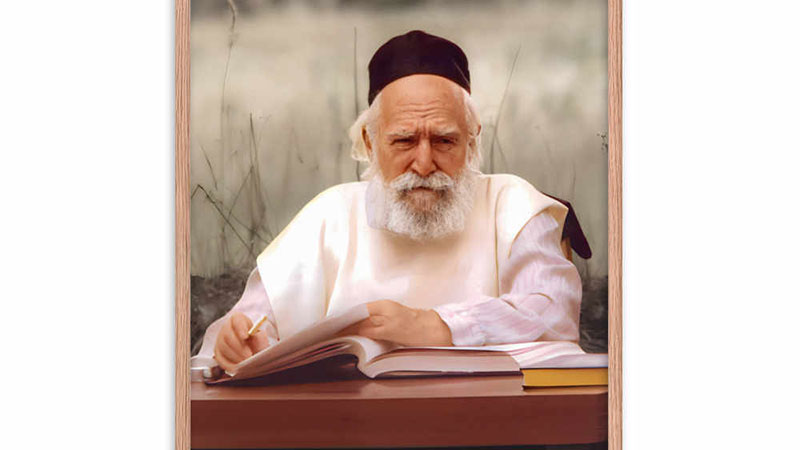
An intriguing cultural footnote is that some non-Jewish consumers have also sought out these Passover bottles, believing – accurately, as it turns out – that they contain cane sugar rather than corn syrup and therefore have a slightly different taste.
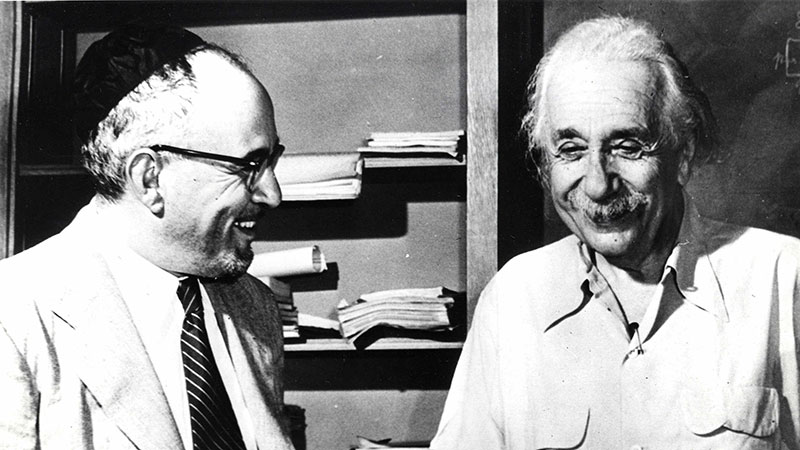
Belkin did not “found” Yeshiva University in the literal sense – the institution’s roots predated his presidency by decades – but he was the architect of its transformation into a university in the modern sense.
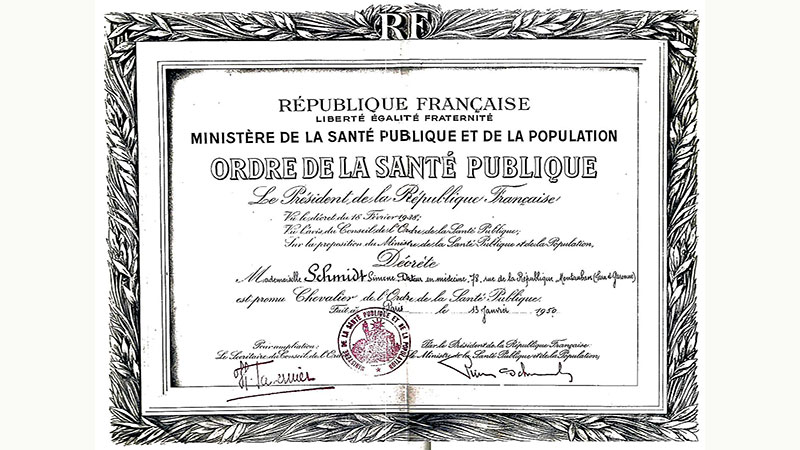
Dr. Simone Schmidt occupies a morally powerful place in the history of the rescue of Jews during the Holocaust and, although her name is not among the most widely known figures of the resistance, the surviving documentation – much of which is exhibited here – reveals a life of profound courage, quiet conviction, and decisive […]
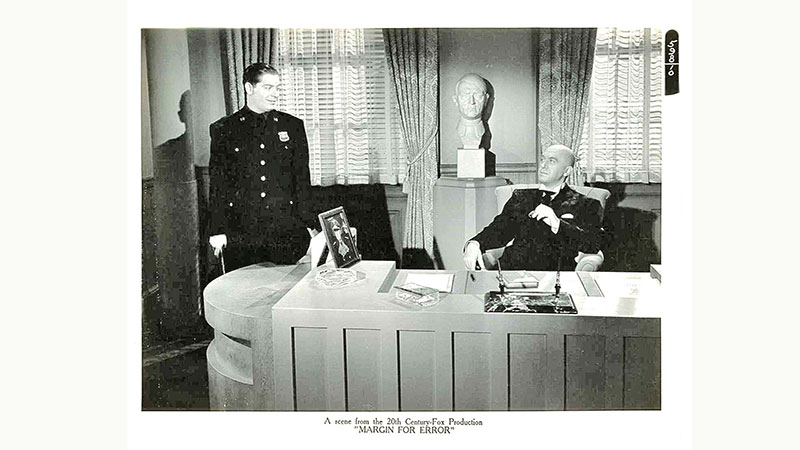
The impetus for the society’s creation reportedly stemmed from both a desire for camaraderie among Jewish officers and the need to foster religious solidarity and mutual support at a time when Jewish law enforcement personnel were a distinct minority in the department.
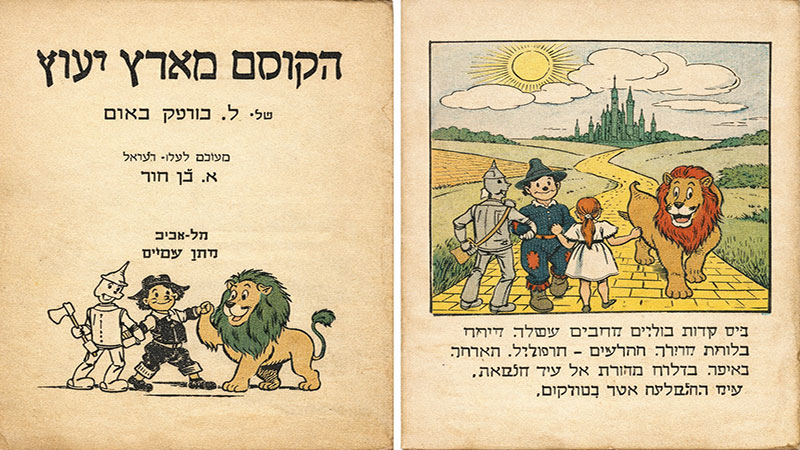
From the Yellow Brick Road to the Emerald City, this essay uncovers surprising parallels between America's most beloved fairy tale and the Jewish journey through exile, identity, and redemption.

Ironically, early Zionist settlers did not initially embrace falafel, as many immigrants from Eastern Europe retained the foods of their homelands, such as bread, potatoes, cabbage, and other staples of Ashkenazi cuisine.

The Jewish community in Prague under German occupation was reorganized under strict Nazi supervision and Edelstein rose rapidly within its leadership structure because of his administrative abilities, language skills, and reputation for discipline.
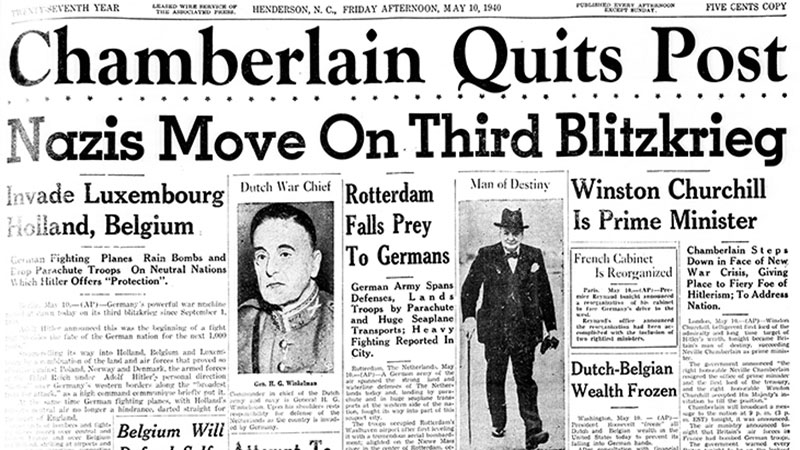
For Zionist leaders, the White Paper was catastrophic. Weizmann argued that Britain was reneging on solemn commitments and Ben Gurion famously declared that Jews would “fight the war as if there were no White Paper and fight the White Paper as if there were no war.”
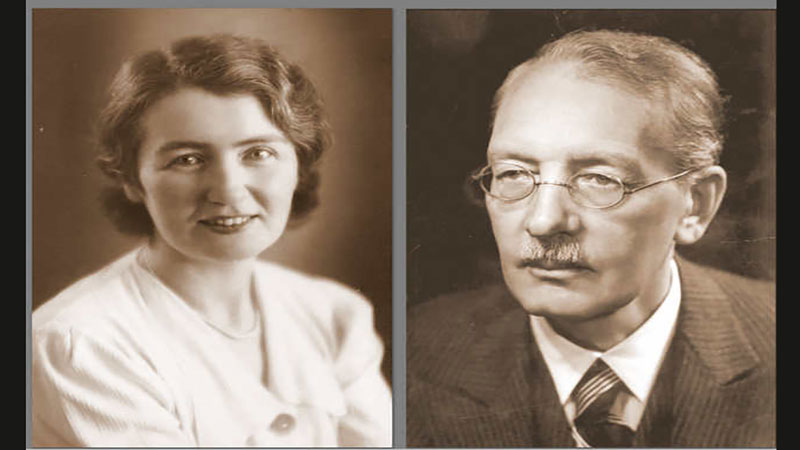
Langlet’s long engagement with this milieu habituated him to think in supranational and humanitarian terms, and it is difficult to overstate how formative this was; decades before the Holocaust, he was already embedded in a community that defined itself against ethnic exclusion.
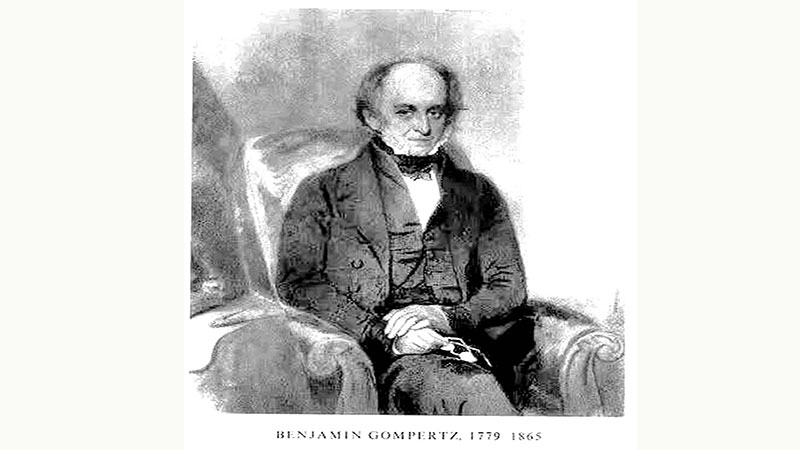
Deprived of formal academic training, he pursued mathematics through private study and informal mentorship, drawing on books, correspondence, and engagement with learned societies. Far from hindering him, this unconventional path fostered an independence of thought that would later allow him to see patterns in demographic data that others had missed.
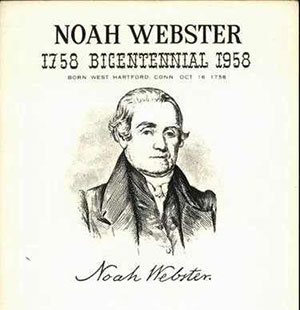
Historians of American education and Jewish life have noted that his dictionary familiarized non-Jewish Americans with Hebrew-derived terms without attaching stigma to Jewish identity, but for Jewish educators, this was a double-edged sword...
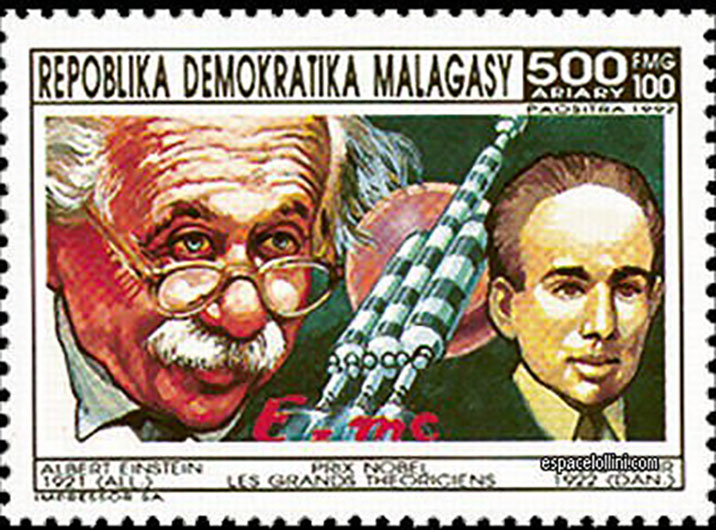
Born consistently resisted efforts by younger physicists to portray Einstein as obsolete or reactionary, and he publicly emphasized Einstein’s foundational role in creating the conceptual framework without which quantum theory itself could not exist.
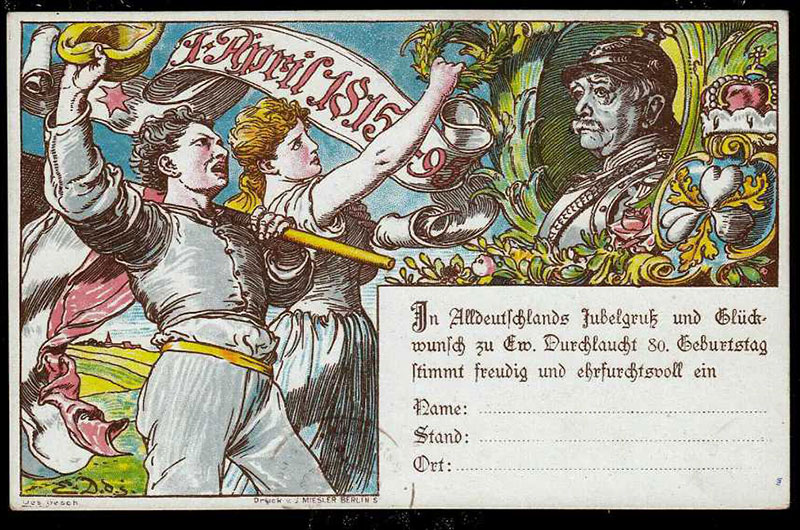
Although he did not court the approval of Jewish newspapers, he was acutely aware of their influence in liberal circles, writing privately that “Approval or disapproval in the Jewish press is of minor concern, provided that the law stands and the state remains firm.”
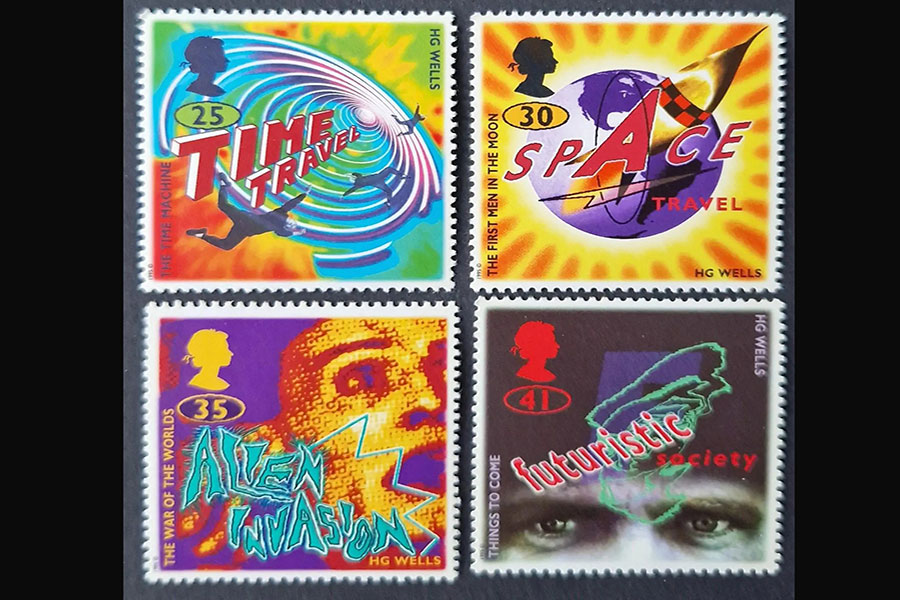
Wells exemplifies a strain of liberal thought that underestimated the resilience of antisemitism and overestimated the protective power of universal ideals.

This week I continue with a discussion of six additional popular toys that were created by Jewish inventors.
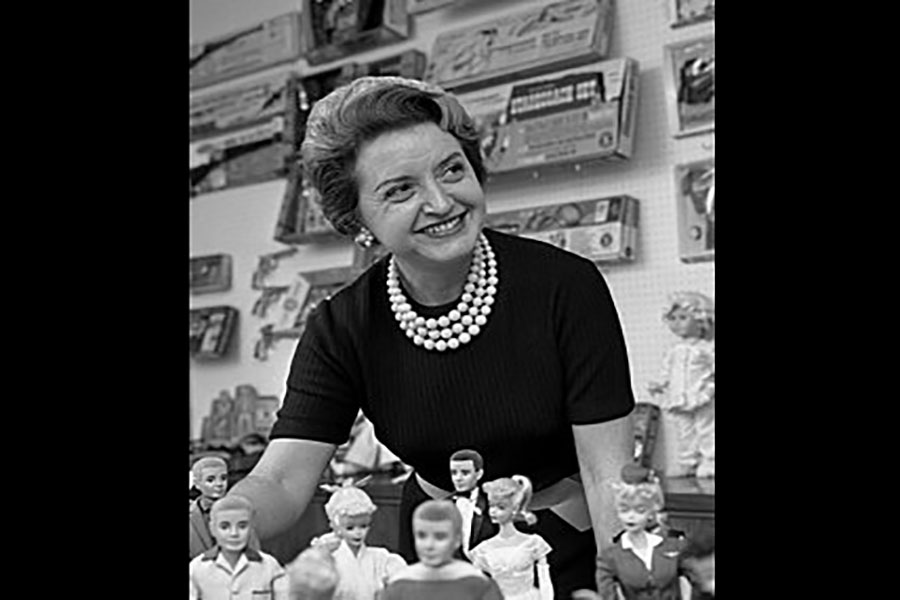
One of the most enduring controversies surrounding Barbie concerns the question of originality; critics argued that Ruth had appropriated the idea from the Bild Lilli doll and that full credit should therefore not accrue to her.
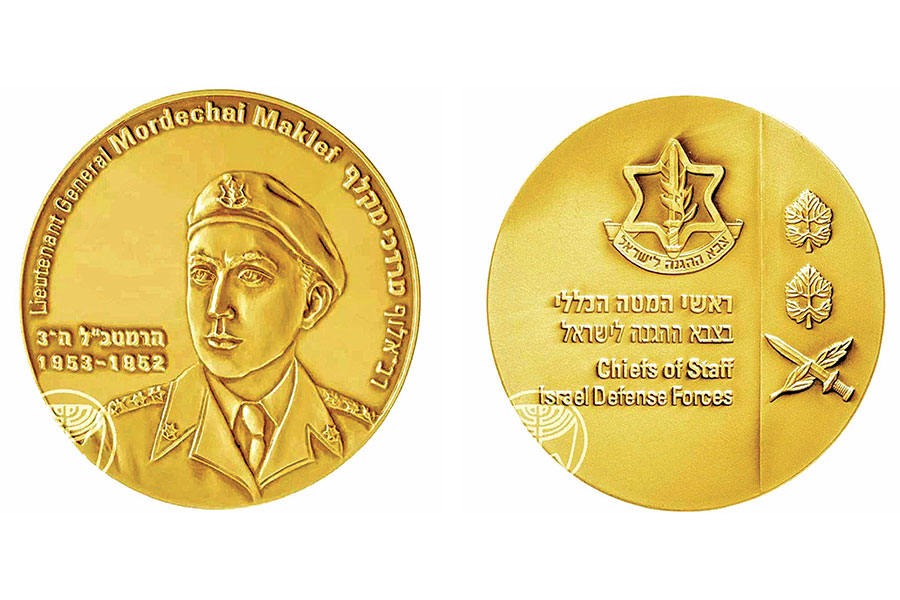
He was certainly not a charismatic hero in the mold of Moshe Dayan, nor a political visionary like Ben Gurion. Rather, he represented the disciplined, professional officer whose contributions were essential to the survival and consolidation of the State of Israel.
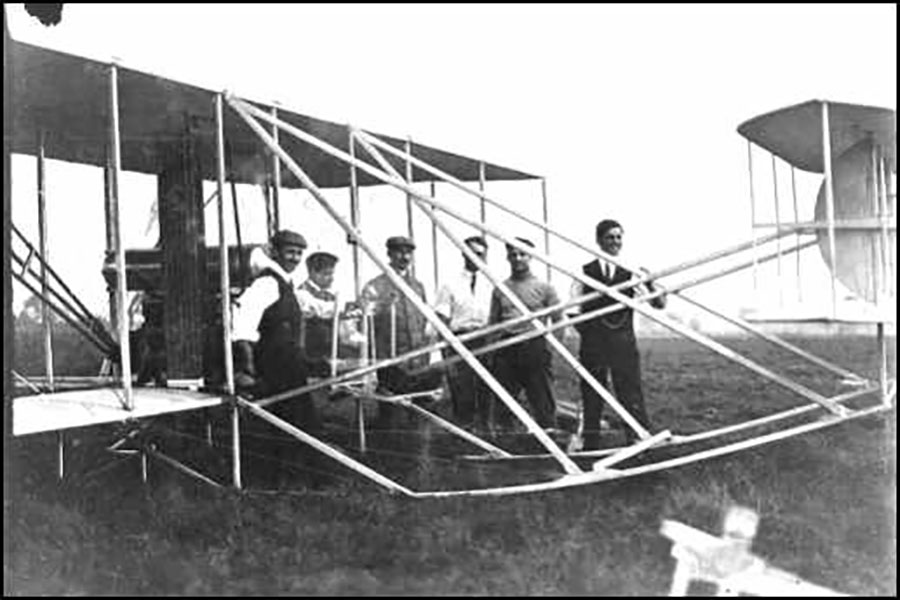
As exhibitions grew more competitive, pilots from other schools pushed for higher speeds, steeper dives, and more dangerous stunts. Wilbur and Orville Wright were steadfast in resisting this trend, emphasizing control and structural integrity, an ethos passionately embraced by Welsh.
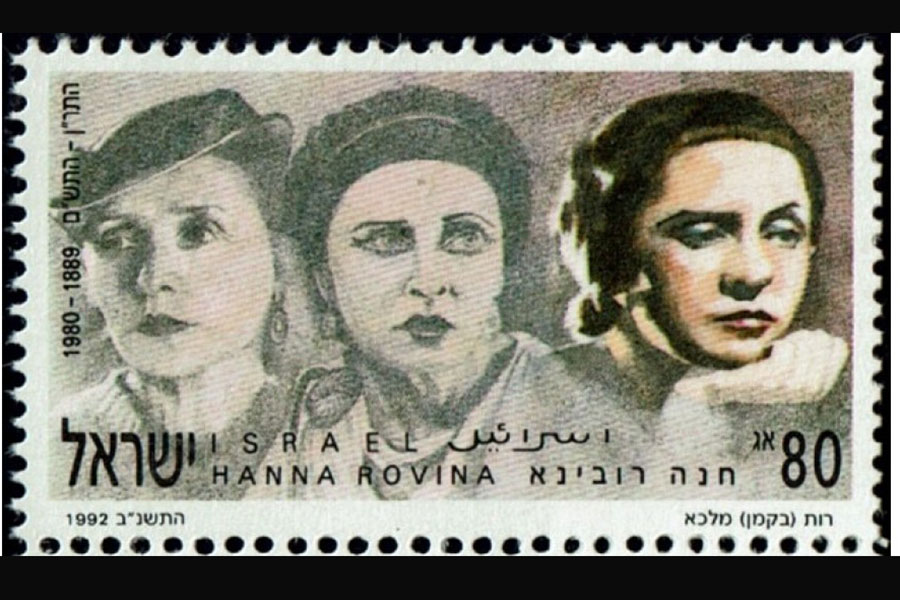
Today, Habima retains institutional and symbolic prominence as Israel’s official national theatre and it is widely treated as a foundational institution in modern Hebrew theatre.
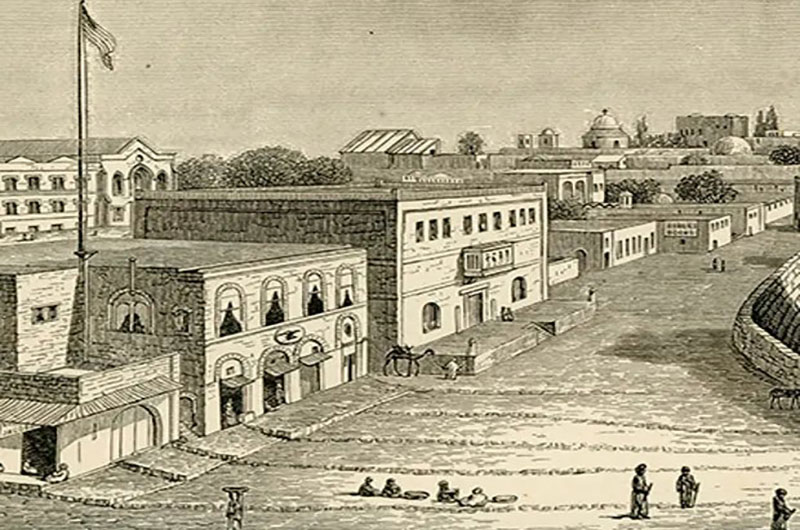
Once he became Michael Boaz Israel, Cresson’s energies turned with intensity toward the welfare of the Jewish people – spiritually, materially, and politically – and he embraced a life of public Jewish responsibility.
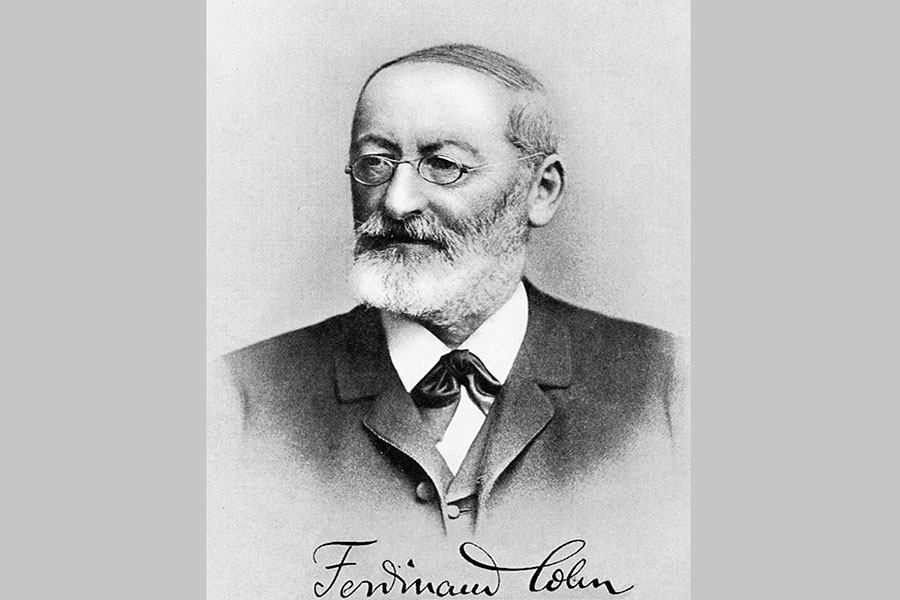
The most explicit discussion of Cohn’s Jewish background may be found in the collection Ferdinand Cohn – Blätter der Erinnerung (“Leaves of Memory,” Breslau 1901) assembled and published by his wife, Pauline.
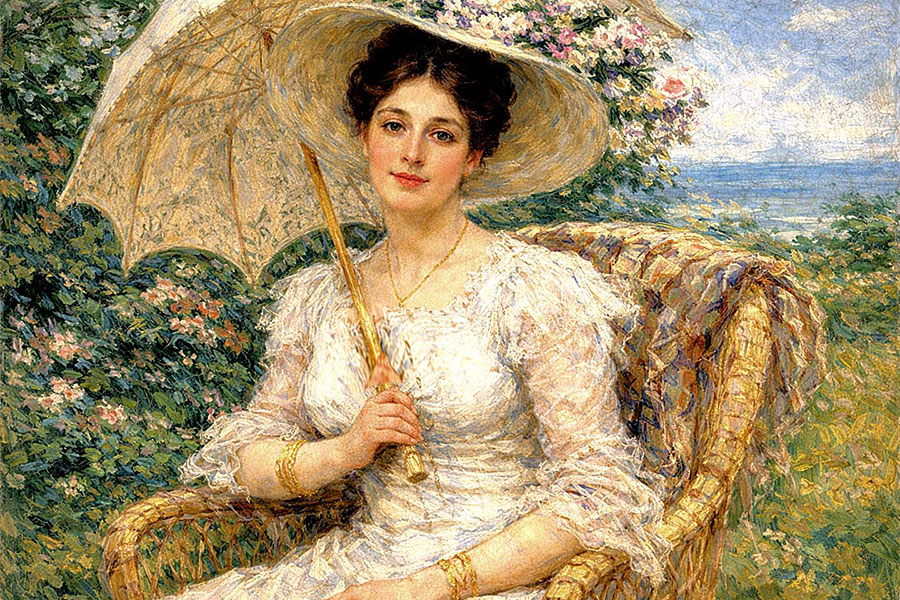
Cassatt’s expression of high regard for Degas is entirely consistent with her long-standing view and she never wavered in her assessment of his artistic greatness, even after their personal relationship deteriorated over the Dreyfus Affair.
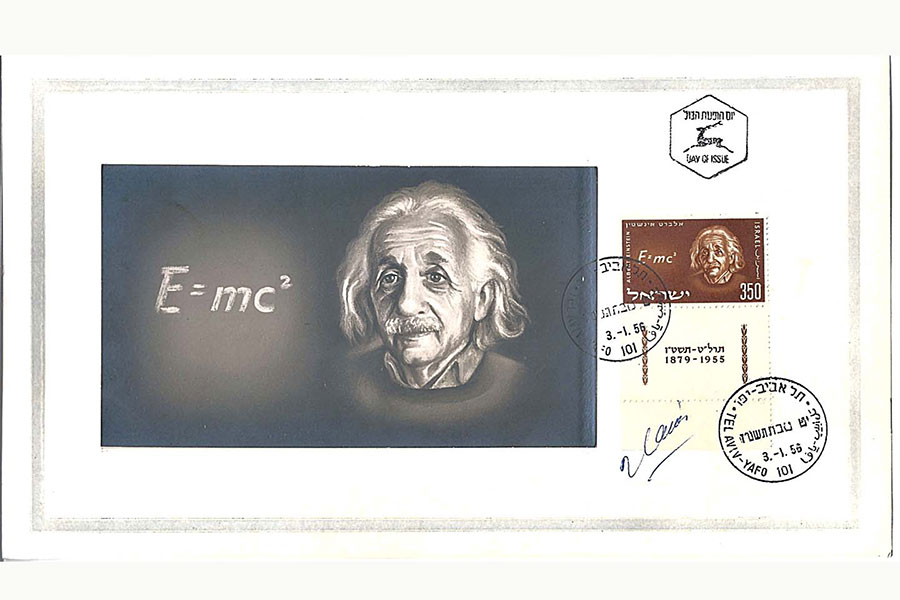
In the wake of Lessing’s killing, newspapers across Europe announced that a bounty had been placed on Einstein’s head, with some accounts reporting the sum as £1,000, a substantial figure for 1933, and another reporting that the price was as high as $5,000.
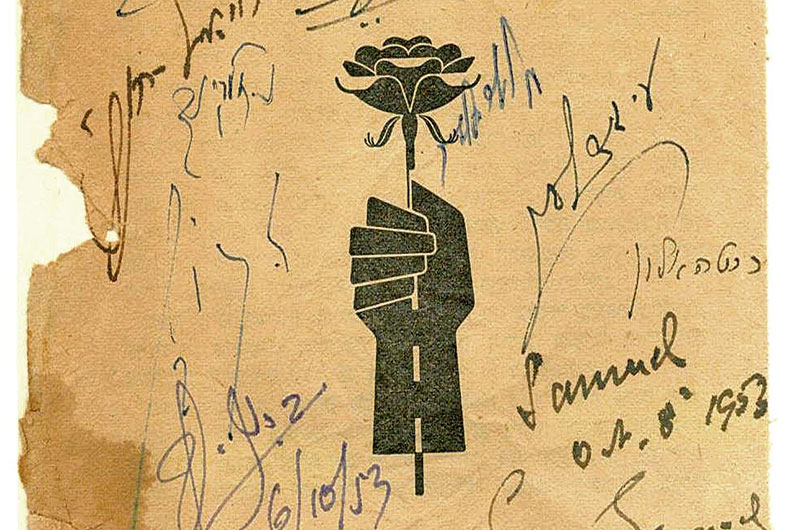
The 1953 exhibition remains a landmark that is still remembered as Israel’s first internationally sanctioned specialized expo and a milestone in the country’s early public diplomacy.
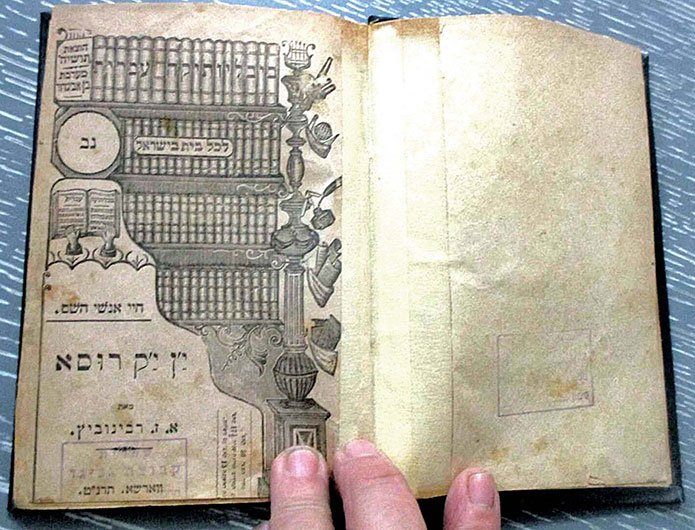
In assessing Rousseau’s relationship to Judaism, it is crucial to recognize how distinctive his position was within the intellectual milieu of his day.
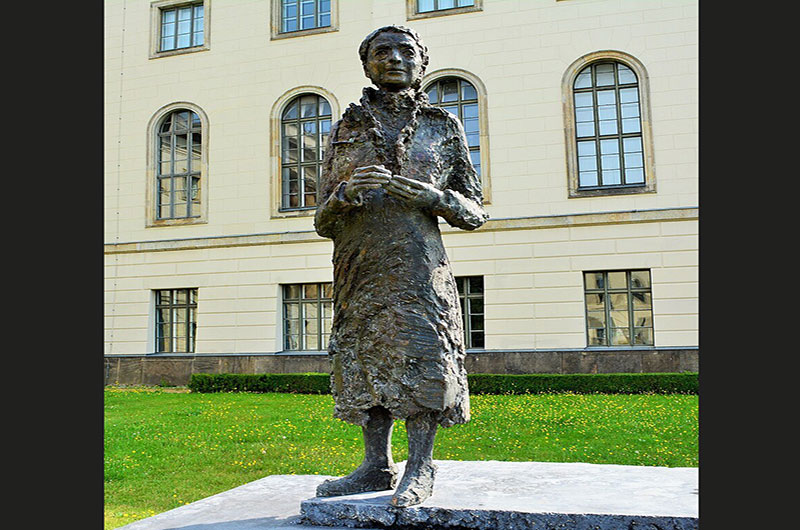
After the war, Meitner moved to Cambridge, England, where she spent the last decades of her life and remained active as a lecturer and mentor, especially encouraging young women to pursue careers in science.
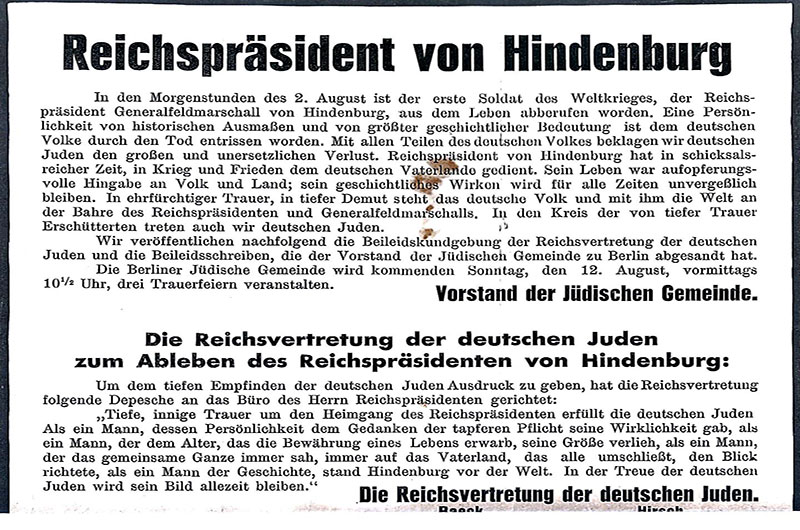
Hindenburg never visited Eretz Yisrael, nor did he express particular interest in Zionism.... At the same time, there is also no evidence that he was hostile to Zionist aspirations; it simply lay far outside his field of concern, as his worldview was shaped by Germany’s past, not by the national movements of other peoples.
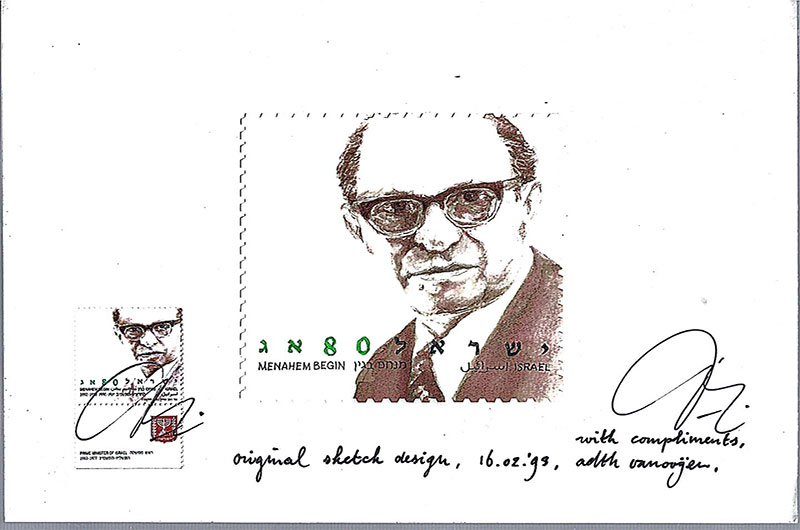
He rarely left the apartment; his only outings were to visit his wife’s gravesite and recite the traditional Kaddish on the anniversary of her death.
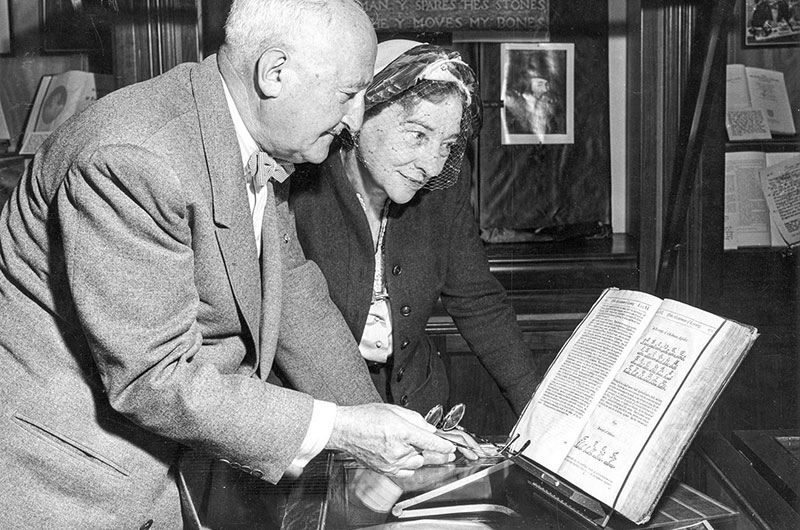
When the United States entered World War I, the Army lacked an official cryptographic service, and Riverbank’s Department of Codes and Ciphers, where the Friedmans worked, became the de facto center for American codebreaking.
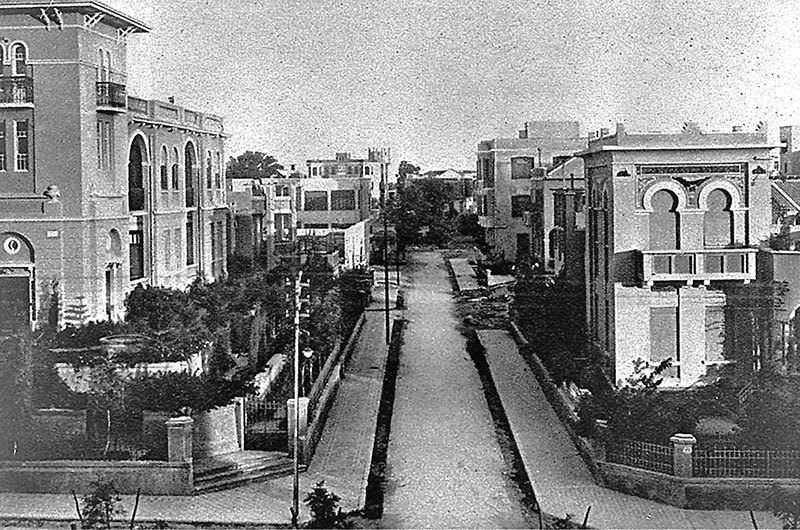
Perhaps the most enduring aspect of the Shadal’s legacy is his personal integrity.
That Congress acted for “the legal representatives of David Valenzin, deceased” in March 1804 indicates both that a formal attempt at redress was recognized and that Valenzin had passed away by that date.
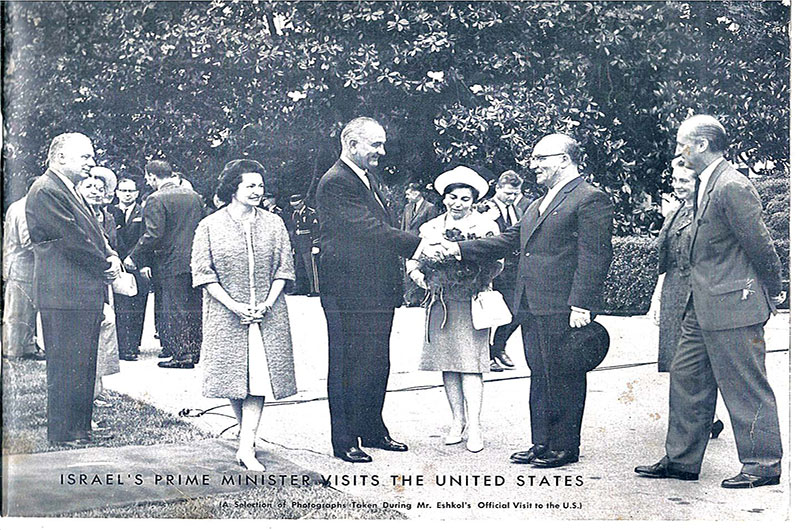
One of Eshkol’s last major political battles was over the question of electoral reform. He favored a mixed system that would preserve proportional representation but introduce regional elements to strengthen the bond between elected officials and local communities, and he believed that Israel’s political fragmentation hindered effective governance.
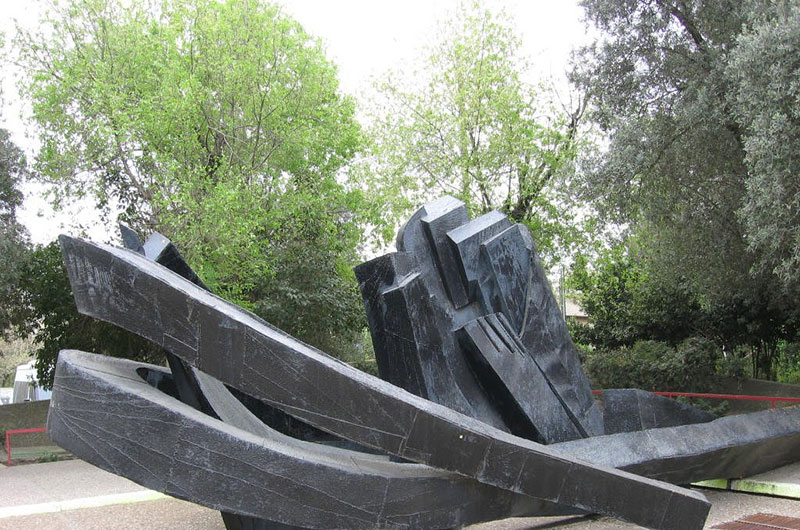
It is interesting that Duckwitz was required to forward a simple autograph request up the chain of command and to obtain formal approval from the Reich Foreign Minister in Berlin to provide the signature.
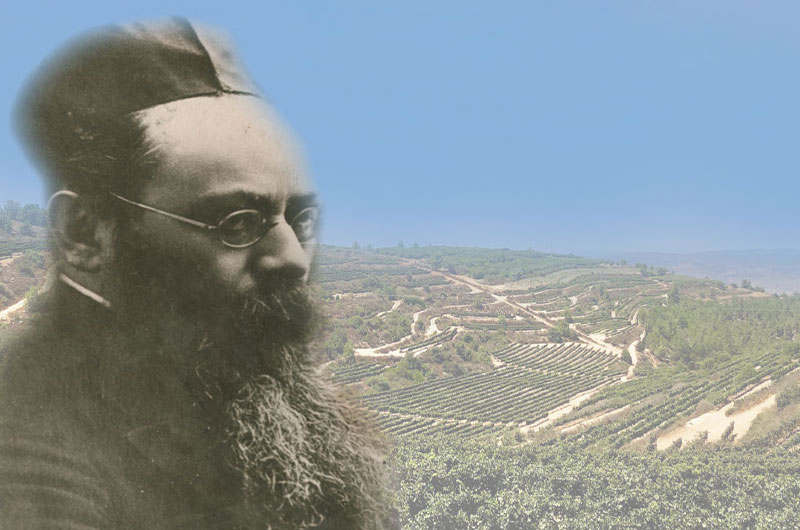
Rav Nissenbaum’s published oeuvre and editorial work give the best available access to his substantive positions on Jewish law, social practice, and the national question, as he was a prolific writer of derashot (sermons), pamphlets, articles, and at least one substantial autobiography/memoir.
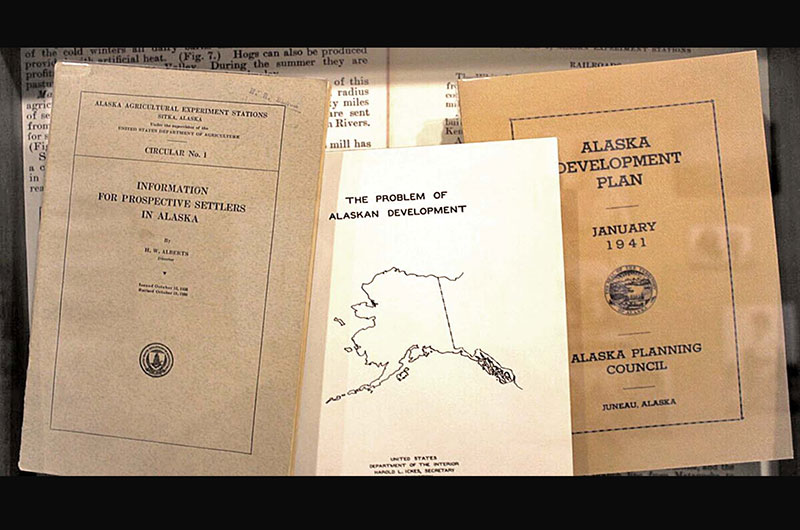
Slattery’s administrative record, like that of many career public servants of his era, was primarily secular and bureaucratic; he was not known as a leader of Jewish communal life nor as a voice on Zionist issues prior to the Slattery Report’s association with his name.
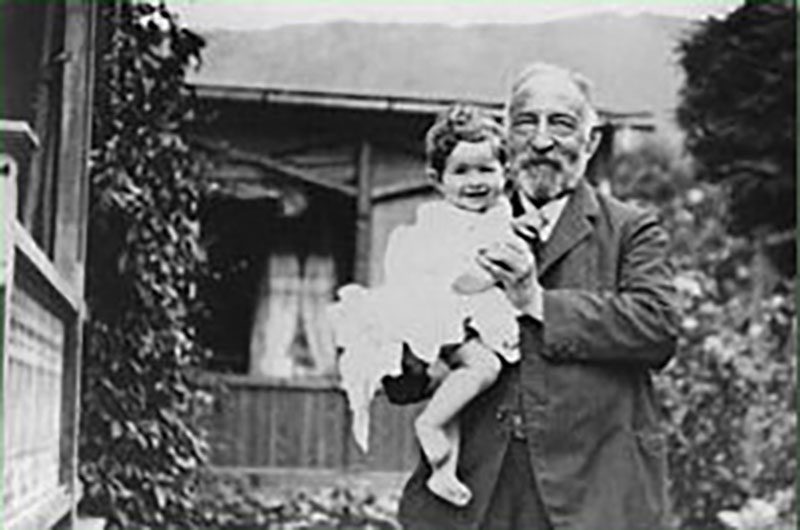
Arendt shrugged off her inaccuracies and errors by arguing that much of the public onslaught was little more than a political campaign to discredit her and that criticism often misrepresented the book.
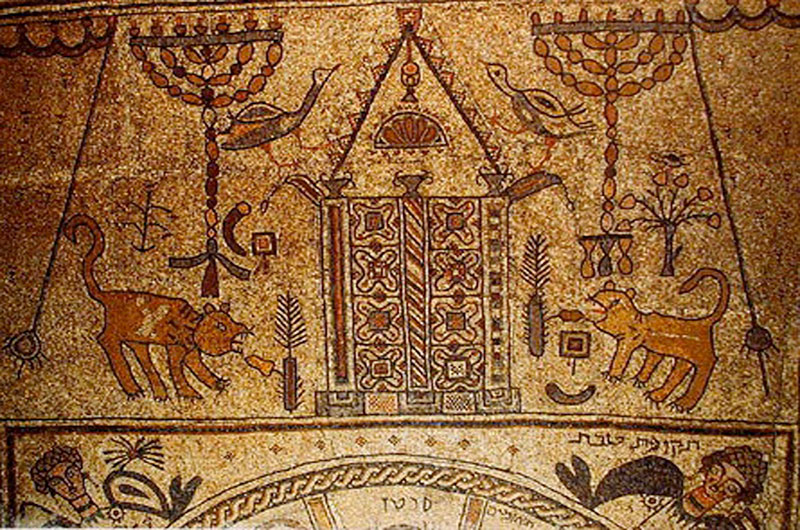
When scholars consider whether the swastika was a Jewish symbol in the sense that the Star of David or the Menorah is a Jewish emblem, the answer from mainstream academic literature is that there is no evidence that Jewish religious authorities, rabbinic leadership, or organized Jewish communities adopted the swastika as a recognized symbol of Judaism.

Contrary to its name, the Tower has no direct connection to King David, yet its name and its stones tell a complex story of conquest, religion, empire, destruction, and preservation.
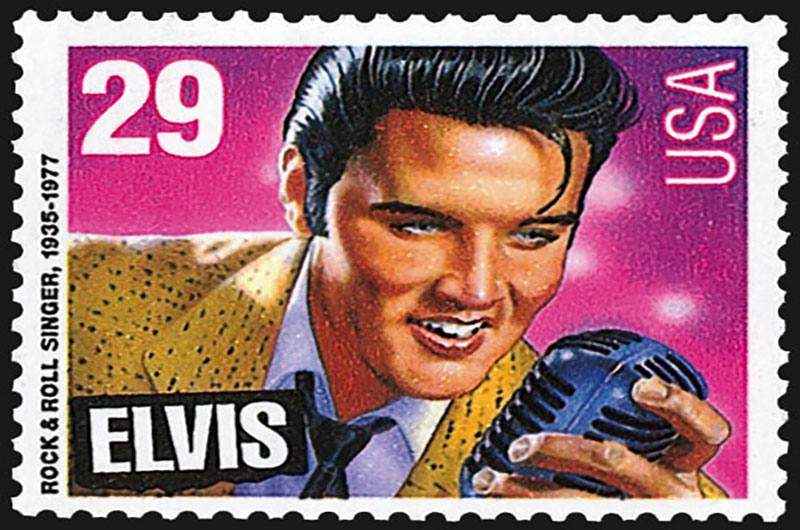
There are stories – some plausible, albeit not well documented – that Elvis’s managers advised him, in the racially charged environment of mid-century America, not to emphasize a Jewish heritage because of concerns about the prejudices of Southern audiences.
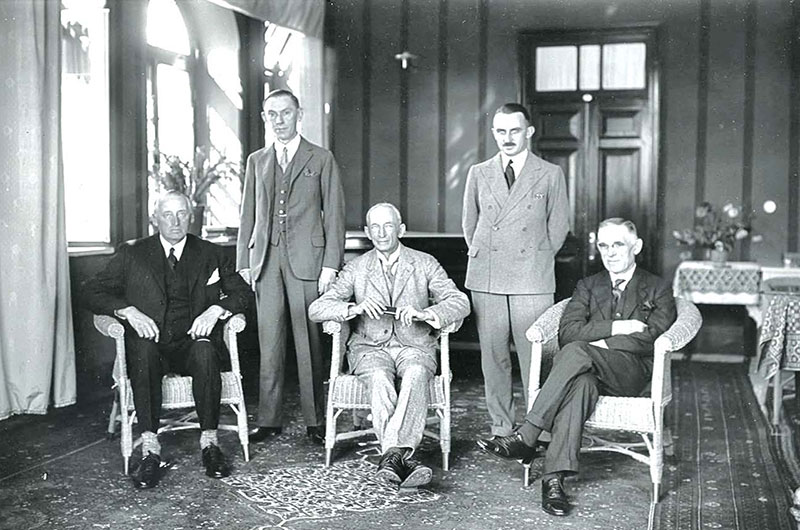
The lack of previous entanglement with the Mandate or with Jewish–Arab issues was precisely why the British government selected him: it wanted someone perceived as impartial, with no record of favoring Zionist, Arab, or imperial political positions.

Pollard’s recruitment by Israeli handlers and the timeline of his espionage are matters on which documentation is clearer than his motives and consequences.
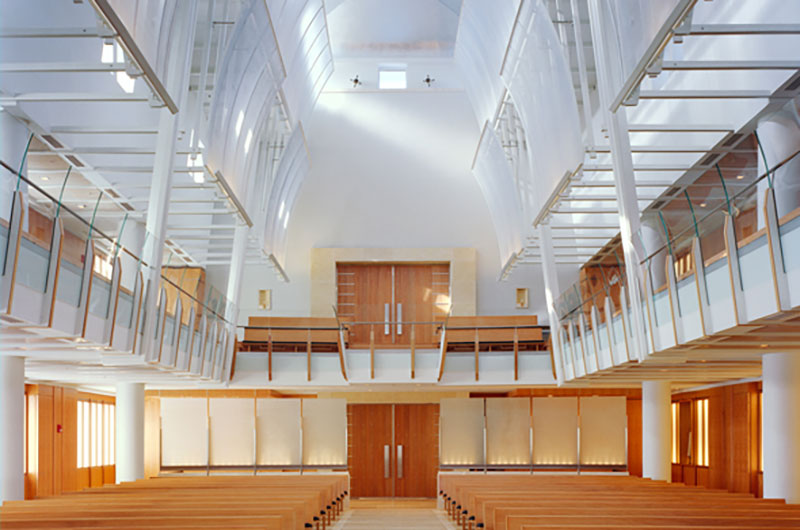
Levy was both admired and criticized within the American Jewish community. Many Jews saw him as a symbol of Jewish pride and accomplishment, proof that Jews could serve with distinction in the highest ranks of American public life, while others were uncomfortable with his duels, his combative personality, and the controversies that surrounded him.
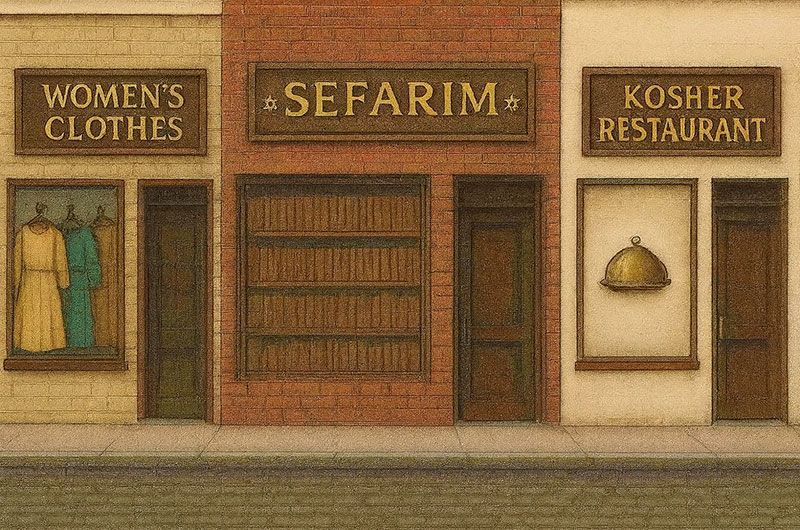
Elman participated in benefit concerts for Jewish relief organizations during and after the war, raising funds for survivors and displaced persons. In one case, he and his wife assisted in providing affidavits for the Hammberschlag family in Germany and sponsored them (the family arrived in the United States on July 13, 1939).
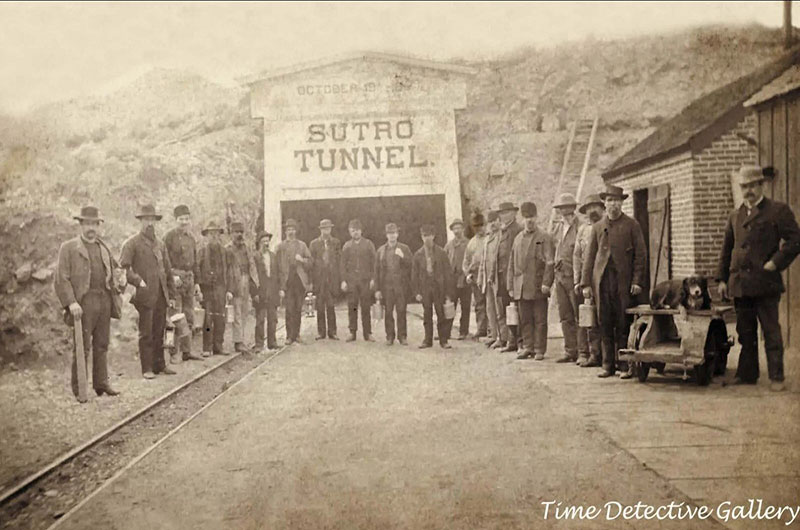
Sutro opened his own estate to the public and he was heralded as a populist for various astute acts of public generosity, such as opening an aquarium and an elaborate and beautiful, glass-enclosed entertainment complex called the Sutro Baths – which housed seven swimming pools (one freshwater, six saltwater), 517 changing rooms, and could accommodate an unfathomable 7,400 bathers – a museum and an ice-skating rink.

Across a long life that spanned the collapse of the Habsburg world, two World Wars, the Holocaust, and the founding of the State of Israel, Schick combined scientific innovation with leadership in Jewish medical institutions, philanthropic circles, and public-health education aimed at protecting children – an ethic he framed repeatedly with moral language rooted in Jewish concern for life.
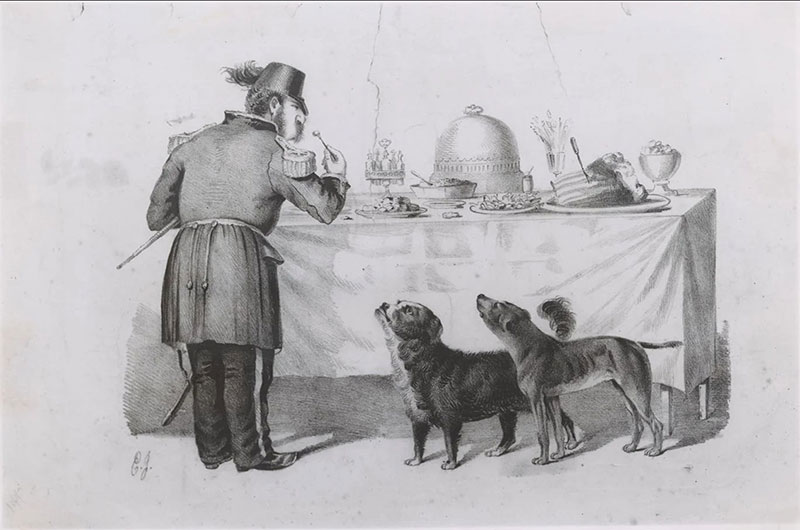
Much has been written about the theatrical elements of his “reign” and the popular tolerance that allowed a self-declared emperor to roam a major American city free of serious harassment.
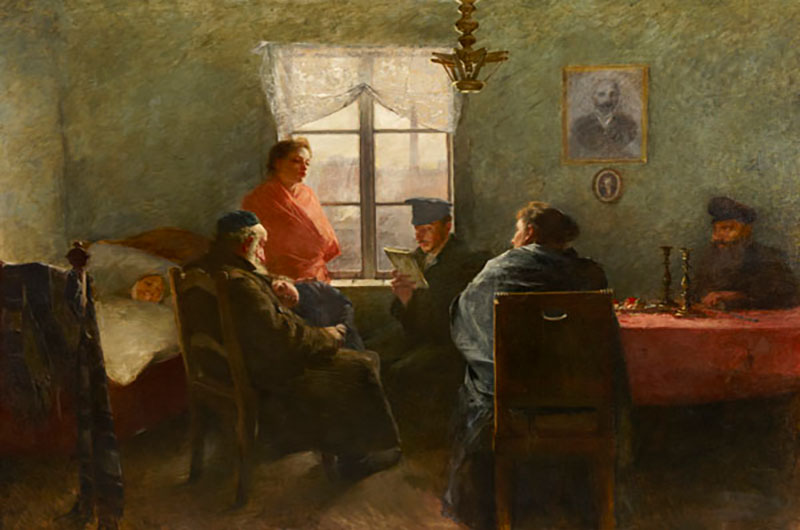
Hirszenberg was born in Łódź, in the Russian partition of Poland, the eldest son of a poor Jewish weaver, who was initially opposed to Samuel's artistic ambitions, which were viewed as incompatible with the values of traditional Jewish life.
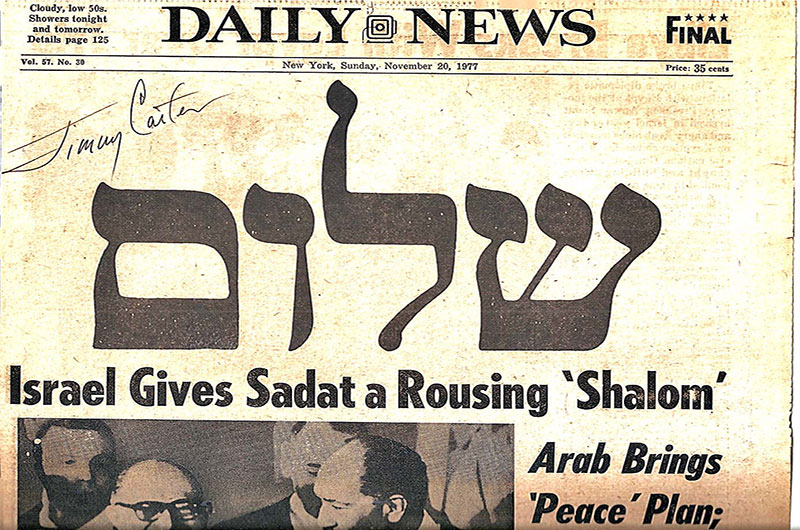
The long-term consequences of Carter’s engagement with groups like Hamas were reflected not just in diplomatic circles, but also in the shifting narratives of the Israeli-Palestinian conflict within American discourse.
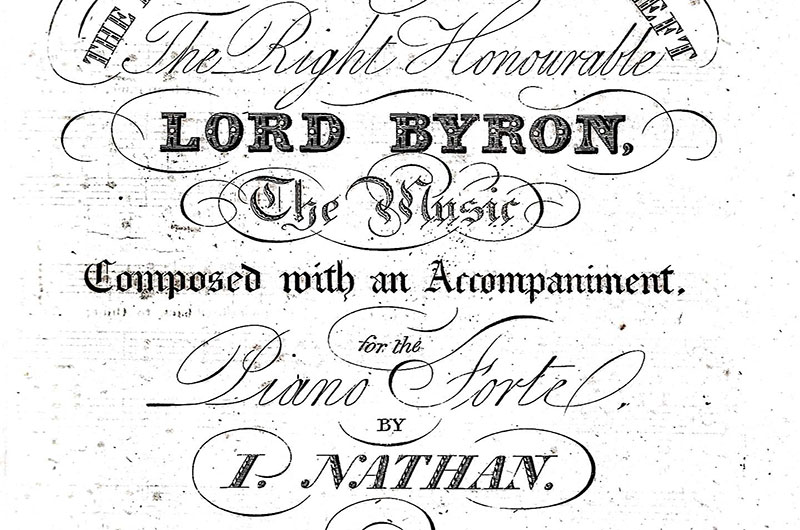
As the Romantic movement reached its crescendo across Europe in the early nineteenth century, few collaborations seemed as unlikely – and as fruitful – as that between Lord Byron, the scion of English nobility and a literary enfant terrible, and Isaac Nathan, an observant Anglo-Jewish composer and musicologist.

Although it has become one of the most familiar and participatory rituals of the High Holiday season that is embedded in contemporary Jewish practice, the extralegal origins of Tashlich and the controversies it once generated have largely been forgotten.
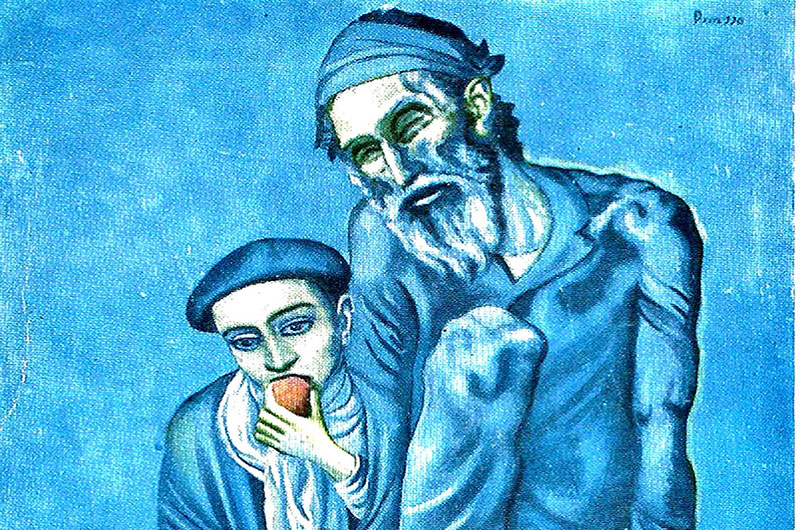
Art historians and commentators, who are fascinated by the question of why Picasso singled out a specifically Jewish figure for The Old Jew, have presented many theories on the subject.
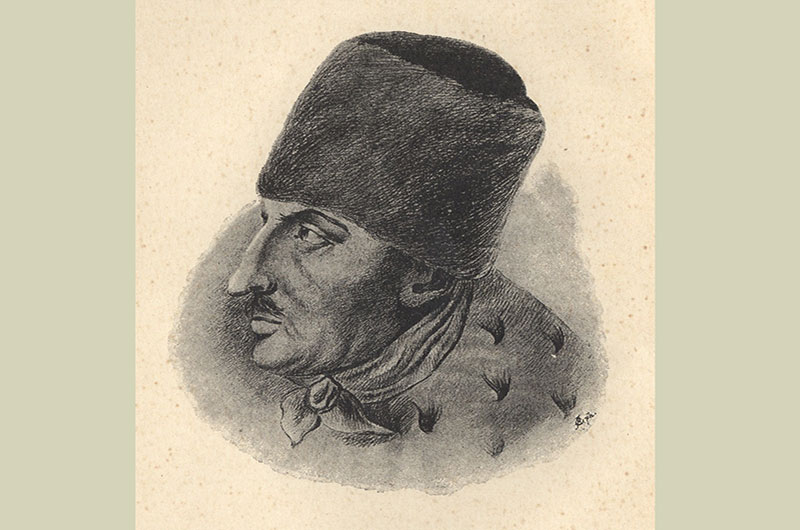
While Jacob Frank emphasized transgression and mystical dialectics between good and evil, Eva’s theological voice, while less documented, seems to have emphasized divine femininity, purity, and mystical royalty.
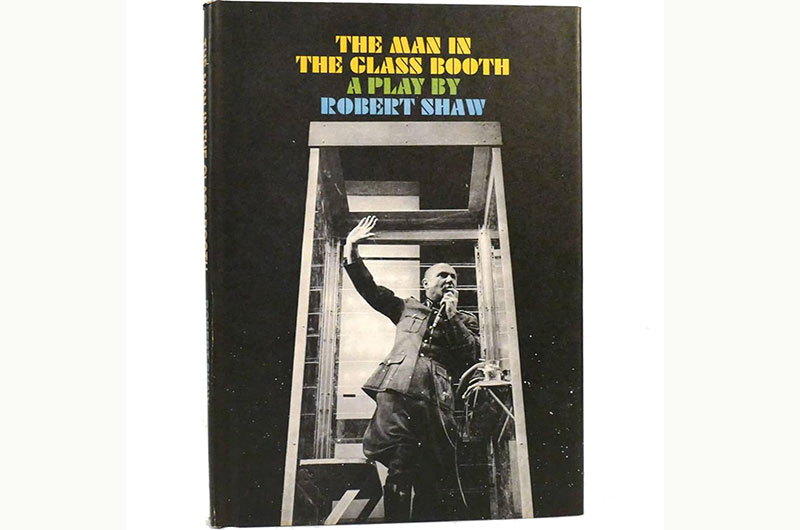
Despite its unsettled reception, The Man in the Glass Booth was neither suppressed nor forgotten; to the contrary, its notoriety ensured its place in the canon of post-Holocaust drama.
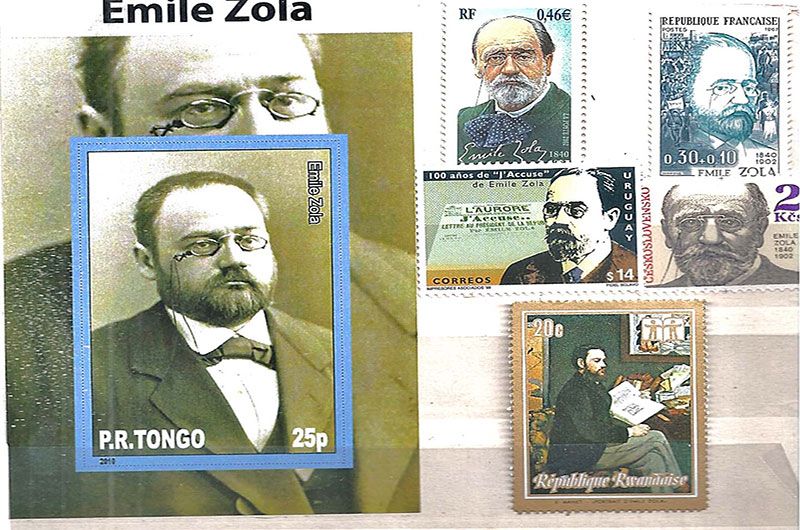
While Zola is celebrated today as a defender of Jewish rights, his fiction, particularly in La Curee, reflects the complexities and contradictions inherent in French attitudes toward Jews in the late 19th century.
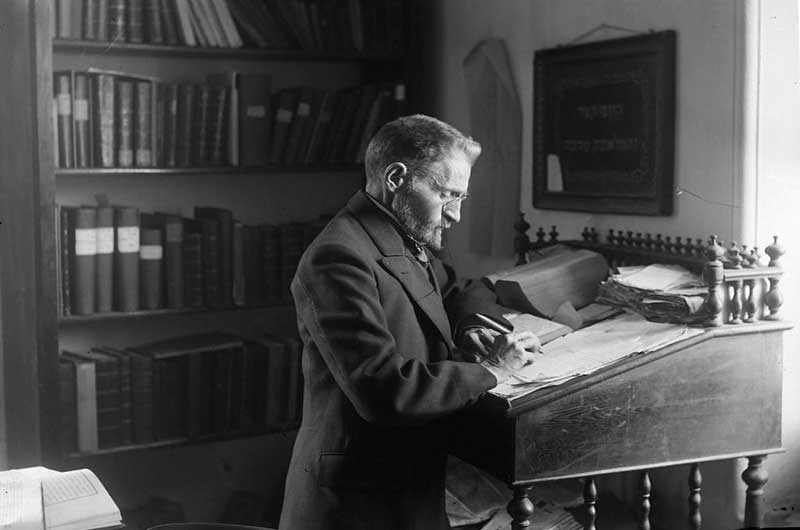
Turning himself into a scientific lexicographer, he was determined that each word would have its roots in Biblical sources to the greatest possible extent. However, in many cases, there were no analogs – one estimate is that the Hebrew Bible contains only 6,259 unique words, while modern Hebrew has about 80,000 – so he had to create new words from whole cloth.
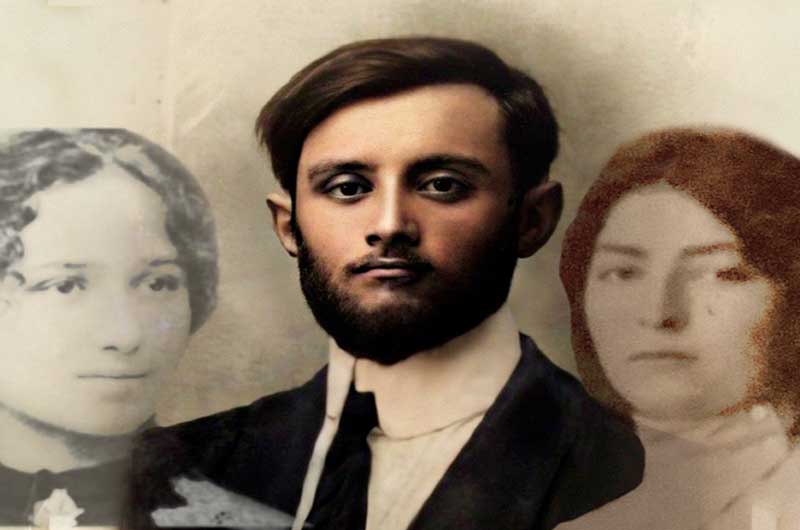
While in the United States, Aaronsohn made some important contacts in the American Jewish community, including with some leading philanthropists, who agreed to finance Aaronsohn’s efforts to establish such an institute.
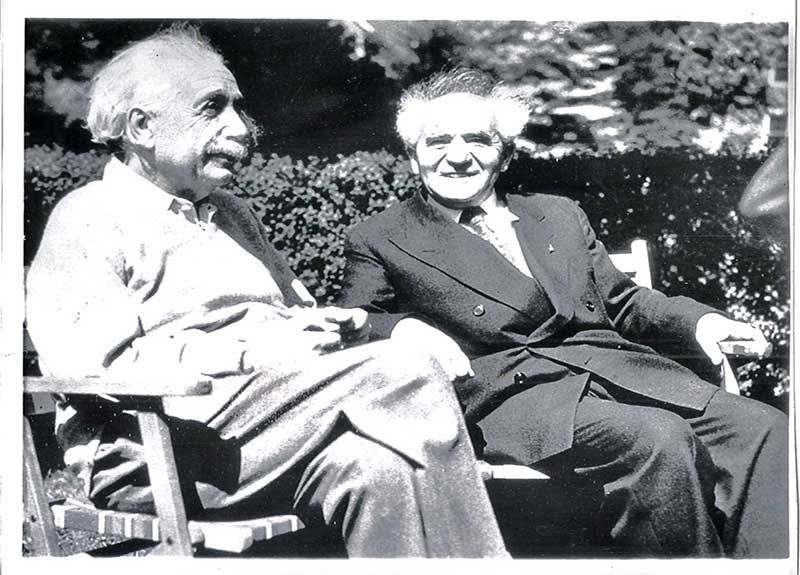
The suggestion that Einstein be invited to assume the presidency of the Jewish State was first publicly disseminated by the evening newspaper Maariv. The idea, which spread quickly, became broadly popular...
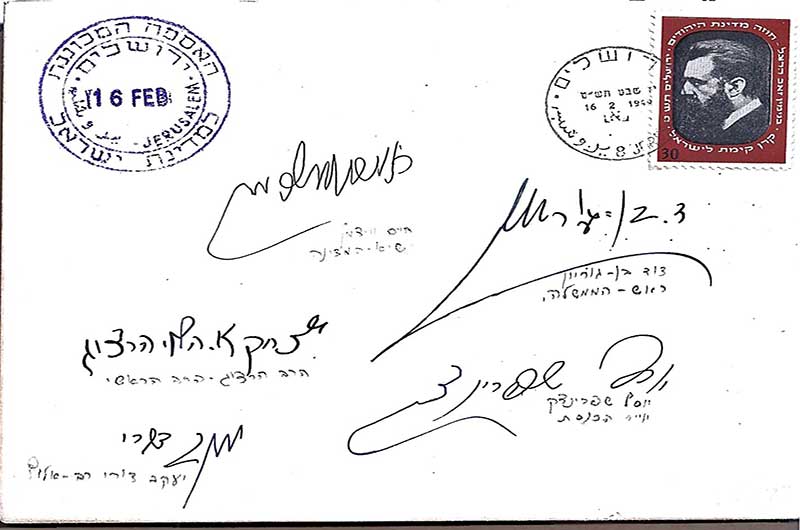
The 120 members elected to the Assembly and various invited guests entered the specially-prepared hall, and, when President Weizmann and members of the Cabinet arrived... they were saluted by an honor guard composed of units of the Israeli Army and police force and Hatikvah was played by a combined army-police band.
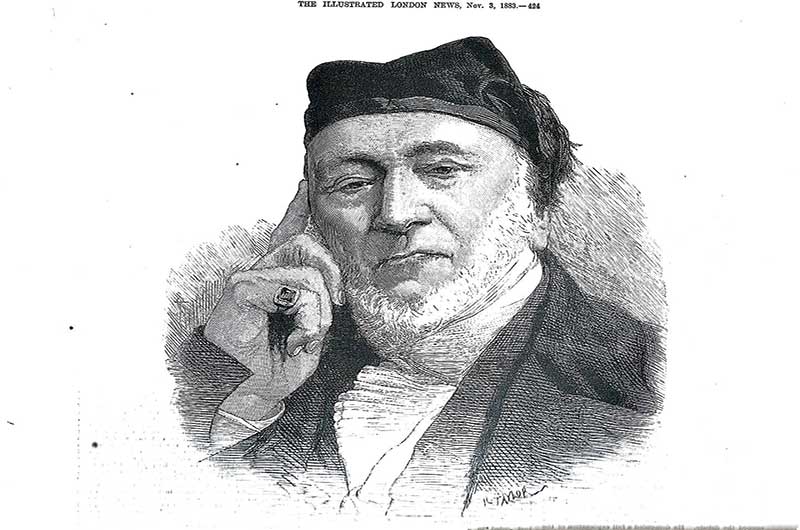
Five decades before Herzl’s Der Jundenstaat, Montefiore was arguably the first contemporary Zionist.
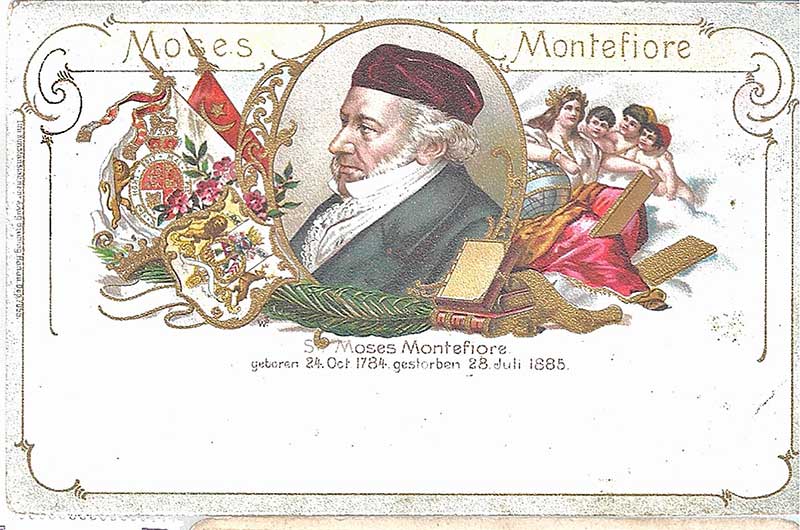
Upon his return to London, Sir Moses was given a hero’s welcome, including a big ceremony and special synagogue services, and, when he met with Queen Victoria to present her with the firman, she honored him by permitting him to add the Lion of Judah holding a banner bearing the word 'Jerusalem' to his coat of arms.
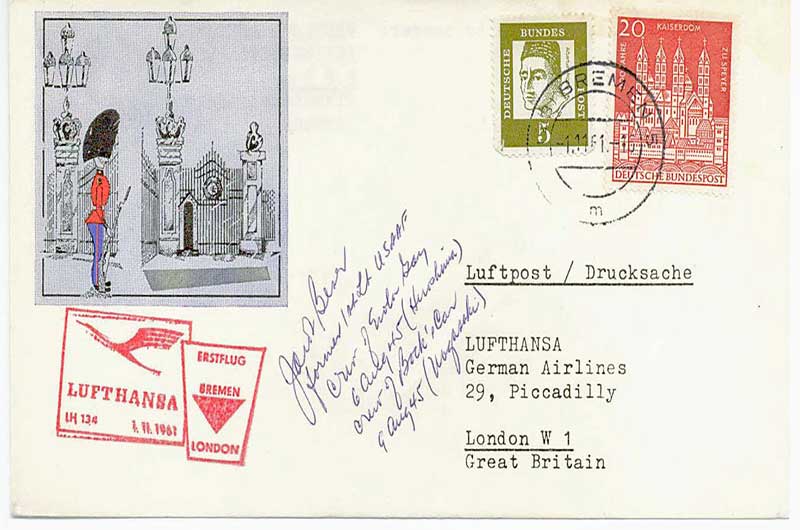
Recently, Secretary of Defense Pete Hegseth caused a stir when, pursuant to President Trump’s long overdue purge of content deemed to promote DEI, he absurdly flagged the name Enola Gay for removal, apparently because the name contained the word “gay” (sigh). In fact, the Enola Gay was named after Enola Gay Tibbets, the mother of its pilot, Colonel Paul W. Tibbets.
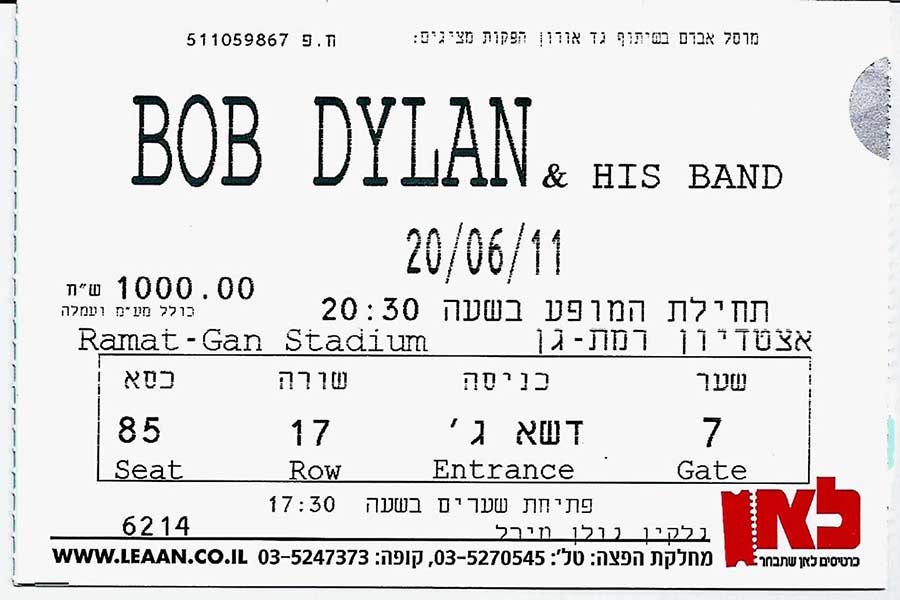
Many of Dylan’s songs are replete with biblical references hearkening back to his Jewish studies in childhood.
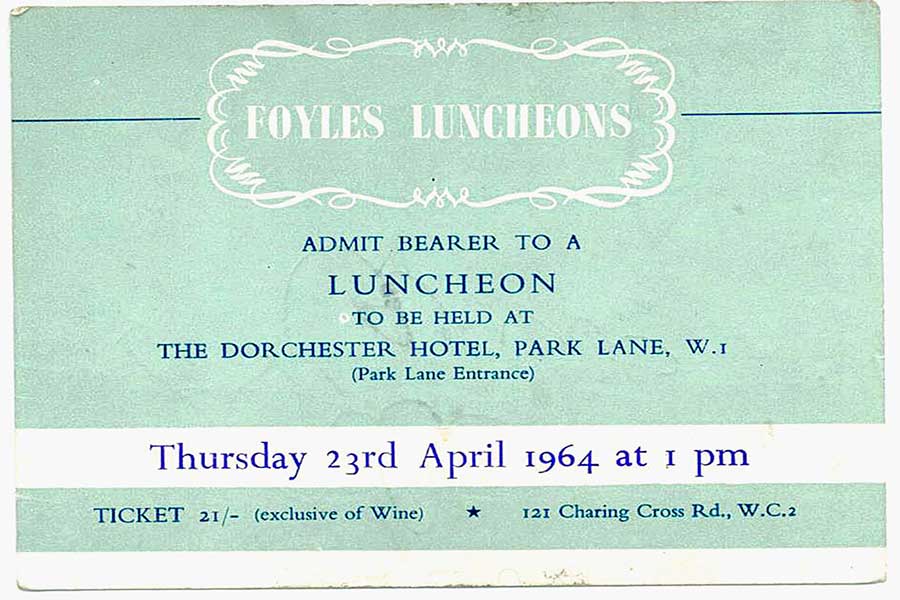
Post-World War II Liverpool was generally very antisemitic and Lennon came from an anti-Jewish background. He was known to make impromptu antisemitic comments...
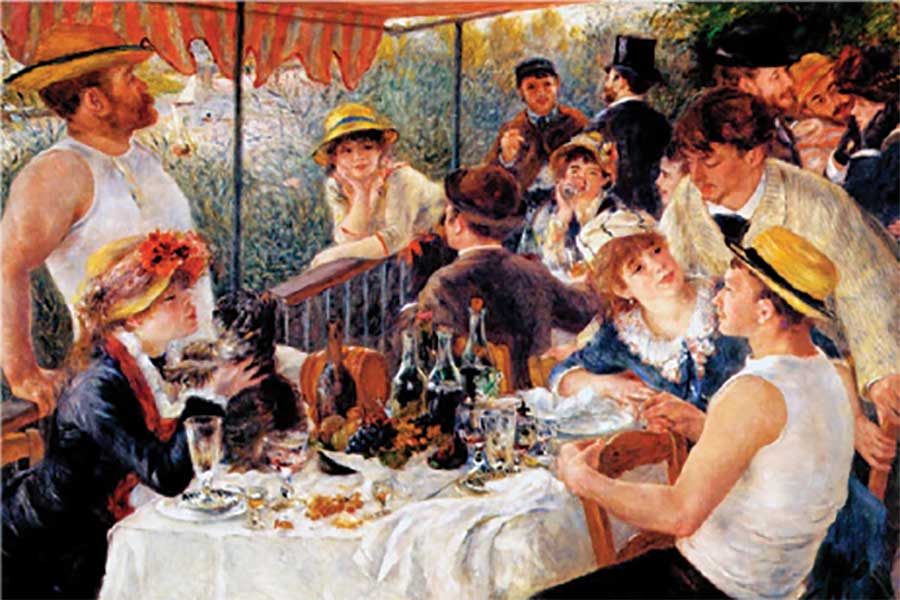
The impressionists differed in their political and social opinions well before the Affair, and their varying attitudes toward France’s Jewish population proved to be one of the most divisive issues.
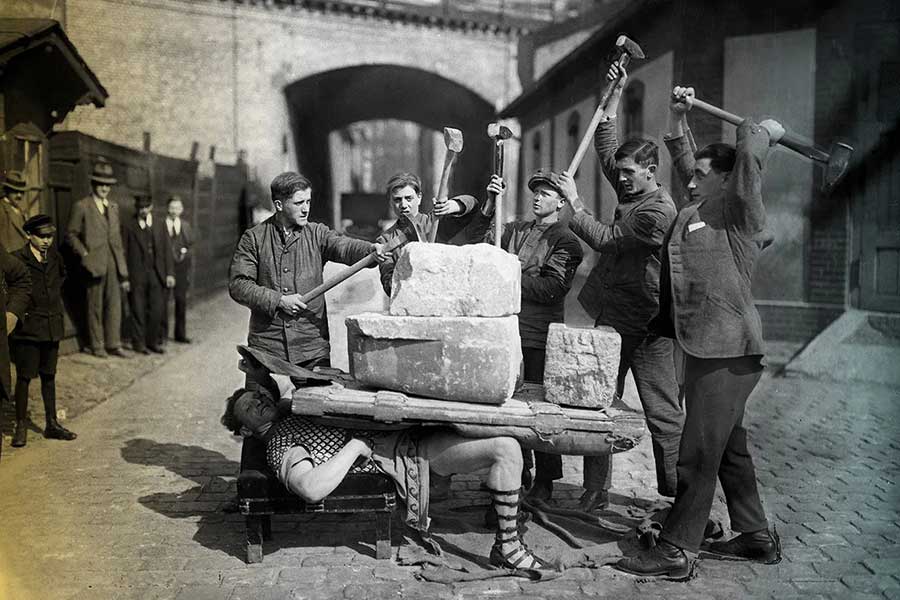
Breitbart became a great source of hope to all sorts of Jews, ranging from the wholly unaffiliated to Orthodox and Charedi rabbis, who could dream of a future of national empowerment and, ultimately, a Jewish state defended by Jewish strength.

The Boston Globe reported that by the end of November 1967, more than 400,000 members of the Jewish faith are estimated to have observed the commandment to wear Phylacteries (tefillin) at the city’s Western Wall, formerly known as the Wailing Wall.
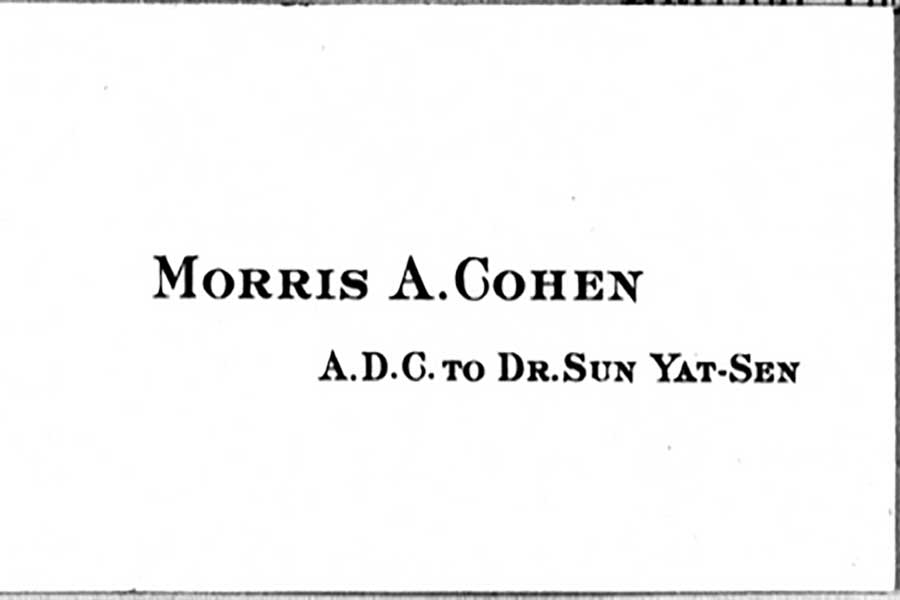
According to Drage’s biography, Cohen was born in London in 1889 to a family that had just arrived from Poland, but most analysts agree that he was actually born in 1887 to a poor Jewish family in a Radzanów, Poland shtetl shortly before his family fled Eastern European pogroms and emigrated to London.
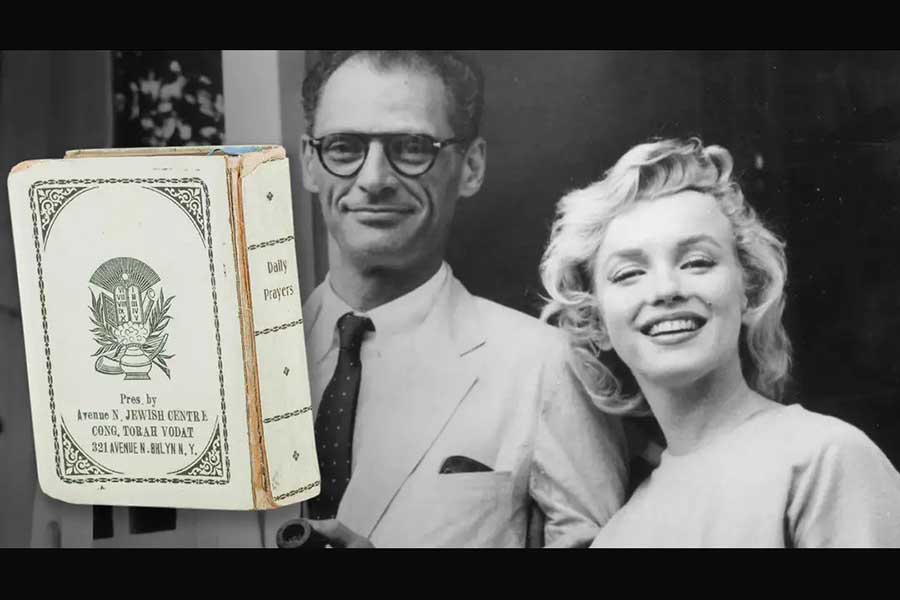
Most of Miller’s plays were performed in Israel, beginning with Salesman, which was performed at the Habimah National Theatre in Tel Aviv (1951). He visited Israel several times, once attending a presentation of his All My Sons and sitting next to Prime Minister Yitzhak Rabin on his last day in office, May 17, 1977.
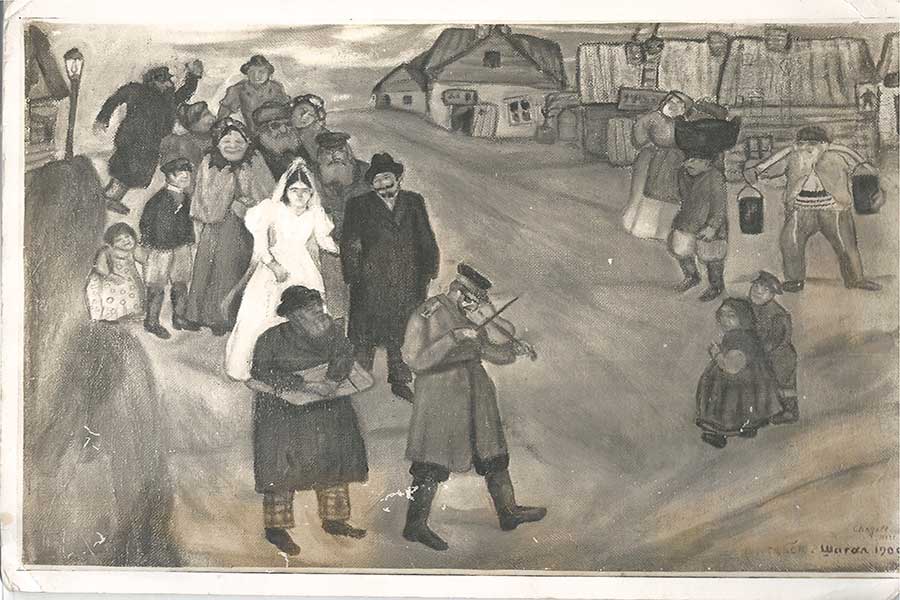
Between 1931 and 1934, Chagall worked obsessively on the series The Bible, even going to Amsterdam to carefully study biblical paintings by Rembrandt and El Greco and to examine the extremes in religious painting. He walked the streets of the city's Jewish quarter to again feel the earlier atmosphere.
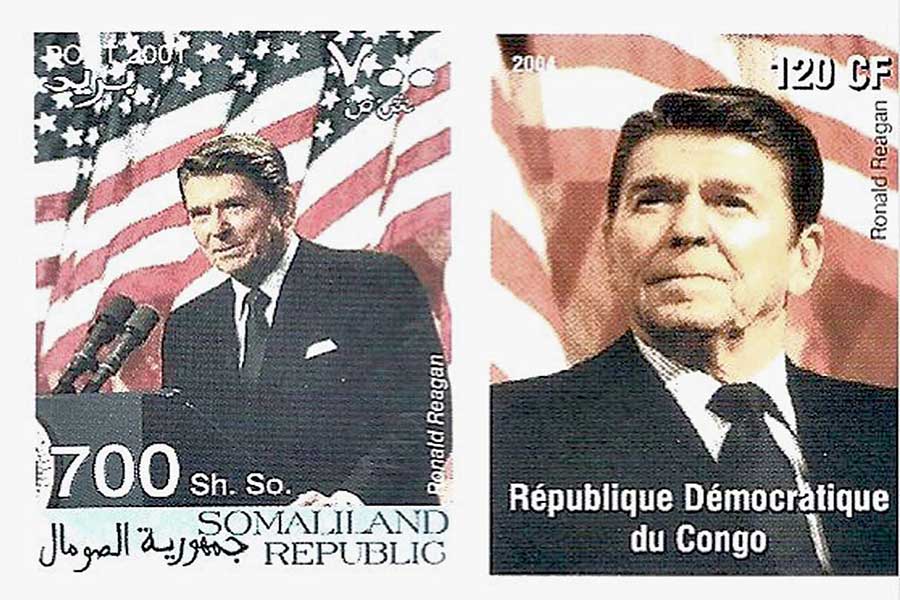
Upon assuming office as an anti-Communist conservative, he strongly opposed the notion of a P.L.O. state and supported a militarily strong Israel as America's most reliable Middle East ally. Within a few months of his election, however, he had altered his position and began to encourage "moderate" P.L.O. leaders toward possible autonomy and statehood.
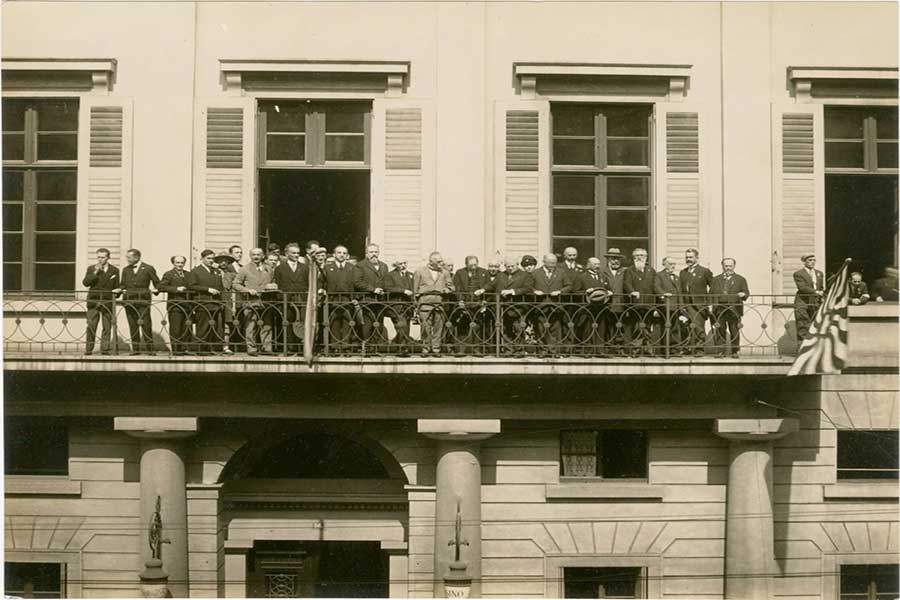
Specially produced beautiful and deeply poignant official postcards were issued for all of the pre-Israel Zionist Congresses (all Congresses after 1948 were held in Jerusalem).
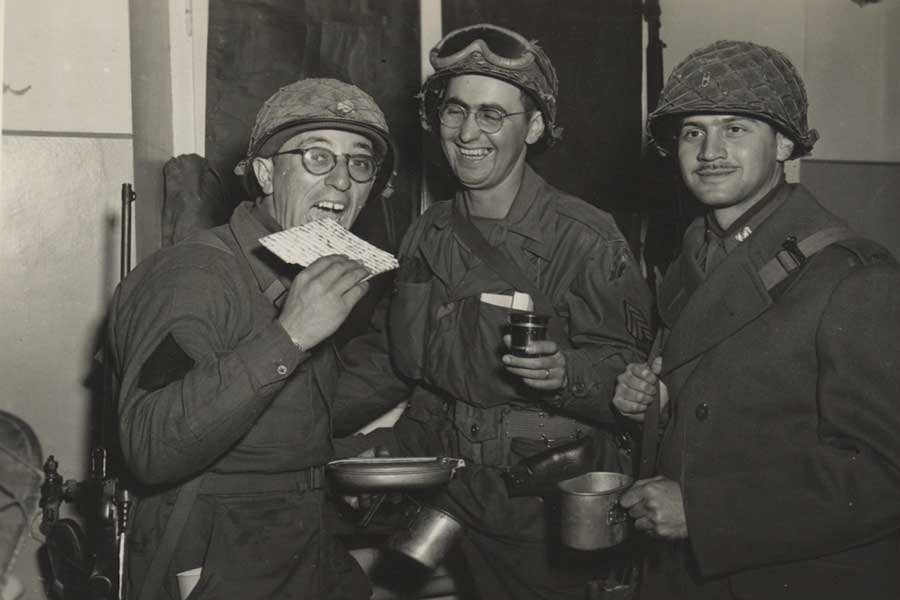
Collins was a passionate critic of antisemitism, as to which he advised his troops: “I know that there exists, in some divisions, what your people call antisemitism. It will not be tolerated in my division. Should it crop up, I will hold you personally responsible if I am not made aware of it immediately.
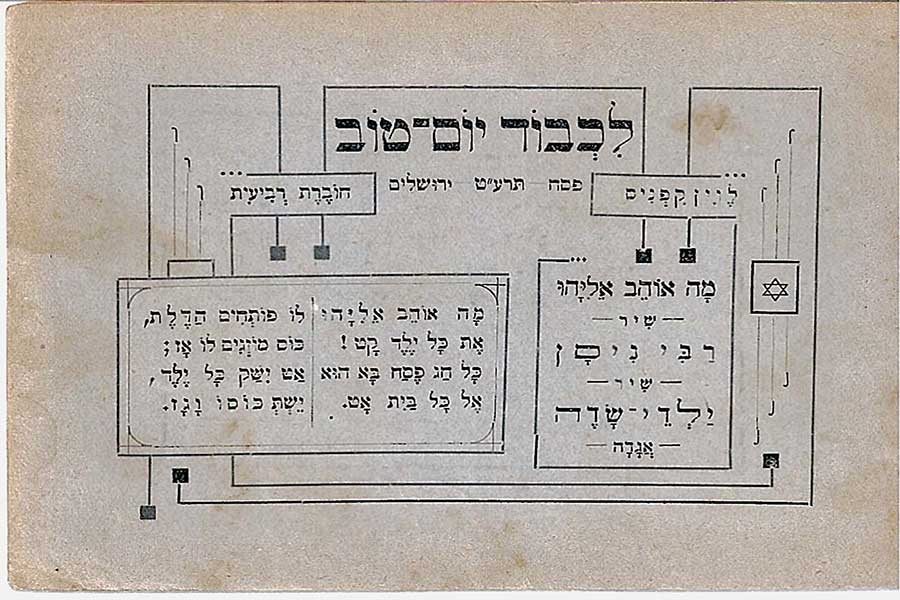
Even standing on their own without musical accompaniment, Shemer’s lyrics were achingly beautiful and highly emotional.
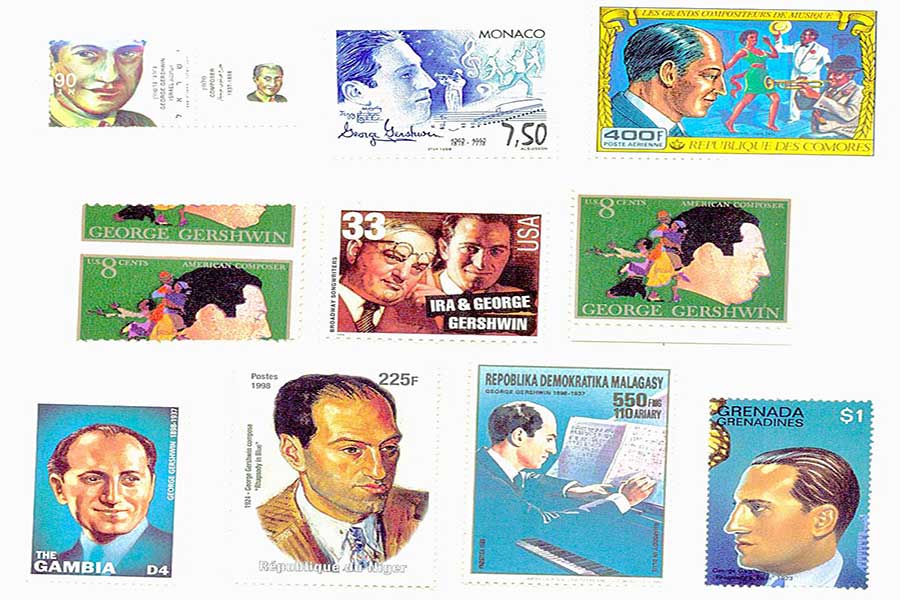
According to most authorities, the family's Judaism was neither religious nor political but, rather, cultural and casual.
 October 9, 2026