יום ראשון, ז׳ חשוון תשפ״זSunday, October 18, 2026



Follow Us


Rabbi Fuchs learned in Yeshivas Toras Moshe, where he became a close talmid of Rav Michel Shurkin, shlit”a. While he was there he received semicha from Rav Zalman Nechemia Goldberg, shlit”a. He then learned in Mirrer Yeshiva in Brooklyn, and became a close talmid of Rav Shmuel Berenbaum, zt”l. Rabbi Fuchs received semicha from the Mirrer Yeshiva as well. After Rav Shmuel’s petira Rabbi Fuchs learned in Bais Hatalmud Kollel for six years. He is currently a Shoel Umaishiv in Yeshivas Beis Meir in Lakewood, and a Torah editor and weekly columnist at The Jewish Press.
Read More
Inspirational Torah leader Rabbi Shlomo Brevda, zt”l, passed away last Tuesday at the age of 81. Rabbi Brevda authored numerous books and traveled to many parts of the world delivering mussar and words of encouragement to people of all ages. He was well known for his research of the Vilna Gaon, publishing many of his writings.
After each of the makkos, Moshe Rabbeinu had to daven to Hashem to stop the makkah. After the makkah of frogs, the pasuk says “…vayitzak Moshe el Hashem al devar hatzefardi’im asher sam l’pharoh – and Moshe cried out to Hashem regarding the frogs that he inflicted on Pharaoh” (Shemos 8:8). This is the only makkah in which we find that the Torah uses the word “vayitzak [cried out]” in reference to how Moshe davened to Hashem. By the other makkos, the Torah uses the word “vayetar.” The Sifsei Chachamim asks the question that he says was bothering many people. He asks why the Torah changes its wording by the makkah of the frogs to the word “vayitzak.”

The Gemara in Kiddushin 71a says that when Hashem told Moshe Rabbeinu (in this week’s parshah), “zeh shemi l’olam, v’zeh zichri l’dor dor – this is my name forever, and this is my name for every generation” (Shemos 3:15), he was teaching Moshe two separate names of Hashem. Rashi explains there that this is derived from the fact that the pasuk does not say “zeh shemi v’zichri.” The Gemara says that Hashem told Moshe that He has both a name that is written and a name that is pronounced. Hashem’s written name is spelled “yud, kei, vav, kei” and His pronounced name is spelled alef, daled, vav, nun. (We will refer to this name as Adnus.)
In this week’s parshah Yosef brings his two sons to his father Yaakov to receive blessings before his death. Rashi tells us that when Yaakov was about to bless Yosef’s sons the shechinah left him as a result of some of Yosef’s sons’ evil descendants.
In the beginning of this week’s parshah Yehudah tells Yosef that he must allow Binyamin to return to his father because Yehudah had guaranteed Binyamin’s return. As the pasuk says: “ki avdecha arav es hanar… – for your servant has guaranteed the boy…” (Bereishis 44:32; see also 43:9).
There are two mitzvos that the rabbanan instituted for Chanukah, lighting candles and saying Hallel. The Gemara in Shabbos 23a says that women are obligated in the mitzvah of lighting candles because af ha’eim hayu b’osah haness – they too were involved in the miracle.
The Jews living outside Eretz Yisrael began reciting vesein tal u’matar in the Shemoneh Esrei this week. If one does not say vesein tal u’matar (instead continuing to say “vesein berachah”) and finishes the Shemoneh Esrei, he must repeat the Shemoneh Esrei. If one accidentally does not daven at all, he must daven two Shemoneh Esreis during the following tefillah. If one did not say vesein tal u’matar and finished davening and only remembers this fact at the time of the next tefillah, he must daven two Shemoneh Esreis at the next tefillah.
At the beginning of this week’s parshah Yaakov sent a message to Eisav. In the message were the words, “im Lavan garti – I lived with Lavan.” Rashi explains that Yaakov was informing Eisav that he had kept the entire Torah, as the word “garti” is the same numerical value as the amount of mitzvos in the Torah: 613. The following strong question concerning this statement has been discussed by the Rishonim and Acharonim: How could Yaakov say that he kept the entire Torah when he married two sisters, Rachel and Leah, which is biblically prohibited? Additionally, the Gemara in Yuma 28 says that Avraham Avinu kept the Torah; presumably the other avos did as well. How then did Yaakov marry two sisters?
The Rambam writes in the 10th perek of Hilchos Ishus (halacha 13-14) that if a man marries a woman, he is obligated to have sheva berachos for seven days. If one marries several women at once, he must have separate sheva berachos for each one for seven days – consecutively. The reason for this is because we cannot mix one simcha with another simcha.
We learn in this week’s parshah of Eisav’s sale of his birthright to Yaakov Avinu. There are several questions surrounding the legitimacy of this sale. The Rivash (Teshuvos 328) questions why the sale was valid, since Eisav sold something that did not exist at that time. The halacha is that one may not sell anything that is not in the world at the time of the sale. Since the bechor did not yet exist or take effect at that time, how could the sale have been valid?
In this week’s parshah we learn of the episode whereby Avraham sent his servant Eliezer to find a wife for his son Yitzchak. Eliezer met Rivka and decided that she was right for Yitzchak. After discussing matters with her parents and her brother, Lavan, Eliezer was ready to return with Rivka to Avraham and Yitzchak. Prior to their departure Rivka’s family blessed her, saying that she should become “thousands of myriad…” and may her offspring inherit the gate of its foes.

We learn in this week’s parshah about the wickedness and demise of the residents of Sedom. Further, we learn from medrashim that the residents of Sedom did not show much hospitality. Similarly, the mishnah in Avos 5:10 says that there are four different types of middos that people live by. The first is one who says, “What is mine is mine and what is yours is yours.” The mishnah says that this is an intermediate middah; others say that this is middas Sedom. Rashi, in Kesubos 103a, says that the people in Sedom would not allow anyone to benefit from their possessions even if it would be of no loss to them.
In this week’s parshah Hashem commands Avraham Avinu to perform the mitzvah of bris milah. The pasuk tells us that Avraham was 99 when he performed the bris milah on himself. The Pirkei D’Rabbi Eliezer (29) and Tosafos, in Rosh Hashanah 11a, say that Avraham’s bris was performed on Yom Kippur. The Pirkei D’Rabbi Eliezer adds that Shem, Noach’s son, performed the bris on Avraham. There are several explanations as to why Avraham had Shem perform his milah.

Toward the end of this week’s parshah Rashi quotes a Medrash that relates the familiar episode of when Avraham Avinu was thrown into a furnace. Rashi recounts that Avraham’s father, Terach, had reported to Nimrod that his son had broken all of his idols. Avraham was then thrown into a fire and was saved. The wording of the Medrash, however, is that Avraham had gone into the fire by himself (kesheyarad Avraham letoch kivshan ha’eish – when Avraham went into the fire, and in another place it says that Nimrod decreed that he should leireid lekivshan ha’eish – go down into the fire).
In this week’s parshah the Torah commands us in the first mitzvah: pru u’revu – be fruitful and multiply. We rule in accordance with Beis Hillel that one fulfills this mitzvah when he has fathered one boy and one girl.
The Gemara in Megillah 31a says that on the last day of Sukkos the Torah reading is the parshah of Vezos Haberachah and the maftir is Vaya’amod Shlomo (Melachim 1:8). The Rishonim are bothered by the following question: the Mishnah in Megillah says that Moshe Rabbeinu instituted what portion of the Torah should be read on each of the Yamim Tovim. Each portion relates to that particular Yom Tov. What then is the connection between Vezos Haberachah and the last day of Sukkos?
The Gemara in Sukkah says that the sechach that one must use for his sukkah must be detached from the tree in order for it to be fit for use. The Gemara (Sukkah 11a) discusses what a person must do if one put branches on his sukkah before they were cut off from the tree. The Gemara concludes that branches must be detached from the tree and he then must shake them.
There is a machlokes between the Mechaber and the Rema concerning the berachos recited on the Yom Kippur haftarah by Minchah. The Mechaber says (Shulchan Aruch, Orach Chaim 622:2) that we take the Torah out and read the parshah of arayos and then read Maftir Yonah. He says that we recite the berachos of the haftarah before and after the haftarah. If Yom Kippur falls out on Shabbos, we mention Shabbos in the berachos. The Rema argues that we do not recite the berachah of “al haTorah v’al ha’avodah” by Minchah.
The Mishnah in Rosh Hashanah 32a lists the Yom Tov’s berachos and the order in which we must daven on Rosh Hashanah. The Mishnah says in the name of Rabbi Akiva that we begin with the berachah of avos. We then recite, in this order: gevuros (atah gibor); kedushas Hashem; kedushas hayom (we incorporate malchuyos in that berachah); zichronos; and shofros. This is followed by avodah hoda’ah and birchas kohanim (sim shalom). The Gemara there brings a beraisa that cites a source in the Torah for reciting each one of these berachos.
There is a custom to say Selichos before Rosh Hashanah. Sephardim have the custom to say Selichos during the entire month of Elul, while Ashkenazim follow the custom of the Ramah (Orach Chaim 581:1) to only say Selichos for a minimum of four days prior to Rosh Hashanah – beginning with Motzaei Shabbos. The Ramah quotes from the Kol Bo that certain communities had the custom that the ba’al tefillah should also be the chazzan for the remainder of the day. The Magen Avraham explains that this is because of the general rule that when one begins a mitzvah he should complete it.
The pasuk from which most of the halachos of gittin (divorce) are derived is in this week’s parshah. The pasuk says: “Ki yikach ish isha… vechasav lah sefer kerisus v’nasan b’yadah veshilchah mi’beiso – If a man marries a woman … and he wrote her a bill of divorce and placed it in her hand and sent her from his house” (Devarim 24:1).
In this week’s parshah the Torah discusses the halachos of eidim zomimim. The Gemara in Makkos 2a explains that eidim zomimim is when one set of two or more witnesses testifies against someone, and another set of witnesses testifies that the first set of witnesses was with them and therefore could not have known their testimony. The Torah says that the later set of witnesses is believed and the testimony of the first set of witnesses is disqualified.
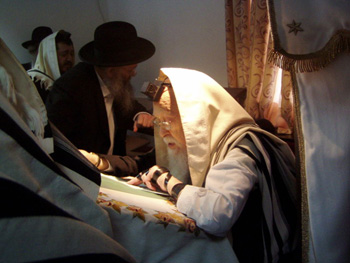
It’s hard to believe that for the past 30 days we have been living in a world without HaRav Yosef Sholom Elyashiv, zt”l, who died at the age of 102. We may never realize the effect his longevity had on our generation. Reb Elyashiv was a true gaon and masmid beyond most people’s comprehension. Although […]
In this week’s parshah the Torah gives us the mitzvah of tefillah – davening to Hashem – for as the pasuk says, “oso sa’avod – you shall serve Him.” The Torah repeats this mitzvah several times, with another mention further in this week’s parshah: “uleavdo bechal levavchem – serve Him with all of your heart.” The Sifri explains that one serves with his heart by means of tefillah.
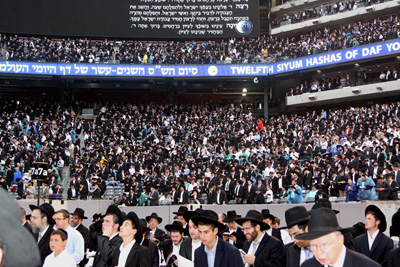
Neither the threat of rain nor heavy traffic prevented the huge throng of enthusiastic participants from attending the 12th Siyum HaShas last Wednesday, August 1 at MetLife Stadium. The event, which attracted more than 90,000 people, was in celebration of the conclusion of the seven-and-a-half year learning cycle of the Babylonian Talmud.
In this week’s parshah Moshe Rabbeinu recounts ma’mad Har Sinai – the giving of the Torah on Har Sinai. Additionally, the Torah warns us earlier in the parshah not to forget the revelation that we witnessed at Har Sinai, for as the pasuk says: “Only beware for yourself and greatly beware for your soul, lest you forget the things that your eyes have seen and lest you remove them from your heart all the days of your life, and make them known to your children and your children’s children” (Devarim 4:9).
One may not perform several actions during the week in which Tisha B’Av falls. This is referred to as shavua she’chal bo. For example, one may not take a haircut or wash his clothing (Ashkenazi Jews are forbidden in these actions prior to the week of Tisha B’Av in accordance with the ruling of the Ramah). The Mechaber (Shulchan Aruch Orach Chaim 551: 4) writes that in a year when Tisha B’Av falls on Shabbos and is pushed off to Sunday (as it does this year) there is a machlokes as to whether there are any prohibitions during the week before Tisha B’Av. The Mechaber seemingly sides with the view that there are no halachos of shavua she’chal bo in such circumstances.
In this week’s parshah the Torah writes about a prohibition on killing a murderer prior to his trial. As the pasuk says: “…v’lo yamus harotzeach ad amdo lifnei haeidah lamishpat – … so that the murderer will not die until he stands before the assembly for judgment” (Bamidbar 35:12). The same rule applies to anyone who commits an aveirah that is punishable by death; no one is permitted to kill him prior to his trial in beis din, including the witnesses that warned him and witnessed the aveirah. The Sefer Hachinuch (mitzvah 409) writes that if one kills a transgressor prior to his trial, he is regarded as a murderer.
The Gemara in Baba Basra 119b relays the following conversation that took place in this week’s parshah: Moshe Rabbeinu was teaching the halachos of yibum when the daughters of Tzelaphchad approached him with the following question: Our father died in the midbar and did not have any sons. Why then is our mother not required to fulfill the obligation of yibum? And if the fact that he had daughters is the reason that she is not obligated to fulfill this requirement, why then can we (his daughters) not receive an inheritance – just like sons would?
In this week’s parshah Balak hires Bilam to curse the Jews. The Gemaras in Berachos 7a and Avodah Zarah 4a say that there is a very brief moment during each day when Hashem allows himself to get angry. The Gemara says that no one was ever able to exact that moment except for Bilam the rasha, as it says: “veyode’a das elyon – and he knew Hashem’s knowledge.”

The beginning of this week’s parshah discusses the halachos of a parah adumah (red heifer). The red cow is shechted and burnt, and its ashes are sprinkled on one who is tamei meis. The individual thereby becomes pure.
The Gemara in Kiddushin 41b derives from a pasuk in this week’s parshah the concept of shelichus (acting on one’s behalf). The pasuk says, “kein tarimu gam atem terumas Hashem – so you too shall remove the terumah of Hashem.” The Gemara explains that the word gam (too) is superfluous; thus we draw from this that another person may remove terumah for you on your behalf.
At the conclusion of this week’s parshah, the Torah writes about the mekoshesh eitzim – the individual who desecrated Shabbos in the midbar by gathering wood. The pasuk says that since it was uncertain what the halacha was concerning one who is mechallel Shabbos, the mekoshesh was placed in custody until Hashem gave instructions as to what to do. Hashem then told Moshe Rabbeinu that the man is to be put to death by stoning; and so he was.
The Rambam, in Hilchos Beis Habechirah 1:12, derives from the pasuk in this week’s parshah, “u’veyom hakim es haMishkan… – and on the day the Mishkan was set up…” (Bamidbar 9:15), that the Beis HaMikdash can only be built by day, not by night. Further in that halacha the Rambam writes that both men and women are obligated in the mitzvah of building the Beis HaMikdash. The Kesef Mishneh explains that the source for the halacha that women are obligated in this mitzvah is from the pasuk in parshas Vayakhel: “v’kol ishah chachmas lev beyada tavu – and every wise-hearted woman spun with her hands.”
In this week’s parshah the Torah writes about the halachos of a sotah. A sotah is a woman whose husband warned her, in the presence of two witnesses, not to go into seclusion with a specific man – but two witnesses saw her in seclusion with that man. Even though the only testimony that we have is that she was secluded with this man, she is nevertheless forbidden to be with her husband as she is an adulteress. This is in effect until she drinks the sotah water.
The Rambam begins hilchos talmud Torah with the following halacha: Women and slaves are exempt from talmud Torah. A man is obligated to teach his son Torah, as it says, “velimadetem osam es beneichem ledaber bam.” However, a woman is not obligated to teach her son Torah because whoever is obligated to learn is obligated to teach – and since a woman is not obligated to learn, she is not obligated to teach.
In Behar, one of this week’s parshiyos, the Torah commands us in regard to some of the laws of buying and selling. The pasuk says, “Vechi simkiru mimkar la’amisecha … al tonu ish es achiv – When you make a sale to your fellow … do not afflict one another.” The Gemara in Baba Metzia 51a derives from this pasuk that one may not overcharge when selling an item without informing the buyer. This is referred to as ona’ah. The Gemara says that if one charges more than a sixth more than the market value of an item, the sale is void. If one charges less than a sixth more, the sale is valid. If one charges exactly a sixth more, the sale is valid; however, the seller must return the overcharge.
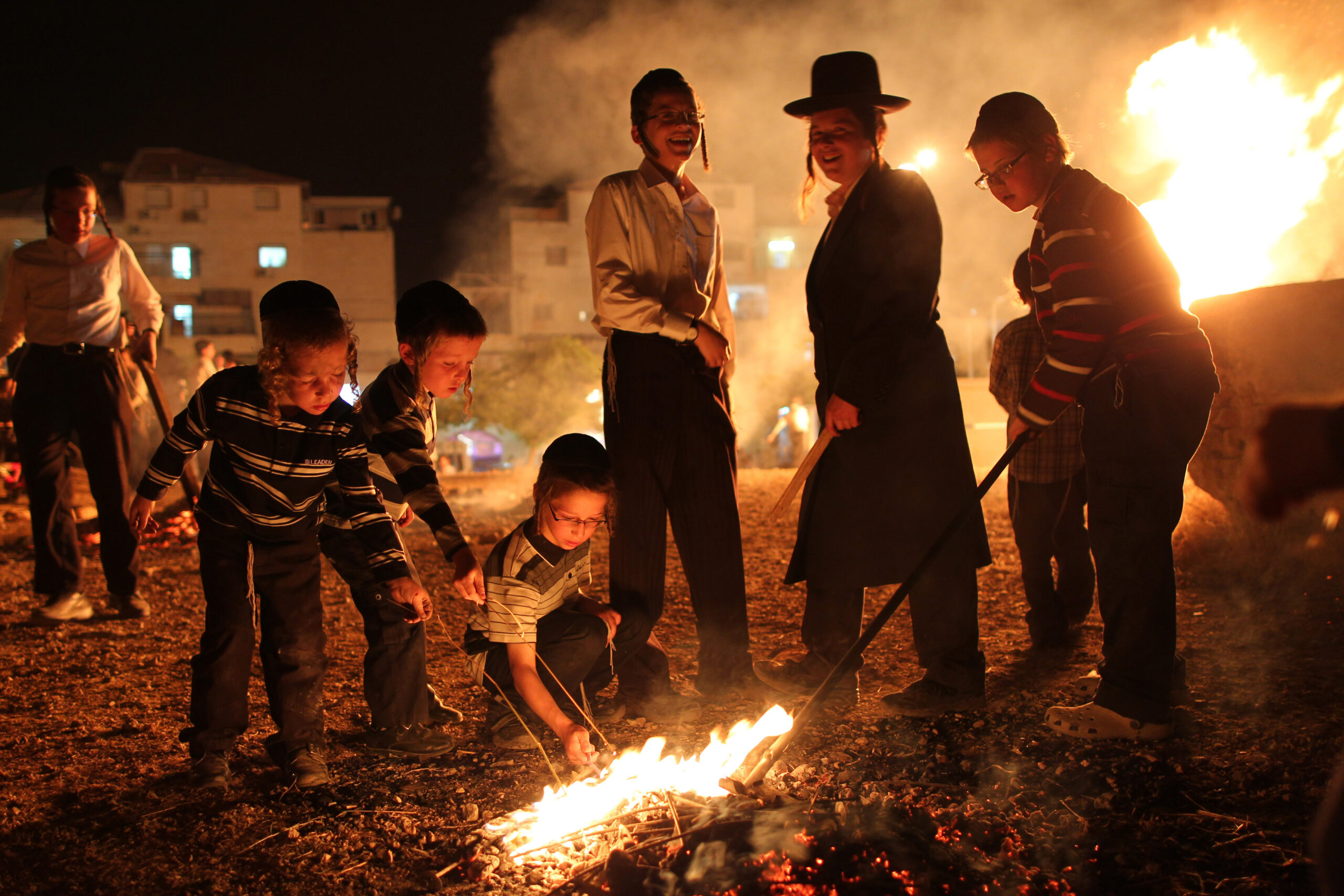
One who forgets to count sefirah at night may count during the day without a berachah, and then continue counting the rest of the days with a berachah. If one forgets to count sefirah at night and does not remember to count by day, he may not count with a berachah thereafter.

The following is one unique halacha that is associated with arayos (forbidden relationships): Concerning most aveiros, if one is put in a predicament where he must choose between saving his life and fulfilling a mitzvah he must choose to live and transgress the mitzvah. The Gemara says that arayos are one of the three mitzvos that are yehareg v’al ya’avor (one must allow himself to be killed so as not to transgress the mitzvah), along with murder and avodah zarah.
At the end of parshas Metzora the Torah discusses the halachos of when a woman becomes a niddah. The Torah says that a woman who becomes a niddah must count seven days from when she stops seeing blood, and then becomes tahor by immersing in a mikveh.

In this week’s parshah the Torah teaches us which animals are kosher to eat and which are not. The Torah says that the pig, although it has split hooves, is not kosher since it does not chew its cud. The medrash on this pasuk says that the reason that the pig is called “chazir” is because in the future Hashem will return (lehachzir) the pig to Bnei Yisrael and permit it to be eaten.
In order to fulfill one’s obligation in the mitzvah of matzah, one must eat a k’zayis amount of matzah. This is because the Torah uses the wording of achilah (eating) when it commands the mitzvah of matzah.
The Gemara in Pesachim 115a says that there was a machlokes regarding how one was supposed to eat matzah and marror in the times of the Beis HaMikdash. Hillel said that during those times, when there was a korban Pesach, matzah and marror should be eaten together. His peers argued that they must be eaten separately. The Gemara concludes that since the halacha was not paskened we eat matzah separately, then marror separately, and then both together to accommodate both opinions.
In this week’s parshah the Torah teaches many of the halachos of the korbanos. Each of the korbanos has a limited amount of time when they may be eaten, after which they become nosar and forbidden.
At the conclusion of this week’s parshah, the Torah discusses the halachos of one who stole from another. The pasuk says, “veheishiv es hagezeilah asher gazal – and he shall return the stolen object that he stole.” We derive from this that there is a mitzvas assei to return a stolen object.

The Rambam, in Hilchos Shabbos 24:7, rules that Beis Din may not carry out the punishment of either death or lashes on Shabbos. He cites the same pasuk of “lo seva’aru” as the source for this halacha. In his Sefer Hamitzvos the Rambam lists as a separate negative commandment (number 322) that Beis Din may not judge or carry out a punishment on Shabbos.
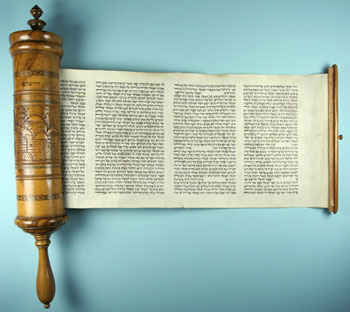
On Purim we read Megillas Esther twice, once by night and once by day. It is uncertain what the nature of the obligation is.

The Sefer HaChinuch states in mitzvah 603 that women are exempt from the mitzvah of remembering what Amalek did to us. He explains that this is because it is not upon women to wage war against and avenge the enemy.

In this week’s parshah the Torah discusses many of the various aspects of the mishkan. The Torah dictates in detail the manner in which the walls of the mishkan were to be erected. At the instructions’ conclusion, the pasuk says, “Vahakeimosa es hamishkan, k’mishpato asher har’eisa bahar – and you shall erect the mishkan according to its laws, as you will have been shown on the mountain” (Shemos 26:30).
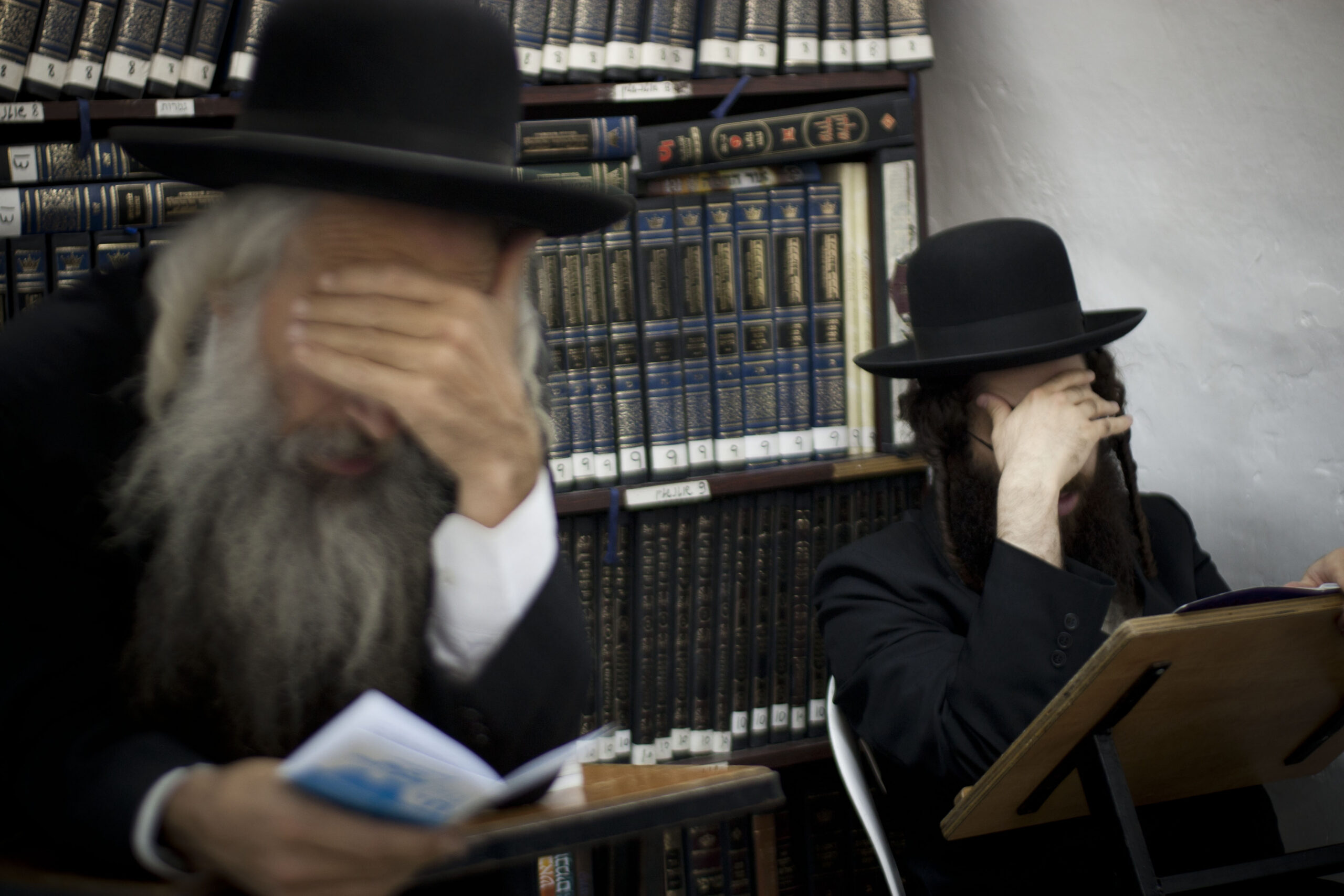
This week’s parshah, Parshas Mishpatim, discusses many various halachos regarding monetary issues. One of the topics is when one damages another person’s property.
The fourth dibrah of the Asseres Hadibros that is read in this week’s parshah says, “Zachor es yom haShabbos lekadsho – remember to sanctify the Shabbos.” The Gemara in Pesachim 106a derives from this pasuk that one must recite Kiddush on Shabbos over a cup of wine.
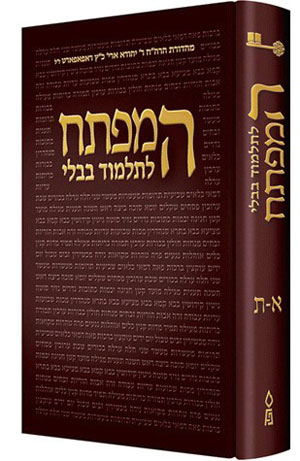
An index of the Talmud with more than 6,000 topical and 27,000 subtopical entries is a major undertaking and its publication a seminal event in Jewish scholarship.
At the onset of the Bnei Yisrael’s journey through the midbar, we read in this week’s parshah that the Bnei Yisrael’s complaint was for food to eat. Hashem responded that He would send “lechem min hashamayim” (also known as mun), and that the Bnei Yisrael would collect each day’s portion according to the number of members of his household.
In this week’s parshah Hashem instructs Moshe to tell the Bnei Yisrael that each household should take for themselves, on the 10th of Nissan, a lamb or a kid within its first year for the korban pesach.
In this week’s parshah (Shemos 6:6) the pasuk reveals the four leshonos of geulah: v’hotzeisi, v’hitzalti, v’ga’alti, and v’lakachti. Rashi, in his commentary to Pesachim 99b, tells us that the four cups of wine that we are commanded to drink on Pesach at the Seder correspond to the four leshonos of geulah mentioned above.
After Moshe had agreed to go to Pharaoh to beseech him on Klal Yisrael’s behalf, he began traveling to Mitzrayim with his wife Tziporah and their sons – including the newborn.
The opening pasuk in this week’s parshah states: “Vayechi Yaakov be’eretz Mitzrayim sheva esrei shanah… – Yaakov lived in Mitzrayim for 17 years…” The Gemara in Kiddushin 82a says that Avraham Avinu kept the entire Torah, even the mitzvos that may not have applied.


 October 16, 2026