יום שישי, ה׳ חשוון תשפ״זFriday, October 16, 2026



Follow Us


Shaya Winiarz is a student of the Rabbinical Seminary of America (a.k.a. Yeshiva Chofetz Chaim). He is also a lecturer, columnist, and freelance writer. He can be reached for speaking engagements or freelance writing at shayawiniarz@gmail.com.
Read More
All of Shabbos centers around this one, primary idea: that we are enjoined to recall and internalize the fact that Hashem created the world in six days and rested on the seventh.
As a resident of Kew Gardens Hills, Queens, I see them quite often. They are led into the local batei medrash or shul by religious yeshiva students dedicated to sharing the gifts they were granted. They sit down at the tables and learn Hashem’s Torah. They thirstily drink in the ways of Hashem which they […]

At all our significant life events we remind ourselves to continue working with the raw materials Hashem gave us, and to make something out of them.
Judaism most certainly does not ascribe to the belief that there are powers other than Hashem who can stand in the way of His will.
The Maharsha explains that each mitzvah in the Torah has two angels appointed over it, one good and one bad.
What growth can we achieve through the mitzvah of lighting special candles for Shabbos? What lesson does Hashem want us to learn from this mitzvah?
There is a ubiquitous custom amongst the Jewish People to dress up in our finest outfits on Shabbos. This mitzvah is so special to the Jewish People that most Torah-observant Jews divide their wardrobe into two parts – Shabbos clothing and weekday clothing
In the very beginning of his introduction, the author writes that it is crucial for a person to trust in Hashem because if he doesn’t, then Hashem will remove His direct and special providential care.
The commentators agree that Hashem is the beloved and Shabbos is the bride. But why is Shabbos called a bride? Who is she marrying? And what do we mean when we invite Hashem to greet the Shabbos bride with us?
Additionally, the day of Shabbos intrinsically carries with it a potential for spirituality and connection to Hashem that no other day has.
The year is coming to a close, and we now find ourselves in the final month before Rosh Hashanah – Elul. As we know, each month has its own avodah – its own distinct way in which we are supposed to serve Hashem for its duration. Let’s begin our journey and see if we can […]
Simply understood, this ballad is an ode to the Jewish woman - who is valorous in her great role of wife and mother.
Are they disparate events that coincidentally all occurred on the same day or do they perhaps share a common denominator?
Who are these twins and what are we supposed to learn from them? If we can answer this question, we will know our job for this time of the year.
What is it that makes an ox special? In what way should we emulate it?
The mitzvah is called sippur yetzias Mitzrayim – telling the story of how Hashem took us out of Egypt. Why is there an emphasis on the telling?
The whole purpose of any holiday is for one to separate from the vanities of the world and [cling] to Hashem and His Torah.
Why is the faculty of Shevat referred to as Le’ita instead of Achila?
Each month is aligned with a mazel, with Teves matching up with G’di – also known as Capricorn the Goat. What do we know about goats?
Firstly, why did Hashem communicate His loving Presence specifically with oil instead of anywhere else along the way?
Why did Yaakov act strangely by crisscrossing his hands when he could have simply switched Ephraim and Menashe’s positions?
Why do we take the Four Species on Sukkos? What is their message?
Since each month is aligned with a particular shevet and constellation, we can inform ourselves of the qualities of the month through them.
This strange equivalence between Hashem (the omnipotent King of kings) and a mere mortal monarch seems to imply that human beings are never really their own masters. They are always either the servants of Hashem or of Pharaoh.
It is well known that each month is aligned with one of the tribes of Israel, with Tammuz being aligned with Reuven. What is Reuven all about?
For those of you who are familiar with the Arizal’s modus operandi of matching each of the months with one of the twelve tribes, I am sure Sivan has got you perplexed.
We are all familiar with the idea of preparing for matan Torah, but in which way does counting the days help us become worthy of receiving the Torah?
What makes a holy soul decide to worship foreign gods? The answer is the yetzer hara.
What will happen when finally Amalek is indeed eradicated? Will the 558th commandment become obsolete? Will the eternal Torah then only have 612 mitzvos?
What makes fish different from all other creatures? They definitely have many unique qualities, such as the fact that they swim, live in the water, etc.
The problem is, the Torah doesn’t really take such a kind view of being too involved with the temporal world.
The snake didn’t have an intrinsic craving for Chava. Only after he looked did he start desiring her.
Of course Hashem still cares for His people and can still perform miracles.
Chazal teach that while Ephraim stayed and learned under Yaakov, Menashe helped Yosef run the kingdom.
‘You shall dwell in booths (sukkos) for seven days because I caused the Jewish People to dwell in booths when I took them from the land of Egypt.’
Each month is associated with a particular tribe. The month of Elul is matched up with Gad. What makes Gad unique?
While they are definitely special occurrences, why are they cause for a new holiday?
So if we basically live the same life, why should he get eternal reward and not me?”
Pesach is a time when we can grow in this perspective. But merely spending a week working on something will not leave any lasting impression on us.
Did you ever notice that immediately upon being granted our freedom from Egypt, the Jewish people accepted upon themselves the yoke of a new master – Hashem?
Does Hashem ever go away and not pay attention to us?
What fish-like characteristics does this month have that it should be exemplified in such a way?

We must understand the power and impact of our actions.
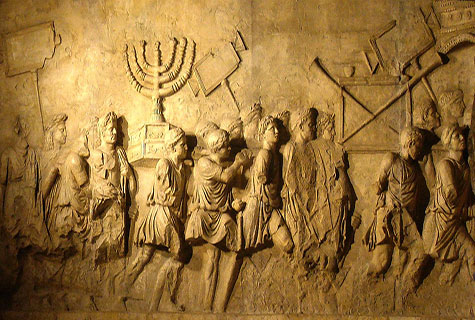
The Talmud teaches that the Beis HaMikdash was destroyed because of baseless hatred.
When it comes to passing on Jewishness we must follow the mother - for it is she who ensures it.

One who loves can buy a factory-made knick-knack for his partner, but a personal hand-made gift is infinitely more precious.

Marror is the reliving of the bitter enslavement and matzah is the under-eighteen-minutes redemption.

What is the relationship between Purim and Pisces? In what way is Purim related to fish?

Granted, Hashem miraculously gave Betzalel unimaginable wisdom, but shouldn’t life-experience count for something?
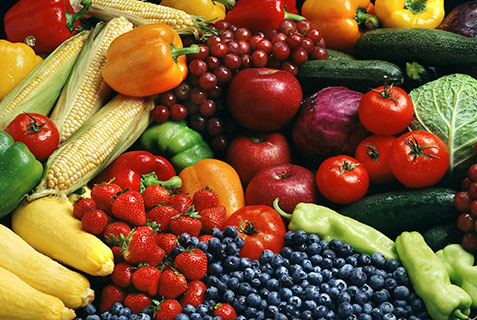
Food can be eaten to fill your stomach. But food can also be eaten with the intent to recognize Creation and acknowledge the Creator. A bracha is not just a thank you.


 October 16, 2026