יום ראשון, ז׳ חשוון תשפ״זSunday, October 18, 2026



Follow Us


Rabbi Dr. Shlomo Brody is the executive director of Ematai, an organization dedicated to helping Jews navigate end-of-life care dilemmas through halacha. For the Ematai Tefilah Project, see www.ematai.org/prayers.
Read More
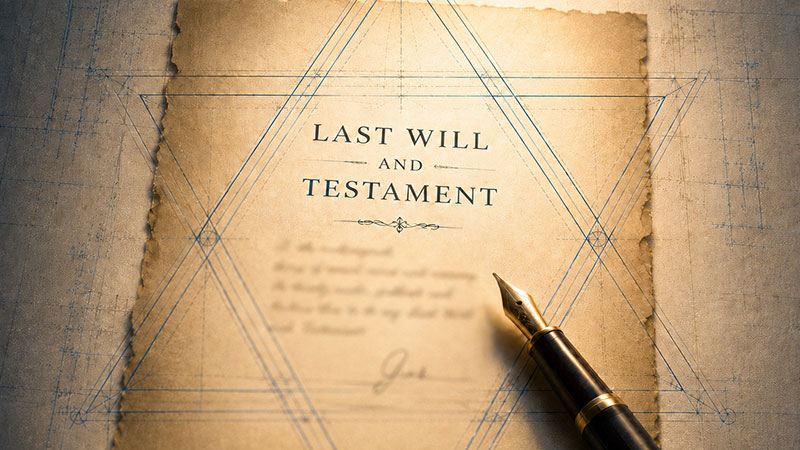
This structure shapes the incentives of the Torah heirs. If they accept the distribution outlined in the civil will, the obligation is waived and the estate is divided accordingly.
We are guardians over our bodies, not their owners.
Data shows that physical pain is not the primary motivator for choosing death. Rather, it is loss of autonomy, fear of being a burden, or the inability to engage in enjoyable activities.
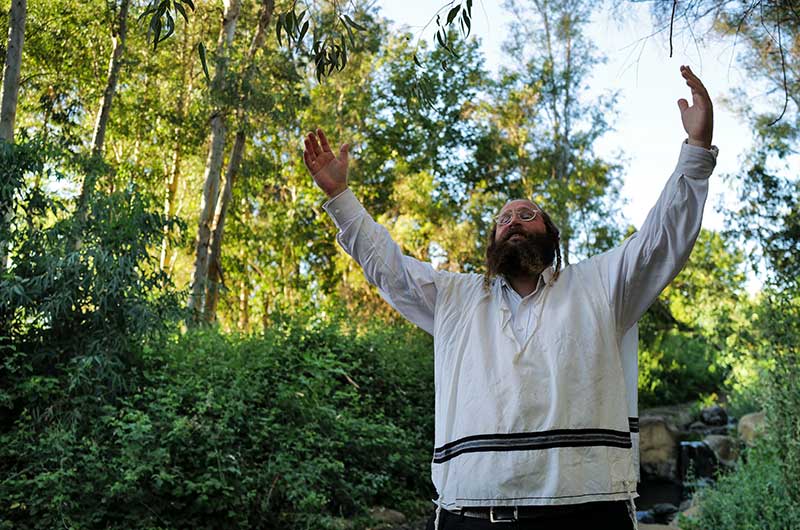
Others categorically assert that you can’t pray for any healing that goes against nature. Why not?

Today, it is critically important for people to sign an advance healthcare proxy and directive. Many choices must be made as people age or approach the end of life. People may no longer be able to speak for themselves, and sometimes decisions must be made quickly.
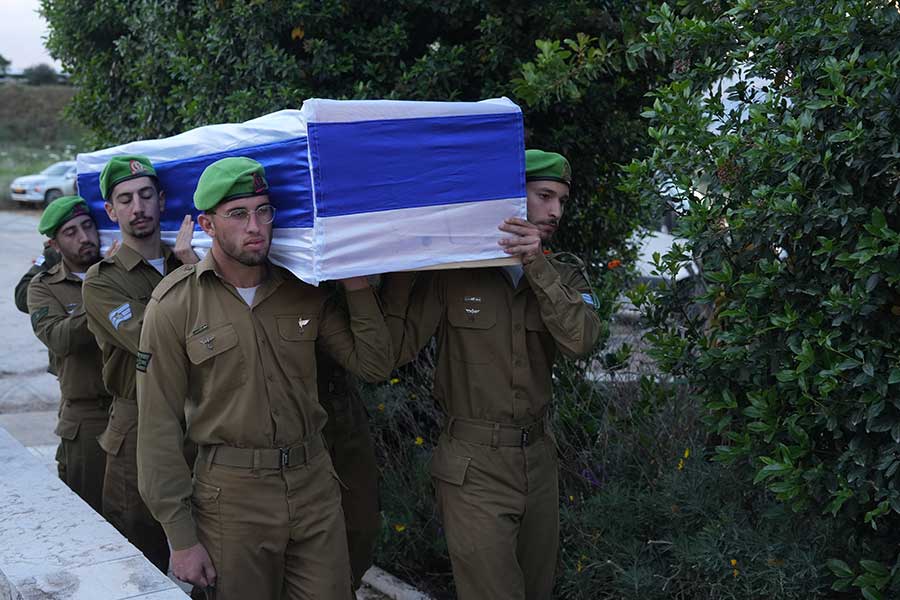
While these rituals may evoke strong emotions, they also raise important halachic questions regarding the propriety of adopting non-Jewish rituals.

One can drink up to the Talmud's criterion to confuse Mordechai and Haman-but not beyond.
Maimonides himself walked and prayed in the permissible areas when he visited Eretz Yisrael in 1165
The Torah emphasizes the joy of Sukkot, for after a season of labor, we celebrate our prosperity.
The completion of the Torah cycle on Shemini Atzeret, a one-day festival immediately after Sukkot, was potentially problematic, since each holiday demands its own thematically appropriate reading.
Contrary to popular belief, the Talmud never explicitly limits the ban on footwear to leather shoes.


 October 16, 2026