יום חמישי, י״א חשוון תשפ״זThursday, October 22, 2026



Follow Us


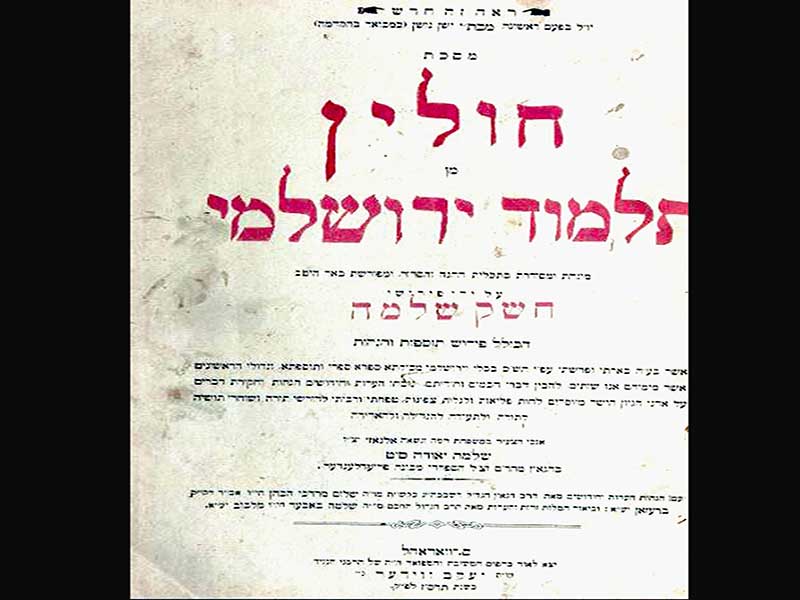
While there are sporadic quotes in the era of the Rishonim to the Jerusalem Talmud on the Seder Kodshim portion, no portion of it survives today.
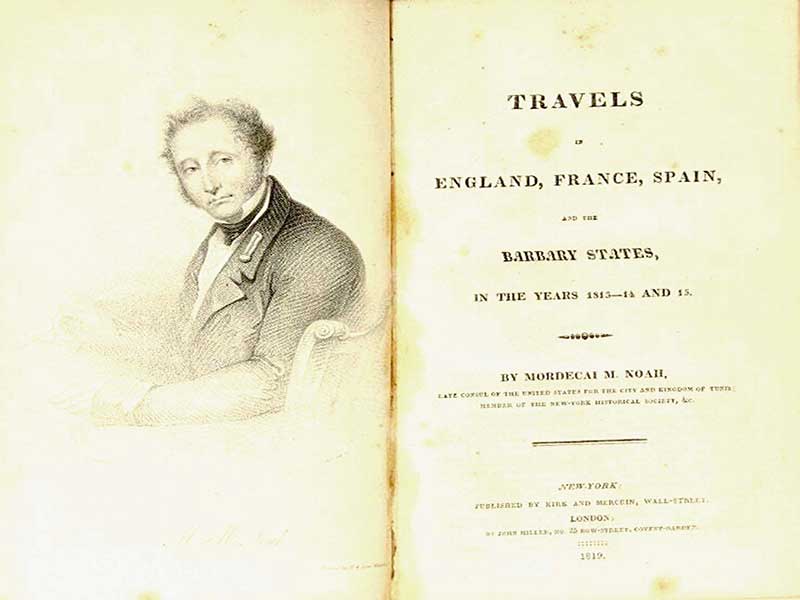
Noah’s plan for a temporary Jewish homeland in the United States – the restoration of the Jews to Eretz Yisrael and the reestablishment of Jerusalem as the eternal Jewish capital was always the ultimate goal – may have had its genesis in his removal from a high government position because he was Jewish.

Noting that the local paper mill in Vilna burned down and no paper was available locally, he apologizes for the delay in getting the process started as they were awaiting a batch of paper from Warsaw. Dismissing an option to print on low quality paper, the printer writes that in their vicinity such paper is not used.
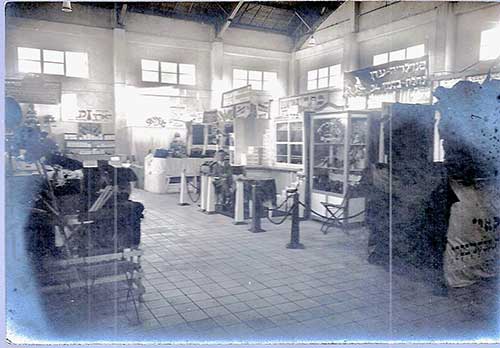
The 1934 Fair represented the largest and most prestigious concentration of buildings executed in the International Style up to the time; it made a crucial contribution to a local evolution of modern form and details, and it formed the basis for the definition of the content of situated modernism and its promotion in Eretz Yisrael.

It is dated 1866, and written by the famed Rabbi Haim Palachi (1787-1868), the rabbi of Izmir, and author of over 80 published works and many others lost to the infamous recurring fires in Izmir.

When Samuel arrived in Jerusalem to commence his term as High Commissioner, he was deeply moved by his greeting, as the Yishuv welcomed him enthusiastically, calling him “the First of Judea” and greeting him with a seventeen-gun salute and endless words of welcome.
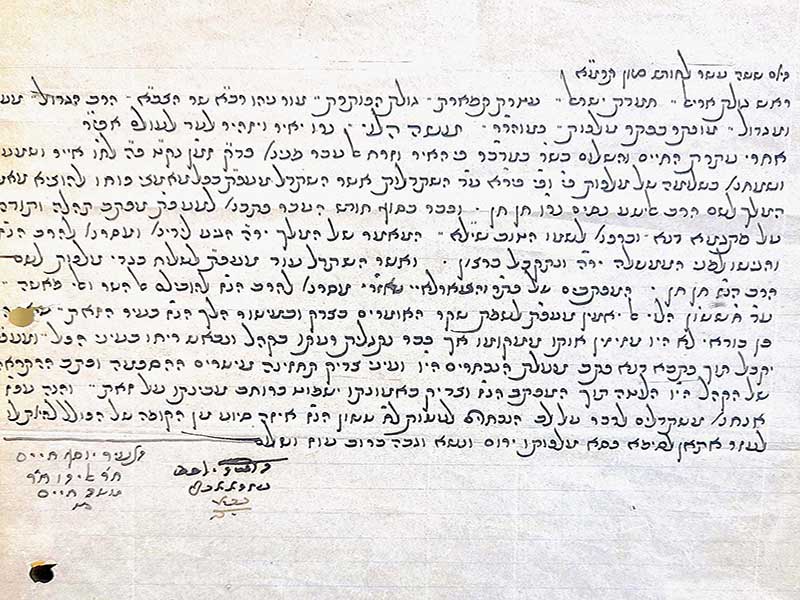
This letter was written in the month of Sivan, 1881, coinciding with the heat of chaos and turmoil that enveloped the Iraqi Jewish Community.
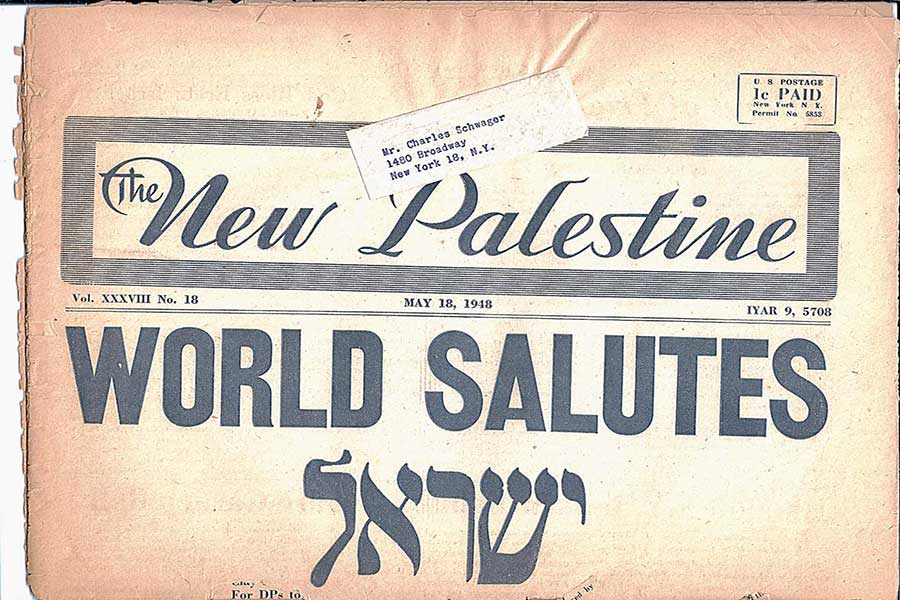
Interestingly, a proposed Knesset bill in 2012 proposed to simplify the structure of the celebration so that Yom Ha’Atzmaut would always fall on a Thursday, but the proposal failed because many legislators and citizens were unhappy about a summary dismissal of the significance of the fifth of Iyar, the date on which Israel had declared independence in 1948.
Although some 4,000 volunteers – again, most of them Yishuv youth – went house-to-house collecting money from the public, the Tax for Our Defense failed to meet the goal of raising 2.5 million pounds within a month.
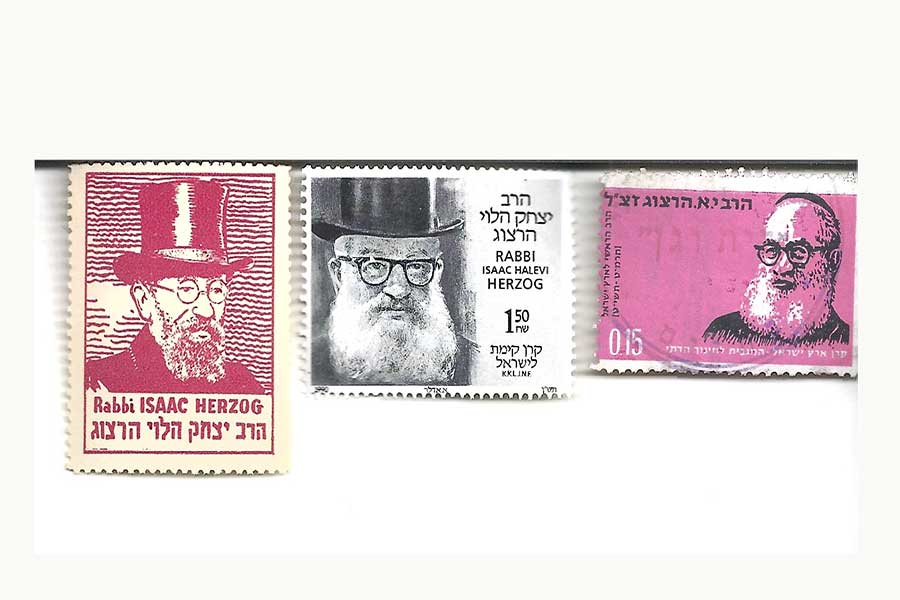
One of the first to foresee the impending Holocaust, Rav Herzog wrote countless letters to European Jewish leaders warning about the coming cataclysm and urging them to leave but, sadly, his entreaties went largely unheeded.

For this column, I thought I would share two Pesach Seder plates hailing from Germany that are in my personal collection.
Leeser is best remembered for his extensive English translations and prolific writing for the American Jewish community, having authored numerous books and translations, edited a newspaper and full translations of the siddur and Tanach in an era where books written by Jews in English were nearly non-existent.

There is an ongoing debate amongst scholars as to whether the earliest text of Dayenu was created before or after the destruction of the Second Temple.

The map is rather rudimentary, with just a border and a few place names, but its appearance in print was a major achievement, anything other than text was very labor-intensive to include in the printing blocks of the day and thus costly.
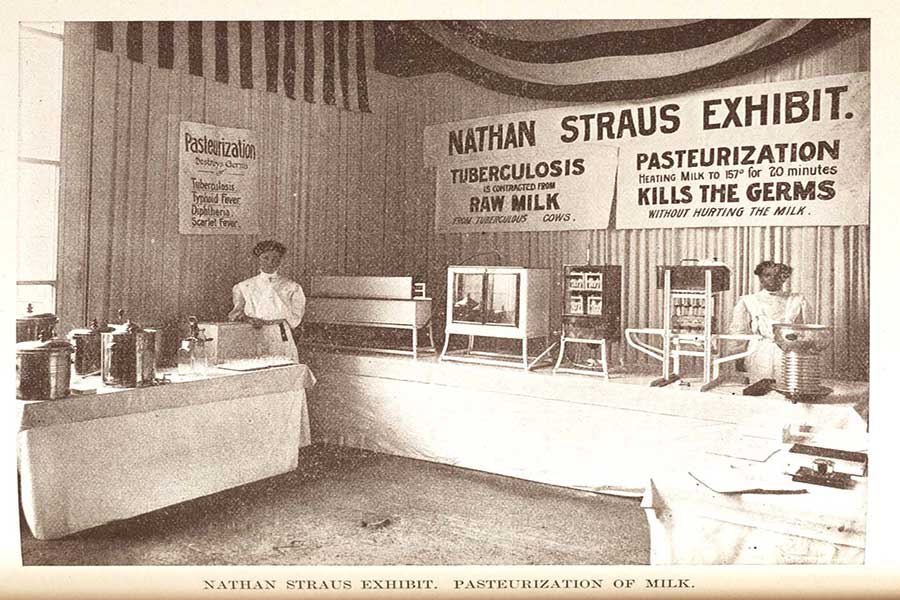
Over and above his public welfare efforts on behalf of milk pasteurization and preventing tuberculosis, Straus’s largesse and contributions were by no means limited to Jewish institutions and causes.

By Ariela Davis
The challenges of making aliyah on a short timeline and in the midst of lockdown were many, but Tali says, Once we made the decision, Hashem carried us on His back to our new life...
Another well-known example that I obtained recently is the first edition of the Shu"t Meshiv Davar, containing the responsa of R. Naftali Zvi Yehuda Berlin (1816-1893), best known by his acronym the Netziv, who served as rosh yeshiva of the Volozhin Yeshiva for decades.
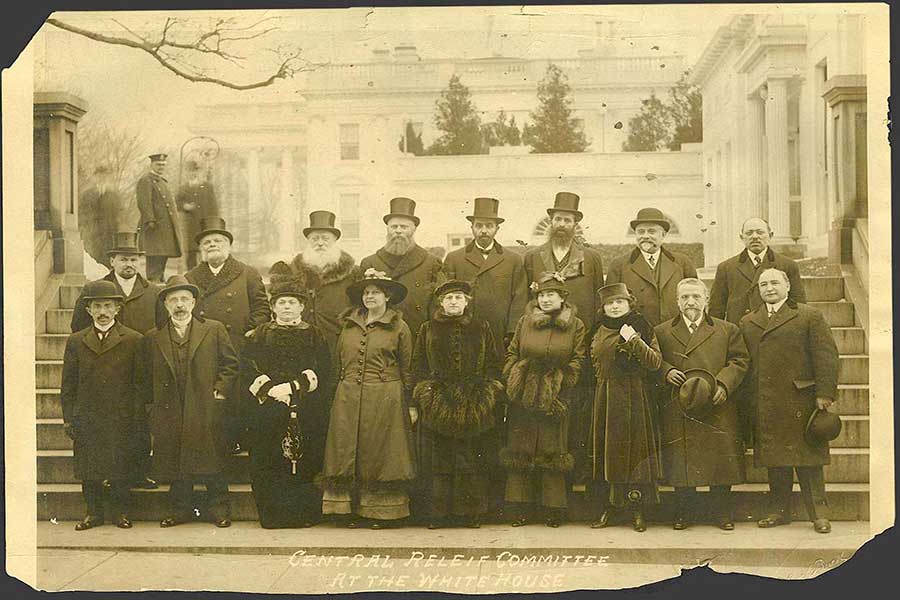
Wilson recognized in American Jews a spiritual force that had adapted itself to the American spirit and made broad contributions to the advancement of the welfare of the nation and of the world.
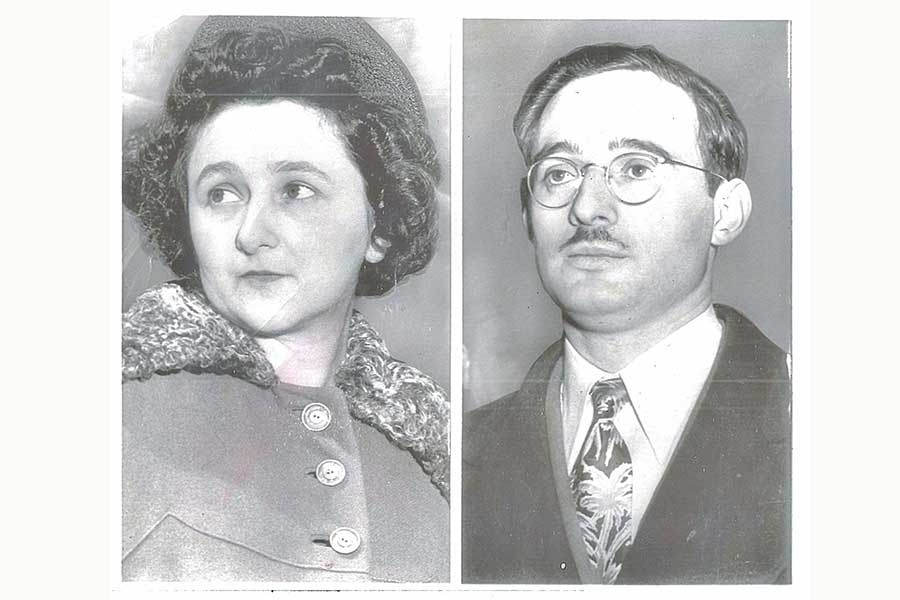
The U.S. government offered to spare the lives of both Rosenbergs if Julius provided the names of other spies and if they admitted their guilt, but they refused, saying that they were innocent and would not bear false witness.

For this column, I thought I would share some interesting items relating to Purim that are in a museum or are from my personal collection.
It appears that while the original responsa presented here was the original response that was sent, in preparation for printing many changes were made and effort was made to make the text easier to understand.
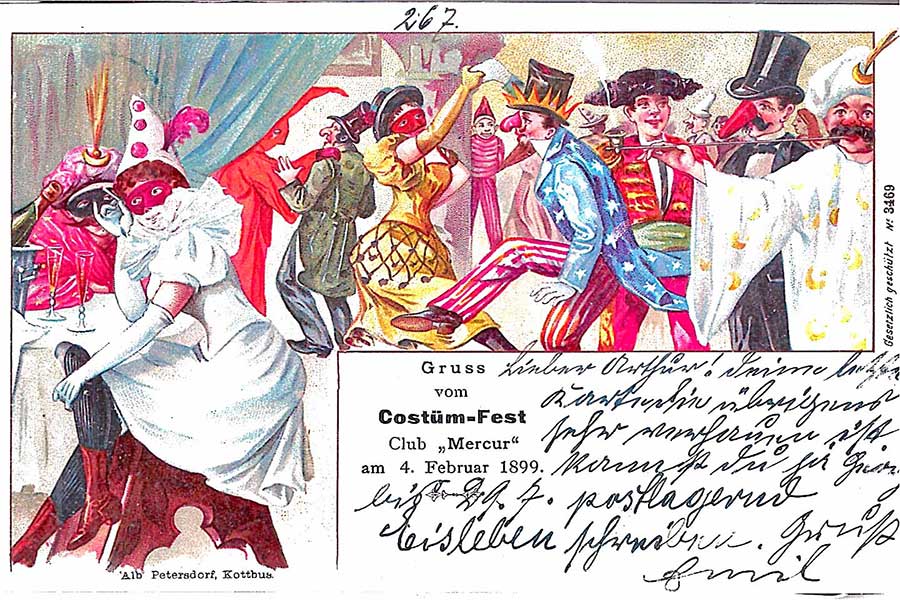
The scope and variety of Purim celebrations over the past few centuries are truly remarkable, and I present here some of my favorite such Purim announcements and invitations from my extensive collection of Purim materials.
The fragment I sold was from the commentary of the Ralbag, Levi ben Gershon's (1288-1344) commentary on the book of Iyov, with handwritten annotations and additions in the Ralbag's own handwriting!
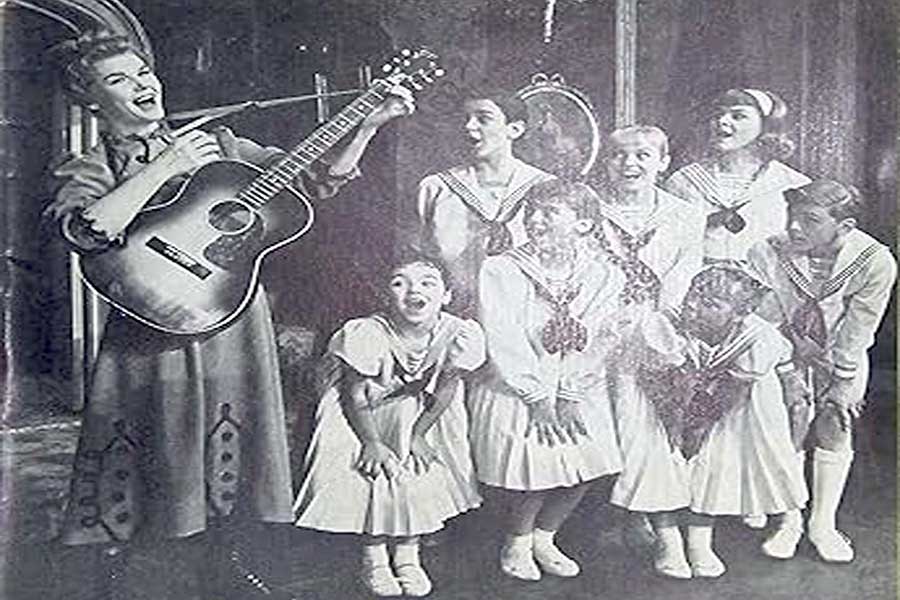
The religion of the von Trapp family is the subject of some discussion among critics, with some claiming that they were Jewish.
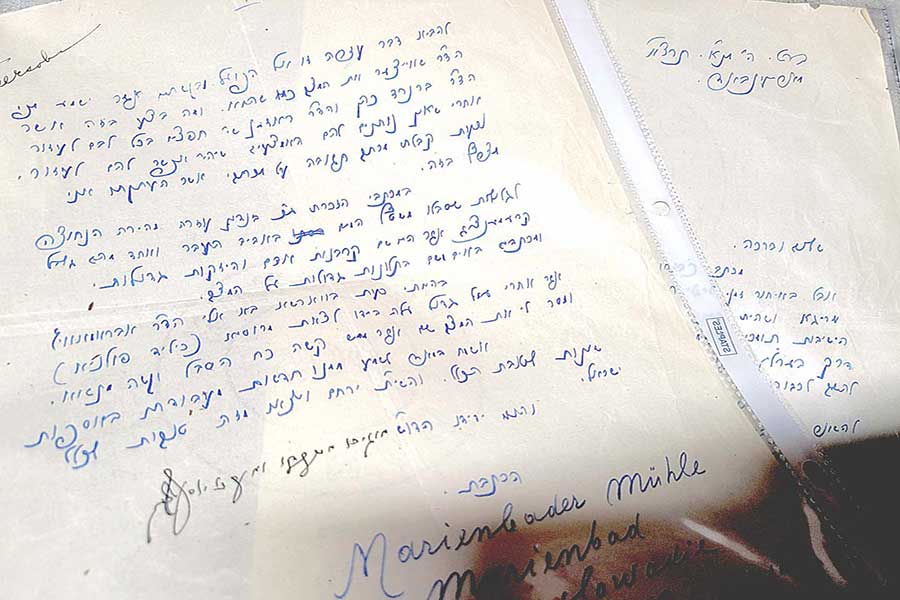
While nearly every correspondence of the Rayatz was collected and published for posterity in his Igrois Kodesh, this letter appears to be unpublished and the discussion within lost until now.
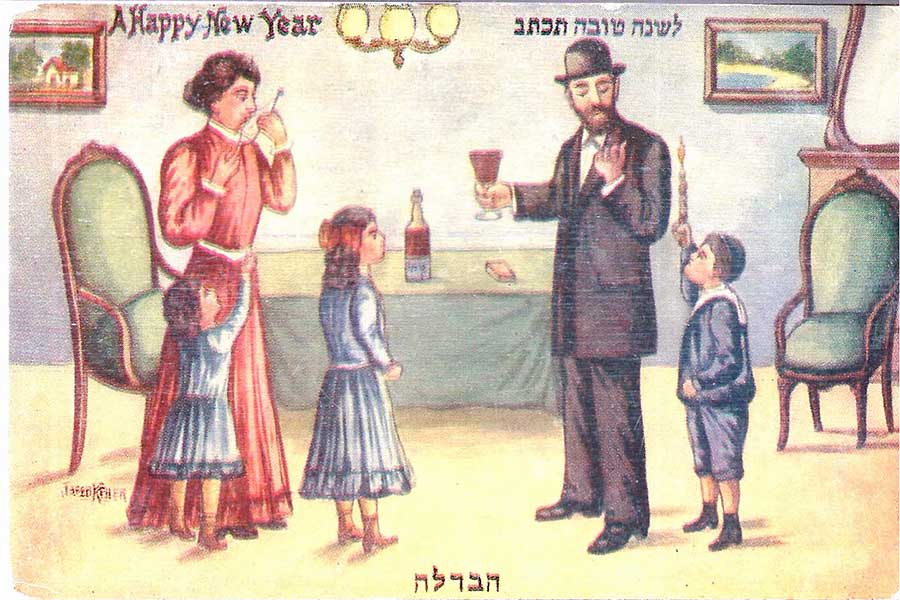
Havdalah and Kiddush are therefore flip sides of the same coin; the essence of Kiddush is to distinguish between the mundane (weekdays) and the holy (Shabbat), and the essence of havdalah is to differentiate between Shabbat and weekdays.

What I found most interesting about this letter that Rav Meir Shapiro also wrote down for himself many inscriptions. One side lists an outline for a sermon or shiur he was giving, with a brilliant array of sources jotted down in brevity, stringing together a concept and theme for his lecture.
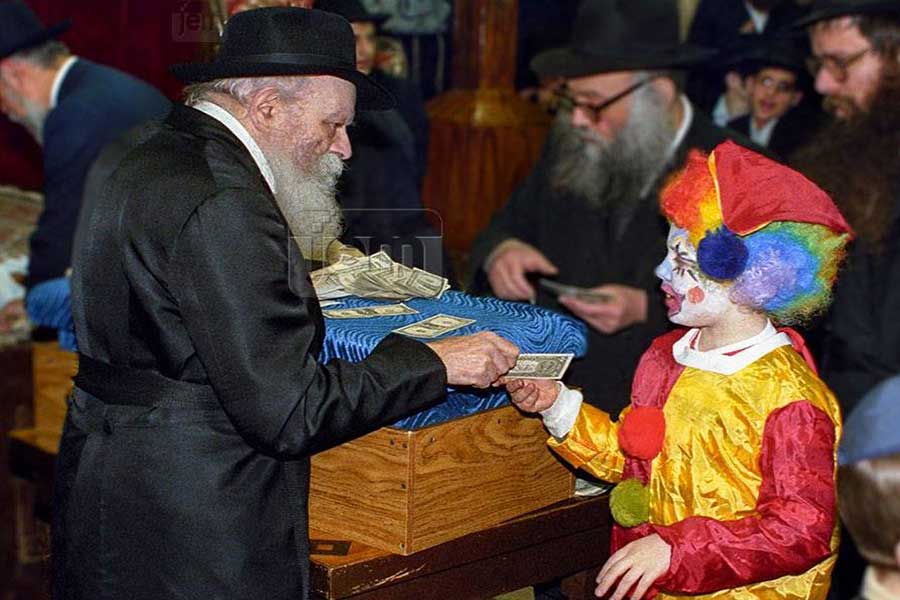
Some rabbanim through the centuries have encouraged Jews to mark Purim Katan specifically with a joyous feast... One of the great supporters of Purim Katan observance was the Lubavitcher Rebbe.

While I wasn't able to find confirmation as to his appearance at the event, it is worth noting that R. Kahaneman kept a relationship with the Rayatz's successor, R. Menachem Mendel Schneersohn, and there are records of their meeting and friendship until the passing of the Ponovezher Rav, in 1969.

Some of the older men were telling grand tales of where they were and what it was like attending previous Birkat HaChamah ceremonies, but the story that I will never forget was told by a 92-year white-bearded rabbi, who merited to attend his fourth(!) such service.

The New World was ripe for change, isolated from the old communities in Europe and with a steady stream of immigrants, it wasn't long before efforts to create change in the Jewish tradition were being pushed.
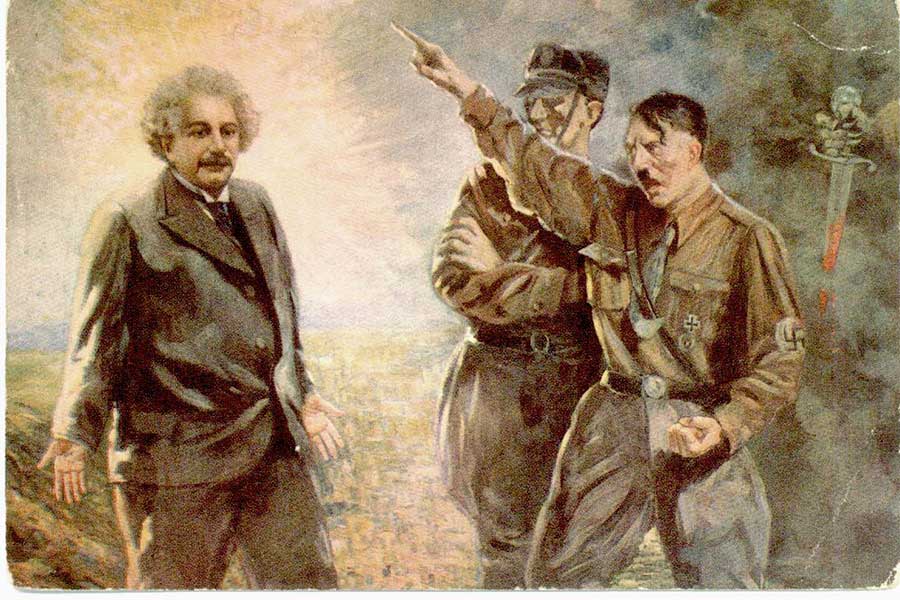
There can hardly be a subject that might, at first blush, be considered more unsuitable for cartoons than the Holocaust. Yet they played a more crucial role in provoking anti-Nazi sentiment, generating support for the victims of the Shoah, and engendering publicity regarding the Holocaust, than hundreds of essays, articles, and newspaper reports ever could.

On December 14, 2023, Sotheby’s in New York City held a sale comprising the third and final part of the Abraham Halpern (1936-2017) collection of Judaica... The sale results of this recent offering were a more modest affair. Here are the highlights.
Though safely outside Iran when the revolution broke out in Jan 1979, Habib returned to Iran to be with his community and lead them through the turmoil.
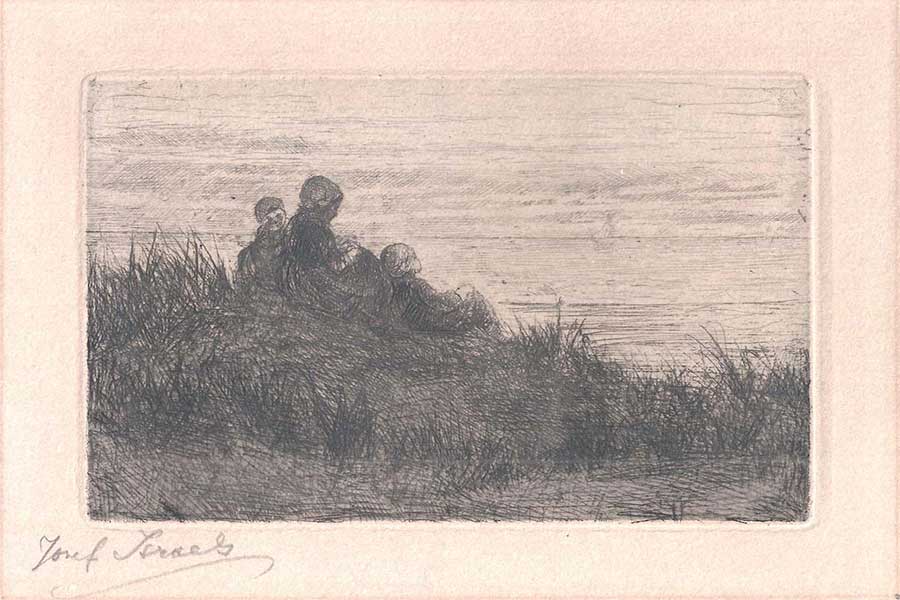
Though his struggle to remain faithful to Judaism while being true to his art remained a source of conflict throughout his life, the Hebrew-speaking Israëls was evidently a Zionist.
Titles pages weren't in use in printed book until decades later, but the opening page features a beautiful floral border.
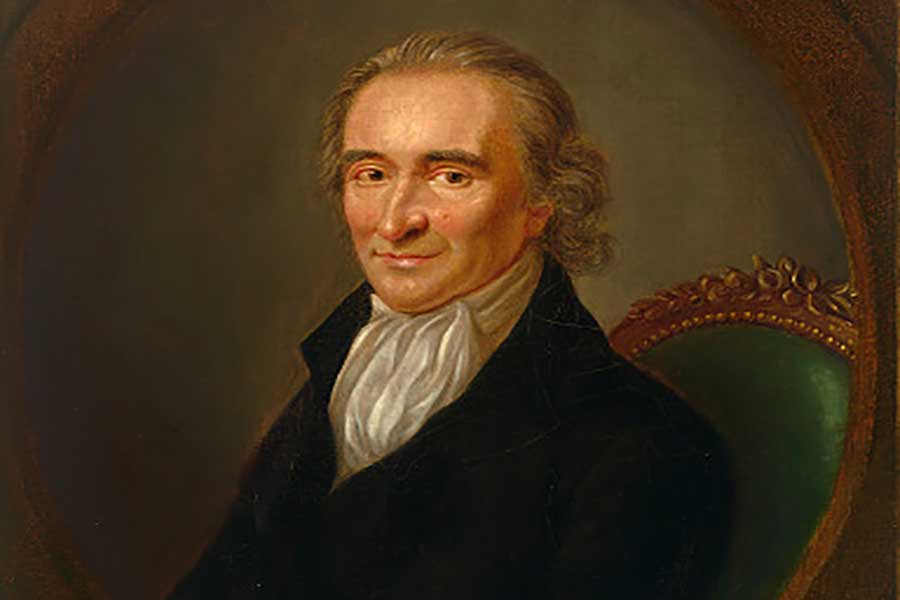
He was pedantic about textual matters, became a renowned spokesman for the traditional Jewish interpretation of scripture, and played a crucial role in providing basic materials to support the religious needs of an English-speaking community largely unfamiliar with Hebrew.

A small piece of paper with his handwriting that I sold this week was a result of an unusual scenario which he wrote about in his Mor Uktzia (siman 218 in his commentary on Shulchan Aruch).
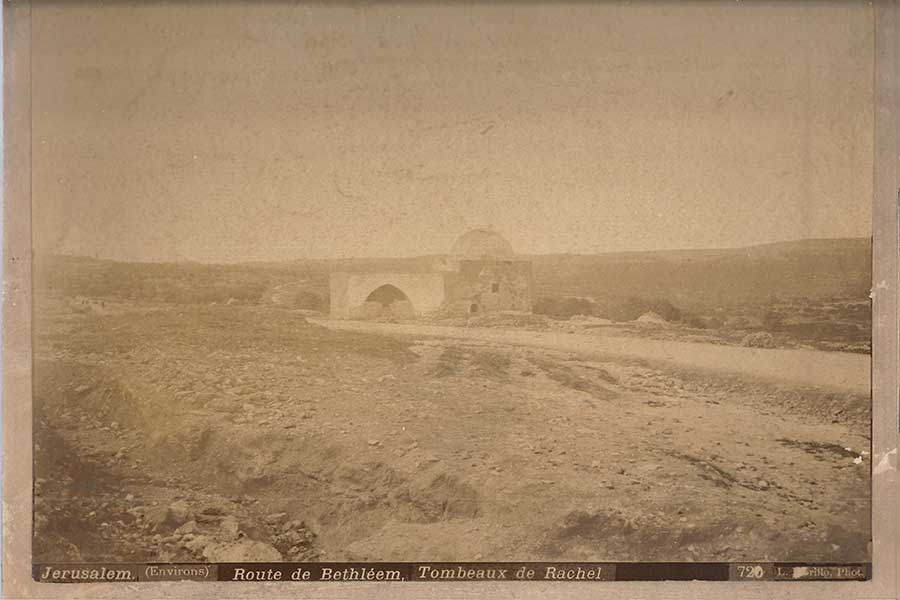
Although he could have completed the project in France, Chagall used the assignment as an excuse to travel to Eretz Yisrael, arriving there in February 1931. Feeling very much at home in a land of Yiddish and Russian speakers, he was impressed by the pioneering spirit of the kibbutzniks and he was deeply moved by the holy places.
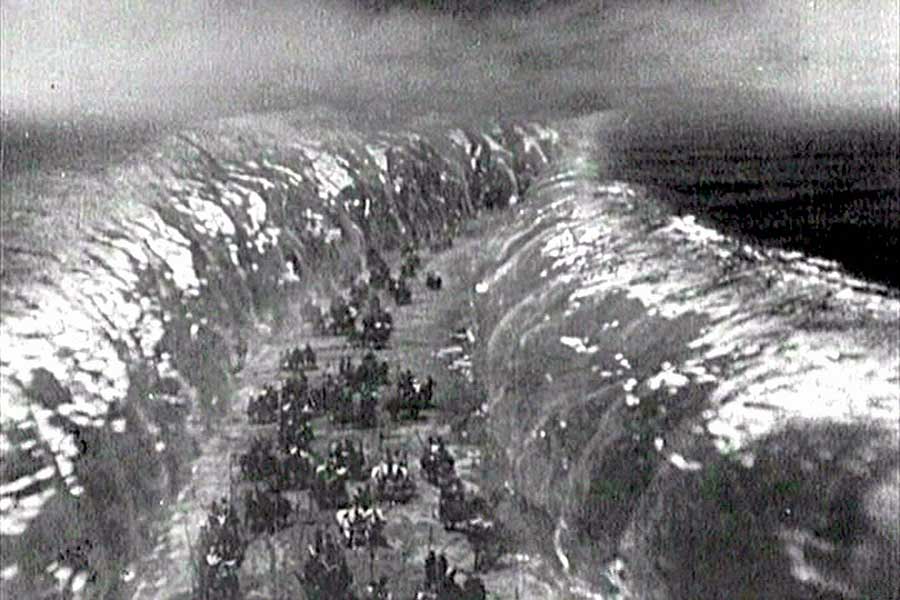
Upon its release, critics acclaimed and celebrated the Biblical Prologue, but they were generally highly critical of the Story section of the film, which was broadly characterized as clichéd in both its narrative and characterizations.

For centuries, this work was feared lost, until in the last decades a condensed version of this extensive work was discovered and published in 1982, under the title Mekor Chaim.

The barbed wire mezuzah that Ramon took with him into space – he joked about affixing it to the shuttle door – was by San Francisco Artist Aimee Golant, the granddaughter of a Holocaust survivor.

The oldest pieces from his collection are coins from the Bar Kochva period and Chashmonean dynasty. When I asked whether these coins shouldn’t be in a museum, he said that there are actually many of them floating around and the museums have enough.
A string of letters I had acquired recently, sent by Rav Baruch Ber Leibowitz (1862-1939) to a famed American Philanthropist and supporter of Yeshivas throughout the world, Abraham Meyers, details the conditions that a European yeshiva in the 1932-1933 period had to endure.

Although Rav Reines may not have been the first Orthodox rav to support the idea of a Jewish return to Eretz Yisrael, Zion, it was he who answered Herzl's call to become involved in the political movement and it was he who almost single-handedly took on the anti-Zionist charedi rabbinate.
What an interesting chanukiah you have! It is apparent that it was completely fashioned by hand using a variety of tools, and there is a great deal of soldering work I can see from putting pieces together.
Based in a large part on such works in German that were popular at the time, the author was tasked with describing things in Hebrew that were yet to be written about in the language.
Recognizing that the full potential of the Archive was not possible absent a catalog that methodically and systematically organized and described its contents, the Jewish Historical Institute and the United States Holocaust Memorial Museum joined forces to prepare and publish such a catalog.
The word mugah can indeed be found in many of the copies of the early editions of the Chofetz Chaim's publications, both in books that he authored himself or books that he had published, such as those of the Sha'agat Aryeh and Asifat Zekenim.
Lazarus wrote several pieces on Jewish holidays, including The New Year (Rosh Hashana, 5643), in which she beautifully conveyed her vision of a people rolling homeward to its ancient source.
It is interesting to see how the network developed a life of its own and perhaps due to the distance and slow communications, decisions and the hiring of new emissaries was done without the knowledge of the organization's heads back in Jerusalem.
Many of our greatest artists have produced striking graphic works on these subjects, and I present here a selection of original artwork and related items from my Chanukah collection.
By Alan Zeitlin
Concerning the question of comedy in a time of tragedy, Lebowicz said one has to be sensible and sensitive.
I like to live on the edge, says Lilach and love for adventure and risk-taking seems to be something that runs in the family. So does life off the beaten track.
While the Jewish community in Amsterdam was founded first by Jews escaping from Spain and Portugal, the city was relatively tolerant at the time, and became a refuge to many Jews from different lands. In a short time, there was a substantial Ashkenazi community as well.
In America, Kissinger played down his Jewish roots and sought to assimilate. When he was sworn in as the first Jewish Secretary of State, he took his oath on Shabbat – his observant elderly parents were therefore forced to walk to the swearing-in ceremony – and on a Christian bible.
If you want to see some remarkable, museum-worthy pieces of antique Judaica (some dating as early as the 17th century!) or some modern-made, opulent, dazzling creations made by skilled artisans in Israel, I highly recommend you make the time to stop by.
Despite the Brisker Rav's known anti-Zionist stance, it is interesting to see the respect and honorary titles he bestows upon Rav Herzog, the official Chief Rabbi of Israel at the time.
In Eli, Sachs made evident her belief that the future could not be built on the ruins of hatred and revenge; instead, she hoped that her poetry would be an agent of healing and a source of renewal.
This book has ownership markings and signatures of Milka Paks, wife of Meir Paks, the protagonist of a famous agunah case that the Chasam Sofer presided over during his period of rabbinate in Mattersdorf.
Although corporate interest underscored both his former clients and his campaign supporters, he showed independence in his two terms as governor, supporting the creation of a Public Service Commission with strong powers to regulate corporate activity.
In a 1964 correspondence to a Jewish friend, she wrote, I admire and respect the Jewish people and their traditions and feel a kinship with them.
Chief Rabbi Heller was tasked with collecting the fines from the local Jewish community, with the brunt of the cost being placed on the wealthier class of the community. This led to much friction and complaints from the rich merchants who felt they were being burdened disproportionately.
Roosevelt visited Israel four times, the first in 1952, and the last eight months before her death in 1962... In many letters to her friends and in her newspaper columns, she frequently sang the praises of the extraordinary beauty of the Israeli landscape, and she often lauded Israel’s educational institutions and healthcare facilities.
This prayerbook, with an English translated by Isaac Pinto, is the very first prayerbook printed in the New World and the first translation into English.
For more than a decade, Huberman had been a regular performer with the Berlin Philharmonic Orchestra and, even when Jewish musicians were being dismissed from major orchestras and blacklisted, he was one of the few Jews not fired.
The very first Hebrew book printed in London for Jewish use, this publication was named Ma'aseh Rav, and was printed by a gentile printer.
In a previous Jewish Press article, I displayed and discussed the cards issued for the first seven Congresses, and I present here the official cards from the Eighth Zionist Congress through the Thirteenth Congress along with a brief discussion of the highlights of each.
Typically, when a museum discovers that they have a fake of any sort in their collection, it is handled quietly, with the object being removed from display, never to be seen again.
The impact of his work was great, to the extent that several Christian Hebraists translated the work, and several such manuscripts are still extant.
A police search of Hilsner’s house yielded no incriminating evidence, and he maintained that he had left the city on the afternoon of the murder long before it could have been committed.
Freud joined the Viennese branch of B'nai Brith in 1897 and became an active member during his first years, serving as the organization’s president and working actively to grow the chapter and to recruit Jewish friends to the organization.
Finding the signature of the Chida (or Chid”a, as it is an acronym), R. Haim Yosef David Azulai (1724 – 1806), is one of the pleasures in life that I am to repeat to infinity.
Taylor worked to save European Jews from the Holocaust and he interacted directly with the pope in this effort.
Today, we have a clear picture of the true function of Robinson’s Arch: it was part of a monumental staircase that connected a gate in the Temple Mount’s outer precincts with the Herodian Street far below.
He also gave thousands of dollars each to existing 23 Jewish congregations in 14 states – especially the Newport, RI synagogue, where he endowed the cemetery in which he was laid to rest, the final surviving member of the Touro family line.
I present here from my collection several of my favorite artistic depictions of this most sacred Jewish site.
Antiquarian booksellers are often propelled by the excitement that occurs when you stumble across an important discovery that sheds light on otherwise unknown areas.
The first reference to the Jewish practice of written Rosh Hashana greetings may be found in the Book of Customs of Rabbi Yaakov ben Moshe Moelin (1365-1427), aka the Maharil, the religious leader of German Jewry in the fourteenth century.
By Eve Glover
It is a time for forgiveness, repentance, and building character traits like being humble, kind, optimistic, and grateful. It is also time of reflection and return. It’s a return not only to our heritage, but to our true inner selves.
An unpublished manuscript I acquired recently by one of the greatest Italian Rabbis of the 18th century was an exciting find for me. Being a collection of halachic rulings and chiddushim, it was written by Rabbi Yishmael Ha-Kohen, rabbi of Modena.
Few people know that Bloch was also an accomplished photographer, a passion that began early in his teens and through which medium he further exhibits his extraordinary compositional skills.
Although the Pavilion drew broad and favorable media coverage and won awards, it ultimately failed in its greater purpose: to sell the nations of the world on the idea that Jewish resettlement of Eretz Yisrael was both a solution to the Jewish Question and in the interests of the international community.
In some of his book catalogs that have survived, as well as ads he placed in newspapers promoting his bookstore, we find many titles from European presses of the day, indicating that he was in close contact with the printing presses of Europe.
A medical maverick, he frequently challenged prevailing medical norms, maintaining his faith in his own theories and abilities in the face of strong opposition, and he was colorful and combative when defending his most enduring contributions to medicine.
He was a prolific writer, writing more than 160 books, many of which were printed.
Although he presented a supremely confident public face, Dewey was deeply concerned that the Regents would fire him. Accordingly, he and his two greatest supporters, Funk and Singer, commenced an ambitious campaign designed to skew the Regents’ decision in Dewey’s favor, focusing particularly on the Jewish community.
These calendars, printed in the late 19th and first half of the 20th century, shed a bright light on the life in these unique communities and cultures and the language spoken by the Jews within, Ladino (Judeo-Spanish).
Halévy’s seminal work, La Juive (“The Jewess,”1835), essentially a “one-hit wonder” for him that became one of the cornerstones of the French repertory for a century, was one of the grandest of grand operas and included a formal ballet, major choruses, and spectacular processions and celebrations.
In the Shulchan Aruch, the Rema forbids marriage with Karaites, though historically, we have many records of Karaites rejoining the Rabbinate community and numerous rabbinical authorities have been recorded as allowing such marriages.
Dali was also influenced by his experiences in Spain, where Jewish culture has a long and complex history, and he may have been drawn to Jewish themes as a way to explore the intersection of different cultural traditions.
My introduction to this era was the purchase of a small celluloid pinback button which had a paper insert dated 1916 on the reverse.
This Letter was written by Rabbi Chaim Oizer Grodzinsky, dated 1938, a few months before his passing.
Innumerable bizarre theories are still floating around regarding the identity of Jack the Ripper, including one that identifies Charles Dodgson (aka Lewis Carroll, the author of Alice in Wonderland)...
During Israel’s early years, the general public mostly accepted the Status Quo Agreement for several reasons, including that most Jews who were not observant were still generally traditional; there was broader interest in preserving unity in the young country...
While the provenance of this handwriting was good, having been owned and kept within the family of the Ruzhin/Sadigura rebbes, authenticating such handwriting can be a challenge, being that almost no handwriting of his is known.
 October 16, 2026



