יום שבת, כ״ט תשרי תשפ״זSaturday, October 10, 2026



Follow Us


Israel Mizrahi is the owner of Mizrahi Bookstore in Brooklyn, NY, and JudaicaUsed.com. He can be reached at JudaicaUsed@gmail.com.
Read More
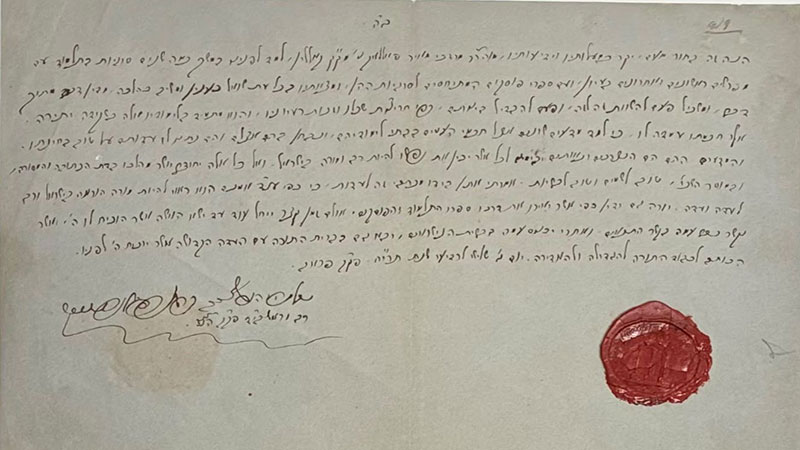
SHIR praises the young Mordechai Meir Pollak for his accomplishments in Torah study and, significantly, for his ability to render halachic decisions. He specifically calls attention to Pollak's secular education.

For anyone accustomed to seeing Rashi printed on virtually every page of a modern Chumash, it is difficult to appreciate just how extraordinary these leaves are.
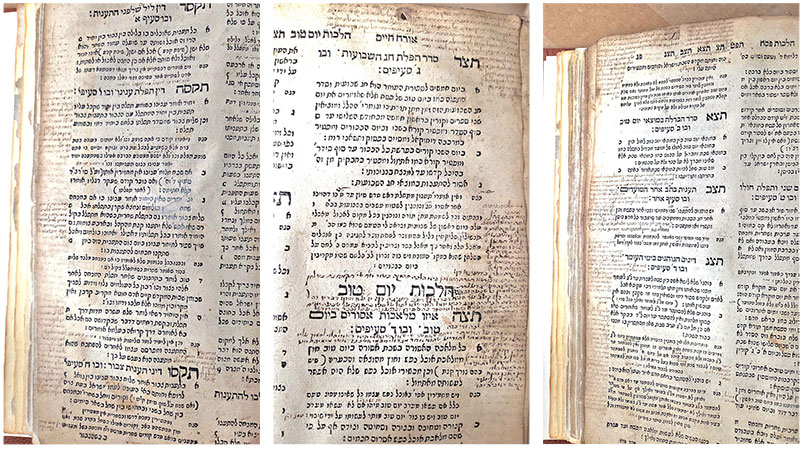
The edition itself is of considerable importance. R. Yosef Karo's Shulchan Aruch had rapidly become the foundational halachic code, while the Rema's Hagahot transformed it into the practical code of Ashkenazic Jewry by recording the customs and rulings of the communities of Europe.
The cipher itself appears to have been a distinctive feature of the scholarly milieu surrounding the Landau family.
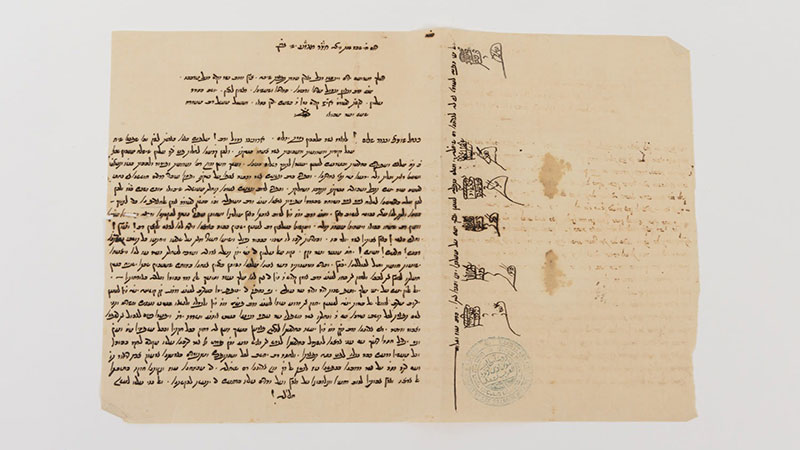
Historically, community leaders and rabbis were appointed locally through an elective process or, quite often, inherited roles. In the Ottoman Empire, however, rabbinic appointments were managed via Istanbul and required the approval of the imperial government.
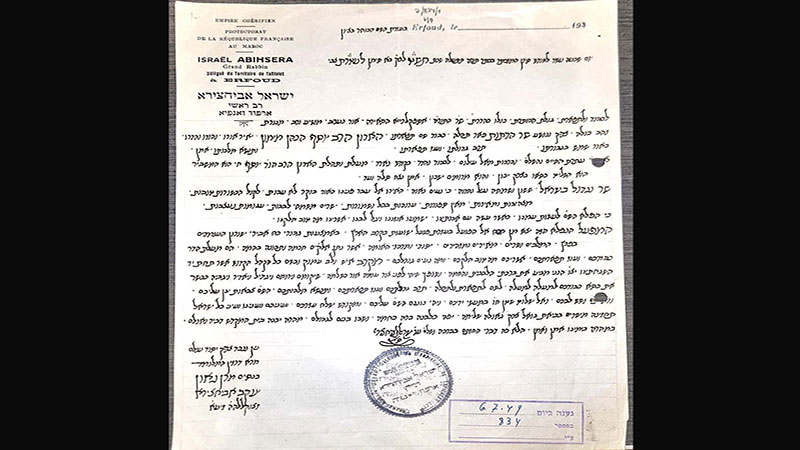
May Hashem protect you, and may your heart rejoice, and may the Satan, Heaven forbid, have no dominion over the works of your hands. May the pleasantness of Hashem be upon you, and may He send your help from the Sanctuary.
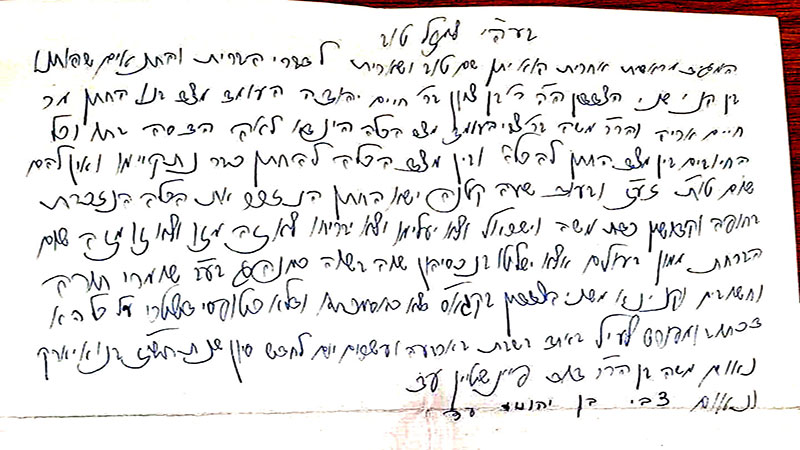
Rav Moshe took the printed ketubah and drew a large X across it. He did not argue with the relative or attempt to demonstrate that his original version was correct.
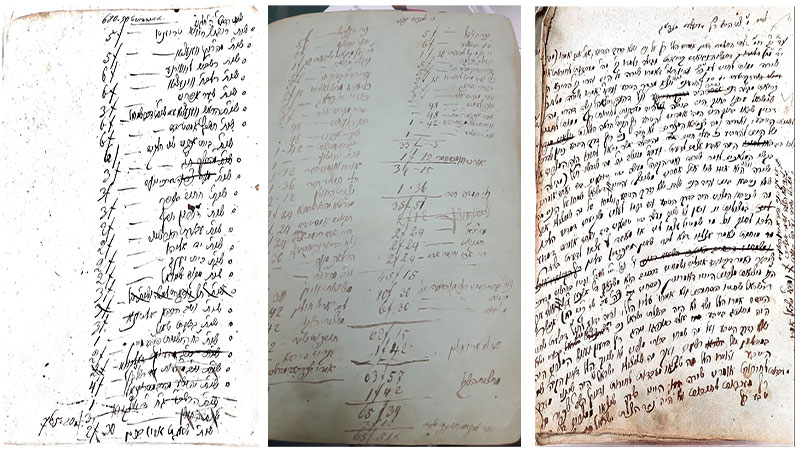
The printed volumes that established his reputation, however, present only the public face of the man. This notebook opens an altogether different window, revealing the private workshop of one of nineteenth-century Jewry's greatest scholars.
What unfolds throughout the correspondence is far more than a simple exchange of ideas. Rather, the letters reveal the extraordinary scholarly discipline with which Rabbi Kahana approached every aspect of the project.
Works deemed too controversial, too politically sensitive, or too marginal for the printing press continued to survive through the older, quieter medium of handwritten transmission.
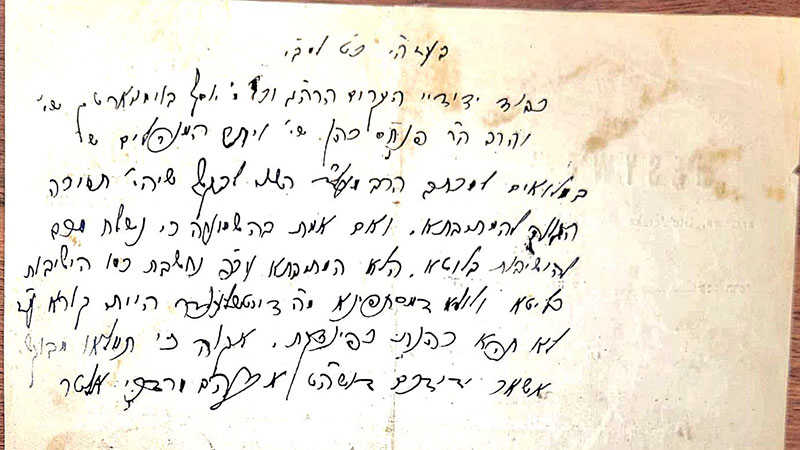
On one side, you see the unmistakable, bold handwriting of none other than Rav Meir Shapiro, the legendary visionary of Daf Yomi and Lublin. On the reverse is a letter by the Imrei Emes of Ger, Rav Avraham Mordechai Alter.

The manuscript is a unique recension of the Lurianic Kavvanot, the intricate mystical intentions associated with prayer, for Shabbat and the Jewish festivals.
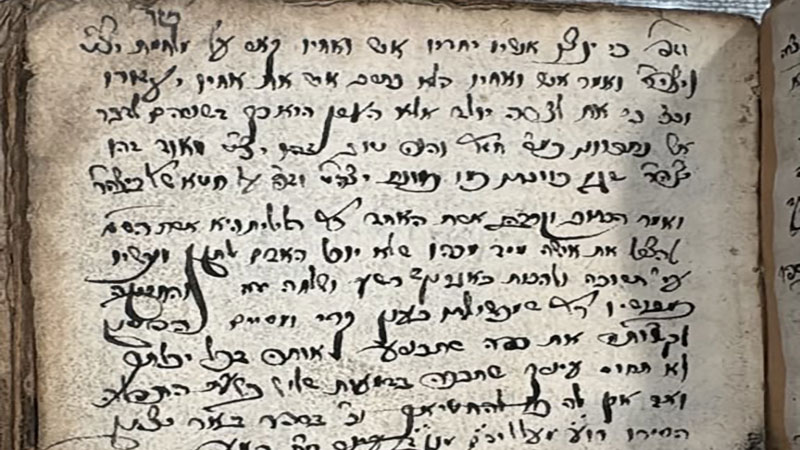
Hidden from public view for centuries, this extraordinary manuscript came to light only through careful examination of a collection entrusted to the shop for sale.

For bibliophiles and collectors of rabbinic history, booklets like Perush Derech Yemin represent the Holy Grail of ephemeral printing. B
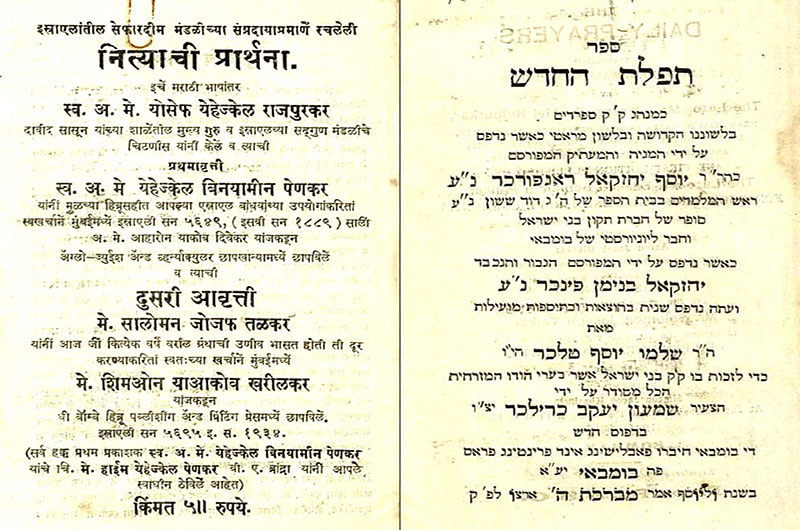
One of the most distinctive features of Bene Israel religious life is its special devotion to the Prophet Elijah. While Elijah occupies an honored place throughout the Jewish world, among the Bene Israel he became an especially beloved figure.
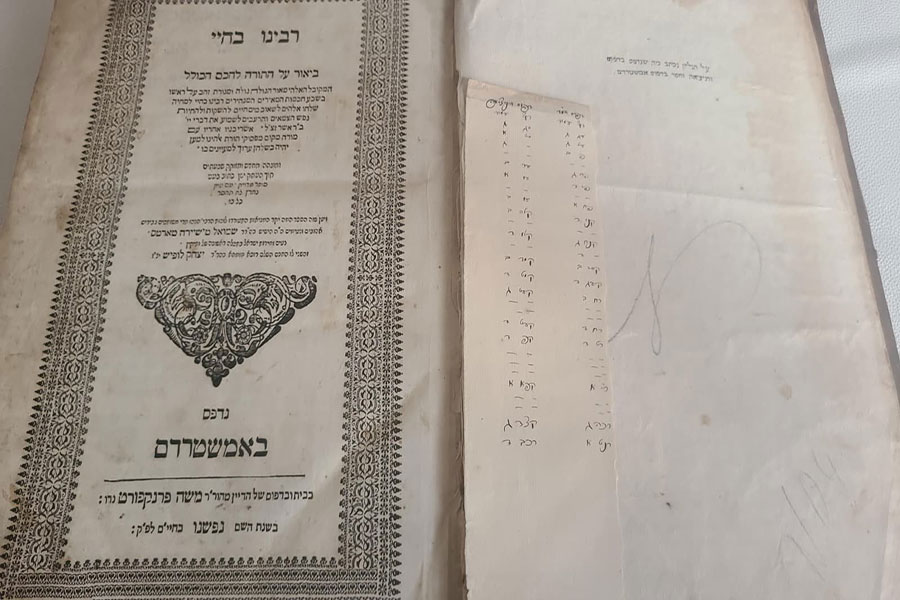
Rather than silently altering the text or replacing problematic passages with revised wording, the printers chose a different approach. Wherever material was omitted, they simply left a blank space on the page.
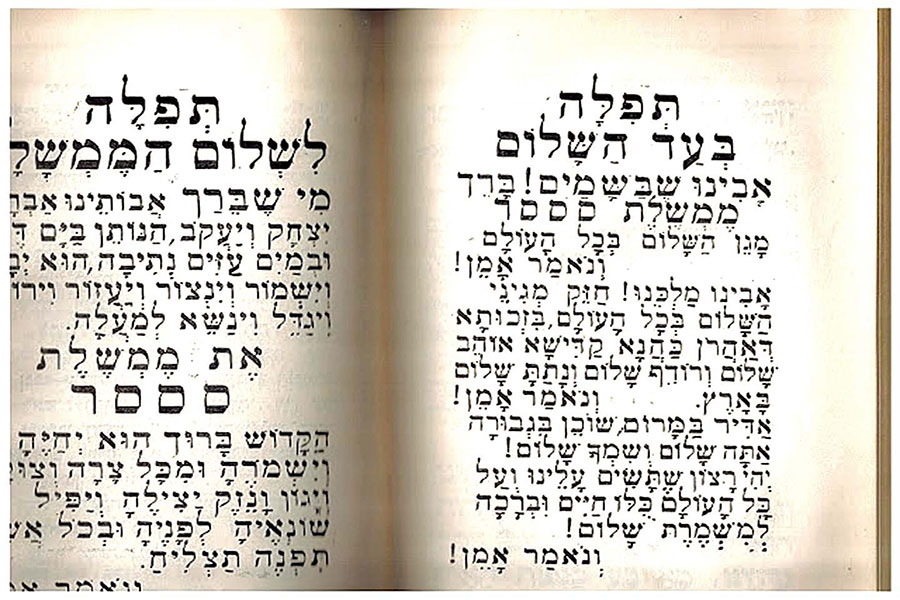
Particularly poignant was a copy I once owned that contained an inserted typed letter signed by Rabbi Shlomo Shleifer himself.

What survives here is not merely a mohel’s register, but an extraordinary ethnographic document of Jewish life in transition...
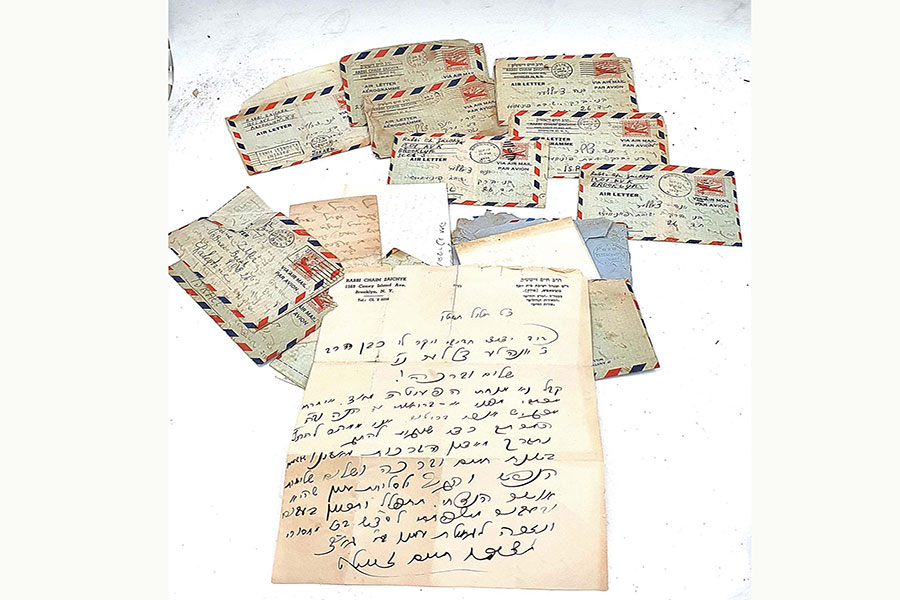
Rabbi Chaim Ephraim Zaitchik (1905–1989) stood as a distinguished spiritual mentor and prolific author within the Mussar movement, the Jewish tradition devoted to ethical refinement and introspective growth.
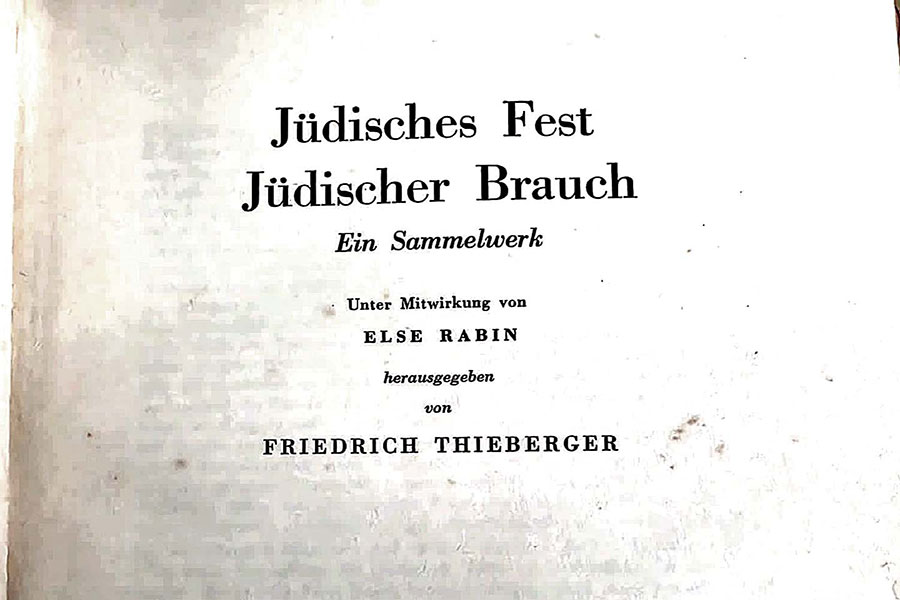
The Nazis sought to make a people vanish not only from the streets, but from memory. This book was an answer to that effort.

Remarkably, it retains its original leather binding, a rarity for Zhitomir printings of this period.

For Hirsch, Hebrew is not a convenient tool for communication; it is itself a revelation.

Even the title page announces that this is no ordinary production. Figures such as Moses, Aaron, David, and Solomon are framed within an ornate Gothic design – a bold stylistic departure that signals the publisher’s intention to produce something entirely new.

Her press was conceived not as a commercial enterprise, but as a charitable institution dedicated to the proliferation of knowledge and literacy.

Written contemporaneously with his more widely recognized Ikveta DeMeshicha, Da’as Torah has, inexplicably, remained eclipsed.

Rav Menasseh is perhaps most remembered for his diplomatic mission to England, where he petitioned Oliver Cromwell to formally readmit the Jews, who had been expelled since 1290.
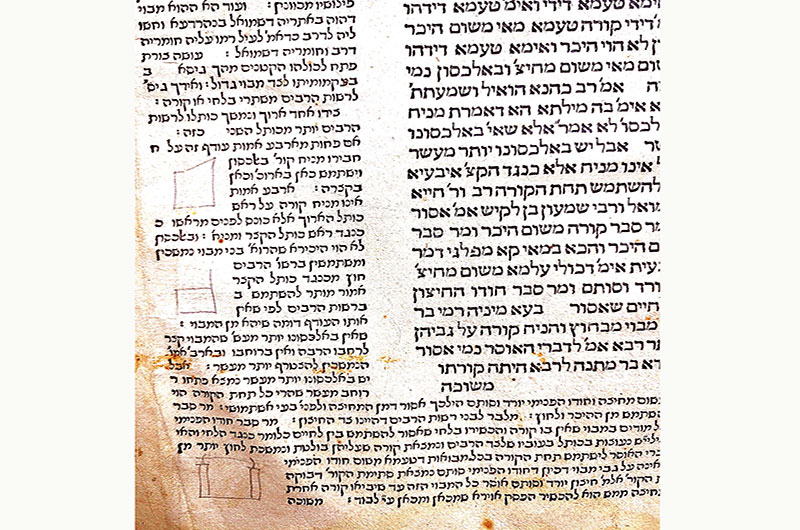
Eruvin is not merely a legal tractate; it is a cartographic one. Its sugyot are saturated with geometry, spatial reasoning, and the precise delineation of Shabbat domains.

This collection is more than paper and ink; it is a living testament to a world in which Jews of every background could find common cause in the sacred task of Torah learning.
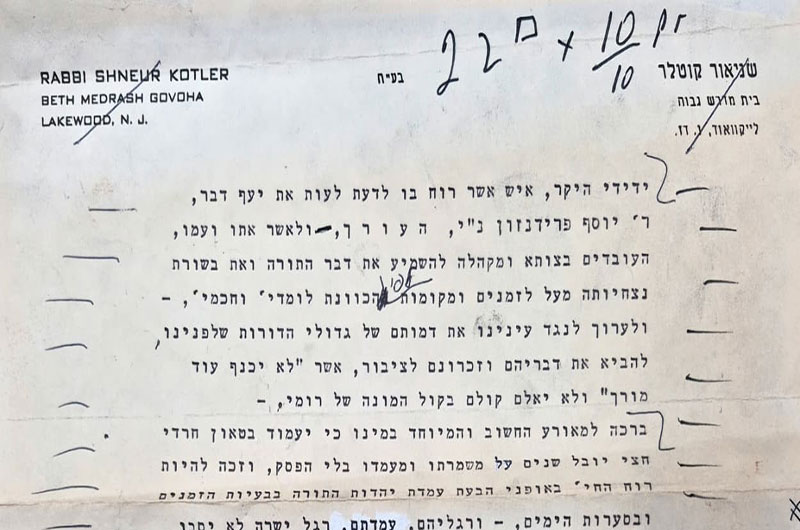
Rav Kotler reflects on the dramatic changes that took place in the quarter-century since the founding of Dos Yiddishe Vort. But the most striking element is not institutional growth per se; it is the profound shift in the self-perception of Torah Jewry.
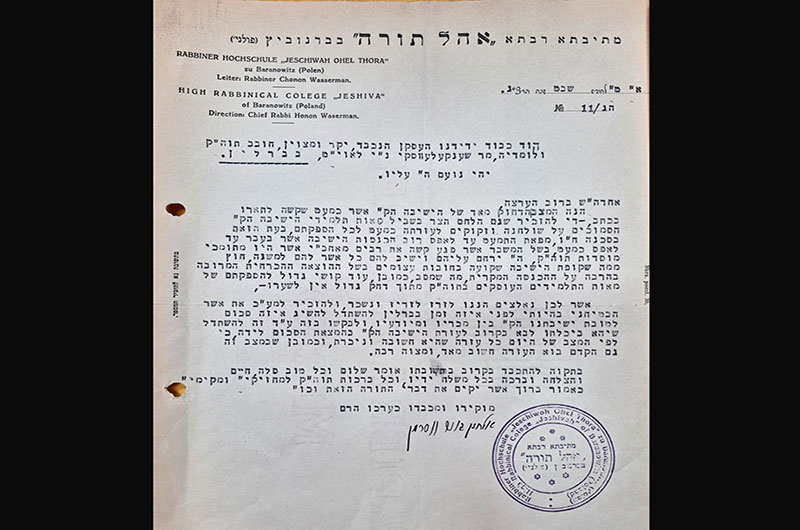
Contrary to the comforting fiction often repeated, Hitler’s rise did not require years to become economically catastrophic for German Jewry. While January 30, 1933 did not immediately bring formal laws confiscating Jewish property, it unleashed something just as effective: panic, paralysis, and collapse.

What makes Te’udah be-Yisrael especially noteworthy is its moderation. Unlike later, more radical maskilim, Levinsohn defends the historical role of the rabbis and recognizes the necessity of rabbinic authority in its time.
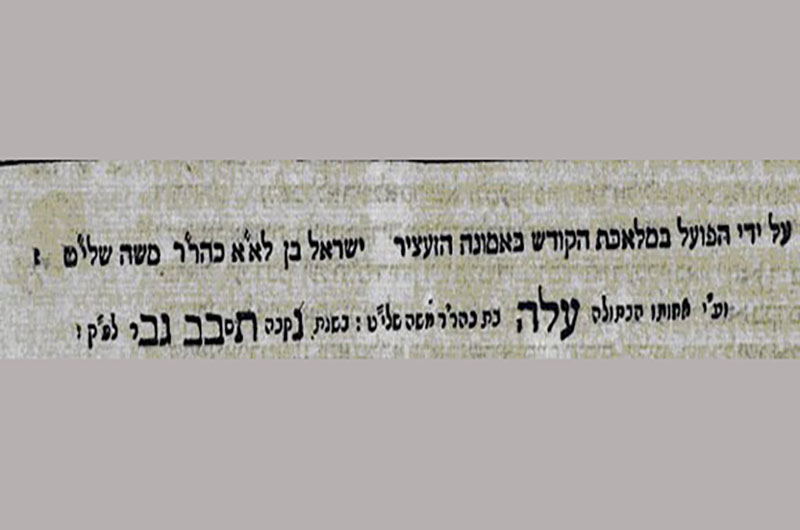
Beyond its visual splendor, the Frankfurt Talmud introduced a development that would reverberate through the Hebrew printing world: the use of restrictive rabbinic approbations granting exclusive printing rights for periods of 15 to 25 years.

What cannot be denied is the devotion he inspired among the East End’s working-class Jews.

What elevates this modest booklet to near-mythic status is who studied it – and how.
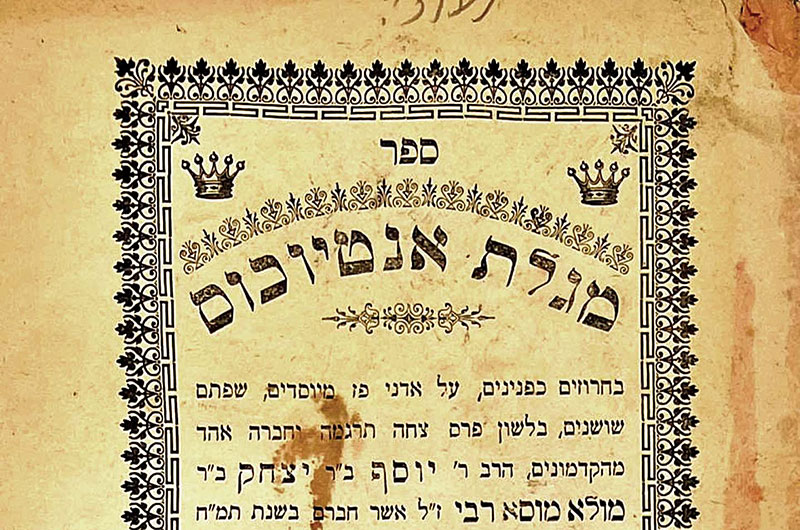
What makes this particular edition especially captivating is the language in which it speaks. Judeo-Persian – the literary tradition of Persian-speaking Jews who wrote in Persian using Hebrew characters – is among the most remarkable cultural inheritances of the Jewish world.
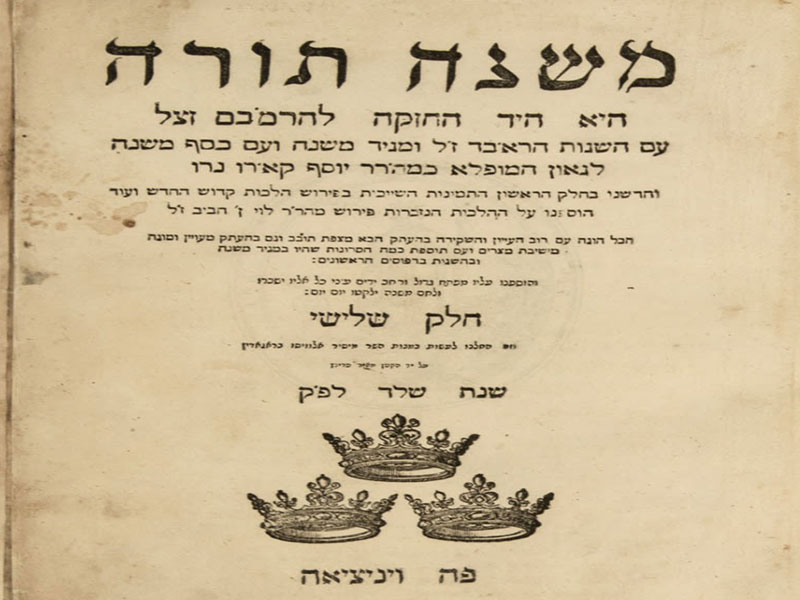
Collectors and scholars alike will appreciate the additional significance of this edition. It marks the first publication of a comprehensive alphabetical subject index, prepared from the writings of the school of ha-Rav ha-Zaken, gadol be-doro, R. Baruch Uziel.

In Tanach, Achithophel was King David’s brilliant counselor, so sharp in judgment that Scripture says seeking his advice was like inquiring from the word of G-d.

At the center of the storm stood Rabbi Yosef Shalom Abdallah, a distinguished and forceful personality, and a cousin of the Ben Ish Chai.

And at the center of this revolution stood Daniel Bomberg, a Christian printer from Antwerp who opened a Hebrew press in Venice in 1516. Working with brilliant Jewish scholars, proofreaders, and editors, Bomberg became the single most influential printer of Hebrew classics in the early sixteenth century.
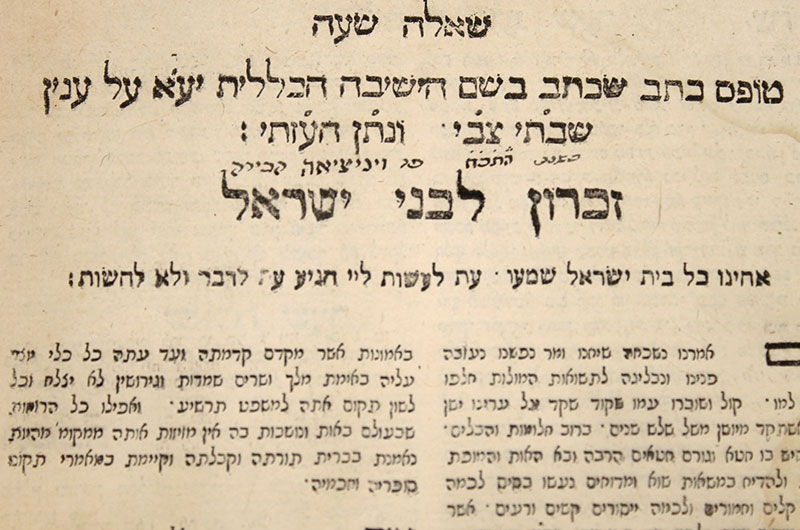
Rabbi Shmuel ben Avraham Aboab, was among the foremost Sephardic Sages of the seventeenth century.
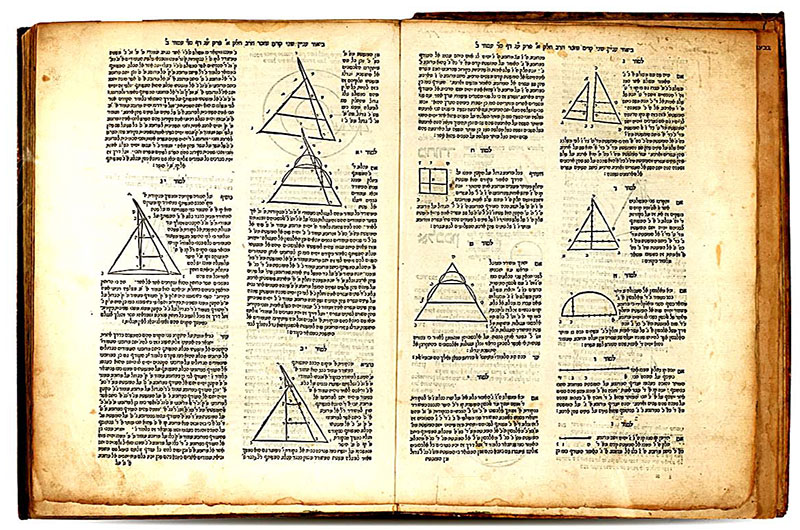
What makes this edition even more significant is its place in the history of Hebrew printing.

Printed with the Hadrat Kodesh commentary and following the customs of the Kahal Kadosh Ashkenazim, this impressive edition stands out not only for its rich liturgical content but also for its craftsmanship.
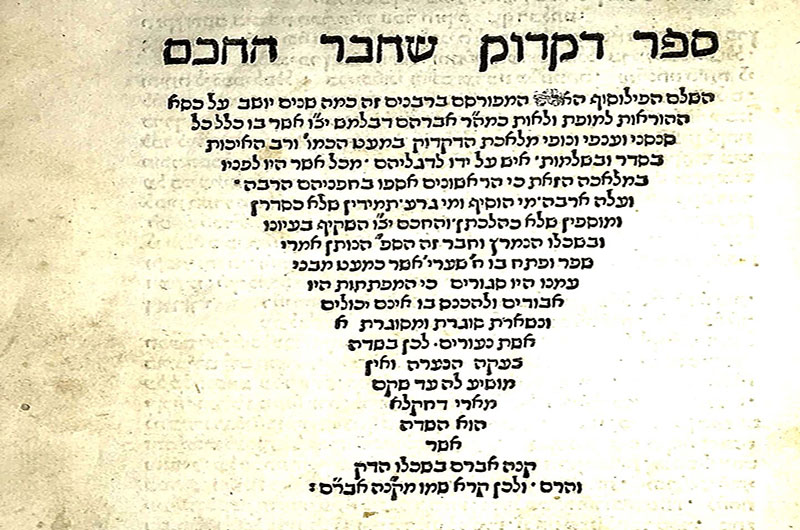
Mikneh Avraham occupies a singular place in the evolution of Hebrew grammatical literature.
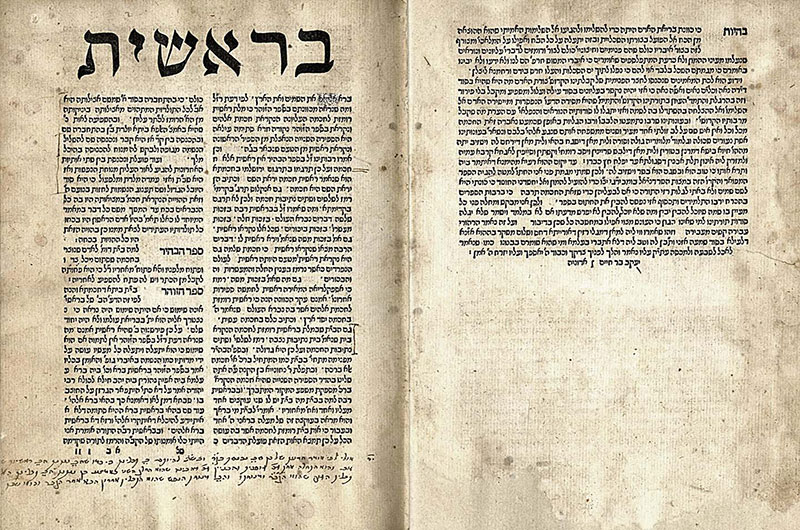
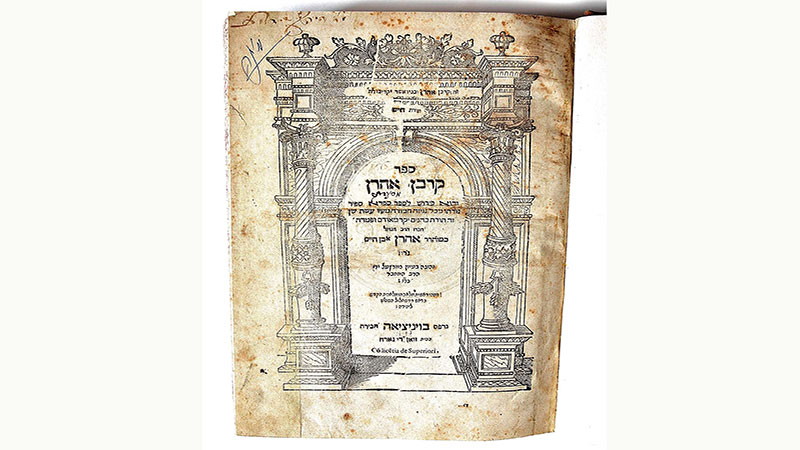
In his preface, Yaakov ben Chaim offers a sober caution to readers: only those capable of comprehending these mystical teachings should engage with them, and the secrets within must not be disclosed to the unworthy.
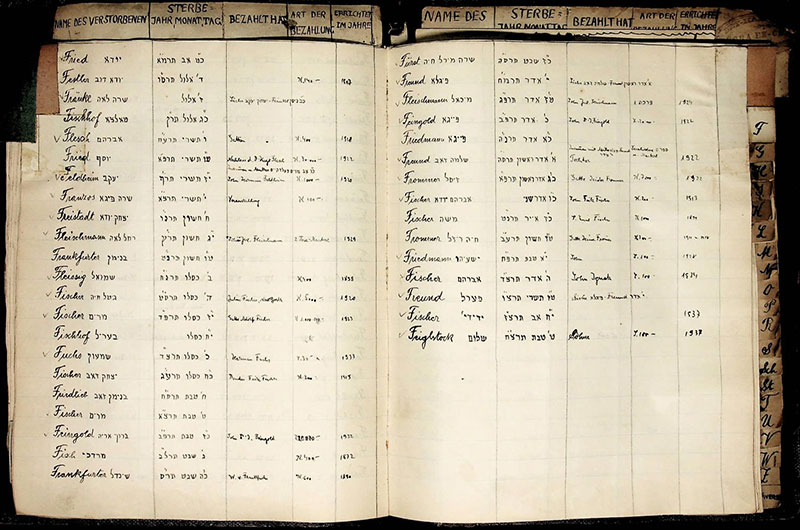
This handwritten volume, recording the names and yahrzeits of nearly 1,500 neshamot, was copied for the shul’s last rav, Rabbi Shlomo Baumgarten, just before he fled the Nazis in 1938. It is only thanks to that copy that we know what we know today.

The Hitler Haggadah takes the traditional Passover narrative and reimagines it through the lens of wartime realities, framing the Allied victory over the Nazis as Divine intervention.
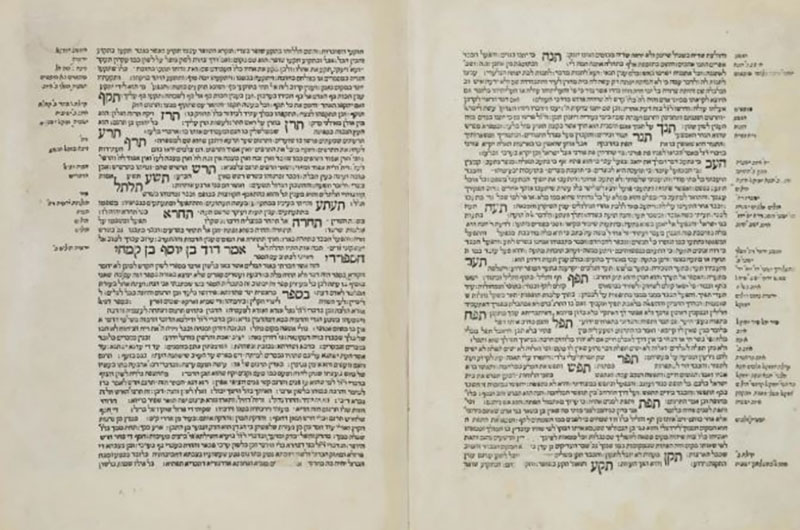
Its clarity, accuracy, and comprehensiveness swiftly eclipsed earlier lexicographical works, establishing it as the indispensable reference for generations of scholars – both Jewish and Christian – who sought to unlock the linguistic treasures of the Tanach.

The sefer is sui generis – not a conventional commentary, nor merely a novellae – but a tightly reasoned map of halachic architecture, often condensed into a few masterfully chosen words.

Conti’s foray into Hebrew printing was neither accidental nor peripheral.

Their inaugural production was a deliberate echo of their past: a reprint of the Lisbon Abudarham, almost identical to the earlier edition save for a few typographic changes and a revised colophon.
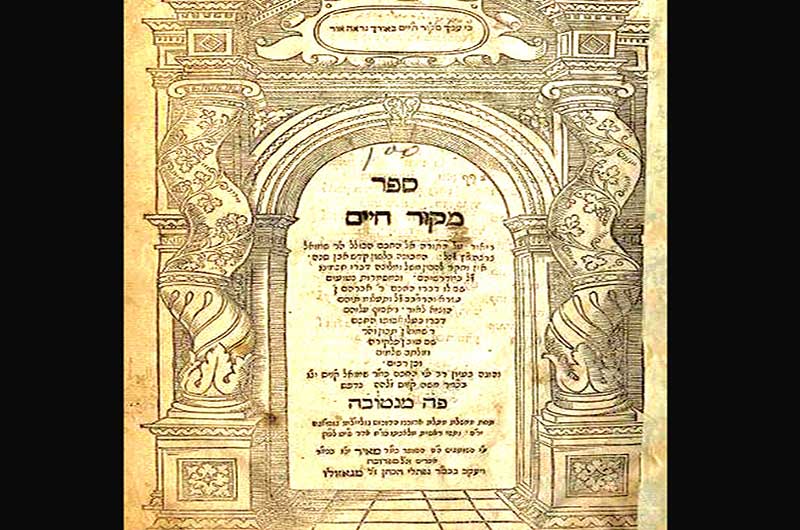
The title page itself announces the work’s ambitions: a composition… measured and delved to uncover allegory and parable in the words of Chazal, standing on the shoulders of giants like the Ibn Ezra and the Rambam.

That this newly acquired manuscript – hidden away for centuries – should resurface now is a quiet miracle.

This 1620 edition is among the earliest printings of the complete Sifrei Levushim and was issued just a few years after the author's passing.
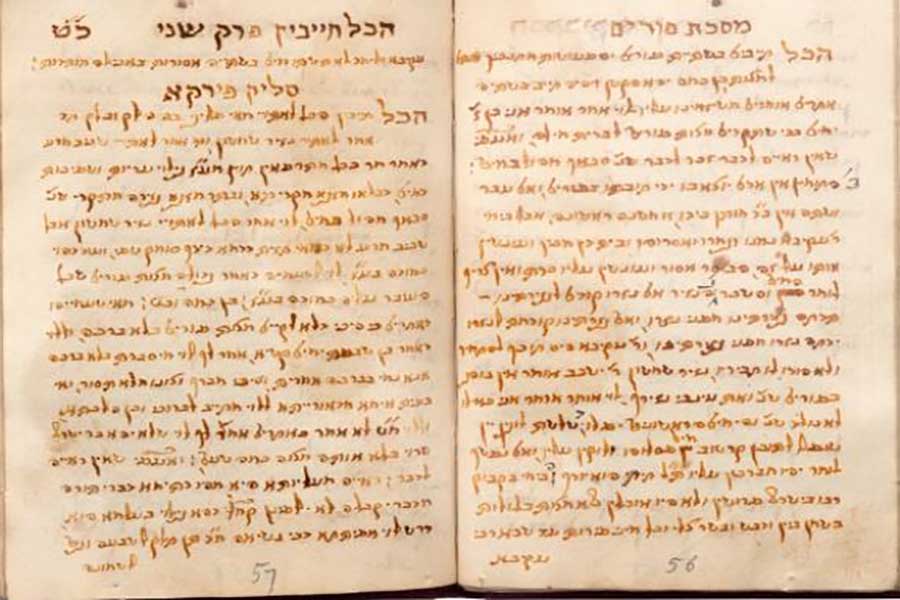
This past week, I had the pleasure of acquiring a truly exceptional piece from this rich literary tradition – an Italian manuscript from 1715 that brings together, between two modest covers, some of the most beloved early Purim Torah classics in a beautifully unified volume.

Rashi’s commentary was so foundational that it was chosen as the very first Hebrew book to be printed with a date.

One of the earliest printed maps in Hebrew, it captures both the geographic and spiritual journey of Am Yisrael.

What makes Levi’s work so enduring is not only his grasp of the Hebrew but his sensitivity to the te’amim – the flavor and nuance – of the prayers. This wasn’t a robotic translation.
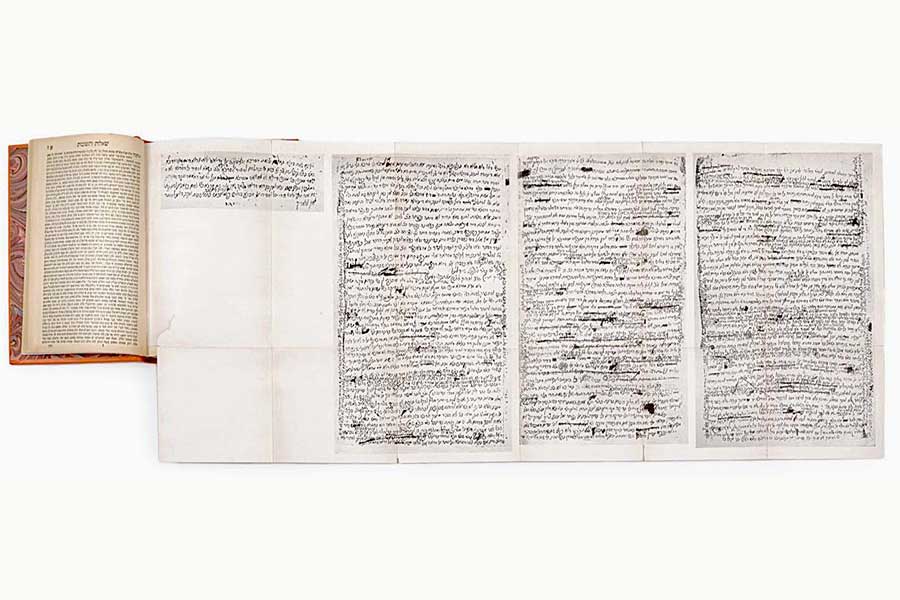
In bibliographic terms, this is among the earliest major postwar Chabad publications, and it serves as both a spiritual lifeline and a bibliographic treasure for those studying the trajectory of Torah publishing in exile.

Over the years, the Kibbutz movement has produced nearly 1,000 distinct iterations of the Haggadah. Each of these versions carries within it a unique vision of Jewish identity, shaped by the values of the time and the ongoing struggle for national sovereignty.

Hebrew printing on Corfu was a late development, only taking root in the late 19th century. Before this, the community was forced to send their manuscripts to well-established centers like Venice for publication.

The most significant of Farissol’s writings is Igereth Orchoth Olam, a comprehensive cosmographic and geographic work based on original research and the studies of Christian and Arab geographers.
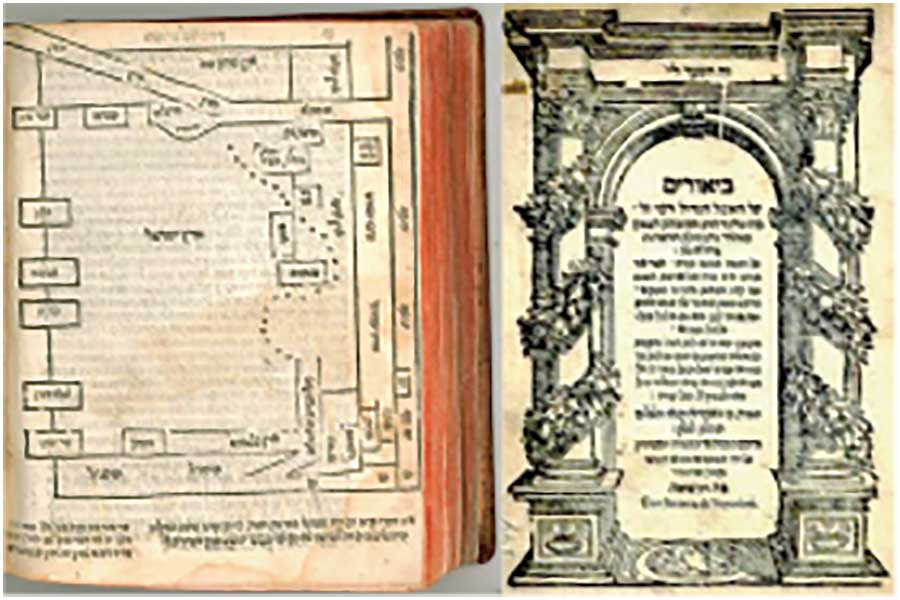
In the introduction to Imrei Shefer, Rabbi Isaac addresses this imposter work, which had been printed a few years prior in Venice in 1593. Rabbi Isaac was quick to clarify that it was a forgery – one concocted by unscrupulous individuals who sought to profit from his father’s revered name.
The battle between these two Venetian presses became so intense that complaints reached the revered Rabbi Moshe Isserles (the Rema) in Krakow.

The Munich Talmud or The Survivors Talmud boasts vibrant title pages, capturing the historic moment of printing in postwar Germany.

Kunitz's intellectual pursuits and actions frequently placed him in tension with more traditional rabbis, yet he earned respect for his profound knowledge of Talmudic texts and his pivotal role in the evolution of Jewish intellectual life.

This inaugural printed Hebrew edition of the Prophets, with Kimhi’s scholarly annotations, was produced in 1485 by the esteemed Joshua Solomon ben Israel Nathan Soncino. This edition, which predates the Soncino family’s migration to Casal Maggiore, marked the completion of the family’s premier Biblical publication.

The poem was penned by Ber Oppenheimer, a prominent resident of Pressburg and a talmid chacham who authored Me Be'er, a sefer published in Vienna four years after the coronation.

In his vehement denunciation of chassidut, he goes so far as to label it a cult. He writes, There is no respite from them… they make most of their days holidays… their prayers are unbearable to the ears… they produce various noises… like a monkey to man… G-d save us from them.
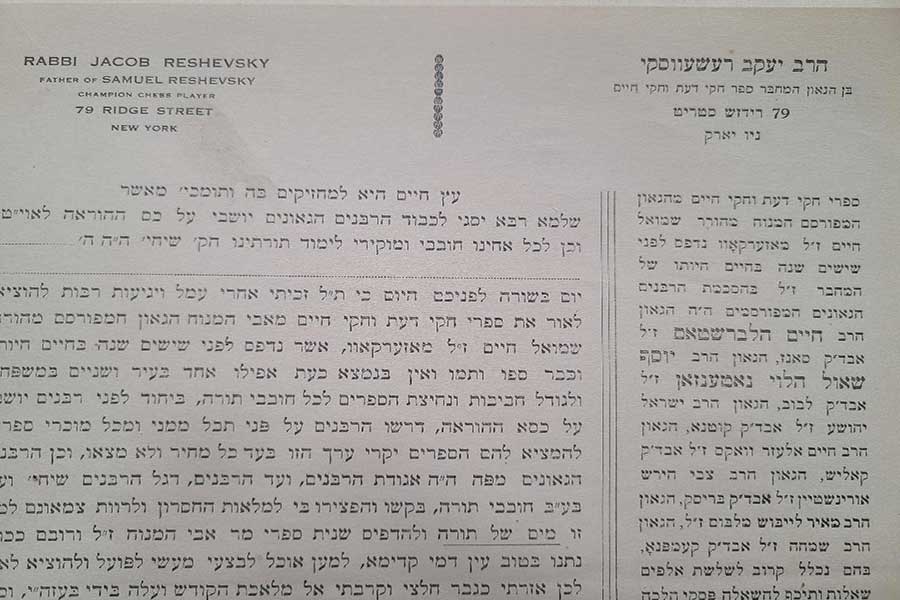
Perhaps most remarkable, however, was Reshevsky’s unwavering commitment to his faith as a devout and fully-observant Orthodox Jew. He dedicated a portion of each day to the study of Torah and steadfastly adhered to his religious principles, famously refusing to engage in chess matches on Shabbat.

Remarkably, the paper used for this edition bears watermarks identifying both the manufacturer and the individual who commissioned it: EIGER.
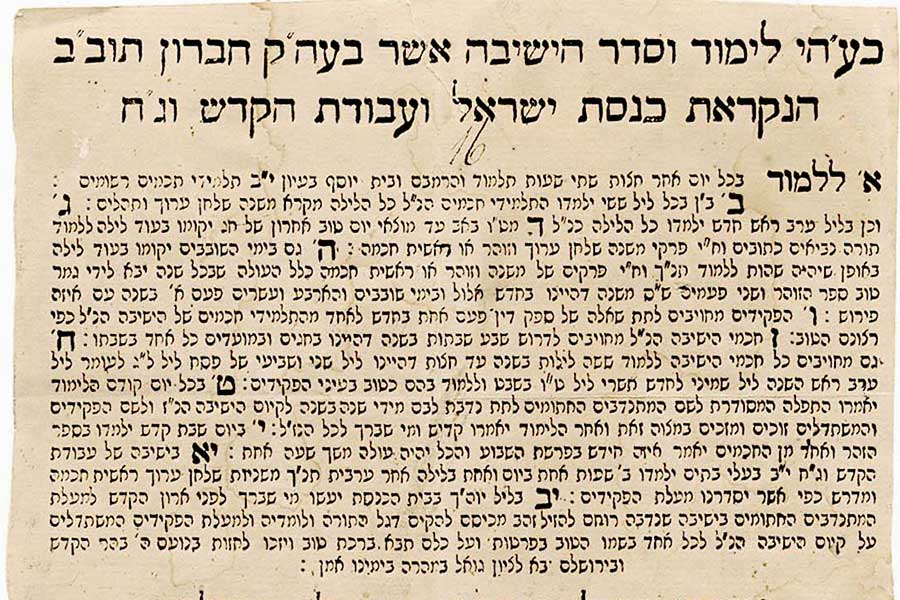
Titled Limud VeSeder HaYeshivah Asher Be’Ir HaKodesh Chevron [The study and order of the day of the yeshiva in the Holy City of Hebron], this eighteenth-century document forges a connection between the Holy Land and the Jewish communities of the New World.

Aleinu is never recited during Mincha. However, according to the earliest edition of the Machzor from 1486, Aleinu is indeed recited on erev Yom Kippur when Mincha is observed earlier in the day. This precedent suggests that Aleinu should always be recited when Mincha is scheduled early.
In 1747, Rabbi Gershon traveled to Jerusalem, becoming one of the first chassidim to establish a presence in the Holy Land. There, he aligned himself with the study of the Rashash and the Kabbalistic circle, immersing himself in the study of mystical traditions.

While Jews in certain Western European countries were abruptly thrust into modernity during the 18th century, gaining access to universities and achieving a measure of equality as citizens, Italian Jews had enjoyed the privilege of university attendance for centuries.

Rabbi Hutner’s correspondence is imbued with the same rich, poetic, and heartfelt language that characterizes much of his literary style.
Halachically, there is typically a requirement that a tradition of kashrut exists for a species, even if such a tradition is upheld by a community on the other side of the world.
Written by Pinchas Schon, on behalf of the Mirrer Yeshiva Association in New York, and addressed to Rabbi Eliezer Silver, rav in Cincinnati and head of the Agudas Harabonim, it pleads for his assistance in the rescue efforts.
The book itself is described by its author as the final revelation of G-d in which all answers to all remaining questions with respect to the Tanach were answered.
One major halachic dispute, though, has left its mark in literature and history. The impetus was a publication which I recently acquired, titled Av Bachochma, authored by Rabbi Avraham Aaron Yudelovitz and published in New York in 1927.
A few years prior, an edition printed in Venice for Sephardic Jews did include Selichot, though, as well as the additional Kabbalistic texts, and various editions in the following decades contained a variety of combinations of prayers and readings.
There is mention of the custom of kapparot already in the 7th century, but even then, the source we have states the reason for this custom is unknown.

These marranos who returned to Judaism openly were often adults, with little or no real Jewish education or knowledge. The need to integrate them in to the new communities resulted in a new phenomenon, siddurim that were completely in the vernacular, in this case the Spanish or Portuguese, of these new immigrants.
In this correspondence written by Emmanuel and family members in Salonica and Curacao, familial matters are interspersed with much important historical material and records.
I recently acquired a fine copy of a first edition of his Chochmat Adam, published in Vilna in 1815. His Chayei Adam, published prior, did not contain any approbation.
Originally the censors focused on religious works, particularly Kabbalastic and chasidic works. However, with time, they took on a political bent as well, promoting ideas favorable to the government and eliminating any words of opposition that were suspected in any of the printed works.
This week I acquired a copy of this now scarce title, titled Baruch Hagever, a memorial book for Baruch Goldstein, the perpetrator of the Hebron mass shooting.
Following his elder brother's murder, the Baba Sali was appointed head of the community, but fearing continuing antisemitism, his family and much of the community moved to the town of Boudenib, where the yeshiva he led was resettled.
These satirical works were written in the style and language of the Talmud, duplicating the layout and fonts of the standard Talmudic page, with a main text in the center flanked by commentaries in Rashi text.
In this poster, the organization expresses the idea that the majority of German Jews identify more with their German identity than with their Judaism, and that Zionists, who are not willing to assimilate, should be ousted.
A collection I acquired recently contained an unusual surviving document, an envelope sent by Leo Baeck from the Theresienstadt concentration camp, to Saly Mayer (1882-1950), leader of Switzerland's Jewry and the head of the Joint Distribution Committee in Switzerland.
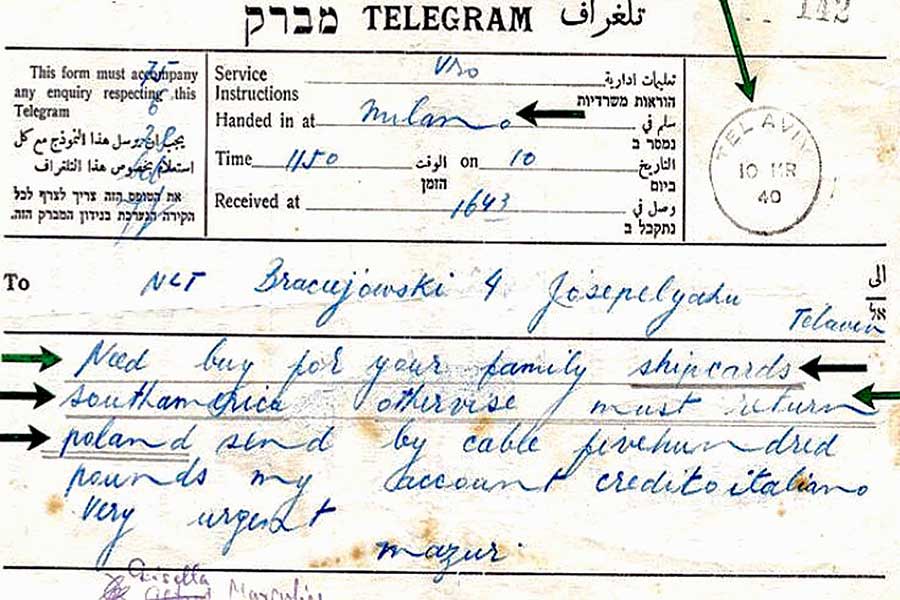
Two Western Union Telegrams I acquired recently tell the story of one Jew that managed to escape from Poland and some of the challenges he encountered.
A series of documents I acquired recently tells one such situation, where a woman who survived the war, but whose husband did not, spent several years dealing with the halachic ramifications that resulted.

The Ottoman Empire, which gained prominence and world power in the 14th and 15th centuries and on, had a significant effect on the Jews of the era, and for many centuries served as a relative safe haven for its Jews.
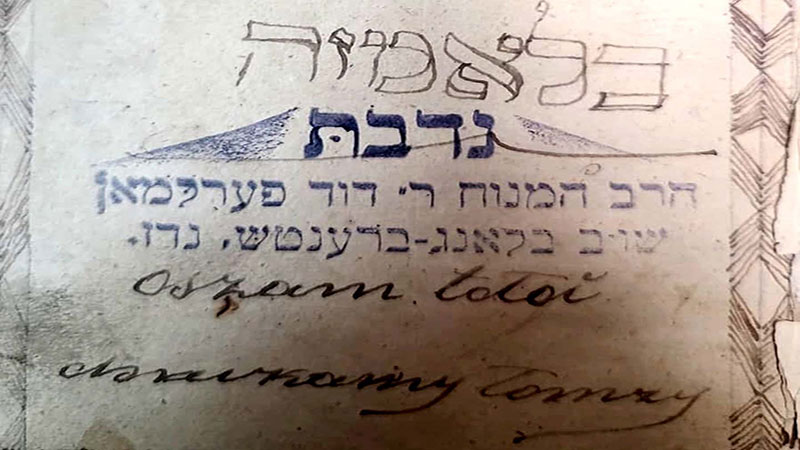
The recipient of the letter was Rabbi Aharon Mendel HaCohen (1866-1927), a native of Tiberias who served as Chief Rabbi of the Ashkenazic community in Cairo for decades. He is best remembered for his ambitious attempt of renewing the Sanhedrin and reinstating the semicha.

Some of his many achievements include his promotion of Shabbat observance in Germany, and his role as editor of a monthly journal titled Der Sabbath from 1910 until 1914 – when WWI ceased publication.
Soviet Russia's complex pact, and later disbandment, with the Nazis left a troubling legacy in Soviet Russia, and mention of the Holocaust and the murder of Jews was forbidden.
In Ma'aseh Tuviah, Kohn discusses Copernicus's system but finds it incompatible with Jewish teachings.

What was published, though, was nearly all after his passing, and much of it is obscured in the murkiness of what was authentic, what less so, what was expounded from his teachings and what was a commentary by his disciples.
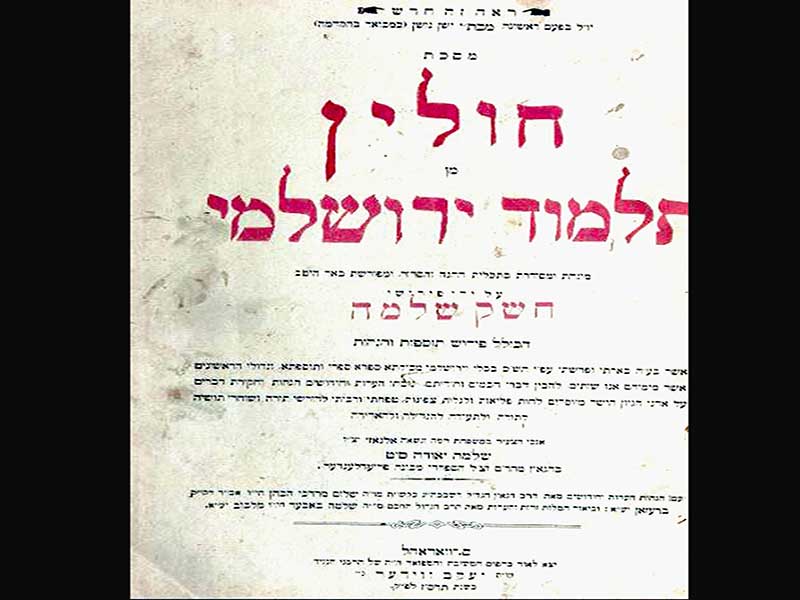
While there are sporadic quotes in the era of the Rishonim to the Jerusalem Talmud on the Seder Kodshim portion, no portion of it survives today.

Noting that the local paper mill in Vilna burned down and no paper was available locally, he apologizes for the delay in getting the process started as they were awaiting a batch of paper from Warsaw. Dismissing an option to print on low quality paper, the printer writes that in their vicinity such paper is not used.


 October 9, 2026