יום רביעי, כ״ו תשרי תשפ״זWednesday, October 7, 2026



Follow Us


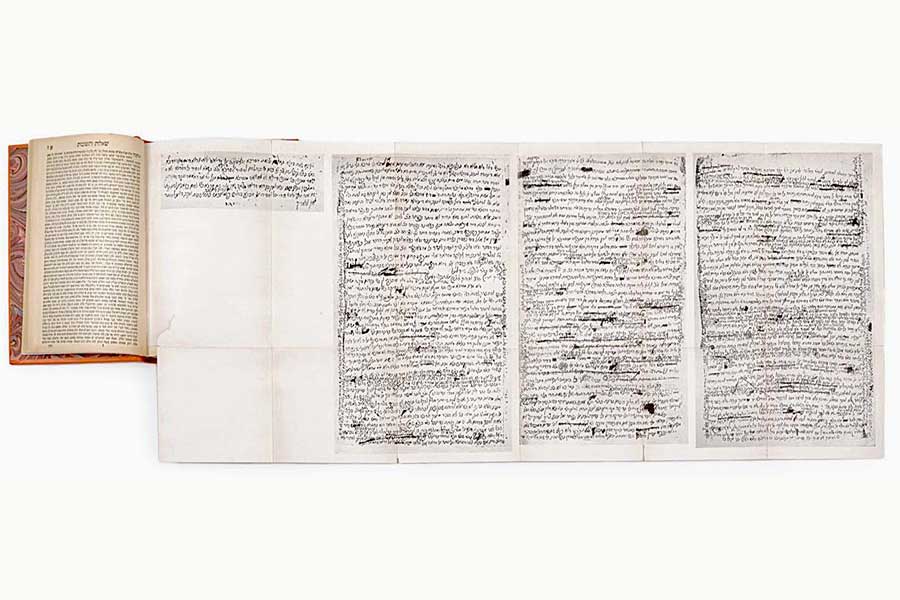
In bibliographic terms, this is among the earliest major postwar Chabad publications, and it serves as both a spiritual lifeline and a bibliographic treasure for those studying the trajectory of Torah publishing in exile.
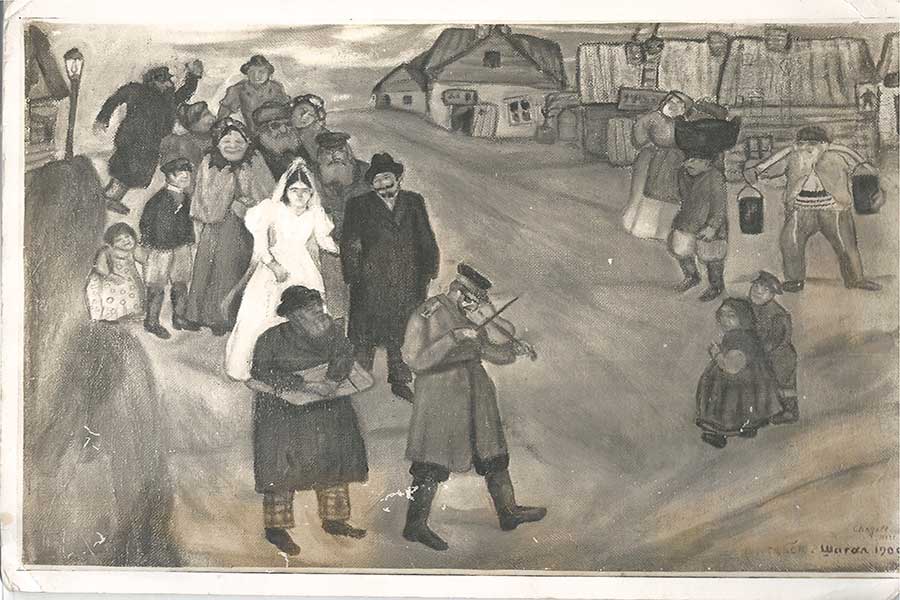
Between 1931 and 1934, Chagall worked obsessively on the series The Bible, even going to Amsterdam to carefully study biblical paintings by Rembrandt and El Greco and to examine the extremes in religious painting. He walked the streets of the city's Jewish quarter to again feel the earlier atmosphere.

Upon assuming office as an anti-Communist conservative, he strongly opposed the notion of a P.L.O. state and supported a militarily strong Israel as America's most reliable Middle East ally. Within a few months of his election, however, he had altered his position and began to encourage "moderate" P.L.O. leaders toward possible autonomy and statehood.
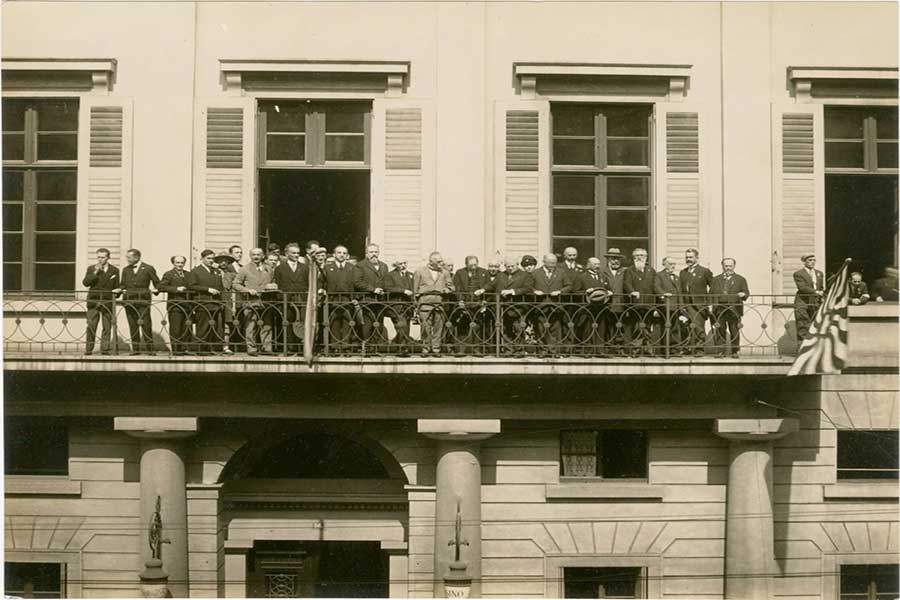
Specially produced beautiful and deeply poignant official postcards were issued for all of the pre-Israel Zionist Congresses (all Congresses after 1948 were held in Jerusalem).

Over the years, the Kibbutz movement has produced nearly 1,000 distinct iterations of the Haggadah. Each of these versions carries within it a unique vision of Jewish identity, shaped by the values of the time and the ongoing struggle for national sovereignty.
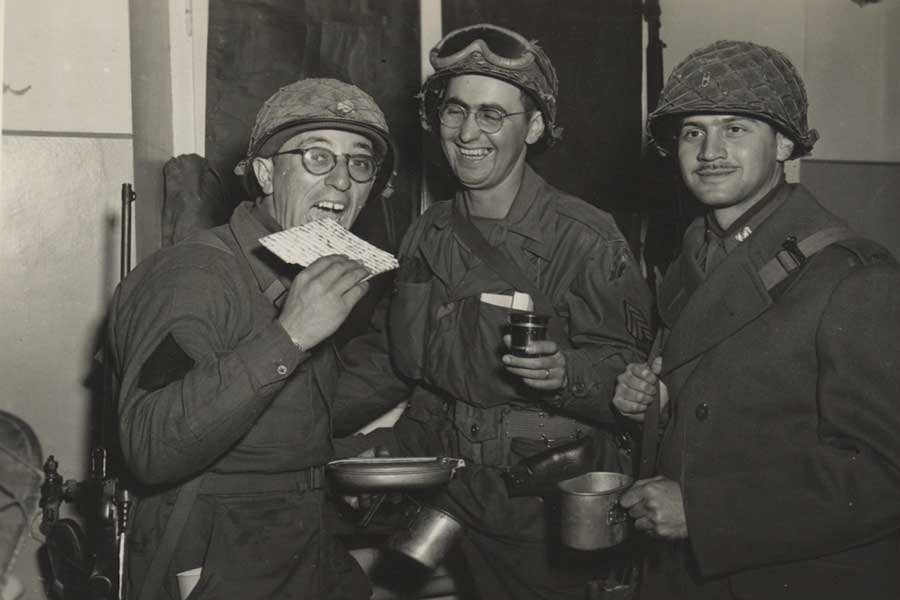
Collins was a passionate critic of antisemitism, as to which he advised his troops: “I know that there exists, in some divisions, what your people call antisemitism. It will not be tolerated in my division. Should it crop up, I will hold you personally responsible if I am not made aware of it immediately.
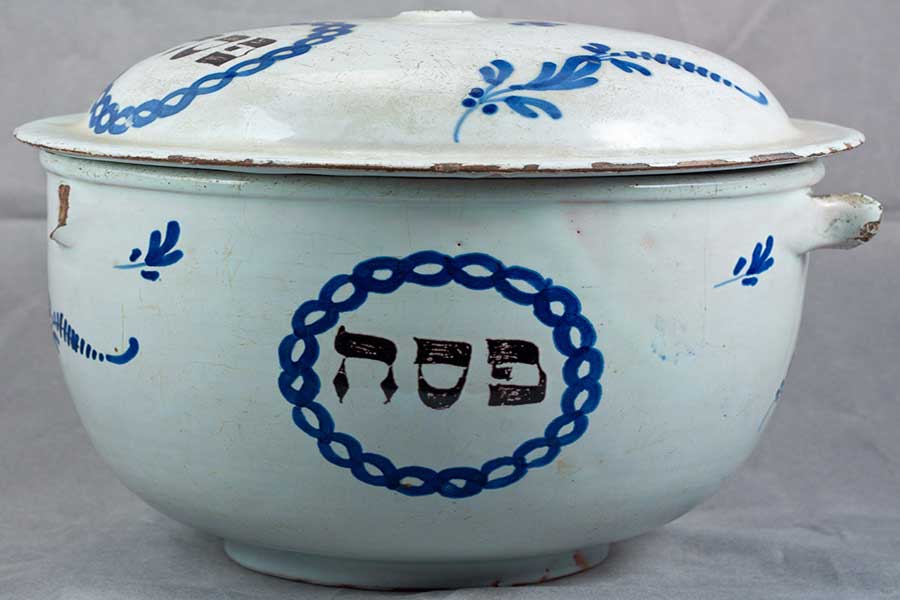
Even with the heavy wear to this piece, I had some competition in the live bidding, but I eventually prevailed and was the piece’s new owner. Now my task was to research the age and origin of this Passover soup tureen, and see how many other examples were known.
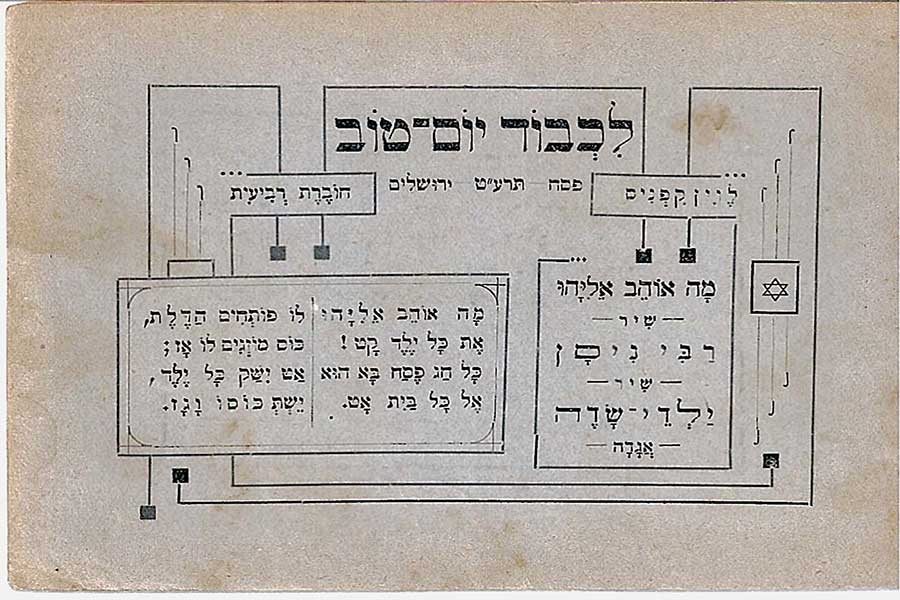
Even standing on their own without musical accompaniment, Shemer’s lyrics were achingly beautiful and highly emotional.

Hebrew printing on Corfu was a late development, only taking root in the late 19th century. Before this, the community was forced to send their manuscripts to well-established centers like Venice for publication.
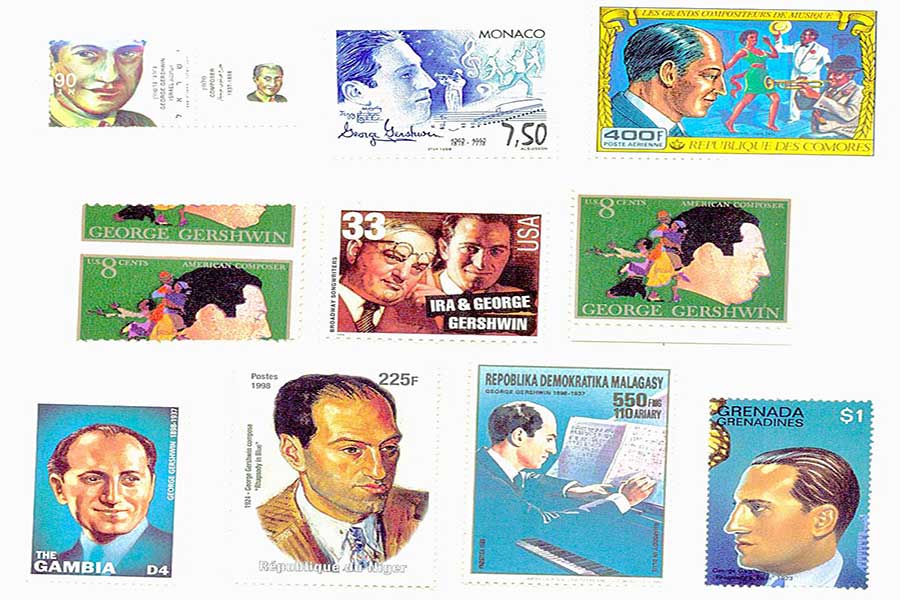
According to most authorities, the family's Judaism was neither religious nor political but, rather, cultural and casual.

The most significant of Farissol’s writings is Igereth Orchoth Olam, a comprehensive cosmographic and geographic work based on original research and the studies of Christian and Arab geographers.
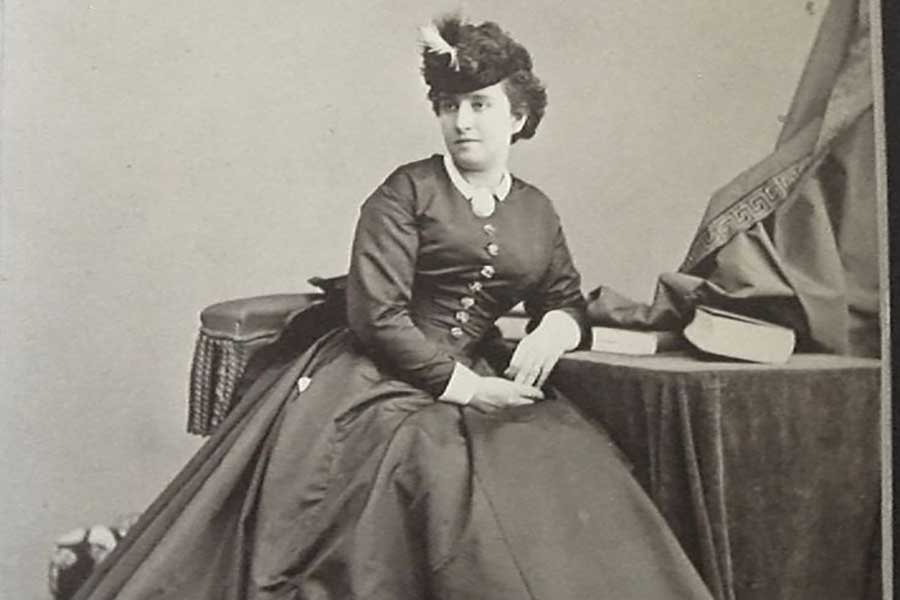
It is fascinating to note that, notwithstanding his antisemitism, Sherman was a great admirer of Rose Eytinge (1835-1911), a Jewish-American actress and author who rose to become one of the most popular female stars of the 1860s and 1870s and the first American actress to earn a three-figure salary.
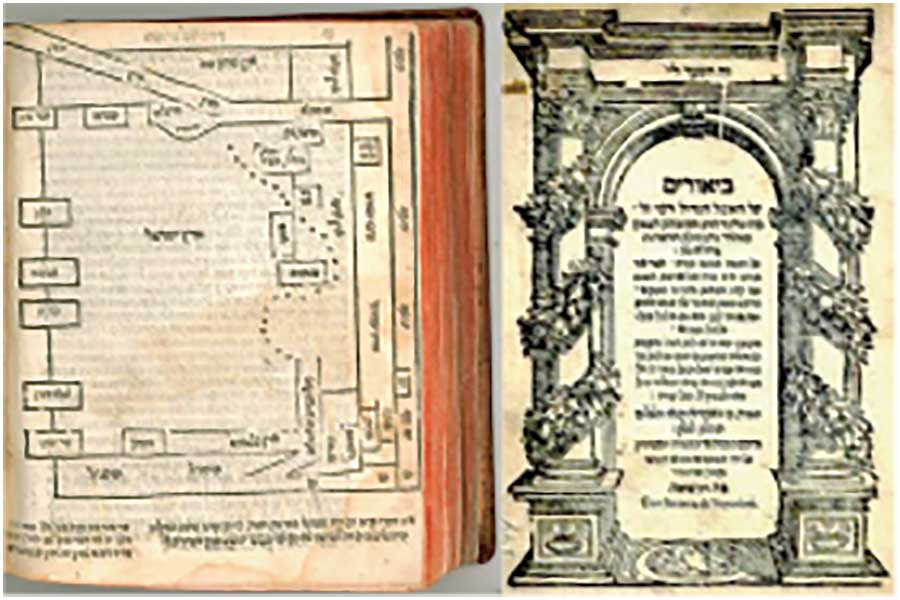
In the introduction to Imrei Shefer, Rabbi Isaac addresses this imposter work, which had been printed a few years prior in Venice in 1593. Rabbi Isaac was quick to clarify that it was a forgery – one concocted by unscrupulous individuals who sought to profit from his father’s revered name.

Marceau’s talent with body language and mime movement may have saved his life while fighting with the French resistance. He claimed that he was caught entirely by surprise when he accidentally ran into a unit of German soldiers; quickly improvising, he mimicked an advance guard of a large French force and successfully persuaded the German soldiers to retreat.
The battle between these two Venetian presses became so intense that complaints reached the revered Rabbi Moshe Isserles (the Rema) in Krakow.

So how did the Jews completely transform the change Quadas Kabir story and for what purpose? Who was the nefarious Jew who decided to appropriate glorious Palestinian history?

The Munich Talmud or The Survivors Talmud boasts vibrant title pages, capturing the historic moment of printing in postwar Germany.
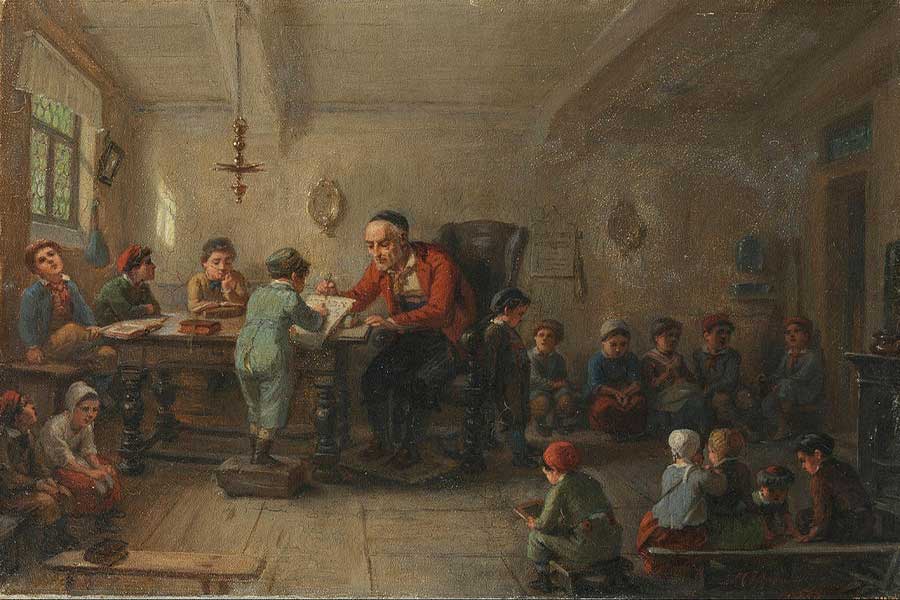
Although he would not become famous for his Jewish work until some thirty years later, Oppenheim painted one of his most famous works, Return of a Jewish Volunteer from the Wars of Liberation to His Family Still Living in Accordance with Old Customs, in 1833.

A somewhat peculiar fact is that while glass and porcelain Judaica generally achieve disappointing results in the United States, they do remarkably better in the salerooms of Europe.

Kunitz's intellectual pursuits and actions frequently placed him in tension with more traditional rabbis, yet he earned respect for his profound knowledge of Talmudic texts and his pivotal role in the evolution of Jewish intellectual life.
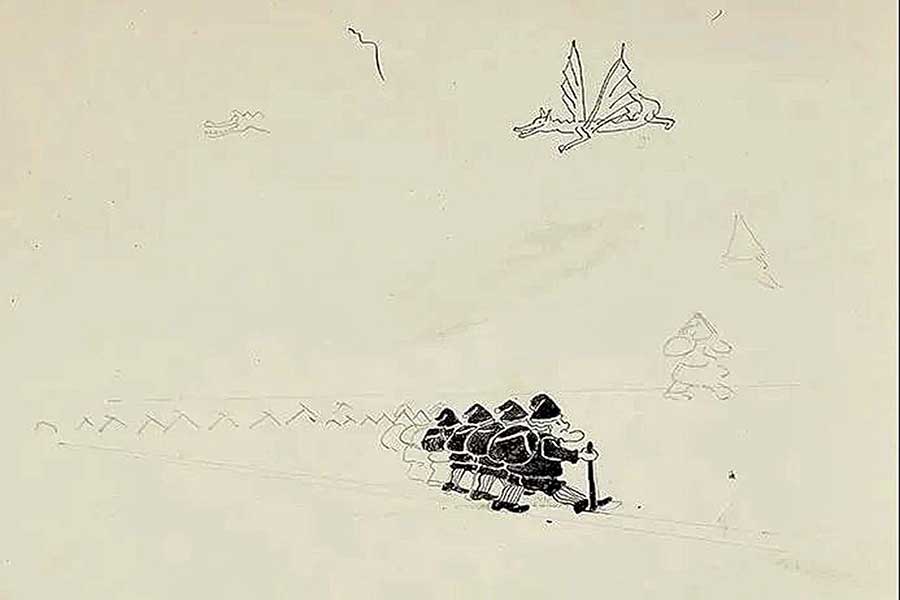
In an interview, Tolkien, while not specifically characterizing the Jews as warlike, nonetheless spoke to an explicit connection with biblical characterizations of the Jews, with the biblical narrative describing many wars of conquest, much as Tolkien does in The Return of the King, the third book of his trilogy; in a BBC interview, he referred to the immense warlike capacity of the Jews, which we tend to forget nowadays.

This inaugural printed Hebrew edition of the Prophets, with Kimhi’s scholarly annotations, was produced in 1485 by the esteemed Joshua Solomon ben Israel Nathan Soncino. This edition, which predates the Soncino family’s migration to Casal Maggiore, marked the completion of the family’s premier Biblical publication.

Captured by the Germans after being seriously wounded fighting for France during World War I, he was interned in a POW camp for two years, where he learned English from a fellow prisoner.

The poem was penned by Ber Oppenheimer, a prominent resident of Pressburg and a talmid chacham who authored Me Be'er, a sefer published in Vienna four years after the coronation.
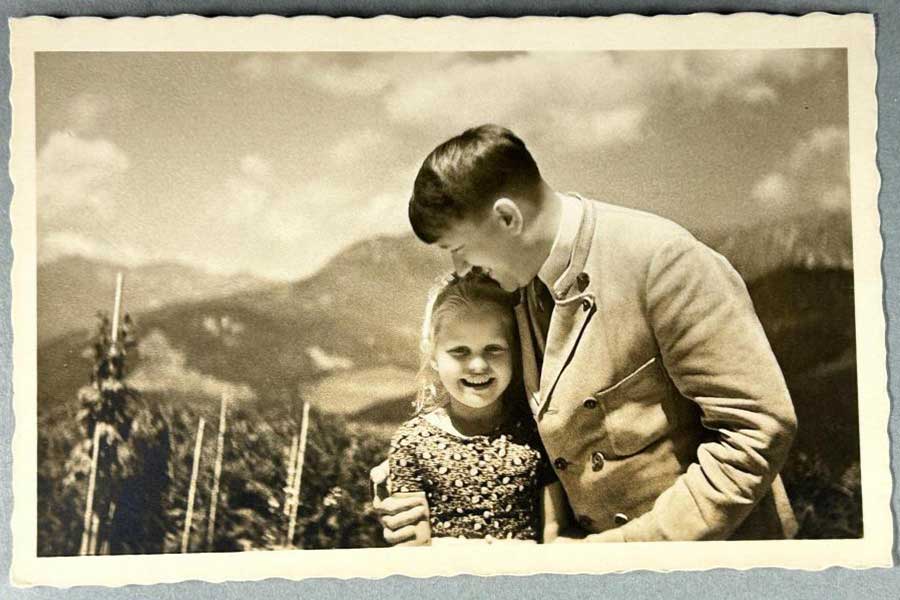
The story of the relationship between Hitler and Bernile had been generally unknown until the Alexander Historical Auction House auctioned this photograph to an anonymous, international buyer for a winning bid of $11,520 on November 13, 2018.

In his vehement denunciation of chassidut, he goes so far as to label it a cult. He writes, There is no respite from them… they make most of their days holidays… their prayers are unbearable to the ears… they produce various noises… like a monkey to man… G-d save us from them.
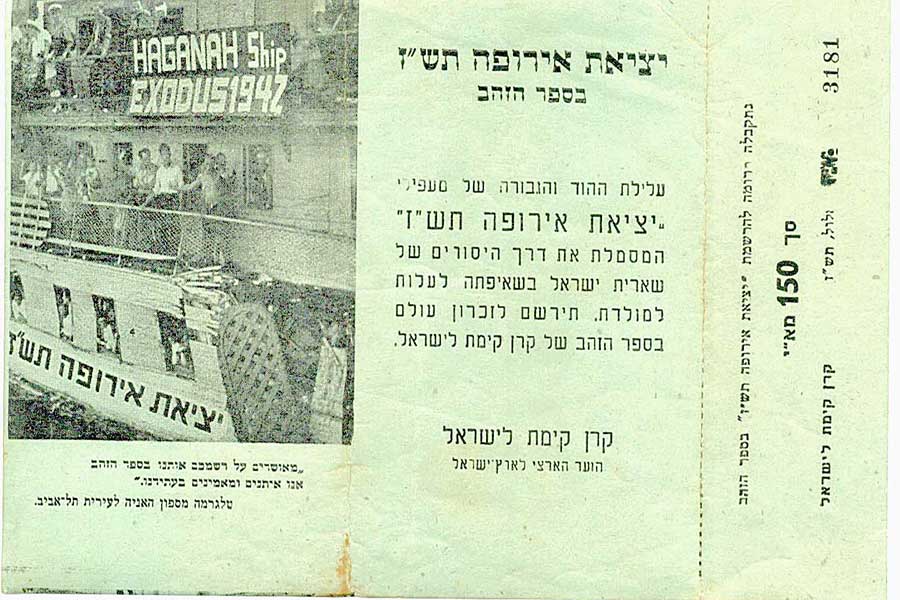
The Exodus, an old ferry boat originally called the President Warfield, became a symbol of Aliyah Bet (illegal immigration) – not to be confused with the Second Aliyah – as its famous voyage was designed to call the world's attention to the plight of the hundreds of thousands of Jews left homeless in the aftermath of the Holocaust.
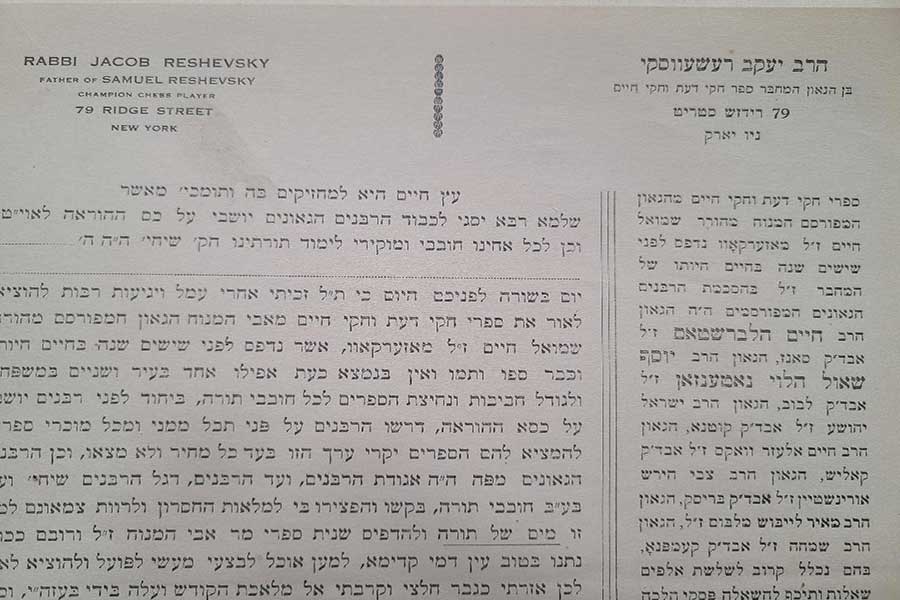
Perhaps most remarkable, however, was Reshevsky’s unwavering commitment to his faith as a devout and fully-observant Orthodox Jew. He dedicated a portion of each day to the study of Torah and steadfastly adhered to his religious principles, famously refusing to engage in chess matches on Shabbat.
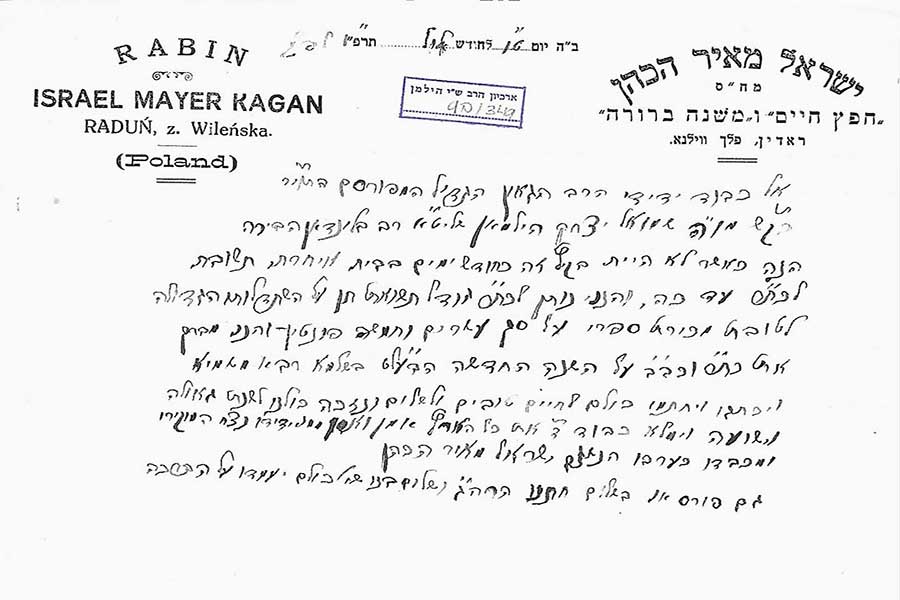
According to this list – again, highly arguable – the most valuable American Jewish signature is Albert Einstein. But who really is the most valuable American signature? It is not George Washington, or Thomas Jefferson, or Abraham Lincoln but, beyond any dispute, it is Button Gwinnett! (Who?)
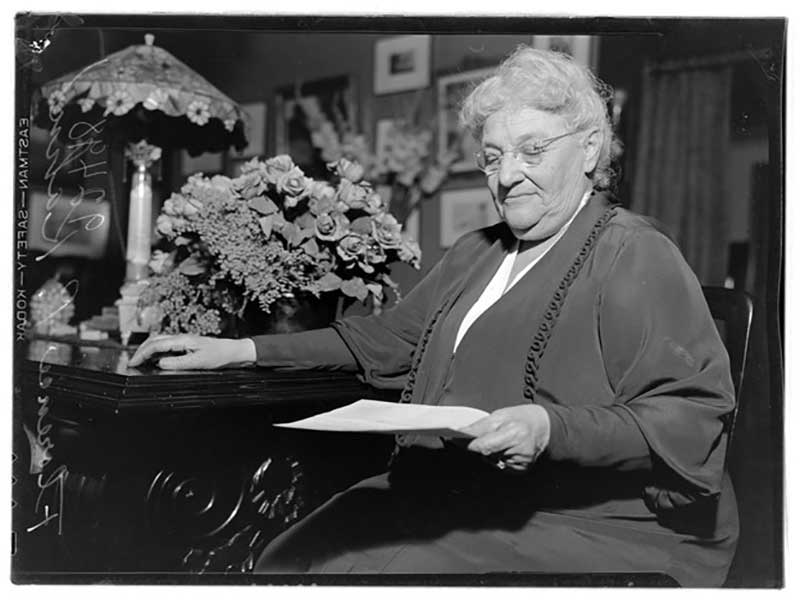
As one of the very few women in Congress, Florence, never considered herself a feminist and was never seen as a suffragette.

Remarkably, the paper used for this edition bears watermarks identifying both the manufacturer and the individual who commissioned it: EIGER.

When the stage production of Chitty Chitty Bang Bang premiered in London in 2002, it became the most successful stage show ever produced at the London Palladium and it ran for three-and-a-half years, the longest run in that century-old theatre's history.
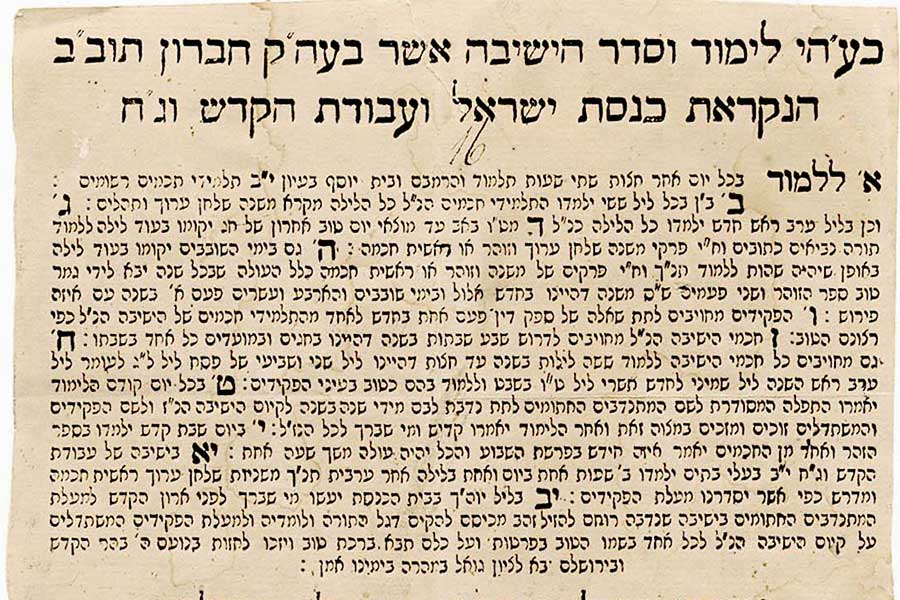
Titled Limud VeSeder HaYeshivah Asher Be’Ir HaKodesh Chevron [The study and order of the day of the yeshiva in the Holy City of Hebron], this eighteenth-century document forges a connection between the Holy Land and the Jewish communities of the New World.
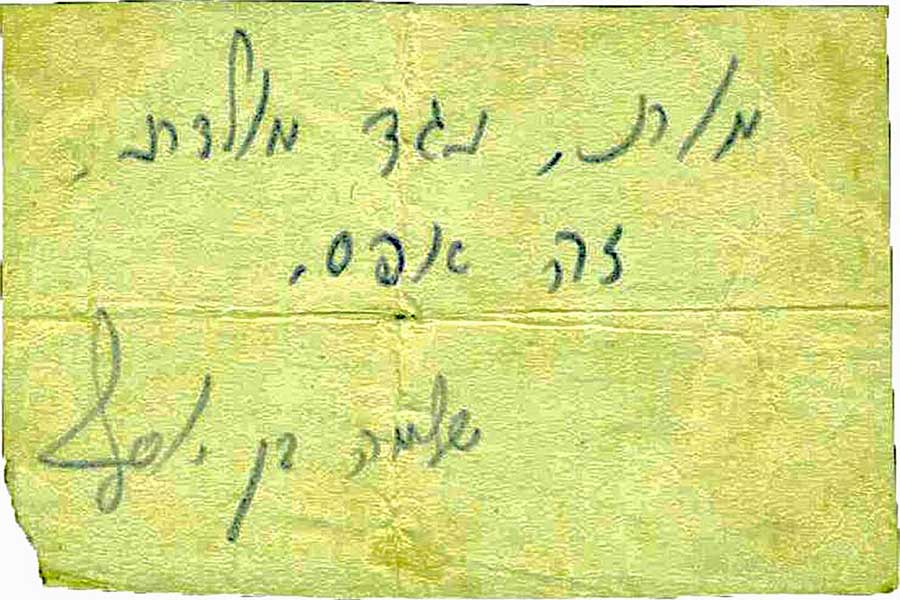
As the bus approached, Schein fired several shots before his gun jammed and, when Ben-Yosef tossed the grenade, it failed to detonate and the bus, with its 24 Arab passengers, drove away with its passengers unscathed.

Aleinu is never recited during Mincha. However, according to the earliest edition of the Machzor from 1486, Aleinu is indeed recited on erev Yom Kippur when Mincha is observed earlier in the day. This precedent suggests that Aleinu should always be recited when Mincha is scheduled early.
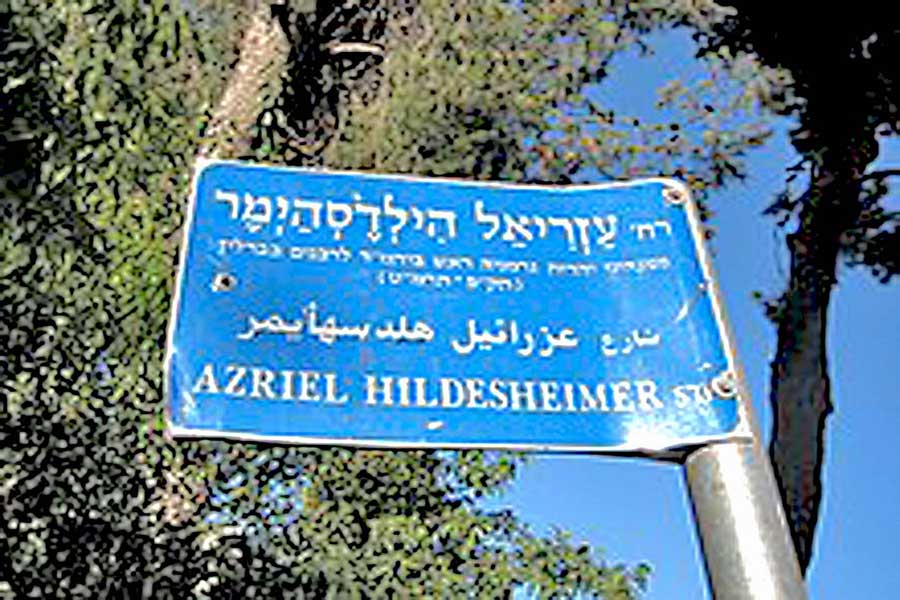
Simple in his habits, fearless, and having an unusual capacity for hard work, Rav Hildesheimer joined his great Talmudic learning to his practical administrative ability and, financially independent, he never accepted remuneration for his rabbinical activities.

Indeed, most of the 47 metal detector-find dreidels on display are of this design – but not all. I have come across six and eight-sided dreidels(!) as well, which I will expand upon.
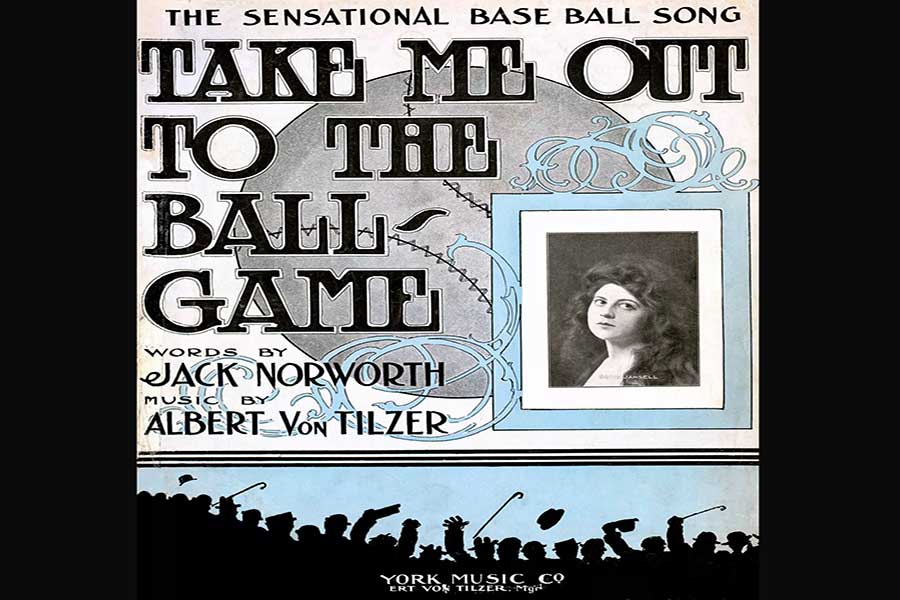
Take Me Out to the Ball Game brought Von Tilzer great fame and, by the 1920s, he was no longer writing for vaudeville. He was now composing full scores for Broadway and then, after moving to Hollywood in 1930, he wrote songs for motion pictures.
In 1747, Rabbi Gershon traveled to Jerusalem, becoming one of the first chassidim to establish a presence in the Holy Land. There, he aligned himself with the study of the Rashash and the Kabbalistic circle, immersing himself in the study of mystical traditions.
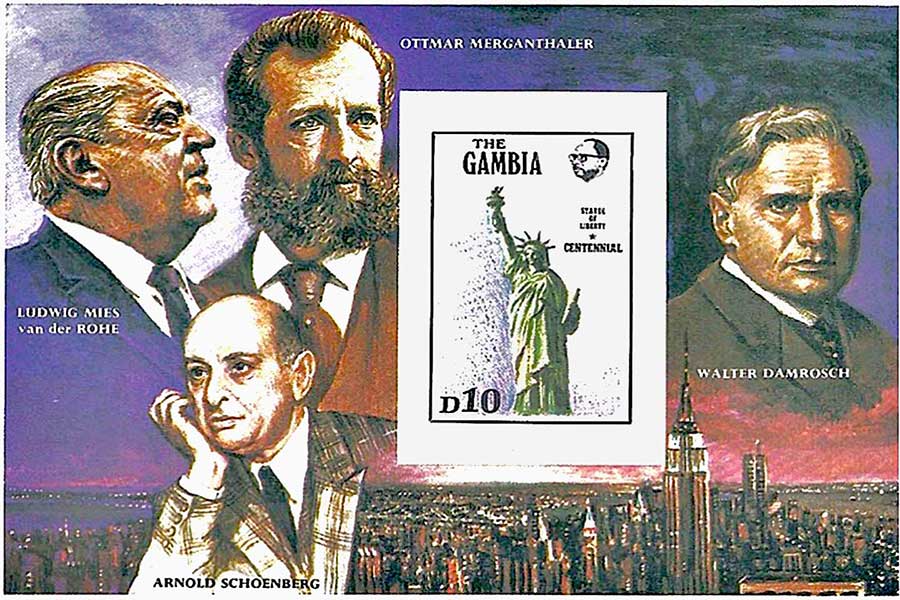
Klemperer was deeply affected by the plight of Jews during the Holocaust and was supportive of the State of Israel and Jewish cultural institutions. His decision to conduct the Israel Philharmonic Orchestra was partly driven by his connection to his Jewish roots and his support for Jewish causes, but he did not actively engage in Zionist political activities.

Although he drew an estimated 50,000 cartoons in his life, relatively few of them were related to the eponymous machines for which he remains best known.

While Jews in certain Western European countries were abruptly thrust into modernity during the 18th century, gaining access to universities and achieving a measure of equality as citizens, Italian Jews had enjoyed the privilege of university attendance for centuries.
When the British captured Savannah in December 1778, Levi lost almost everything, and after the Americans won their War of Independence and the Patriots regained control of the Georgia government in 1782, they banished him (he relocated to Charleston) and confiscated all his property.

Rabbi Hutner’s correspondence is imbued with the same rich, poetic, and heartfelt language that characterizes much of his literary style.
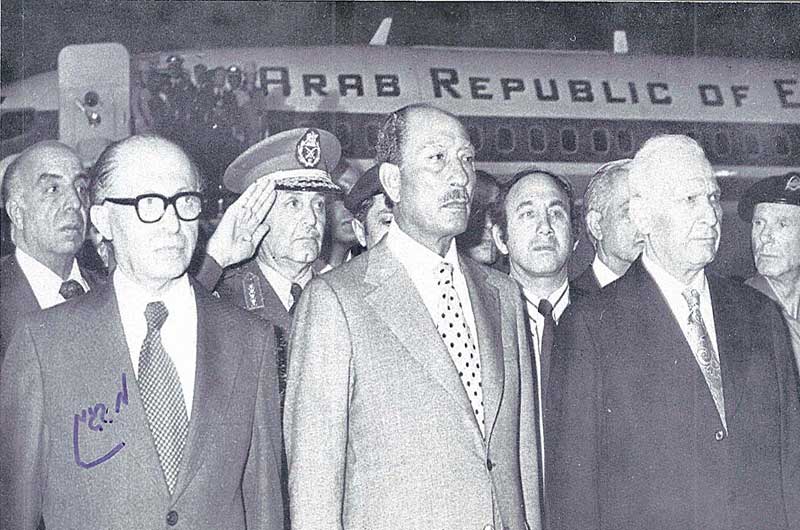
While it is virtually impossible to capture the essence and greatness of the man in a single article, or even in a full-fledged tome, I think that a good glimpse of who he was and what he represented may be gleaned through his correspondence.
Halachically, there is typically a requirement that a tradition of kashrut exists for a species, even if such a tradition is upheld by a community on the other side of the world.
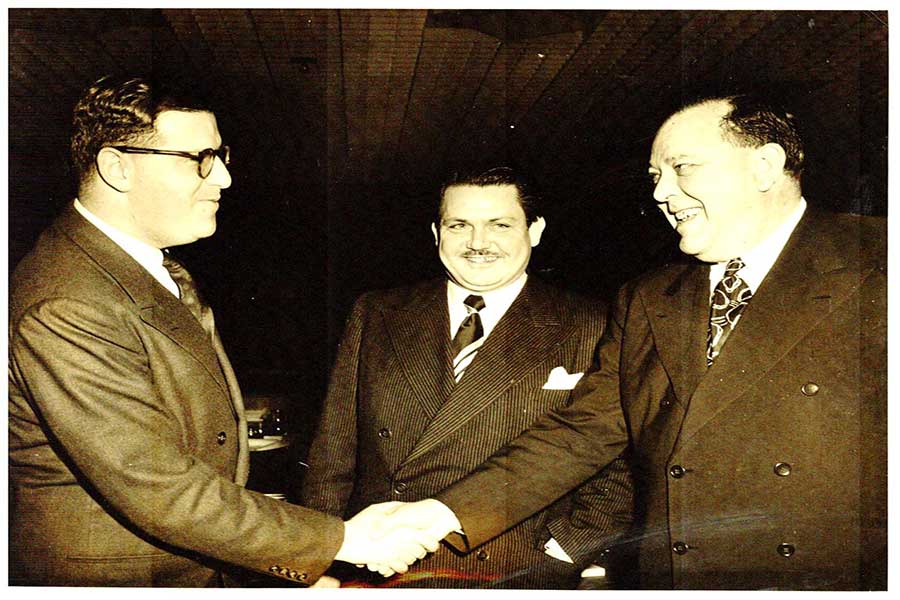
The odds against Israel seemed daunting, and many experts believe that it never would have made it through the Ad Hoc Committee (and ultimately, through the General Assembly) but for a passionate two-plus hour speech on May 5, 1949 by Abba Eban, Israel’s designee, to plead its cause.
Written by Pinchas Schon, on behalf of the Mirrer Yeshiva Association in New York, and addressed to Rabbi Eliezer Silver, rav in Cincinnati and head of the Agudas Harabonim, it pleads for his assistance in the rescue efforts.
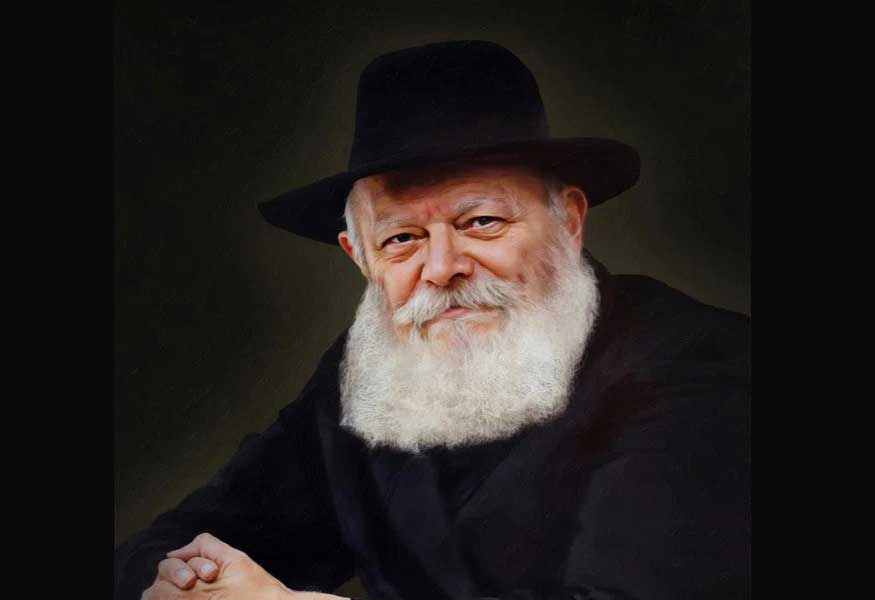
Presumably with Gelman’s assurance that the Shabbat Congress would be apolitical, the Rebbe did send a lengthy 22 Shevat (February 9), 1942 letter to the Congress, in which he emphasized the dangerous state in which the Jewish people find themselves...
The book itself is described by its author as the final revelation of G-d in which all answers to all remaining questions with respect to the Tanach were answered.
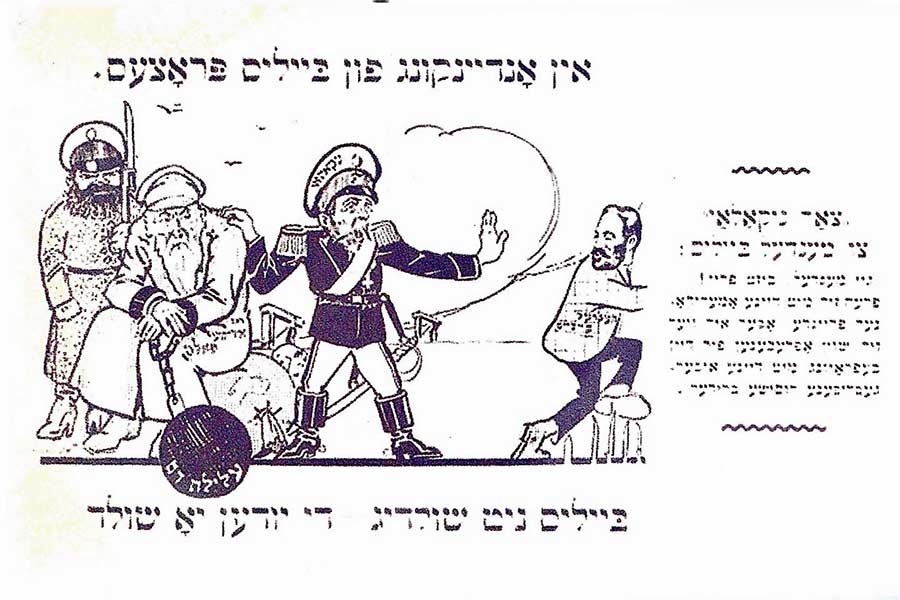
One significant obstacle that the prosecution faced throughout the case was that Beilis was broadly respected, even beloved, by the Gentiles in his neighborhood, some of whom referred to him affectionately as “our Mendel,” and their high regard for him as an honest man was such that many non-Jews either refused to testify against him or even testified in his favor.
One major halachic dispute, though, has left its mark in literature and history. The impetus was a publication which I recently acquired, titled Av Bachochma, authored by Rabbi Avraham Aaron Yudelovitz and published in New York in 1927.
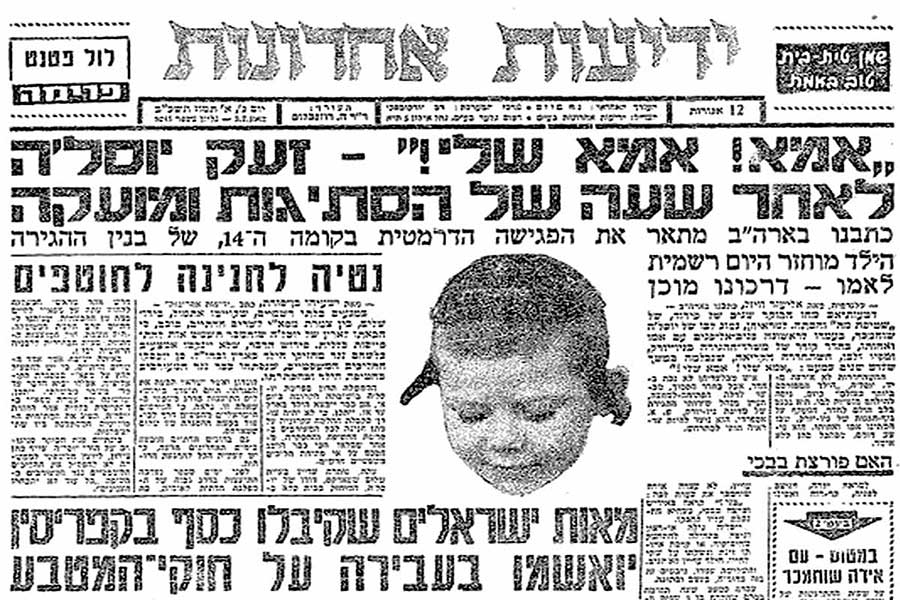
After the Affair, the Neturei Karta lost much of its public support and it never again tried to kidnap Jewish children to save them.
Originally designed for about 150 passengers, the Struma was retrofitted to carry almost 800 people, such that its sleeping quarters lacked space for the passengers to even sit up.
In the world of antique Judaica, it appears that containers made specifically for the purpose of holding an etrog is a rather late development, as the oldest verified etrog boxes... date no earlier than the 18th century.
A few years prior, an edition printed in Venice for Sephardic Jews did include Selichot, though, as well as the additional Kabbalistic texts, and various editions in the following decades contained a variety of combinations of prayers and readings.
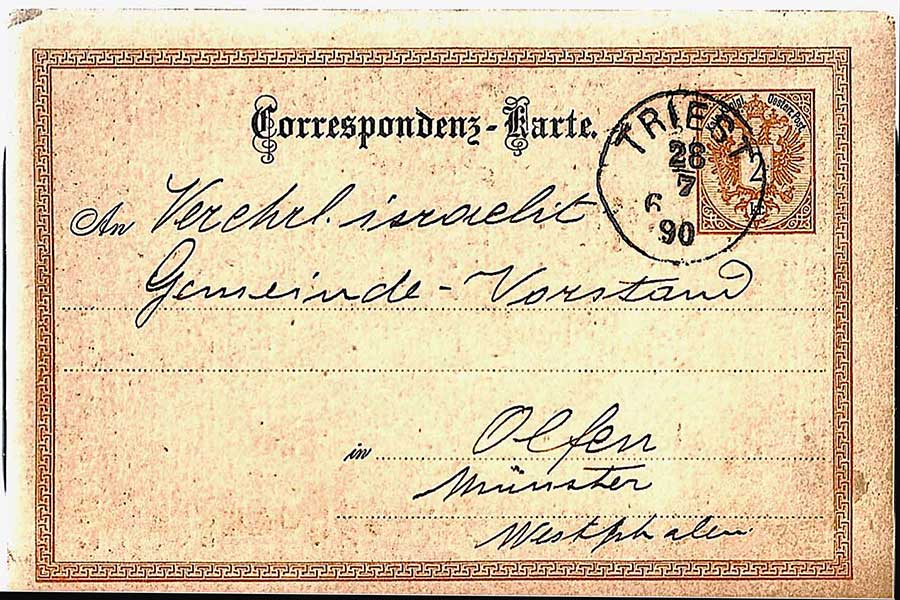
A mitzvah at once beautiful, mystical, symbolic, and deeply meaningful, analysis and discussion of its halachic and Kabbalistic essence are far beyond the scope of this article.
There is mention of the custom of kapparot already in the 7th century, but even then, the source we have states the reason for this custom is unknown.
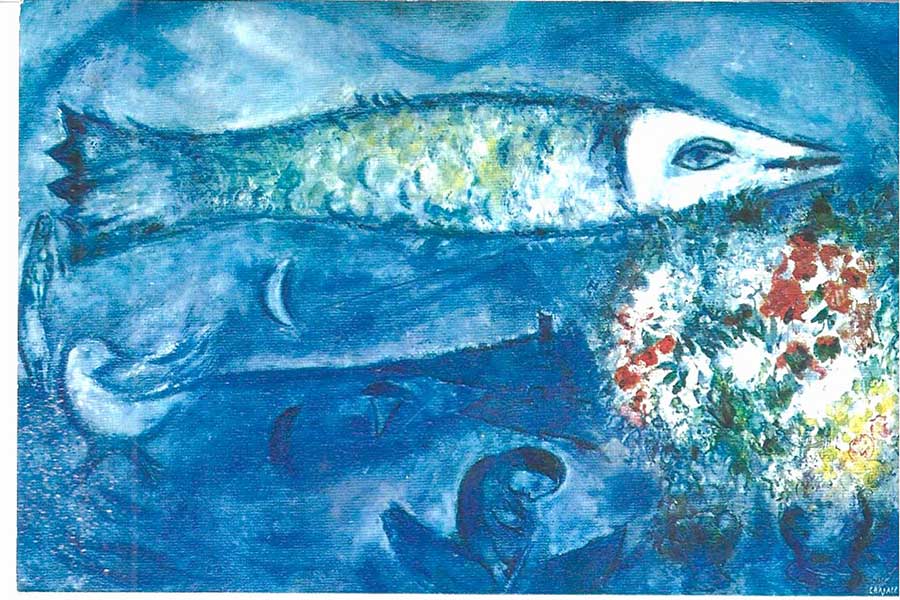
In a connection with Rosh Hashana – literally the head of the year – the fish head is a well-known symbol of the Yom Tov. In many Jewish legends, fish are also traditionally a sign of parnassah (prosperity), so the fish symbolizes our prayers that we be at the “head” of our luck and prosperity in the coming year.

These marranos who returned to Judaism openly were often adults, with little or no real Jewish education or knowledge. The need to integrate them in to the new communities resulted in a new phenomenon, siddurim that were completely in the vernacular, in this case the Spanish or Portuguese, of these new immigrants.
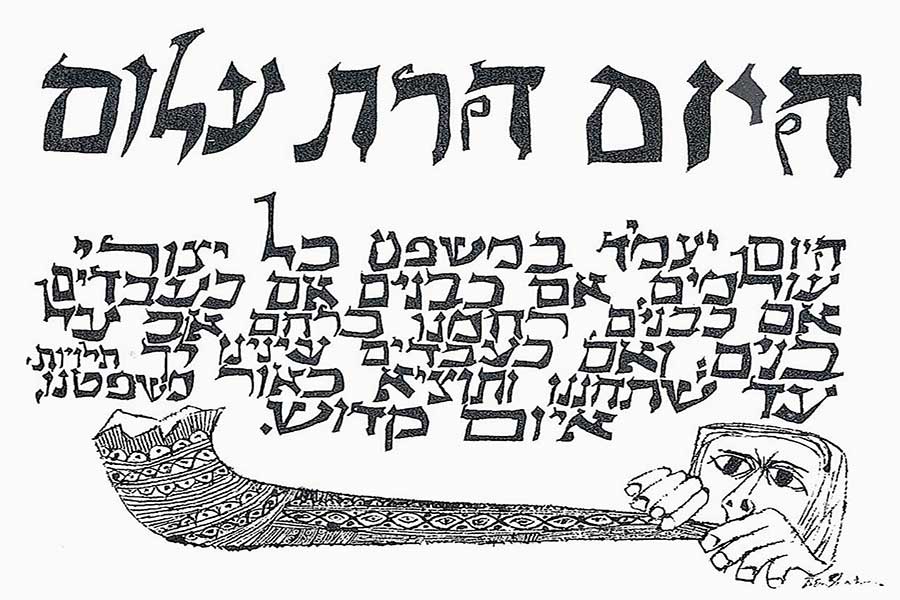
Raban (1890-1970), who acquired his reputation through the designs he made for Bezalel, was undoubtedly one of the most important artists in pre-State Eretz Yisrael.
In this correspondence written by Emmanuel and family members in Salonica and Curacao, familial matters are interspersed with much important historical material and records.
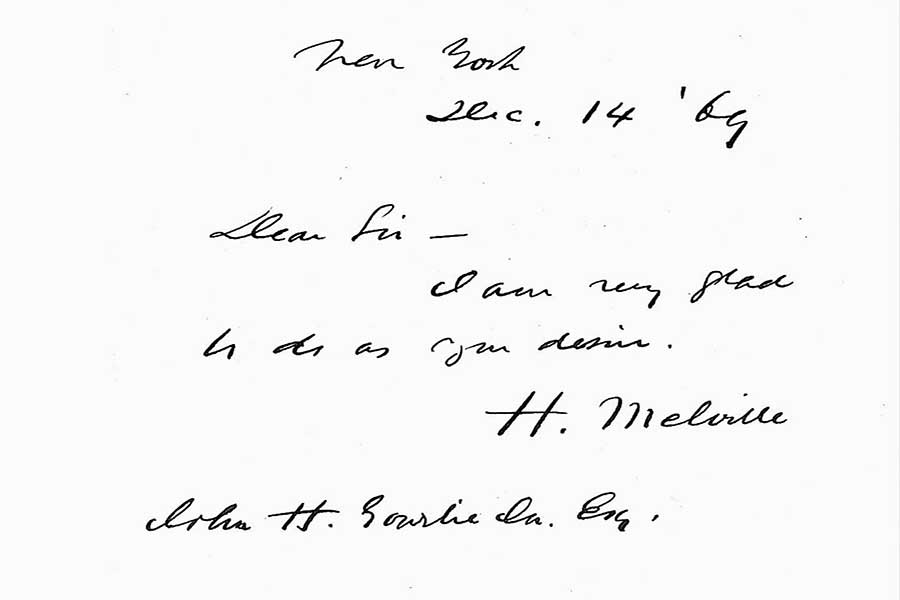
Some critics maintain that the poem was actually a prophetic pre-history of the Israel-Palestinian conflict, as Melville brilliantly considers the friction between science and issues of faith and doubt and the interplay between Jewish life and practices in the biblical past and presents contemporary Jewish life in the Ottoman empire in late-nineteenth century Eretz Yisrael.
I recently acquired a fine copy of a first edition of his Chochmat Adam, published in Vilna in 1815. His Chayei Adam, published prior, did not contain any approbation.

He believed that when Zionism succeeds in normalizing Jewish life, Hebrew writers would become capable of producing works of literate genius; as such, as a means to fulfill his vision of national revival, he devoted himself to encouraging Hebrew writers to compose works that blended Judaism with humanism.
By Adi
By re-imagining rehabilitation, ADI Negev-Nahalat Eran is advancing ability for all – empowering children, adolescents and adults with severe disabilities and pioneering cutting edge therapeutic and recovery services for anyone touched by disability.
Originally the censors focused on religious works, particularly Kabbalastic and chasidic works. However, with time, they took on a political bent as well, promoting ideas favorable to the government and eliminating any words of opposition that were suspected in any of the printed works.

Kipnis was a leading pioneer of the Diaspora-negating Zionist narrative and one of its most active proponents, and much of his work was purposely designed to replace Diasporan poems, stories, narratives, culture and traditions.
Kipnis was a leading pioneer of the Diaspora-negating Zionist narrative and one of its most active proponents, and much of his work was purposely designed to replace Diasporan poems, stories, narratives, culture and traditions.
The star attraction of the auction was The David Moss Haggadah, which is a masterful work of modern manuscript-making by the artist David Moss.
This week I acquired a copy of this now scarce title, titled Baruch Hagever, a memorial book for Baruch Goldstein, the perpetrator of the Hebron mass shooting.
To assure that its graduating students would not experience financial problems, the school paid each of them 1,000 francs, but that largesse proved unnecessary because virtually all of them quickly gained meaningful employment, in most cases very well paid jobs, because the skills that they had gained in Mikveh Israel were in high demand.
Following his elder brother's murder, the Baba Sali was appointed head of the community, but fearing continuing antisemitism, his family and much of the community moved to the town of Boudenib, where the yeshiva he led was resettled.
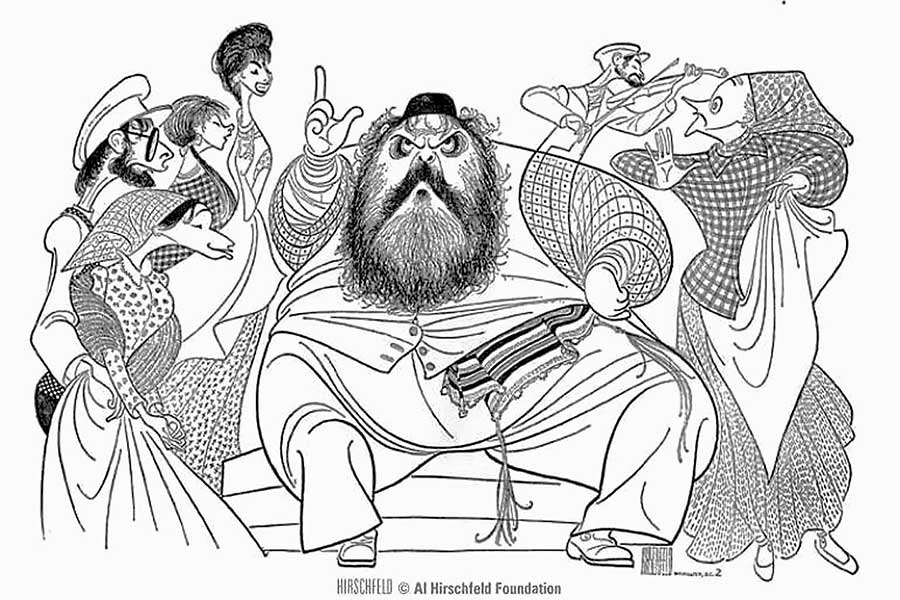
Perhaps as a result of what he himself characterized as his mother’s “made-up Judaism, Hirschfeld rejected Orthodox Judaism. Nonetheless, he always believed that he belonged to a great heritage going back through centuries, and I’ve always felt that I am very close to Jewish life, customs, food, even though I never attend synagogue. But I’ve never thought of myself as anything but Jewish.
These satirical works were written in the style and language of the Talmud, duplicating the layout and fonts of the standard Talmudic page, with a main text in the center flanked by commentaries in Rashi text.

Over the course of his life, his inventions and over 150 U.S. and international patents have contributed to the advancement of military defense, including tracking systems for submarines, and to television technology, video gaming, electronic toys, and other electronic consumer products.
In this poster, the organization expresses the idea that the majority of German Jews identify more with their German identity than with their Judaism, and that Zionists, who are not willing to assimilate, should be ousted.
Poe's best-known fiction works are Gothic horror, and his most recurring themes deal with questions of death and other macabre topics, such as its physical signs, the effects of decomposition, concerns about premature burial, and the reanimation of the dead.
A collection I acquired recently contained an unusual surviving document, an envelope sent by Leo Baeck from the Theresienstadt concentration camp, to Saly Mayer (1882-1950), leader of Switzerland's Jewry and the head of the Joint Distribution Committee in Switzerland.
As the sun set over Jerusalem the Golden, reunited at last, Jews of all backgrounds and ethnicities gathered at the Wall on Tisha B’Av for the first time in two millennia.
These rings appear from time to time in small auction houses that specialize in selling the entire contents of estates, and typically sell in the range of between $150 and $350.
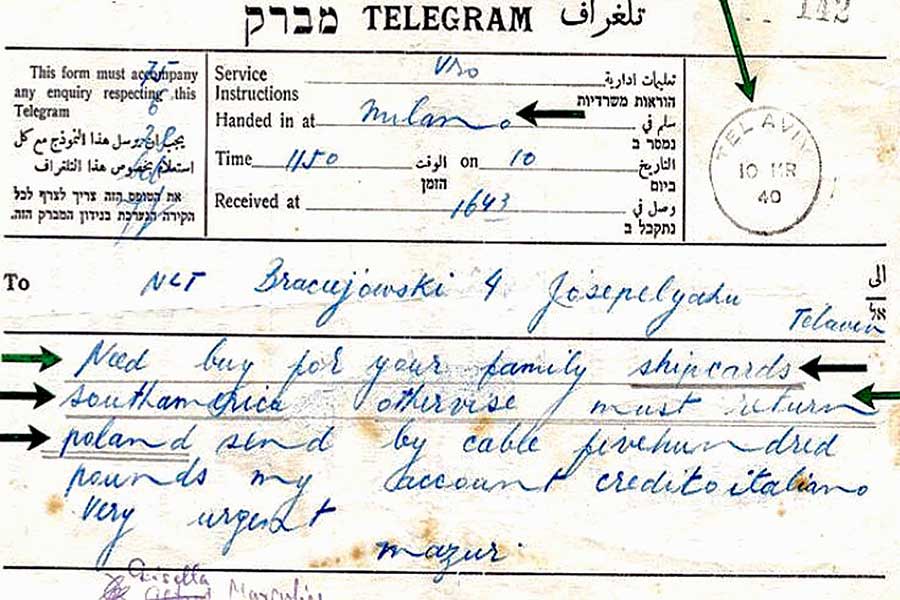
Two Western Union Telegrams I acquired recently tell the story of one Jew that managed to escape from Poland and some of the challenges he encountered.
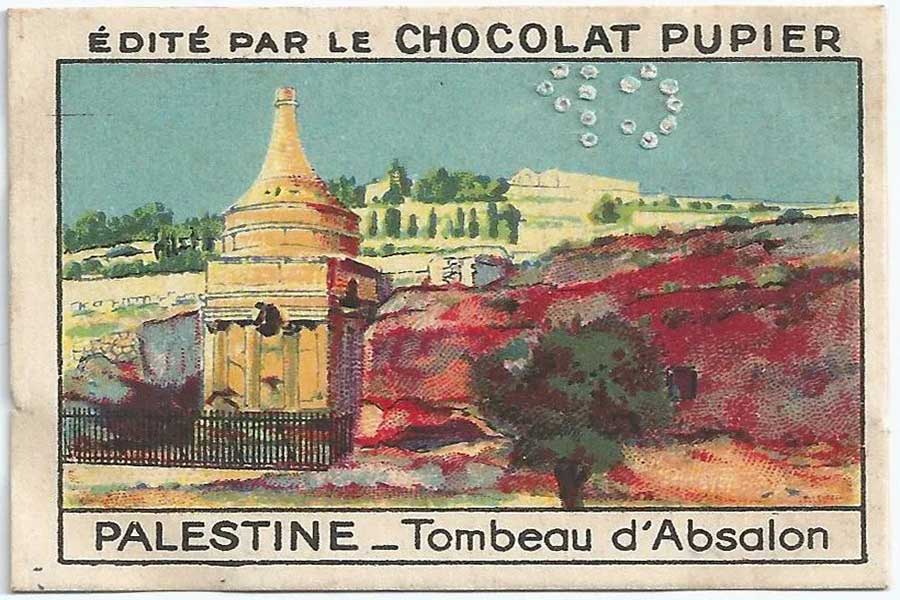
While it is now known that Yad Avshalom was built about 1,000 years after the death of the Biblical Avshalom, it is not known who commissioned the monument – although the Biblical account in Shmuel Bet (2 Samuel) suggests that it was built by Avshalom himself, as discussed below.
A series of documents I acquired recently tells one such situation, where a woman who survived the war, but whose husband did not, spent several years dealing with the halachic ramifications that resulted.

Over a century before the Holocaust, Rav Alkalai predicted that 1940 would be a year of great hardship with an outpouring of wrath that will lead to the gathering of our dispersed in Eretz Yisrael and urged Jews to make aliyah voluntarily before this catastrophic event forced them to settle in Eretz Yisrael.

The Ottoman Empire, which gained prominence and world power in the 14th and 15th centuries and on, had a significant effect on the Jews of the era, and for many centuries served as a relative safe haven for its Jews.
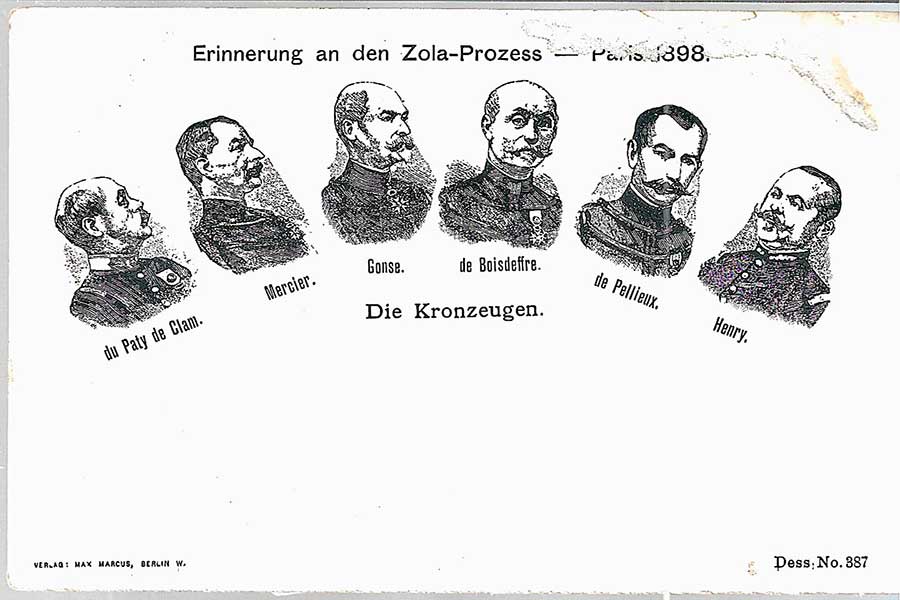
The focus of the miscarriage of justice against Dreyfus has always been upon the fraudulently-obtained Dreyfus handwriting sample, but it may have been du Paty de Clam’s bogus telegram that was outcome determinative in Dreyfus’s conviction by the tribunal.
The recipient of the letter was Rabbi Aharon Mendel HaCohen (1866-1927), a native of Tiberias who served as Chief Rabbi of the Ashkenazic community in Cairo for decades. He is best remembered for his ambitious attempt of renewing the Sanhedrin and reinstating the semicha.
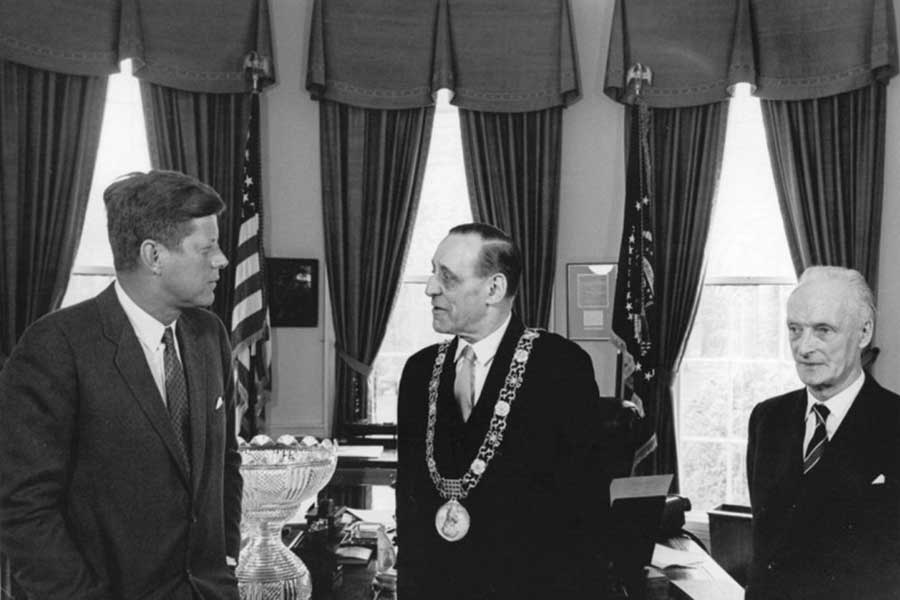
When WWI broke out in 1914, he was arrested as an enemy alien and was later released in a prisoner exchange; in his memoir, he notes the irony of his freedom being secured through the intervention of the Pope’s Nuncio on behalf of a Jewish boy he had never seen.

Some of his many achievements include his promotion of Shabbat observance in Germany, and his role as editor of a monthly journal titled Der Sabbath from 1910 until 1914 – when WWI ceased publication.
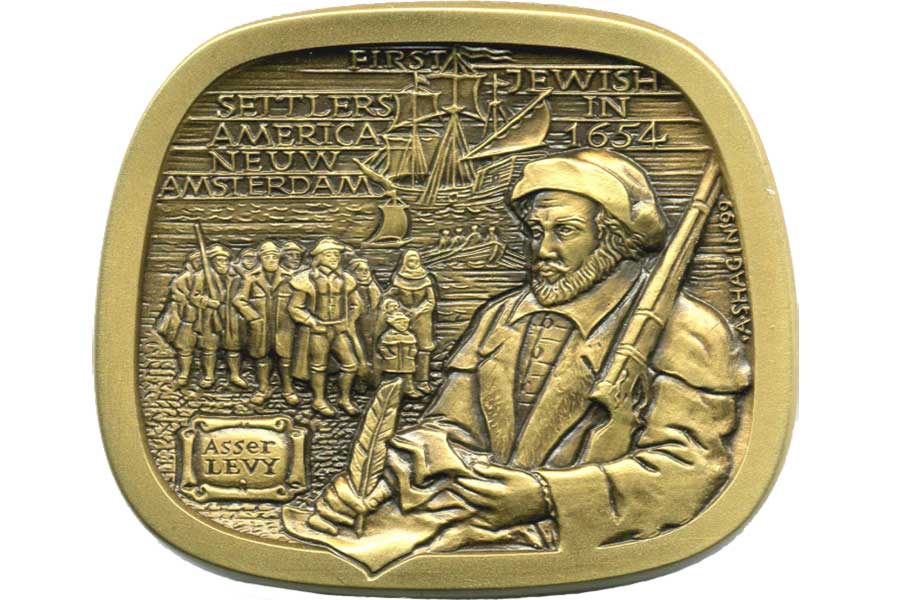
Leading the antisemitic discrimination against the Jews in New Amsterdam was Stuyvesant, who was strongly committed to the supremacy of the Dutch Reformed Church, determined to promote morality and social cohesion through the enforcement of Calvinist orthodoxy, and unwavering in his desire to deport Jews from the colony.
Soviet Russia's complex pact, and later disbandment, with the Nazis left a troubling legacy in Soviet Russia, and mention of the Holocaust and the murder of Jews was forbidden.
Some authorities suggest that he adopted his views on Jews because he understood Judaism only through the lens of Christianity and that he reduced Judaism to a religion without considering its nationalistic character and, as such, he excluded Zionism from the Jewish identity.
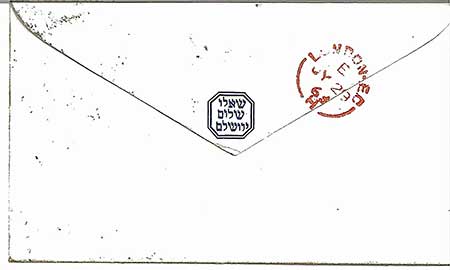
One particularly memorable item was a photocard of himself and his crew standing in front of the Sphinx on which he has written In Mitzraim just at the right time of year; expect to be in Palestine for Pesach.

This collection, originally gathered by Solomon Schloss (1815-1911), had one of the most remarkable provenances a collector or institution could hope for – namely, that all the items had a highly detailed, provable pre-war provenance.
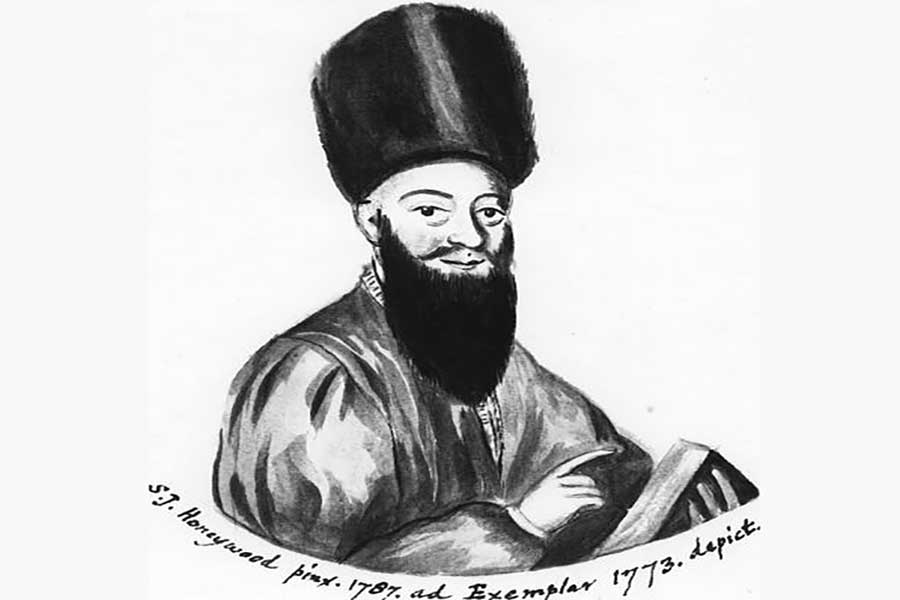
The oldest surviving Yale seal may be found on the 1749 master’s diploma of Reverend Ezra Stiles, who went on to serve as Yale’s president (1778-1795).
In Ma'aseh Tuviah, Kohn discusses Copernicus's system but finds it incompatible with Jewish teachings.

What was published, though, was nearly all after his passing, and much of it is obscured in the murkiness of what was authentic, what less so, what was expounded from his teachings and what was a commentary by his disciples.
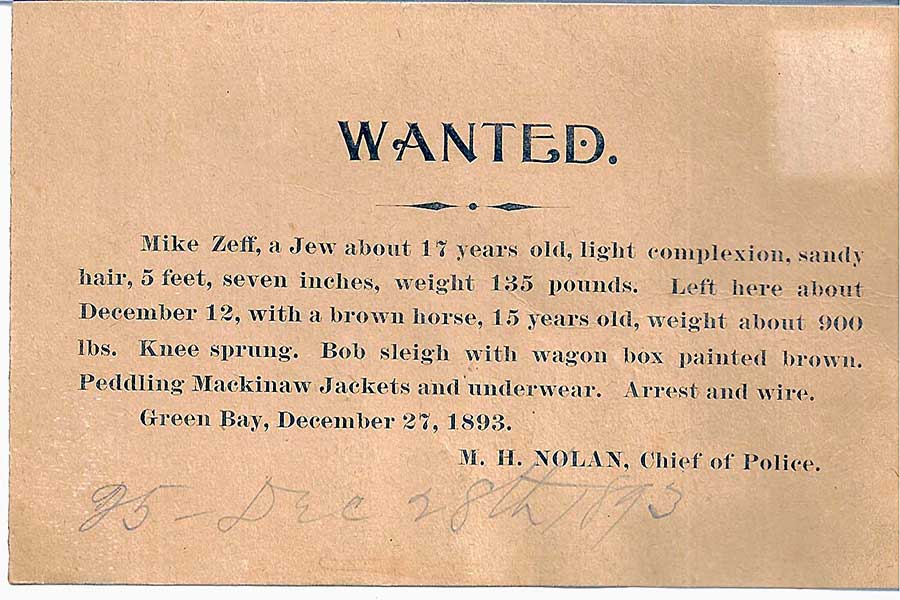
my favorite tale of a Jewish horse thief is Sholem Aleichem’s generally unknown Moshkeleh Ganev (Moshe the Thief), which he serialized in twenty episodes in a Warsaw Yiddish daily before it was published in book form in Warsaw (1913) and, after Aleichem’s death in 1914, in Kiev (1927).
 October 2, 2026