יום שלישי, ט׳ חשוון תשפ״זTuesday, October 20, 2026



Follow Us


Every Friday night at the Shabbat table, Jewish men display their hakarat hatov for their particular "woman of valor", by singing an ode to her that describes in great detail her many meritorious attributes and activities.

When people hear the term "lashon hara", they automatically associate it with gossip. Speaking about someone behind their back to others, usually in a manner that is denigrating and unflattering, often describing alleged activities or doings that put the subject of the discussion in a rather negative light. This is the ultimate interpretation of lashon hara.

Purim is just a few days away, and Jews young and old are gearing up to celebrate this most festive of holidays, during which all will eat, drink and nosh merrily and in great relief over our come-up-from-behind triumph against a vicious Jew hater whose goal was to annihilate the Jewish people, but who instead had the tables turned against him in a dramatic and unforeseen manner. Sadly, bullying is alive and well in the 21st century afflicting all societies and the individuals that comprise them. For those who think that our heimishe communities have been spared the scourge of bullying - it's time to get their head out of the cholent.
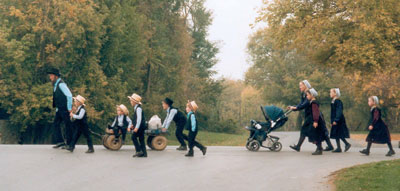
If certain elements of the charedi community have issues with the way women dress, let them figure out a way to alleviate their obvious spiritual and mental distress in a way that does not encroach on other people’s rights. It's their problem - they need to resolve it, instead of demanding that a huge segment of society change their lives and the way they do things just to accommodate them.

A friend of mine recently came back from visiting her son and his family in Israel. As a bunch of her friends joined her for coffee and an update – several of them also have children who made aliyah - she shared with us her frustration at not being able to communicate with her school-age grandchildren.
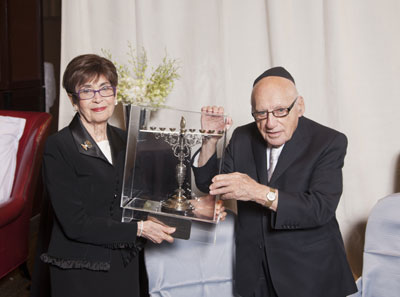
Every Friday evening, in Jewish homes across the world, the question is asked, "Eishet chayil mi yimtzah – The woman of valor, where can she be found?"
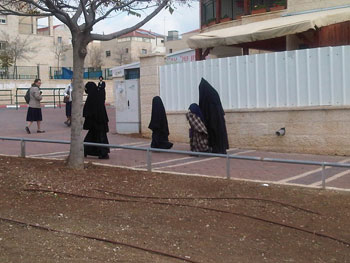
Charedi rabbinical leaders in Israel, and I imagine globally, are greatly perturbed, even horrified by the “chumrah” some Orthodox Israeli women have taken upon themselves – that of covering their bodies up in a manner similar to traditional Muslim women, who wear head to toe, shroud-like black burkas.
 October 16, 2026