יום ראשון, י״ז אלול תשפ״וSunday, August 30, 2026



Follow Us


By Jewish News Syndicate (JNS)
Syria’s de facto leader called Jerusalem’s criticism “nonsense” in an interview with Reuters.
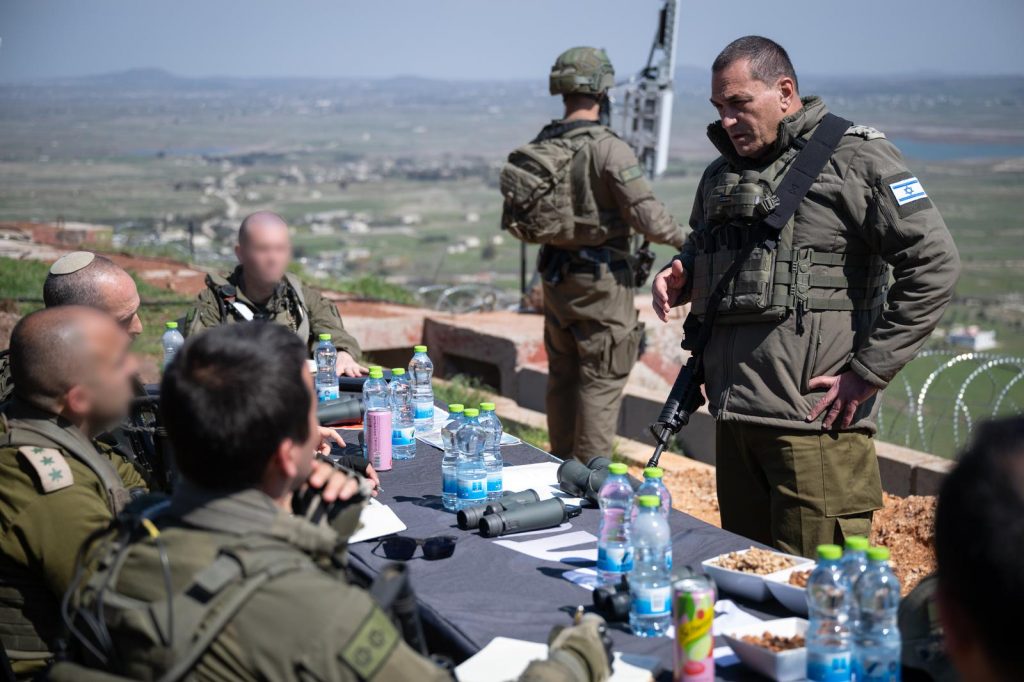
“They are carrying out genocide and ethnic cleansing, mainly of the Alawite minority, and all on a sectarian and religious basis,” the journalist said.
By JNi.Media
Accusing other Muslims of being takfiris is a sectarian slur, used heavily since the start of the Syrian Civil War in 2011.

Hezbollah is on the course of self-destruction but is bringing Lebanon down with it.
Human Rights Watch recommends that any party with the power to do so should do all it can to keep weapons from reaching the brigade.
By Barry Rubin
A new paper at a Muslim Brotherhood-associated think tank has admitted that Israel is not the primary "threat" to Arab culture fingering Iran instead.
The conflict between the Sunni Muslim Brotherhood and its allies and the self-described Alawites is the rupture in "broken" Syria – and it is not new.
Israel and Turkey are the two neighboring countries that will not allow a fanatic and totalitarian regime to reign in the region.
By Barry Rubin
Despite the current policy's serious problems and visibly dangerous outcomes there is no major debate it.
Understanding that Iran has interests around the world which go beyond preserving his autocratic regime should be a hard reckoning for Bashar Assad, who has been loyal to the Mullahs and their agenda.
Arabs outside of Israel envy Arab citizens of Israel, labeling them "Arab al-Zibda," or "whipped cream Arabs."

By Barry Rubin
Once the rebels start consolidating rule, as happened in Egypt, there will be increasing examples radical Islamist control which the West will ignore.
It is reported that U.S. officials admit that there is no way to prevent Assad from using the chemical weapons that were prepared.
By Harold Rhode
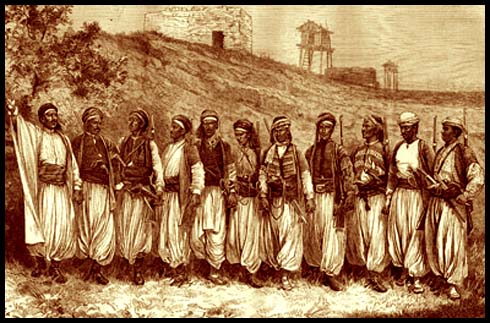
The Alawites are a small, historically oppressed people, whose political future will determine whether Syria remains united in some form or disintegrates into even smaller ethnic and religious entities. As they will play such an important role, America, Israel, and other forces interested in the future of Syria might do well to get to know them, their concerns, and how others can best come to terms with them.

Many of the problems of the Middle Eastern states can be traced to the mistakes of the European state charged with developing them between the World Wars. The fierceness with which the Alawite minority - led by Bashir al Assad - will fight to retain control can be explained by their fear of Sunni Muslims. Way back in 1936, Assad's grandfather, Suleiman Assad warned France, which was then the power in charge of Syria, of the dangers of a Sunni Muslim takeover of Syria in 1936. He also spoke warmly about Jewish accomplishments in then Palestine and the injustice of Arab-Muslim violence towards Zionism.
Bushra al-Assad, sister of Syrian President Bashar al-Assad, has fled Syria with her children, an informed source told Al Arabiya English on Tuesday. Her husband, Assef Shawqat, who was the deputy chief of staff of the Syrian military, was assassinated in July. According to the opposition website All4Syria.info, Bushra left Syria to Dubai. Apparently she […]
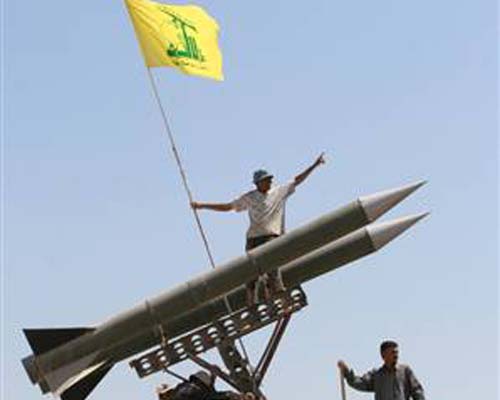
Hezbollah now has 60-70,000 rockets, according to Maj.-Gen. (ret) Amos Gilad, a former IDF Spokesperson and Coordinator of Government Activities in the Territories, who delivered a major speech last week at the World Summit of the International Institute for Counter-Terrorism in Herzliya, Israel, which ended yesterday. "The next war will be aimed against the home front," he said. But Iran, which backs and has been arming Hezbollah may be a greater threat. In a paper from May 2012, Gilad said however that the "the main issue today is how to prevent a nuclear Iran."
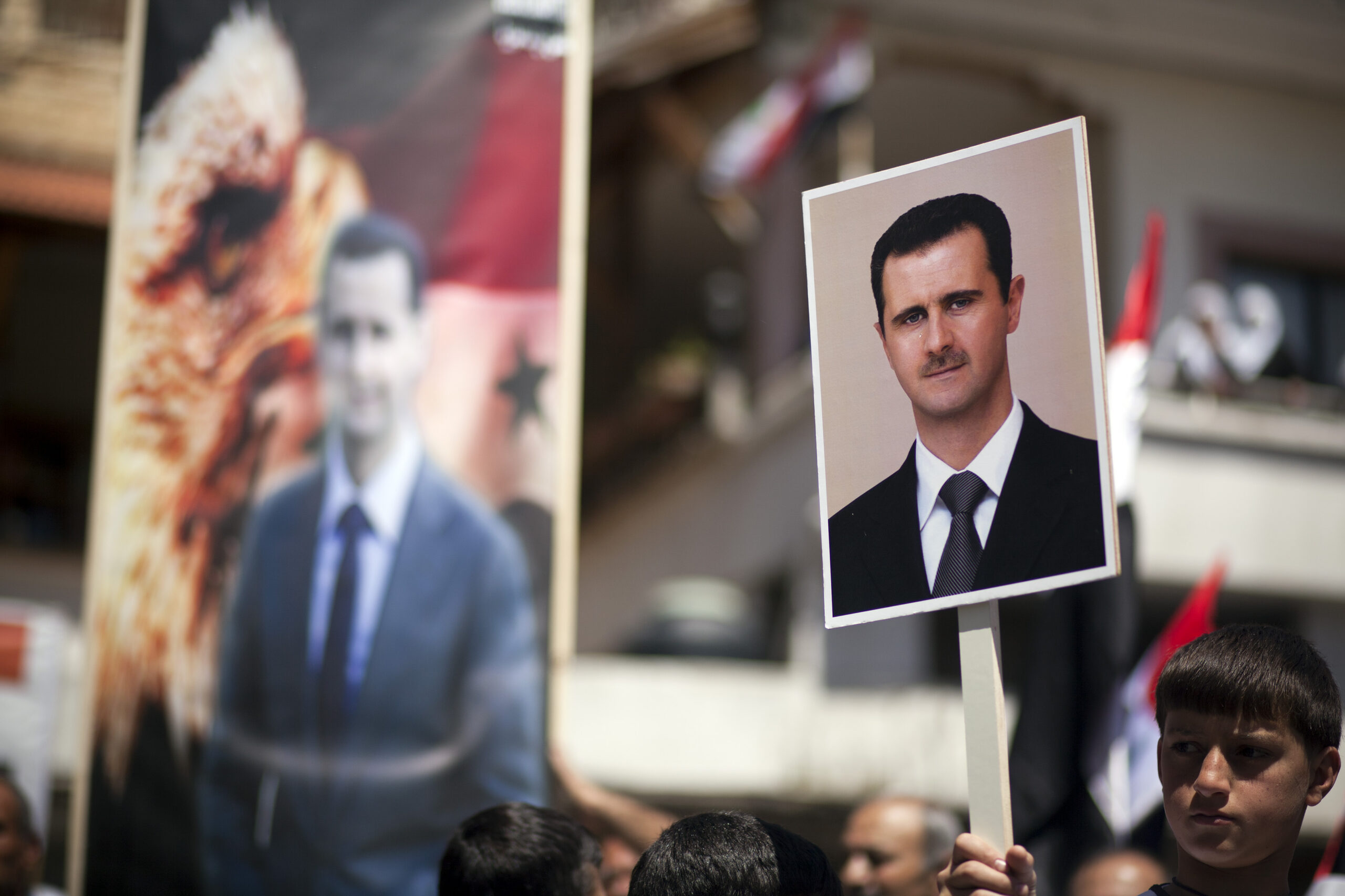
The situation in Syria is deteriorating quickly, and the state is literally disintegrating. The cracks in the government are widening; ambassadors, generals and soldiers are deserting, some branches of the Ba'ath party are announcing their secession from the regime, the Russian advisers are fleeing for their lives and the feeling that the end is near is taking hold more and more. Not the end of Asad, but of Syria. Not the regime, but the system.
By Barry Rubin
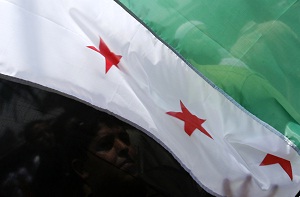
The tide seems to be turning in Syria. While the civil war is far from over, the regime is clearly weakening; the rebels are expanding their operations and effectiveness. There have also been more high-level defections. What does this mean and why is this happening? There are three main factors that are making a rebel victory seem more likely.

What will Syria look like the day after Bashar al-Assad's downfall?
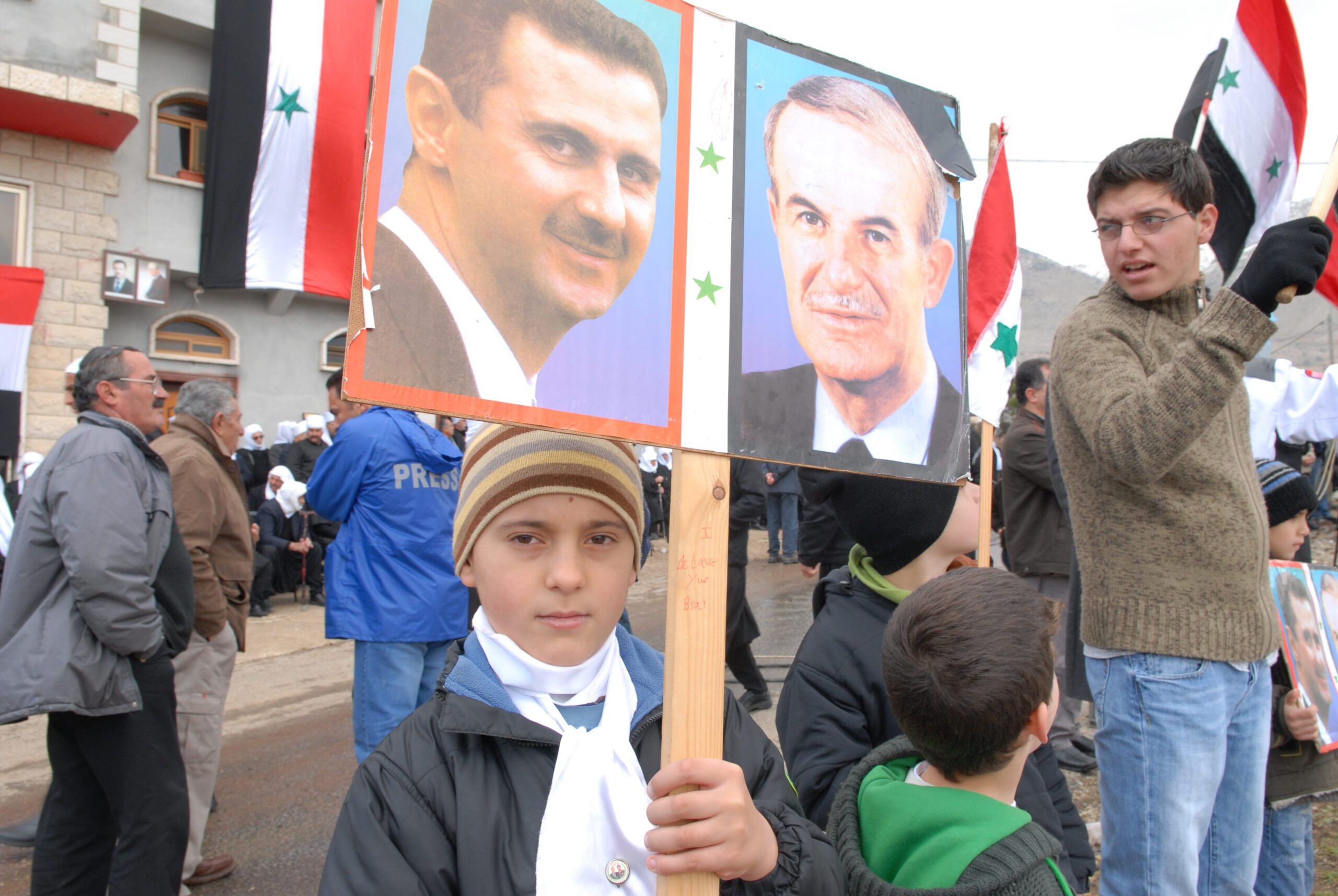
The “Syrian people” is a composite of Sunni Muslims, Alawites, Kurds, Druze, Turkmens and Circassians.
 August 28, 2026