 September 18, 2026
 The Finest Generation


In the modern world, financial accounting generally operates on an annual cycle. Companies issue yearly financial reports. Individuals file annual tax returns. Banks provide year end statements detailing activity, gains, and losses. Once a year, we stop and take financial stock.
The Torah establishes a different rhythm for agricultural obligations. The cycle of terumot and maasrot unfolds over three years. During the first two years, maaser sheni is separated, while in the third year it is replaced by maaser ani, the tithe designated for the poor. At the conclusion of each three-year cycle, a person must ensure that all outstanding tithes have been properly distributed.
On the final day of Pesach following the third year, a person formally declares that he has fulfilled these obligations according to halacha. At its core, this declaration is a financial and moral accounting. He looks back over the previous years and affirms that the portion of his produce belonging to others, including the poor, has reached its proper destination.
Confessing Success
Yet our tradition gives this ceremony of accounting a striking name: Vidui Maaser, the confession of the tithes. We generally associate confession with sin, failure, and regret. Here, however, a person confesses what he has done correctly.
This atypical use of the word vidui suggests that confession encompasses something broader than admitting wrongdoing. It means taking an honest account of ourselves before Hashem. A genuine self-assessment cannot focus only on our failures. It must also acknowledge our strengths, our accomplishments, and the obligations we have successfully fulfilled.
Honest Accounting
For many people, this is harder than it sounds. We are often more comfortable cataloguing our shortcomings than acknowledging our accomplishments. Religious seriousness can intensify that instinct. We worry that recognizing our strengths will lead to complacency or self satisfaction, and so our attention naturally gravitates toward what remains unfinished, where we have fallen short, and what we still need to improve.
But honest accounting cannot be selective. Just as exaggerating our virtues distorts the truth, ignoring them does as well. We need to identify the habits that require change, but we also need to recognize the values we have already internalized and the responsibilities we have learned to carry.
Vidui Maaser asks us to stand honestly before Hashem, conscious of both our failures and our faithfulness. Only then do we raise our eyes heavenward and ask Him to look down upon His people and bless them. Honest self-accounting becomes the prelude to prayer.
Vidui in Elul
As we enter the period of Elul and the High Holidays, confession will take center stage in our efforts at teshuvah and self improvement. Obviously, our vidui will focus upon our flaws and weaknesses, identifying areas that require improvement and personal growth. This is as it should be. The road to change begins with honesty and acceptance rather than denial and self-deception.
However, we must avoid diminishing ourselves by focusing solely upon our failures while ignoring the areas in which we have succeeded and grown. For teshuvah to be authentic, it must embrace the entirety of our experience, both our achievements and our shortcomings. Otherwise, vidui risks becoming a ritualized catalogue of failure rather than an honest encounter with the self.
There is another reason this broader accounting matters. Recognizing our strengths is important not only because it gives us a more truthful picture of ourselves, but because those strengths can become the basis for further growth. Just as refusing to acknowledge our weaknesses prevents teshuvah, failing to recognize our strengths leaves us unaware of what we already possess and can build upon.
A National Accounting
What is true of individuals is also true of generations. As we stand before Hashem, we stand before Him not only as individuals but also as a people. Hashem governs the destiny of nations, and certainly the destiny of the nation He chose to represent Him in this world.
Our generation has its share of moral and religious failures. We have fallen short collectively, and there are national sins and shortcomings for which we must seek forgiveness.
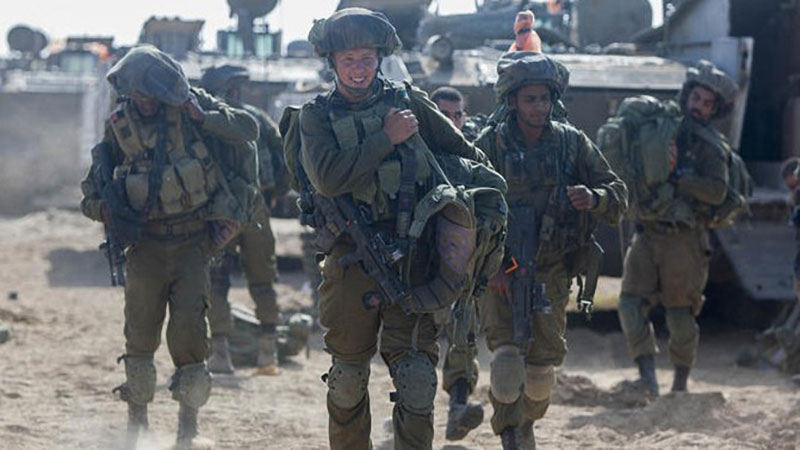
Yet ours is also a generation of giants, one that has heroically defended our nation under attack for three years. This struggle has placed enormous strain upon us collectively, and still we refuse to relent in our responsibility to defend the land Hashem restored to us.
A truthful national accounting must make room for both: our failures, but also the courage, sacrifice, and responsibility this generation has displayed.
Have the Generations Diminished?
One religious instinct can sometimes make it difficult for us to speak this way about our own generation. There is a phrase in our tradition that is sometimes applied too broadly: nitkatnu hadorot, literally, “the generations have diminished.” In certain areas this is unquestionably true. Generations closer to the original transmission of Torah possessed a more authoritative understanding of its meaning and halachic structure. We therefore defer to earlier generations and grant their rulings greater weight in determining halachic practice.
Presumably, generations closer to revelation also possessed greater spiritual and moral potential. Living nearer to the direct transmission of Hashem’s word created possibilities for religious refinement and moral greatness that later generations may find more difficult to attain. But greater potential does not guarantee greater performance. Tanach itself records the devastating moral and religious failures of generations that lived far closer to revelation than we do.
But decline in authority or spiritual potential does not mean decline in every form of Jewish commitment, courage, and sacrifice. The principle of nitkatnu hadorot cannot mean that every succeeding generation is simply a pale shadow of the one before it. The past several generations have displayed extraordinary greatness. We rose from the ashes of the Holocaust, rebuilt Jewish identity and Jewish communities, restored Jewish sovereignty, and transformed a vulnerable young state into a powerful and flourishing country under almost unimaginable pressure. The past three years have only reinforced that truth. Our people have stood courageously against enemies intent upon destroying us and against a global resurgence of hatred toward Jews. A generation capable of such courage, sacrifice, and commitment can hardly be described as a generation of diminished Jews.
During the coming weeks, we must make room for this as well in our emotional and religious self-assessment. Alongside our collective failures, an honest vidui must acknowledge our courage, resilience, and self-sacrifice. And perhaps we should do more than acknowledge these achievements; they should also shape the way we pray. Without arrogance or irreverence, we can approach Hashem with a measure of humble confidence, pointing to the extraordinary courage our people have shown in defending the land He promised us and the people He chose. Our prayers should carry not only the voice of petition, but also a measure of expectation. This is the posture of honest confession: clear eyed about our shortcomings, but equally willing to acknowledge what we have achieved, both individually and collectively.
Like our ancestors, who fulfilled their responsibilities, we too can turn to Hashem and say: we have tried to fulfill the responsibilities history has placed upon us. We ask You now to fulfill the promises You have made to Your people.