יום ראשון, ב׳ תשרי תשפ״זSunday, September 13, 2026



Follow Us


Rabbi Dr. Gidon Rothstein is a teacher, lecturer, and author of both fiction and non-fiction. His murder mystery, “Murderer in the Mikdash,” depicts a Third Temple society, and his most recent book, “As If We Were There,” shows how the Pesach experience should be a daily factor in our lives. R. Rothstein teaches for the Webyeshiva and guest-lectures out of Riverdale, N.Y.
Read More
Korbanot, a Once and Future Aspect of Temple Service

Our multicultural world might object to the idea any culture must be completely destroyed; the Torah disagrees
Moshe to teach and/or judge the people in the fullest proper way, he would have to learn each person on the fly, quickly get a sense of the litigants in a case, the students in a shiur, and try to individualize his approach
Rashi and Hazal are telling us Egypt was much closer to current diasporas than we think
Here Yehudah faces the challenge of facing up to an uncomfortable truth of his family dynamic, his father’s greater need for Binyamin’s presence.
Ramban’s view of yibum has long fascinated me, because of the metaphysics it assumes about a seemingly natural event.
This week’s parsha is one place to see other valid options for how to deal with the underhanded. Know when to take the high-road; know when to go low
Eliezer’s prominence in this week’s parsha reminds us of a lesson too often forgotten, too many times ending up embarrassing the cause of Torah and service of Gd: our associates shape us, turn us into the people we become.
Lot was never going to be Avraham’s heir, but a better choice would have spared him removal from the household,
The etrog and its "smell of the perfection of obedience to Gd’s command it symbolizes"
As the Jewish people start their national life, they were to remind themselves, visually and dramatically, of the bright line between evil and not
Shofetim reminds us of the necessity of institutions, inherently and always an infringement on personal liberty. Prophet, king, and court
Parshat Ekev draws our attention to the complex balance between Divine Providence and human effort.
What baselines have we accepted? What properly unacceptable behavior has become common, ordinary, the baseline we didn’t stop to notice?
Sometimes, life requires immediate action that cannot be fully predicted or prescribed.
With Moshe at the rock, I wonder whether the Gemara implies Moshe had trouble believing words alone could do the trick.
R. Lichtenstein saw how the spies could have turned the event around for the better, and I find his logic shows us many other candidates as well.
Rashi had thought the blessings the parasha details before the tokhaha also started with consistent Torah study. We can initiate a virtuous cycle, consistent Torah study aimed at discovering the best ways to act on Gd’s word, and reap remarkable blessings.
As I read Aharei Mot-Kedoshim each year, I wonder about what it does to us as Jews to live in a world whose morality is so clearly at odds with the Torah’s.
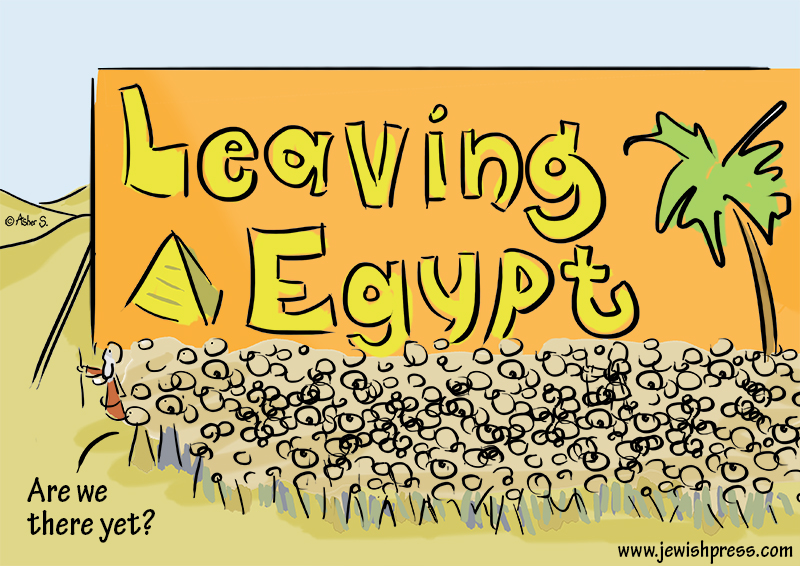
The Seder celebrates freedom by emphasizing ideas I am not sure we remember, chief among them some unusually relevant this year
I suggest we begin to realize we know less about what it means to be Gdly, in the halakhically important sense of fulfilling this mitzvah, than we think. Ordinary compassion or mercy may be good and laudable, but few of the commentators pointed to it as what it means to emulate Hashem’s being rahum

These Ten Sayings weren’t about specific commandments, they were foundational ideas for the Jewish people, were said at that momentous event to capture what we were becoming by accepting the Torah. What mattered were Ten Sayings, however many commandments they reflected.
Only one-fifth of the Jews left Egypt during the Exodus. Every Jew who left Egypt all presumably knew one or many relatives and friends who had not gotten out.
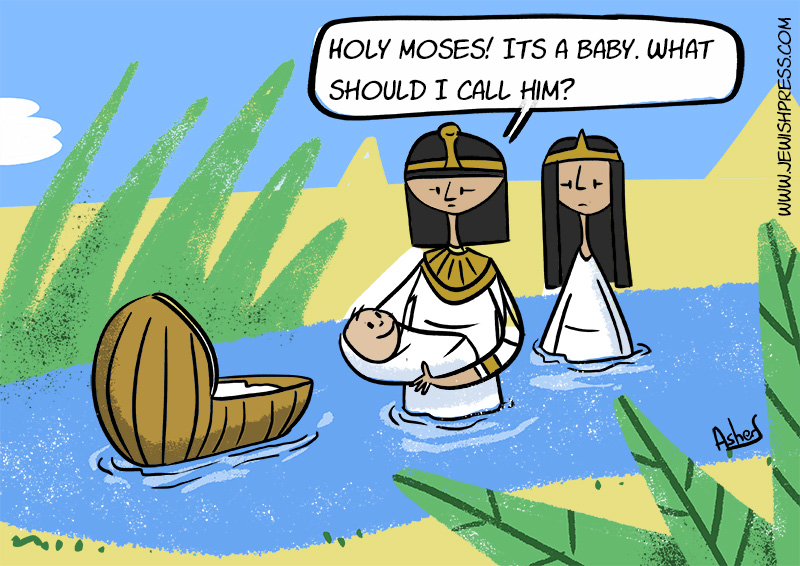
There are times when wrongdoing around us needs to be challenged, opposed, and resisted, and there are times when the wiser reaction is to hunker down and let it pass.
If we look like an ancestor, smile like them, wrinkle our eyebrows in the way they did, we already carry on more of them than others
We are a people bound by law as much or more than any other, our legacy also tells us there are times when those laws and norms are appropriately breached.
Rashi gives us a new insight into Avraham’s relationship to Israel, seeing it as a place he went voluntarily, before Hashem told him
The fear of success, the fear of being led astray, the fear of losing sight of where we started and the truths we used to know we had to hold self-evident, these were the fears Hashem was telling the Jewish people to have the strength and courage to overcome,
Sadly, we live in a world where too many of us reject such remonstration out of hand, deny anyone else’s right to give us the awareness we may not find ourselves. In doing so, in building a society of tochaha-objectors, we lose half the arrows in the quiver, and open ourselves to the risk of never hearing what we need.
Sins woven into the fabric of a society have a weight individuals’ sins do not. Communities must set standards, make sure people do not forget the nature of right and wrong, however far from it they may stray.
The word eichah is a word we heard from Moshe Rabbenu, calling us to realize we weren’t aiming as high as we could. We could have heeded it then, and put ourselves on a better path. We heard it centuries later, a call to see how we were setting ourselves up for destruction. Two calls we unfortunately ignored, leading to the third eichah, which continues to ring in our hardened ears.
Location, Location, Location
Bilam describes himself as yode’a da’at ‘Elyon, knows the mind of the most-High. Mockingly, the Gemara says “the mind of his own donkey he does not know, he knows the mind of the most-High?” [A line mori ve-rabi R. Lichtenstein zt”l used to invoke frequently, to warn us against glibly asserting we know why Hashem acts in various ways].
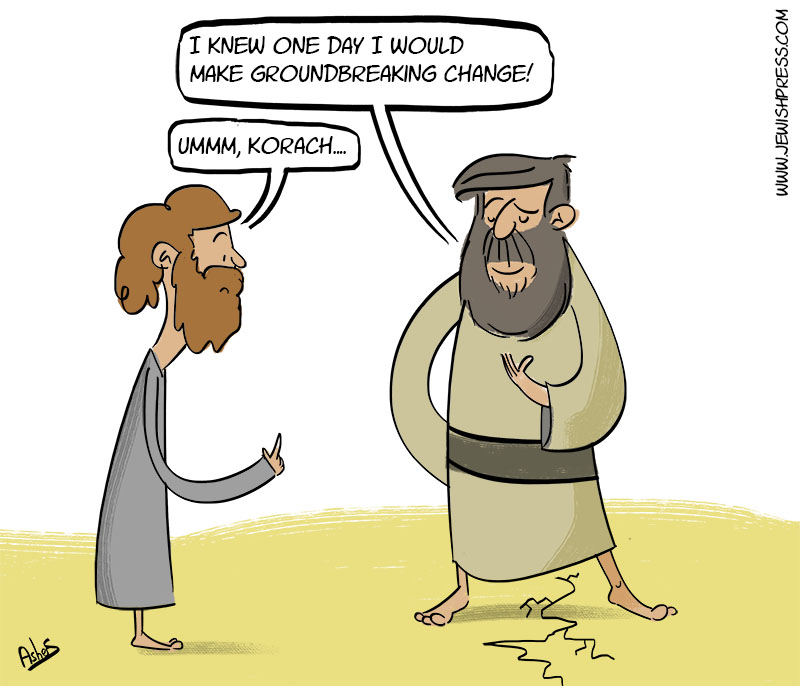
We assume we know as well as our leaders less because they have failed to prove themselves or have shown deficiencies than because of our attachment to seeing ourselves a certain way. And, as was true of Korach and his group, we do so to our detriment.
Hashem gives us another chance, each year, in the hopes we will find our way back.
Watching the Jews spend forty years traveling by families, patriarchal clans, and tribes, the same units which governed the division of the Land, we can remember, Jews have multiple identities, ideally harmoniously combined.
I suggest we always ask ourselves two questions: Is it necessary and is it worth it? Sometimes the answer will be yes. More often, though, I think the answer will be no
“Proclaim liberty throughout all the land unto all inhabitants thereof.” However, Rashi, Ramban, and Meshech Chochmah show tradition understood the key word, deror, as indicating a version of liberty surprising to the Western mind.
Currently, Jews live in a world which denies many of the Torah’s views about what constitutes proper sexuality. I suspect it has been true more often than we stop to notice—
The Mishkan we eventually had could have become the place where the Jews connected with Hashem more fully or strongly even than at Sinai, perhaps. After the sin of the Golden Calf, it could never be the place of innocent joy it was meant to be.
The Urim ve-Tumim, introduced in this week's parsha, remind us Hashem never meant the Jewish people to make their way in the world based only on traditions of what we were once told.
What we spend time on says as much or more about what we truly value than what we might occasionally mention
Rashi might be reminding us Jews in almost every generation had to deal with non-Jews who challenged their faith, making it our job to hold fast to Torah, the Torah we already understand and the Torah we continue to work to understand.
How would Jewish history have looked if the Jews had been able to hear Moshe, had fought through their shortness of spirit and harshness of work to be enthusiastic about the news?
Much ink has been spilled on what Rambam meant and how he interpreted aggadic stories, and I have nothing of substance to add here. I instead want to point out he also sometimes takes as historical fact stories we might dismiss as homiletical.
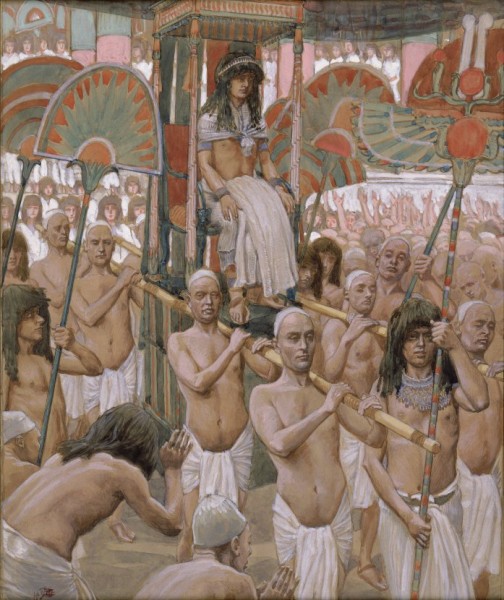
Neither Yosef nor the Chashmonaim had reasonable chances of success, nor did the founders of the State of Israel, who declared the State in spite of warnings of certain doom. They and others in our history have identified moments when seemingly futile course of action was the start of historic success.

Shechem becomes, for Rambam and Ramban, a lesson in society, government, and international relations.
Sexual ethics are a practical lesson of monotheism, of a belief in the Creator of Heaven and Earth. Without a God, the contemporary Western idea of consenting adults doing whatever does not harm anyone makes perfect sense; part of what the Jewish people learned from our Patriarchs and Matriarchs was a broader perspective, which taught us to discipline our sexuality.
As Avraham and Yitzchak went to the ‘Akedah, we admire their fortitude, not their faith, their having found the will to carry through on an enormously difficult task. Humans want to live; we all the more so want our children to live, especially a child who is the long-awaited answer to prayers, the one Hashem had promised would continue this parent’s ethical and religious revolution.
There is a supernatural/metaphysical element to Nature, which we can ignore for long periods of time--Until we can’t,
People of my acquaintance often treat belief as a sort of Pascal’s wager. As you may recall, Blaise Pascal, the seventeenth century mathematician, said a life of faith is the logical choice because the consequences of being wrong (eternal damnation, as his religious leaders told him) was so much worse than the consequences of foregoing […]
Repentance is arduous. But the outcome, in reach of each of us, is cleansing, renewal, and restoration.

Terumah thanks kohanim for their service and supports them (more so than bikkurim, which were a smaller percentage of the crop). It makes sense to allow each Jew to choose recipients, to thank him or them for all they’ve done.
Our powers of self-justification mean money is as much a danger for us as for a judge. Given two options, we, like Rashi’s judges, will become sure, the claim which benefits us is also the truer claim. Like Rashi’s judges, we need to guard ourselves from slipping away from truth without realizing it.
The Nile misleads Egyptians into forgetting they are just as dependent on Hashem as we are, water issues or noIsrael’s “poverty,” its less consistent water, helps its inhabitants remember Hashem.
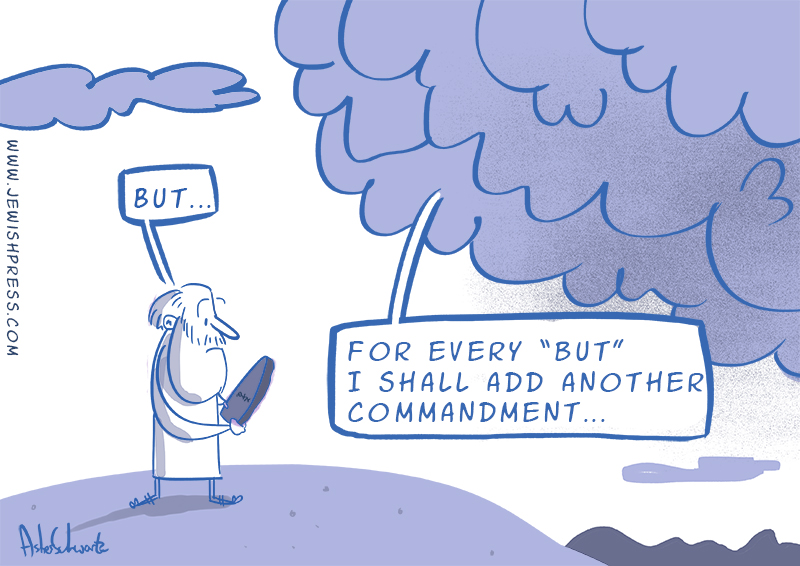
Most of Devarim consists of Moshe’s final speech to the people. Rashi and Ramban fascinatingly read Moshe as implying he faced MORE difficulties in leading them even than those we know from the text
Pinchas unexpectedly saved the day. How did Pinchas help? Pinchas shifted the eventual divine justice from plague to targeted killings, so only actual sinners died


 September 11, 2026


