 October 16, 2026
 Beloved



This week, we marked the beginning of the month of Elul, and with it the season of repentance and return to Hashem. The parsha also resonates with this sensibility, beginning with the commandment to establish courts and to mete out justice. But there is another, deeper meaning to be found in these days when we have emerged from the tribulations of midsummer and are approaching the autumn harvest festivals. Our haftara, the fourth and the midpoint of the haftarot of consolation, emphasizes Hashem as the One who consoles us. Israel is likened to a woman traumatized and shaken by the adversity she has had to overcome, reluctant to trust again. Hashem reassures her – “Arise, awaken, get dressed! Our own eyes will see when Hashem returns to Zion” (Yeshayahu 52: 8).
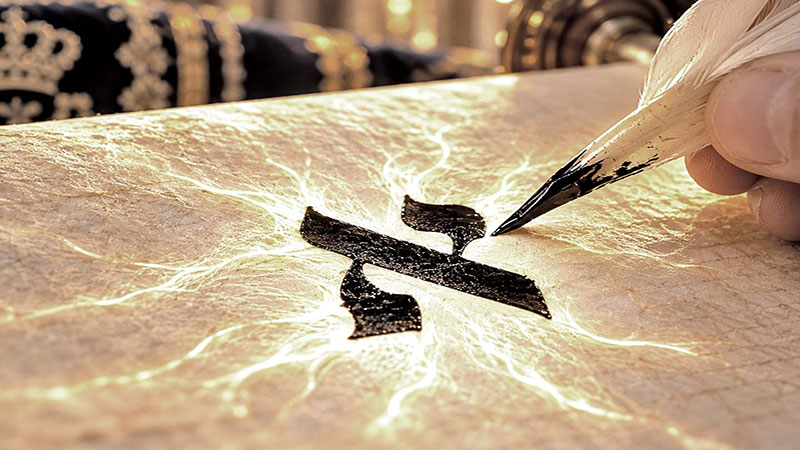
An ancient tradition that we also referenced last week associates the first letters of the Hebrew name of this month with the verse from Shir HaShirim (6:3), “I am my Beloved’s and my Beloved is mine.” This perspective is widespread in the writings of our Sages but alien to the manner in which many people approach the concept of teshuvah and the spiritual resonance of the Days of Awe, the High Holidays. However, the Hebrew word teshuvah, commonly translated as repentance, actually means return – the return of the Beloved to her intended.
The context for the aforementioned verse in Shir HaShirim helps to further develop these ideas. The Daat Mikra, a modern commentary from Mosad HaRav Kook that anthologizes classical glosses on Scripture, does a beautiful job of situating the love of our protagonists in the surrounding drama and in the face of many challenges. Indeed, these verses might be seen as the climax of the narrative of Shir HaShirim. The beloved would-be bride has been running through the streets at night – pursued by watchmen, ridiculed by local women, searching for her lost suitor whom she did not acknowledge when He came for her and whom she might have driven away. At the beginning of the sixth chapter, the local women ask her, “Where is he? Let’s go find him!” But, the Beloved explains, where my Beloved has gone, none can reach Him, and we will go together to a place which is meant for us alone.
The Vilna Gaon notes that even as they have been apart, the Beloved waits patiently for Her Beloved. They have been faithful to one another. Just as she anticipates His return, He is gathering flowers and perfumes to adorn her once they are reunited. The MetzudatDavid states that the more each of the Beloveds is devoted to the other, so the other is drawn closer and reciprocates with even greater love.
Israel never left Hashem or His Torah in spite of all the efforts of the nations to sway us, and we never worshipped foreign gods. Hashem has been leading His flock among the flowers, never wavering in His devotion and only waiting for our return.
Turning back to the themes of Elul and teshuvah, and the Beloveds reunited at last, we can see a parallel to their odyssey in the progression we just experienced through the separation and destruction of the period preceding Tisha b’Av into these weeks of consolation as we approach Rosh Hashanah. In spite of everything, the time is approaching when at last the Beloved returns to her Beloved and they can be united in their love.
The love of Israel for Her G-d is unique and special to us. The nations of the world – symbolized by the local women and the watchmen – cannot access it; they can’t participate or interfere.
The Daat Mikra points out that there are “special times” that are particularly auspicious for teshuvah and for transcendence, when the season and the state of the world condition us to seek our Beloved and to transform ourselves in order to welcome Him. The Vilna Gaon emphasizes that as long as we have been apart, the separation only strengthens our longing for one another. As the “Season” – the era of redemption – draws near, the desire to be reunited is strengthened, as we feel the love approaching and we long to welcome it. The closer it comes, the greater our enthusiasm. We long to be joined with Hashem in the transcendent spiritual ecstasy of Rosh Hashanah and Yom Kippur, and we prepare ourselves to be worthy of His presence, as He eagerly anticipates our “arrival” in His presence.
Even more than this, though, we smell the blooming roses of the anticipated redemption when the house we once shared will be rebuilt, and we grow ever more excited as the time draws near to be joined together and never again parted.