יום שני, י״ז תשרי תשפ״זMonday, September 28, 2026



Follow Us


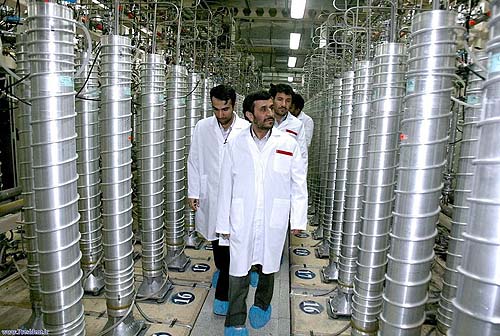
US President Barack Obama has in recent days received an National Intelligence Estimate (NIE) which upgrades the current view of the progress achieved by Iran's nuclear program to more critical, according to Western diplomats and high level Israeli officials. The new evaluation was conducted because of concern within the Administration that Israel would unilaterally attack Iran's nuclear facilities.
The US has passed a message on to Israel that Saudi Arabia informed them they will shoot down any Israeli planes that flies over their territory on the way to attacking Iran's nuclear weapon development facilities. Some Israeli officials believe the idea for the message was instigated by the US in order to place additional […]
By JTA
More than a dozen Iranian citizens arrested in connection with the assassination of several Iranian nuclear scientists have confessed, Iranian state television reported. The Iranians were shown in a television report describing how they were trained at an Israeli military camp near Tel Aviv. One of the suspects said the operation was being sponsored by […]
By J. E. Dyer
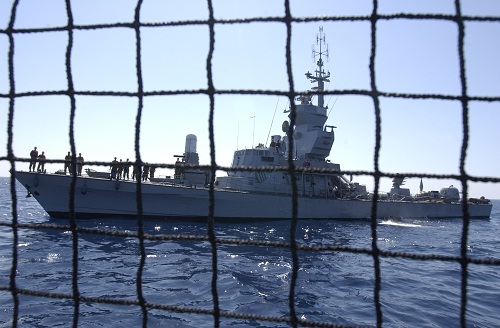
India has just conducted an unprecedented four-day port visit in Haifa, during which Indian sailors roamed Israel as American sailors have for many years, and joint ceremonies were held with the local population. A naval visit to Israel is a big political signal; India would not be sending it lightly.
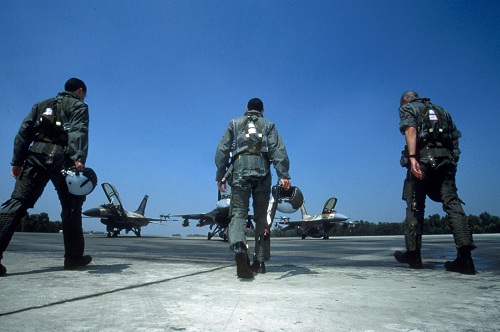
All of Israel’s wars involve the US as a silent ally or silent not-so-much-ally. The question of “what will the US allow Israel to do?” is almost as important as “what is Israel capable of doing?” And the timing of any action with regard to the upcoming election is very relevant to US behavior.

Every few months, when the Israelis sense that US resolve in the sanctions department is weakening, or the Iranians enrich uranium to new levels, they ratchet up the rhetoric without any proper coordination, and cause political problems for the US President. This trick works because it forces Obama to prove that he is strong by pushing harder for stronger sanctions or else face the ire of potential voters and donors.

Efraim Halevy, former head of the Mossad, made the statement to the New York Times on Thursday. Later in the day, he told Israel Army Radio that Iran's "math is off if they think they have open-ended immunity."
By JTA
(New Jersey Jewish News) – New Jersey Gov. Chris Christie signed into law new sanctions against Iran that prohibit public contracts with any company or person that invests in Iran’s energy and finance sectors. Christie shared the announcement of the new legislation in remarks at a gala in Whippany on Tuesdasy celebrating the merger that […]
By Mitt Romney
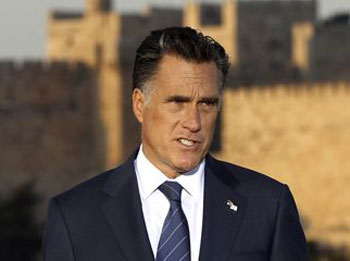
To step foot into Israel is to step foot into a nation that began with an ancient promise made in this land. The Jewish people persisted through one of the most monstrous crimes in human history, and now this nation has come to take its place among the most impressive democracies on earth. Israel’s achievements are a wonder of the modern world.
By Ben Sales
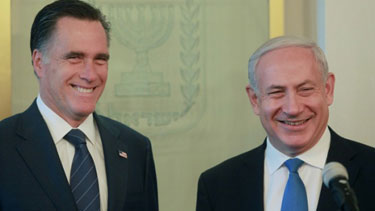
JERUSALEM – Mitt Romney’s policy speech in Israel covered plenty of bases: The presumptive Republican presidential candidate spoke about the status of Jerusalem, the threat of a nuclear Iran, the “tumult” of the Arab Spring and the “enduring shared values” that bedrock the U.S.-Israel relationship.
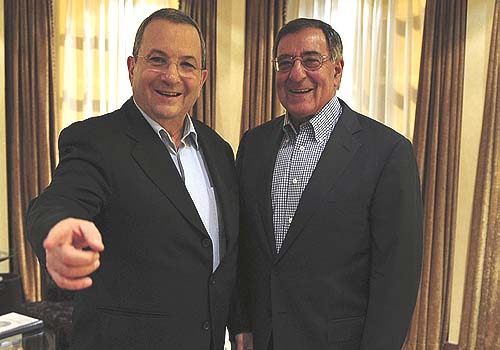
Secretary of Defense Leon Panetta said on Wednesday that if Iran does not negotiate acceptable limits on its nuclear program, it could face U.S. military action in tended to stop it from developing a nuclear bomb.

Under the final version of the enhanced sanctions bill, the president has considerable leeway to postpone sanctions on insurers in order to give them time to comply. Also omitted from the final version are sanctions that congressional hard-liners had sought on individuals associated with SWIFT, the Society for Worldwide Interbank Financial Telecommunications, as long as the body continues to deal with Iran's central bank.

By Harold Rhode
Over the past year, more and more Iranians have been finding ways to communicate with their friends and relatives abroad in ways which should encourage the world to ratchet up the pressure on the regime.

The Delhi Police investigation report states that the suspects began planning the attacks on Israeli diplomats in India and other countries in January 2011, with the help of a local Indian journalist named Syed Mohammad Ahmad Kazmi. The report revealed that Kazmi had established relations with the individuals - and by extension the IRGC - almost 10 years prior to the attacks,

Dan Senor, Mitt Romney's national security aide, spoke to reporters shortly before the Presidential hopeful was scheduled to meet with Israeli Prime Minister Benjamin Netanyahu. Senor was quoted as saying: "If Israel has to take action on its own, in order to stop Iran from developing that capability, the governor would respect that decision."
Republicans are trying to woo away Jews who voted for Barack Obama in 2008, hoping they have experienced "buyer's remorse." I, for one, have experienced no such remorse. I have gotten from President Obama pretty much what I expected when I voted for him.

By Ron Kampeas
Mitt Romney’s planned trip to Britain, Poland and Israel beginning at the end of this week has shifted the presidential campaign debate for now from jobs, the economy and the candidates’ past to how they would deal with an increasingly fluid world.

An Iranian nuclear scientist told a colleague in Finland about the newest cyber worm which has paralyzed Iran's nuclear plants.
When it comes to carrying out deadly terrorist attacks on Israelis and/or Jews, just how dangerous and persistent is the government of Iran?

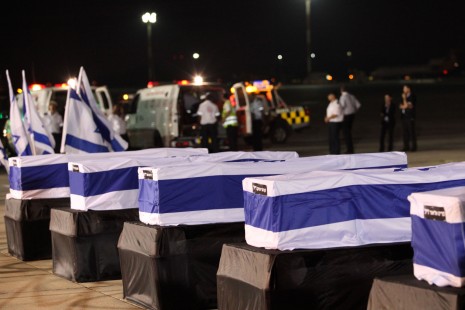
Israeli rescue teams have gathered the 33 Israelis wounded in Wednesday’s terror attack on a tour bus in Bulgaria, and evacuated them home to Israel for treatment. The death toll in the bombing of the bus of Israeli tourists is listed at 8, with one injured person succumbing to wounds in hospital. A ZAKA rescue service spokesperson told Israel’s Army Radio that the remains were difficult to identify. Five Israeli victims will be flown home for burial Thursday evening after completion of the formal identification process. World leaders condemned the attack. Israeli leaders vowed to respond to Iran.
By JTA
The attack, which Israel’s government is blaming on Iran, comes on the 18th anniversary of the terrorist attack on the AMIA Jewish center in Buenos Aires that left 85 people dead. Israel, Argentina and many other governments blame Iranian agents for that incident; Tehran denies the allegations. “All signs point to Iran,” Israeli Prime Minister […]
By J. E. Dyer
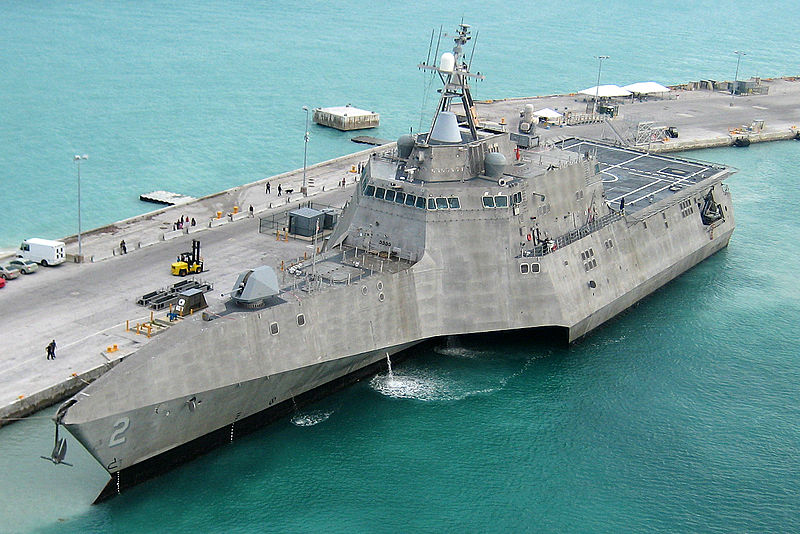
How should an American president use the military in an intimidating, persuasive manner, to induce Iran to give up her nuclear-weapons purpose? Very little has been discussed on this topic in the forums of punditry; virtually all treatments focus on the feasibility or proper method of a military attack campaign. Is there an “intimidation option,” short of a shooting war? And if so, what would it look like?

The primary point of Israel's nuclear forces must be deterrence ex ante, not preemption or reprisal ex post. If, however, nuclear weapons should ever be introduced into a conflict between Israel and one or more of the several states that still wish to destroy it, some form of nuclear war fighting could ensue.

At least seven passengers were killed and 30 injured in an explosion on a tour bus carrying Israeli tourists in Bulgaria in an apparent terror attack.
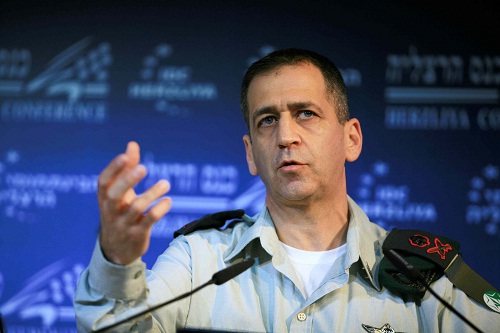
In a briefing before the Knesset's Foreign Affairs and Defense Committee, Maj.-Gen. Aviv Kochavi said that the election of the Muslim Brotherhood's Mohamed Morsi as President of Egypt has brought political Islam to the forefront of politics in the Arab world, but predicted that the Egyptian military would continue to serve as a strong restraint. As a result, he doubted that Egypt would be allowed to drift into Iran's orbit.
By Barry Rubin
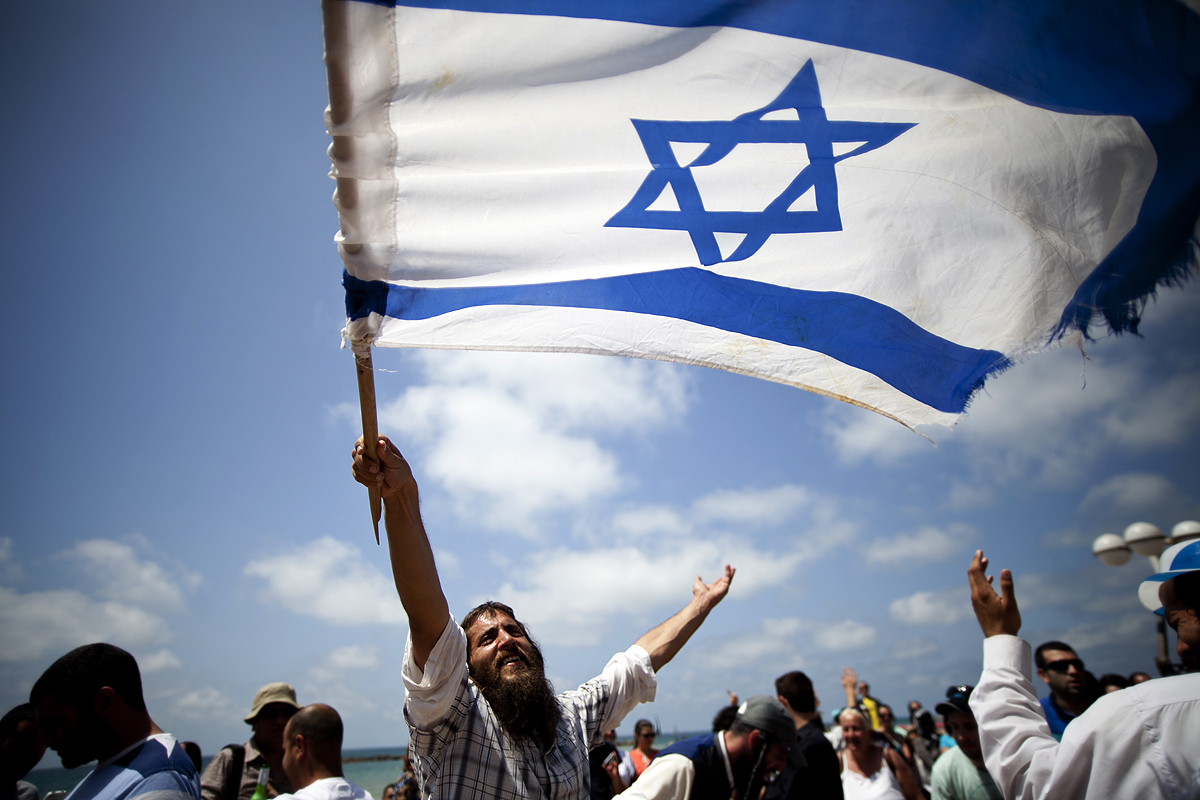
Israel’s has had dramatic success in terms of economic progress. The country has become a world leader in high-technology, medicine, science, computers, and other fields. It has opened up new links to Asia. The discovery of natural gas and oilfields promise a massive influx of funds in the coming years. And the idea that Israel is menaced by the failure to get official peace with the Palestinians is a staple of Western blather but has no big impact in reality.

For Israel, and also its cross-pressured U.S. ally, there would be very difficult problems to solve if an enemy state such as Iran were permitted to go fully nuclear. These problems could lethally undermine the conceptually neat, but probably unrealistic, notion of balanced nuclear deterrence in the region.

A tight, organized network of Iranian terrorists seems to be using elementary schools, universities and government institutions -- not to mention manipulating the multicultural system -- to promote its messages of propaganda and hate, apparently with the ultimate goal of conquering the "infidel."

Iran was elected to a top post on the UN Arms Trade Treaty conference, UN Watch revealed on Sunday. The Geneva-based human rights group is calling on UN chief Ban Ki-moon, who addressed the conference on the same day, to condemn the selection of the Tehran regime.

Finally, after many years of effective disregard, a core irony in the matter of Iranian nuclearization can be acknowledged: For President Ahmadinejad, and also his clerical superiors, any prospect of hastening the Shiite apocalypse – a decidedly “sacred” prospect linked to war with Israel and/or the United States – could be welcomed. Naturally, this religion-driven view of a "terrible beauty" would contrast starkly with senior leadership attitudes in both Jerusalem and Washington. In these plainly more secular circles, of course, any thought of a conscious encouragement for Final Battle must always be rejected.

Iran's current three-day military drill, understood as a thinly-veiled and defiant response to the newest round of EU sanctions on its petroleum industry, is intended to demonstrate Iran's ability to retaliate to a US or Israeli attack. But the maneuvers may be having the opposite effect, as more experts are coming to the conclusion that Iran's incessant sabre-rattling and bellicosity seek to mask the obsolete and impotent state of its armed forces.

With tougher sanctions by the European Union taking effect, Iran announced new missile tests and threatened to obliterate Israel. The Aerospace Force of the Islamic Revolution Guards Corps launched missiles with ranges of 300, 500, 800, and 1,300 kilometers, the Mehr agency reported on Tuesday.
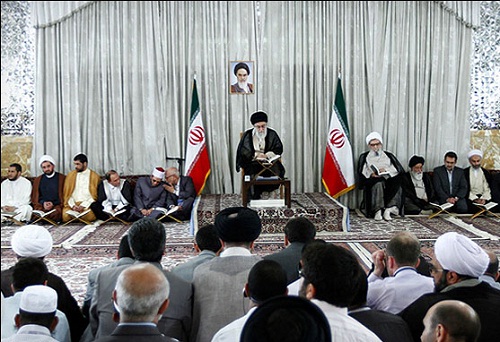
The most recent round of sanctions is part of the West's determined effort to halt Iran's contentious nuclear program without resorting to force. But Iran struck a belligerent tone, with Iran's central bank governor Mahmoud Bahmani telling the semi-official Mehr News Agency that "we are implementing programs to counter sanctions and we will confront these malicious policies."
By Barry Rubin
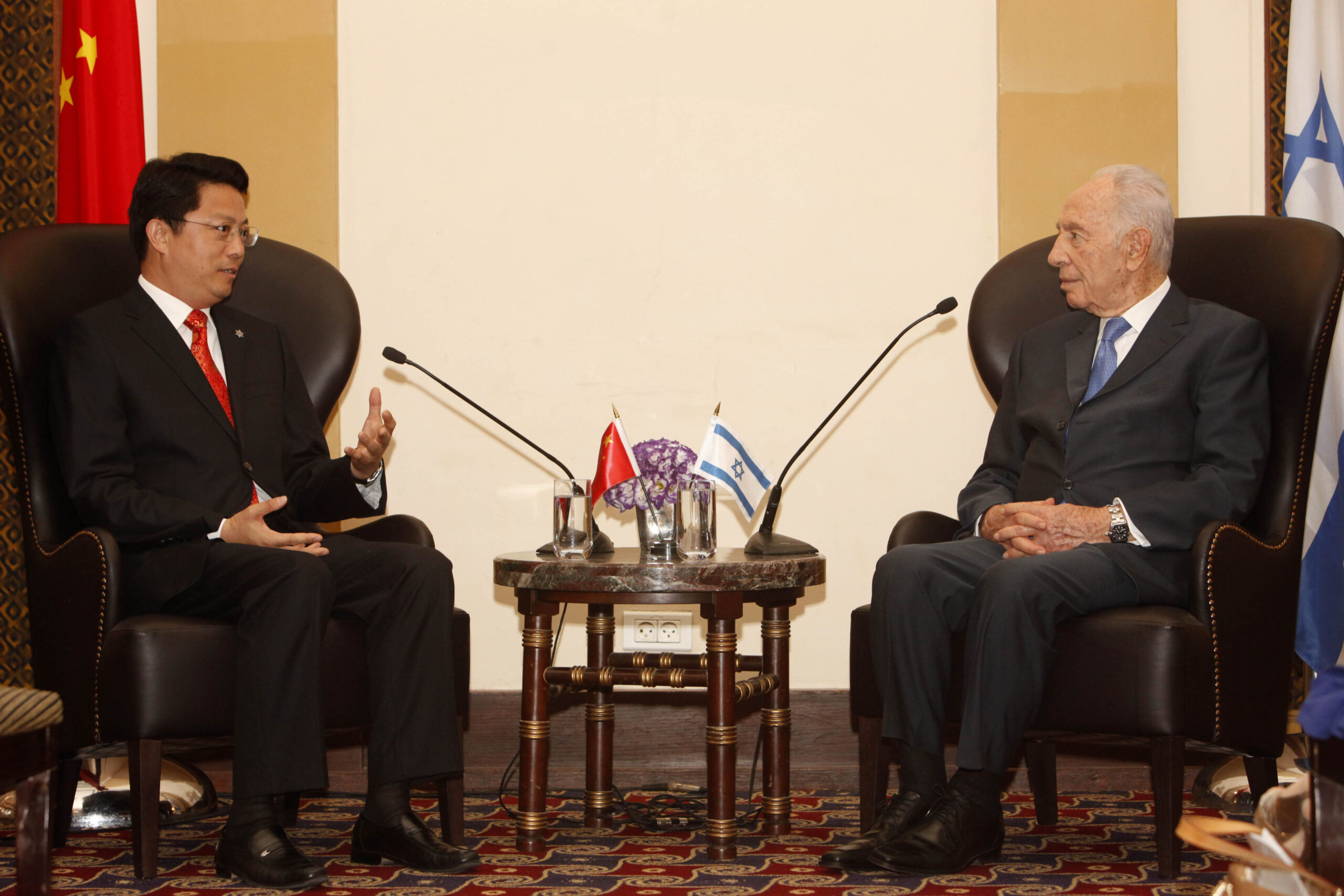
An Egyptian friend visited China a few years ago and asked a counterpart, “China has been the victim of so much oppression and imperialism. How do you deal with that?” The response was, “We got over it.” My friend was astonished, but he realized that his own society would be far better off if it eschewed the politics of revenge and bitter hatred. In contrast, Israel and China share a focuses on positive national construction, raising living standards, and seeking peace.

In a speech delivered in Tehran, Vice President Mohammad-Reza Rahimi accused the Jewish people of spreading illegal drugs around the world, killing Black babies, starting the Bolshevik Revolution and causing many of the world's other ills.
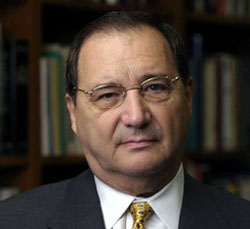
Worried about a nuclear Iran? Do you think such a development would not only threaten Israel's existence but would intimidate the Arab countries of the Gulf, put the radical Islamist regime in position to threaten the West, and lead to unmanageable nuclear proliferation? Have no fear! Kenneth N. Waltz, the highly respected professor of international relations at Columbia University, argues in a recent article of Foreign Affairs magazine that "Iran Should Get the Bomb."
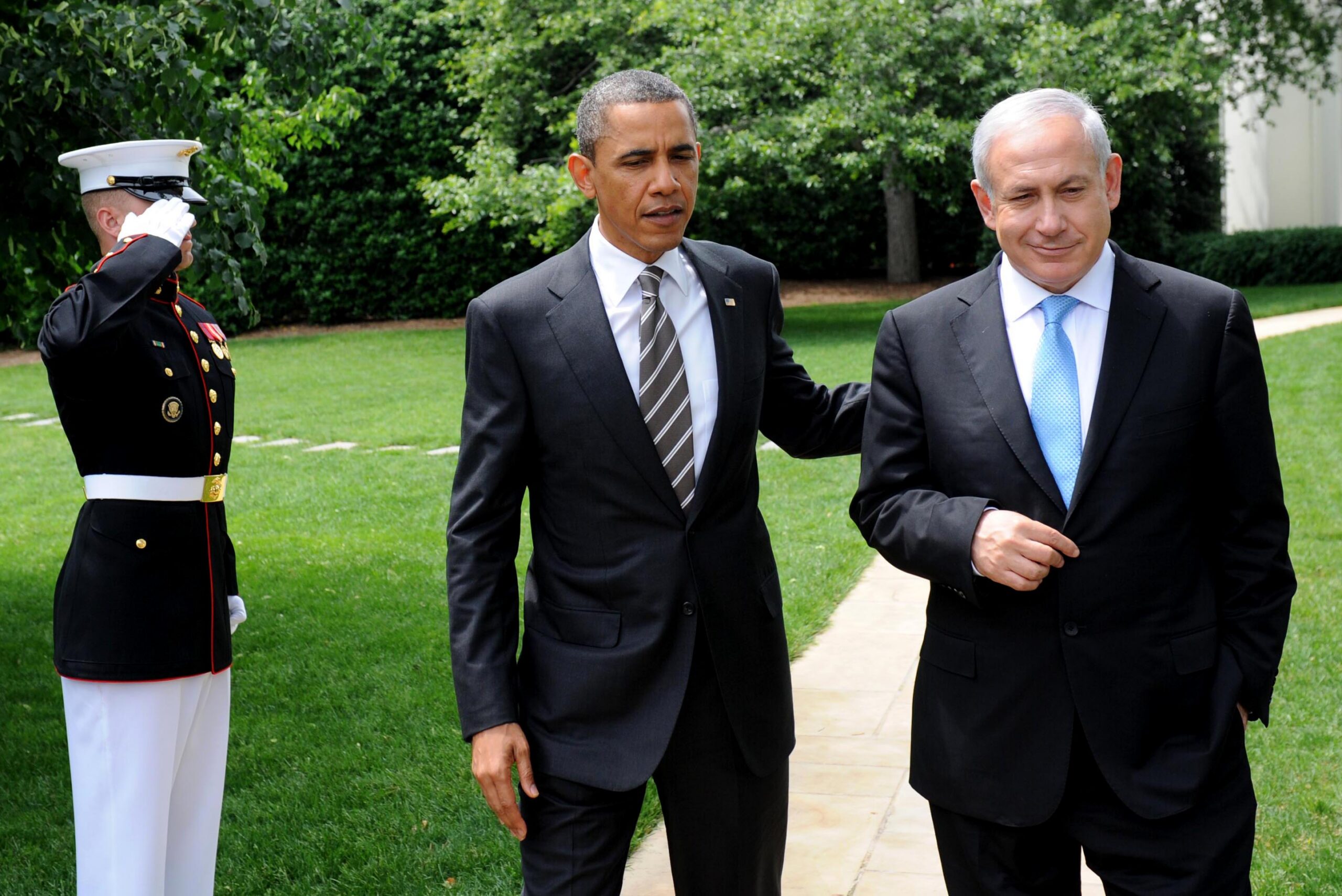
Gov. Mitt Romney has made some outrageous comments and taken some extreme positions in this presidential campaign. But few, if any, are more baffling than his latest statement on his plans for the U.S.-Israel relationship. Asked what he would do to strengthen America’s alliance with Israel, he said, “by and large, you can just look at the things the president has done and do the opposite.”

Saudi Arabia and the Gulf States realize that “effective sanctions” is a contradiction-in-terms, since Russia and China, as well as India and Japan, and probably parts of Europe, do not cooperate with the US. Forty years of diplomacy and sanctions have paved the road to a nuclear North Korea and are paving the road to a nuclear Iran.
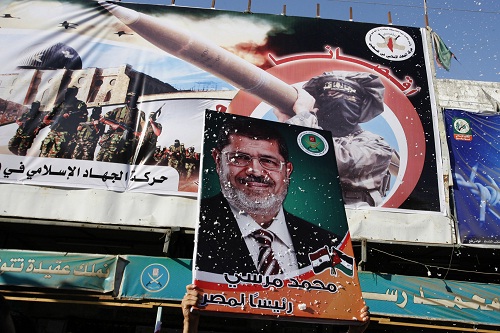
The statement, made by Mohammed Morsi in an interview with Fars News Agency published Monday, seems to contradict comments he made in his televised victory speech, where he offered a vague assurance that he would "preserve international accords and obligations."

The transfer of one of Jerusalem’s most prime pieces of real estate to Russia will be finalized when the Society for the Protection of Nature in Israel (SPNI) vacates its offices, following the completion of talks between Israel and Russia on Sunday.

About 50 of the 700 donors who attended the retreat this weekend in Park City were Jewish. Romney dropped in on the session, and said he had just been briefed by the Israeli ambassador. But the Romney campaign supports the same two-state solution as does Obama.
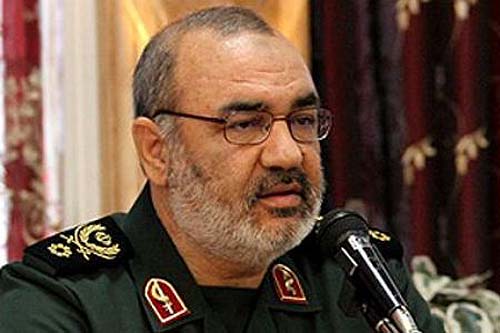
“In our strategic planning, we have defined a radius named the radius of deterrence, which includes all strategic interests of the enemy in the region, so that we can manage the battle at any level in case of the outbreak of war,” Brigadier General Hossein Salami said.
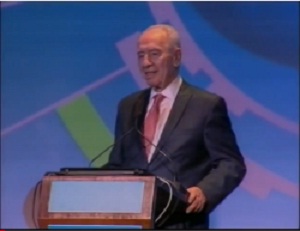
By Alex Abel
Bloggers had the opportunity to ask President Peres some questions at the gathering. Bloggers from both national papers and personal websites were represented and asked questions that ranged from straightforward politics to ones that were more personal. One inevitably centered around the issue of Iran, in which Peres answered that Iran is using dangerous means that don’t give Israelis much of a choice when deciding what to do next.
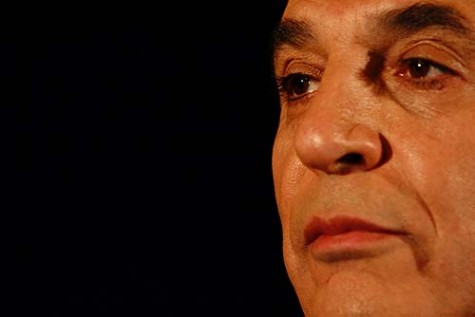
Mofaz, the Kadima leader who is in Washington this week for his first round of meetings since joining his party to the government, had a surprise meeting Thursday with the U.S. president when Obama interrupted a scheduled meeting with Tom Donilon, the national security adviser.
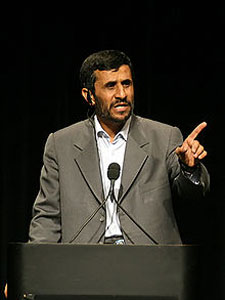
The world famous economist John Kenneth Galbraith said it best: “There are few ironclad rules of diplomacy but to one there is no exception. When an official reports that talks were useful, it can safely be concluded that nothing was accomplished.”
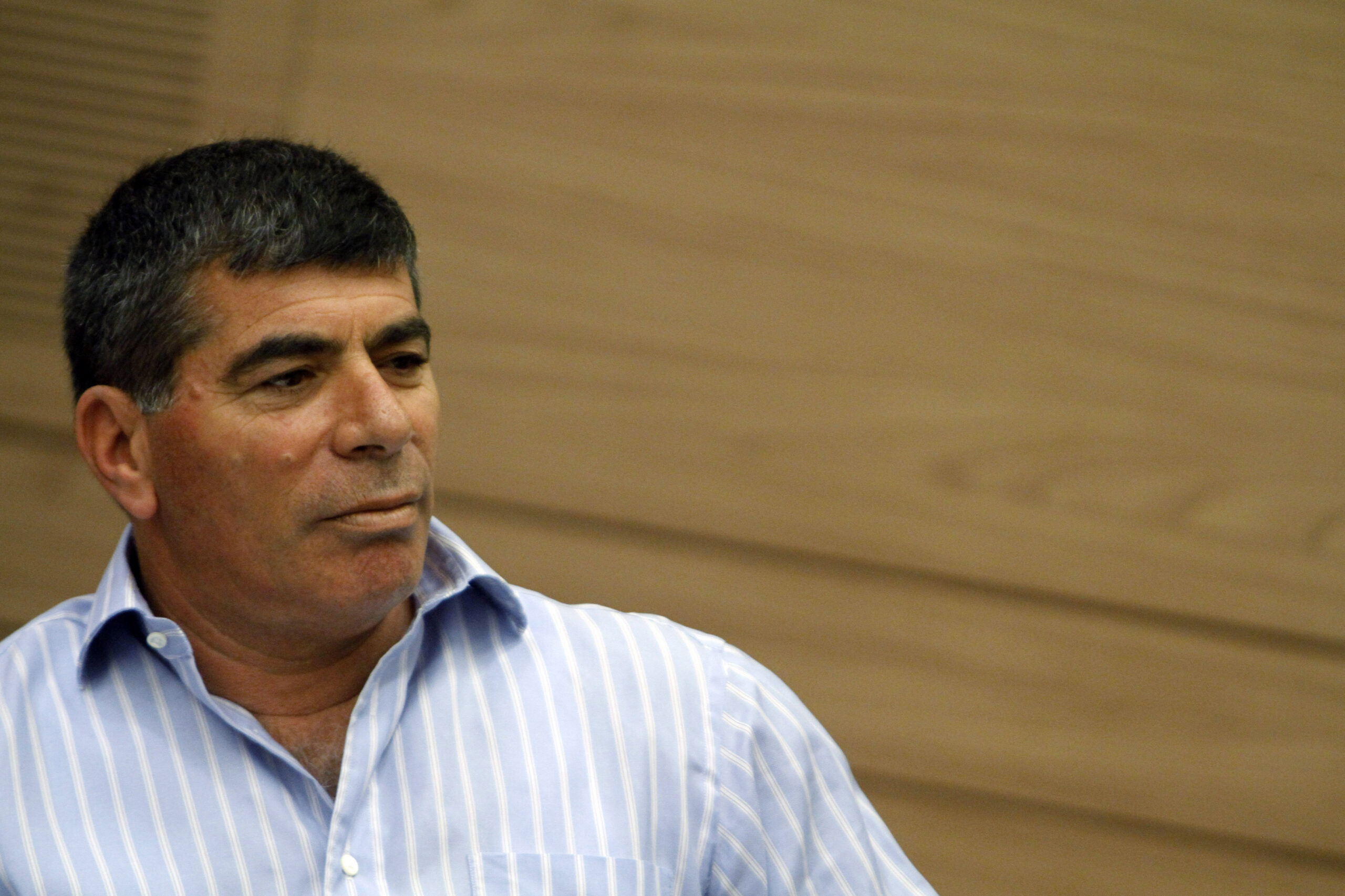
The most realistic and helpful comments on Iran came today from Gabi Ashkenazi. He says that the military option is and should be the last option and yet it must remain on the table because if other options are to succeed, the only way it can succeed is if the threat of military action remains.
By Barry Rubin
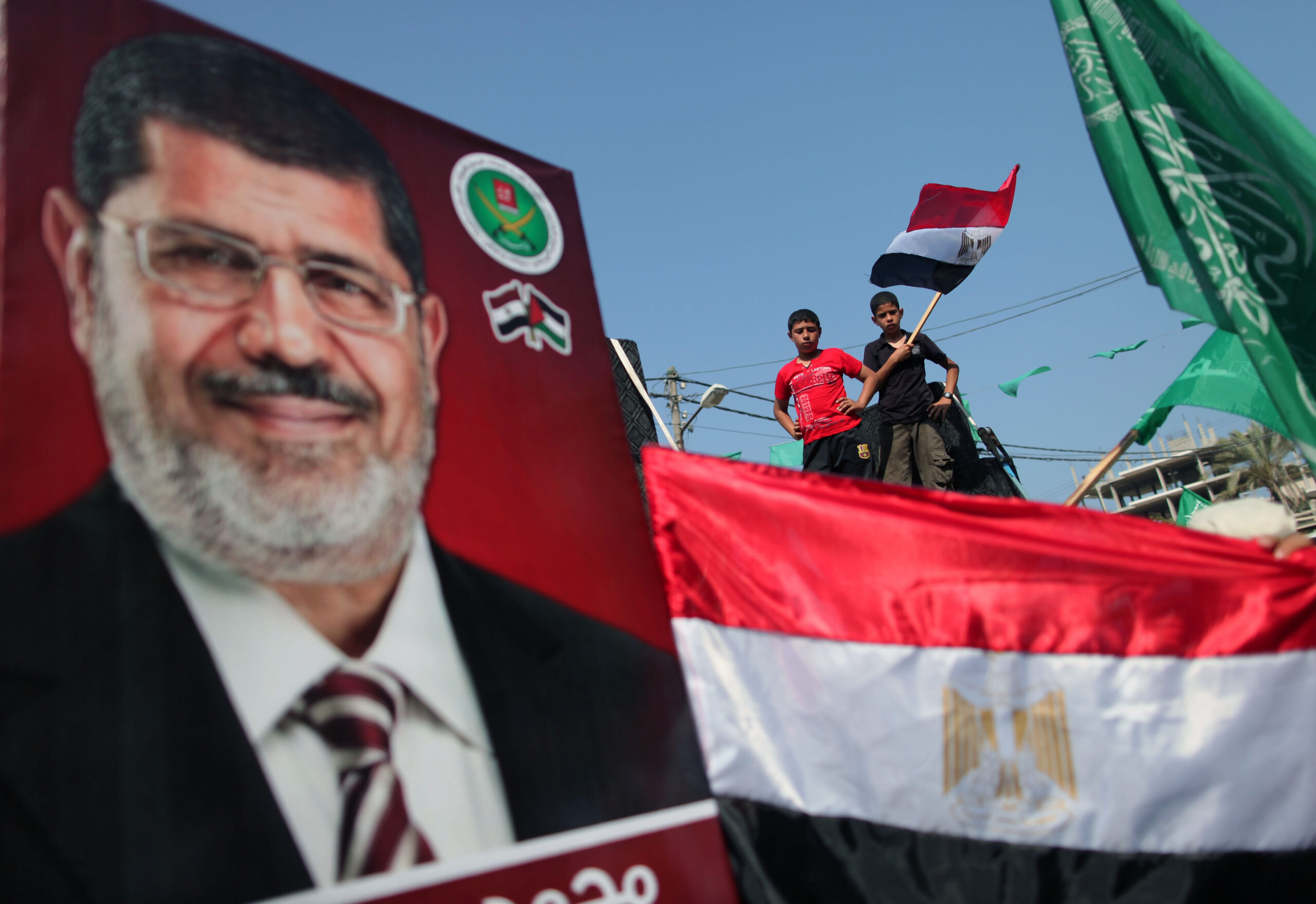
Iran’s moment in the region as a whole is over, though it can still do much damage in the Persian Gulf area. But we are now about to enter a new era in which Egypt, under Sunni Islamist leadership, has the option of assuming the leading role again. The last round of Egyptian ascendancy began almost 60 years ago with the Arab nationalist coup of July 23, 1952. Today it;s revolutionary Islamism that is sparking efforts to make some futile new effort to wipe out Israel.

Kissinger: “It is unusual for an 89-year old man to say that I wish my parents could be here. They would be more proud of this distinction than any of the other honors that have come my way.”
By Alex Abel
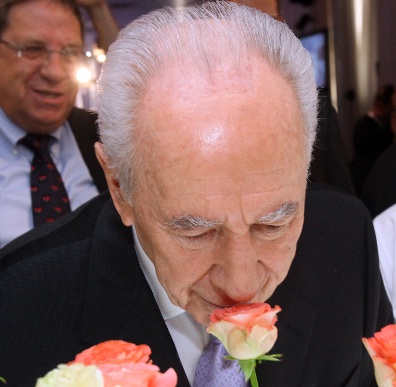
People flocked to the auditorium for the second plenary of the evening - and with good reason. The line-up was stacked with notable names including President Shimon Peres, Dr. Henry Kissinger, and Former Prime Minister of the Great Britain, Tony Blair. Peres spoke of his belief that peace was possible and mentioned that he had met with President Abbas and was left with the impression that they also need and want peace.
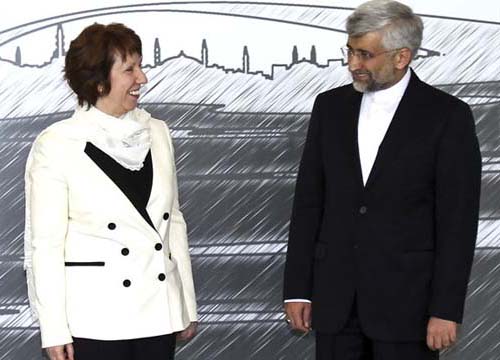
Western diplomats continue to accuse Iran of foot-dragging and obfuscation, noting that the five-point proposal presented by the Islamic Republic in Baghdad last month calls for discussions on matters that are tangential to the nuclear issue. Yet Western diplomats continue to hold out hope that Iran will finally "engage seriously" the proposal that the six-nation bloc made last month.
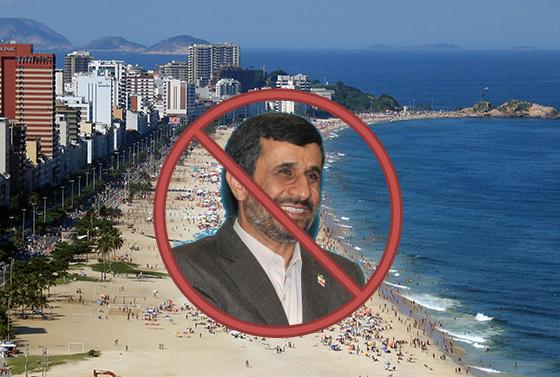
President Mahmoud Ahmadinejad’s welcome on the sunny Ipanema beach in Rio was less than warm from an eclectic group of Jews, human rights activists, and homosexuals, who arrived Sunday to protest the Iranian president’s attendance at a UN summit on sustainable development.

In an interview with Ha'aretz last Friday, Israel’s Minister for Strategic Affairs Moshe Ya’alon made clear that for Israel the red line is Iran’s capability to produce a nuclear weapon and not Khamenei’s order to produce a bomb. He also said that Israel is not bluffing when it comes to decisive action to stop Iran and does not need an American ‘green light’ for a military strike .

President Obama recently invited me to the Oval Office for a discussion about Iran. The President reiterated to me in private what he had previously said in public: namely, that he would not allow Iran to develop nuclear weapons; that containment of a nuclear Iran was not an option; that sanctions and diplomatic pressures would be applied and increased first; but that, as a last recourse, the military option would not be taken off the table.

IDF Spokesperson Brig. Gen. Yoav (Poly) Mordechai said that the understanding that the Bashar Assad regime in Syria has “reached its end” is now permeating among Assad’s allies Iran and Hezbollah. Meanwhile, a Russian military source said that Russia may send warships and troops to Syria to protect its logistics base in Tartous, Syria.

Republican presidential candidate Mitt Romney on Saturday revved up his attacks on President Obama's Mid East policy, suggesting the president fears that Israel might attack Iran more than he fears that Iran will develop a nuclear weapon. “I think, by and large, you can just look at the things the president has done and do the opposite,” Romney said.
By Barry Rubin
The Obama administration’s portrayal of the assassination of Osama bin Laden as some courageous decision shows more than anything how weak the President is. A normal U.S. government would have taken this choice for granted, and not felt the need to stress the president’s alleged machismo.
By JTA
Israeli Prime Minister Benjamin Netanyahu accused Iran and Hezbollah of being involved in the slaughter of civilians in Syria. "We [see] what is happening in Syria where civilians are simply being slaughtered," Netanyahu said during Sunday's regular Cabinet meeting. "We see the horrifying pictures of children and the elderly. This is a slaughter that is […]

By Avi Jorisch
The United States and its allies have all the tools necessary to punish the banks, corporations and charities helping Iran achieve nuclearization. If we are truly going to stop Iran from pursuing nuclear weapons, we must use as many of the bows in our quiver as possible.
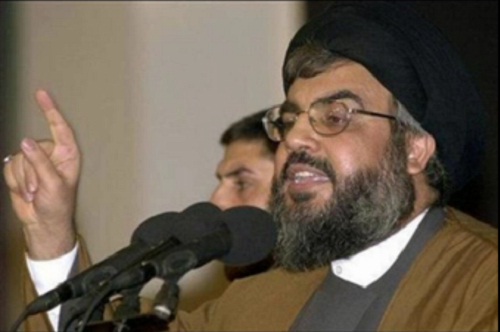
IDF Col. Shmulik Olensky: “A flare-up in Lebanon can occur at any time. Therefore we are preparing as much as possible, with unique plans, improved models, and joint training.”
JERUSALEM – Despite the absence of an attack on Iranian military and nuclear facilities, Israel and the U.S. are engaged in a covert cyberwar campaign against a growing list of Iranian targets. The dual objective is to hamper the Iranian regime’s ability to build an atomic bomb while pressuring them to bow to Western and UN demands to downgrade their enrichment capabilities to less than 10 percent.
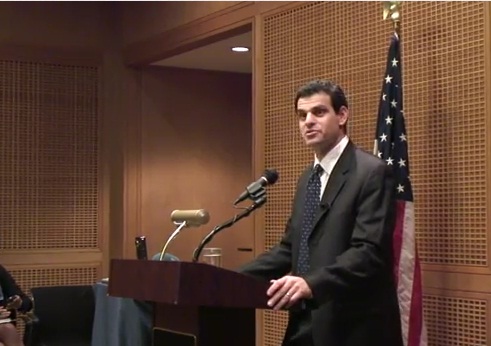
US undersecretary for terrorism and financial intelligence David Cohen, visiting Israel to coordinate sanctions policy with senior Israeli security, discussed plans to impose additional sanctions on Iran in the summer. In an interview with Haaretz, Cohen said: “If we don't get a breakthrough in Moscow there is no question we will continue to ratchet up the pressure."
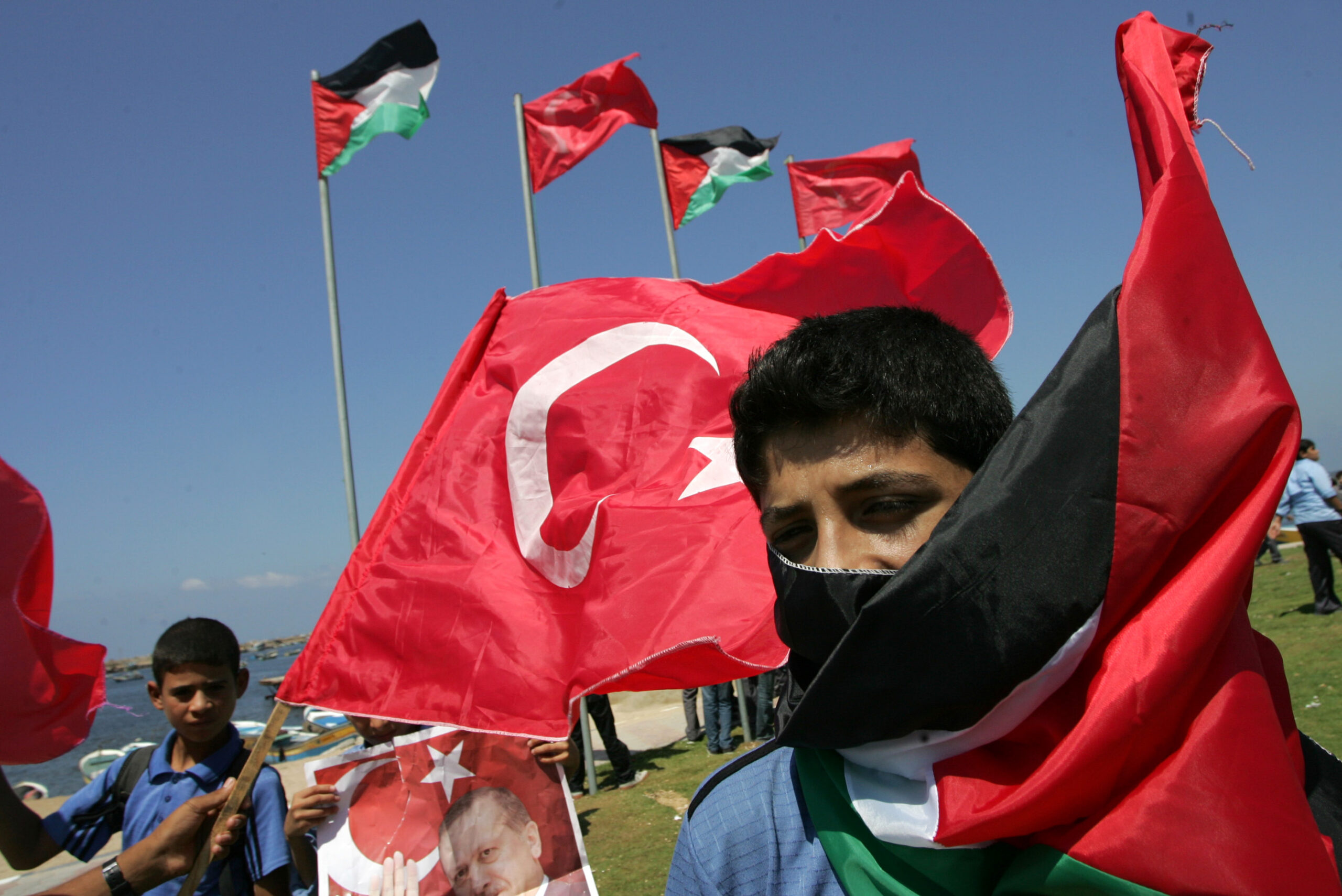
Turkey, no doubt, is an important regional power, and Israel must weigh its steps carefully when dealing with it, because of the changes that are occurring in the region and in light of the unsolved difficulties with Turkey – the flotilla two years ago and the gas in the future.
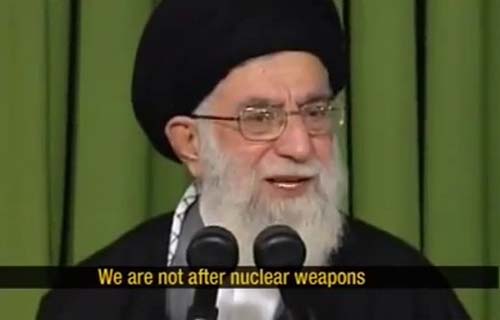
In an address marking the 23rd anniversary of the death of his predecessor Ayatollah Khomeini, Ayatollah Ali Khamenei also accused the West of cynically exaggerating the threat a nuclear Iran poses to divert attention: "What Americans and Westerners do is idiotic. They magnify the nuclear issue to cover up their own [economic] problems."

Few things ought to be as urgent as keeping Iran from acquiring nuclear weapons. Yet the West – led from the front by the United States – has fallen into the "peace process" trap that considers talk to be progress and, once a conversation has begun, that there is nothing worse than stopping it: Talk about what you've talked about. Talk about what you won't talk about. Talk about talking again. Talk again. Repeat.
By JTA
New satellite images show possible recent nuclear activity at the Parchin facility in Iran as well as attempts to hide evidence of past activity.
The full story has yet to be told, but even talk of the so-called Flame virus carries an important message. Certainly the widespread belief that Israel was behind this and earlier computer viruses that wreaked havoc on Iran’s nuclear efforts – a notion hinted at by Prime Minister Netanyahu and Vice Premier Moshe Ya’alon – should be taken as evidence that all things being equal, left to its own devices Israel is quite capable of taking care of itself. But there is an added dimension.
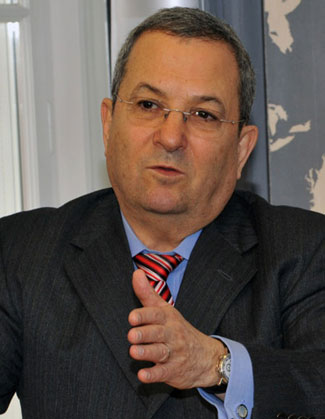
JERUSALEM – In a meeting with a visiting U.S. delegation fresh off nuclear talks in Baghdad, Israel’s Defense Minister Ehud Barak and National Security Adviser Yaakov Amidror expressed their government’s growing concerns over America’s diplomatic negotiations with Iran.
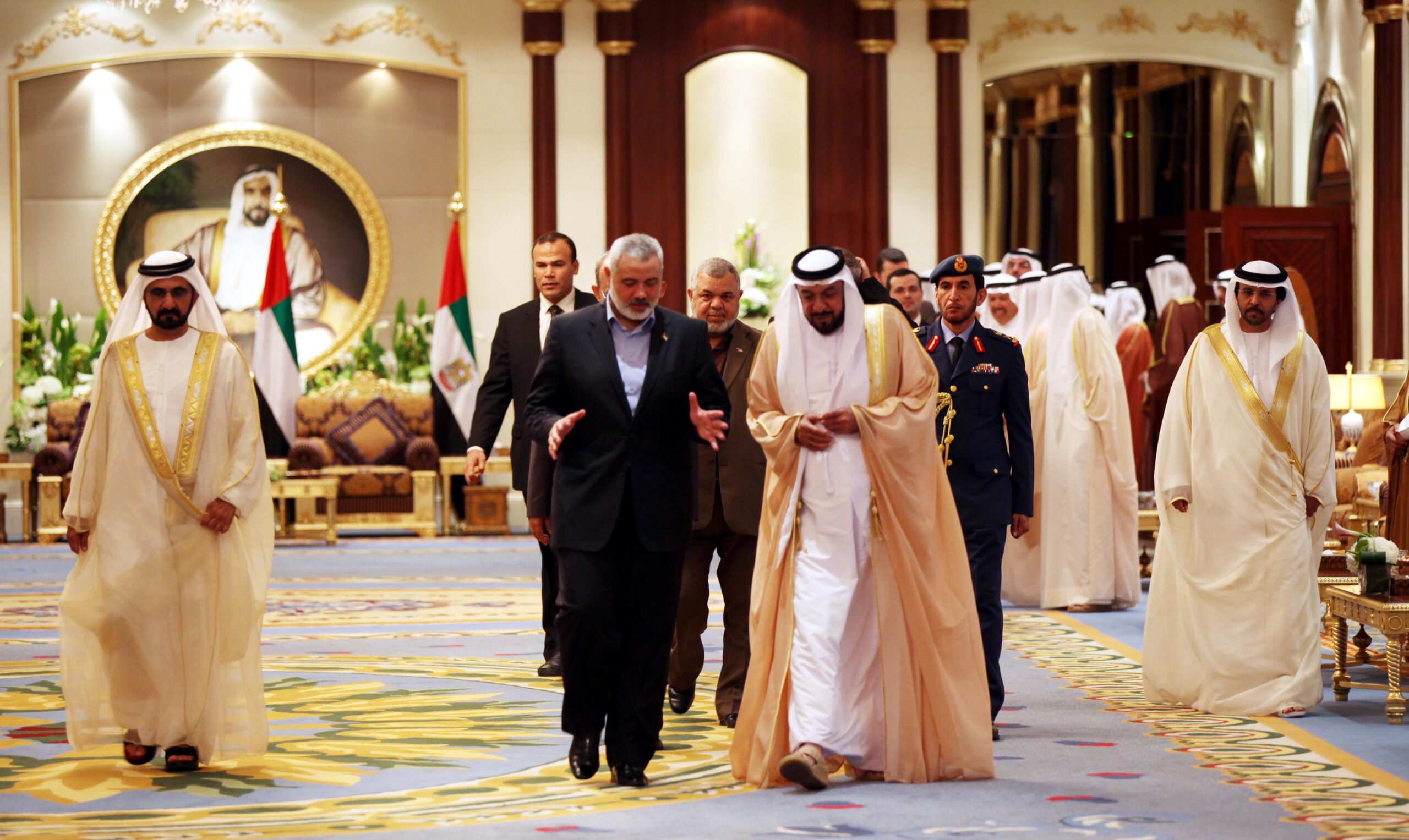
The states of the Arabian Peninsula feel increasingly dependent on the US and the West to safeguard their independence and their political and economic maneuverability, but the West seems tired and exhausted, and its leadership - especially the current resident in the White House, who is heavily influenced by the approaching elections - lacks backbone and has no ability to stop the Iranians from galloping towards regional hegemony.
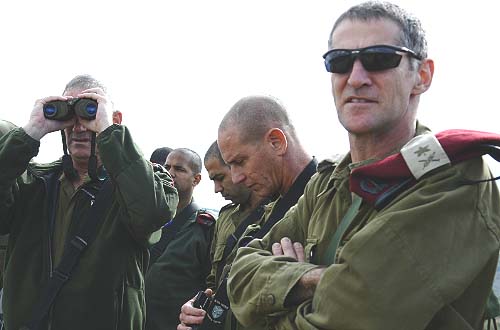
"Iran is here," said Northern Command Chief Maj. Gen. Yair Golan, "its negative influence is significant in the Gaza Strip, in Lebanon and in Syria." He also warned, "al-Qaeda might attack Israel in time." Meanwhile, an Iranian official threatens that a Syrian war would "engulf" Israel.
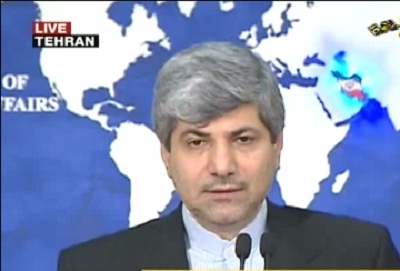
According to a report in the semi-official Fars News Agency, Iran's foreign ministry has blamed Israel for the recent massacre of Syrian civilians in Houla, claiming that “we palpably feel the Zionist regime's hand in Syria's internal developments."

By Soeren Kern
Although critics of the Helsinki mega-mosque have warned that the building will be used by the Iranian regime to recruit impressionable Muslim immigrant youths for service to Hezbollah, Finnish politicians have embraced the Shia mosque as a symbol of multicultural progress.
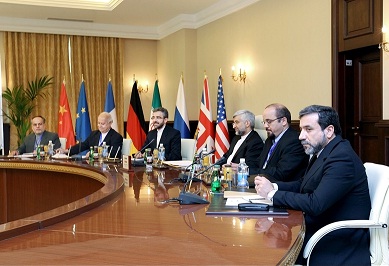
If you were PM Netanyahu and were deciding whether you could entrust the West in general, and this US administration in particular, with the physical survival of your country, what would you do?
Iran has used operatives in assassination attempts on Israeli and American diplomats in seven countries over a period of 13 months, the Washington Post reported. Last November, the U.S. Embassy in Azerbaijan received a message that then Ambassador Matthew Bryza was the target of a plot to kill Americans, along with other embassy officials. U.S. […]

Kaspersky Lab announced on Monday the discovery of a highly sophisticated malicious program being used as a cyber weapon attacking several countries. The complexity of the newly discovered malicious program exceeds those of all other cyber menaces known to date.
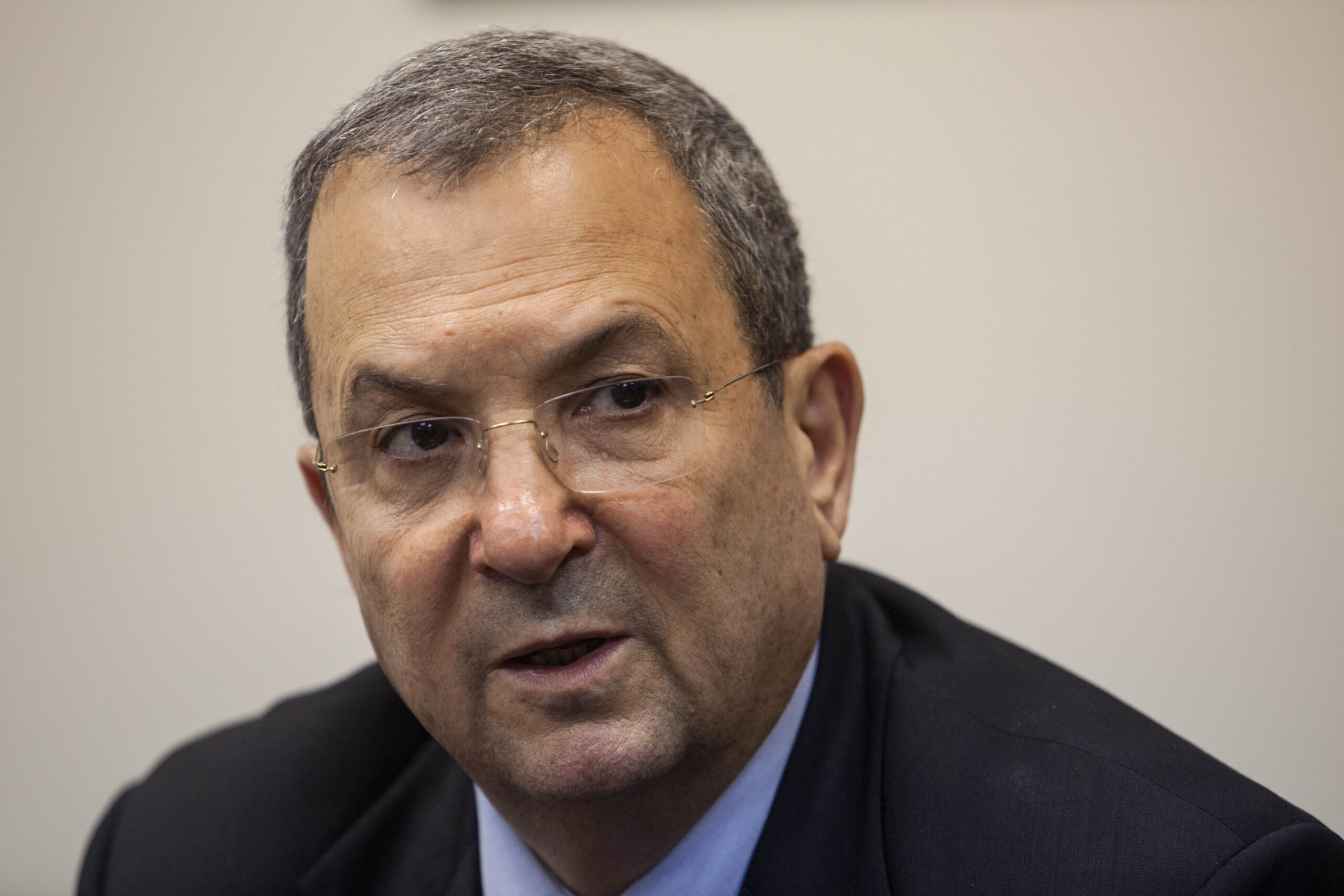
Barak took the opportunity to reiterate that "All options remain firmly on the table."

By J. E. Dyer
The holiday from history is over, although we may be the last ones to see it. Neither Russia nor Iran – nor China, North Korea, or Syria, for that matter – is very interested in signing anything with the West right now. Good deals based on the old assumptions aren’t as tempting when better ones seem to lie just over the horizon.
By JTA
Evidence found in an underground bunker in Iran could signal the country’s having moved one step closer toward the uranium threshold needed to make nuclear arms, International Atomic Energy Agency diplomats said today. IAEA inspectors found traces of uranium enriched up to 27 percent at Iran's Fordo enrichment plant.

Iranian officials and media painted the six-nation bloc as the source of intransigence and focused its ire specifically at America. "We believe the reason they are not able to reach a result is America. The P5+1 came to Baghdad without a clear mandate so we think the atmosphere is difficult," an Iranian delegate told Reuters.

By Moshe Herman
Nitsana Darshan-Leitner, director of Israel Law Center Shurat HaDin, and a winner of the 2012 Moskowitz Prize for Zionism, join Yishai Fleisher to discuss stopping funds to terrorists, defending families of victims of terror attacks, and educating the public about terrorism.
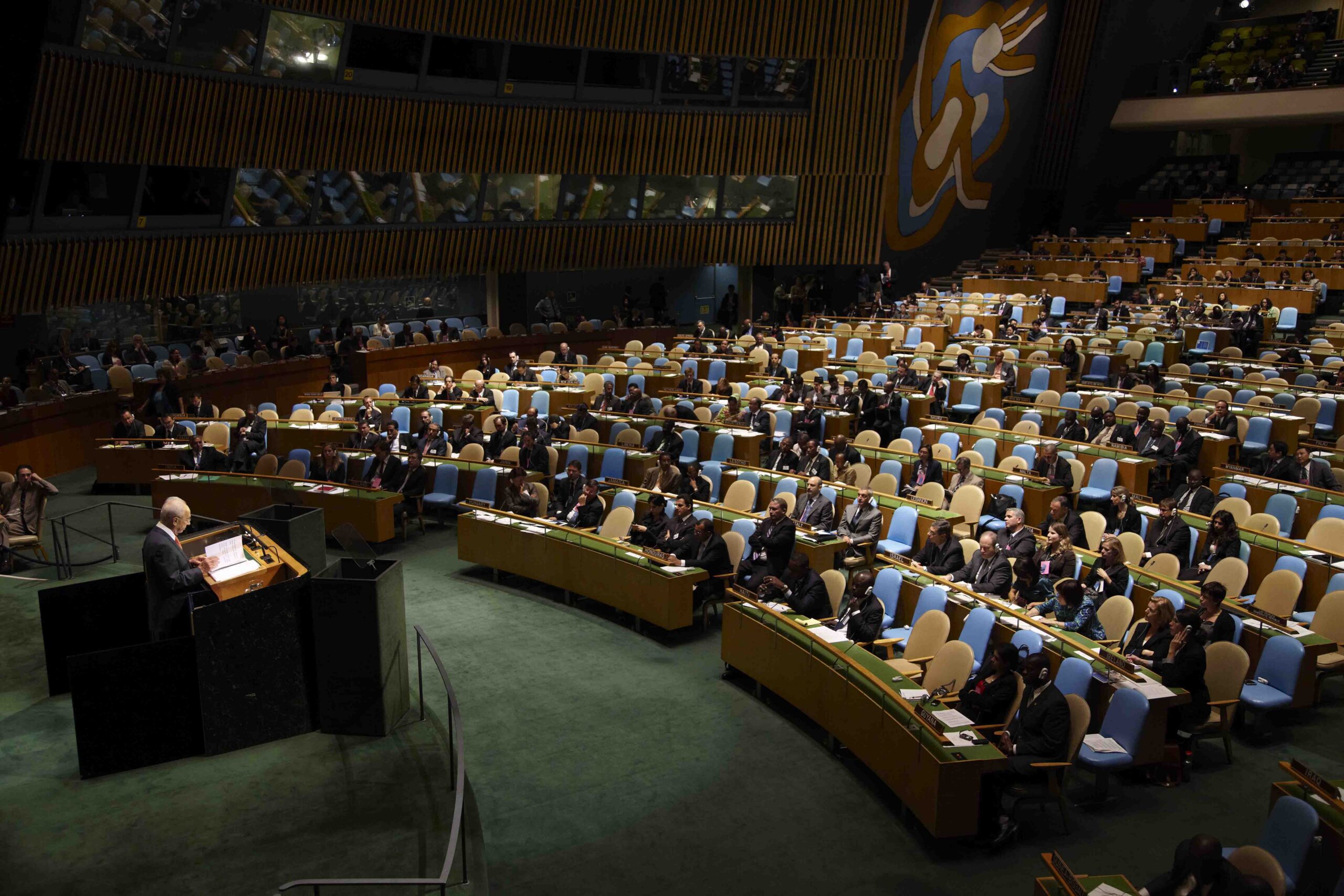
The United States can survive without the international order, but it cannot survive the international order. If the United States is going to survive the century, it will have to do so as a rogue nation.

The current round of negotiations between the P5+1 and Iran will not enhance Israel’s security. Rather, they will do the opposite. They represent a strategy of appeasement rather than the use of power. What should happen is that the West should deliver a credible ultimatum to fully dismantle the program or face sharply increased sanctions — or, ultimately, military action.
By Barry Rubin
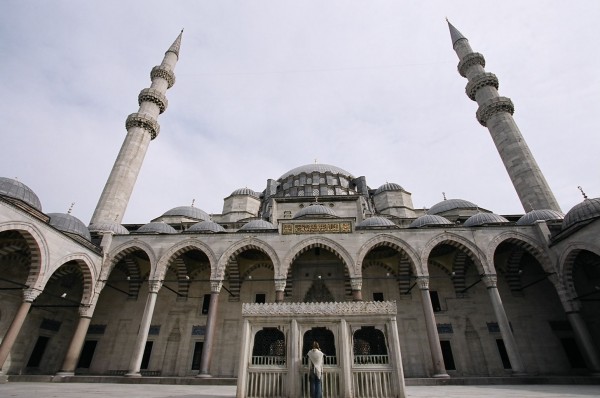
Why would a leading figure in Turkey's ruling Islamist party identify the era of rising Islamism as a “great shame…[in which the Middle East ] fell prey to the thirst of barbarian bloodshed”?
By J. E. Dyer
For the United States, issuing attack threats in the manner of Hugo Chavez is not a convincing posture. I don’t know if the Israelis will find it reassuring; I suspect the Europeans and Iranians will find it annoying, and decide to ignore it.
By JTA
Nothing suggests that Iran is ready to stop its nuclear weapons program, Prime Minister Benjamin Netanyahu said ahead of talks between Iran and a U.S.-led negotiating coalition. "Nothing would be better than to see this issue resolved diplomatically," Netanyahu said Friday during a state visit to the Czech Republic. "But I have seen no evidence […]
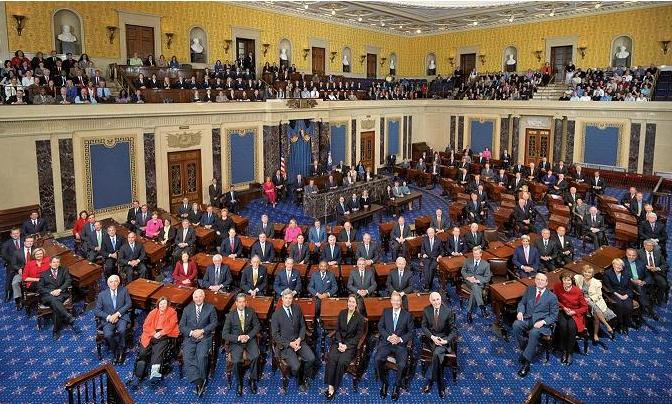
The US Senate will consider a new sanctions package against Iran on Thursday, in which oil and economic embargos will be considered in order to force Iran to abandon its nuclear development program. In the meantime, the US and Israel prepare for the possibility of a military strike on Iran.
According to Reuters, a confidential report on Iran sanctions-busting says Syria continues to receive Iranian arms shipments that violate a U.N. Security Council ban on weapons exports by Iran. The new report, by a panel of experts on monitoring sanctions, submitted to the Security Council's Iran sanctions committee, also details Iranians' efforts to circumvent sanctions […]

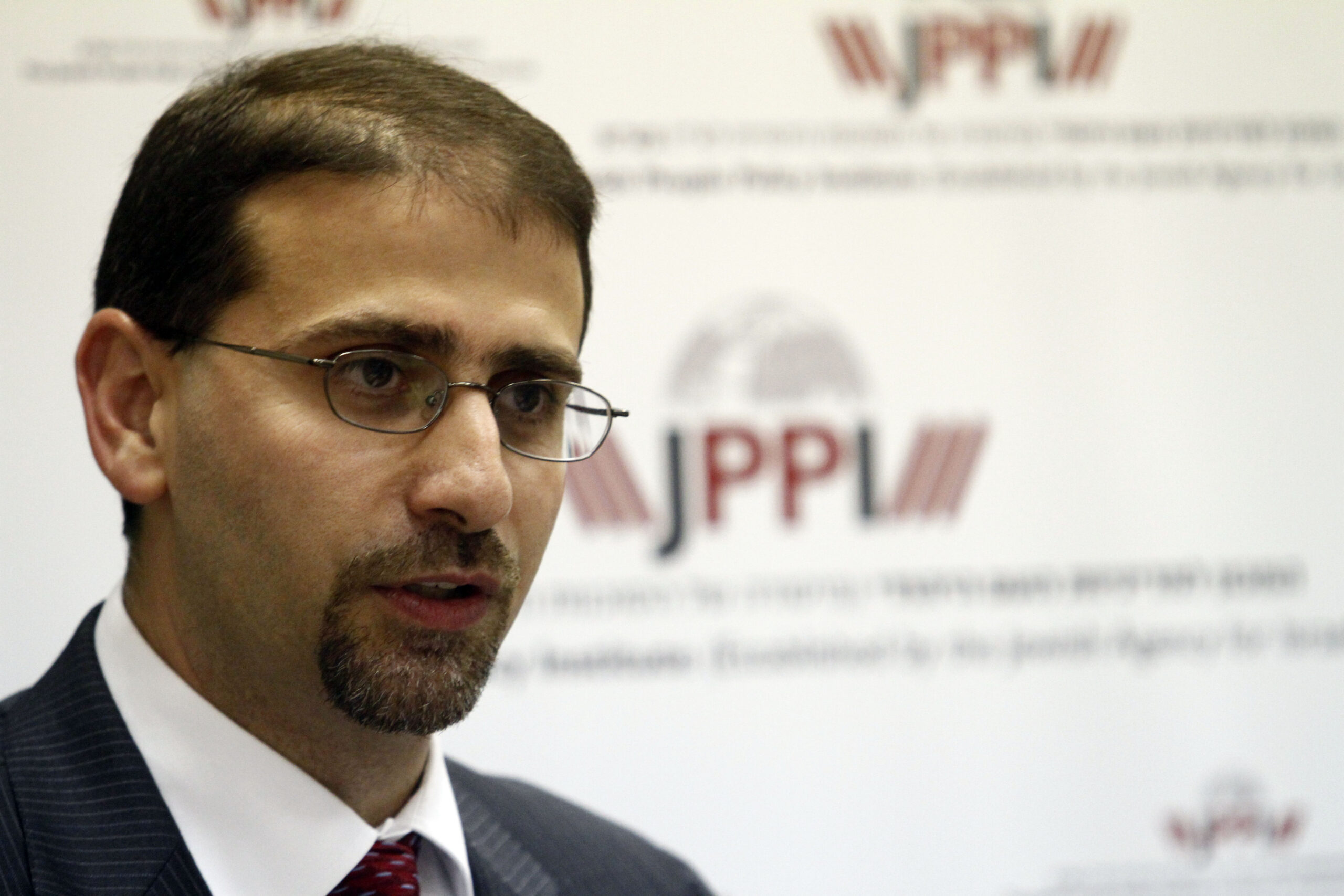
Washington prefers the diplomatic option and stated as much time and again – but it seems that beneath the surface, an attack is ready to roll on command. An unusual moment of candor on the part of U.S. Ambassador to Israel Dan Shapiro at a closed meeting in Tel Aviv, reveals the planning behind the scenes. "The military option is not only possible, it's ready," he says.
By Rory Lancman
Last year’s Arab Spring is quickly becoming an Islamic Spring, with dire consequences for Israel. Israel, already surrounded by enemies, now faces a newly empowered Muslim Brotherhood in Egypt to the west and a wave of new protests and opposition tactics in Jordan to the east. To the north, Iran’s regional proxy, Syria – along with its allies in Hizbullah – continues to suppress its people, contributing to destabilization just across the Golan Heights.

It's called the Viper. It is a computer virus. Open it once and it propagates and grows in every other file that is opened. And last month it struck Iran. That's the third computer virus to hit Iran in the past eighteen months. But this one, the Viper, is different from the others.

The family of Daniel Wultz, 16, a Florida resident who was killed in a Palestinian suicide bomb attack in Tel Aviv won a $323 million judgment in a U.S. court against Iran and Syria. Attorney Darshan-Leitner said the Syrian government's aircraft, ships and corporations can be impounded to force Syria to comply with the court's ruling.
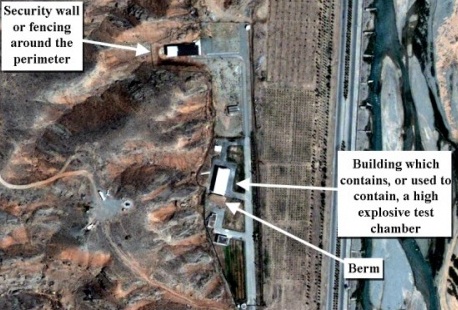
A new report on the Iranian nuclear arms program compiled by the Iranian opposition group Mujahedin-e Khalq (MEK) shows that Iran is in fact accelerating its efforts to build a nuclear bomb.

By JTA
The United States-Israel Enhanced Security Cooperation Act of 2012 passed by a vote of 411-2. In addition to expanding military cooperation between the two countries, the legislation states that it will be U.S. policy to provide Israel with essential military capabilities to preserve its qualitative military edge in the region.
By JTA
Prime Minister Benjamin Netanyahu told European Union foreign policy chief Catherine Ashton that Iran must agree to halt all uranium enrichment in upcoming talks. Ashton was in Jerusalem on Wednesday to brief Netanyahu in the run-up to the second round of nuclear talks with Iran scheduled for May 23 in Baghdad. Netanyahu also accused Iran […]

According to the contract signed in 2007, Russia committed to supplying Iran with at least five S-300 air-defense systems. But Russian President Dmitry Medvedev declared in September 2010 that selling the missile systems to Iran would contravene UN Security Council Resolution 1929.
An International Atomic Energy Agency expert lost his life in a road accident in Iran on Tuesday, the Iranian Mehr News Agency reported. According to the report, a car carrying two IAEA experts veered off the road and overturned. One of the experts, who had South Korean nationality, died in the incident that occurred at […]

Speaking at the annual convention of the Conservative movement's Rabbinical Assembly in Atlanta on Tuesday, Vice President Joe Biden made the case that Obama's strategies regarding the Iranian nuclear program have worked, but said the decision to strike must be Israel's. "I would not contract out my security to anybody, even a loyal, loyal, loyal friend like the United States," Biden said.
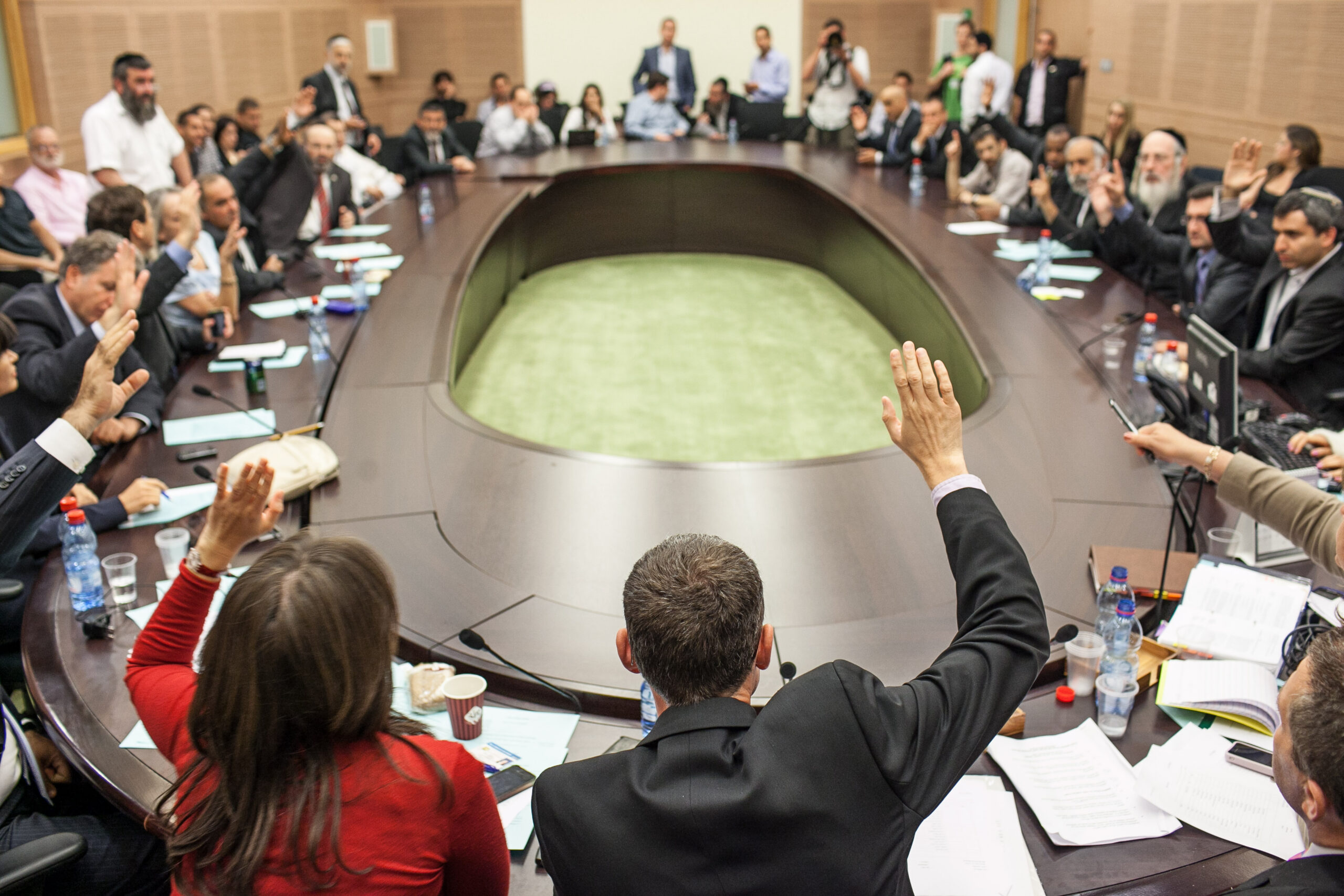
A unity government, which would give Netanyahu a massive 96 Knesset seats out of 120, would certainly clear the decks for military action against Iran. Early elections in September, on the other hand, carry a burden of uncertainty, even though Netanyahu’s Likud party is leading by a large amount in the polls. In any event, they would be disruptive.
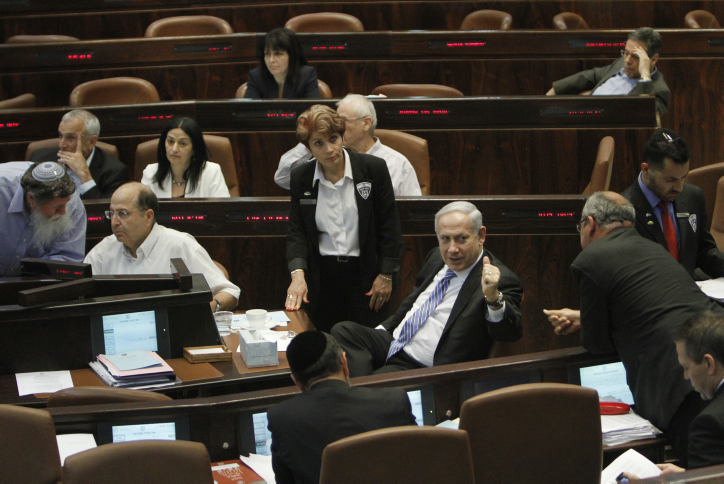
A joint JoeSettler-Jameel post. Left behind in the wake of Netanyahu’s surprise unity maneuver are some serious winners and loser. There is no doubt that elections would have shaken things up, but this unity coalition shakes up things even more. What Netanyahu managed to do today is of historic proportions and has some serious ramifications […]
By JTA
Two Congress members from Michigan at the Jewish Council for Public Affairs annual plenum stressed the importance of stopping a nuclear Iran and passing a bipartisan farm bill. Rep. Mike Rogers, the chairman of the U.S. House of Representatives Intelligence Committee, told plenum participants in Detroit on Monday that leaving the military option on the […]
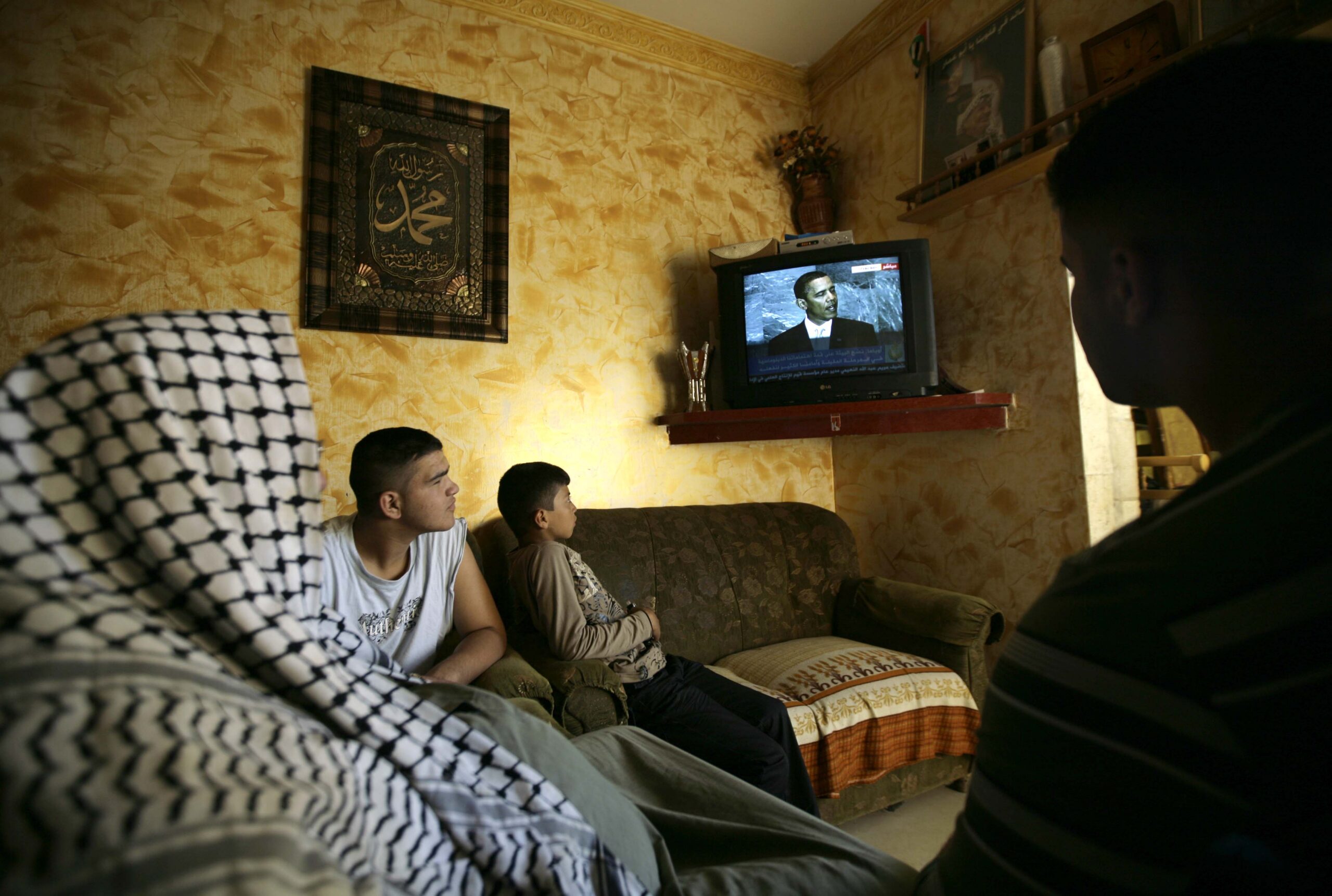
Barack Obama and many of his appointees share a New Left sensibility, which includes the ideas that colonialism and imperialism — particularly ‘US imperialism’ is the root of all evil, that it is meaningless to suggest that one culture could be morally superior to another, and that national interests should be subordinated to multilateral cooperation.
 September 25, 2026