יום רביעי, י״ב תשרי תשפ״זWednesday, September 23, 2026



Follow Us


Workers at the 'Achim Chai' factory in Petah Tikva, prepare covers for Sefer Torahs.
A few years ago, Dr. Jon Seligman's visit to Vilna as part of a roots trip sparked the idea of digging up what was left of the compound and the synagogue.

Dr. Abed Zachalka from the Mayanei HaYeshua hospital in ultra-orthodox city of Bnei Brak had the privilege to bring in a Sefer Torah into the Coronavirus wing of the hospital last week.

Members of the Fuld family wrote the last words of the Sefer Torah.
By JNi.Media
The Torah scrolls had been moved to a university library near the museum before the fire.
Jews in Hebron celebrate a new Torah scroll that was written in memory of Rabbi Moshe Levinger.
Coming to Kever Rachel one cannot help but recall the traditional domed structure that once stood as a humble memorial to the greatest of women. Unfortunately a fortress like edifice of towering large concrete slabs has now replaced that familiar picture. It was here, at this holy site, that I first met Evelyn Haies, an American mother, grandmother, and globetrotter.
By Rabbi Lord Jonathan Sacks z"l
By now Moses had given 612 commands to the Israelites. But there was one further instruction he still had to give, the last of his life, the final mitzvah in the Torah: “Now therefore write this song and teach it to the people of Israel. Put it in their mouths, that this song may be My witness against the people of Israel” (Deuteronomy 31: 19).
In this week’s parshah the Torah teaches the halachos of an ir hanidachas – a city where a majority of the inhabitants serve avodah zarah. The halacha is that all of the city’s inhabitants are killed and all of their possessions are burned.

By Tzvi Fishman
When Tevye walked back to his wagon, Ruchel was missing. Tzeitl reported that a young man from the village had unharnessed Tevye's horse and taken it to the barn for a feeding. Apparently, he had taken Ruchel with him. Tevye's eyebrows rose in surprise. Of all of his daughters, Ruchel most resembled his Golda.
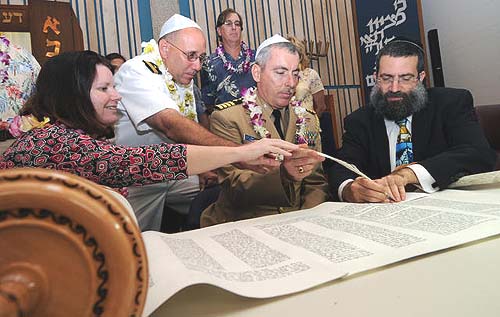
Left to right, at the Aloha Jewish Chapel, Naval Station Pearl Harbor, are Susan Hodge, U.S. Navy Cmdr. Timothy Koester, Chaplain, Capt. Donald Hodge, chief of staff for commander, Navy Region Hawaii and commander of the Naval Surface Group Middle Pacific and Rabbi Moshe Drum, writing the last letters in a new Sefer Torah during […]
One does not have to be superstitious to recognize facts. It is a historical fact that the period between the Seventeenth of Tammuz and the Tenth of Av was plagued by recurring tragedies.

During the past several weeks I have shared many of my own personal experiences and those of others. I am referring not only to my recent hospitalization following the breaking of a hip, but also to my series of articles on hashgachah pratis – events that befall us that can easily be attributed to random happenings but upon closer scrutiny and honest introspection testify to the ever-guiding Hand and mercy of Hashem.
By Erica Lyons
Hong Kong’s Ohel Leah Synagogue recently celebrated the dedication of a new Sefer Torah. Britain’s Chief Rabbi Lord Jonathan Sacks and Lady Elaine Sacks joined Rabbi Asher Oser and Assistant Rabbi Ariel Zamir of Ohel Leah at the festivities. Also present were Rabbi Mordechai Avtzon of Chabad of Hong Kong, Rabbis Meir Azarzar and Avner Cohen from the Shuva Israel community, and the sofer, Rabbi Yehonatan Yitzhak-Halevy. Hundreds of members of the Hong Kong Jewish community participated as well.
By Aryeh Savir, Tazpit News Agency
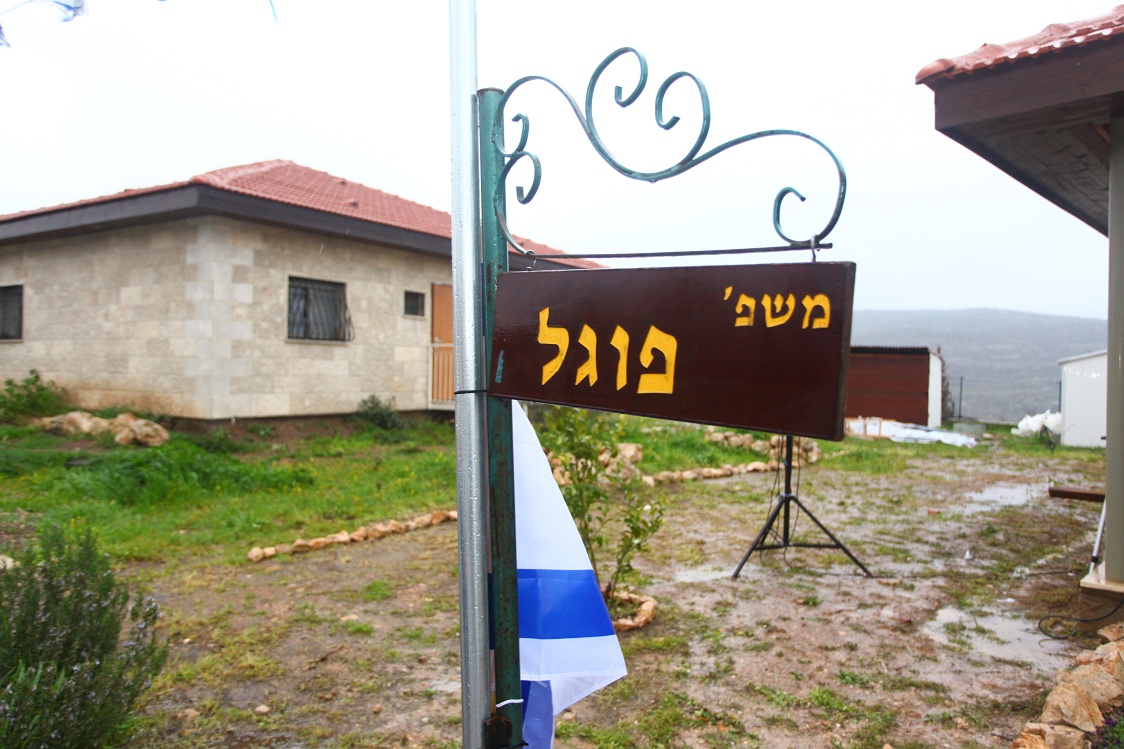
A year after the devastating Fogel family massacre – Itamar is still strong and growing.
By dvora
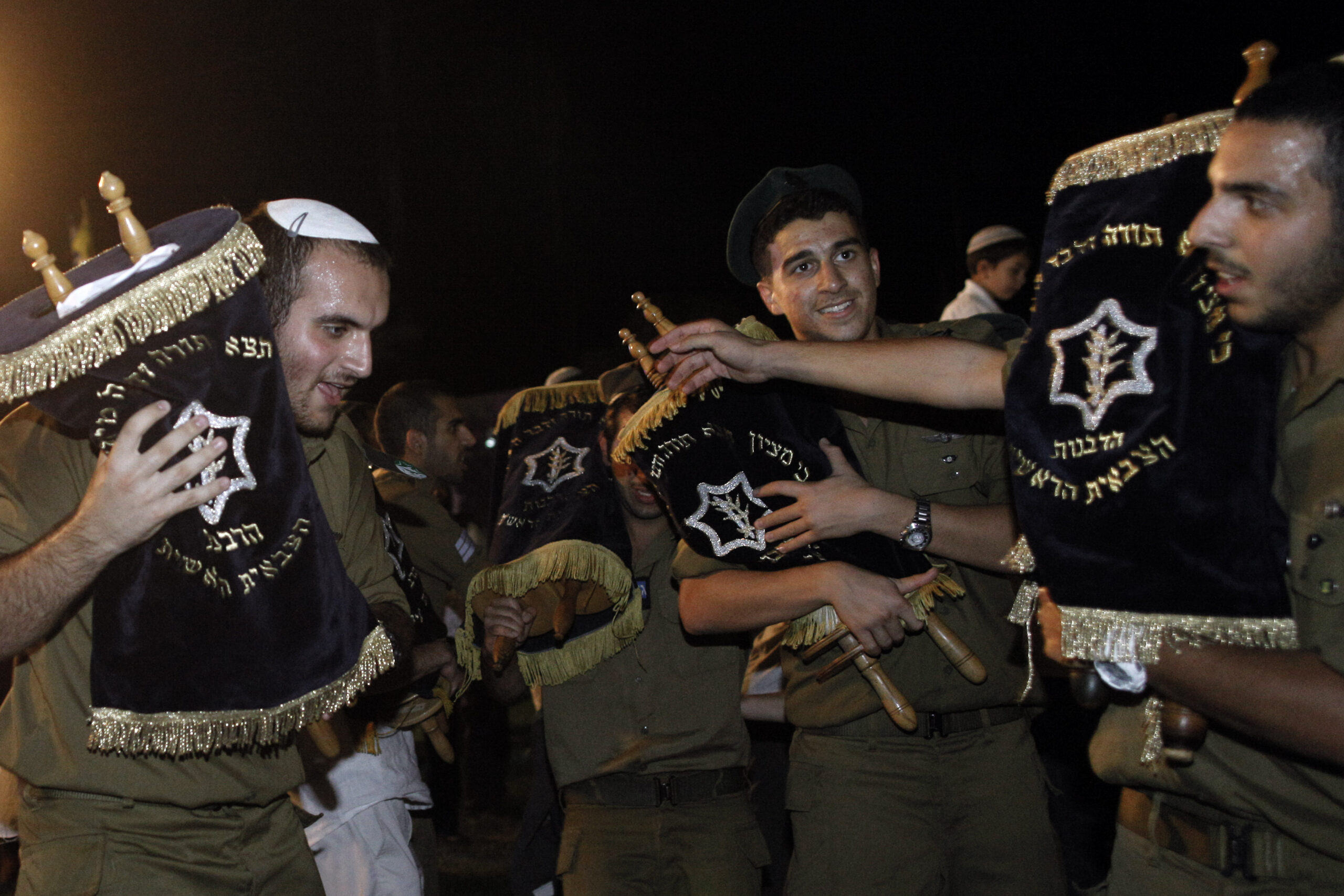
The donated scrolls are brought to Israel from synagogues throughout the world. They are in a worn or damaged state and donors are found to repair them and rededicate them in honor or in memory of loved ones or on special occasions. Upon their arrival in Israel, the scrolls are placed in different army, navy, and air force bases according to the needs of the IDF.
Question: During Kriat HaTorah, many congregations recite a general prayer for ill people. What is the source of this custom? Also, in many congregations, instead of the gabbai announcing each name, all of the shul’s members are asked to silently say the name of the ill person to themselves while the gabbai remains quiet for several moments. Is this proper?

Does shemot only include items, such as books and sheets of papers, with Hashem’s name on them? Or does it even include items containing Torah concepts or even just Hebrew letters?
 September 18, 2026



