יום ראשון, ל׳ תשרי תשפ״זSunday, October 11, 2026



Follow Us


Rabbi Eliezer Schnall, PhD, is a professor at Yeshiva University.
Read More
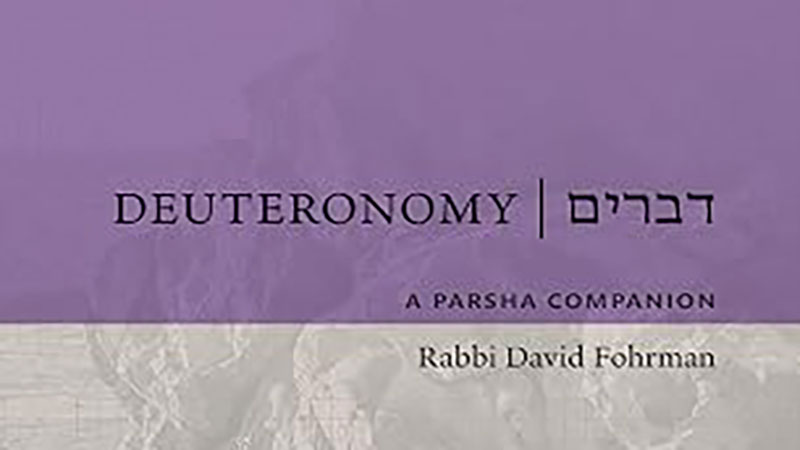
One of the great strengths of this series is that it succeeds with very different audiences.
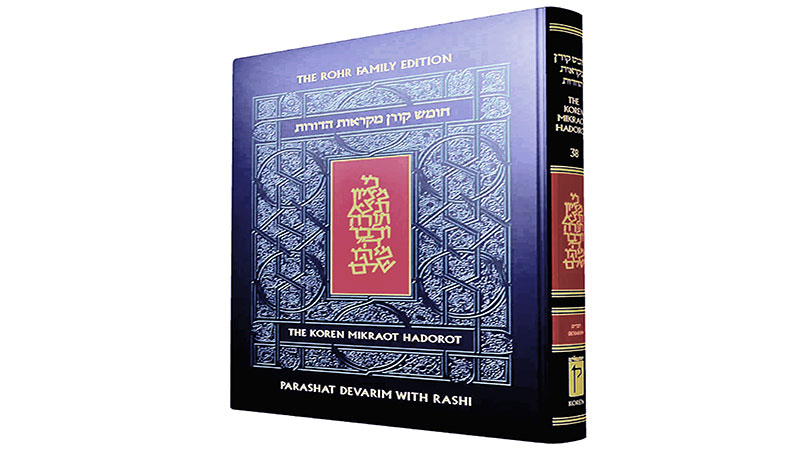
The result is not simply more commentary, but a panoramic view of how Jews have studied and understood the Torah across the generations.
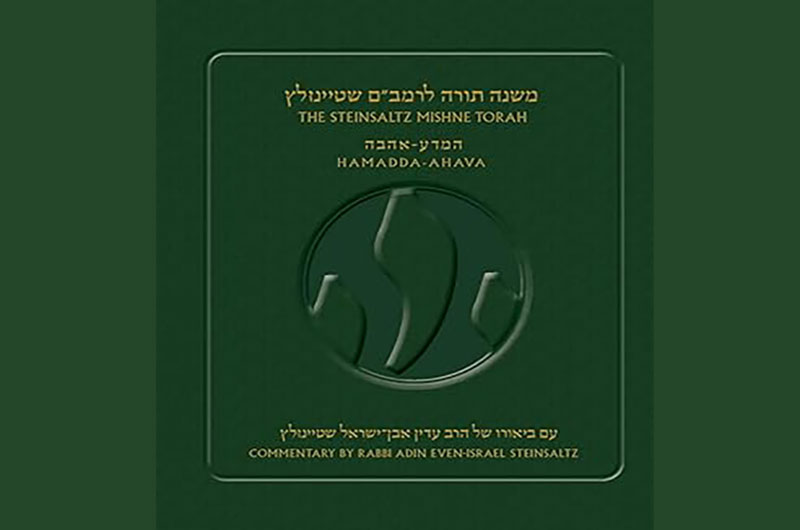
One of the strengths of this edition is the care invested in the actual text itself. Many students of the Rambam do not realize that over the centuries, often due to unintended copyist and printing errors, mistakes crept into some editions of the Mishneh Torah.
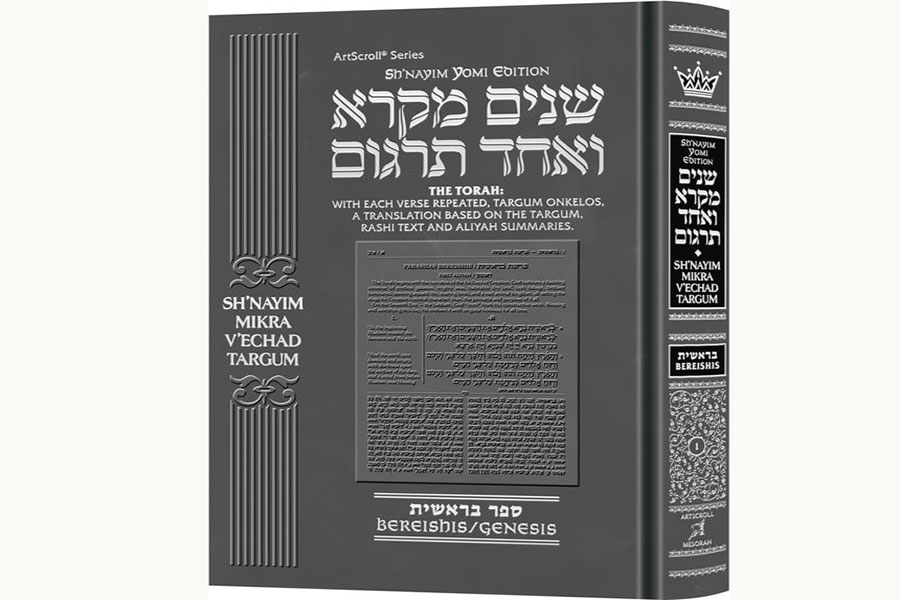
There are even bracketed additions embedded within the English translation, so as to clarify the meaning and also allow the language to flow more naturally.
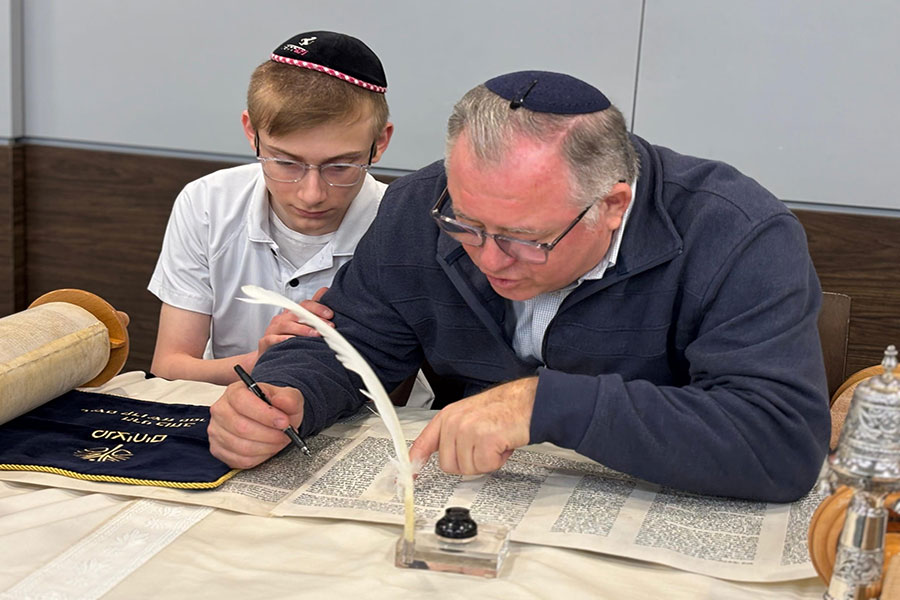
Whether one is a beginner or an experienced student, there is much to gain from its pages. Even seasoned students of Chumash will encounter new ideas, new sources, and perhaps even entirely new works and meforshim highlighted within its pages.
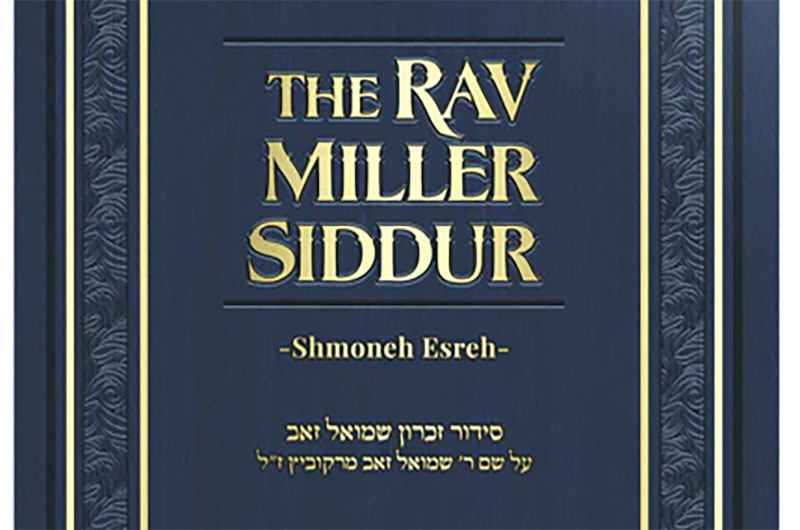
Those seeking to study the Shemoneh Esrei in advance will find its structured explanations especially helpful, while those using it during davening can benefit from the clarity and accessibility of its layout.
Now we are faced with a different challenge. How do we fit our newfound Shabbos, filled with reinvigorated ruchniyus and marked by a greater focus on family, into this recently changed and mostly positive reality?


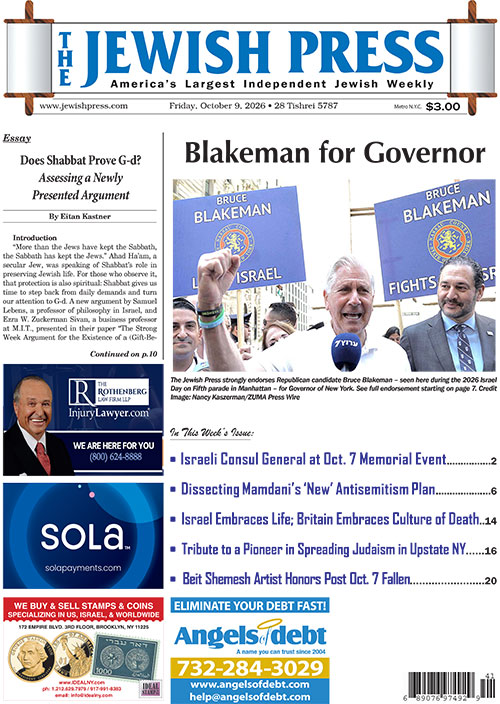 October 9, 2026