יום שני, י״ג אב תשפ״וMonday, July 27, 2026



Follow Us


Israel must demonstrate confidence in ourselves and an iron determination to defy our antagonists. Mordechai teaches that it is not through appeasement that one achieves peace but rather through strength, self-assurance and unequivocally firm resistance to tyranny and injustice.
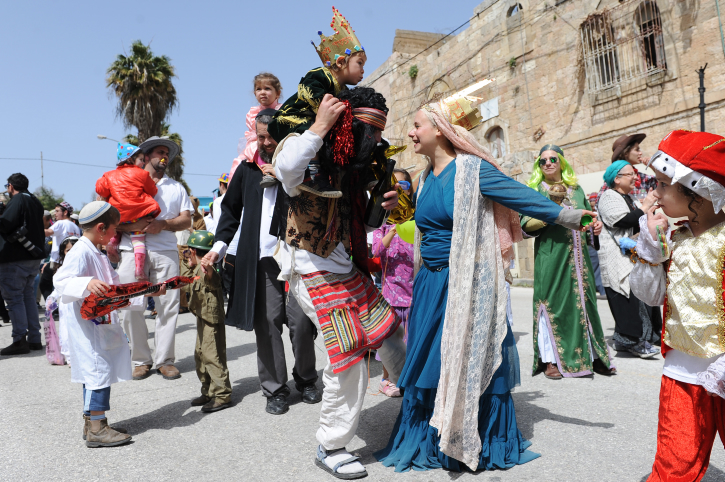
Purim is about recognizing the miracles in everyday life and not being afraid to do the right thing.
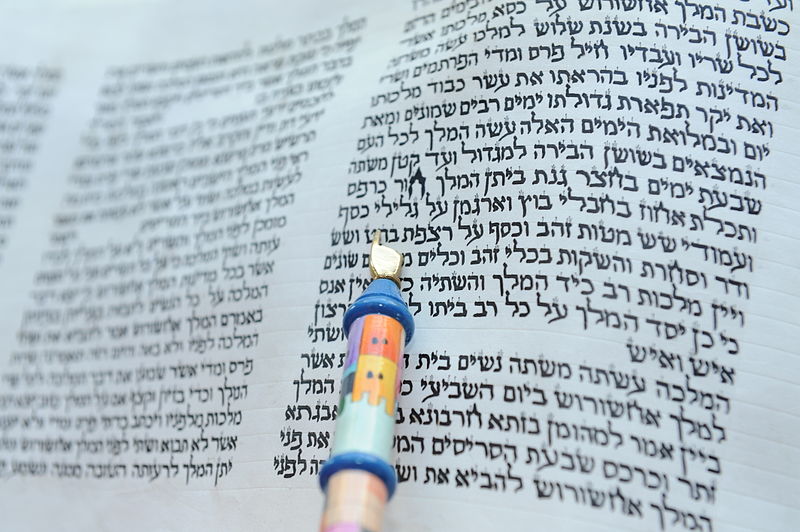

Just like Moses and Aaron, Mordechai decides to ruin the party…

Esther's name, which means “hidden,” reminds us that at the outset she hides her Jewish identity.
By Batya Medad
It doesn't matter how many apartments are built. Housing prices still go up in Jerusalem.
If you’re looking to get away from the irritations of technology and people in your way, the best place to go is Lancaster County, Pennsylvania.
By David Wilder
The first time was many years ago. I had just concluded explanations about Yeshivat Knesset Yisrael” which arrived in Hebron from Slobodka, in Lithuania in 1924. The Hebron Heritage Museum at Beit Hadassah features an exhibit about this illustrious Torah-learning academy, nicknamed the ‘Hebron Yeshiva,’ which includes a ‘class picture’ from 1928. As I finished […]

Mordechai, 36, and Chani, 35, were married for six years and came to me for advice on how to save their relationship. They seemed to have everything going for them. They were working professionals, successful and upwardly mobile; they shared many common factors including similar religious beliefs, intelligence levels, and were both pleasantly extroverted.

Welcome once again to “You’re Asking Me?” where we answer any and all questions sent in by readers. It’s a lot like all the other “ask the expert” columns, except that, whereas the other experts are interested in giving you a well-researched answer, our interest is more in meeting our deadlines so we can get back to looking for our car keys. Most of the time, we tackle advice questions, but once in a while we have to take a break from those, because of the lawsuits.
The Gemara in Baba Basra 119b relays the following conversation that took place in this week’s parshah: Moshe Rabbeinu was teaching the halachos of yibum when the daughters of Tzelaphchad approached him with the following question: Our father died in the midbar and did not have any sons. Why then is our mother not required to fulfill the obligation of yibum? And if the fact that he had daughters is the reason that she is not obligated to fulfill this requirement, why then can we (his daughters) not receive an inheritance – just like sons would?

By Judith Mesch
Achashveiros of Poras, Beset by domestic tzoras, Got a quickie fivoras... But being single again just wasn’t the same.
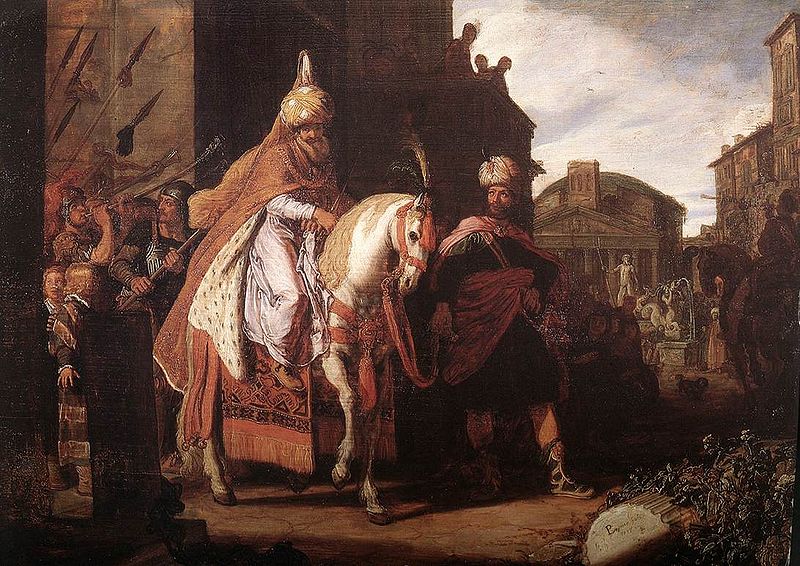
Purim is the holiday of contradictions and tenacity-driven-optimism: Grief replaced by joy; Esther's concealment replaced by the disclosure of her national/religious identity; Haman's intended genocide of the Jews replaced by redemption; Haman replaced by Mordechai; national and personal pessimism replaced by optimism.

Israel must demonstrate confidence in ourselves and an iron determination to defy our antagonists. Mordechai teaches that it is not through appeasement that one achieves peace but rather through strength, self-assurance and unequivocally firm resistance to tyranny and injustice.

These are excerpts from the sefer “Inside Purim” which contains additional answers to the following questions and much more.

Purim is just a few days away, and Jews young and old are gearing up to celebrate this most festive of holidays, during which all will eat, drink and nosh merrily and in great relief over our come-up-from-behind triumph against a vicious Jew hater whose goal was to annihilate the Jewish people, but who instead had the tables turned against him in a dramatic and unforeseen manner. Sadly, bullying is alive and well in the 21st century afflicting all societies and the individuals that comprise them. For those who think that our heimishe communities have been spared the scourge of bullying - it's time to get their head out of the cholent.
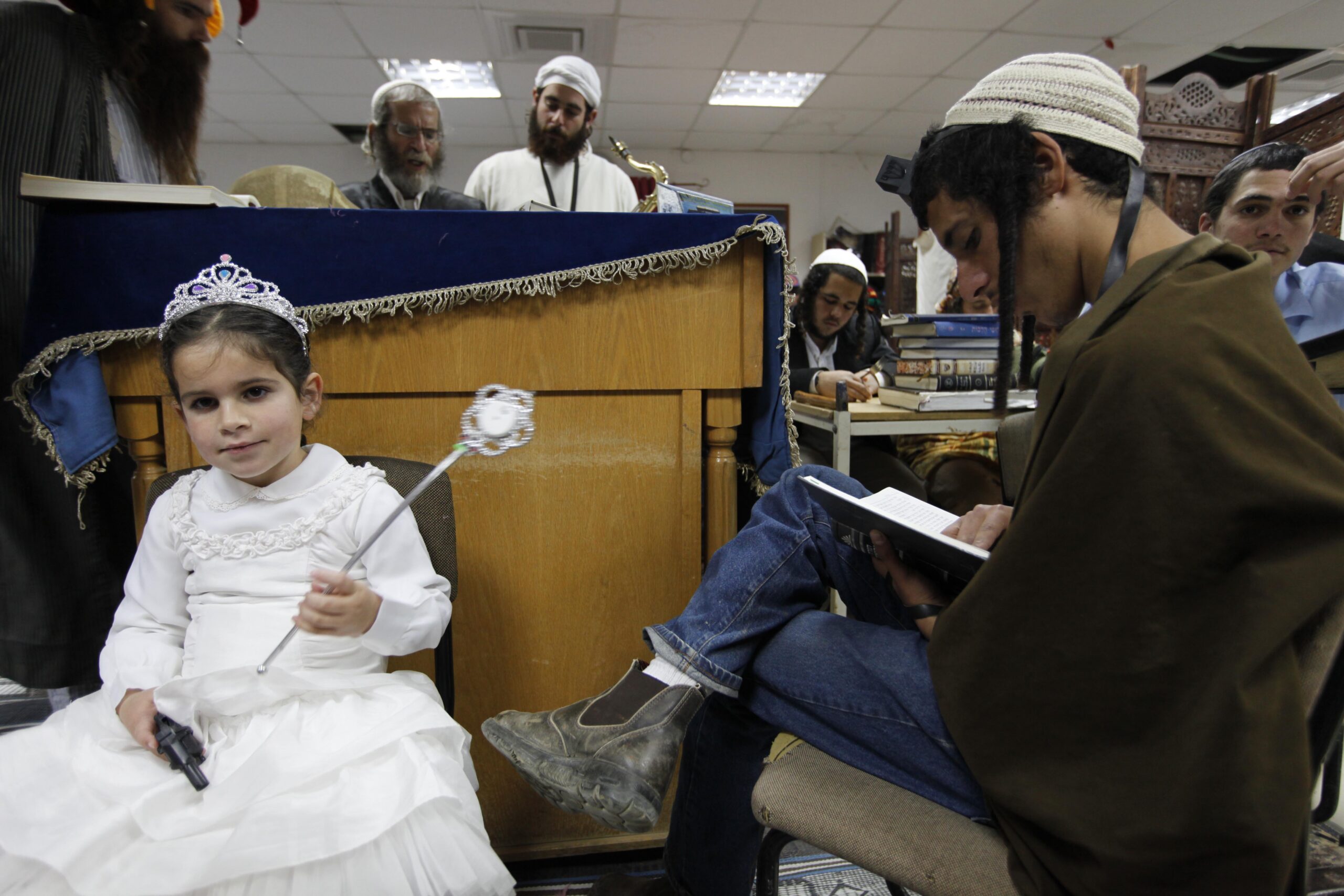
To properly fulfill the mitzvah of listening to the megillah, each word must be heard. If a word is missed, the listener should read it quietly to himself from the text in his hand. The principal purpose of reciting the megillah is to publicize the miracle of Purim. Accordingly, many poskim permit the megillah to be read in English if the reader does not understand Hebrew.

By Rabbi Shimshon HaKohen Nadel
The word the Gemara uses to get drunk on wine is “l’besumai,” literally - to become fragrant. Not stinking drunk, but rather like the incense in the Holy Temple; a sweet smelling aroma.
 July 24, 2026