יום ראשון, י״ב אב תשפ״וSunday, July 26, 2026



Follow Us



Parshas Pikudei begins with a detailed accounting of all of the gold and silver that was collected for the Mishkan. A cursory reading would lead us to assume that while of course a man as great as Moshe was above question, he must have asked for this calculation because public leaders must remove any suspicion no matter how farfetched.

The Rambam, in Hilchos Shabbos 24:7, rules that Beis Din may not carry out the punishment of either death or lashes on Shabbos. He cites the same pasuk of “lo seva’aru” as the source for this halacha. In his Sefer Hamitzvos the Rambam lists as a separate negative commandment (number 322) that Beis Din may not judge or carry out a punishment on Shabbos.
The Shulchan Aruch (Hilchos Chanukah, 685:7) writes that some authorities maintain that there is a biblical obligation to read Parshas Zachor and Parshas Parah.
By Rabbi Lord Jonathan Sacks z"l
The name Bezalel was adopted by the artist Boris Schatz for the School of Arts and Crafts he founded in Israel in 1906, and Rav Kook wrote a touching letter in support of its creation. He saw the renaissance of art in the Holy Land as a symbol of the regeneration of the Jewish people in its own land, landscape and birthplace. Judaism in the Diaspora, removed from a natural connection with its own historic environment, was inevitably cerebral and spiritual, “alienated.”

Purim is the one Yom Tov all Jews can celebrate. Special knowledge is not required and the demands of its observance are easy enough.

By Judith Mesch
Achashveiros of Poras, Beset by domestic tzoras, Got a quickie fivoras... But being single again just wasn’t the same.

Klal Yisroel stood at Har Sinai and accepted the Torah in a state of supreme purity and complete unity. Every Jew reached a level of prophecy and witnessed an unparalleled revelation of G-d. Then Moshe ascended Har Sinai for forty days so G-d could teach him the laws and details of the Torah.

By Tzvi Fishman
After his astounding speech in Congress, the GOP has been working behind the scenes to get Israeli PM Netanyahu to run for President of the U.S.A.

A series of new innovations coming out of Israel are making life better, easier, and more fulfilling for Jews around the world.
By Rabbi Yaakov Klass and Rabbi Gershon Tannenbaum
The Rambam That Engendered Fifty Novella ‘He Says to His Maidservant: You Are Free’ (Temura 25b)
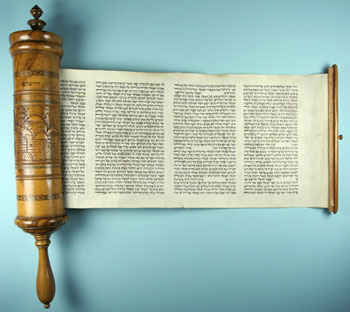
On Purim we read Megillas Esther twice, once by night and once by day. It is uncertain what the nature of the obligation is.
Question: I read The Jewish Press’s Luach of February 17 with much interest. You write, “We daven Shacharis as usual.” I find it difficult to understand why you don’t mention reciting the special yotzrot for Parshat Shekolim. Are yotzrot a relic of history? I’m a senior citizen who remembers saying yotzrot as a child. But now, they seem to have disappeared from Orthodox synagogues. Milton M. Adler Cherry Hill, NJ
Last week I described some prophecies concerning the wakeup calls that would come to our people when the arrival of Mashiach was near. Unfortunately, we have yet to attune ourselves to the sound of those footsteps.

I lost control of my car while driving in Brooklyn when a speeding taxi slammed into me. I thought my life was about to end when my car slammed directly into a tree. Baruch Hashem I survived, even though the taxi driver never stopped to help me.
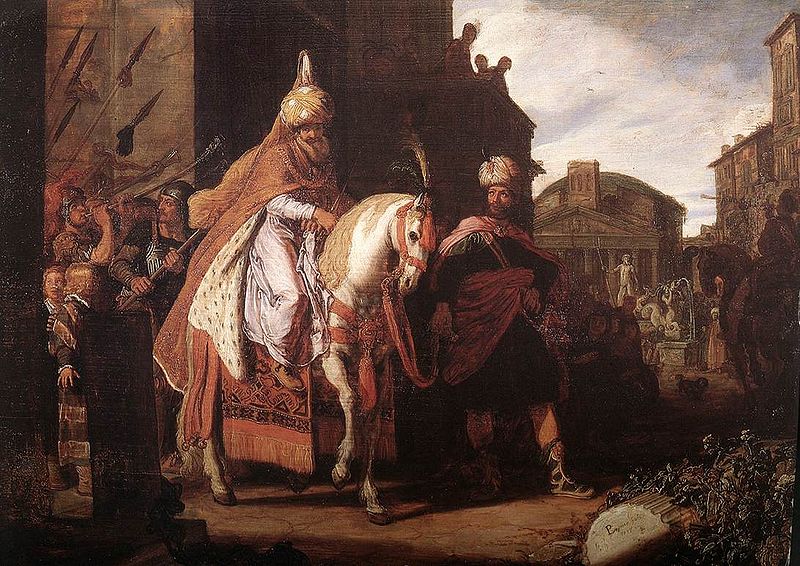
Purim is the holiday of contradictions and tenacity-driven-optimism: Grief replaced by joy; Esther's concealment replaced by the disclosure of her national/religious identity; Haman's intended genocide of the Jews replaced by redemption; Haman replaced by Mordechai; national and personal pessimism replaced by optimism.

Israel must demonstrate confidence in ourselves and an iron determination to defy our antagonists. Mordechai teaches that it is not through appeasement that one achieves peace but rather through strength, self-assurance and unequivocally firm resistance to tyranny and injustice.

By Rabbi Shimshon HaKohen Nadel
Being human, we are limited in our ability to understand. Tragic events seem senseless, without a rhyme or reason. World events can seem confusing, with the future uncertain. On Purim, we recognize that God’s Hand is guiding it all. The King is working behind the scenes, pulling the strings. We may not understand all of the twists and turns of the narrative, but we know the Author. All we have to do is put our trust in Him.

Perhaps you can’t really define a people without also defining its enemies. Certainly many believe that if the Jews could get rid of the idea of peoplehood, then they wouldn’t have enemies.The experience of the 19th century assimilationists and post-Oslo Israel tells us that this strategy doesn’t work in the real world. Even if we refuse to remember Amalek, he remembers us. And if we don’t have the support of self-conscious peoplehood (and its concrete representation, the Jewish state), how can we fight him?
Do you really care about your fellow Jew? Take the following test to see if your Ahavas Yisroel Quotient is on par with requirements established by Chazal.

These are excerpts from the sefer “Inside Purim” which contains additional answers to the following questions and much more.
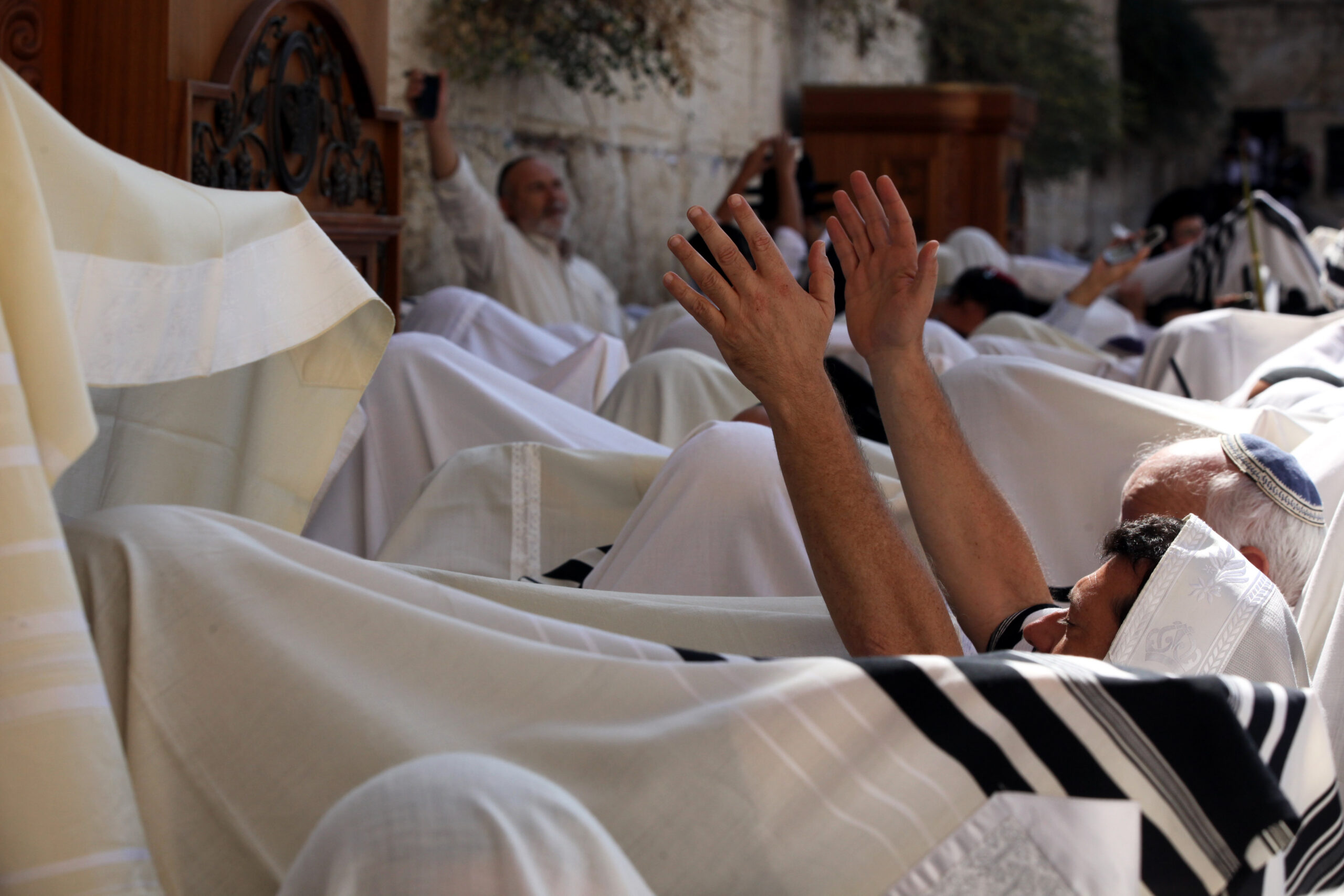
While the transgression of the Golden Calf had caused Aharon to feel a sense of distance from HaShem, the miluim was intended to bring him close again through spiritual perfection. The priestly vestments play a central role in this process and great detail is offered in describing them.
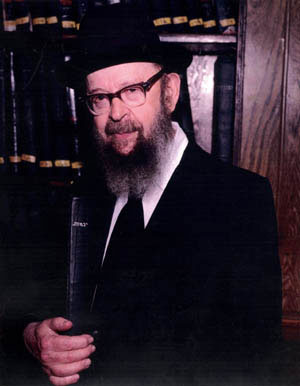
The wardrobe Hashem designed for those who served in his Mishkan served not only to distinguish them but also to impress upon them the importance and significance of the service for which Hashem had selected them. Clothing itself is a form of serving Hashem.
"When someone completes his job faithfully you must pay him fully, even if no benefit comes from the work. For example, if a person ordered a delivery of medicine for a critically ill patient, and the person died or recovered meanwhile, the driver must be paid."
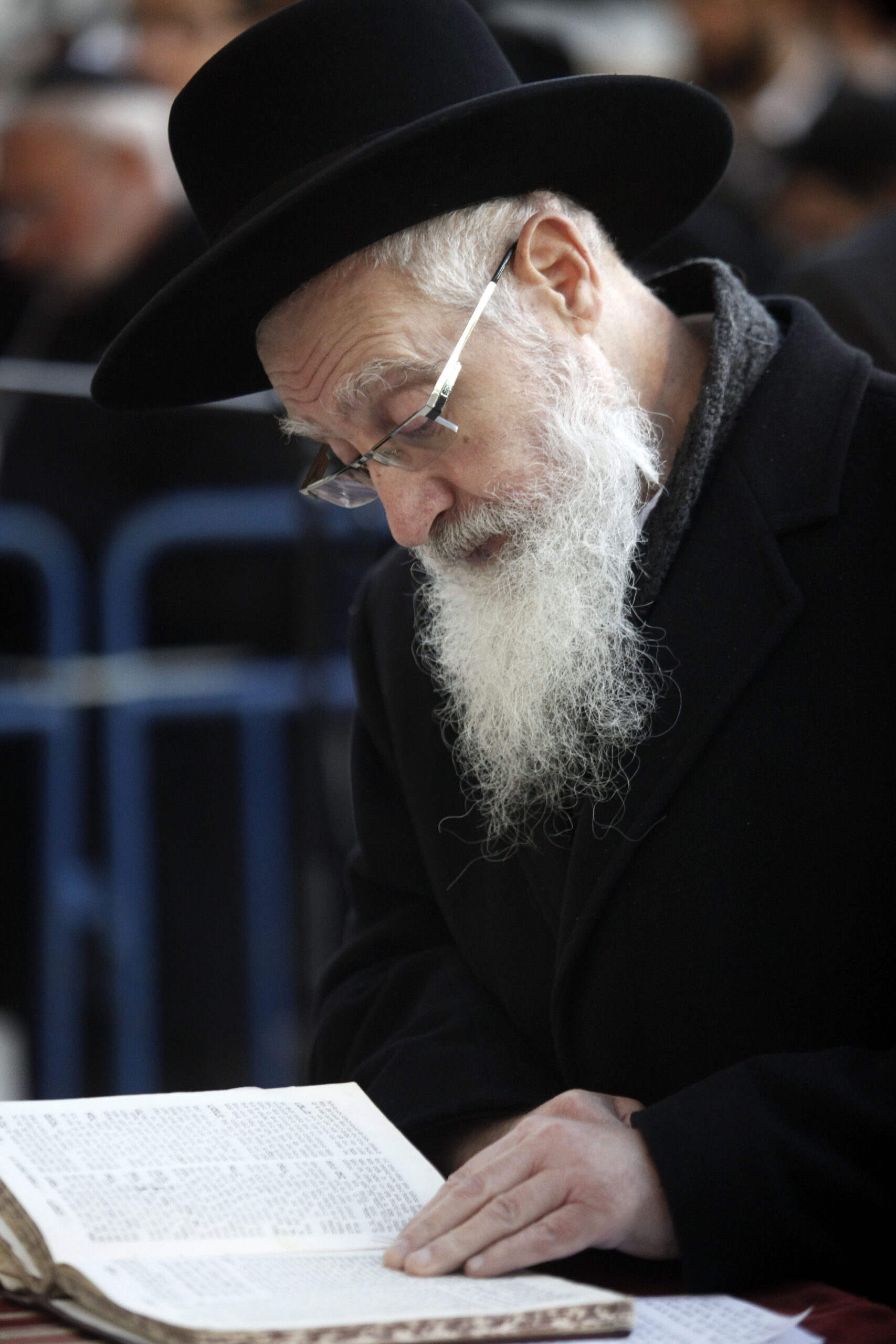
By Rabbi Yaakov Klass and Rabbi Gershon Tannenbaum
At most a navi, through prophecy, can institute a temporary modification of a Torah law. However, if he seeks to introduce a permanent change in the Torah or to add a new mitzvah, he and his prophecy should be rejected.
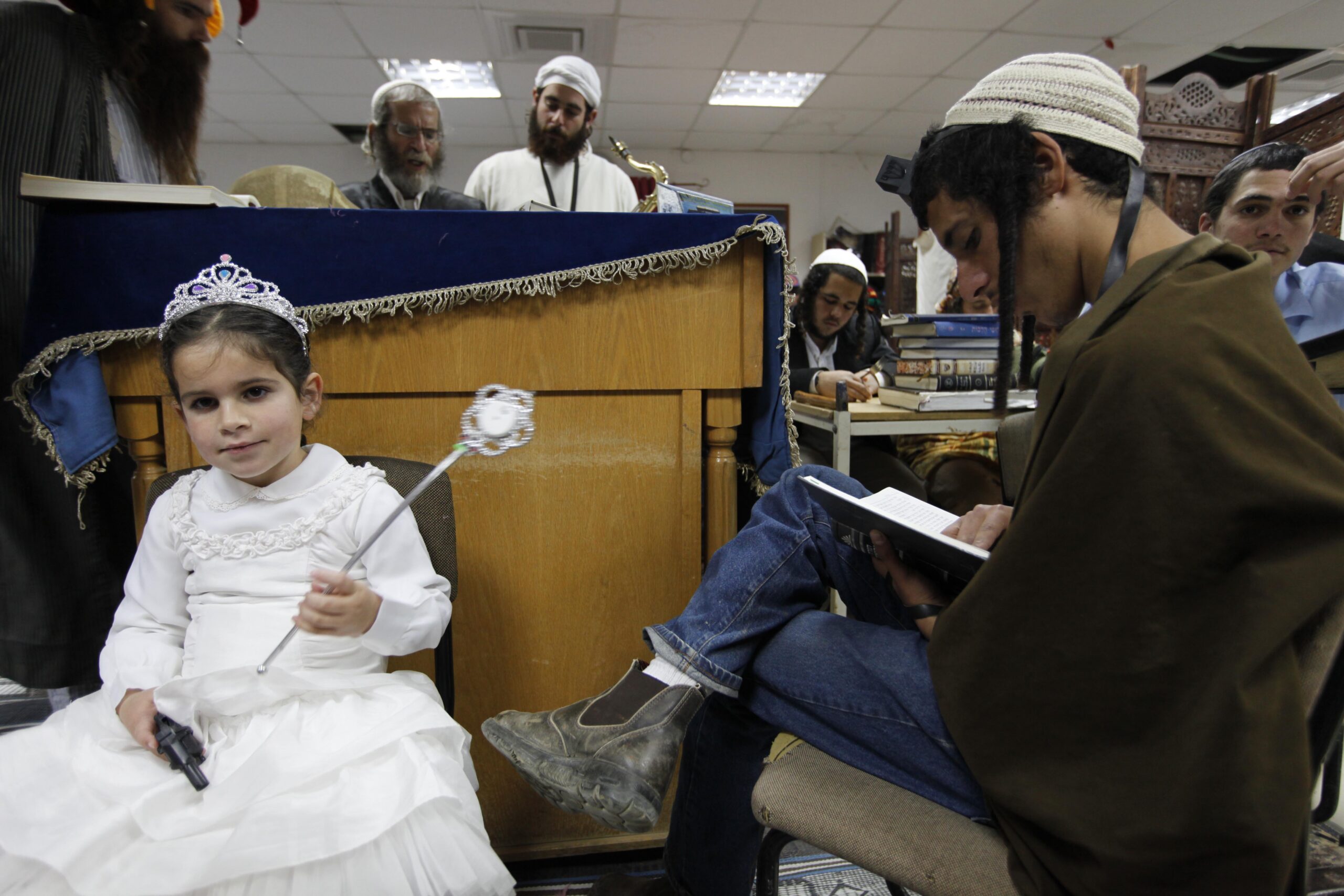
To properly fulfill the mitzvah of listening to the megillah, each word must be heard. If a word is missed, the listener should read it quietly to himself from the text in his hand. The principal purpose of reciting the megillah is to publicize the miracle of Purim. Accordingly, many poskim permit the megillah to be read in English if the reader does not understand Hebrew.

The Sefer HaChinuch states in mitzvah 603 that women are exempt from the mitzvah of remembering what Amalek did to us. He explains that this is because it is not upon women to wage war against and avenge the enemy.
The term yotzrot refers to a grouping of special prayers that all fall under the same heading, and are also referred to as piyutim. Rabbi Yosef Grossman discusses this topic at length in his masterful work “Otzar Erchei Ha’Yahadut” ot peh, 377). He writes: “Piyut – these are prayers, poetic refrains, or sanctified songs that entered the liturgy of our special machzorim for festivals and special occasions, for the Days of Awe, as well as those solemn fast days that mark our national tragedies.”
By Rabbi Lord Jonathan Sacks z"l
There is a deeper message in Parshat Tetzaveh - the principle of the separation of powers, which opposes the concentration of leadership into one person or institution. All human authority needs checks and balances if it is not to become corrupt. In particular, political and religious leadership (keter malchut and keter kehunah) should never be combined. Moses wore the crowns of political and prophetic leadership, Aaron that of priesthood. The division allowed each to be a check on the other.
I dare not remain silent. I dare not ignore the wake-up calls and the catastrophe they portend. So I ask you to read my ensuing columns on the subject with open minds and receptive hearts. I will limit myself to the wake-up calls we have witnessed over the past couple of years, though they began considerably earlier.
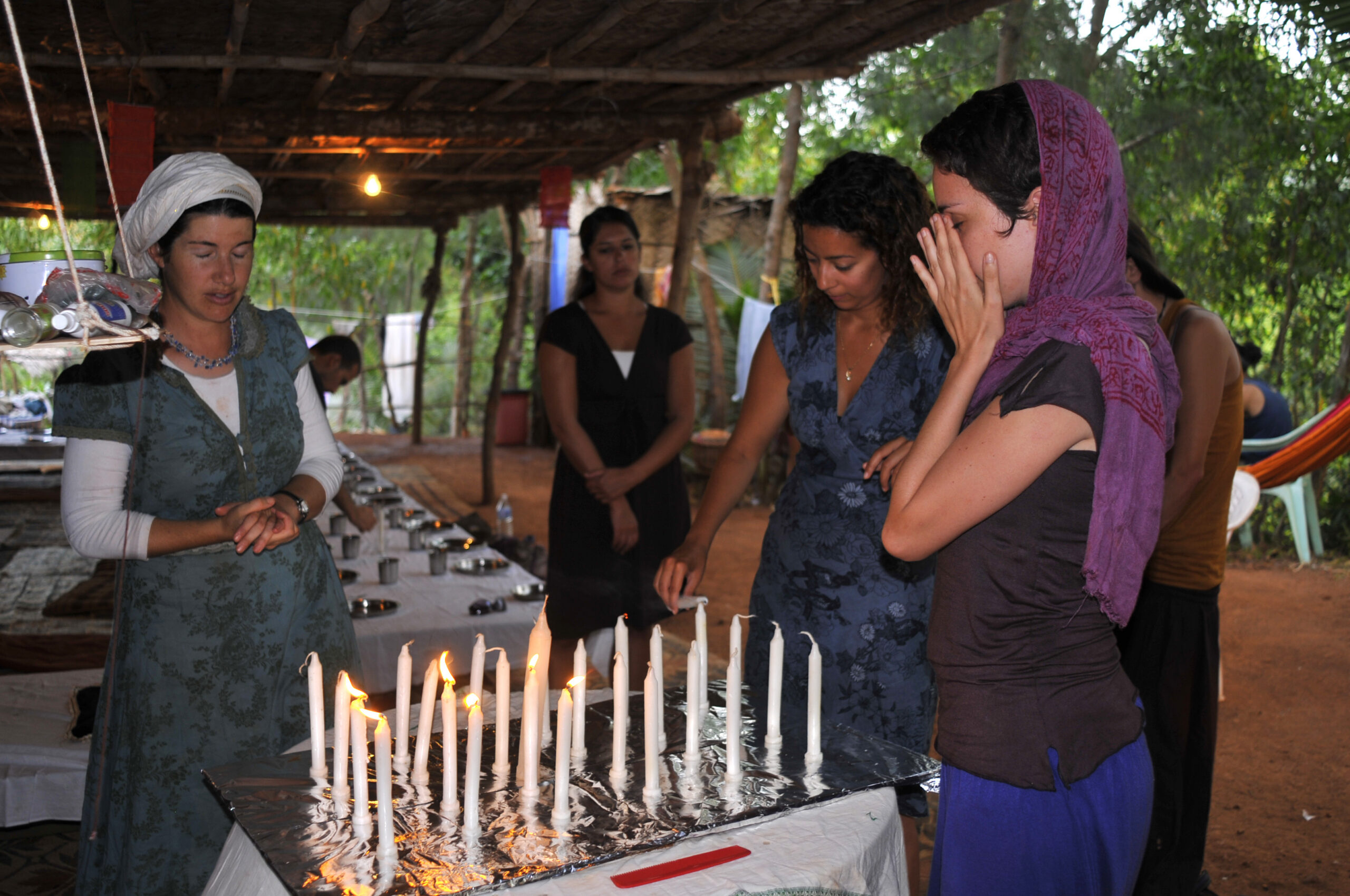
By dvora
Shabbat is a time of menuchah, of rest. It is also a time of simcha, of happiness. We are often too busy during the week to stop and think about how we can do something simple to bring simcha into someone else’s life. When we can combine the menuchah of Shabbat together with its inherent simcha, we can bring ohr laYehudim, light to all of us.

By Rabbi Shimshon HaKohen Nadel
The word the Gemara uses to get drunk on wine is “l’besumai,” literally - to become fragrant. Not stinking drunk, but rather like the incense in the Holy Temple; a sweet smelling aroma.

Malkah and Yishai discuss Canadian dedication to Israel, and simple but deeply important aspects of distinctly Jewish life, experts from Brookings get real on Middle East dynamics, and, finally, Rebbitzin Mizrachi teaches how to be truly happy.
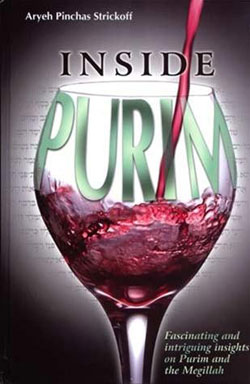
These are excerpts from the sefer Inside Purim, which contains additional answers to the following questions and much more.

Question: Is there any halachic rationale for men to shake hands with women?
By Rabbi Lord Jonathan Sacks z"l
It is not what G-d does for us that transforms us, but rather what we do for G-d. A free society is best symbolized by the Tabernacle. It is the home we build together. It is only by becoming builders that we turn from subjects to citizens. We have to earn our freedom by what we give. It cannot be given to us as an unearned gift.
Batei arei chomah are structures (of at least six to eight square feet) in towns consisting of at least three courtyards with two buildings each, with a predominantly Jewish population – provided that such towns were surrounded by a wall in the time of Joshua even though they may no longer be surrounded by a wall at the time of the sale or buyback.
By Rabbi Yaakov Klass and Rabbi Gershon Tannenbaum
Permission Granted? ‘Lo Yachlifenu B’Shel Acheirim…’ (Temurah 9)

In this week’s parshah the Torah discusses many of the various aspects of the mishkan. The Torah dictates in detail the manner in which the walls of the mishkan were to be erected. At the instructions’ conclusion, the pasuk says, “Vahakeimosa es hamishkan, k’mishpato asher har’eisa bahar – and you shall erect the mishkan according to its laws, as you will have been shown on the mountain” (Shemos 26:30).
The entire Jewish nation – every man, woman, and child – experienced the revelation of Hashem on Har Sinai. They saw Hashem as clearly as humans can, and they attained a level of prophecy. Now they were being offered one of the greatest gifts imaginable: Hashem Himself was going to dwell among them.
Question: Since my daughter in high school started researching the topic of shemot for her school newspaper, I have become more and more confused. Does shemot only include items, such as books and sheets of papers, with Hashem’s name on them? Or does it even include items containing Torah concepts or even just Hebrew letters? For example, how do you advise I dispose of The Jewish Press? Finally, concerning Hashem’s name, must the name be spelled out fully in Hebrew to constitute shemot? What if it is in English in abbreviated form – “G-d,” for example? Shlomo Newfield (Via E-Mail)

Last week’s column was meant to be the last, for now, on the subject of shidduchim. Because of the problems singles experience in finding their soul mates, I had devoted several columns to the subject and was prepared to move on – until I received an e-mail I feel is a must read in order for us to gain a better understanding of the pain some of our singles are experiencing.

For most of the nations of the world, the laws governing interactions between people are conventions set up by citizens to enable their society to function. They are bereft of any Divine influence. However, such laws within a Jewish society are very much religious laws as well. To demonstrate this point the Sanhedrin, which was ultimately responsible for all legal aspects of society, was housed in the Temple. By being there it was made clear to all that, for Jewish society, the interpersonal societal laws were Divine in origin, just as the ritual laws were.

The Jewish nation has no such concept as “religion” in the formal sense of the term, as we reject the notion of anything lying outside the realm of HaShem. It is Israel’s mission to elevate every sphere of Creation by infusing it with kedusha and bringing it to its highest potential in our world.
“And men of holiness you shall be to me, and you shall not eat meat in the field of a torn carcass (22:30). The expression “to Me” means “men of holiness that are Mine.” By being holy, they become close to Hashem.
In Parshas Mishpatim, the Torah delineates various prohibitions and punishments. With regard to stealing, we see something unusual. If a man steals a cow, he must pay back five times the amount he stole; however, if he stole a sheep, he must pay back four times the amount. Rashi is troubled by the difference in punishments. He explains that the difference lies not in the crime but in the mental state of the thief.
By Rabbi Lord Jonathan Sacks z"l
First in Parshat Yitro there were the Asseret Hadibrot (the Ten Utterances, or general principles). Now in Parshat Mishpatim come the details.

Question: Is there any halachic rationale for men to shake hands with women?
By Rabbi Yaakov Klass and Rabbi Gershon Tannenbaum
‘He Uttered Hashem’s Name In Vain’ (Temurah 3b)

"Although a shomer sachar is generally obligated in theft and is expected to watch extra carefully, he can stipulate with the owner for a lower level of responsibility . . . A number of authorities maintain that when the owner was aware of the conditions in which the merchandise would be kept, it is considered as a stipulation that such guardianship suffices."
Does shemot only include items, such as books and sheets of papers, with Hashem’s name on them? Or does it even include items containing Torah concepts or even just Hebrew letters?

This week’s parshah, Parshas Mishpatim, discusses many various halachos regarding monetary issues. One of the topics is when one damages another person’s property.
In this concluding column I would like to focus on the big question so many have asked: Since our faith teaches that every person has a soul mate – bashert – designated by Heaven, how is it that so many cannot find their partners?
Baruch, from the village of Radovitz, was a sharecropper who barely eked out a living. His income was at the mercy of the infamously cruel Poritz, who owned the Radovitz environs.
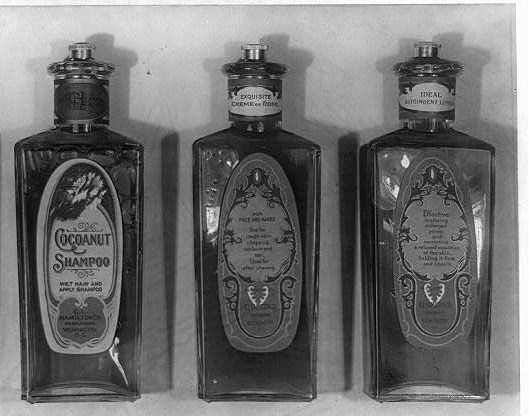
By N. Schechter
I thank Hashem that my daughters play “shampoo gemach", and I take pride in our community, which stresses gemachs and acts of gemilas chesed. Families try to find ways to help others, and people go out of their way to search for opportunities to practice kindness.
The American Jewish Orthodox community has probably been overwhelmed by the events of the past few weeks in Israel regarding the extremely hostile attacks that have been aimed at the haredi community by the secular press and politicians from across the political spectrum.
We should not be so naive to think Moshe himself could not have thought of the plan of appointing officers. The Elders of the sons of Israel in Egypt were an official and recognized body, not mere old men as are found today in homes for the aged.
“And He does kindness to thousands of generations, to those who He loves and those who guard His mitzvos.” – Shemos 20:6 In the Aseres Ha’Dibros we are told Hashem pays back the wicked for four generations and the righteous for two thousand generations. Rashi explains the ratio of two thousand to four comes out […]
Question: Should a person try to observe mitzvot he is technically exempt from performing?
After its conquest by Joshua, the land of Israel was divided into twelve equal parts in accordance with the number of the tribes of Israel. Each male member of each tribe that actually left Egypt was entitled to a piece of land equal in size to the total size allocated to his whole tribe divided by the number of men of twenty or over in his tribe that left Egypt.
Several weeks ago, in response to a letter from by a young woman in her thirties who wrote of the painful plight of singles, I wrote a column that has since mushroomed into a series of articles.
By Rabbi Yaakov Klass and Rabbi Gershon Tannenbaum
Too Little, Too Late? ‘Break Down the Door and Enter…’ (Arachin 31b)
Question: Since my daughter in high school started researching the topic of shemot for her school newspaper, I have become more and more confused. Does shemot only include items, such as books and sheets of papers, with Hashem’s name on them? Or does it even include items containing Torah concepts or even just Hebrew letters? For example, how do you advise I dispose of The Jewish Press? Finally, concerning Hashem’s name, must the name be spelled out fully in Hebrew to constitute shemot? What if it is in English in abbreviated form – “G-d,” for example? Shlomo Newfield (Via E-Mail)

The fourth dibrah of the Asseres Hadibros that is read in this week’s parshah says, “Zachor es yom haShabbos lekadsho – remember to sanctify the Shabbos.” The Gemara in Pesachim 106a derives from this pasuk that one must recite Kiddush on Shabbos over a cup of wine.
By dvora
Recently, I discovered a frum website, www.jewish-e-books.com, that allows one to download hundreds of Jewish books – both in English and Hebrew. Having written a sefer myself, I was able to get it put on their website.
A person’s reputation precedes him. A bad reputation prejudices any chance of a successful encounter. Damaging a person’s reputation is tantamount to booby-trapping human relations before they can blossom into happy relationships.
"Fine & Feder Furniture" had been a landmark in the shopping center for decades. The two partners had opened a small store thirty years before and now ran a humongous showroom. Rumors were circulating of a breakup in the partnership, though, due to developing mistrust.
“And Hashem turned back the sea by a strong east-wind all the night” (14:21). The wind was entirely unnecessary, for it was naturally unable to split the sea open and create a pathway, as the verse concludes "And it made the sea into dry land and the waters were split apart." This was entirely a […]
By Rabbi Lord Jonathan Sacks z"l
In September 2010, BBC, Reuters and other news agencies reported on a sensational scientific discovery. Researchers at the U.S. National Center for Atmospheric Research and the University of Colorado showed through computer simulation how the division of the Red Sea might have taken place.
After months of witnessing the hand of Hashem, the entire Jewish nation – three million strong – marched out from slavery to freedom with flourish and fanfare.
By Rabbi Yaakov Klass and Rabbi Gershon Tannenbaum
Pleading The Fifth ‘…And Minors Are Not Obligated To Fulfill Mitzvos’ (Arachin 22a)
At the onset of the Bnei Yisrael’s journey through the midbar, we read in this week’s parshah that the Bnei Yisrael’s complaint was for food to eat. Hashem responded that He would send “lechem min hashamayim” (also known as mun), and that the Bnei Yisrael would collect each day’s portion according to the number of members of his household.
Question: Why is Tu B’Shevat, known as the New Year for Trees, in the middle of the month and not at the beginning of the month – like all other New Years? Pesach Bernstein (Via E-Mail)
We have myriad matchmaking programs all over the world, from word of mouth to computerized, from well-intentioned individuals and professional shadchanim to singles organizations.
My friend Mrs. Rosen (not her real name) asked me to share her story. A widow for several years, she recently moved back to the community where she grew up so that she could help her elderly parents.
Question: Are there limitations to the mitzvah of chinuch?

I am the best! You are the best too! There were over 600,000 neshamos at Har Sinai, and each one was different. In order to be inspired to grow we must sense the best in ourselves; in order to be a mentch we must see the best in others.
“For I have made heavy his heart and the heart of his servants in order that I should put these signs of mine in his midst and in order that you should relate in the ears of your son and your son’s son how I dealt with Egypt, and you should know that I am Hashem” (10:1-2).
After a “natural” disaster, people speak with reverence. Even arrogant individuals, after living through a hurricane, tidal wave, or earthquake, have a sense of humility. Their reality has been changed, and they view life differently. Yet, when Pharaoh and Mitzraim experienced the makkos, that wasn’t their reaction.
Question: Are there limitations to the mitzvah of chinuch?
There are two different types of vows, nedarim, mentioned in the Torah. The first, which is the subject of Tractate Nedarim, is the prohibitive vow, nidrei issur, pursuant to which a person utters a vow not to do an action, which but for the vow would have been permitted.

By Rabbi Lord Jonathan Sacks z"l
There is a fascinating moment in the unfolding story of the plagues that should make us stop and take notice. Seven plagues have now struck Egypt.
In this week’s parshah Hashem instructs Moshe to tell the Bnei Yisrael that each household should take for themselves, on the 10th of Nissan, a lamb or a kid within its first year for the korban pesach.
By Rabbi Yaakov Klass and Rabbi Gershon Tannenbaum
A Burning Question? ‘If Said In The Concerned Person’s Presence It’s Not Evil Speech’ (Arachin 15b)
Question: My son recently stopped wearing a necktie and lace-up shoes on Shabbat. He explained that he doesn’t want to transgress the prohibition against tying knots on Shabbat. Is tying a necktie or shoelaces really forbidden? “A Mother in Israel” (Via E-Mail)
Some readers may wonder why I’ve devoted so many recent columns to this subject. The answer is that finding one’s shidduch has become a problem that has reached crisis proportions in the Jewish world. And despite all the efforts of individuals and community leaders, the crisis shows no signs of abating.
By Anonymous
The following inspiring story was told to Rochelle Rothman by her close family member. It truly shows how Hashem runs the world, and helps us in all of our endeavors.
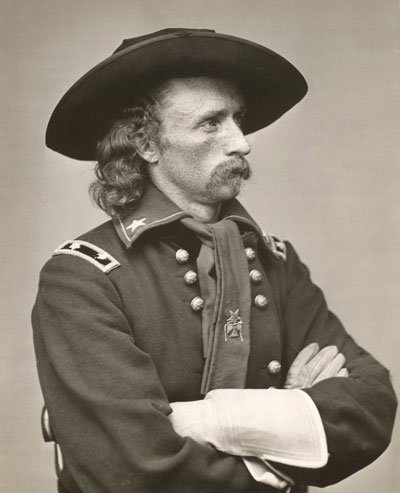
General George Armstrong Custer. The mere mention of his name evokes strong opinions of condemnation or admiration, depending on one’s perspective.
Pidyon ha’ben, like brit milah, is primarily the responsibility of the father. A brit milah must be performed on the eighth day of the child’s birth, unless it would endanger the life of the child. Pidyon ha’ben must be performed on the 31st day of the child’s birth. Neither ceremony may be delayed beyond its prescribed time unless there is some halachic justification to do so.
After Hashem commanded Moshe and Aharon to be the emissaries to free the Jewish people, the Torah lays out their lineage. At the conclusion, the Torah repeats the names of Aharon and Moshe, this time in reverse order, with Aaron mentioned before Moshe.

Reb Elimelech M’Lizhensk was considered one of the finest students of the Baal Shem Tov’s successor, the Maggid MiMezretch. When the Maggid passed away, his disciples gathered for the funeral and then had to decide who would succeed their master.

“And Amram took Yocheved.... And she bore to him Aharon and Moshe” (6:20). The names that were given in Egypt were not repetitions of previous names but were original expressions of genuine devotion to Hashem.
By Rabbi Lord Jonathan Sacks z"l
The parshah of Va’eira begins with some fateful words. It would not be too much to say that they changed the course of history because they changed the way people thought about history. In fact, they gave birth to the very idea of history. Listen to the words:
 July 24, 2026