יום שלישי, ט״ז חשוון תשפ״זTuesday, October 27, 2026



Follow Us


Rabbi Meir Orlian is a faculty member of the Business Halacha Institute, headed by HaRav Chaim Kohn, a noted dayan. To receive BHI’s free newsletter, Business Weekly, send an e-mail to subscribe@businesshalacha.com. For questions regarding business halacha issues, or to bring a BHI lecturer to your business or shul, call the confidential hotline at 877-845-8455 or e-mail ask@businesshalacha.com.
Read More

“Wouldn’t it be special if your brother performed the bris?” she suggested. “He’s traveling all that way, and it’s his own nephew!”
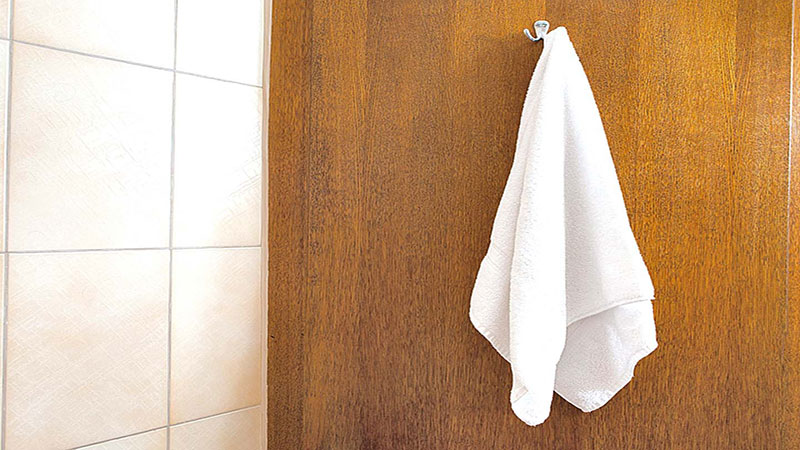
“I left my towel in the mikveh last week,” Aryeh explained. “Now there’s a similar towel here, but I can’t definitively identify it as mine.”

“When I took my sukkah out from the storage room, one of the beams was missing,” he said to Mr. Baum. “It seems that you must have taken it by mistake.” He pointed to the beam with the string.

“You shall take for yourselves (lachem) on the first day…” that on the first day a person cannot fulfill the mitzvah with a borrowed set of four minim, only with a set that is granted to him as a gift (Sukkah 41a-b; O.C. 658:3).

In the case of a single victim, if a person stole and is uncertain whether he returned the money but the victim claims definitively that it was not returned, the thief is required by law to pay, like other cases in which there is a definite debt and uncertainty about whether the money was returned (C.M. 75:9).

Rabbi Stern shook his head. “Who said that you were given precedence?” he argued. “We each took a day, with its ups and downs. If you are entitled to that right, though, I’m not going to take it from you.”

It is true that, in certain cases, when someone relies on the professional opinion of another and thereby suffers a loss, the professional carries liability for the loss.

“Since there are no simanim, though, the owner will eventually have yei’ush,” Chaim reasoned. “So, what's the point of leaving it there in the meantime?”

I’m certainly willing to have the case adjudicated in beis din, Mr. Sorscher said, but I now live in another city. I shouldn’t have to travel back just to explain to you why I don’t have to pay. We can adjudicate in my local beis din.
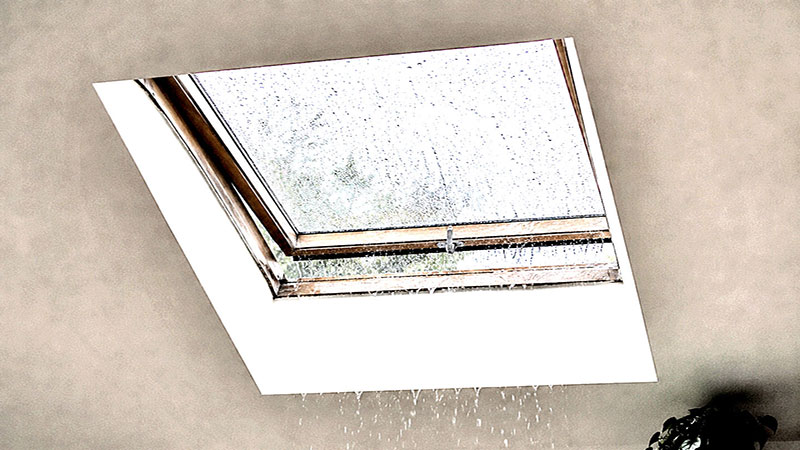
“But you were away for two weeks!” replied Mr. Rubin. “Leaving a skylight open that long is negligence, not an unavoidable accident. And our lease specifically states that the tenant is responsible for damage resulting from negligence.”
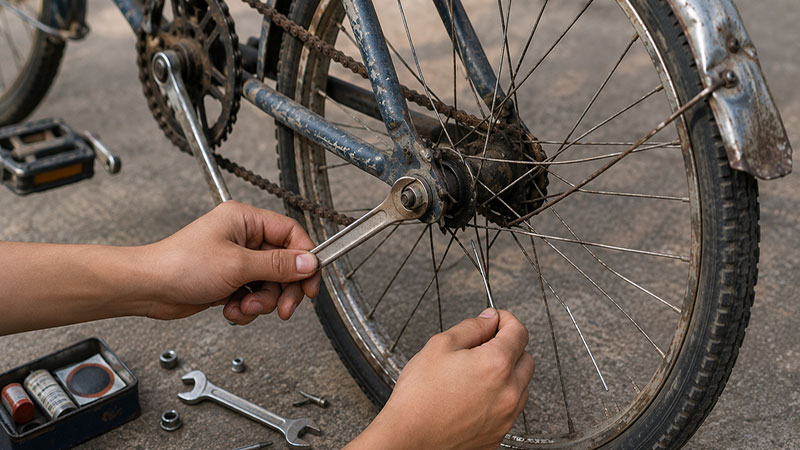
Mr. Nathan walked home thoughtfully. He had a good bike that was almost never used; the last time he had ridden it was years ago. His grandchildren used to ride the bike when they visited, but they had moved to Israel the previous year.

“You still have to watch what you’re doing, especially when working near the house,” said Mr. Mazer. “You damaged my property, so you should pay for the repair.”

The mezuzahs are not assumed to be included in the price of the house, especially if they are high-quality.
“We should notify the congregants that we reached the goal,” a board member urged. “There is no need for additional sponsors.” “Why stop people from donating?” said the treasurer. “We can use the additional amount for general shul expenditures. I see this as a good fundraising cause!”

He turned on music and shifted in his seat, struggling to ward off his tiredness. “Only 20 minutes left,” Ari said to himself. A moment later, his eyes closed.
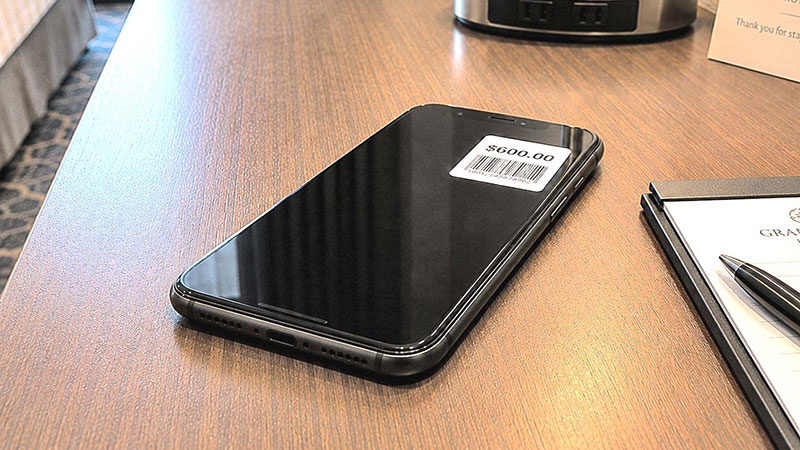
The flight went smoothly. After checking in to his hotel, Mr. Fine placed the phone on the desk in his room until Mr. Neuman’s son would collect it. That evening, he went out to dinner with several business associates. When he returned, the phone had vanished!

We pray for the hasty coming of Mashiach but might not return to the state of purity during the usable lifetime of this calf.
When the seller wants to leave the area, if we would require notifying the bar metzra initially, the prospective buyer might retract in the meantime and delay the move, adversely affecting the seller even if he did not have a defined prospective option elsewhere.

Eli smiled sympathetically. Normally, you can’t take challah twice, he said. But I remember learning in kollel a famous Ketzos about someone who separated challah without the owner’s authorization. I don’t know what we rule in practice, though.
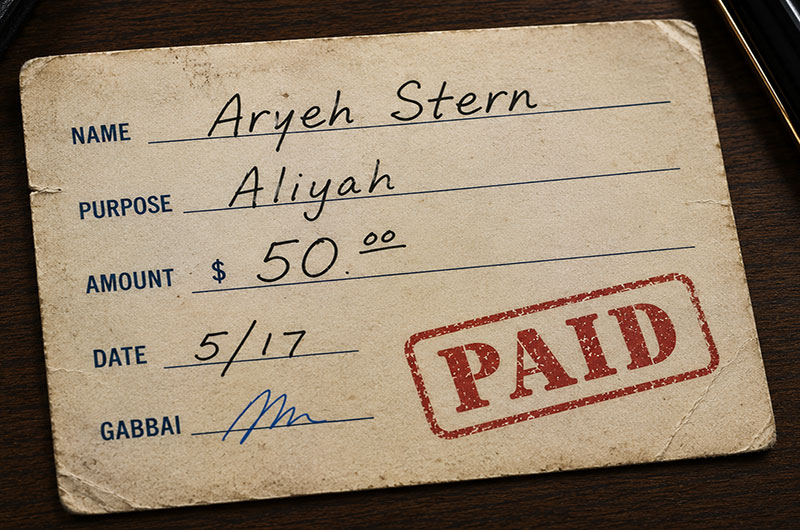
When you owe money to someone, and a third party pays the creditor of his own initiative, you are thereby relieved of your obligation to pay, replied Rabbi Dayan.

Does buying jewelry now count for the mitzvah of simchas Yom Tov?

You are in the middle of work, replied Rabbi Spitz. I assume that Rabbi Dayan also taught you the importance of having a good work ethic and not wasting time as an employee.
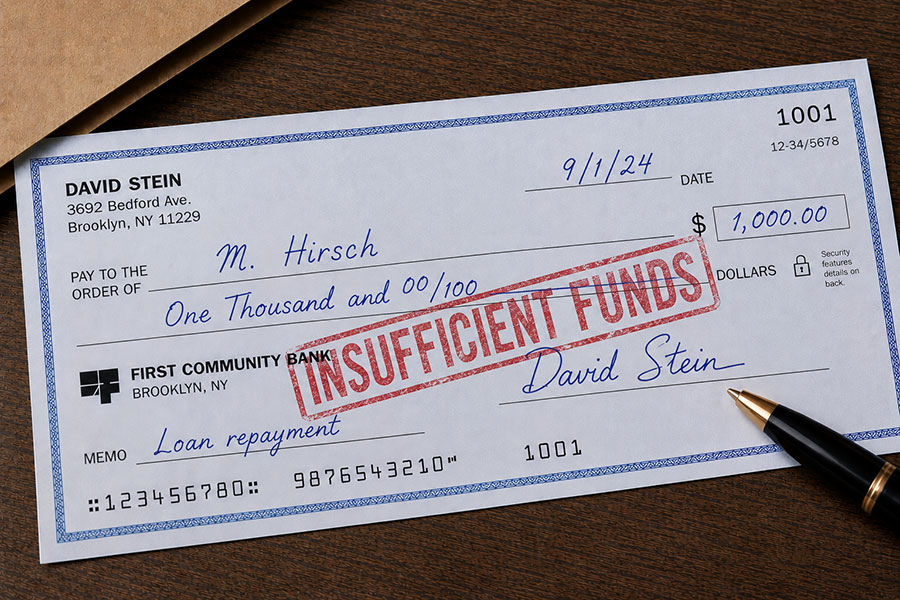
If someone sold defective merchandise and was aware that the customer intended to take it elsewhere, the seller is liable for the return expenses.

Rava permits the borrower to offer money to a third party to secure him a loan. Although the borrower pays, the lender does not benefit from him; the third party just receives his broker’s fee (Y.D. 160:16).

The Rosh (Responsum 68:24) upholds the practice of Ashkenazic communities to require granting a copy of the document to enable the borrower to identify possible forgery or similar issues in the document.

By the time Mr. Weiss headed home, his satisfaction had dimmed. While the stay had been pleasant, he felt that he had been cheated.

Tests, consultations with doctors, and anxious waiting continued for hours. Thank G-d, it turned out that there was nothing seriously wrong, but it was now too late for the family to make it home for Shabbos.

If you are short on matzah, you can borrow from your neighbor, but you should say: ‘Do you have a box of matzah to give me, and I’ll give you one back on Chol HaMoed,’ rather than: ‘Can you lend me a box of matzah?’

Mrs. Klein replied, It doesn’t seem fair that I should pay you for two idle hours when there’s still work that could be done!
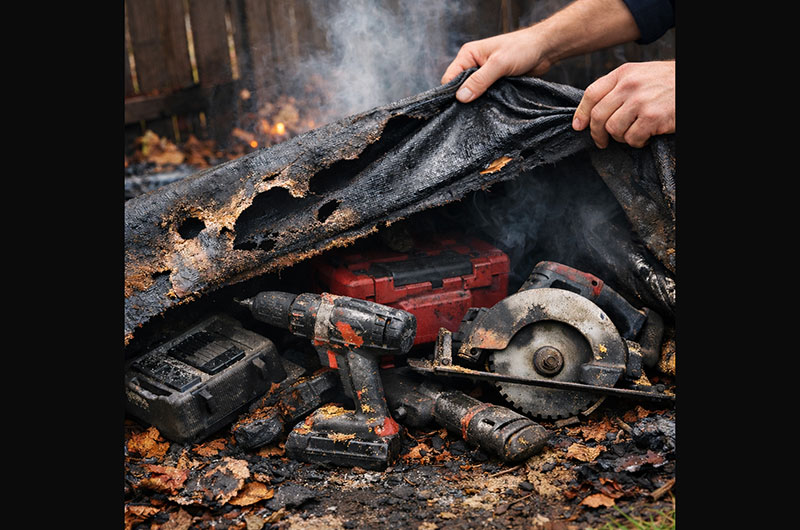
Mr. Brand shook his head. I didn’t even light the fire, he replied. The compressor sparked on its own. And how was I supposed to know that there were valuable tools hidden under a tarp?

When the renovation finally neared completion, Mr. Landman approached Mr. Fixler. “We relied on your schedule,” he said. “We had to move out. We even rented an apartment. This delay caused real inconvenience and expense. I believe we deserve compensation.”

Although they used the child’s coin, this does not adversely affect the animal’s status. And since he gave it willingly, which is valid mi’d’Rabbanan, they have no obligation to return its value to him

Can I send matanos la’evyonim to someone living in Yerushalayim which they will receive when they are celebrating Purim?

He assumed it probably wasn’t a problem, but his uncertainty held him back. Was exchanging bills considered using company money? Was borrowing temporarily any different?

Miriam opened it slowly. Inside was the dress – her initial order. She stared at it, conflicted. After everything they put me through, she thought, do I really need to give this back?

The wedding was beautiful, baruch Hashem, and the pictures came out nicely. Still, when the dust settled, the added expense lingered in Mr. Simcha’s mind.
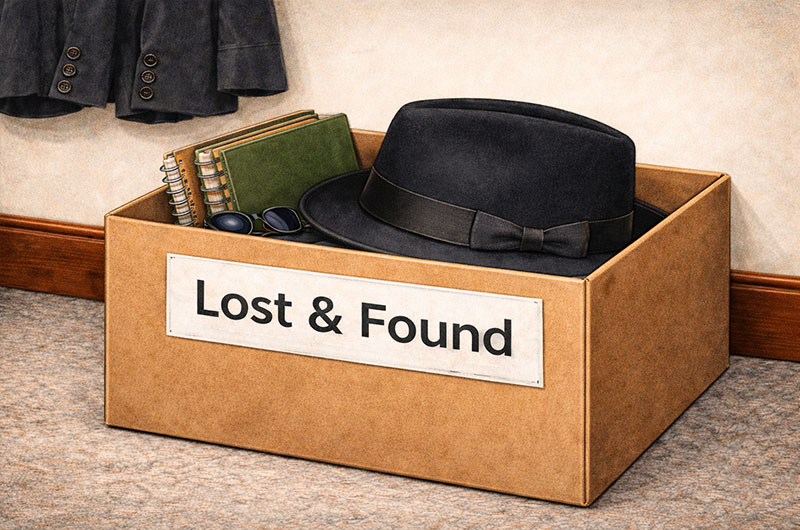
If I saw the hat, I could probably identify it, suggested David Baruch. I’m able to recognize it on the coatrack even though there are many similar hats.

His chavrusa considered this carefully. A pledge to tzedakah is binding, he said. The question is whether placing money in the shul’s box is considered delivery to the shul – or if it’s still your responsibility until the shul’s treasurer actually receives it.

Providing a needy person with employment is considered the highest form of tzedakah because it preserves his self-dignity (Y.D. 249:6; Shach 249:7), replied Rabbi Dayan.

Shimon spoke up. The hammock was fine when we were on it until Dovid joined, he said. He pushed it over the limit – it’s his fault.

The Torah (Vayikra 27:8) states that if a person pledges his erech (age-based value) to the Temple treasury but it is beyond his financial means, the Kohen evaluates how much he can pay, and the person pays only that sum, replied Rabbi Dayan.

If partners need to divide property, and A can benefit by receiving a specific half whereas to B there is no difference, must he allow A to take the beneficial half?

If the product clearly cannot live up to its stated specs, there would presumably be a violation of misleading advertising, which could fall under the rubric of geneivas daas. This does not serve as basis, though, to void the sale and entitle the customer to a refund.

Avi stared at the gash. What a wild rider… that’s really bad luck, he murmured. The coat was clearly damaged, but Avi shrugged helplessly – he certainly hadn’t caused the tear.

I honestly don’t know whether that chair was already cracked or if it broke while I was loading the chairs, Nosson said. If it was my fault, I want to pay for it. Mr. Adler examined the chair. Hard to know, he replied. I don’t inspect the chairs individually when people return them. Let’s ask Rabbi Dayan what the halacha is.

Later that day, Daniel called Mr. Sorscher. I know that you worked hard,” he said apologetically. “But I’m being relocated. Since I can’t take the place in the end, I assume I’m not obligated to pay the full fee.

some authorities are stringent and prohibit buying raffle tickets with maaser money or rule that if the ticket was purchased with maaser money, the prize belongs to tzedakah.

Baruch didn’t really suspect Yosef of stealing, but the problem of the missing $500 needed to be clarified.

Can we prevent outside people from selling in our community when it affects our businesses adversely?

When the rule of shi’abuda d’Rabi Nosson applies, such as if B does not have other assets available, Shulchan Aruch (C.M. 86:5) rules that B cannot forgo C’s debt to him, nor extend the time of the loan and thereby undermine A’s right, since A has a direct claim against C based on this principle.

The Gemara (B.M. 112b; Shevuos 45b-46a) teaches that when the parties dispute the amount of agreed wages, hamotzi meichaveiro alav har’aya – the burden of proof is on the one seeking payment, like other monetary disputes, replied Rabbi Dayan (C.M. 89:4).

Terms agreed upon before the beginning of a rental are binding even without a kinyan since the rental usage itself serves as a kinyan for the agreed-upon terms.

In principle, when purchasing items, payment is due when taking title or possession of the item, replied Rabbi Dayan. Therefore, the immediate payment price is usually viewed halachically as the true price.

If you never finalized the price, I’m not sure the esrog is yours… the avreich said thoughtfully. You may not be able to use it, because you must own the esrog on the first day. You should ask Rabbi Dayan!

If there was a dispute, though, you should try to resolve it, concluded Rabbi Dayan. Appeasement and restoring peace between people are a great merit on Yom Kippur.

One may wear another person’s tallis for davening, even though it is not a requirement, because you thereby fulfill a mitzvah.

Several Acharonim resolve the matter by ruling that if the recipient is needy, it becomes a tzedakah pledge so that we are stringent to interpret the commitment for as long as he needs...

Once it fell, it’s like the other candies, Sruli said. The same way you grabbed what was thrown, I grabbed what fell from you. He popped the candy into his mouth.

Regarding payment of wages, there is an explicit mitzvah to pay wages promptly (b’yomo titen scharo) and a prohibition to withhold them (bal talin) (Vayikra 19:13; Devarim 15:15; C.M. 339:1).
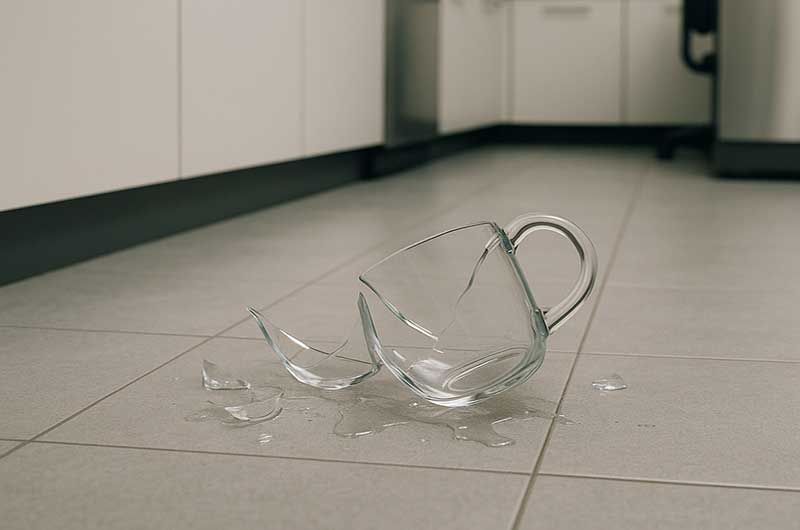
When the borrower refuses to return the borrowed item and continues to use it wrongly, he is considered sholei’ach yad, one who misuses an entrusted item, or sho’el shelo mida’as, one who borrows without permission, and is tantamount to a thief.
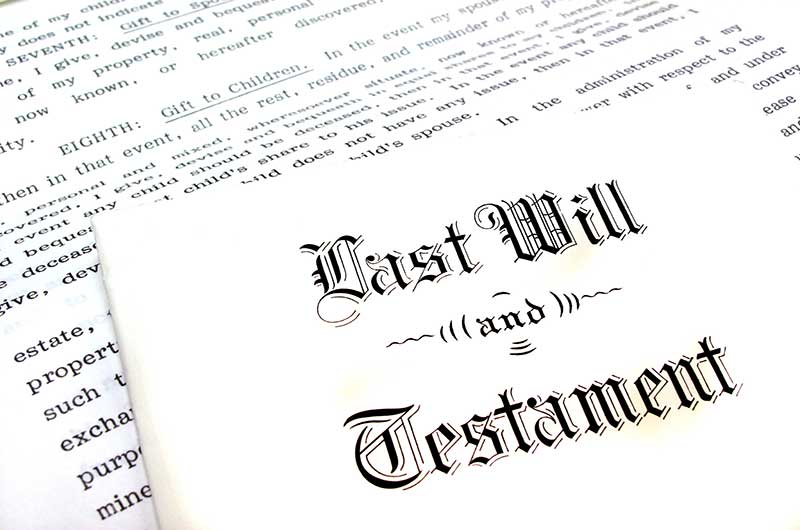
Even investments, which do belong to the person in his lifetime, should ideally be divided according to the beneficiaries. Although these investments are part of his estate, since the person designated beneficiaries, the principle of mitzvah lekayem divrei hames applies.

I understand that halacha frowns on engaging in personal needs before Shacharis, including travel, Eliyahu said. But I have a choice between davening at home and then fighting traffic, often getting late to work, or joining a minyan near work and avoiding traffic. Rabbi Dayan listened attentively. Eliyahu asked, Can I drive to work and daven Shacharis there?

If the borrower slipped payment through the mail slot without prior arrangement, and somehow it got lost in the household shuffle or some other manner, it is unclear whether this is considered valid repayment, replied Rabbi Dayan.

The common practice is to use silver coins, whether silver dollars minted in the U.S. or special silver coins minted now in Israel with the proper silver content, concluded Rabbi Dayan. Where this is not possible, though, you can redeem with other movable items or possibly even cash of the requisite amount.

As long as the other side of the string remains intact, the tzitzis are still kosher. But you tore one of the expensive techeiles strands – these aren’t easy to replace.
I acknowledge that I shouldn’t have left the skateboard there, Simcha responded, but you should have looked where you were running. You sent the skateboard rolling!

On one occasion, Reuven demanded payment in the presence of witnesses. I admit fully that I owe you $500, replied Hillel, but unfortunately I’m still not able to pay you; my financial situation remains very difficult.

It’s not my fault that the Chofetz Chaim card was ruined; it’s your loss!

If you wouldn’t have a spare copy, you’d have to pay cash, so it’s not fair to make me accept your spare copy!

I don’t see why this should be ribbis. I’m not gaining anything; I’m just recouping my loss...

Shulchan Aruch (C.M. 232:4) rules that when merchandise is defective, the sale can be voided entirely, replied Rabbi Dayan. Even if the depreciation is small and the seller is willing to refund the differential, the buyer can return the item and claim that he wants an intact item.

He recalled that a week earlier, a thug had robbed the laden shopping cart that his wife was using in the supermarket, with all its contents. Rabbi Dayan had explained why his wife was not liable for the shopping cart, but did not address the question of the groceries.

Although the cart was stolen, when the renter is present and unable to save the item, she is not liable – certainly if she tried unsuccessfully to do so (C.M. 303:2,5).

When a person forgot to sell his chametz and does not want to destroy it, the poskim write that he should grant it as a gift to a gentile, because this is a gift for the purpose of a mitzvah – to avoid the prohibition of possessing chametz on Pesach.

While Dani was washing the floor mats, a branch fell from a tree and hit the vacuum cleaner, cracking it!
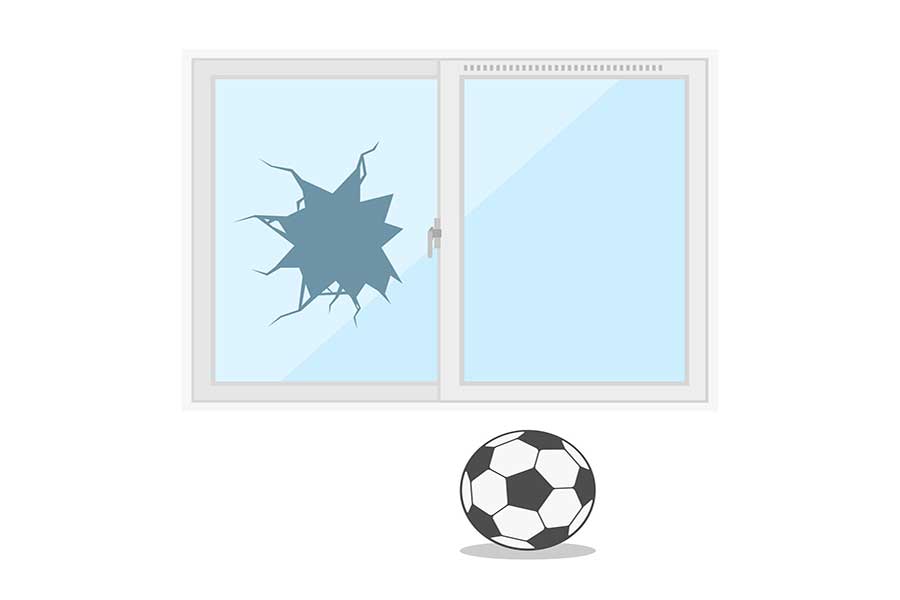
Even if it was my idea, if Reuven’s ball broke the window, he’s liable – not me! Shimon argued. Who’s to say that I have to pay?

Rare items, such as a Parah Adumah, do not have a definable ‘fair market value,’ replied Rabbi Dayan. Therefore, according to many authorities, there is no ona’ah (unfair pricing) claim (Hilchos Mishpat 227:29[28]).
If I donate an average of $1,000 a month by credit card, that’s $12,000 a year; a 2% fee comes to $240, explained Mr. Freilich. Is this included in my maaser kesafim, or do I need to deduct this amount from my calculation?”
There is a dispute whether nowadays beis din is halachically authorized to enforce payment of ‘fire’ damage; many maintain that the answer is yes.
The following month, Mr. Gold again approached Mr. Neuman for the money. What do you mean?! asked Mr. Neuman. You said that I don’t have to pay and that you don’t need my money. That was mechila on your part – you relieved me of the need to pay!
What difference does that make? asked Mr. Isaacs. You’re not a relevant party to the case. Mr. Weintraub is not related to any of the relevant parties: lender, borrower, or guarantor!

On the way to the store, though, Mr. Davis was accosted by two thugs, who beat him and forced him to hand over his wallet, which contained over $500. The thugs fled and were not caught. Mr. Davis required medical attention for his cuts but fortunately had no lasting injury.

The Torah disqualifies relatives of a litigant from testifying, replied Rabbi Dayan. This applies whether they want to testify to their relative’s benefit or detriment, and even if they are righteous like Moshe and Aharon, who are not suspect to lie (C.M. 33:10).

David bought the food and other items necessary for Shabbos, keeping all the receipts. The total cost came out significantly less than projected – only $600.

During the evening, someone was riding a bike and crashed into the branch. He wasn’t injured, but that bike also was ruined. What’s the story with these bikes that were ruined by our tree? Mrs. Feiner asked her husband. I suppose that we are liable for them, said Mr. Feiner, but I’ll check.

On his way home from work, Mr. Appel pondered the issue. I sense that Mr. Berger is really disappointed, he said to himself. Is it right of us to refuse him?

Indeed, the Torah requires redeeming the firstborn son (bechor), and also entitles him to a double portion in his father’s estate, but not in his mother’s, replied Rabbi Dayan (Y.D. 305:1; C.M. 277:1).
But today is 2 Teves, said the printer. I tried reaching you yesterday, but you were unavailable. Because it was a rush job, I corrected the Hebrew date. But we’re getting married at night, so the Hebrew date is 3 Teves, explained Aharon. Now the date is wrong!

Throughout Chanukah, Mr. Lichter and Shmuli lit in the glass case outside their door. On the last night of Chanukah, the flames burned brightly and warmed the winter night. The family was inside, enjoying latkes and jelly doughnuts, when suddenly they heard shattering outside.
The Acharonim dispute the fundamental nature of kinyan kessef. Sma (190:2) and Avnei Milu’im (29:2) maintain that the money is compensation for the real estate, like the money Avraham paid to acquire Me’aras HaMachpelah.

Among contemporary poskim, Hashavas Aveidah K’halacha (2:16c) writes that Shulchan Aruch maintains that the halacha applies even when there are identifying features, such as a ring, whereas Pischei Choshen (Aveidah 2:11) cites this halacha when there aren't identifying features, like the Rambam.
Since the sums were small, we didn’t draft loan documents, replied Mr. Judah. We relied on text messages when I lent him, and when he repaid I would write a confirmation message. I’m sure, though, that Mr. Samuel didn’t repay. I can show you that there is no confirmation of paying.

I understand that you now want two copies, Levi said. However, you already told Shimon to give your Ketzos to me, so now it’s mine. You can’t retract unilaterally!
Shulchan Aruch rules that a borrower is believed that he repaid an IOU, even if the lender still holds it, unless the IOU includes a clause granting credibility to the lender that it was not repaid (ne’emanus), replied Rabbi Dayan.

The fan was fine, Mr. Green told Mr. Abrams the following day. It just needed a new plug. Then I’d like the fan back, said Mr. Abrams. I disposed of it because I thought the motor went. It was in error.
If the person decides not to buy the item, some consider him henceforth a shomer sachar, liable also for theft, like a borrower after the time, while others consider him a shomer chinam, liable only for negligence, since it turned out that he had no benefit (Sma 200:31).
Aharon took a seat in the back for Kol Nidrei. When Maariv began, after the Rav’s drasha, Mr. Neiss still hadn’t come. Aharon moved next to his father.
There is no issue of ribbis in locking in the rental price through prepayment, certainly here where the price uncrease was not known when paying (see Y.D. 176:6; Taz and Nekudos Hakesef 176:7; Bris Yehuda 26:1[2], 26:4[13]).
I understand that there is a problem – I’m not belittling it, said the landlord. But the problem is not with the house itself; it’s something external.
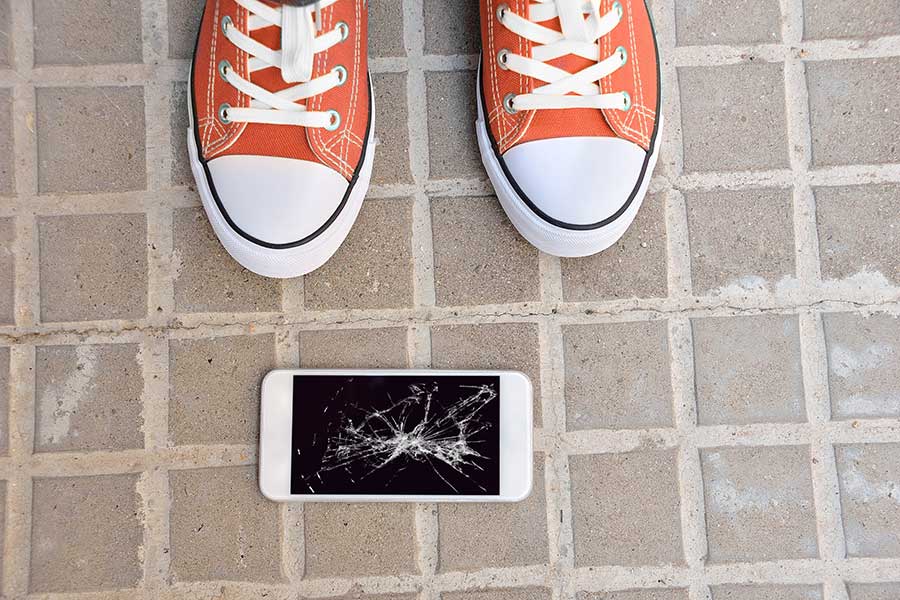
I’m willing to consider paying, but calm down, replied Yossi. I’m not convinced that I am liable for the phone. I never accepted responsibility for it, and I held it in the regular manner. On what basis am I liable?


 October 23, 2026