יום שבת, ו׳ חשוון תשפ״זSaturday, October 17, 2026



Follow Us


Jonathan Braun is a former managing editor of the NY Jewish Week newspaper and former associate editor of Parade Magazine who reported from Iran before the 1979 Revolution.
Read More
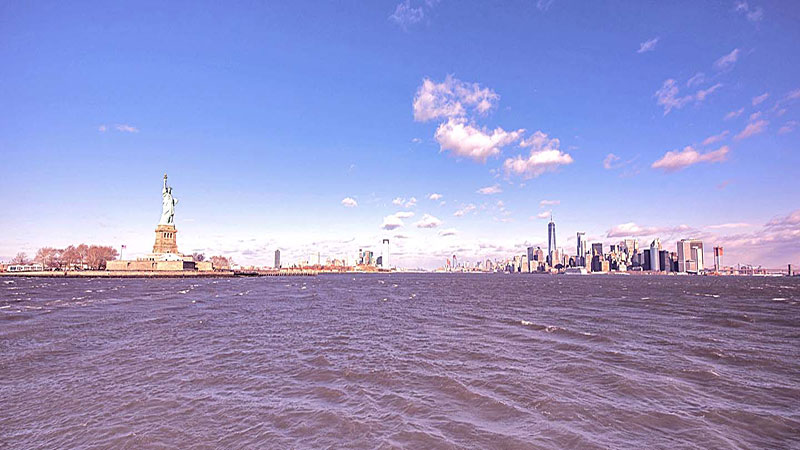
The Cold War made such fears part of the public consciousness. Americans grew up expecting that nuclear destruction, if it came, might arrive by Soviet bomber or missile. Yet the possibility that civilian aircraft already flying inside the country could be seized and turned against American cities belonged mostly to fiction.
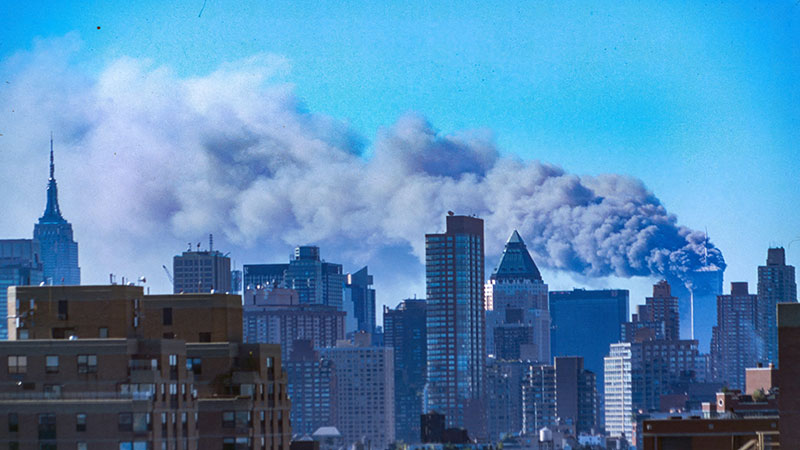
This week, we will read the victims’ names and repeat the promise: Never forget. But we should also ask: Twenty-five years later, what became of the enemy?
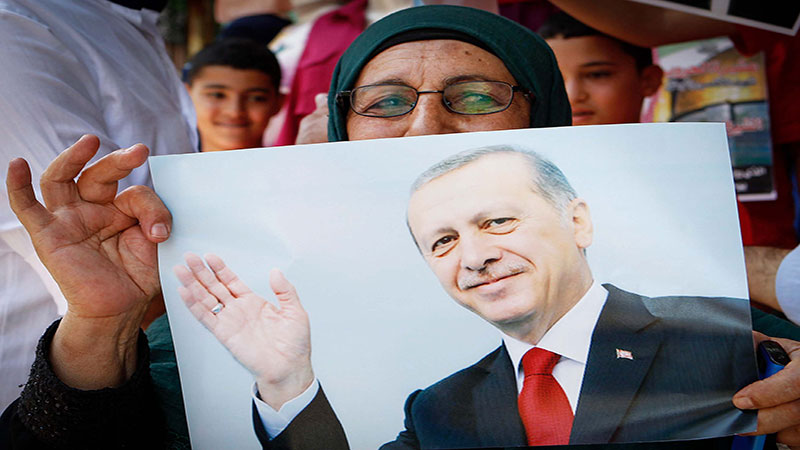
Erdogan’s Turkey is an authoritarian Islamist power pursuing regional dominance under a neo-Ottoman banner, using NATO membership as armor while working against the interests the alliance exists to protect.
For decades, advocates of the so-called two-state solution have maintained that any new Palestinian state would be demilitarized. The phrase is reassuring – and hollow.
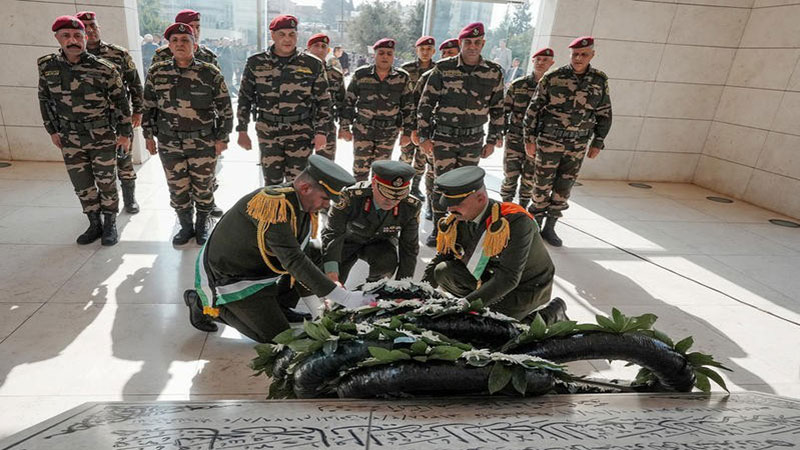
By the report’s reckoning, well over two million Israelis live within a single October 7 radius of a military force that isn’t supposed to exist. And that is only the threat on which the report focuses.

When Zohran Mamdani won the mayoralty, many New Yorkers who had not voted for him responded with a shrug. He had won – but how much difference could one mayor really make? More than a half-year into his administration, the answer is clear: a great deal. Far from an ideological curiosity confined to City Hall, […]
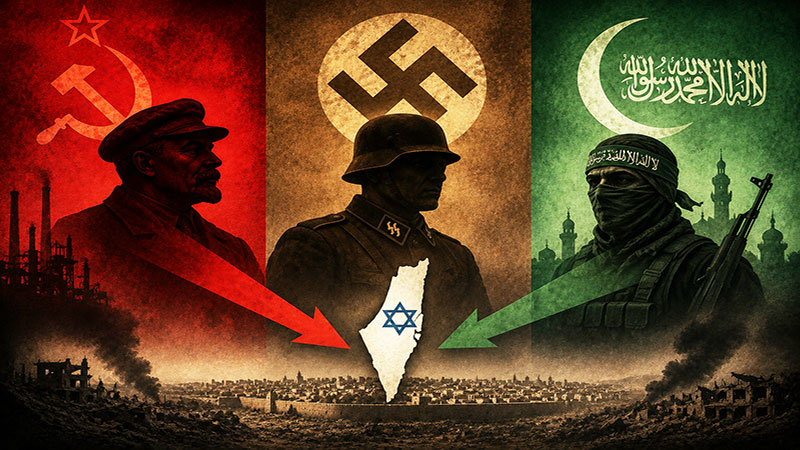
What do Communists, Nazis, and Islamists have in common?... They agree on almost nothing else. Their creeds of race, religion, and government are mutually exclusive. Yet all three share an aim: Israel's annihilation.
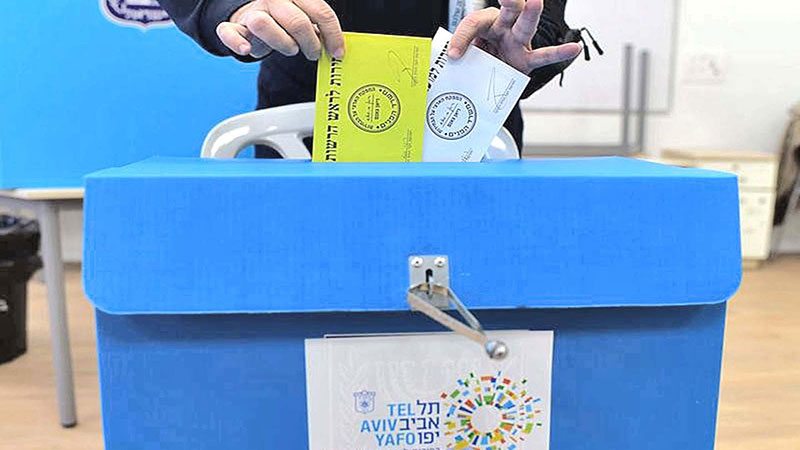
From the land mines and border infiltrations of the 1950s, to the suicide bombings of the 2000s, to the slaughter of October 7, 2023, Palestinian Arab terrorism has made a deliberate science of murdering civilians.
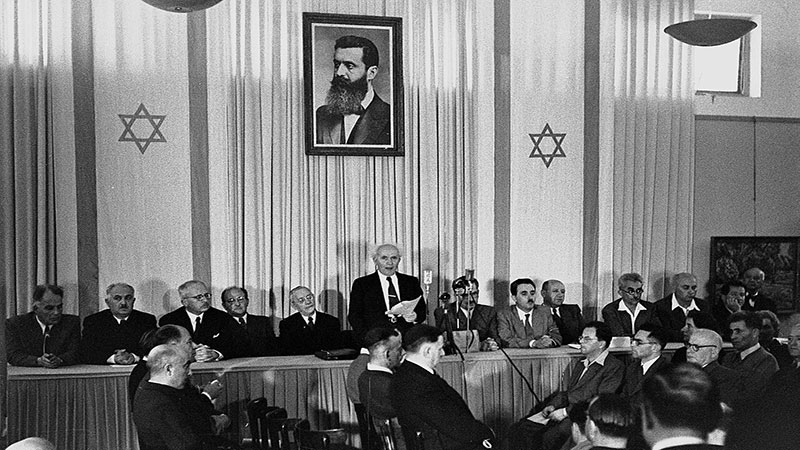
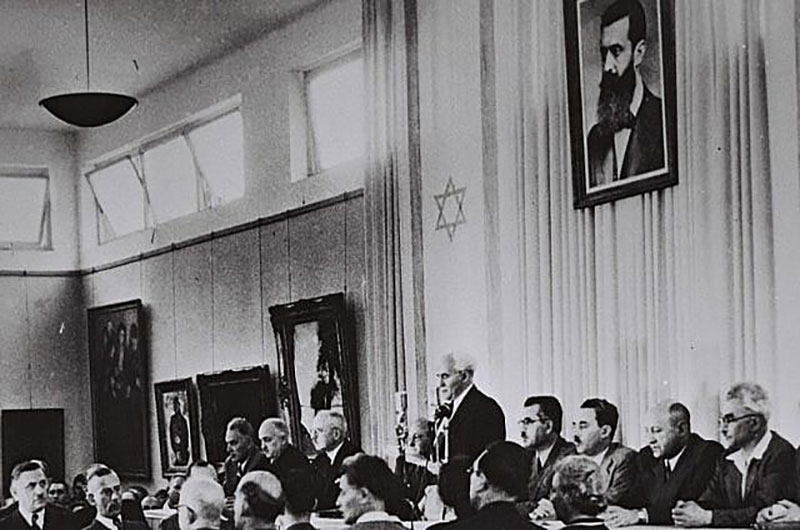
Israel already existed when that vote was taken. Not yet as a sovereign state – that would come the following May – but as the living substance of a nation: its land, its cities, its farms, its schools, its university, its courts, and its militia and underground armies.

Vance has publicly condemned antisemitism and rejected anti-Jewish hatred... Yet he has often appeared remarkably tolerant of antisemitic and anti-Israel voices when they emerge from the populist right.
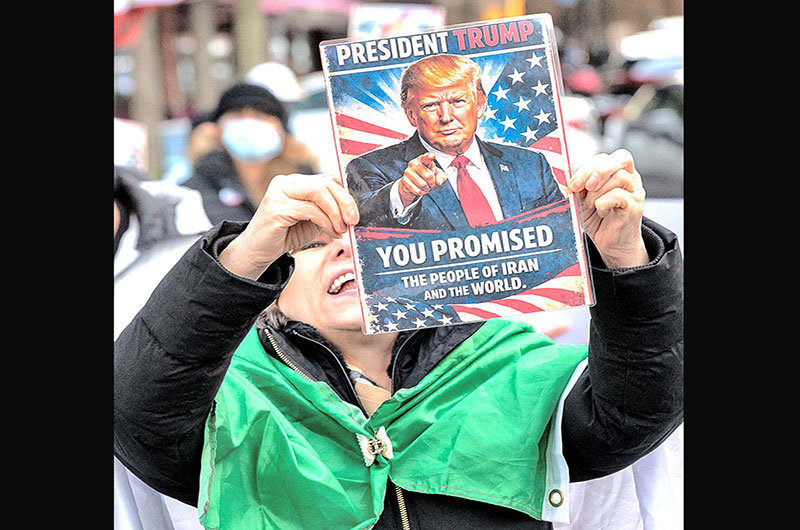
Russia had its own reasons for opposing a complete Iranian collapse. Moscow values Iran as both a partner and a counterweight to American influence.
When it comes to the technologies, medical breakthroughs, surgical innovations, and companies that have most shaped modern life since the 1990s, two countries stand out above all others: the United States and Israel.
Imagine what another decade of inaction would have produced.

The modern business of antisemitism begins, like so much else in modern Europe, in Paris.
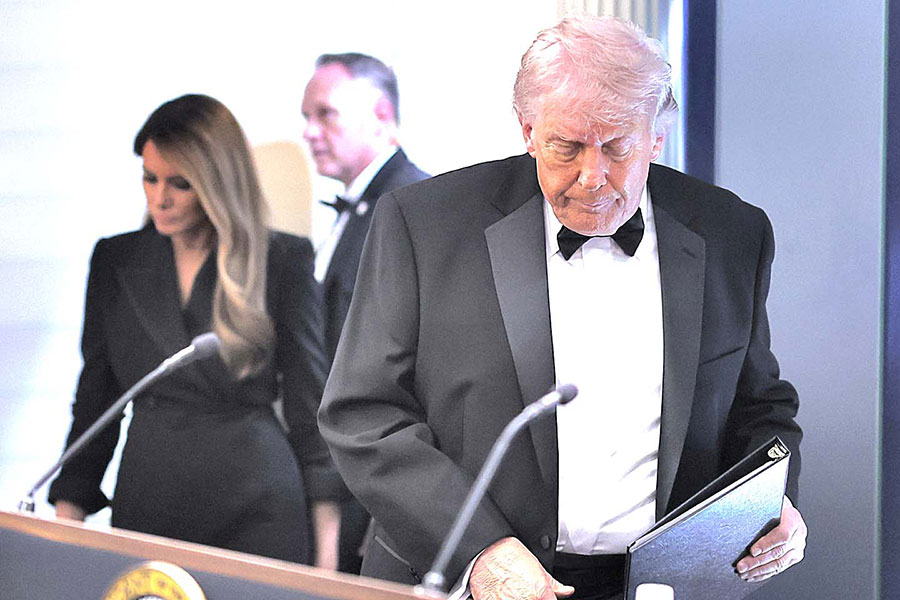
The most dangerous feature of the moment isn’t merely the resurgence of antisemitism. It is its reappearance from both ends of the political spectrum, simultaneously, and with increasing intensity.
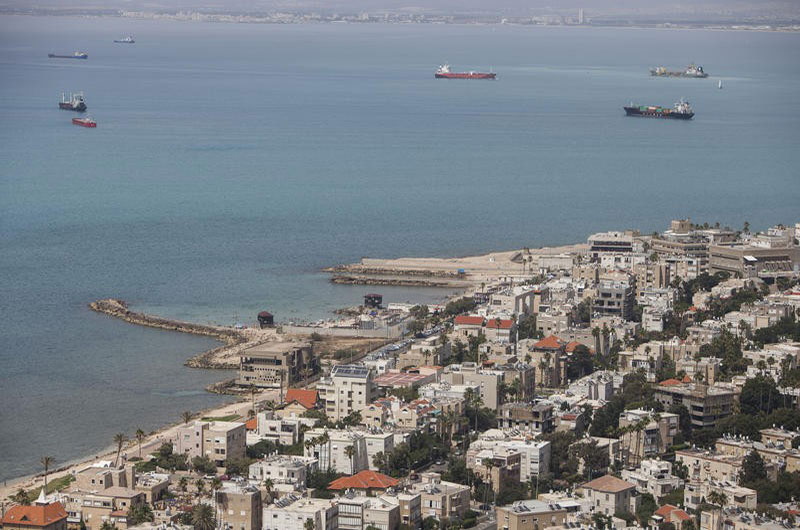
Measured globally, the fleet is modest in size. Within the eastern Mediterranean, it ranks among the most capable forces, with clear advantages in technology, training, and readiness. Larger fleets operate in the region, yet Israel’s navy is structured for high-intensity missions and rapid response.
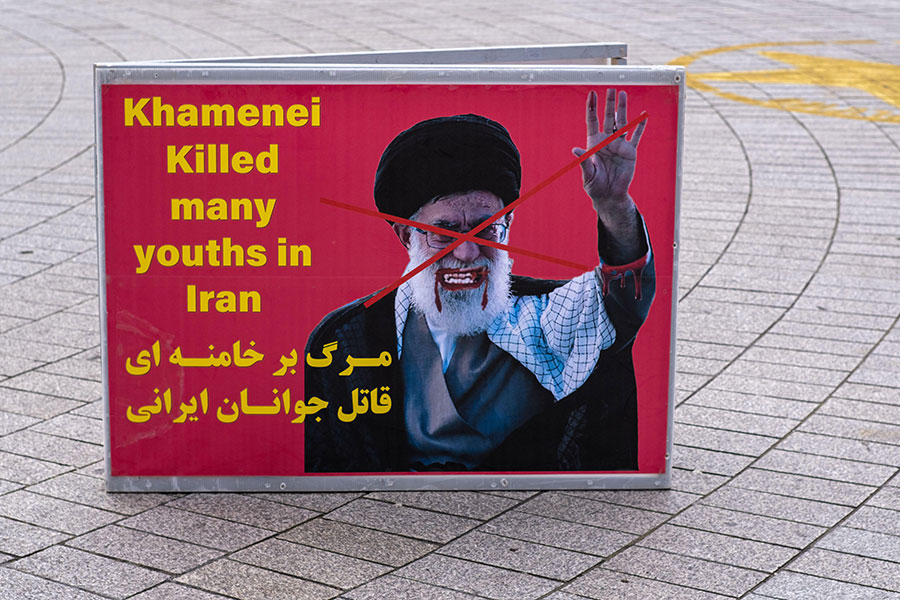
In both cases, a fanatical regime chose to double down on ideology, sending its own youth to die.
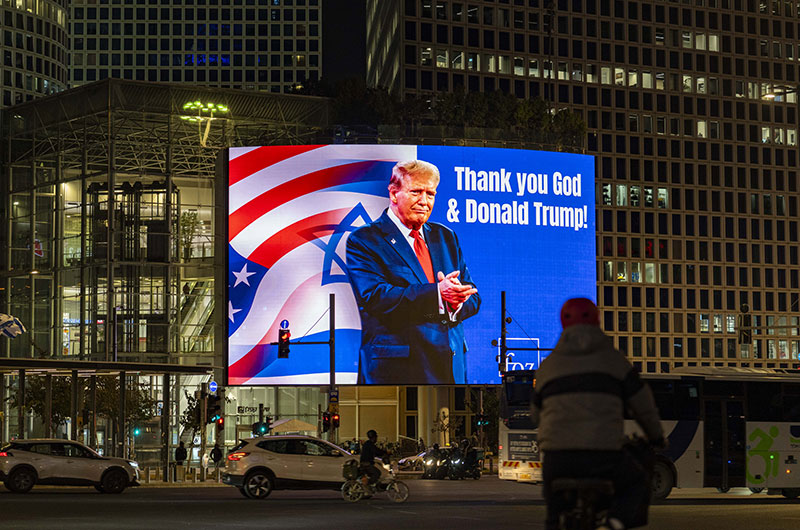
Carter’s handling of the Iran hostage crisis was the defining culmination of an administration that never understood the revolution it was appeasing, epitomized by his own U.N. ambassador Andrew Young, who in February 1979 was still serenely predicting that Khomeini would be hailed as “a saint” once everyone “got over the panic.”

Before Mamdani’s meteoric ascent to power, October 7, 2023, tore away the last pretense. Hamas named its massacre Al‑Aqsa Flood and proclaimed it a religious war – a summons to Muslims in all Arab and Islamic countries to join the battle.
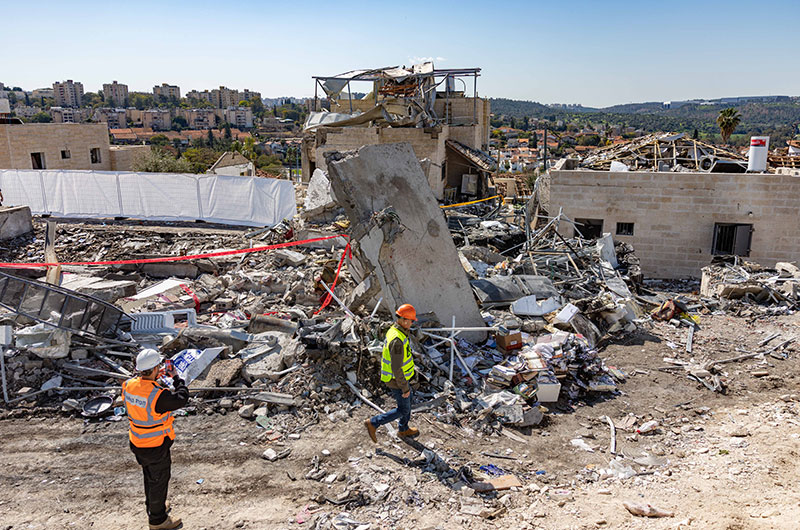
The current war has inflicted some of the heaviest damage yet, destroying missile factories, launchers, storage depots, and command infrastructure. Large quantities of rockets and missiles have been eliminated. But analysts believe substantial forces still remain.
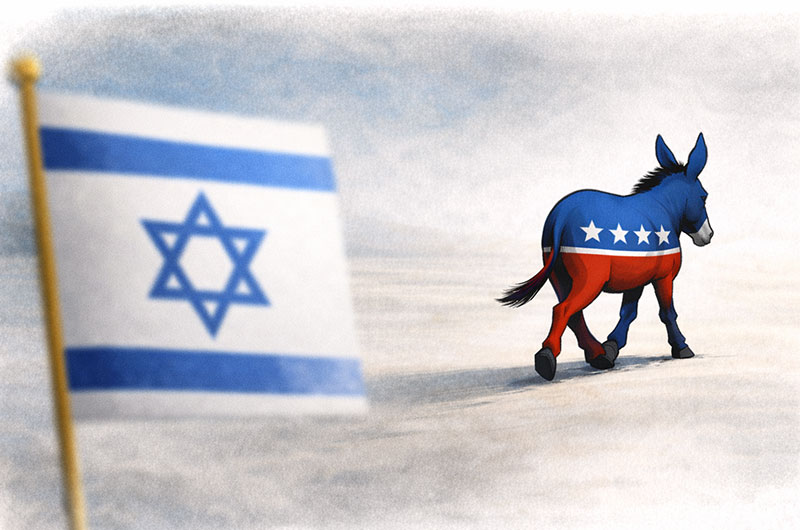
From a pro‑Israel standpoint, the danger is not only that Gaza has turned the party leftward; it is that the moral and political reflex to stand with Israel under fire has been replaced by a posture of suspicion, apology, and punishment.
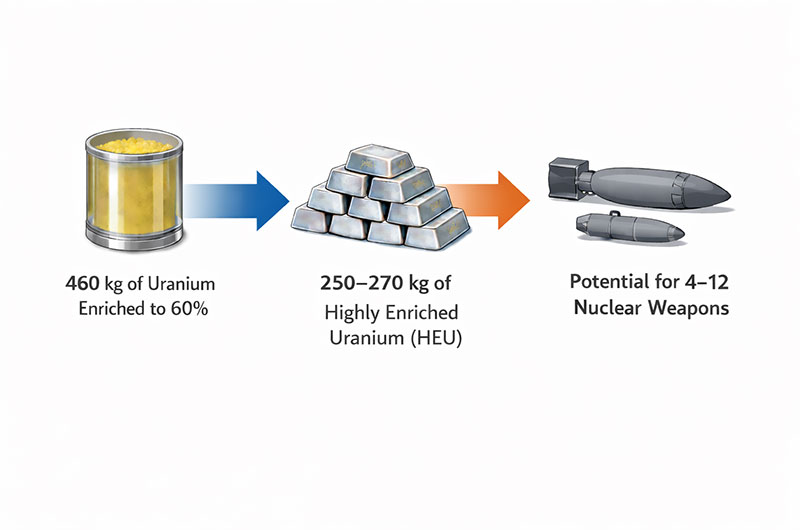
Alongside true nuclear explosives, there is also the radiological category – dirty bombs or radiological dispersal devices. Iran’s 60‑percent uranium could be fashioned into several such weapons, dispersing uranium dust or fragments over a city with conventional explosives.
The European response underscores something deeper about NATO’s structure. Its collective‑defense clause – Article 5, so often invoked as sacred text – is riddled with escape hatches.
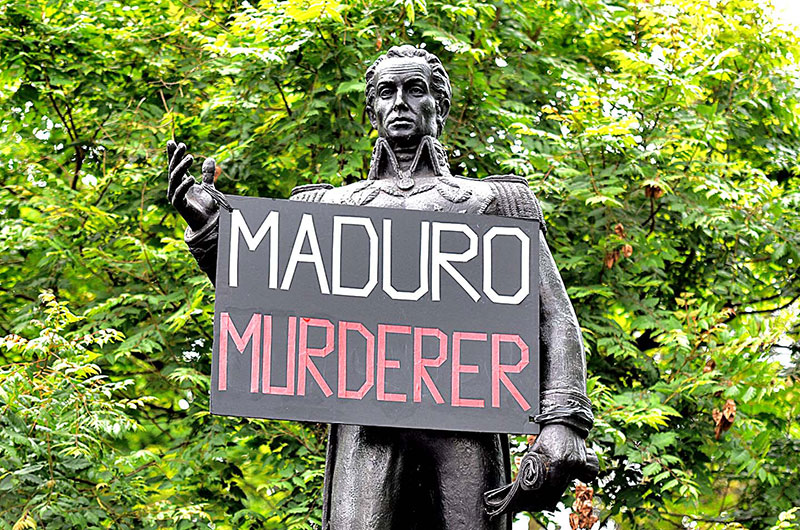
The removal of Maduro, who personally anchored the Iran–Venezuela axis and defended Hezbollah’s presence, abruptly deprives Iran of a loyal partner at the apex of this system and signals to other leaders in the region that acting as a host for Iranian and Hezbollah activities can end in arrest, indictment and loss of power.

When Israel is viewed as the outcome of national liberation and survival after catastrophe, support feels natural. When Israel is cast primarily as an aggressor or colonial anomaly, support must be defended constantly.
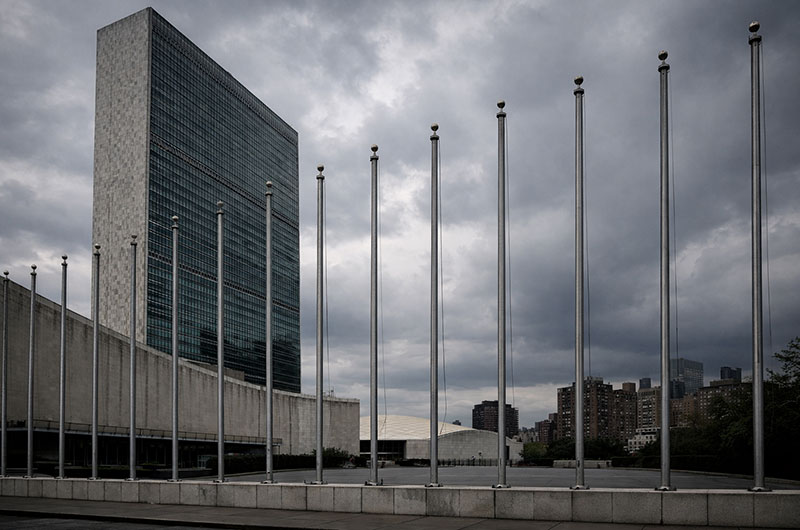
At this point, describing the ensuing campaign as mere bias is no longer plausible. What has emerged over decades is an institutional war on Jewish sovereignty.
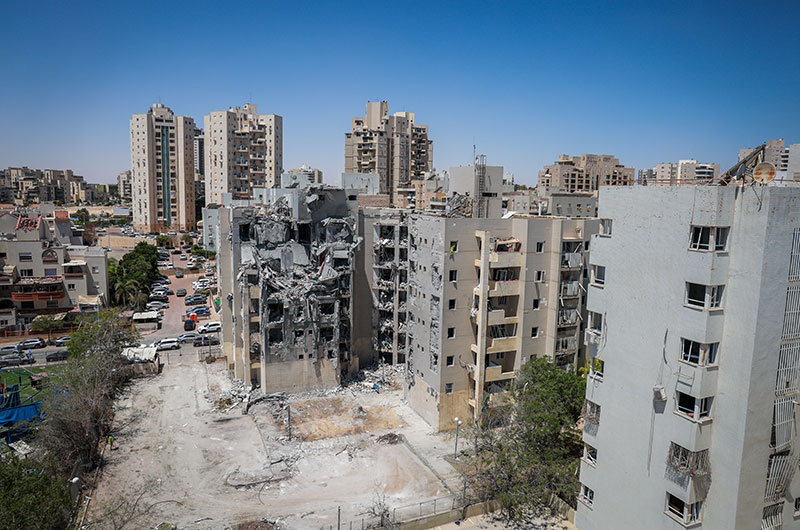
Liberal media in the West mostly treated this not as a revolt against Islamist rule but as an “economic protest,” a spasm of hardship and inflation, as if the central fact – that millions of Muslims were openly rejecting political Islam – was too impolite to honestly report.
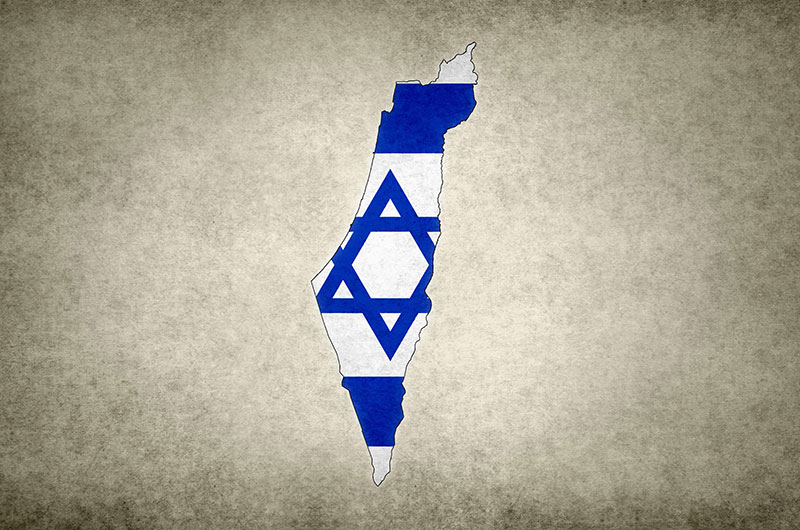
Size matters, more than even many of Israel’s friends and supporters appreciate. To describe Israel as a small country is to understate the issue. The Jewish State is about the same size as the state of New Jersey. The West Bank is a little smaller than Delaware. Gaza is roughly twice the size of Washington, D.C.
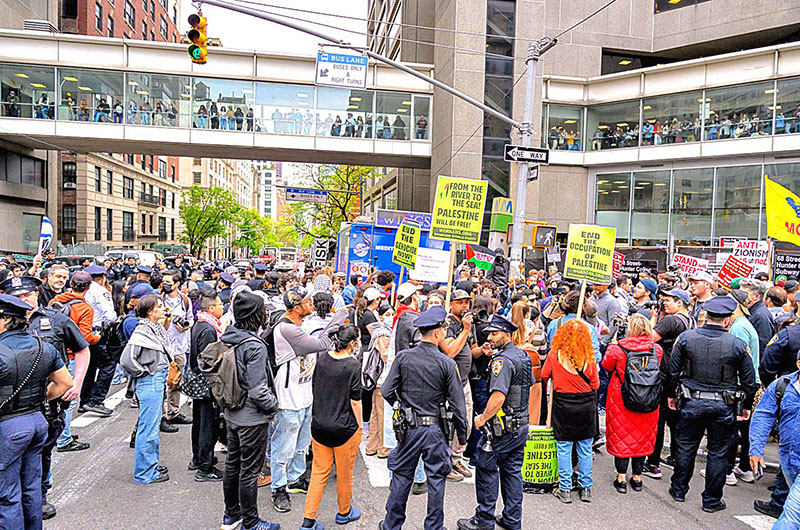
A lecturer defending Israel isn’t seen as an opponent to be debated but a blasphemer to be silenced or prevented from speaking in the first place, even violently, if necessary.
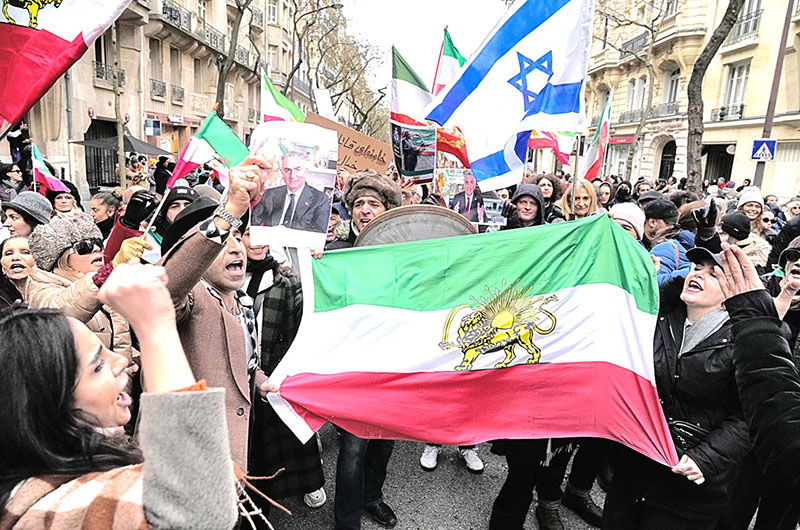
Like their Cold War predecessors who were stunned by the sudden Soviet crackup, the liberal intellectual class is imprisoned by a narrative that rules out the possibility of Islamist regime change.
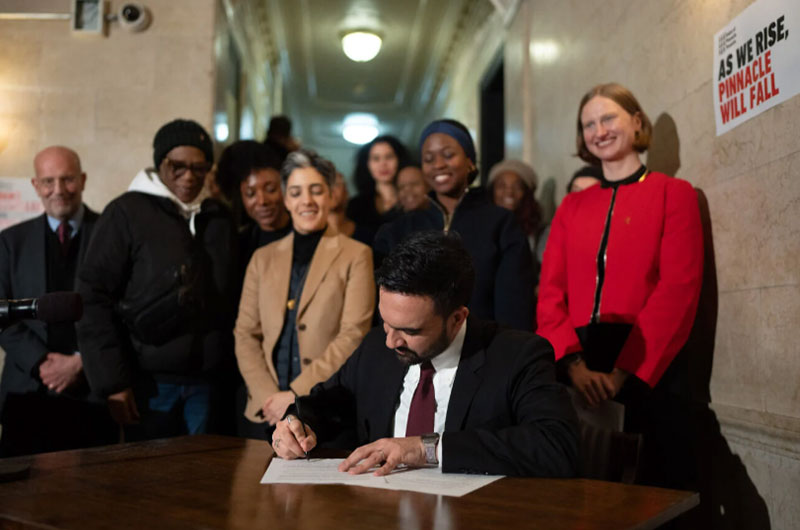
There is an even more remarkable – and troubling – fact than the election of a 34-year-old radical left-wing Assemblyman with no executive experience to manage America’s greatest city. According to exit polls, Mamdani, an avatar of the far-left Democratic Socialists of America, received roughly one-third of the Jewish vote.
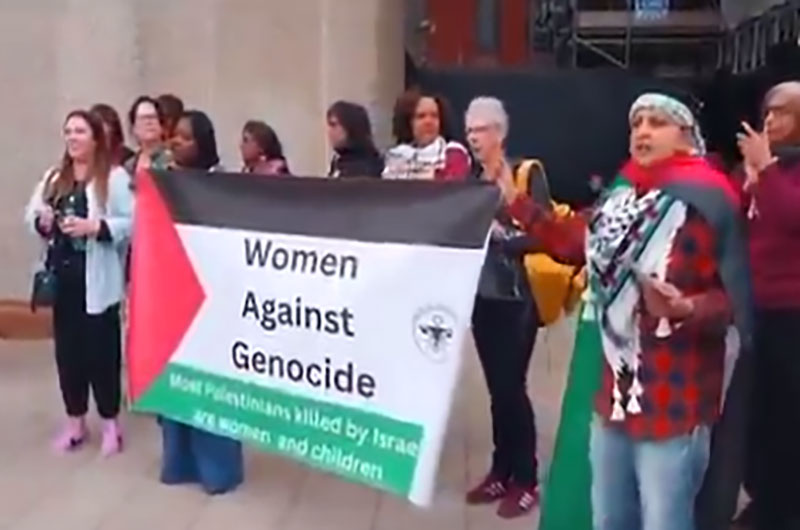
Their aim isn’t to reduce Israel from the size of New Jersey to that of Rhode Island, say, but to cut the state out of the Middle East entirely.
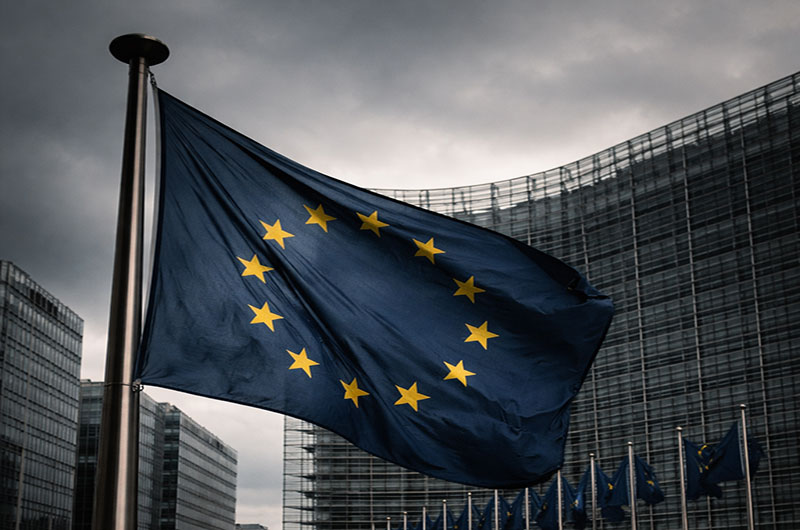
The EU–Israel Association Agreement of 2000 cast the Jewish state as a close political and economic counterpart. Over time, EU institutions subordinated that relationship to backing the Palestinian cause.
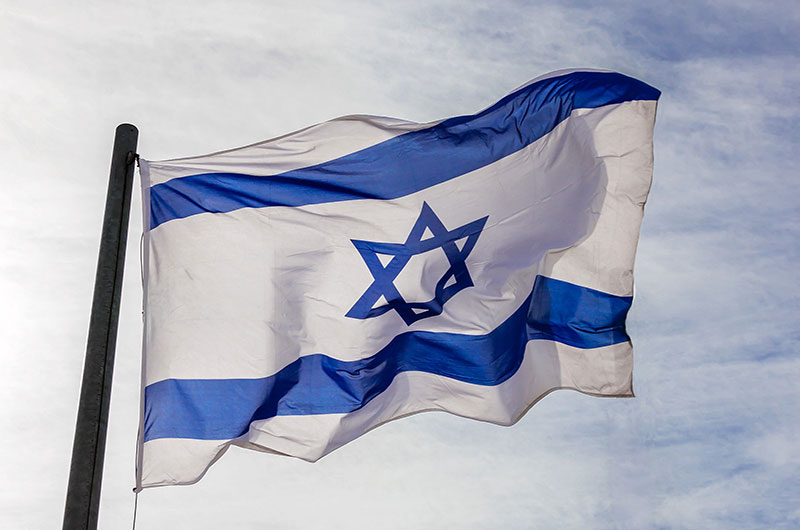
Hungary is one of Israel’s closest allies in Europe. It consistently supports Israel’s right to use force in Gaza, regularly blocks or dilutes EU and UN statements critical of Israeli actions, and has initiated a withdrawal from the ICC after its obscene attempt to issue an arrest warrant for Netanyahu. When the pullout is completed, Hungary will be the first EU country to have left the Israel-bashing kangaroo court.
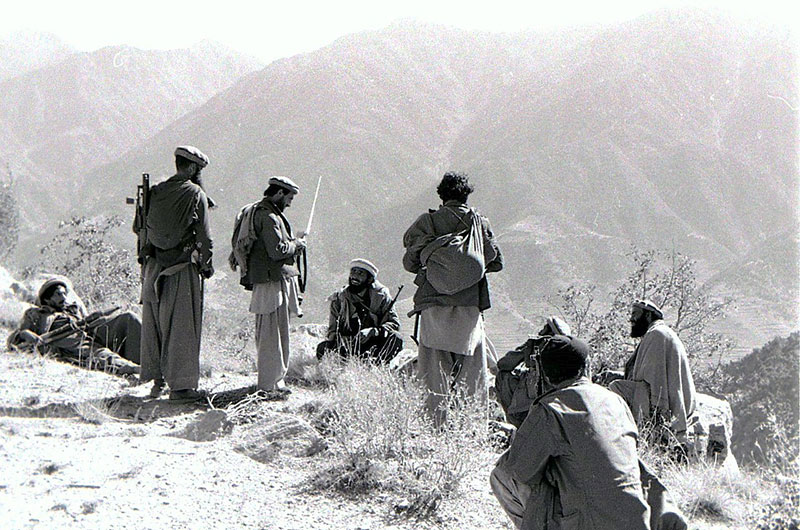
What was sold in the late 1970s and ‘80s as “playing the Islam card” – treating Islamist insurgents as potential partners and aligning with them to weaken the Soviet Union – produced a recurring cycle of blowback that neither the U.S. nor its allies have been able to escape.

Our public square has shifted to social media platforms built to amplify outrage, not accuracy. TikTok, Instagram, YouTube, and X reward emotional impact over context, speed over verification, and frictionless sharing over reflection.
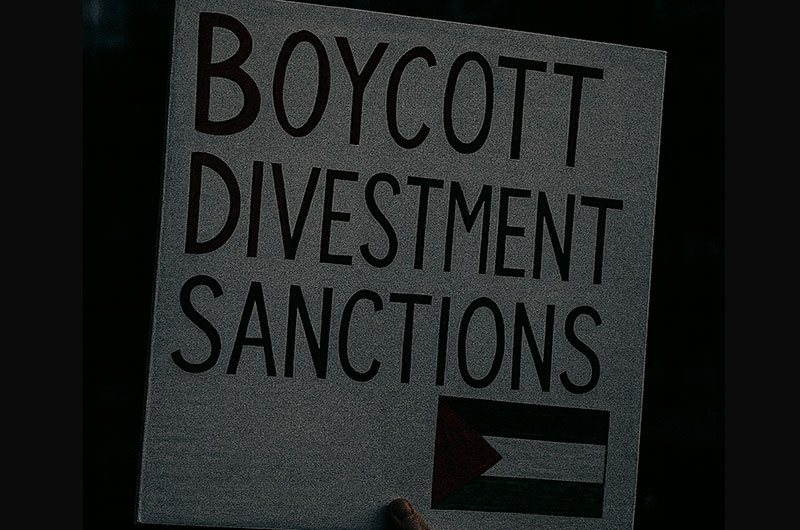
The central engine behind this effort is Iran, the only UN member whose leaders declare openly that another member state must be wiped out.
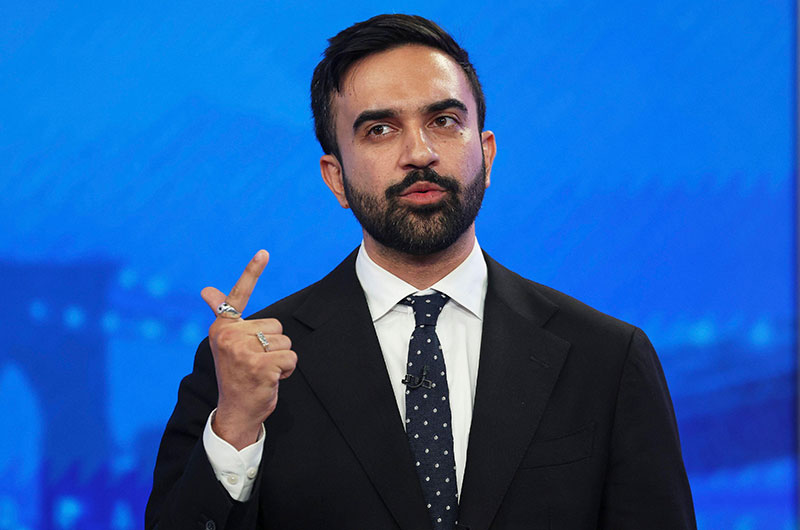
He is an unabashed anti-capitalist who will be the chief executive of the city that is the center of the nation’s financial industry – and for generations has symbolized Jewish success and civic influence.
For a nation its size, Israel’s medical innovation is breathtaking – and deeply moral in its reach, extending humanitarian aid and expertise to developing countries, disaster zones, and conflict areas worldwide.
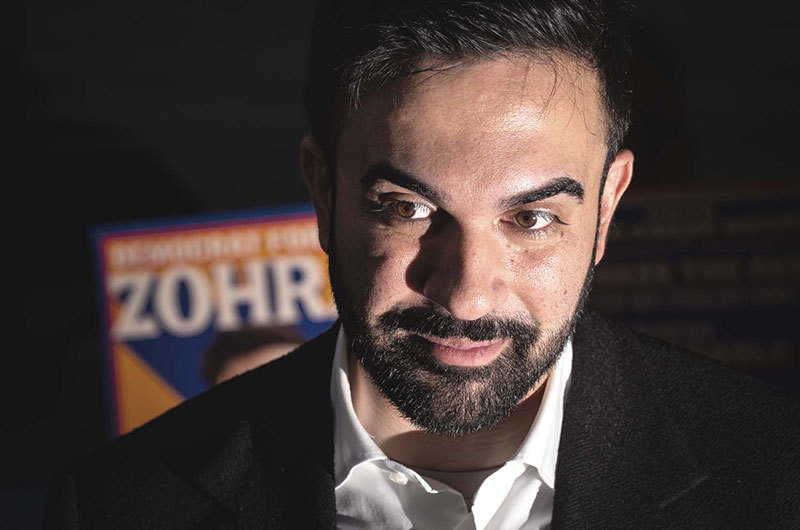
Mamdani has never managed a business, run a municipal or state agency, or held a position that demanded accountability for budgets, payrolls, or public safety. His resume reads more like that of a campus activist than a leader.
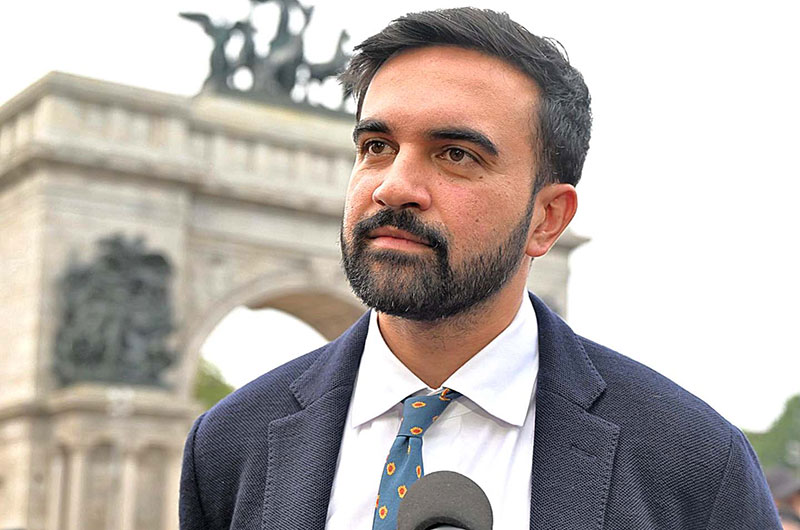
An important figure on the postcolonial left for decades, Mahmood Mamdani has called Israel an apartheid state, championed the BDS movement, and portrayed America as the fountainhead of global evil.
The revenues that Hamas controlled were large enough to transform Gaza into a thriving Mediterranean enclave – a model for Palestinian society. But the Islamist group chose a different path. Prioritizing terrorism and military spending, it invested staggering sums in tunnels and weapons, including rockets and rocket factories.

That history is worth remembering now. It is what happens when leaders handcuff the police and abandon law-abiding citizens. And it will happen again if Mamdani wins the mayoralty. The cycle will repeat, and more brutally than before.
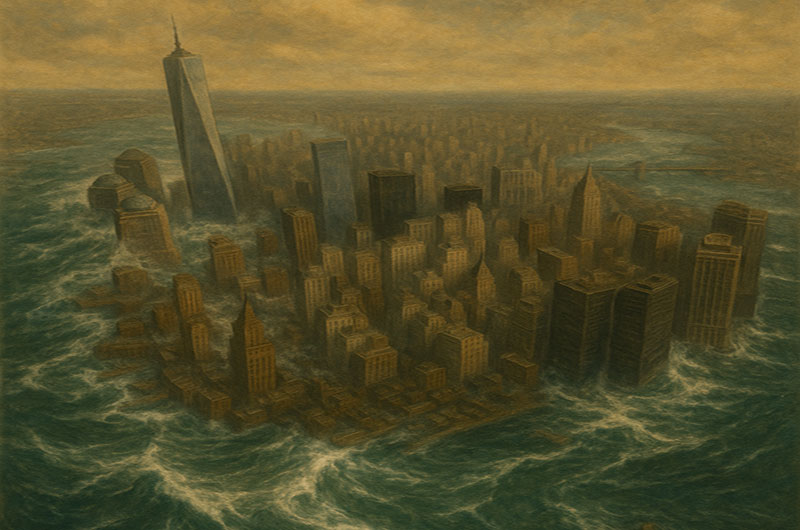
The inevitable result will be emigration – an exodus of Jewish New Yorkers comparable to or greater than that of the 1960s and ‘70s when rising crime rates, collapsing public schools and a weakening economy drove families away.

The fight has also been distorted by the actions of left-wing and left-leaning media outlets that applied a magnifying glass to Israel’s every move while blindly accepting casualty figures from the Hamas health ministry, relying on the claims of so-called journalists who were in reality Hamas operatives and agents of influence.
According to the DSA, terrorists have legitimate grievances, and the root cause of terrorism is – you guessed it – America’s “imperialist” foreign policy. In the eyes of Mamdani’s comrades – DSA members actually call each other that – the nation’s power, prestige, global reach and influence is a menace.
To equate Munich and Yalta isn’t just sloppy history. It erases the essential difference between surrender and solidarity in the face of total war.
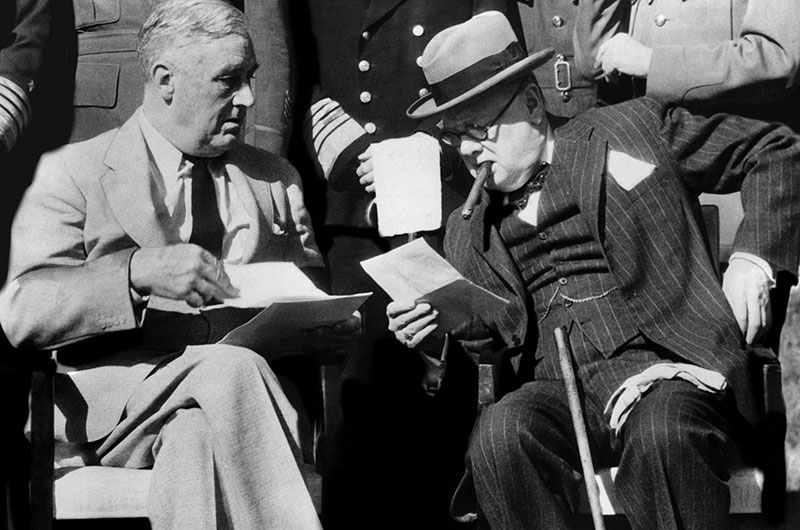
Roosevelt knew his words had to do more than rally the public – they had to silence powerful and influential Americans who still imagined a deal with Germany might be possible.
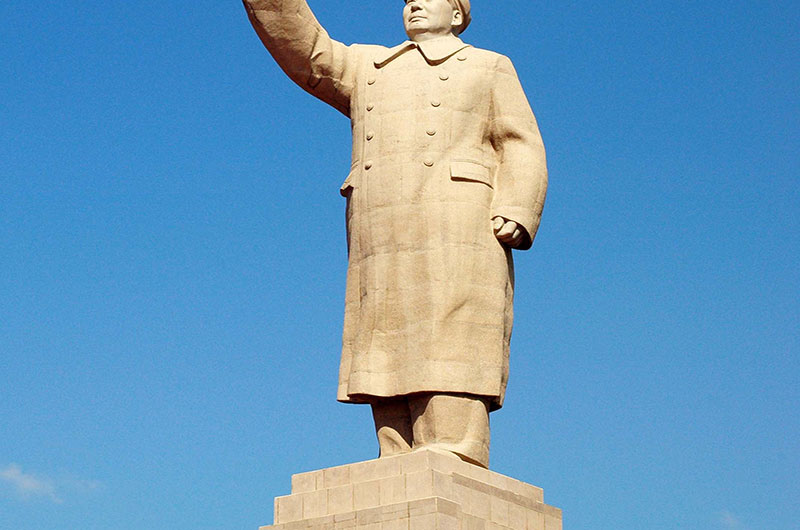
Western liberals have shown a troubling tolerance for these totalitarians.
Some might argue that the old democratic socialists were comfortable with an Israel governed by the Labor Party – then a proud member of the Socialist International – during an era when the kibbutz movement still loomed large, and that they would have felt far less affinity for today’s capitalist “Startup Nation.”

The influential Columbia University professor and Palestinian political activist, Edward Said, characterized Israel’s founding as a manifestation of Western imperialism.

In short, a Mamdani mayoralty would likely turn New York City into the global epicenter of anti-Israel agitation, activism and propaganda. his isn’t mere speculation. It’s a projection based on Mamdani’s record, worldview and political affiliation.

It’s no accident that the universities with the most radical anti-Israel protests – in which bloodthirsty slogans in support of Hamas are commonplace – are also among those with the largest foreign student enrollments.

This deliberate targeting of civilians – the very definition of terrorism – is why Israeli officials, human rights experts and many international observers have categorized the October 7 attack as a mass atrocity constituting crimes against humanity.
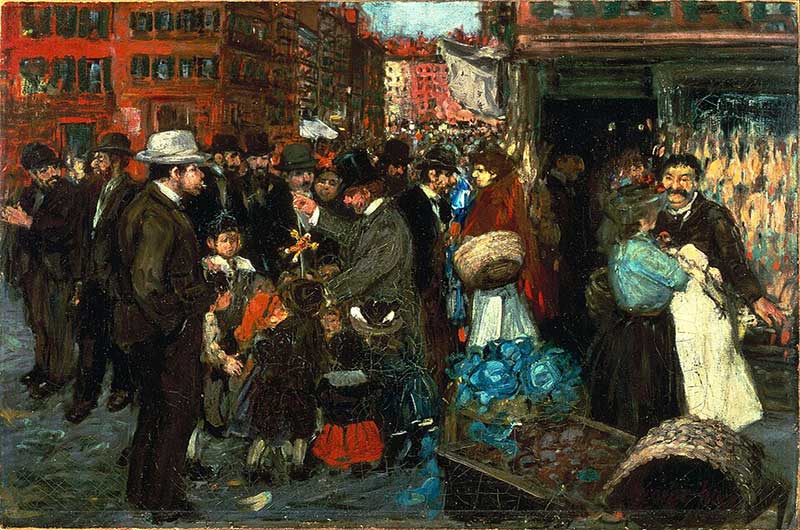
From the earliest days of the city’s founding, Jews have helped shape the identity and vitality of New York. As immigrants, merchants, educators, philanthropists, laborers, artists and industrialists, Jewish New Yorkers have given much – and asked for little beyond the freedom to contribute.
On the far right, populist voices warn against endless wars, mistrust the intelligence community, and urge America to retreat from the Middle East altogether. On the left, ideologues and activists – including some Democratic Party lawmakers and operatives – view Iran as a victim of Western aggression.
For many American Jews who profess to be strong supporters of Israel, their support is actually conditional, subject to partisan loyalties, ideological commitments, or domestic policy preferences.


 October 16, 2026