יום ראשון, י״ב אב תשפ״וSunday, July 26, 2026



Follow Us



You lost that transcendent connection to oneness so that you could journey through life to rebuild it.

I believe that the books that are opened on Rosh Hashana and Yom Kippur contain the more permanent decrees and judgments of our fate for the rest of our lives or death, be that as it may.

If he never davened, it will be very challenging for him to start getting into the habit of doing so. If a person goes through the motions, however, even without feeling it, when the inspiration eventually sets in, it will be far easier for him to become a serious ben Torah.


Gifts or bonuses should only be given collectively by the class as a group. Individual gifts during the school year can create discomfort and an unintended sense of favoritism.
By Adina Perez
I was stunned. Everything had lined up so perfectly. My heart cried, This was your chance! But my conscience said otherwise. I was stunned. Everything had lined up so perfectly. My heart cried, This was your chance! But my conscience said otherwise.

On one occasion, Reuven demanded payment in the presence of witnesses. I admit fully that I owe you $500, replied Hillel, but unfortunately I’m still not able to pay you; my financial situation remains very difficult.
A Talmida Chachama ‘If He Is A Scholar, He Is Not Sworn’ (Shavuos 41a)

As we are taught, Ein tzaddik ba’aretz asher yaaseh tov v’lo yecheta – There is no righteous person in this world who does good and doesn’t sin, there is certainly what to worry about.

We have been here before. We have seen how quickly the world turns. How Jewish suffering is minimized. How our tears are measured against the political utility of those who hate us.

Question: I find it very difficult to understand the punishment of death that was meted out to Rabbi Akiva’s students. If he was so great, we must assume that they were of a superior caliber. If so, why such a harsh punishment? Zelig Aronson Queens, N.Y.

The sedra has 2,264 words and 8,632 letters. Even though Naso’s pesukim are well below average in length (in number of words or letters), it still ranks #1 in all categories.

The students who harassed Jewish students, destroyed property, disrupted classes, and ruined graduations with their blood libels against our nation. Your misguided protests have blurred the lines between truth and falsehood.

Wealth can also lead one astray: Wealth hoarded by its owner is to his detriment (Koheles 5:12). Avshalom was blessed with beautiful hair (Sotah 11a) and Shimshon was blessed with strength, but these attributes led them astray.

Parshat Naso, as you know, is the longest single parsha in the Torah. In most years, Naso follows Shavuot, which is appropriate – once we receive the Torah, the next thing is to dive straight in and begin reading the longest parsha in the Torah. There are 176 pesukim in Parshat Naso. An interesting […]

With regard to the Birkas Kohanim, the Zohar comments that actions performed in this earthly world inspire astounding conduct in Heaven. When the Kohanim spread their fingers to bless the Jewish people, it rouses the Divine Presence to dwell upon His people.

Israel is blessed in the merit of the three fathers, also in whose merit the Torah was given.

Everyone wants to contribute something significant to the world; to play a meaningful part in the cosmic symphony we call life. This desire is an inherent part of being human.

We see that it is a Torah value to maintain composure, even under the most dire circumstances. When we look at the commentaries, we see different ideas as to why this is so, each reflecting on the human condition. Rashi says that remaining calm rattles and humiliates the enemy.

If we want to savor life, the only way is to slow things down.

Our response now must be as it like at Har Sinai, to turn to one another with a sense of oneness, love, and unity and to wish each other chazak
How many people choose to politely confront the people they’ve been hurt by without bearing a grudge, stewing, seeking revenge or sulking?

It’s not my fault that the Chofetz Chaim card was ruined; it’s your loss!

Just as Hashem spoke the world into being, perhaps He wrote His will into our very cells.

Question: I find it very difficult to understand the punishment of death that was meted out to Rabbi Akiva’s students. If he was so great, we can assume that his students were of a superior caliber as well. How did they rate such a harsh punishment? Zelig Aronson Queens, N.Y.
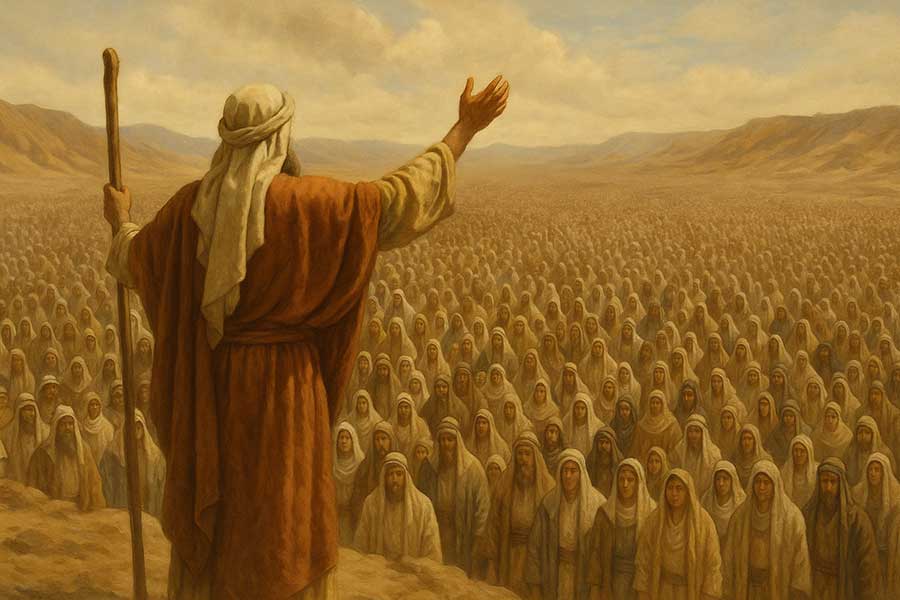
Like in an election, the division of the land among the twelve tribes had to be supervised by officials who made sure that there would be no fraud involved in allocating the land.

Pesach and Shavuot...represent the liberation of the body and the liberation of the mind, respectively.
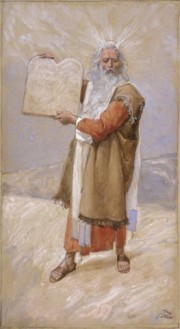
Shavuot commemorates the day when we all gathered at Har Sinai to receive the Torah, “as one person with one heart", meaning that we stood together in perfect unity. How tragic it is that it takes an attack from our enemies to make us feel unified.

The road to Gehinnom is paved with good intentions – such as the unwarranted benefit of the doubt that too-credulous well-intended leaders and negotiators give their undeserving counterparts.
By Rabbi Lord Jonathan Sacks z"l
But the Torah is not mere history as a sequence of events. The Torah is about the truths that emerge through time.
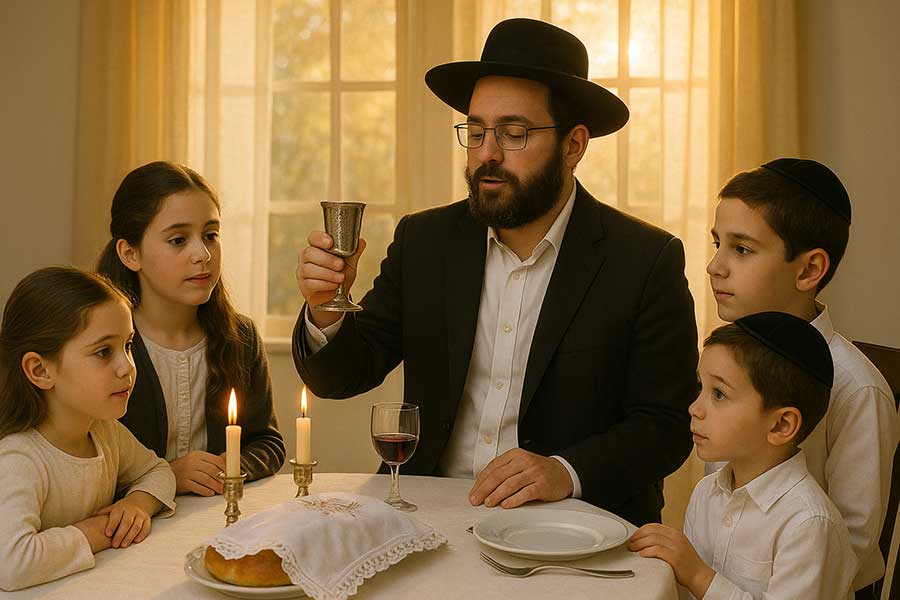
Since the case of early second night Yom Tov involves infringing on a holier day for the sake of a less holy one, it seems more analogous to davening Motzaei Shabbat Maariv and reciting havdalah after plag on Shabbat afternoon.

The road to hell is paved with good intentions.— Proverb (widely attributed to Saint Bernard of Clairvaux)
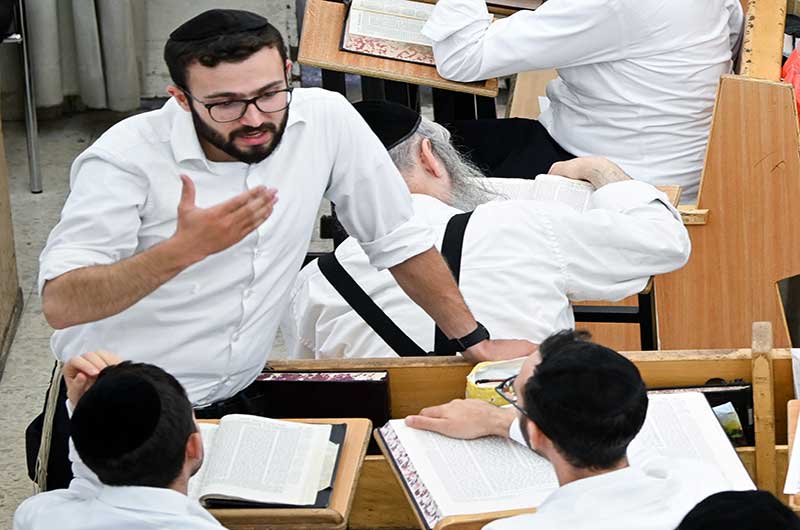
How do Torah scholars make more peace in the world?

R’ Elazar states that all agree, though, that on the holiday of Shavuos, we are obligated to eat and drink because it is the day on which the Torah was given. R’ Shimshon Nachmani, the renowned Zera Shimshon, notes that this conclusion seems paradoxical. We would think that the day commemorating the giving of the Torah would be dedicated solely to spirituality, to Torah study.

We do not simply remember what once occurred, we relive the experience as we tap back into the power of kabbalas haTorah.

To deserve the name Numbers, this week’s sedra contains numbers galore – starting with a count of the adult male population of each of the 12 tribes, with a total of 603,550 men age 20 and up.
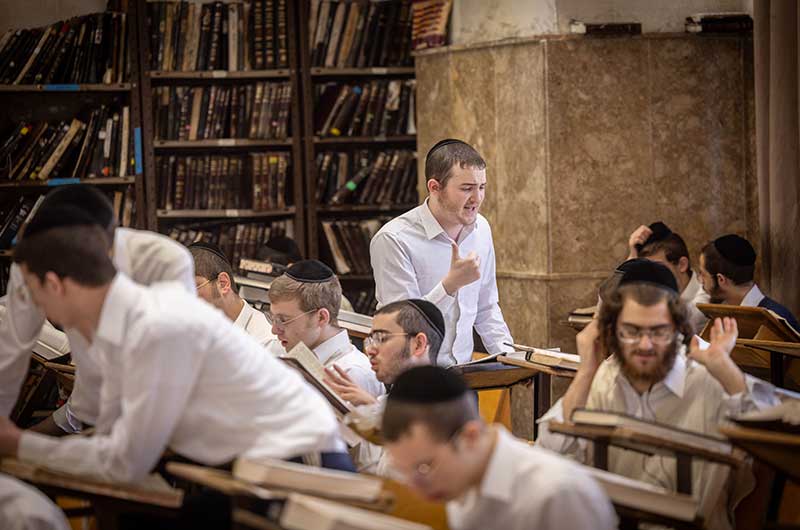
Shouldn’t Shavuot’s commemoration of Matan Torah mandate a spiritual celebration?

If one can embrace it without compromising the rest of the day, the experience of Torah learning on this night can deepen one’s connection to Torah for the whole year to come.
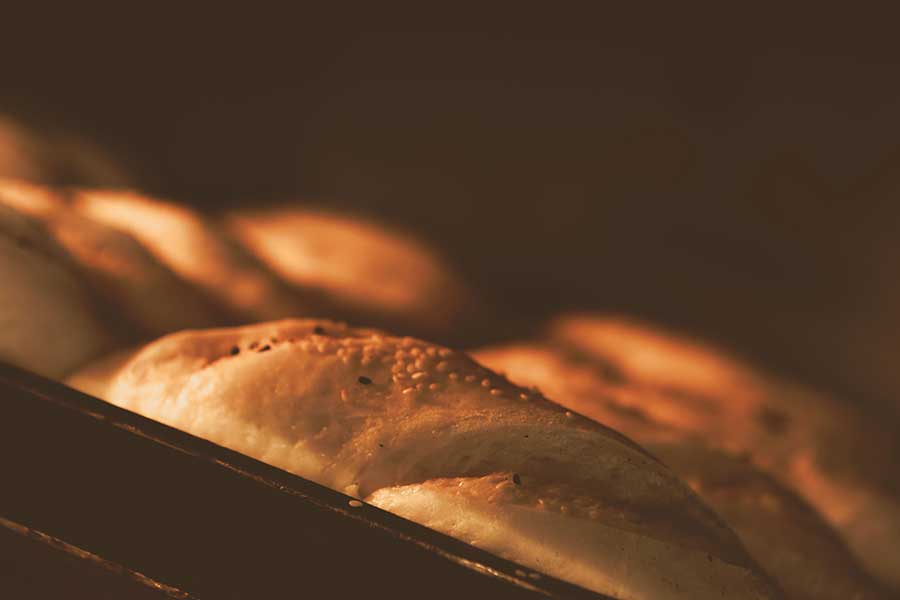
The total weight of the shulchan with the lechem hapanim was over 551 pounds.
Start And Final ‘Aleph Lamed Chol, Yud Keh Kodesh’ (Shavuos 35b)

The conflict between different parts of our mind and the denial of certain thoughts provide a tidy explanation for the contradictory ways in which people behave.

Yerushalayim was and always will be a city of unity — but unity of what? What do “Yeru” and “Shalem” each represent?

A promise is a promise and it'll only take me a minute, I can surely do this without any problems!

If you wouldn’t have a spare copy, you’d have to pay cash, so it’s not fair to make me accept your spare copy!

Posthaste ‘And He Simply Uttered Bread’ (Shavuos 26b)

Question: I find it very difficult to understand the punishment of death that was meted out to Rabbi Akiva’s students. If he was so great, we can assume that his students were of a superior caliber as well. How did they rate such a harsh punishment? Zelig Aronson Queens, N.Y.

In a city torn by conflict, we remember: Yerushalayim is meant to unite us – with each other, and with Hashem.

By Rabbi Lord Jonathan Sacks z"l
Words can injure and inspire. Words can bless or curse. Words can create new moral facts, such as when we make a promise.

Indeed the laws of Shemittah were meant to be given at Har Sinai because the original plan was that we would enter the land of Israel a short while later, not forty years later.
Unlike the entry of the Israelites into the Promised Land, the return to Zion in modern times has been a natural event within the confines of nature.
By Rabbi Lord Jonathan Sacks z"l
“Torah study without an occupation will in the end fail and lead to sin.” Avot 2:2

One possible explanation that Rashi finds in the Midrash is that all of the general principles were received at Har Sinai; however, many of the specifics were taught by Moshe in the land of Moav immediately before the crossing of the Yarden.

Faith is not certainty. It is the courage to live with uncertainty.— Rabbi Jonathan Sacks
Torah does not have a set place. It can be found anywhere. It should be found everywhere.

When a person appears before the Heavenly Court, he is asked whether he properly fulfilled the mitzvah of you shall strengthen him.
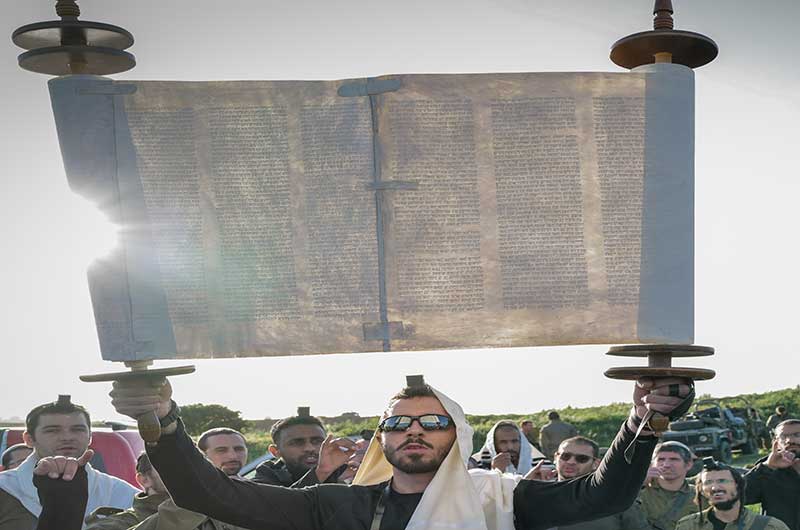
With the third double sedra in four weeks, it’s a good time to take a closer look at the double sedra story.

What is this oath that was made at Mount Sinai? We might assume that it is referring to the covenant that the Jewish people made there. While not literally an oath, and certainly not one actually made by each inhabitant of every century, it is somehow considered binding on the entire people and its descendants.

Words can injure and inspire. Words can bless or curse. Words can create new moral facts, such as when we make a promise.
Perhaps when [Mashiach] comes, we will all sing hava nagila together.

Detach yourself from the illusions of this world and focus on the true realities of the world and Who determines them…. Today you do not take care of yourselves, I take care of you.

The light of togetherness, commitment and Torah in action will help us move toward the receiving of the Torah that Jews commemorate on Shavuot.
By Talya Gross
The front of the car where the engine was had burnt to a crisp, and all the windows were shattered.

I don’t see why this should be ribbis. I’m not gaining anything; I’m just recouping my loss...
K’vod HaBriyos – Human Dignity ‘… Excluding Where He Was Preoccupied’ (Shavuos 18b-19a)

Have an enjoyable Lag B’Omer, beautiful Shabbat and a joyous and safe Chag Shavuot.

Question: Were these individuals allowed to lead the congregation in counting sefirah? I also wonder, in general, if everyone may be trusted to lead the counting. What if someone forgot to count on one of the previous nights but does not inform anyone of this? Name withheld Via E-mail

One who truly loves Hashem, loves everything He creates. By loving and showing respect to His creations, we, in essence, show respect to Hashem Himself.
As we exist in the world and interact with it, we receive input and understand our surroundings by means of the data we collect, chiefly by way of our senses. But because we also have the ability to communicate with one another, we learn much useful information about the world from each another.
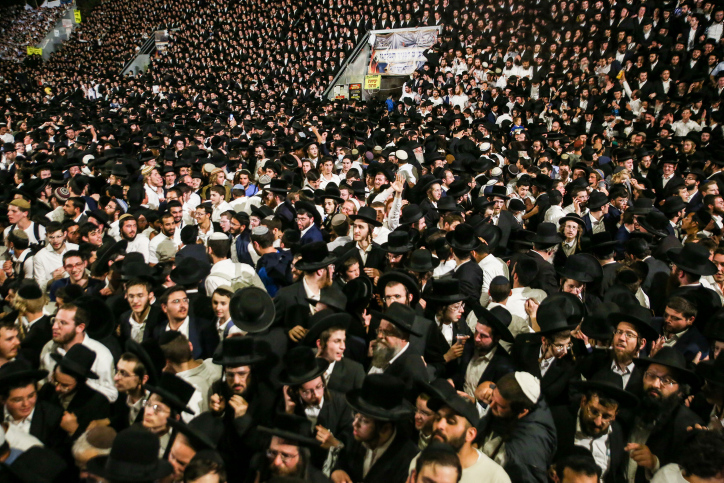
By Tzvi Fishman
The bonfires of Lag B’Omer symbolize the secrets of Torah which Rabbi Shimon Bar Yochai revealed.

When Yosef related his dreams to his brothers and to his father, his brothers became jealous of him. Not his father. His father shamar es ha’davar, kept it in mind and looked forward to the time when Yosef’s dreams would come true (Rashi to Bereishis 37:11).
By Rabbi Lord Jonathan Sacks z"l
The holy spaces had to be kept free of conditions that bespoke mortality.

Joy in Judaism is not hedonic; it is redemptive, cathartic, and spiritual.— Rabbi Joseph B. Soloveitchik

Rebbe Akiva. He is the Jewish hero par excellence, which means that, on some level, his life story encapsulates the values and ideals of the Jewish people. And yet, perhaps not coincidentally, he lived in the shadow of death.

In Pirkei Avot, we find the statement, Schar mitzvah, mitzvah – the reward for doing a mitzvah is the mitzvah itself. Or perhaps it means that the reward for doing a mitzvah is another mitzvah to do.

Based on one’s Torah stature in the community [one] must conduct himself beyond the measure of the law.
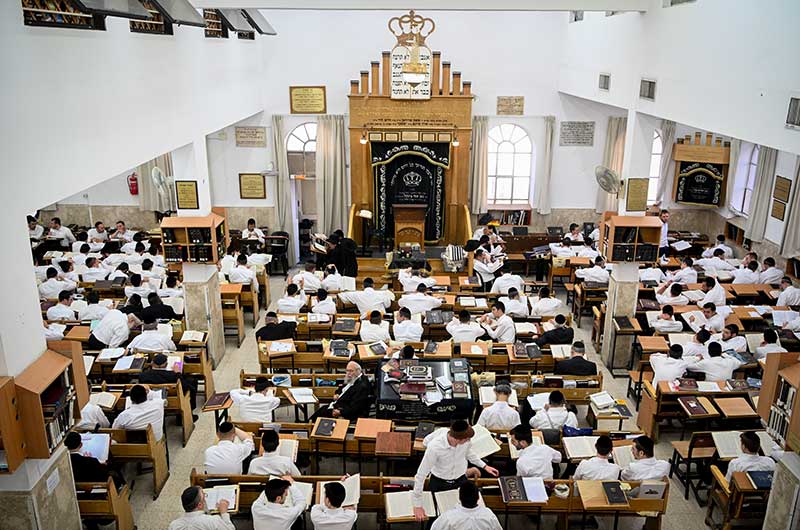
We must know that the mitzvah of kavod haTorah is even greater than learning Torah. As the Gemara in Masechtas Megilla in the first perek states categorically that while learning Torah does not supersede the hearing of the megillah, giving honor to the Torah does.
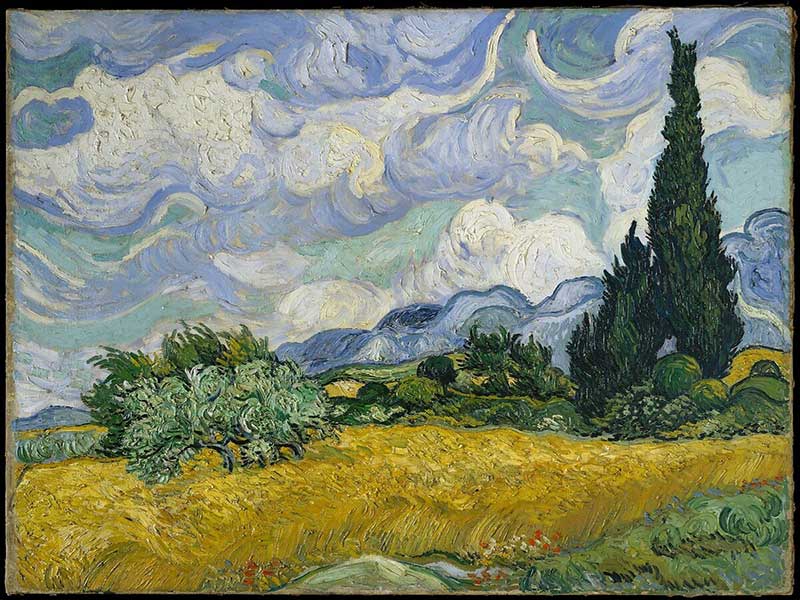
Both Kayin and Hevel are flawed in this narrative. Kayin, consumed by lust and evil, has will and determination. Hevel, free of evil, lacks drive or purpose.

The name Maya ranked as the fifth most popular name for Jewish girls born in Israel in 2023.

How do we, as physical and limited beings, transcend our finite dimensions? How do we relate to the abstract, to the infinite, to the spiritual?

One might say that the menorah and the ketoret were temidin, while the lechem hapanim was only switched once a week, on Shabbat. However, although it was only switched once a week, the lechem hapanim was on the shulchan every day, a korban in itself, a repeating miracle that occurred each day anew.

The common thread between those who persevere beyond all odds and accomplish incredible things is that they have an unyielding sense of mission and responsibility. They aren’t merely doing what they want to do; they are striving to accomplish what they feel needs to be done. They feel the weight upon their shoulders.

Shulchan Aruch (C.M. 232:4) rules that when merchandise is defective, the sale can be voided entirely, replied Rabbi Dayan. Even if the depreciation is small and the seller is willing to refund the differential, the buyer can return the item and claim that he wants an intact item.

Siddurim On A Bimah ‘The Heart Of Beth Din Provides For It’ (Shavuos 11a)
Question: On occasion it has happened that a recent bar mitzvah boy was the one to do so. I’ve also had an occasion when a recent ger (convert) led the service. In both those events, how would they be allowed to lead in the counting of the sefirah if they did not start doing so at the outset? No Name Via E-mail
Before the Kohen Gadol could come into G-d’s chamber with the blood of the sacrifice, there was a barrier to entry. That barrier is called lashon hara, slander. G-d cannot abide the presence of slanderers (Arachin 15b).

Flour is the most basic ingredient needed to feed the body, but once it is made into bread, it becomes more associated with physical urges and pleasures and thus potentially detrimental to spiritual growth.

When we are tired and hungry, we are anxious to revive and sustain ourselves. This anxiety can cause us to lose sight of our life’s bigger picture and purpose, and eat like animals rather than human beings.

I don’t believe in ghosts. But I’m afraid of them.— Edith Wharton
The Talmud states that when a tzaddik does not pray for another person who needs to do teshuva, then the tzaddik becomes partially responsible for the sinner’s actions and liable for punishment.

Sometimes, the yetzer hara pushes us off until the summer – and then in the summer, he tells us that we need to rest in order to recharge our batteries before the coming winter.

It is an interesting question whether, from the Torah’s perspective, there exists wisdom outside the Torah. Logically speaking, there is no theological need for the Torah to encompass all wisdom, so long as what it commands, as pertinent to us, is wise.
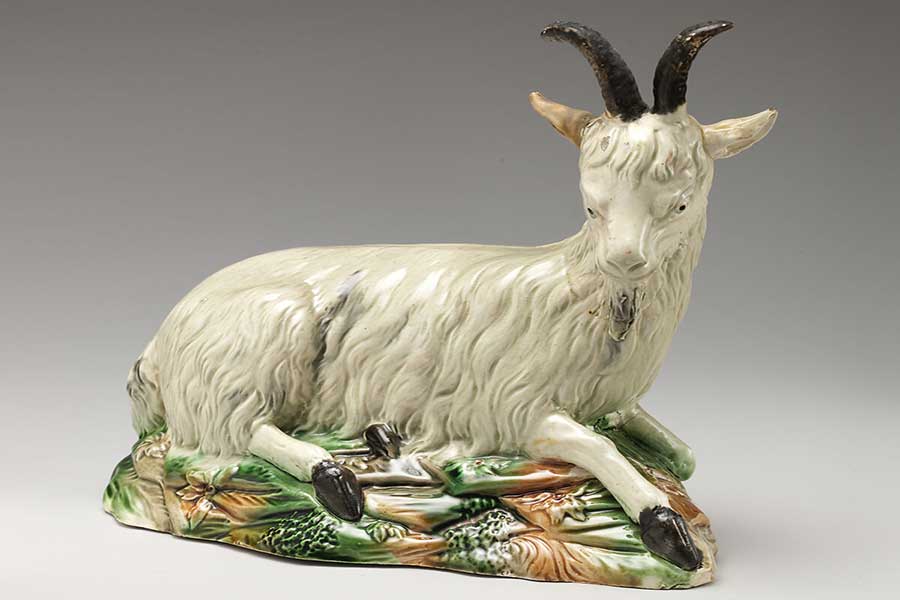
The Ramban says that the word se'ir (goat) is also reminiscent of Eisav, who Yaakov describes as sa'ir (hairy).

Another equally problematic motivation for speaking lashon hara is the desire to feel good about oneself. We all desire to feel important, significant, and worthy of respect.
By Rabbi Lord Jonathan Sacks z"l
There is an order to the universe, part moral, part political, part ecological. When that order is violated, eventually there is chaos.
It is not coincidental that both national periods of mourning are connected with deficiencies in interpersonal relationships.
 July 24, 2026