יום חמישי, ד׳ חשוון תשפ״זThursday, October 15, 2026



Follow Us



In this week’s parshah the Torah teaches us which animals are kosher to eat and which are not. The Torah says that the pig, although it has split hooves, is not kosher since it does not chew its cud. The medrash on this pasuk says that the reason that the pig is called “chazir” is because in the future Hashem will return (lehachzir) the pig to Bnei Yisrael and permit it to be eaten.

Several weeks ago I started a series on hashgachah pratis, or Divine Providence. Every believing Jew knows that events do not just unfold randomly; the story I told of two brothers named Yaakov and Yedidya clearly testified to that reality in a contemporary setting.

Pesach is the time of redemption and salvation, which can often come from the most unexpected sources. Such is the story of a boxing title fight in Yankee Stadium that launched a young boy from Russia on a journey to discover his Jewish heritage in Israel.

Historically, one of man’s greatest shortcomings has been taking credit for Hashem’s work. Only too often does a man find success and, in his arrogance, feel his power and his might created his empire. The Torah warns us, Remember: it was Hashem who brought all this to be.

On April 14, 1912, at 11:40 p.m., the Titanic struck an iceberg. It sank at 2:20 a.m. on April 15. Thus, this month (both according to the Jewish and secular calendars) marks the centennial of the disaster. Despite the passage of time, the tragedy still fascinates people and continues to be a source of lessons learned - both good and bad.
The miraculous splitting of the Sea of Reeds was one of the pinnacles of Israel’s closeness to Hashem. It raises a question, though: Why? Hashem typically hides His presence somewhat, conducting the world in a discrete way and never revealing His presence so openly. As Rabbi Avigdor Miller, zt”l, explains, this spectacle on the Sea of Reeds was performed with two great purposes in mind.

Yankel drove with his wife to the yeshiva's annual dinner. "I hope we'll be able to find parking," she said.

Each morning at about 7:10 a.m. my mother, still in her housecoat and slippers, would wake me for school. One wintry Monday morning I opened my eyes to see her leaning over my bed. She was in hat and coat and her hands were cold from the weather outside.
By Rabbi Yaakov Klass and Rabbi Gershon Tannenbaum
A Bride And Groom On Their Wedding Day ‘Except For The Day After Yom Kippur’ (Kerisos 25a)

Question: Why do we read Shir HaShirim on Pesach? Also, why do we generally read it on the Shabbat of Chol HaMoed as opposed to the first days of Pesach? Finally, why don’t we recite a blessing over the reading of Shir HaShirim as we do for Megillat Esther? Menachem (Via E-Mail)

In order to fulfill one’s obligation in the mitzvah of matzah, one must eat a k’zayis amount of matzah. This is because the Torah uses the wording of achilah (eating) when it commands the mitzvah of matzah.
For the past several weeks I have been focusing on hashgachah pratis – personal, individual and national guidance that comes from heaven. Sadly, in our secular, high pressured, very often decadent society, many voices assail us and we have difficulty hearing the still small voice of G-d leading and prodding us.

By dvora
It was an ordinary day and Dovid (name changed) was preparing to catch the late afternoon EL AL flight to Eretz Yisrael. He had yahrzeit for his father and planned his trip so he’d arrive there just in time to join his brother at the kever. He parked his car in the area that facilitated a faster trip to JFK for his flight. Little did he know that he was being observed by a team of thieves who were “working” the Diamond District that day in order to rob the merchants of their goods.
Question: If a person has a number of personal concerns that need to be thought out and analyzed, can he go to shul to do this?

By Moshe Herman
Special Pesach edition kicks off with Yishai and Malkah sharing the story of their own inspiring journey into Pesach 5772. Then Yishai is joined by Shmuel Sackett, the International Director of Manhigut Yehudit, who tells the moving story of his personal discussions with Jonathan Pollard during visits to see him in prison. The third segment of this week’s show features the true meaning of Pesach, presented by David Sacks, a television writer and producer for The Simpsons, 3rd Rock From the Sun, and more. Finally, Yehuda HaKohen talks about how love breeds courage and destroys fear, and gives an example with a masterful presentation of the history of the Lehi movement.
By Rayzel Reich
It was Moishele, and Itche, and me. We did everything together. We even made our own language, which only we understood. In shul they jokingly called us “the troika,” after the three bishops whose authority extended across Poland.

At this time of the year, "Jewish eyes are smiling" as we look back to our Egyptian experience of 3300 years ago and the great salvation that HaShem had brought forth for us. But on this 10th of Nisan, corresponding to the general calendar of April 2, the eyes of all enlightened nations are on Egypt, but for different reasons. The Moslem Brotherhood political party in Egypt, that now controls the two houses of the Egyptian Parliament, is going to have their man as the next president of that country. This group is among the most radical Islamists in the world, and they have an unabashed, open, straightforward Islamic agenda. Not only will they turn Egyptian society back 300 years, their end game is to uproot the Jewish State.

In the vernacular of our sages and in our prayers, Pesach is titled, “Z’man chayrusaynu- Time of our freedom.” Although we did attain freedom at the time of our redemption from Egypt, titling the holiday as such doesn’t seem to encapsulate the root of the holiday’s greatness.
Question: How much matzah must one eat at the Pesach Seder?

By dvora
It is said that giving charity can save one from death. We also believe that there is no such thing as a “coincidence.”

An act never dies. Each word you utter, each mitzvah you do, continues to ring in the world for all eternity. Rabbi Avigdor Miller, zt”l, teaches it was such an eternal act that was the undoing of Pharaoh and the making of Israel as a nation of holy people.
After months and months of rebellion, Pharaoh finally admitted he was wrong. The Dos Zakainim explains that the plague of barad moved Pharaoh more than any other. And it was because of one factor: Moshe had warned him that the hail would kill anything living. Again and again, Moshe cautioned Pharaoh to take his livestock and his slaves inside. Because Pharaoh was repeatedly warned to save the living creatures, he was moved and recognized his error.
By Rabbi Yaakov Klass and Rabbi Gershon Tannenbaum
Beware Of The Fruit! ‘A Mis’asek Is Excluded’ (Kerisos 19a)
The Gemara in Pesachim 115a says that there was a machlokes regarding how one was supposed to eat matzah and marror in the times of the Beis HaMikdash. Hillel said that during those times, when there was a korban Pesach, matzah and marror should be eaten together. His peers argued that they must be eaten separately. The Gemara concludes that since the halacha was not paskened we eat matzah separately, then marror separately, and then both together to accommodate both opinions.
It's 1 p.m. on Friday, Erev Pesach. The rabbi had already sold the chametz at 10 a.m. But I forgot to sell mine. Now the synagogue office is closed and I can't get hold of the form the rabbi uses to sell the chametz. The Torah requires me to remove all chametz from my house on Pesach. But I just cannot bring myself to throw out that Glenfiddich. Is there a way the whisky can remain in my house during Pesach, and would I be able to drink it after Pesach?
Question: In the Torah’s description of the ten plagues Hashem inflicted upon Egypt, we find the Hebrew preposition “beit” [meaning “in” or “with”] only in connection with the plague of locust: "Neteh yadcha al eretz Mitzrayim ba'arbeh." Why is this so? And why do most of the commentators on Chumash ignore this question. Menachem (Via E-Mail)
I have been sharing personal testimonies on the subject of hashgachah pratis, chosen from a plethora of letters that have reached my desk. Each of these stories reflects a different challenge ranging from problems of health, parnassah, shidduchim and loss of dear ones (some of which I have yet to publish). These difficulties, to one extent or another, at one time or another, have challenged all of us.
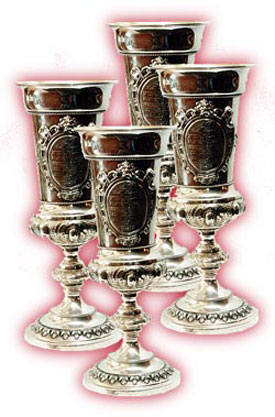
The number four seems to play a major role in the Pesach Seder. We have four questions, four sons, four terms of endearment and, of course, one of the major features we soon will be enjoying – the drinking of four cups of wine.

By Rabbi Shimshon HaKohen Nadel
It has been said ‘It is easier to take the Jew out of the Exile, than to take the Exile out of the Jew’. While in Egypt, the Jewish people could not even hear Hashem’s promise of Redemption because of their “shortness of spirit.” Their bondage wasn’t merely a physical bondage, but a mental one. And so, while still in Egypt, Hashem began the process of taking the Jew out of the psychology of Exile, ridding him of his slave mentality.
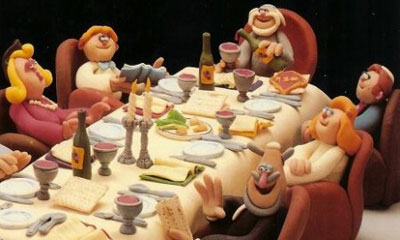
Dear Gary, As Pesach approaches, I get worried because I want to have a great Yom Tov, and yet, every year, the seder ends in some sort of fighting and arguing. My husband wants the seder to be all about divrei Torah and so do I, but between the younger children (who we want to be awake for the whole seder) and guests, we somehow end up in stern looks and squabbles. I'm happy we have guests or else we'd probably start yelling at each other and even Eliyahu Hanavi would bail. I know everyone jokes about how tough Pesach is, but I can't see the humor anymore – and neither can my children. What can we do to manage a calm (I don't even wish for happy) seder? A Sad Mom
After a long and detailed description of the avodah (service) to be done in the Mishkan, the parshah ends with statement that “Aaron and his sons did as they were told.”
The evil inclination likes to tempt us to indulge in material delights. It is important to know that these delights may have another purpose, too: kedushah (holiness).
Question: What is the basis of the custom to refrain from eating matzah for a period of time before Pesach?

On the bima of the beis medrash stood a maos chittim "pushka" (collection box) on behalf of "Matzos Chesed Organization." The gabbai emptied the box every few days, typically finding $200-$500.
Is Halakhic Judaism rational and rooted in reality, or is it a hypothetical construct unconducive to engaging the real world?
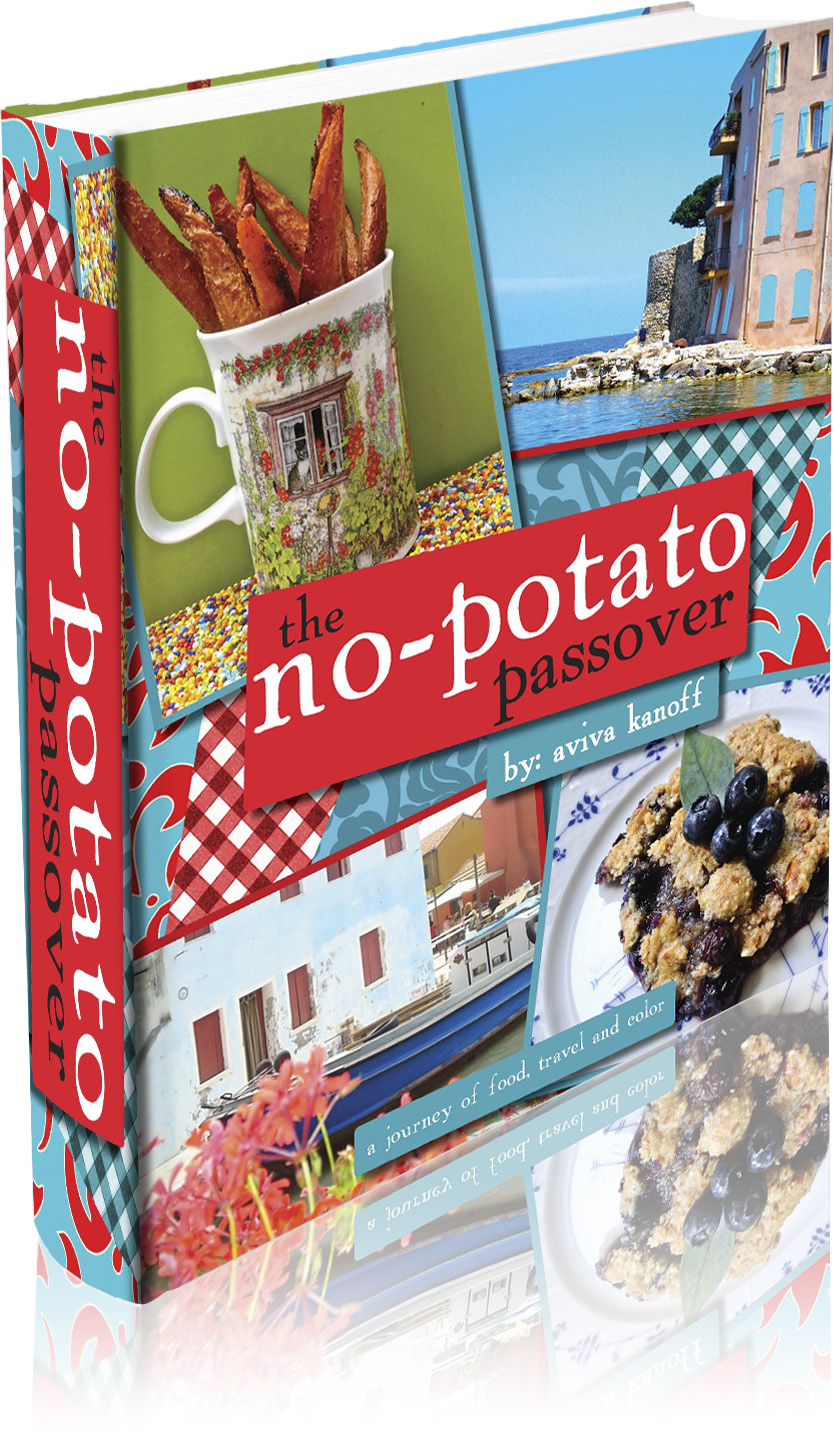
Most of the No-Potato Passover recipes are as casual as the title’s spelling: some include only six ingredients and limited prep time - half to one full hour. They’re good for heart health and waistlines, too.
In this week’s parshah the Torah teaches many of the halachos of the korbanos. Each of the korbanos has a limited amount of time when they may be eaten, after which they become nosar and forbidden.
By Rabbi Yaakov Klass and Rabbi Gershon Tannenbaum
Seizing An Opportunity? ‘A Person Is Believed Regarding Himself More Than 100 Witnesses’ (Kerisos 11b-12a)
In last week’s column I shared the remarkable story of hashgachah pratis that two terrific young yeshiva boys, Yedidya and Yaakov, experienced. Their story evoked an enthusiastic response. Many were motivated to reassess their own lives and discover their own hashgachah pratis.
Question: Why do we read four special Torah sections between Purim and Pesach. Also, why do we call each of the four Shabbatot on which we read these sections by a special name – such as Shabbat Shekalim, Shabbat Zachor etc.? Celia Gluck (Via E-Mail)
By Rabbi Lord Jonathan Sacks z"l
In her book The Watchman’s Rattle, subtitled Thinking Our Way Out of Extinction, Rebecca Costa delivers a fascinating account of how civilizations die. Their problems become too complex. Societies reach what she calls a cognitive threshold. They simply can’t chart a path from the present to the future.
By dvora
The Schwartzes had three vehicles but only two drivers. At any given time the third vehicle, the 2005 red Ford van, could be seen on different driveways throughout the neighborhood – and sometimes even in Miami Beach and Hollywood, Florida. The Schwartzes kept a third vehicle, knowing that not everyone had a car.

As one that has trained and followed rabbis throughout their careers, I can generally say that rabbis gain detractors not so much because of their sermons, vision, lectures or the like, but rather when they fail to return phone calls, when they avoid bikur cholim, and when they fail to respond to emails. One can deal with refusal, disagreements, debates and the answer 'no', but how should one deal with being totally and utterly ignored?!
“At the time that my wife and I made aliyah, the Ministry of Interior required certification through the chief rabbinate that any new immigrants were Jews in order to qualify for citizenship and immigrant benefits. After an hour-long wait at the ministry to be interviewed, my wife and I sat before a hard-faced clerk. I did not have a letter from a rabbi certifying to my Jewishness, but I felt confident that since I was on the chief rabbinate's list of approved rabbis whose letter would be accepted to verify the Jewishness of others, I would suffer no problem.
Question: If someone passes away on one day but is buried the next day, when does the son stop saying Kaddish and when should he observe the yahrzeit – 11 and 12 months, respectively, after the day of death or 11 and 12 months, respectively, after the day of burial?
To the modern mind, korbanos may seem foreign or hard to understand. Yet they were a key component of the service of Hashem. Rabbi Avigdor Miller, zt”l, explains that offerings served many purposes, including a primary purpose of expressing thanks to Hashem. Thus, following the book of Exodus comes the book dealing with sacrifices as an expression of thanks for the deliverance from slavery in Egypt.
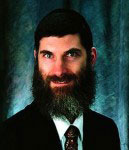
The popularity of the rise of chassidus did not go unnoticed by those who did not share the same allegiance. As long as the movement was limited to the commoner and isolated in a few pockets of Poland no one perceived it as a threat. But all of this had changed by 1772.
The Dos Zakainim explains that the reason every korban must be brought with salt is to remind us that just as salt is a preservative that allows food to last longer, so too the sacrifices are permanently ours to cleanse us from our sins.
By Rabbi Yaakov Klass and Rabbi Gershon Tannenbaum
Temple Management 101 ‘The Rest Were Given To The Craftsmen As Wages’ (Kerisos 6a)
If you pay only $5 or if you creep back, retrieve your $10 bill and make off with the money and the flowers. Doing that would be a breach of trust.
At the conclusion of this week’s parshah, the Torah discusses the halachos of one who stole from another. The pasuk says, “veheishiv es hagezeilah asher gazal – and he shall return the stolen object that he stole.” We derive from this that there is a mitzvas assei to return a stolen object.
Question: Why do we read four special Torah sections between Purim and Pesach. Also, why do we call each of the four Shabbatot on which we read these sections by a special name – such as Shabbat Shekalim, Shabbat Zachor etc.? Celia Gluck (Via E-Mail)
By Rabbi Lord Jonathan Sacks z"l
We think of a sin as something we did intentionally, yielding to temptation perhaps, or in a moment of rebellion. That is what Jewish law calls b’zadon in biblical Hebrew or b’mezid in rabbinic Hebrew. That is the kind of act we would have thought calls for a sin offering. But actually such an act cannot be atoned for by an offering at all. So how do we make sense of the sin offering?

By Rabbi Shimshon HaKohen Nadel
With thousands of Haggadot in print, it can be overwhelming to decide what to buy and what to use at the Seder. Just like kashering the home for Pesach requires preparation, so too the material for the Seder. And according to the investment is the return. Below are twenty of my favorite Haggadot.
Most people have difficulty discerning Hashem's call since His messages are usually hidden behind many veils. On occasion however, hashgachah pratis – Divine providence – is so clear and obvious that even a blind man has to see it, a deaf man has to hear it.
By Alan Magill
It’s my first moment of wakefulness, and I’m chilled to the bone. Pull the covers over myself, I’m thinking, while I decide to roll over to look at the clock. It’s 5:30 a.m. and I’m exhausted. But attending morning minyan – even once – is the least I can do.

Live coverage of the funeral of Rabbi Chaim Pinchas Scheinberg, zt"l

The Hebrew-English haggada provides a wealth of photographic evidence of the lives led by Ethiopian Jews. The pottery, the unembellished homes, school, and synagogues, the gaunt Jews in modest clothing and head coverings portray dedication to Torah values despite harsh political and topographical conditions.
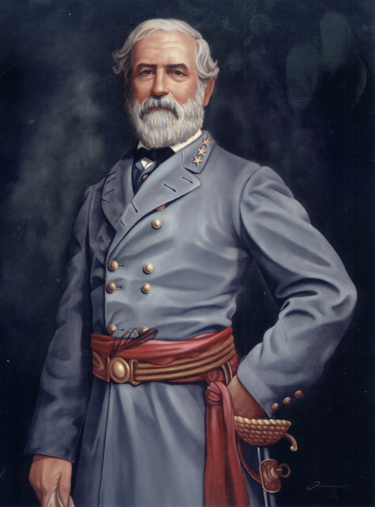
May 1864 was one of the bloodiest months in American military history. At what came to be known as the Battle of the Wilderness, General Grant’s Union forces suffered close to 18,000 casualties between May 3 and May 6. It seemed as yet another Union general, even one such as Grant who had been successful out west, lost to General Robert E. Lee.
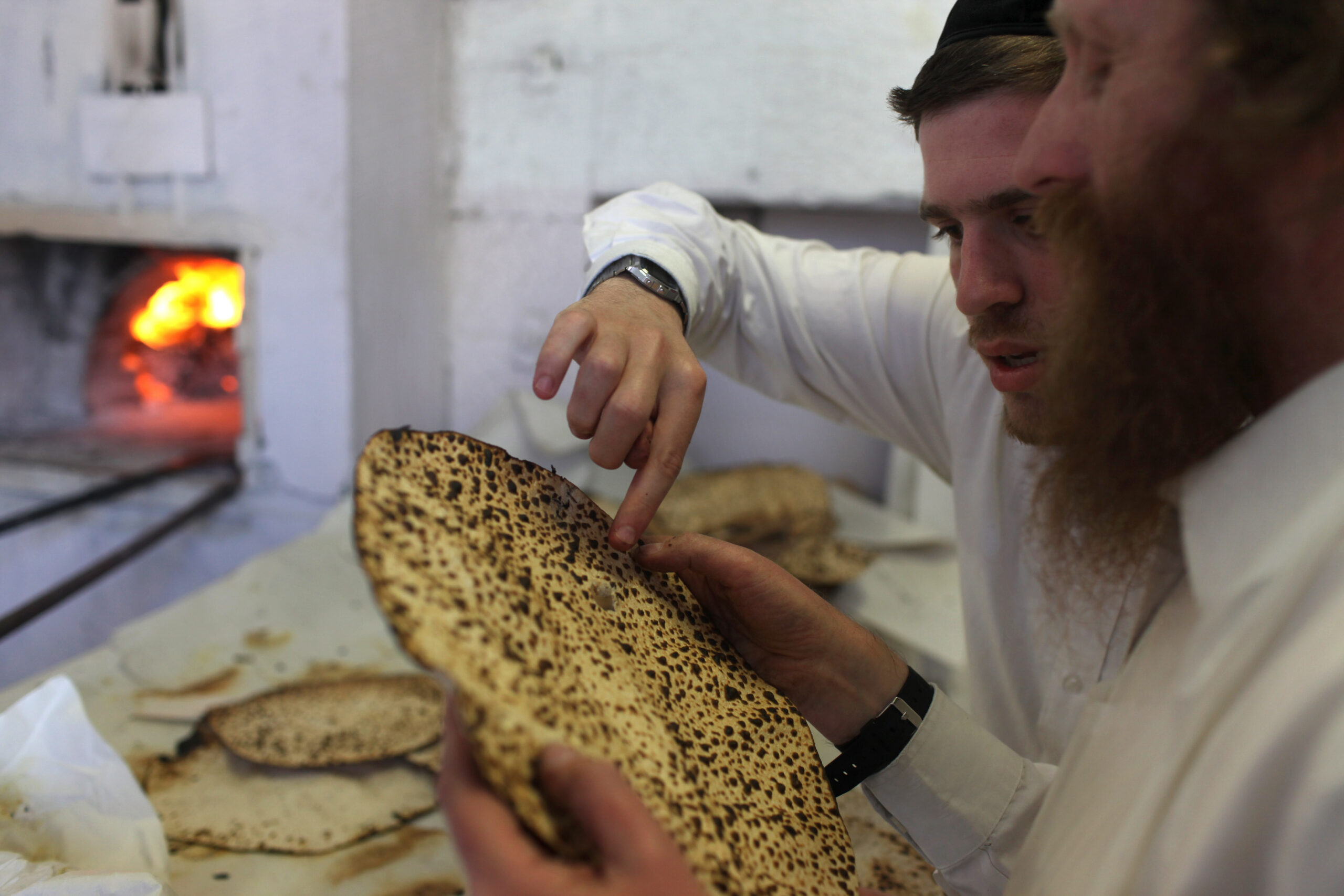
I believe we need to get back to the basics. Holiness is something we should embrace rather than stray from, and thus we should "look" for more opportunities to become holy rather then stay "safely" away from it. True, with every act of holiness comes restrictions and I can already feel the backache of cleaning the pantry from Chametz. But shall this hardship turn Pesach into the Holiday of misfortune rather than happiness?
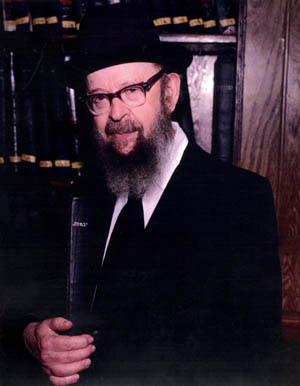
Despite the intense suffering of slavery in Egypt, it was there that Israel became a nation – not just in the spiritual sense, but in the physical sense: it was there that our numbers swelled. This is to the credit of the Jewish women, who despite their oppression at the hands of Egypt relentlessly encouraged the growth of Israel. This provides a glimpse of the greatness of the Jewish women of that generation. Likewise in our times, it is the Jewish woman’s selfless devotion to service of Hashem that builds and sustains Israel.
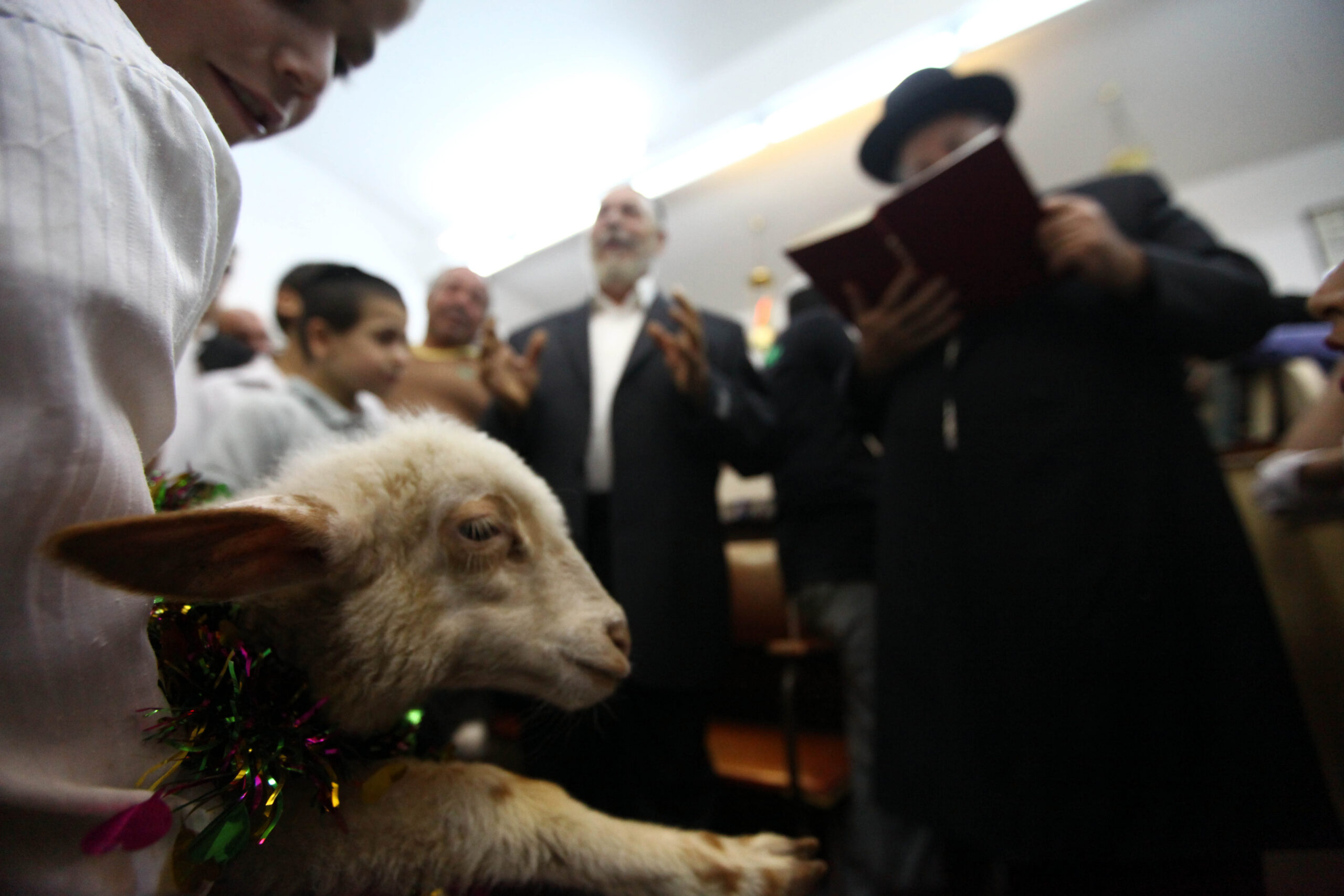
The act of temurah, consecrating another animal in place of an already consecrated animal, incurs the punishment of malkot - lashes. This is somewhat surprising. There is a halachic rule that a prohibition that does not involve an overt act does not incur the punishment of malkot – “lav she’einbBo ma’aseh, ein lokin alav.” Why then does a person incur malkot?
Question: When we pray, are we requesting or demanding that God fulfill our wishes?

Shmuel Bender and Asher Beckerman were study partners (chevrusas). They also sat next to each other in shiur. Shmuel felt fortunate to have the privilege of learning with Asher, whom he admired greatly.
By Rabbi Yaakov Klass and Rabbi Gershon Tannenbaum
If a fetus is a separate entity, how is slaughtering a pregnant animal permitted? After all, Chullin teaches us that the Torah prohibits slaughtering a mother and its child on the same day.
Parshas Pikudei begins with a detailed accounting of all of the gold and silver that was collected for the Mishkan. A cursory reading would lead us to assume that while of course a man as great as Moshe was above question, he must have asked for this calculation because public leaders must remove any suspicion no matter how farfetched.

The Rambam, in Hilchos Shabbos 24:7, rules that Beis Din may not carry out the punishment of either death or lashes on Shabbos. He cites the same pasuk of “lo seva’aru” as the source for this halacha. In his Sefer Hamitzvos the Rambam lists as a separate negative commandment (number 322) that Beis Din may not judge or carry out a punishment on Shabbos.
The Shulchan Aruch (Hilchos Chanukah, 685:7) writes that some authorities maintain that there is a biblical obligation to read Parshas Zachor and Parshas Parah.
By Rabbi Lord Jonathan Sacks z"l
The name Bezalel was adopted by the artist Boris Schatz for the School of Arts and Crafts he founded in Israel in 1906, and Rav Kook wrote a touching letter in support of its creation. He saw the renaissance of art in the Holy Land as a symbol of the regeneration of the Jewish people in its own land, landscape and birthplace. Judaism in the Diaspora, removed from a natural connection with its own historic environment, was inevitably cerebral and spiritual, “alienated.”
Purim is the one Yom Tov all Jews can celebrate. Special knowledge is not required and the demands of its observance are easy enough.

By Judith Mesch
Achashveiros of Poras, Beset by domestic tzoras, Got a quickie fivoras... But being single again just wasn’t the same.

Klal Yisroel stood at Har Sinai and accepted the Torah in a state of supreme purity and complete unity. Every Jew reached a level of prophecy and witnessed an unparalleled revelation of G-d. Then Moshe ascended Har Sinai for forty days so G-d could teach him the laws and details of the Torah.

By Tzvi Fishman
After his astounding speech in Congress, the GOP has been working behind the scenes to get Israeli PM Netanyahu to run for President of the U.S.A.

A series of new innovations coming out of Israel are making life better, easier, and more fulfilling for Jews around the world.
By Rabbi Yaakov Klass and Rabbi Gershon Tannenbaum
The Rambam That Engendered Fifty Novella ‘He Says to His Maidservant: You Are Free’ (Temura 25b)
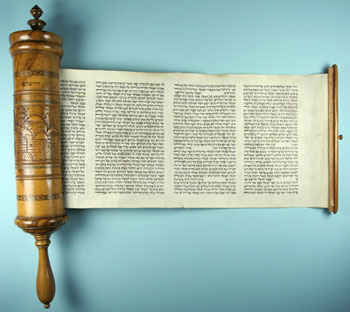
On Purim we read Megillas Esther twice, once by night and once by day. It is uncertain what the nature of the obligation is.
Question: I read The Jewish Press’s Luach of February 17 with much interest. You write, “We daven Shacharis as usual.” I find it difficult to understand why you don’t mention reciting the special yotzrot for Parshat Shekolim. Are yotzrot a relic of history? I’m a senior citizen who remembers saying yotzrot as a child. But now, they seem to have disappeared from Orthodox synagogues. Milton M. Adler Cherry Hill, NJ
Last week I described some prophecies concerning the wakeup calls that would come to our people when the arrival of Mashiach was near. Unfortunately, we have yet to attune ourselves to the sound of those footsteps.

I lost control of my car while driving in Brooklyn when a speeding taxi slammed into me. I thought my life was about to end when my car slammed directly into a tree. Baruch Hashem I survived, even though the taxi driver never stopped to help me.
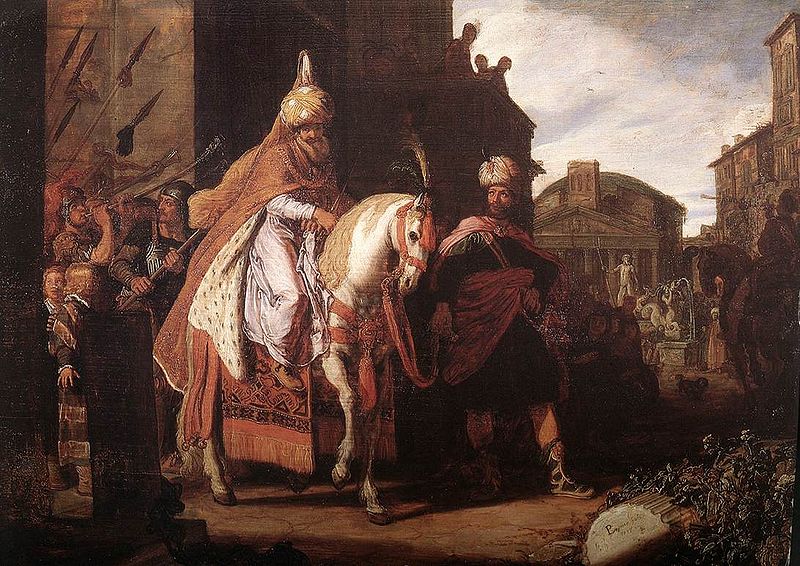
Purim is the holiday of contradictions and tenacity-driven-optimism: Grief replaced by joy; Esther's concealment replaced by the disclosure of her national/religious identity; Haman's intended genocide of the Jews replaced by redemption; Haman replaced by Mordechai; national and personal pessimism replaced by optimism.

Israel must demonstrate confidence in ourselves and an iron determination to defy our antagonists. Mordechai teaches that it is not through appeasement that one achieves peace but rather through strength, self-assurance and unequivocally firm resistance to tyranny and injustice.
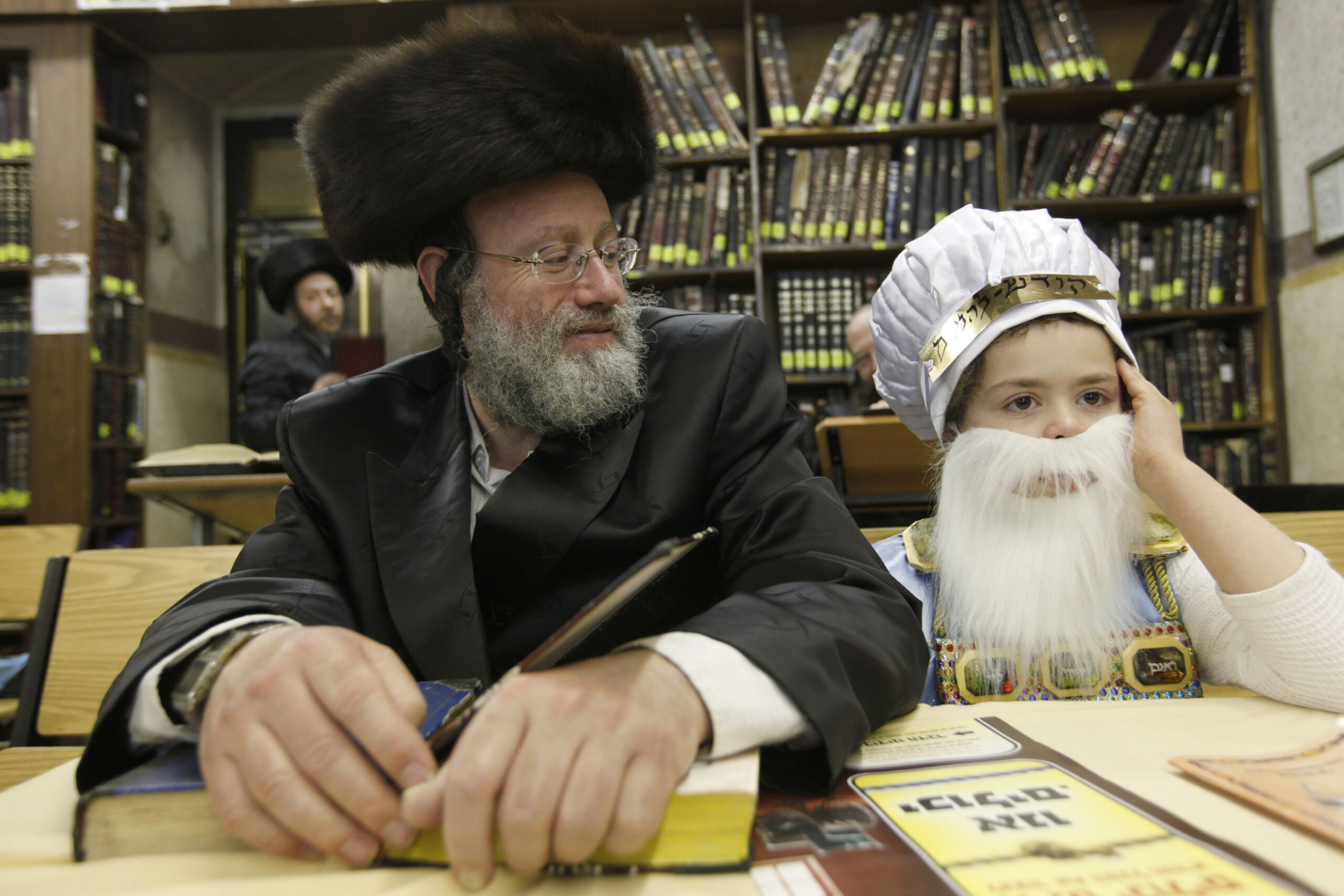
By Rabbi Shimshon HaKohen Nadel
Being human, we are limited in our ability to understand. Tragic events seem senseless, without a rhyme or reason. World events can seem confusing, with the future uncertain. On Purim, we recognize that God’s Hand is guiding it all. The King is working behind the scenes, pulling the strings. We may not understand all of the twists and turns of the narrative, but we know the Author. All we have to do is put our trust in Him.

Perhaps you can’t really define a people without also defining its enemies. Certainly many believe that if the Jews could get rid of the idea of peoplehood, then they wouldn’t have enemies.The experience of the 19th century assimilationists and post-Oslo Israel tells us that this strategy doesn’t work in the real world. Even if we refuse to remember Amalek, he remembers us. And if we don’t have the support of self-conscious peoplehood (and its concrete representation, the Jewish state), how can we fight him?
Do you really care about your fellow Jew? Take the following test to see if your Ahavas Yisroel Quotient is on par with requirements established by Chazal.

These are excerpts from the sefer “Inside Purim” which contains additional answers to the following questions and much more.
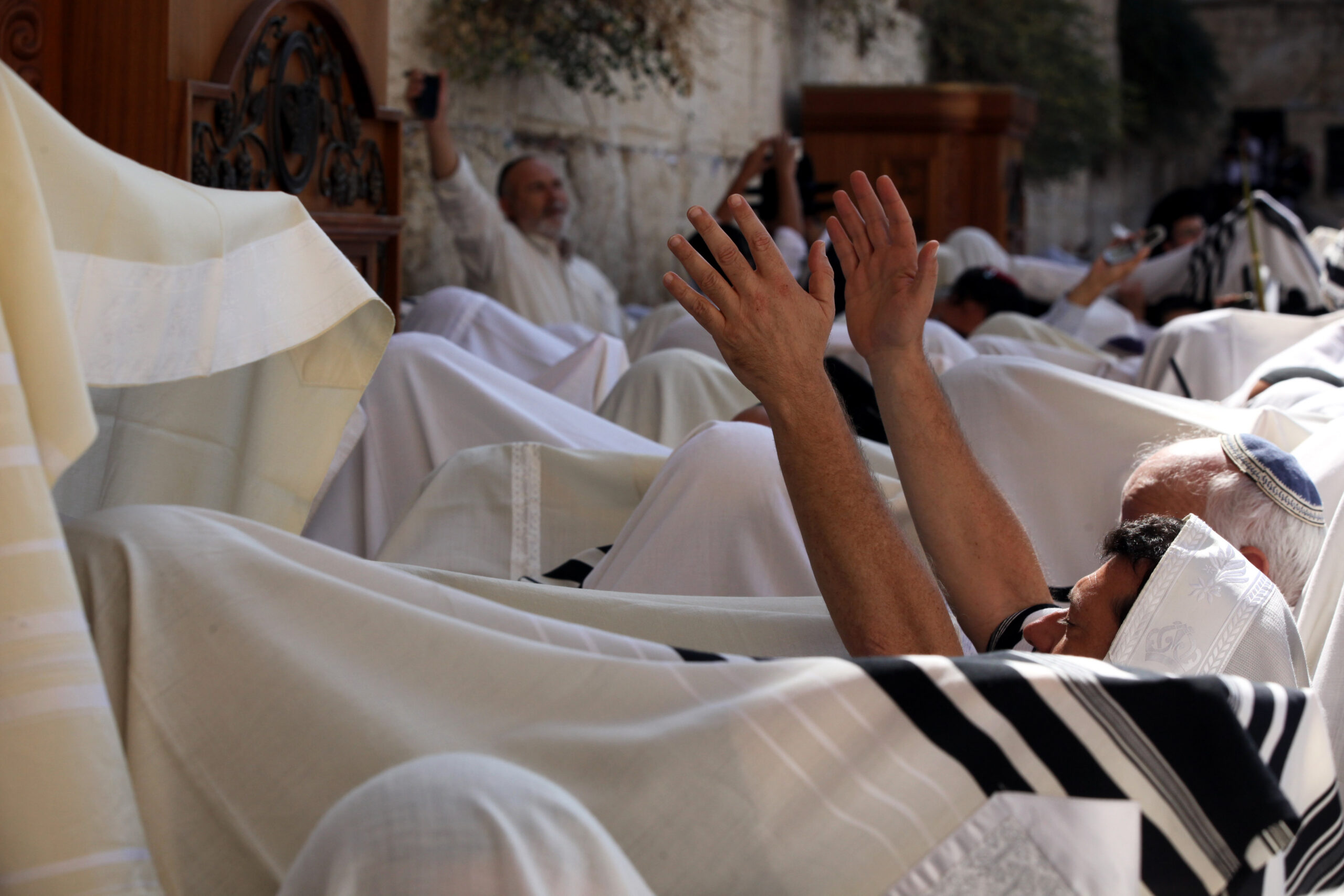
While the transgression of the Golden Calf had caused Aharon to feel a sense of distance from HaShem, the miluim was intended to bring him close again through spiritual perfection. The priestly vestments play a central role in this process and great detail is offered in describing them.
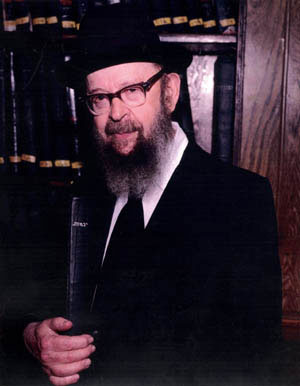
The wardrobe Hashem designed for those who served in his Mishkan served not only to distinguish them but also to impress upon them the importance and significance of the service for which Hashem had selected them. Clothing itself is a form of serving Hashem.

"When someone completes his job faithfully you must pay him fully, even if no benefit comes from the work. For example, if a person ordered a delivery of medicine for a critically ill patient, and the person died or recovered meanwhile, the driver must be paid."
By Rabbi Yaakov Klass and Rabbi Gershon Tannenbaum
At most a navi, through prophecy, can institute a temporary modification of a Torah law. However, if he seeks to introduce a permanent change in the Torah or to add a new mitzvah, he and his prophecy should be rejected.
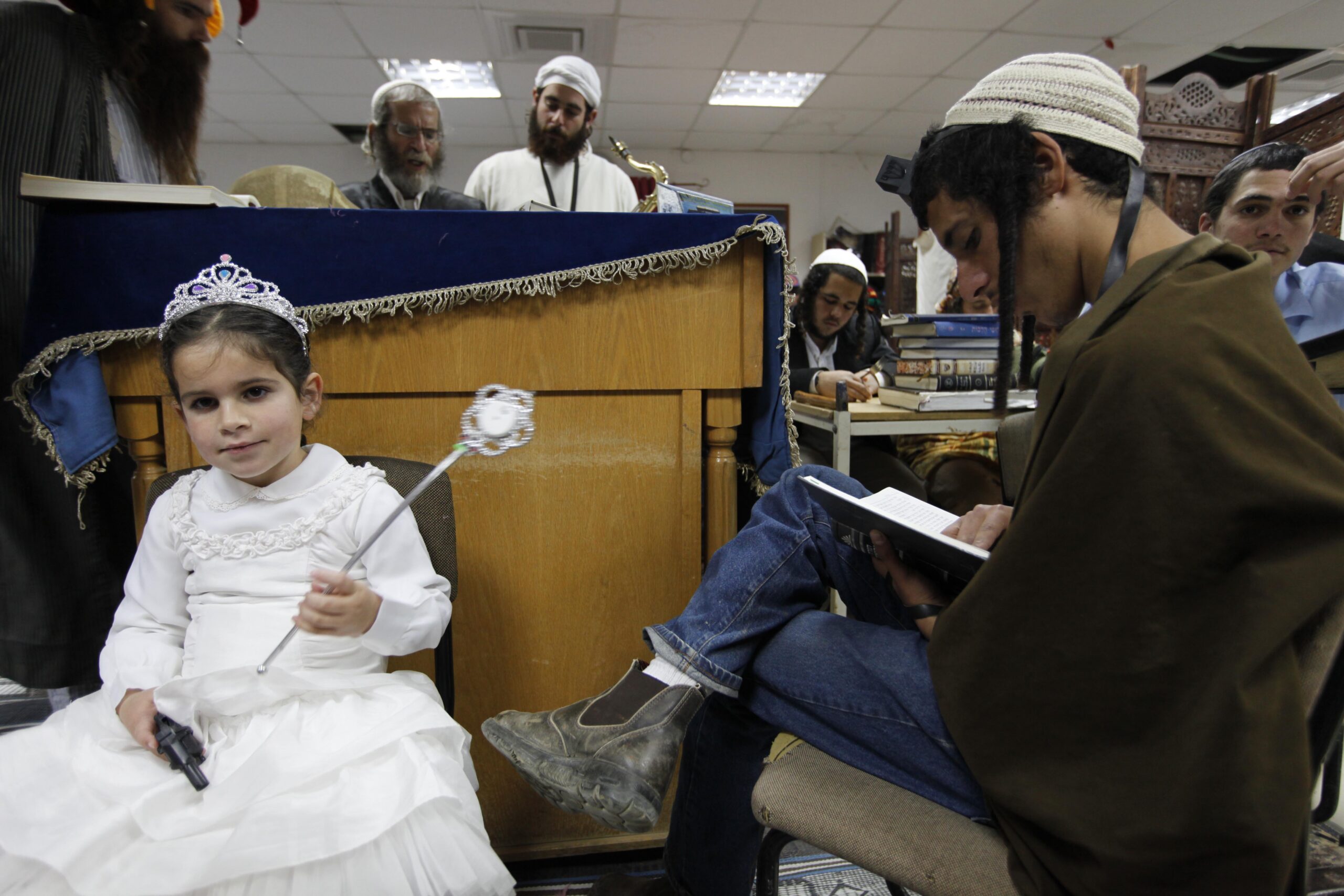
To properly fulfill the mitzvah of listening to the megillah, each word must be heard. If a word is missed, the listener should read it quietly to himself from the text in his hand. The principal purpose of reciting the megillah is to publicize the miracle of Purim. Accordingly, many poskim permit the megillah to be read in English if the reader does not understand Hebrew.

The Sefer HaChinuch states in mitzvah 603 that women are exempt from the mitzvah of remembering what Amalek did to us. He explains that this is because it is not upon women to wage war against and avenge the enemy.
 October 9, 2026