יום שני, כ״ד תשרי תשפ״זMonday, October 5, 2026



Follow Us


Walk into any of the thousands of synagogues around the world on the nights of Sukkot today, and you will still find Jews dancing and rejoicing in celebrations bearing the same name.

Twin Firstborn Sheep – Which Is the Bechor? “It Is Impossible to Ascertain Exactly” (Bechoros 17b-18a)

“When I took my sukkah out from the storage room, one of the beams was missing,” he said to Mr. Baum. “It seems that you must have taken it by mistake.” He pointed to the beam with the string.

Question: May one eat etrog jelly on Simchat Torah? A Reader Miami, Fl.
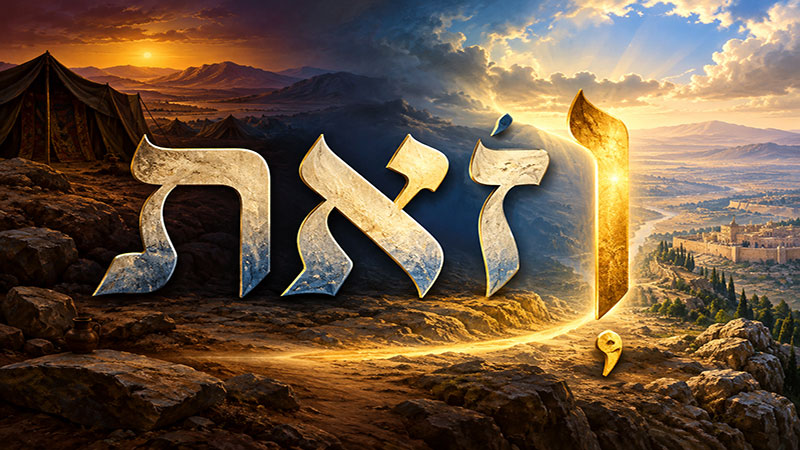
Even though the fortunes of other nations may be determined by the stars, the fate of G-d’s holy nation is in His hands (33:3). The Jewish nation has earned His protection because they squeezed themselves around the base of Mount Sinai and accepted the yoke of G-d’s Torah (33:3).

Sukkos teaches us the value of each individual. Consider this contradiction. The walls of a sukkah can be built from pieces of wood and boards that have been discarded as rubbish. Broken tree branches can be used for the schach.
The Malbim is teaching us that each person has a different capability of perception, and overstepping the limits of their perception can have disastrous results.

By Moshe Gantz and Joseph Miller
We should be careful not to confuse a hiddur with basic kashrus. A beautifully smooth sheet of klaf is not automatically more kosher than a less attractive one. Likewise, white parchment is not inherently superior simply because it looks cleaner.
The Shela explained that one’s ability to draw close to Hashem and receive messages from Him is correlated to that person’s refinement of his own character to more closely resemble the Divine.
Reading Torah, learning Torah, studying Torah – even living Torah – is not the whole picture. It is the love of Hashem, who gave us the Torah and mitzvot, that completes the picture.

A mashal is the only tool a teacher can use to teach spiritual truths; the learning and understanding must be done within the inner mind of the student. If this is true, how can we relate to and understand the spiritual world?
I would like to share some observations on parts of these dialogues which are relevant in our modern times.

As I am writing this column, the appropriate greeting to offer you is G’mar Chatima Tova. But since you will be reading these words after Yom Kippur, let me use the more common greeting of G’mar Tov. And at the end of the column, I will wish you a Shabbat Shalom and a Chag Samei’ach. […]

Question: I know that the Simchat Beit Ha’sho’eva is a significant but not very popular ritual on Sukkot. Is it possible to elaborate on its significance? Menachem Via Email

By Moshe Gantz and Joseph Miller
the parchment maker is not simply producing a nice piece of leather for the sofer. The thickness of what remains and the surface upon which the writing will eventually be placed can themselves have halachic consequences.

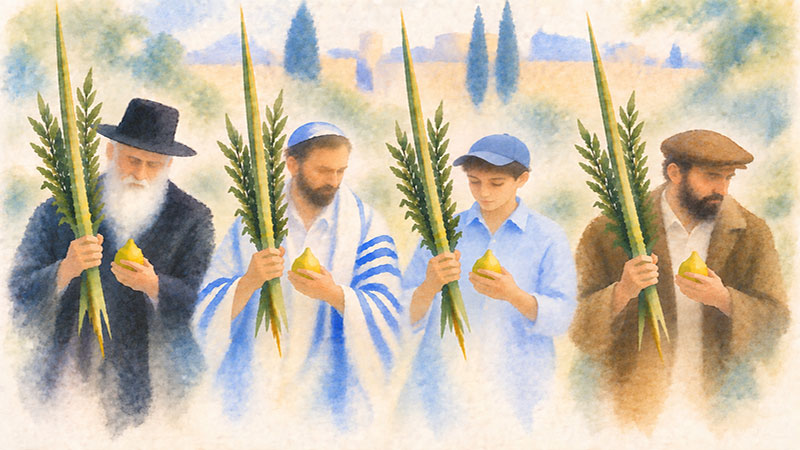
Every morning of Sukkos begins with taking the lulav and esrog and shaking them in six directions. The movement is simple, but it carries a weight that feels ancient.
Rare and Difficult to Perform “If He Has No Lamb with Which to Redeem It…” (Bechoros 11a)
One of the great character traits we know about Hashem is that He is “Oseh shalom bim’romav – He makes peace in the Heavens.” Hashem is described as the Great Peacemaker. Therefore, throughout our stay on earth it behooves us to pursue peace in every area of our lives...

That kind of honesty is rare and refreshing because we often do the opposite. When confronted with the questionable behavior of a great person, we instinctively search for an explanation. We find a reason why he must have been justified.

Some ideas appeal to us because they resemble an etrog: they promise comprehensive solutions. They seem to address several competing concerns at once rather than advancing one narrow interest.

After Yom Kippur, when we have attained atonement for all our sins, we now prepare to do mitzvos that will continue to keep our heart pure.
Today, we have no understanding what true joy is. We fervently pray that HaKadosh Baruch Hu should restore us to the days of old so that we may partake in the Sukkot celebrations in the Beit HaMikdash and truly merit Zman Simchateinu, the time of our rejoicing.

Chazal enigmatically compare the schach of the sukkah to the ideal form of beauty. What does this mean?

Sukkot is the only pilgrimage festival that doesn’t commemorate a major historical event. Instead, it marks a paradox: G-d protected us in fragile huts during the most destabilizing period of Jewish history, our forty-year wilderness journey.
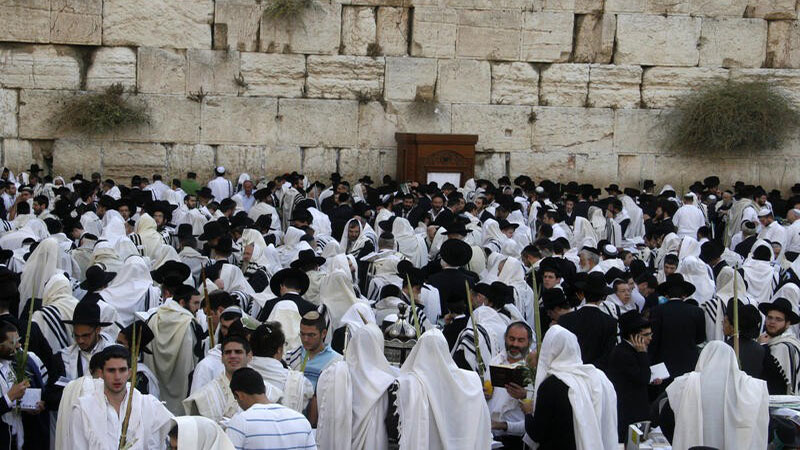
“You shall take for yourselves (lachem) on the first day…” that on the first day a person cannot fulfill the mitzvah with a borrowed set of four minim, only with a set that is granted to him as a gift (Sukkah 41a-b; O.C. 658:3).

"What amazes me is that there are also travelers in the middle of their journey who don’t always realize that it’s Sukkot. But the moment they see us and remember, they get excited."
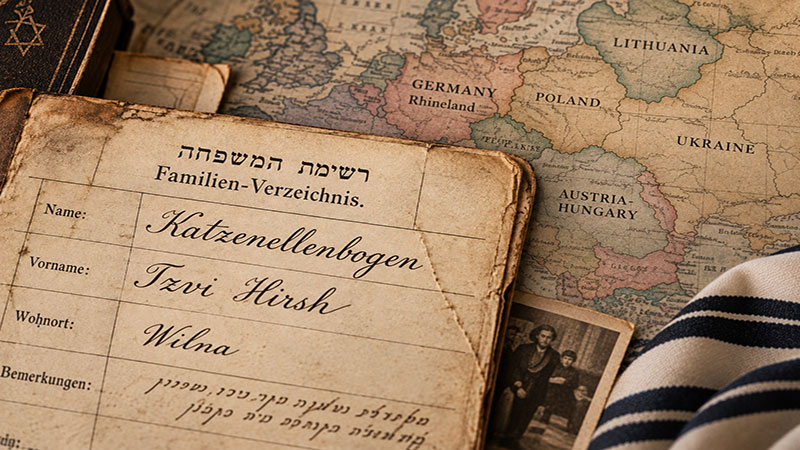
Trends in Ashkenazi naming conventions tell this story of eastward migration, as even when Ashkenazi Jews settled in Eastern Europe (in areas like Poland, Ukraine, Lithuania), their names often point back to their origins in Western Europe – particularly in Germany.
Sextuplets: No Other Solution “A Levite Exempted an Israelite, His Animal Exempted…” (Bechoros 4a)

In the case of a single victim, if a person stole and is uncertain whether he returned the money but the victim claims definitively that it was not returned, the thief is required by law to pay, like other cases in which there is a definite debt and uncertainty about whether the money was returned (C.M. 75:9).
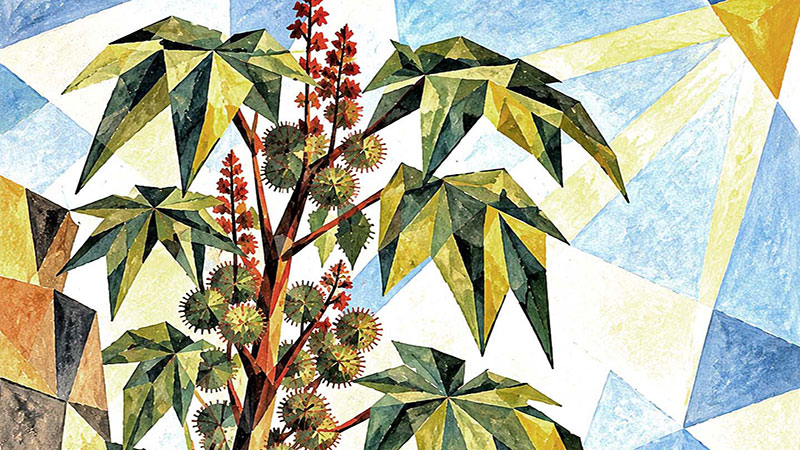
By Adina Broder
Hashem was teaching Yonah that forgiveness is not based on justice, but rather on compassion. Justice looks to what you deserve according to your past actions.

We are blessed to live in a land of plenty. Pleasures and enjoyment abound, and there is little to stop us from indulging. This is not only true about sinful and forbidden pleasures, but even regarding enjoyments that are acceptable within reason.

When you state a person is “born that way,” it reduces moral accountability, which, for whatever reason, is a trend today that is highly destructive.

For those who have climbed the ladder of spirituality and find themselves closer in devotion to heaven than to earth, the harsh word Va’adabera is not an alienating phrase. That the good life as we know it can devolve into a life of misery, if we ignore the Torah, is a fact not a threat.

The Torah is poetically called a shira, a song. In the context of the mitzva to write a Sefer Torah, the word shira refers to the whole Torah.
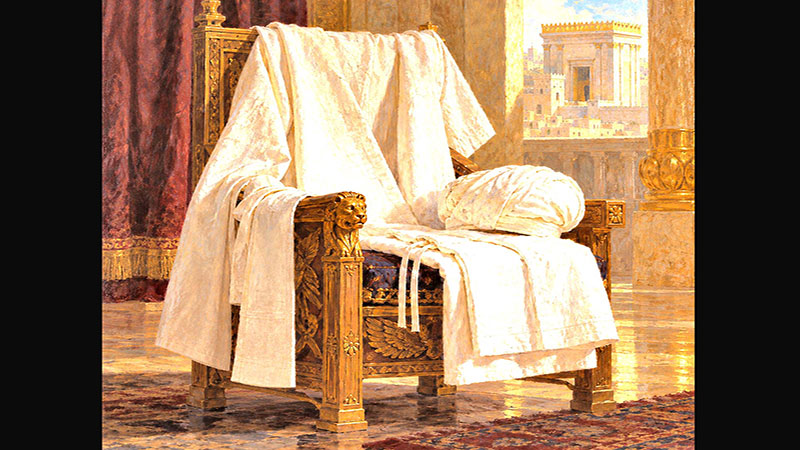
Rav Moshe Cordovero (RaMaK), in his commentary on the Yom Kippur service, associates the two sets of garments – each comprising four pieces – with the four-letter Divine Name.
Question: What is the reason for the unusual practice of the chazzan reciting Shehecheyanu on Yom Kippur night? Elimelech Feldman Via Email
After a person has already fallen into sin how does he rectify it? How does he become meritorious? We all seek the antidote that will cleanse us from our sins and transgressions.

While teshuvah is important throughout the year, at no time is it as urgent and as effective as during the Ten Days of Repentance, for currently, Hashem stretches out His Hand, welcoming our overtures of repentance.

Yom Kippur is the night journey of the soul. For one day, distractions recede and we confront who we are, what we have failed to become, and the brevity of our lives against the backdrop of eternity.

As we approach Yom Kippur, we recognize that it is unquestionably one of the most important days of the year. And yet, in many ways, it is a mystery.
By Moshe Gantz and Joseph Miller
Klaf for STaM is not prepared like ordinary leather. Halacha requires the parchment to be processed lishmah, for its sacred purpose.

Question: What is the reason for the unusual practice of the chazzan reciting shehecheyanu on Yom Kippur night? Elimelech Feldman Via E-Mail
By Yigal Gross
I am a Jew because I believe in G-d’s presence, not simply as history’s initiator but as its continuing driver. I believe that reality reflects design rather than randomness.
By Moshe Gantz and Joseph Miller
We do not generally find holiness by abandoning the physical world. We sanctify time through Shabbos, food through mitzvos and berachos, money through tzedakah, and our homes through the Torah life lived within them.

By Rabbi Lord Jonathan Sacks z"l
So time in Judaism is an essential medium of the spiritual life. But there is one feature of the Jewish approach to time that has received less attention than it should: the duality that runs through its entire temporal structure.
Suffice it to say that on a practical level, we believe that although there is a fate that is likely to some degree, it can still be averted through merit and/or preventive action.
Remember the Sabbath Day… “Shiluach HaKen Is Both in the Time of the Temple and After” (Chulin 138)

Without welcoming or romanticizing antisemitism, this hatred has also clarified an important truth: the State of Israel lies at the heart of the Jewish future.
This is the objective that we pray for in the tefillah of U’va l’Tzion: V’yaseim b’libeinu ahavso v’yiraso v’la’asos r’tzono ul’avdo b’leivav shaleim, l’ma’an lo niga larik – Please put in our heart the love and awareness of Hashem, that we understand that we are doing His will, to serve Him with a whole heart, so that we should not toil in vain.”

The shofar does not frighten – it awakens. It reminds us that leadership is not about certainty. It is about curiosity.
The fundamental premise of Rosh Hashanah derives from the idea that time is only demarcated when a temporal consciousness – that is, we as human beings – becomes aware of it.
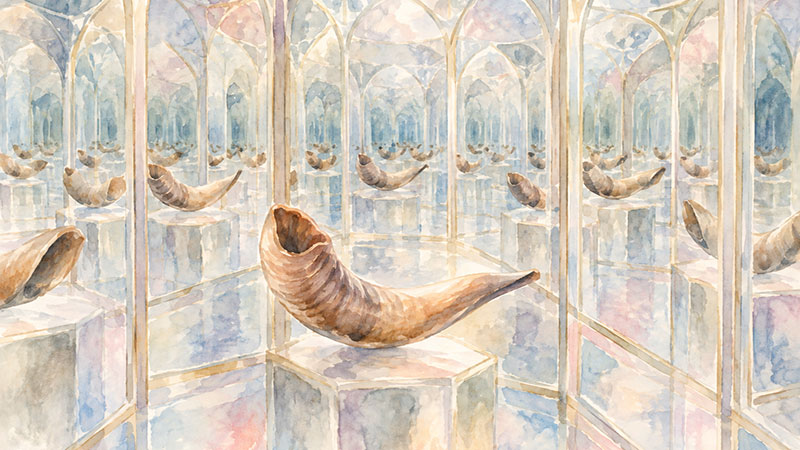
We need to understand why Chazal made this g’zeira (decree) and how they are allowed to ban shofar and lulav on the days that the Torah says to do those mitzvot.

Man is only obligated to take the first step toward doing teshuvah, and he will then merit Divine assistance to achieve his objective.

Rabbi Stern shook his head. “Who said that you were given precedence?” he argued. “We each took a day, with its ups and downs. If you are entitled to that right, though, I’m not going to take it from you.”

By Dovid Hirsch
One historian even dedicated part of a book to claim that the custom was brought to America in the second half of the nineteenth century by Eastern European immigrants because, in his limited research, he believed it was purely Ashkenazic.

We’re multifaceted people, with inclinations and inner drives toward spirituality and goodness as well as toward physicality and the opposite of goodness. This doesn’t mean that either drive is entirely positive or entirely negative on its own, but rather, we need to channel both these drives toward G-dliness.

The wisdom of the body isn’t just that it has openings and cavities, but how precisely they’re arranged. Every part is set up with an eye toward what would happen if things were arranged differently.
We live our lives from year to year and (hopefully) incrementally improve ourselves from the previous year.
I had just given an entire talk filled with ideas for Rosh Hashanah – about the media, social networks, self-improvement – and somehow I had failed to explain the most basic thing of all.
The birth of a new year is a time of reflection and resolution; a time when hope and inspiration fill the air. We dream about what this upcoming year holds in store; how we can make the rest of our lives the best of our lives.
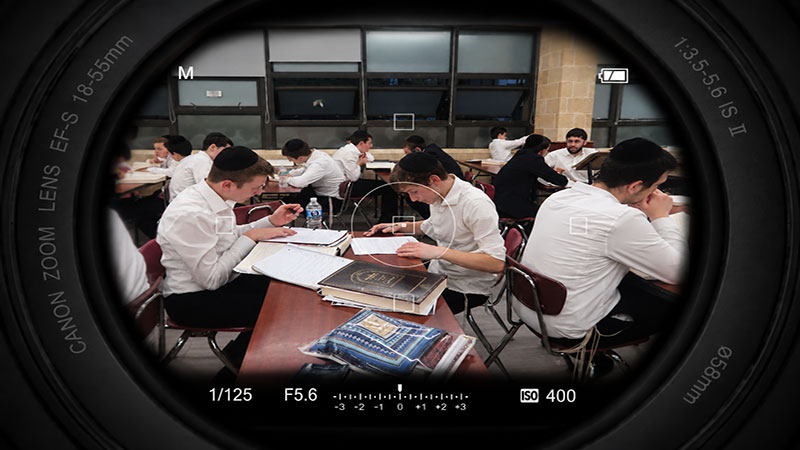
The truth is that we all have a mental image/picture of what we would like to be. We all have aspirations to achieve certain levels of accomplishment, based on our values and goals.

When we identify with Akeidat Yitzchak as a paradigm of our religious commitment, Hashem perceives us accordingly.

Another important consideration is that, at this time of the year, we approach Hashem with a posture of brokenness and humility, knowing full well the litany of vices and shortcomings that we have tallied during the previous year.

It is true that, in certain cases, when someone relies on the professional opinion of another and thereby suffers a loss, the professional carries liability for the loss.
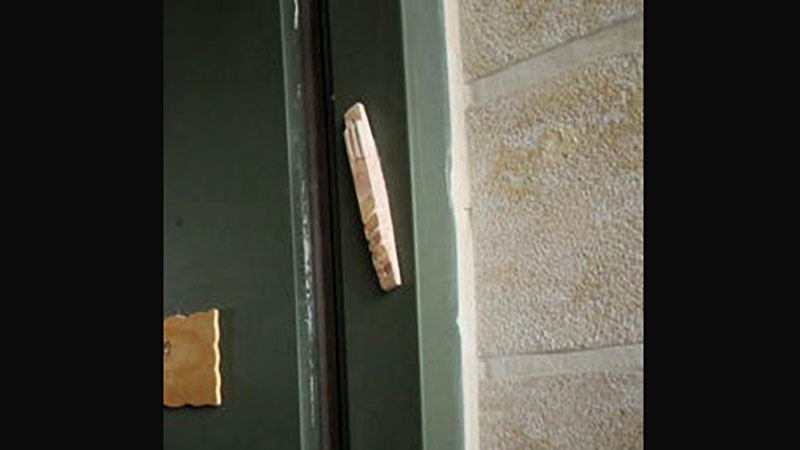
By Moshe Gantz and Joseph Miller
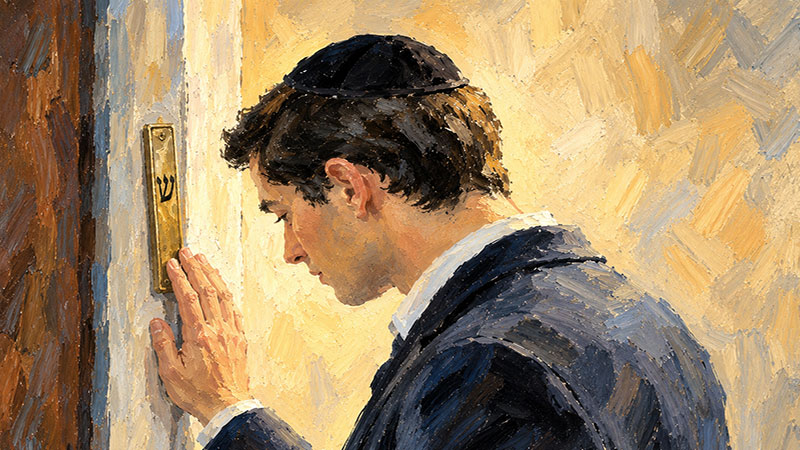
The mezuzah is not guarding the house independently. Hashem is guarding the house.
A Dutch Treat “Money That Has No Claimants’ (Chulin 131b-132a)
Of course, it is difficult to make judgments, and everyone has to be careful about this because the mitzvah of tzedakah is sacred. It might appear that the person is lazy or indulgent, but there may be more complexity to the story such as depression or addiction.

Each day we wake up to a new creation because never mind how many times we have studied the same Torah, Mishna or Talmud, it is always new. We always see something in it we never noticed before.
Our knowing the workings of the Calendar – both when we have a Sanhedrin and when we don’t – shows an appreciation to HaKadosh Baruch Hu for the gift He gave Am Yisrael right at the birth of the nation.

When we shift our focus away from the mundane and from the experience of pain or fear that accompanies our own defects and precedes our repentance, we come to know, above all, that everything is a manifestation of this Divine mercy.

There was less need, and perhaps less opportunity, for us to build the structures of collective responsibility that ordinary national life requires.
Even children raised on cell phones and computer screens are thrilled by the experience of hearing – and sometimes even blowing – a real shofar, or shaking an actual lulav.
The mechanism of our world is a combination of nature and man, a partnership. Nature was created for man, but in order for nature to function, man must pray to HaKadosh Baruch Hu.

If Yaakov wanted the spiritual, and Eisav desired the physical, where is the point of contention? This is not a battle; they can simply each take what they desire, without any need for argument or disagreement. There’s nothing to fight over.

The brothers exchanged surprised looks. Wurtzberger had assumed that, in the end, the Uman experience had made little difference. They quickly assured him that he was mistaken.
Question: The Kitzur Shulchan Aruch states that an individual praying without a minyan is not allowed to recite the Thirteen Middot in Selichot. Additionally, the Selichot prayers that were composed in Aramaic may only be recited with a minyan as well. What is the reason for these restrictions? Moshe Jakobowitz Brooklyn, NY
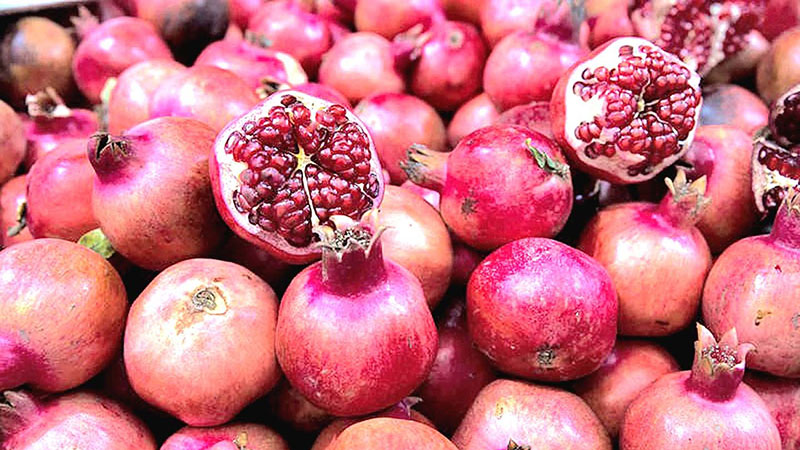
The Torah tells us (Devarim 14:1),“You are children of Hashem,” and the Mishna in Avos (3:14) states, “Beloved are the people of Israel for they are described as children of Hashem.” This statement does not refer only to the nation as a whole; rather, every Jew is a beloved son, endeared to Hashem.

Each year as Yamim Noraim, these holy days, approach, I travel back to that scene behind the curtain. I thank my father for teaching me this incredible path towards teshuvah, returning to be the person I was meant to be.
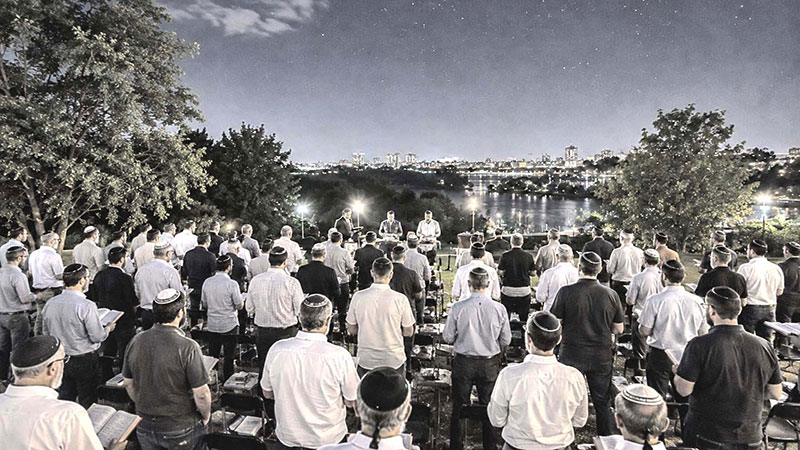
When there is no Shabbat between Yom Kippur and Sukkot, then Ha’azinu is Shabbat Shuva and the previous week is Nitzavim-Vayeilech combined.
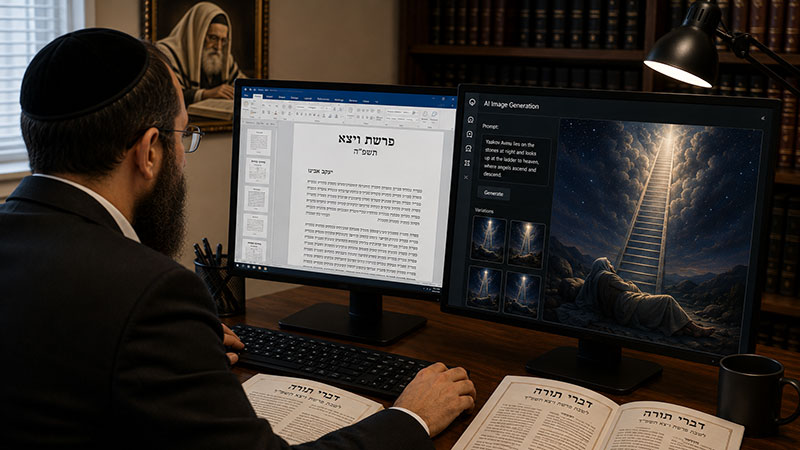
One of the most immediately useful applications is automatic transcription.
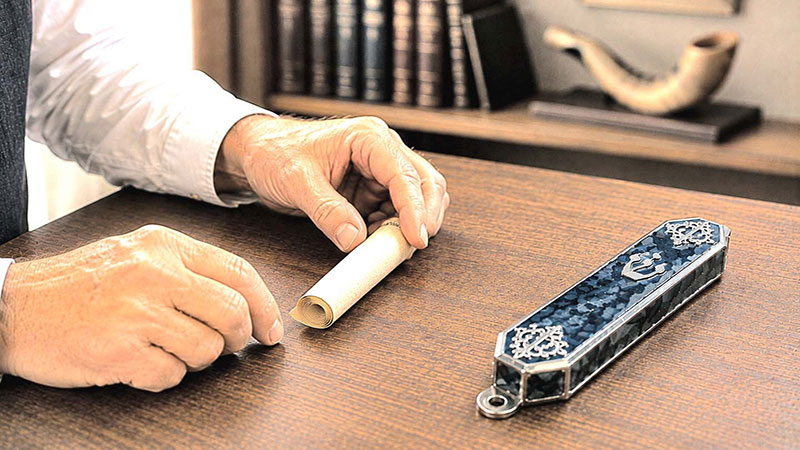
By Moshe Gantz and Joseph Miller
Checking the mezuzah fits naturally into the theme of Elul. Elul is a month of inspection. We inspect our actions, our relationships with others, our tefillah, and our observance of mitzvot.

“Since there are no simanim, though, the owner will eventually have yei’ush,” Chaim reasoned. “So, what's the point of leaving it there in the meantime?”

Question: The Kitzur Shulchan Aruch states that an individual praying without a minyan is not allowed to recite the Thirteen Middot in Selichot. Additionally, the Selichot prayers that were composed in Aramaic may only be recited with a minyan as well. What is the reason for these restrictions? Moshe Jakobowitz Brooklyn, N.Y.
The Frankfurt Jews’ Street Dilemma “All That Are Metam’ei Meis B’Ohel…” (Chulin 124b)
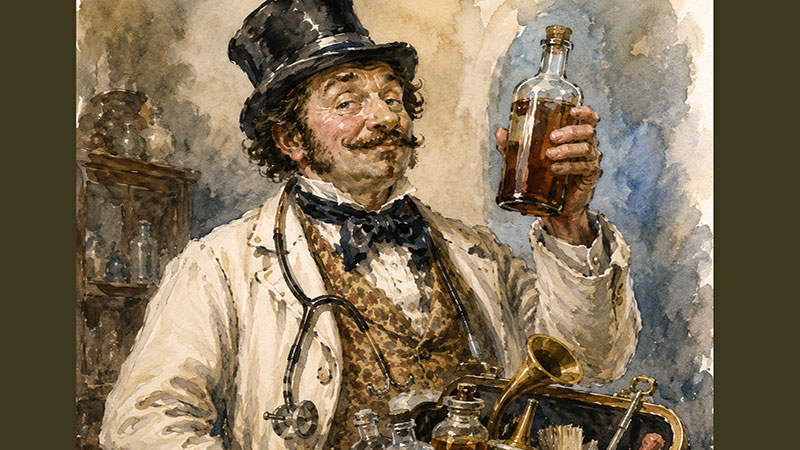
There is a rabbinic requirement that one must go into Shabbos with the attitude that all his business matters are complete and taken care of (Rashi on Shemos 20:9, quoting Mechilta).
Rav Soloveitchik noted that the number of aliyot relates directly to kedushat hayom – namely, the greater the sanctity of the day, the more aliyot are required.
The Torah tells us, “And the two of them walked together.” Abraham and Isaac shared the same path, though each carried a different burden. So, it is with the families of Israel.
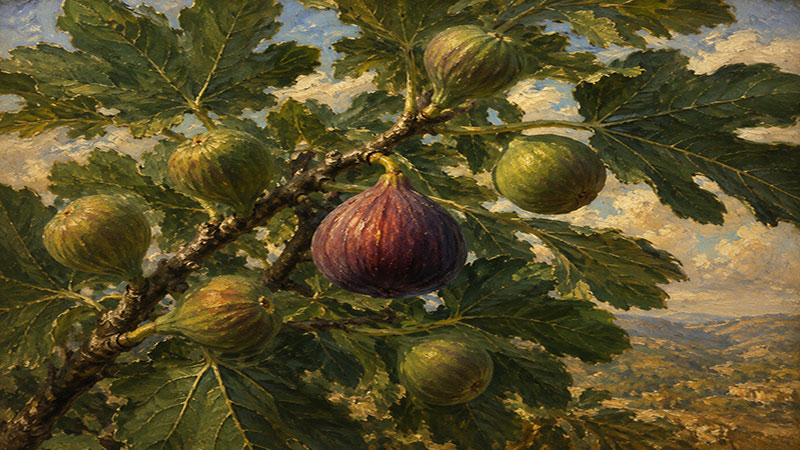
It is all about giving. G-d is giving you the land and you are giving Him its first fruits. That sets the tone of life, the purpose of creation.

The bikkurim ritual is so central to Jewish spirituality, and the Sages were so concerned about it losing its flavor in exile, that they wrote it into the liturgy of the Pesach Seder.
 October 2, 2026