יום חמישי, כ׳ תשרי תשפ״זThursday, October 1, 2026



Follow Us


Unfamiliarity always breeds anxiety and discomfort. It’s all the more so when that unease is combined with expectations and fear of not living up to those expectations.

It is always challenging to assess our own growth. Our evil inclination within us minimizes our accomplishments and highlights our deficiencies, making us feel woefully inadequate and feel like failures.

I’m certainly willing to have the case adjudicated in beis din, Mr. Sorscher said, but I now live in another city. I shouldn’t have to travel back just to explain to you why I don’t have to pay. We can adjudicate in my local beis din.

The Meat Is Kosher…Treifah…Kosher…Treifah… “If One Clotted Blood” (Chulin 120a)

By Moshe Gantz and Joseph Miller
I would much rather provide someone with a carefully written and thoroughly inspected 7 cm mezuzah than have them unknowingly purchase a lower-quality one somewhere else.

While technically, there may be those who would not respect the sanctity of the place, or it might end up becoming overrun, we can say the same thing about our Temples that were destroyed.
When we devote our time to what is meaningful and worthwhile, we add life to our lives. We bring the time we have been given to life.

Just as Hashem promised never to destroy the world with another flood, so He promised never again to exile Israel after He has returned them.
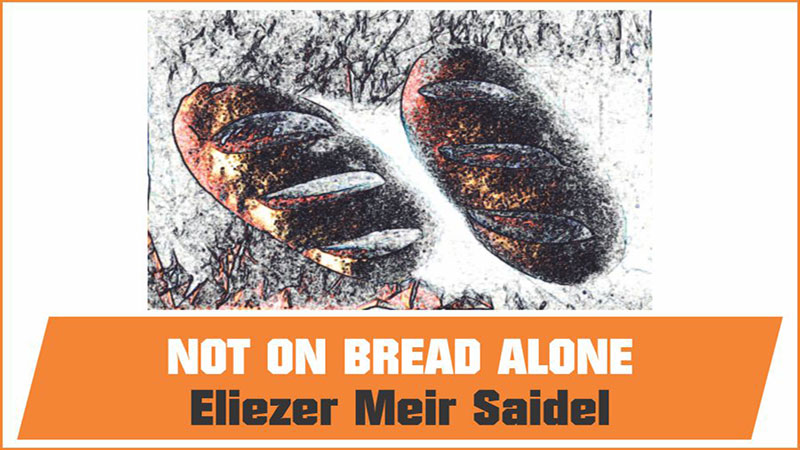
Wheat has the potential for both types of bread – kosher and treif! It all depends on how you use the wheat!
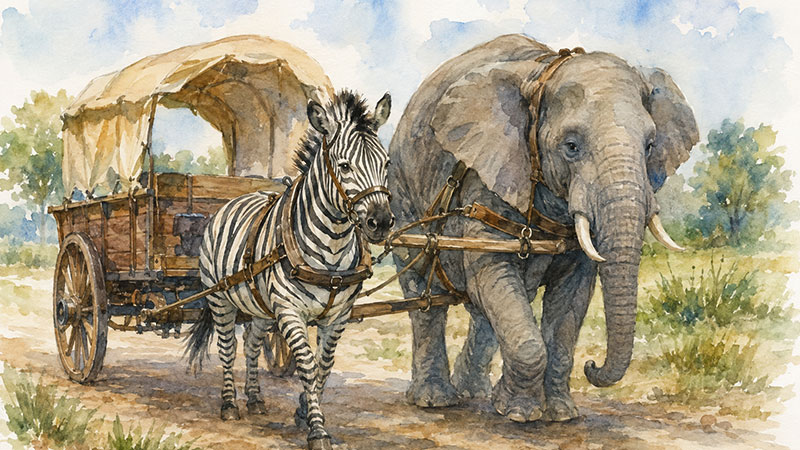
The mitzvot in Ki Teitzei encompass all categories of mitzvot – those between the Jew and Hashem, interpersonal mitzvot, those related to the Land of Israel, universal mitzvot, positive commands, prohibitions...
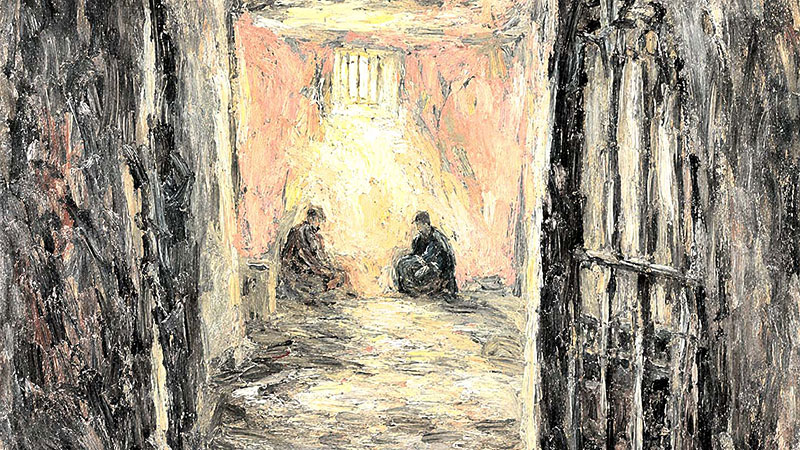
Each Rosh Hashanah we beseech G-d to show us clemency and not throw the book at us. We will be in a much better position to ask for this treatment from G-d, if we did not throw the book at others.
Did the serpent kill, or did the serpent preserve life? The explanation is given that when the Jewish people looked upward and subjected themselves to their Father in Heaven, they were healed, but if not, they died.

As Yehudim, we are expected to express gratitude to Hashem for the extras that we have.
Question: The Kitzur Shulchan Aruch states that an individual praying without a minyan is not allowed to recite the Thirteen Middot in Selichot. Additionally, the Selichot prayers that were composed in Aramaic may only be recited with a minyan as well. What is the reason for these restrictions? Moshe Jakobowitz Brooklyn, NY
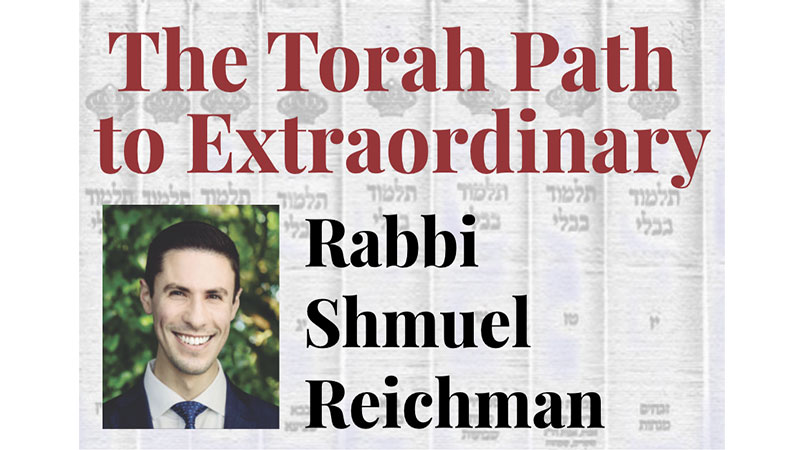
Genuine teshuvah is not just about fixing our mistakes in Elul and Tishrei; it’s about self-expression, returning to our true and higher selves.

“But you were away for two weeks!” replied Mr. Rubin. “Leaving a skylight open that long is negligence, not an unavoidable accident. And our lease specifically states that the tenant is responsible for damage resulting from negligence.”
What About the Pot? “…[Hot] Fish That Was Served on a [Meat] Plate…” (Chulin 111b)

It will rain in Israel only if we acknowledge the source of rain, like Adam HaRishon who understood that he had to pray for rain before it would come down (Rashi, Bereishis 2:6). The price we pay for rain is adherence to justice.
First and foremost, this is a command to establish a functioning system of courts and law enforcement. But the verse also speaks to each of us personally. Every one of us needs to appoint our own “judges and officers,” to develop a system of self-awareness and self-scrutiny.
Question: The Kitzur Shulchan Aruch states that an individual praying without a minyan is not allowed to recite the Thirteen Middot in Selichot. Additionally, the Selichot prayers that were composed in Aramaic may only be recited with a minyan as well. What is the reason for these restrictions? Moshe Jakobowitz Brooklyn, NY

Israel never left Hashem or His Torah in spite of all the efforts of the nations to sway us, and we never worshipped foreign gods. Hashem has been leading His flock among the flowers, never wavering in His devotion and only waiting for our return.
It is our duty as we hear the shofar every morning in Elul to remember our great Patriarch Avraham, who was so attached to Hashem that he was ready even to give up his precious child for the love of his Creator.
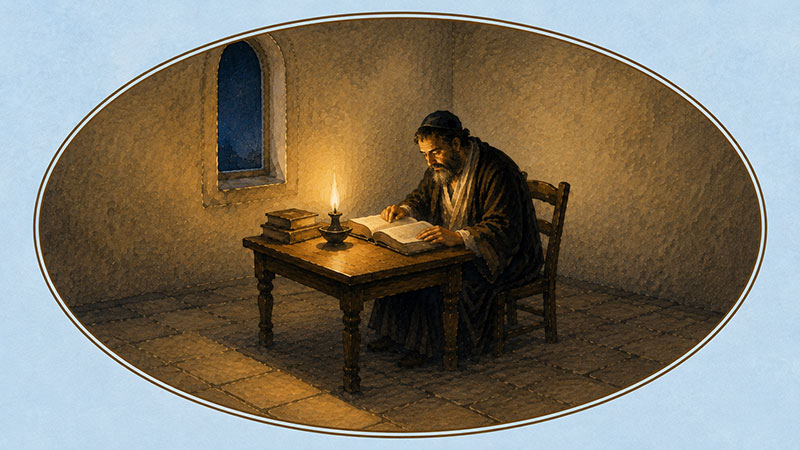
If one is humble – one of the fundamentals of Torah learning – and understands the greatness of our Sages, their decrees and mandates, he will avoid distress and misfortune.

Interestingly, there was no correlation between positive peer influences and negative peer influences. In other words, children can have peers on both extremes and maintain relationships with them with no statistical increase in peer influence.

For a brief period – a mere 30 days – the King of kings comes out to offer each of us a personal invitation to embark on a new journey together.
The essence of sin is thinking we are "smarter" than HaKadosh Baruch Hu, that our logic and knowledge take precedence over what HaKadosh Baruch Hu tells us.

The goal of teshuvah is not only freeing ourselves of punishment and responsibility for our past. Teshuvah is about self-transformation, returning to a higher, better version of ourselves.

People procrastinate because they feel too anxious to do what they need/want to do. The problem is that procrastinating only exacerbates feelings of anxiety.
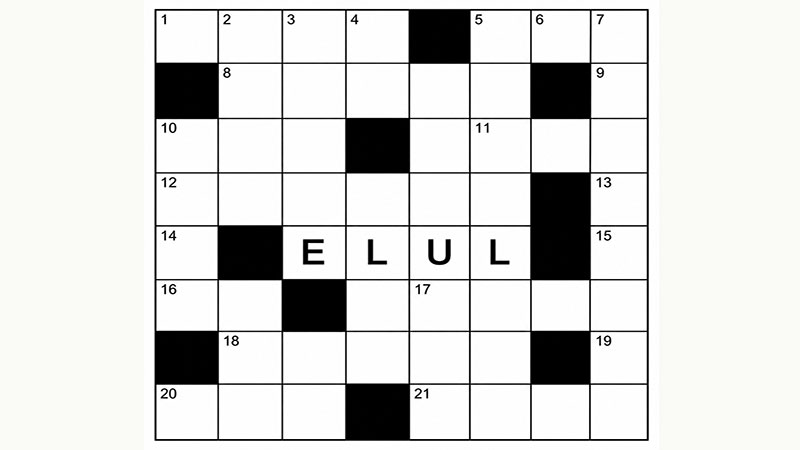
Do you know the difference between an acronym and an initialism? Both consist of the first letters of a phrase, but there is a difference in the way we say them.

Mr. Nathan walked home thoughtfully. He had a good bike that was almost never used; the last time he had ridden it was years ago. His grandchildren used to ride the bike when they visited, but they had moved to Israel the previous year.
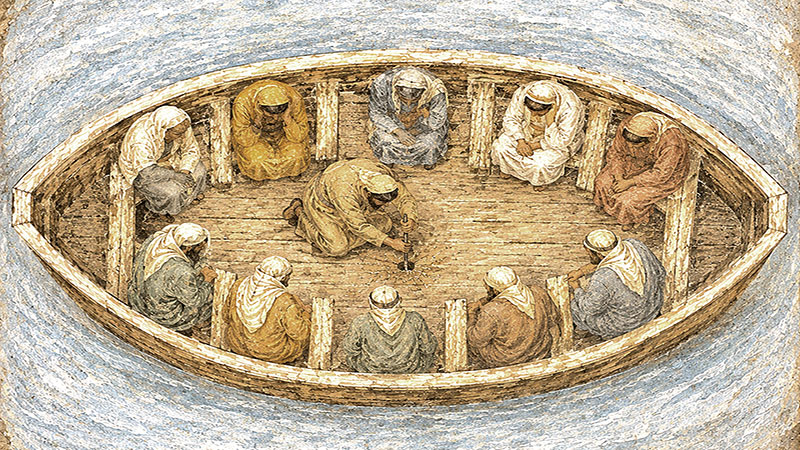
What G-d gives us will not lead us astray. But what we grab for ourselves might spoil us.
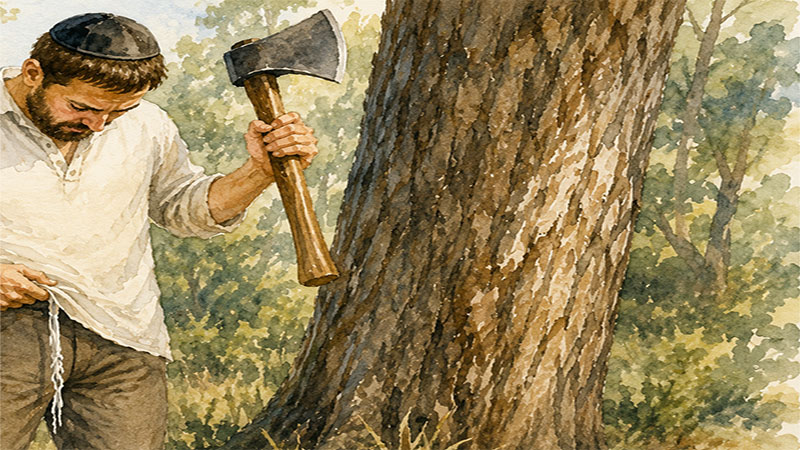
Sefas Emes answers that since Shabbos is enacted by Hashem alone, it has less influence over a person than mitzvos that he partners in.
Caring for the Sick on Yom Kippur “His Gullet Has Derived Enjoyment…” (Chulin 103b)

Against every law of history, the Jewish nation has returned to its homeland.

Moshe urges those who will have the privilege of entering the Land of Israel to understand that this is no ordinary place. It is precious and sacred, and we must live here accordingly.

As I am sure most readers know, when we bentch Rosh Chodesh, the molad of the coming month is announced. But how does that work?

Concentration would include having thoughts like thinking back to the Exodus when we don our tefillin, because that was the very first time we wore our tefillin, having made them from the hides of the korban pesach.
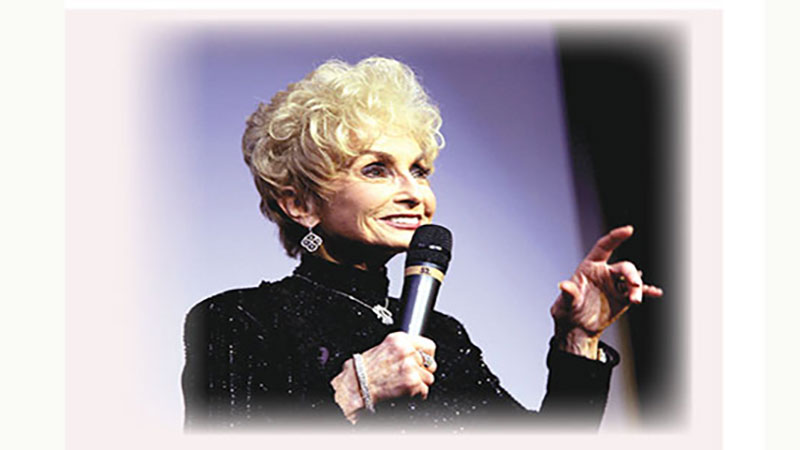
She never lived a day without being cognizant of her responsibility to make a difference for her people.

Good and bad do not emanate from G-d. Man is given the choice to do good or bad. The caveat is that what seems good may actually be bad, and that which seems painful may actually be favorable.
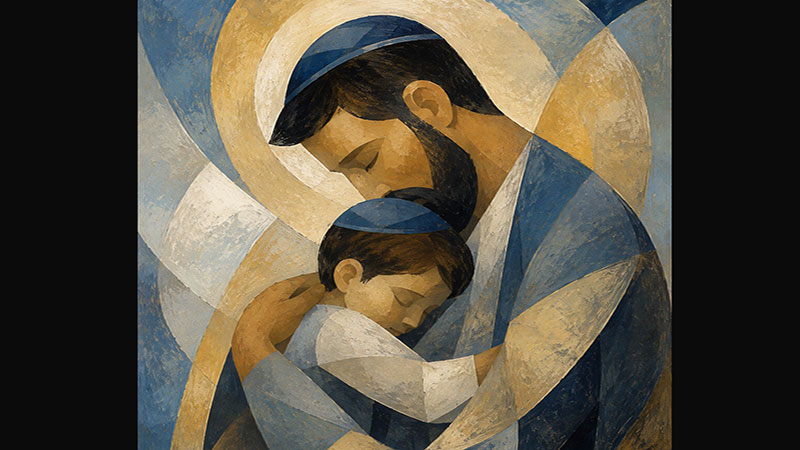
The Aish Kodesh pointed out that when we endure the adversity that is meant to impel us to improve ourselves, because we know that everything is from Hashem, we eagerly anticipate the end of our suffering.
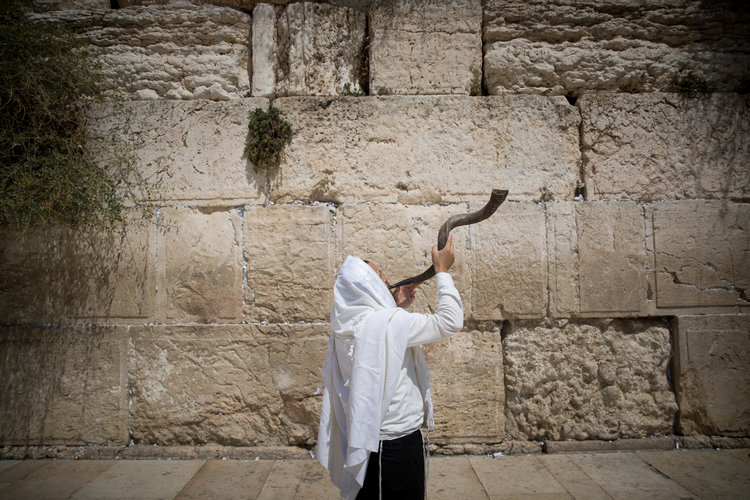
The last month of the Jewish calendar is actually the most important – serving as preparation for the High Holidays.

Question:: Why are people allowed to establish a new synagogue when there is already one in operation in a neighborhood, and available funds are already overtaxed? Joel Grosz Via Email
The Rambam lists the numerous stages a person has to elevate themselves in order to attain the level of prophecy. It is quite clear that Bilaam never ascended to those levels, quite the opposite.

I can probably read your thoughts: “Elul? I’m still in the Catskills! We haven’t even gone shopping at the Back-to-School sales yet!” That is true, but on the other hand, this week is Shabbos Mevorchim Elul, when we announce Rosh Chodesh Elul. Before you know it, we will be deep into Elul! Let us see how we can utilize this Shabbos to start getting ready.

If the events in this world emanate from the mazalos, how can we reconcile the fact that they foretold that Avraham would not have children?
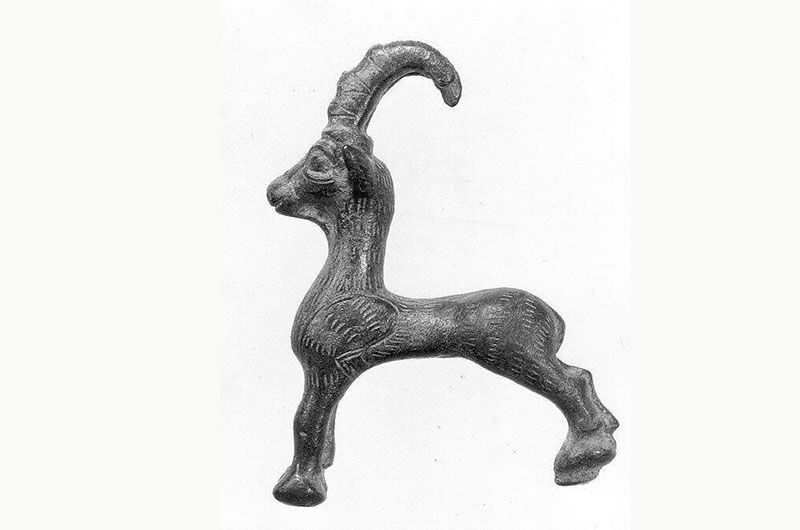
We will bentch Rosh Chodesh this Shabbat and announce the coming month – Rosh Chodesh Elul yihyeh machar b’yom Rishon uvyom Sheini…

When we use our mouths to say the wrong things, it weakens the incredible power that our mouths wield, especially when we daven.
When we pray for Hashem’s return with the coming of Moshiach, the rebuilding of His House, the Beis HaMikdash, the restoration of His monarchy, the Malchus Beis Dovid, that is the ultimate ani l’Dodi, I am for My Beloved, for that is for Hashem Himself.
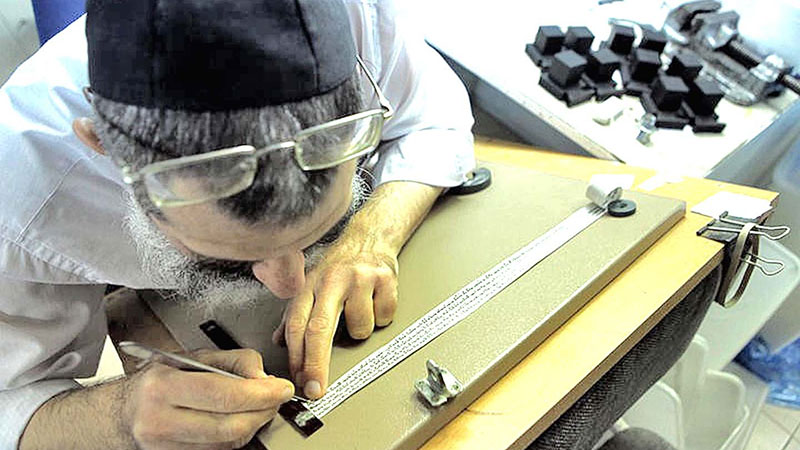
By Moshe Gantz and Joseph Miller
A knowledgeable STaM professional should welcome your questions. They should be happy to explain the ksav, the sofer, the quality of the klaf, the inspection process, and the differences between the various levels of hiddur.

“You still have to watch what you’re doing, especially when working near the house,” said Mr. Mazer. “You damaged my property, so you should pay for the repair.”
Even Stricter Than a Prohibition “We Rely on a Gentile…” (Chulin 97a)
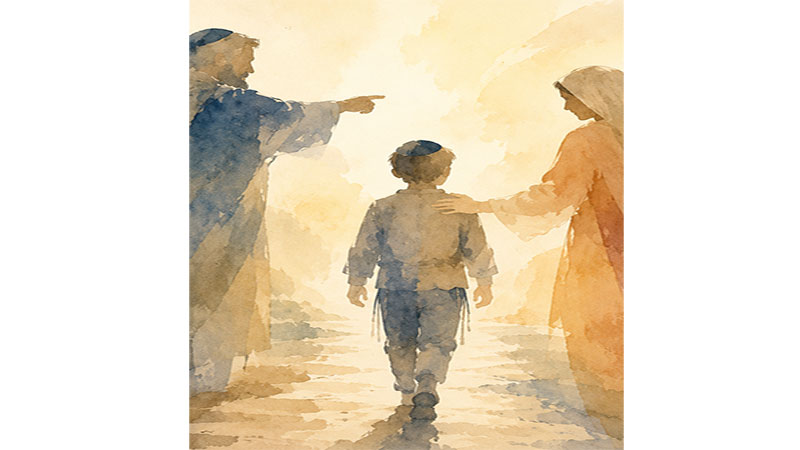
'Do not abandon the Torah of your mother' teaches that alongside striving for lofty ideals, a person must also practice wisdom, balance, and self-care.

Elul is when we are supposed to put a halt on the wheels of habit and do some spiritual contemplating and penetrating soul-searching.

The listening we have to do is to the echoes of the footsteps of Avraham, Yitzchak and Yaakov, who left their imprint in the sands of time, as recorded in the words of the Torah.
Gvura is associated with the masculine and chesed with the feminine. The male characteristic of gvura is typified by physical strength, ambition, wisdom, etc. The female characteristic of chesed is typified by kindness, gentleness, sensitivity, etc.

Question: What is the significance of Tu b’Av, the 15th of Av? David Bernstein Via Email
We talked about Rebbe Nachman’s Stories, in which there is always something lost that must be found. Noam, too, set out on horseback in search of something precious that had been lost – and he found it.
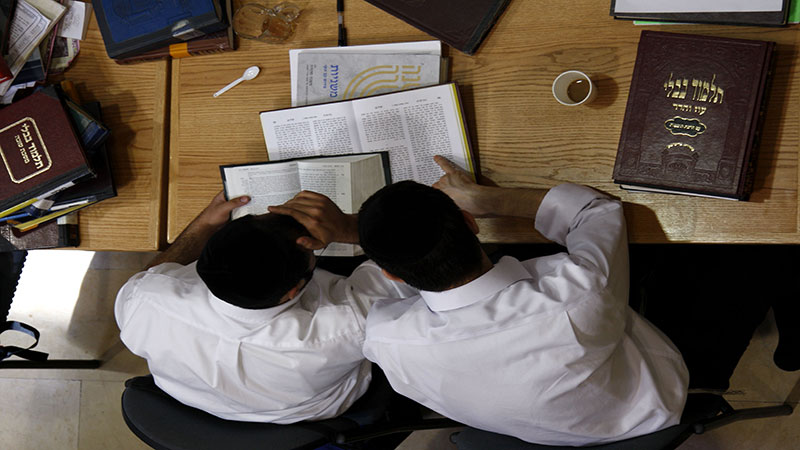
The Jewish people have survived exiles, expulsions, inquisitions, pogroms, and the horrors of the Holocaust, not because we possessed great armies or vast empires, but because the Kol of Torah never ceased.

As we emerge into independence and sovereignty, we are confronted with the enormity of our shortcomings and of the offenses we committed against the Divine Will which led to – and extended – our exile.

Rabbi Wein used to say that the benefit of history is that we should learn how not to make the same mistakes over and over again.

We find that the mitzvos between man and his fellow man and the mitzvos between man and Hashem are side by side on the Luchos, to demonstrate that they are equally important.

Instead of becoming a mirror, reflecting the world, become a projector, expressing your inner world.

One who lives in Israel should have the additional intent (kavana) for the mitzva of living in Eretz Yisrael when reciting the second bracha of Birkat HaMazon.

The mezuzahs are not assumed to be included in the price of the house, especially if they are high-quality.
Feather Plucking 101 “The Blood Will Easily Flow Out” (Chulin 93b)
We need not only a symbol of looking back, but also a symbol of looking forward.

It is precisely when we achieve great wealth and bounty that we are most tempted to forget that we owe everything to Hashem.
“And in Jerusalem you shall be comforted.” Jerusalem itself offers comfort. It does not erase the pain or the challenges, but it gives them meaning.
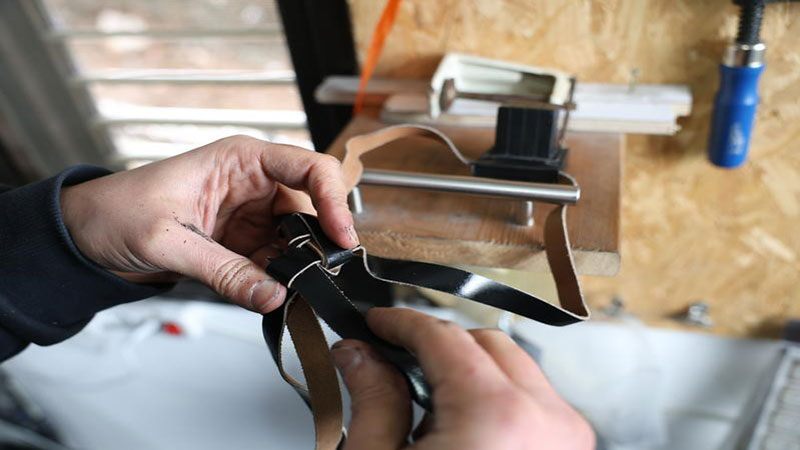
The knot of G-d’s tefillin symbolizes the permanent tie between G-d and His people.

Question: What is the significance of Tu b’Av, the 15th of Av? David Bernstein Via Email
This is our job as parents: To make memories for our children. We never know when we will hit a home run and a particular memory will impact a lifetime.

When a person lives and breathes with the belief that there is none other besides Hashem, then there is no power in the world that can cause him harm if it is not the will of Hashem.
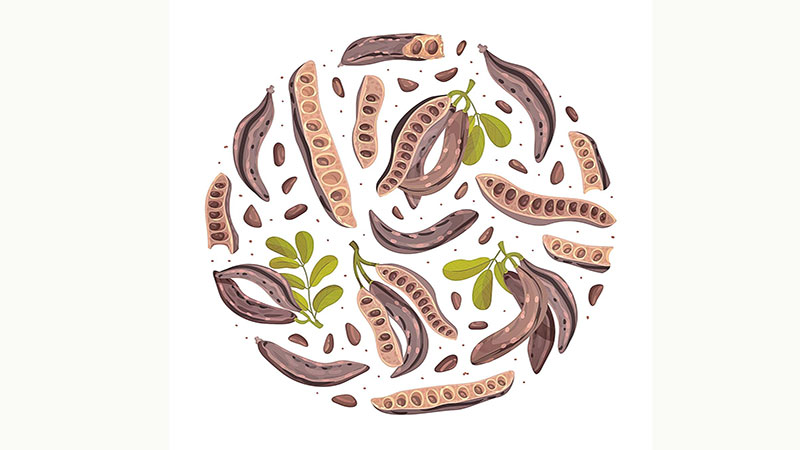
The point is, these blessings of Rabbi Chanina ben Dosa are not a reward for humility, but rather a consequence of humility. Humility makes space for G-d to manifest.
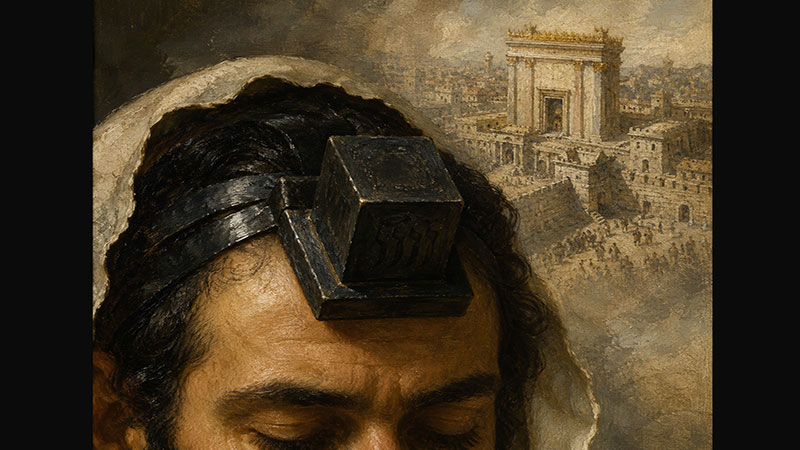
Other cultures have imitated and adopted versions of circumcision and Sabbath observance. But tefillin have remained exclusive to us, uncopied by any other religion.

A mitzva that occurs just once in the Torah will obviously be counted from that one point. But what about a mitzva that occurs more than once?
We mourn on Tisha B'Av not just for the destruction of a building but for the death of the world itself. And we yearn for the day when Hashem will once again be fully and clearly manifest in this world.
The true greatness of G-d lies in the fact that despite His omnipotence, He indeed loves every miniscule one of His creations, and cares for the individual welfare of each one.

“We should notify the congregants that we reached the goal,” a board member urged. “There is no need for additional sponsors.” “Why stop people from donating?” said the treasurer. “We can use the additional amount for general shul expenditures. I see this as a good fundraising cause!”
Bullish or Not? “Where Two Bought, [One] A Cow and [The Other] Its Calf…” (Chulin 82)

The most famous of Rabbi Shimon’s opinions is that he will infer the implied logical reason for a commandment, and then use that reason to allow for exceptions when it runs against the apparent logic.

Now the time was ripe to draw their attention to their shortcomings. That was the only way he could prepare them for the laws of Bein Adam Lechavero, the laws of social interaction, that he was about to lay out before them (1:8).

Ramban acknowledges the practice, but he doesn’t concur that it is necessarily a bad thing. In fact, he states that the idea of escalating difficult matters to higher courts is a praiseworthy practice which confers honor on the law.
“Seventy-five years have passed since our parents founded this kibbutz, and this week, for the first time, a synagogue was inaugurated here. We decided that we are coming back, but that we also want to come back stronger.”
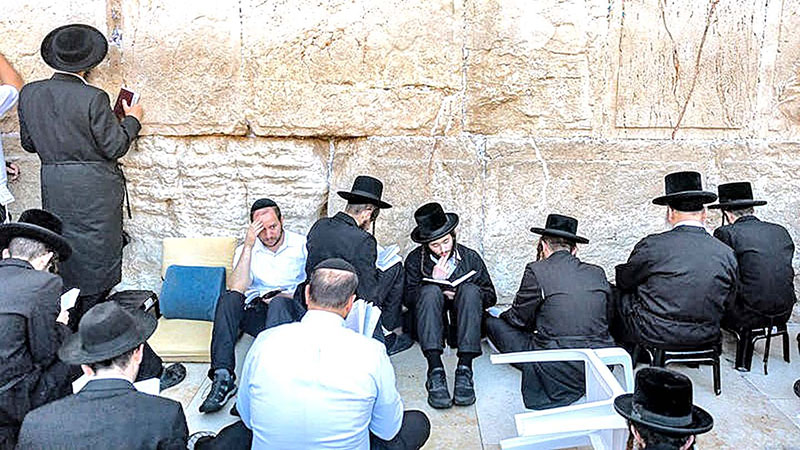
Question: I was taught that due to our mourning on Tisha B’Av, we are not allowed to learn or discuss Torah. Since Torah causes us joy, we are forbidden to lessen our mourning through its study. While I understand why we read Kinot and Eicha, how do we justify reading from the Torah at Shacharit and Mincha? A further question: Do these halachot apply to an individual during his or her seven days of mourning? H. Ellis Via E-mail
G-d, who is all-seeing, all-knowing, doesn't know where Adam is hiding? Rashi (ibid.) says obviously G-d knew where Adam was, but He did not want to startle and frighten him.
The parsha explains that the contribution achieves kaparah – atonement for sins.
It is completely incorrect behavior for children to have an attitude of, “Why does our parent need to get remarried. After all, he has all of us. And the memories should be sufficient.”
If we would grasp how deeply one is impacted by his aveiros, we would appreciate the significance of the Beis HaMikdash and the spiritual cleansing that took place daily.

We sometimes forget that what is recorded in the Torah is not just telling us what happened way back.

What is the meaning behind this strange ritual? Washing oneself with water removes physical filth, but how does it affect one’s spiritual state?
As long as the Beis HaMikdash is not rebuilt and korbanos are not being offered, things are not as they should be. The greatest challenge for us is that we don’t even know what we are missing.

He turned on music and shifted in his seat, struggling to ward off his tiredness. “Only 20 minutes left,” Ari said to himself. A moment later, his eyes closed.
Kosher “Oxymoron” “The Divine Law Permits It With (Any Two) Of Four Simanim” (Chulin 75)
 September 25, 2026