יום חמישי, כ״א אלול תשפ״וThursday, September 3, 2026



Follow Us



A “Heated” Discussion “The Place of Shechita is Hot” (Chullin 8b)
The tragedy of the mekallel is not only that he sinned. It is that his outcry came from a place of fracture that the community never addressed. He stands as a cautionary figure, a reminder of what happens when we fail to make room for those who are already inside our gates but do not yet feel fully held.
Why is Shabbat listed as the first mo’ed before the mo’adim of Pesach, Shavuos and Sukkos. which we usually associate with the word chagim (23:3)?

The children in the building hope to learn the laws of Shavuot at home. But this week, they taught me a lesson, too.
Question:Is there a specific reason that the last chapter of Pirkei Avot is read on the Sabbath before Shavuot, or is this just a quirk of the calendar? Zvi Kirschner Via Email
To be a student of Rebi Akiva, you had to be extremely gifted and super intelligent. There were other yeshivot, other rabbanim, but none matched Rebi Akiva’s for level of study and for number of students.

Scattered among the peoples of this earth, we spent two thousand years wrestling with history. Stripped of almost every public expression of Jewish life, we clung to the word and will of Hashem and proved more resilient than history and more faithful than our enemies presumed.

Ultimately, the wisdom, might, and wealth of an individual are only aspects reflecting his stature, but not essential to his character; the celebrated aspect may reveal itself in some situations to be superficial and not substantive.

We need to teach our children to honor the shul rabbi. The one who, on a regular basis, warns them about the evils of lashon hara, the dangers of smoking, vaping, gambling, and addictive gaming.

In addition to the opportunity we have of doing teshuvah when we know we have sinned – by acknowledging the transgression, regretting having sinned, admitting that we have sinned, making a commitment not to repeat the sin in the future, prayer and charity – we are fortunate to be able to attain atonement even when we are unaware that we have sinned.

The purpose of rebuke is simple: Rebuke helps us see where we have gone wrong, clarifying what we must change and improve in order to fulfill our purpose and actualize our true potential.
Pesach Sheni is counterintuitive because the Korban Pesach is very much a time-related mitzvah. And actually, it is not considered a make-up for the Korban Pesach. That Korban is brought only in the afternoon of the 14th of Nissan. Pesach Sheni is its own mitzvah.
Eating itself is to be viewed as a form of sacrifice. The consumption of food to empower the body to serve G-d can be as symbolically and intentionally powerful as offering a sacrifice on the altar. It depends on the person’s kavana.

As one educator once said, “Every child has gifts. Some discover them later than others.” Very often, those qualities and talents remain latent and need to be recognized.

By the time Mr. Weiss headed home, his satisfaction had dimmed. While the stay had been pleasant, he felt that he had been cheated.
Anticipating the Rebuilt Temple “One Who Engages in the Study of the Chattas…” (Menachos 110a)
Judaism is not like other religions – there is no turning the other cheek. You are allowed to pursue any legitimate recourse stipulated by the Torah for protection/justice/restitution.

Mussar teaches that character is not an accessory. It is a discipline. It is the daily work of noticing your impulses, your blind spots, your ego, your capacity to harm without meaning to.
Between Holocaust Remembrance Day and Memorial Day, Odelia reminds us that this is not only a private story. It is also a choice about how we tell our shared national story.
There was another way of explaining why the Jews resorted to worshiping the golden calf so soon after witnessing the presence of G-d at the Revelation. It was not that they had become Bible critics. They were simply giving in to their human urges, even as they believed in G-d and His Torah.

There is something uniquely powerful about the prayers of a child. Watch a young child daven, and you will see a kind of purity that is difficult to replicate in adulthood.
Question:Is there a specific reason that the last chapter of Pirkei Avot is read on the Sabbath before Shavuot, or is this just a quirk of the calendar? Zvi Kirschner Via Email

The more subtle point is an ego defense known as Reaction Formation. That is when a person is conflicted and feels that he should conform to an internal or external expectation, but deep down, does not want to.

Avodas Hashem is shaped not only by obligation, but also by how we understand the human being, by the moral awareness embedded within us and by the way we see the world and our place within it.
It is interesting to note that all of these ideas really complement one another, and there is a unifying perspective where we can see that Nadav and Avihu did not really “fit” into the mold of their generation and to the needs of the moment.
Shimon HaTzaddik was so called because he was the most righteous person of his generation and yet, in Pirkei Avos, there is but one Mishna recording his teachings.
One who foregoes his calculations with others for injustices done to him, the Heavenly Court, in turn, foregoes punishment for all his sins.

An interesting feature of the Omer is the emphasis on counting each day. This suggests that Sefiras HaOmer is one long mitzvah, complete only if each of the forty-nine days are counted. However, l’halacha, we make a beracha on each individual day of the Omer, suggesting that each one is a mitzvah in its own right. How can we reconcile this apparent inconsistency?
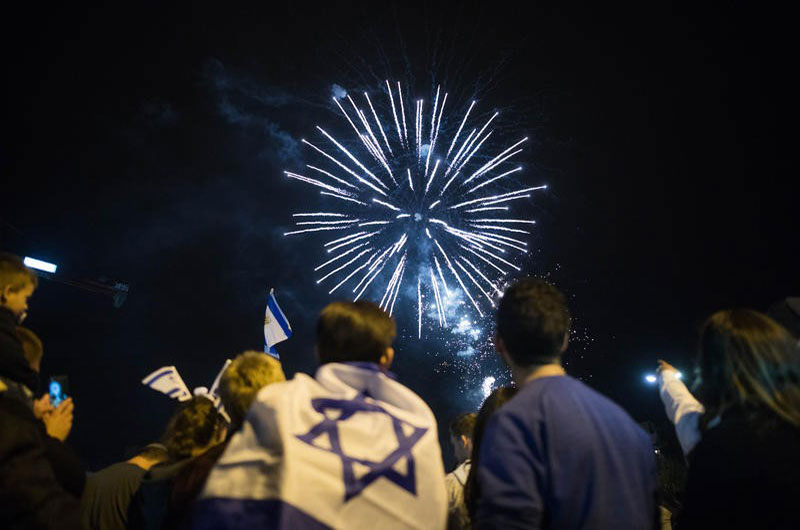
G-d never said that great moments of Jewish redemption would only be brought about by tzaddikim. The State of Israel is not the realization of The Dream. But it is a major step towards the Complete Redemption.
These days it’s not hard to understand how a few nonchalant and effortless clicks can have tremendous consequences. Clicking on one part of the computer screen may be completely innocuous, while clicking an inch over, into a little box on the screen can cost you big time, in more ways than one.

Tests, consultations with doctors, and anxious waiting continued for hours. Thank G-d, it turned out that there was nothing seriously wrong, but it was now too late for the family to make it home for Shabbos.
What About the Blood? “They Were Not Really Babylonians…” (Menachos 100a)

Many people fault the United States and Israel for “initiating” a war (or trying to end it?) when they did, not because they think their opponent should not eventually be fought but because they feel that the threat from Iran was not imminent.
A year ago, we left an empty chair at the Seder table, waiting for the hostages. This was the first Seder after they emerged from darkness into light. Together with them, we have all received another layer in the story of our national freedom.

Now that he had served out his time and would soon be eligible to rejoin the world, why was he not eager to undergo the purification ceremony to be administered by the kohen which would be his ticket back to freedom?
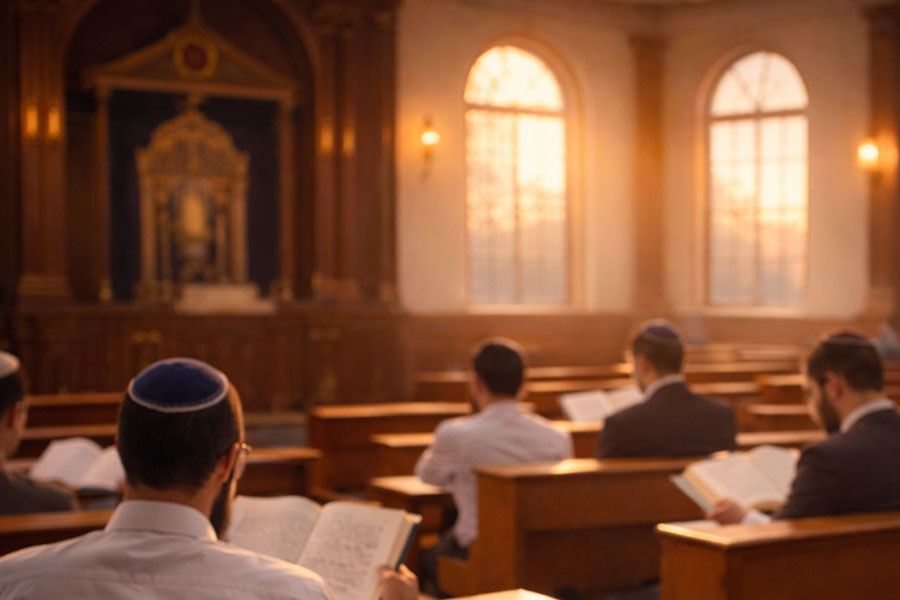
Question:Is there a specific reason that the last chapter of Pirkei Avot is read on the Sabbath before Shavuot, or is this just a quirk of the calendar? Zvi Kirschner Via Email
HaKadosh Baruch Hu therefore encompasses both poles (amongst His infinite other attributes) – Activity/Provider (of everything) and also Presence/Nurture/Receiver (He receives our prayers).

While it’s true that in the generation of the Sages, there were very few people who could understand the intricate laws of purity and impurity – let alone live according to them – the Sages were looking ahead and planning for a future era when all of Israel would be engaged in the active fulfillment of the Divine plan for Creation.
Another special advantage of Torah is that It protects us from the advances of the yetzer hara.

In fact, man is not exceptional to all of creation. His superiority exists only in his knowledge and intellect, and his ability to make a choice between bad and good.

We are not counting down to Matan Torah, but rather are building toward it, ascending one day at a time. We do not wait for Shavuos to arrive; we actively bring it ourselves through the time and effort we invest as we count the Omer.
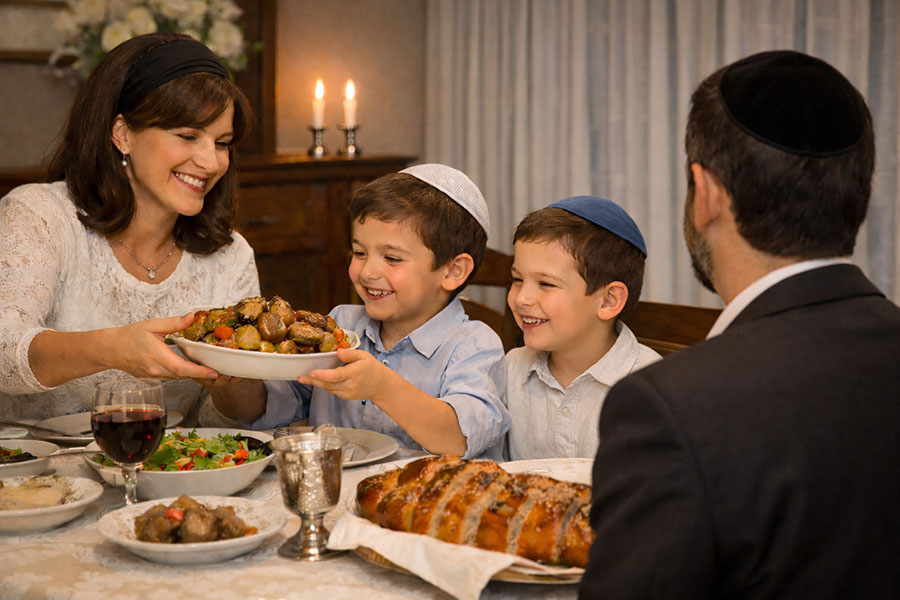
A child only has about 2,000 Shabbos meals until adulthood; when you think about it, that is not a long time to inculcate the fundamentals of our religion and how to experience it.
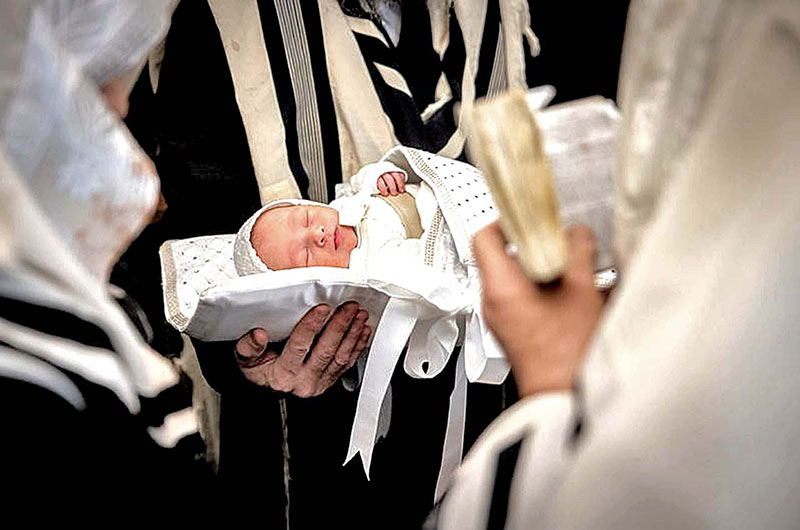
Brit and mila are not synonyms. They each point to a different aspect of what is supposed to happen on the baby boy’s eighth day.
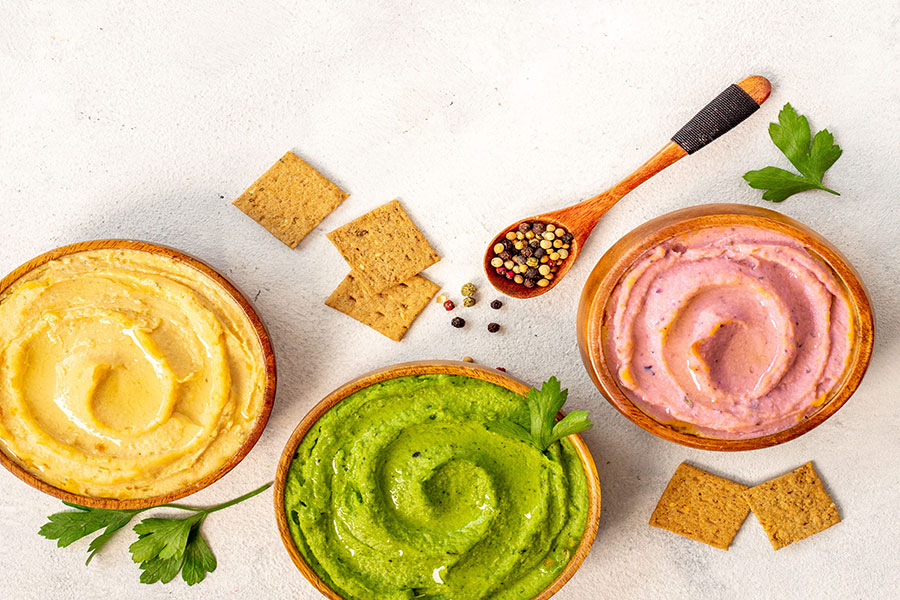
Eating challah without a minimum of three or four dips is practically unheard of. (Some would argue that it may be more important than lechem mishna.)
A Matter of Inflation “Since It Is Baked, It Expands” (Menachos 94a)

We are all drowning in Western culture, where physical beauty takes the front seat – or the only seat – in life. But to fully understand the present-day challenge of beauty, we must understand the spiritual concept of beauty in all of its depth.
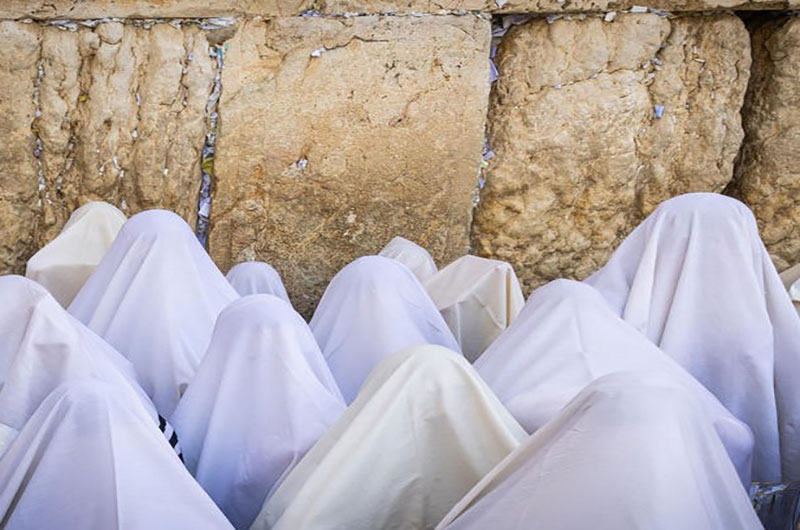
According to each individual’s level of emunah, the blessing increased his ability to become a proper vessel in which the beracha could come to fruition.
We are not there to reason on behalf of G-d. If G-d promises that something will happen, it will happen. How? That’s not our business. Our business is to fulfill the positive commandment of Kiddush Hashem and G-d will work out the rest as He did with the ram that showed up to save Yitzchak.

This distinction between the needs of the moment and the needs of future generations was paramount in his mind.
Our sages have always urged us to follow the customs of our fathers – those that are acceptable according to the above doctrine.
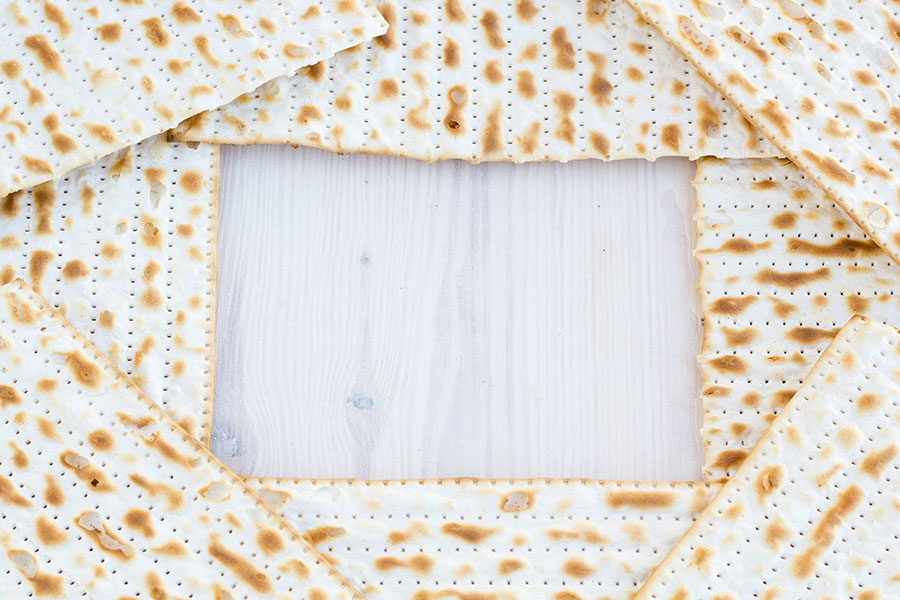
Question: Why don’t we say “Al achilat matzah” when we eat matzah during the remainder of Passover? Moshe Jakobowitz Brooklyn, N.Y.

Some say that even if we are not talking about the rav of a shul, just someone who is the baal t’fila for Maariv in a shul where it is the baal t’fila who leads the count, and the chazan in question skipped a day, he would be able to count with a b’racha to avoid being embarrassed.

Despite the original Shulamit not being a name (but rather a description), in post-Biblical times, that word came to be used as a personal name given to Jewish girls, and in the last generation or so has actually become quite popular.
Think about all the hostages who have returned from captivity and who will be eating matzah, the bread of liberation, as free people. Think of the pilots who succeeded in eliminating those who “in each generation rise up against us to destroy us,” sitting down at their own Seder tables.

Anyone who has gone through a traditional yeshiva education is familiar with this unique aspect of Jewish tradition. Torah study is not just for knowledge, nor is it merely a mitzvah to study, but it is also a redemptive, elevating process.
Nekudot in the Sefer Torah ‘Why Is There a Dot Over the Vav?’ (Menachos 87b)
In that sense, this article is itself an act of haggadah. The goal is to point at what is happening around us and say: look, this is what the hand of G-d looks like in history. That obligation falls on every Jewish parent and teacher…whenever history offers a teaching moment. And this year, history is not being subtle.
Question: I have noticed that when we eat the matzah at the Seder, we recite the blessing of “HaMotzi lechem min ha’aretz,” followed by “Al achilat matzah.” Why don’t we say “Al achilat matzah” when we eat matzah during the remainder of Passover? Moshe Jakobowitz Brooklyn, N.Y.

Would we think it possible that one day we would be standing at Sinai, receiving the Torah and becoming Hashem’s chosen people?

Adam’s essence had abandoned his body, so he was no longer conscious of the godliness that had inhered in him while in Gan Eden. Adam had become an empty shell of himself and was turning into an animal.

If you are short on matzah, you can borrow from your neighbor, but you should say: ‘Do you have a box of matzah to give me, and I’ll give you one back on Chol HaMoed,’ rather than: ‘Can you lend me a box of matzah?’
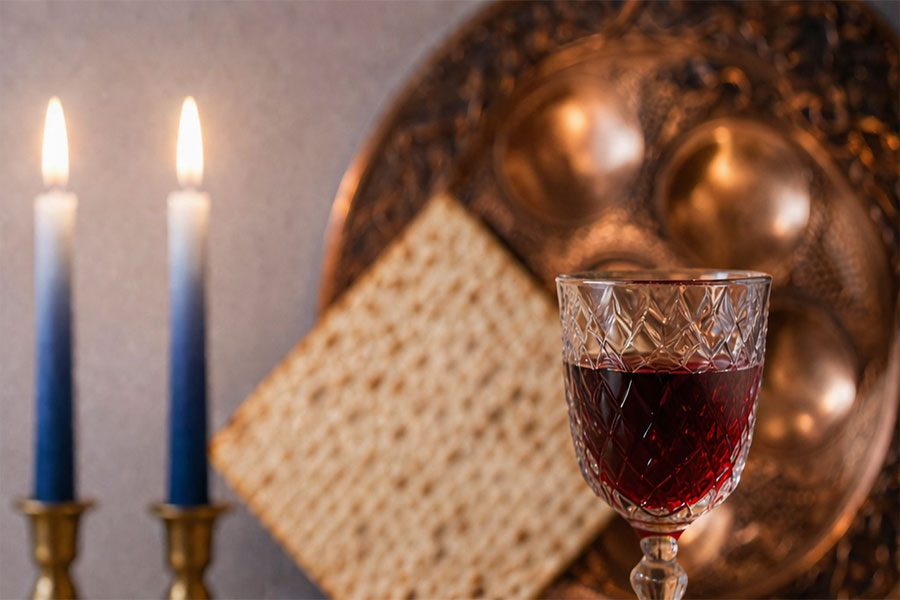
The truth is that adults do not come to the Seder as blank slates. They come carrying the year. They come carrying whatever Egypt they have been walking through quietly.

If we’re asking questions solely for the purpose of receiving answers, we’re missing the point.
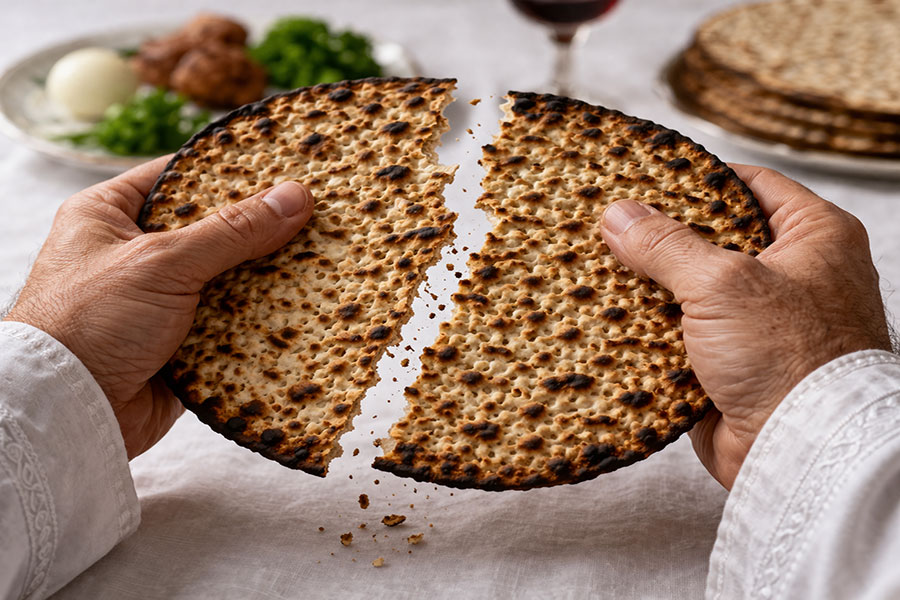
Most people, I would guess, know any of several reasons for Karpas. And for dipping the karpas in salt water. There are many reasons.

The past month has carried a similar urgency. We feel history lurching forward. Wars are unfolding in compressed timeframes, and the landscape shifts almost daily. Once again, events outpace us, and we are being hurried along.

Nothing in the physical world is objectively good or evil, rather, everything has the potential to be used for either good or evil.

Mrs. Klein replied, It doesn’t seem fair that I should pay you for two idle hours when there’s still work that could be done!
A Matter Of Terminology “Oil Set Apart for One Mincha Is Invalid for Another” (Menachos 79b)
The choice is ours. When the siren goes off, should we read frightening news updates or a chapter of Tehillim? As we prepare for Pesach, should we communicate a sense of depression and despair, or try our best to create a cheerful atmosphere in our homes?

There is something grounding about that image in the week before Pesach. We are surrounded by fire. It is the fire of cleaning, cooking, burning chametz, deadlines, and expectations. But none of that is the eish tamid.
Like the poor, the kohanim had no possessions of their own. They were entirely dependent for their livelihood on the grace of G-d and the donations of the people.
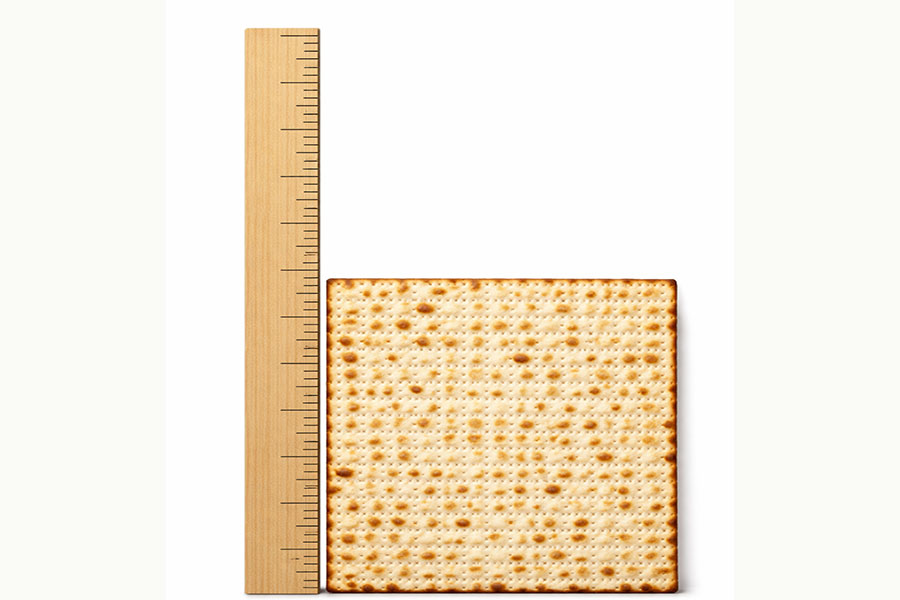
Question: I would like to know the minimal requirements of consumption and any possible leniencies or compensation for one who finds it difficult to eat matzah. Additionally, how absolute is the requirement not to eat anything after the afikoman? Menachem Via email
Why couldn't HaKadosh Baruch Hu have commanded us to sacrifice the Korban Pesach two days before? A week before?
Centuries later, after the destruction of the First Temple and seventy years of exile in Babylon, something unprecedented occurred. The Persian king granted the Jews permission to return and rebuild the Temple.

As we recite the fifteen stanzas of Dayeinu, tracing the miracles of Yetziat Mitzrayim, we might also think of the Dayeinu we would offer for the past two and a half years. Without softening the pain or ignoring the strain, we can still give thanks for Hashem's care and protection.
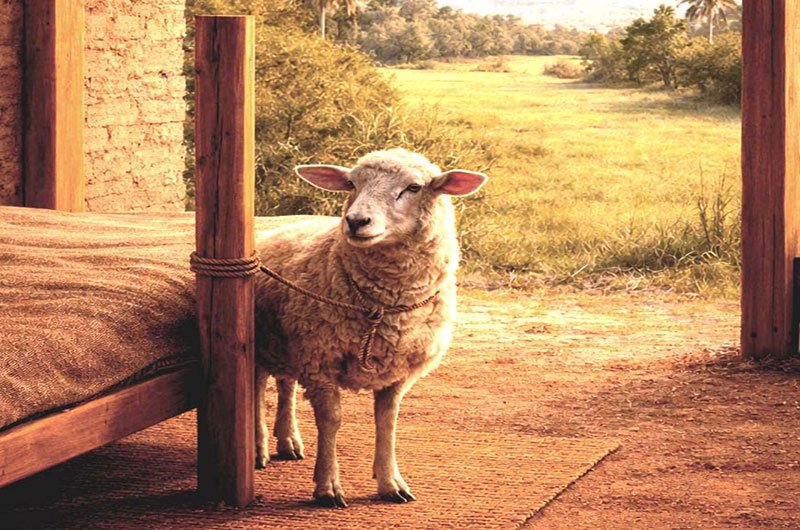
It is commonly understood (from the Gemara and elsewhere) that in the year that Israel went out of Mitzrayim, the process of bringing the Korban Pesach began with the taking of the sheep and tying it to the bedpost on Shabbat.
Another reason why the yetzer hara is firing on all cylinders is that of the entire year, the Seder night is the greatest opportunity we have for teaching our descendants.

Greater is the Kiddush Hashem of that day than all of the chillul Hashem of the Egyptian exile. Not only were the Jewish people redeemed physically; they were also spiritually redeemed.
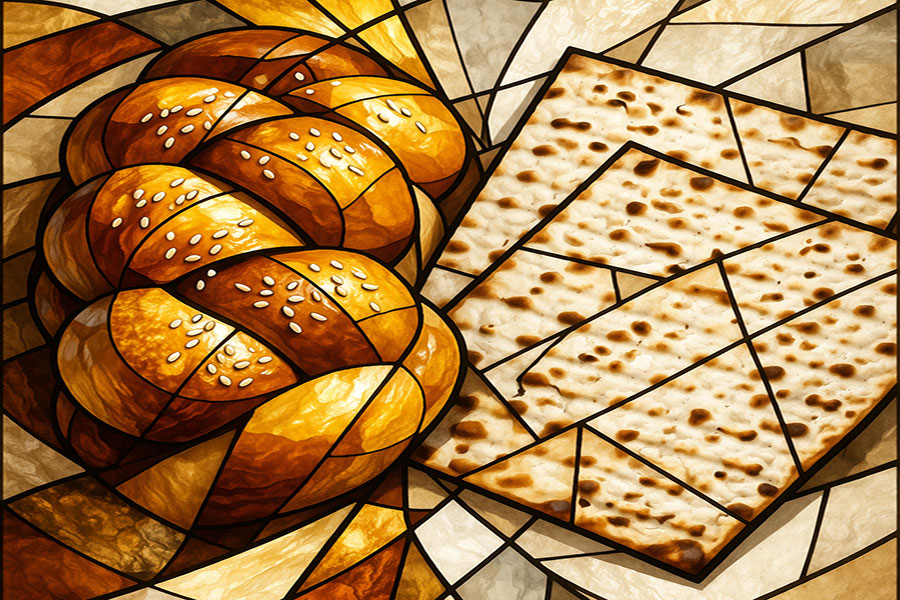
Most spiritual schools of thought are focused wholly on the spiritual; they view the physical world as lowly and dangerous. They therefore claim that the physical should be avoided to the greatest extent possible.

The Rabbis applied an adage to dictate a Torah idea. I believe this is because when the Rabbis discerned an adage that was wise, they realized that it represented a pattern in life.

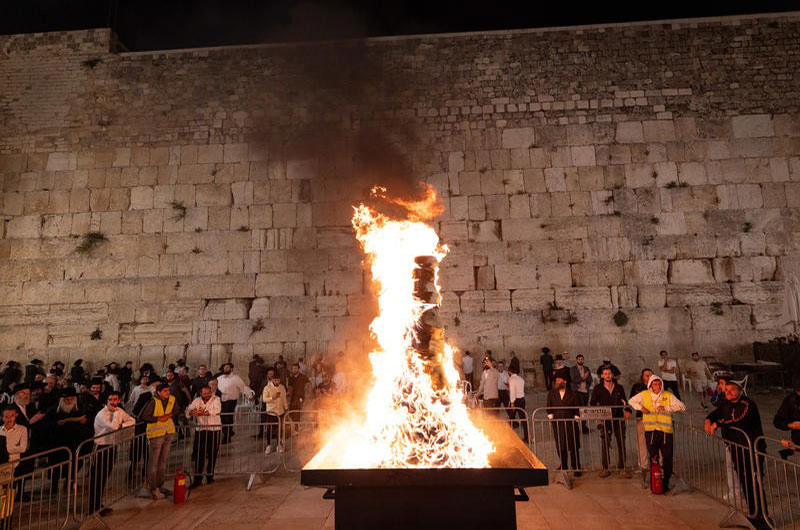
A takeaway from Parshat Tzav is the requirement that the fire on the Mizbei’ach never be extinguished or allowed to go out. This mitzvah is one of the reasons for a ner tamid in shuls.
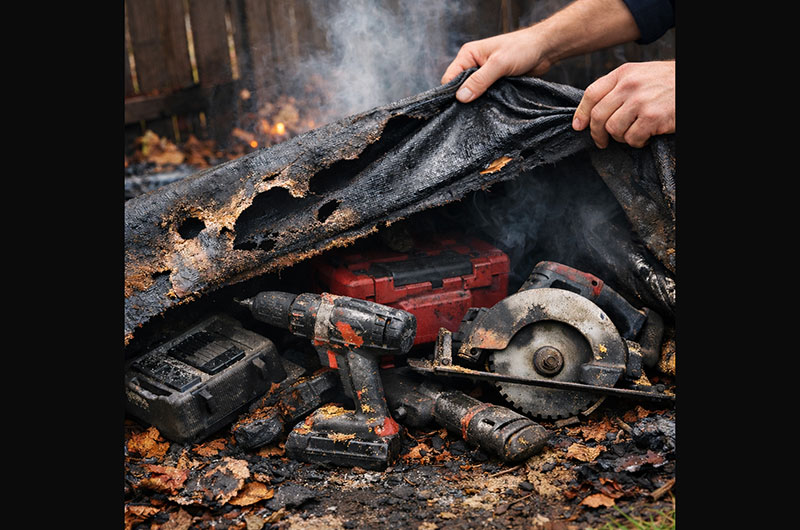
Mr. Brand shook his head. I didn’t even light the fire, he replied. The compressor sparked on its own. And how was I supposed to know that there were valuable tools hidden under a tarp?
Hashem’s Holy Name “…That A Gentile May Bring Either Votive or Freewill Offerings…” (Menachos 73b)
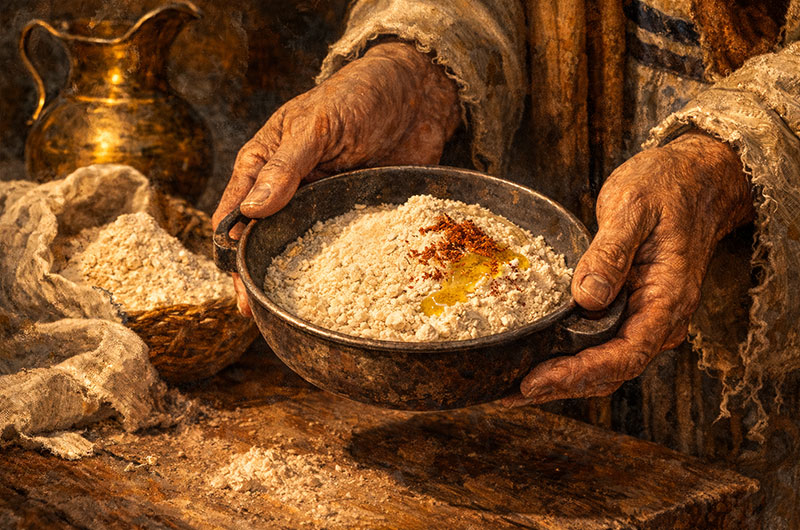
Originally G-d wanted to transmit the Torah and all of its laws directly to the people. But the people beseeched Moshe to relay G-d’s words to them for if they continued to listen directly to G-d, they feared they would die (Shemos 20:16).

The Mincha is the simplest of all offerings – flour, oil, a measure of frankincense. Ingredients drawn from the rhythm of daily life. Nothing extravagant. Nothing that signals wealth or status. Nothing that would draw attention in the courtyard of the Mishkan.
Question: Is it permitted to ride a bicycle on the Sabbath or holidays in an area that has an eruv? No Name Please Via email
Yet within the total destruction, a great miracle occurred: their beloved mother had been inside the house and survived. And it happened precisely on the yahrzeit of their father. In the midst of everything, the family felt they had received the greatest gift of all: life.
Why specifically on the second night? Bear in mind that we never say Eishes Chayil on Yom Tov. It’s only on Shabbos, so why the exception?

Although the construction of the physical universe concluded on the first of Tishrei, on the first of Nissan – and particularly on this date in the year following the Exodus – the rectification of mankind begins.
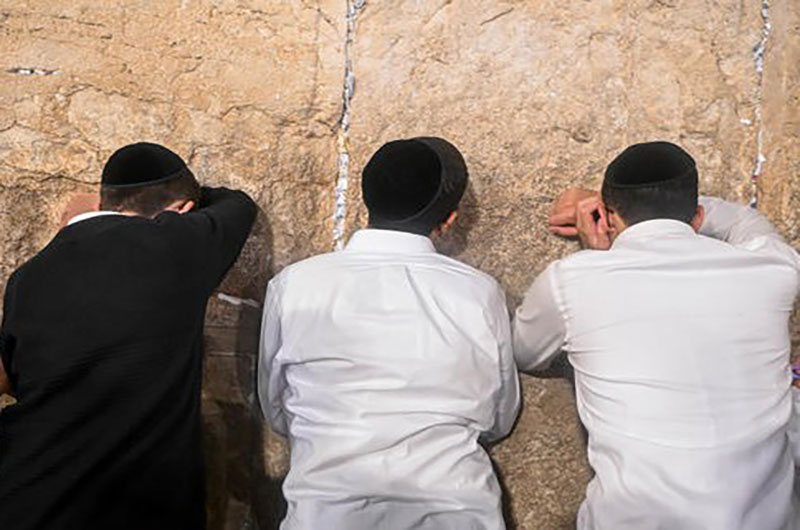
The Sefer HaChinuch cites the Ramban who expounds that the individual must appreciate the fact that the animal being sacrificed is really in place of the sinner. That awareness will inspire and compel the person to do complete teshuvah.
What does it mean then that HaKadosh Baruch Hu placed Adam in Gan Eden "Le'Ovda u'le'Shomra" if that did not involve Korbanot?
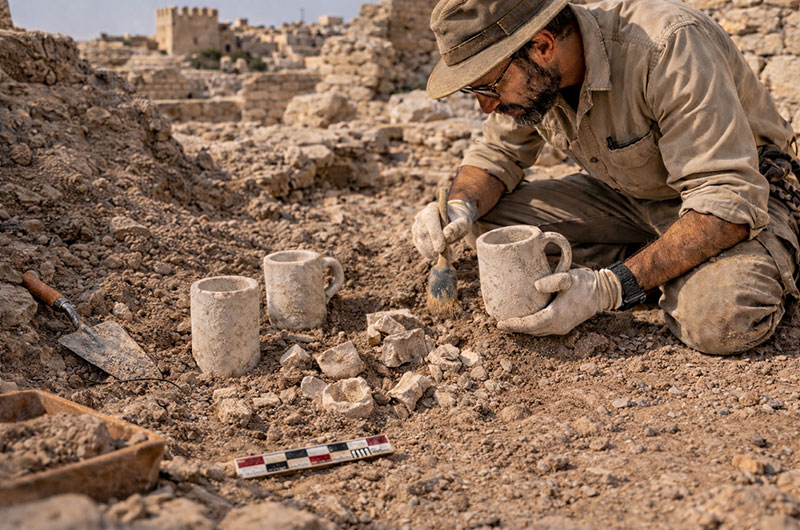
What is most fascinating about the laws of purity is how extensive and invasive they must have been when they were observed properly in the times of our Sages.
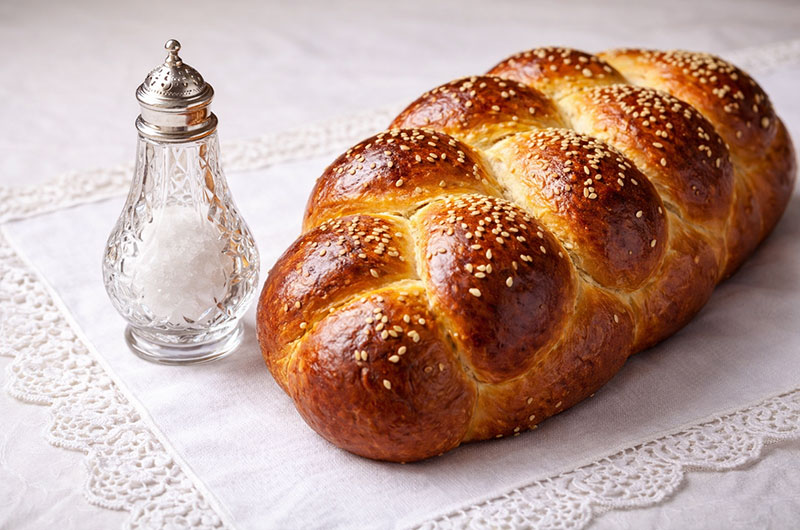
Vayikra the Book has the most mitzvot of the five Chumashim – 247, which is 40% of the Torah’s 613 mitzvot. On the other hand, Vayikra is the shortest Book of the Torah, by far – in columns, lines, p’sukim, words, and letters, making its mitzvah-stats all the more impressive.
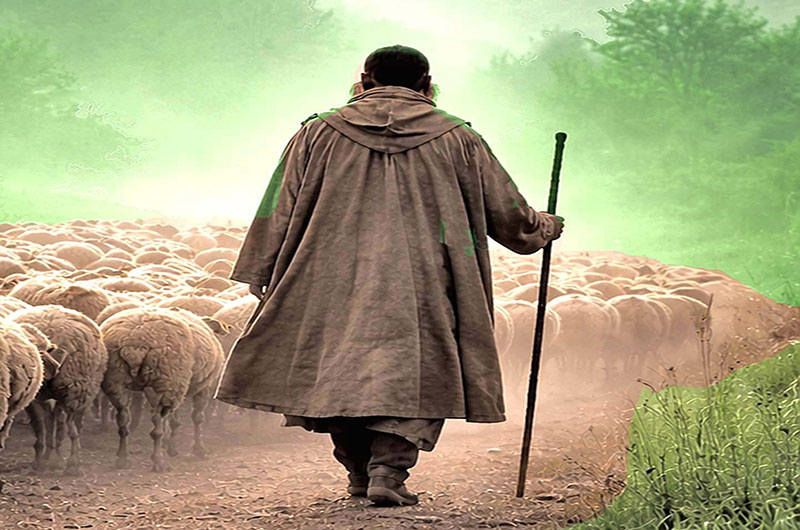
Everyone is a leader in some capacity. Some will lead their families, while others will lead the world. The scale is irrelevant; the principles remain the same.
 September 4, 2026