יום חמישי, ד׳ חשוון תשפ״זThursday, October 15, 2026



Follow Us



Question: I understand that at a minyan, the chazzan is required to repeat Shmoneh Esreh out loud so that people who may not know how to daven can fulfill their obligation to daven with the chazzan’s repetition. What, however, should the chazzan do when he reaches Kedushahh and Modim? I hear some chazzanim say every word of Kedushahh out loud and some only say the last part of the middle two phrases out loud. As far as the congregation is concerned, I hear some congregants say every word of Kedushahh and some say only the last part. Finally, some chazzanim and congregants say Modim during chazaras hashatz out loud and some say it quietly. What is the source for these various practices? A Devoted Reader (Via E-Mail)
The Rambam, in Hilchos Beis Habechirah 1:12, derives from the pasuk in this week’s parshah, “u’veyom hakim es haMishkan… – and on the day the Mishkan was set up…” (Bamidbar 9:15), that the Beis HaMikdash can only be built by day, not by night. Further in that halacha the Rambam writes that both men and women are obligated in the mitzvah of building the Beis HaMikdash. The Kesef Mishneh explains that the source for the halacha that women are obligated in this mitzvah is from the pasuk in parshas Vayakhel: “v’kol ishah chachmas lev beyada tavu – and every wise-hearted woman spun with her hands.”
By Rabbi Yaakov Klass and Rabbi Gershon Tannenbaum
A Shabbos Treat ‘Snow Is Neither Food Nor Drink’ (Niddah 17a)
By Rabbi Lord Jonathan Sacks z"l
Adaptive leadership is called for when the world is changing, circumstances are no longer what they were, and what once worked works no more. There is no quick fix, no pill, no simple following of instructions. We have to change. At a certain point, Moses had to help the Israelites change, to exercise responsibility, to learn to do things for themselves while trusting in God instead of relying on God to do things for them.

During the past several weeks I have shared many of my own personal experiences and those of others. I am referring not only to my recent hospitalization following the breaking of a hip, but also to my series of articles on hashgachah pratis – events that befall us that can easily be attributed to random happenings but upon closer scrutiny and honest introspection testify to the ever-guiding Hand and mercy of Hashem.

By Bette Cyznek
Huge crystal chandeliers sparkled with points of light that shone like diamonds. Hundreds of ornate, gilded chairs had been arranged on the ballroom’s thick, blue and brown carpet in the palatial Miami Beach hotel. This elegant space had been converted into a temporary synagogue for the holiday.

We often sit through the haftorah without understanding what it is all about. “Why do we read the haftorah anyway?” we sometimes think. Krias HaTorah of the parsha makes sense—we read a portion of the Chumash each week so that over the course of the year we have completed the entire Torah. But what is the goal of reading the haftorah? We know that it is not so we can finish Navi on some kind of schedule. What then is the purpose of the haftorah?

Have you noticed that we seem to have preferential memory for the unpleasant things that happen to us? Try as we might to provide our children with good experiences and positive memories, it is the memories that evoke fear, pain, sadness, etc. seem to be the ones that stand out.
In this week’s parshah the Torah writes about the halachos of a sotah. A sotah is a woman whose husband warned her, in the presence of two witnesses, not to go into seclusion with a specific man – but two witnesses saw her in seclusion with that man. Even though the only testimony that we have is that she was secluded with this man, she is nevertheless forbidden to be with her husband as she is an adulteress. This is in effect until she drinks the sotah water.
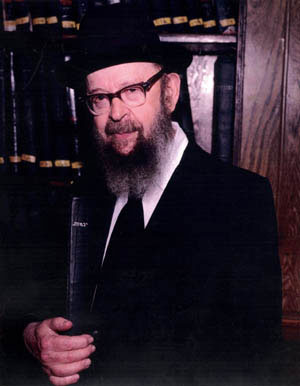
Parshas Naso is notable for its length, and its length is notable for its redundancy. The Torah minces no words, and therefore we understand that the repetition in the description of the Mishkan's inaugural service is purposeful and laden with meaning. Rabbi Avigdor Miller, zt”l, explains that this is a reflection on the importance and centrality of the Mishkan.
In light of all the attention that the recent Internet Asifa garnered, we thought it wise to offer this analysis on the subject by Rabbi Gil Student, founder of TorahMusings.com and former managing editor of OU Publications.
By Rabbi Yaakov Klass and Rabbi Gershon Tannenbaum
Somewhat Lacking ‘A Deaf Woman, An Imbecile…’ (Niddah 13b)
Question: Whenever a yom tov starts on Sunday (like this year), synagogues generally forego their Seudah Shlishit, eaten after Minchah on Shabbat. But why? If one is supposed to eat a third meal every Shabbos, why skip it if a yom tov starts that night?

Mr. Sam Braun stood at the back door of his house with another man dressed in rugged jeans and a baseball cap, surveying the back yard. The man had a tape measure in his hands, and took measurements along the length and width of the yard. The two then walked to the side of the house and again measured and talked, gesticulating with their hands.
Last week I mentioned that I’d received numerous reader responses to my series of columns detailing my experiences in a San Diego hospital following surgery for a broken hip. I shared one such note with you last week. Here is another.
By Rabbi Lord Jonathan Sacks z"l
There was an ongoing debate between the Sages as to whether the nazirite – whose laws are outlined in this week’s parshah – was to be praised. Recall that the nazirite was someone who voluntarily, usually for a specified period, undertook a special form of holiness. This meant that he was forbidden to consume wine or any grape products, to have a haircut, and to defile himself by contact with the dead.

JewishPress.com presents two weekly Parsha video series in English made in Israel by young rabbis determined to reach out to inspire the world from their beloved homeland. This week, Rabbi Shlomo Katz (the famous Israeli inspirational folk/rock musician) speaks to us on the question, "Does Torah Life Have to Be Heavy". Based on a beautiful […]

By Ed Lion
Judaism holds that nothing happens by chance, that everything is orchestrated by Hashem. And so it was long ago on a Sunday morning, about a month after Pesach when my father ran an errand for his parents.

The streets of Jerusalem on the special day commemorating the city's reunification. A celebration of youthful energy, enthusiasm, and love of the Jewish homeland. Everyone is included and dancing together from all backgrounds in an overflowing expression of unity. Original footage 2012 shot by JewishPress.com's Jerusalem based videographer Natan Epstein. Music by Shlomo Katz, "There […]

There is a tradition from the Vilna Gaon that Milchemes Gog and Magog at the time of Moshiach will last only 12 minutes. In that short amount of time 1/3 of the world will be destroyed, 1/3 severely wounded and 1/3 will survive. Until recently this was incomprehensible - how could such destruction happen so quickly?

Although Megilat Rut is one of the most beautiful stories regarding unadulterated chesed, it also serves as a primer on leadership. After all, its primary purpose is to establish the lineage of King David’s dynasty. Therefore we should expect to glean from it some important leadership lessons. Yet at first blush it would appear more apt to describe it as a book about followership. Rut’s noble commitment to join the Jewish people, despite all the hardships this entailed, is captured in her stirring words (1:16): “To where you will go I will go, where you will sleep I will sleep, your nation is my nation…” These words seem to constitute a declaration of what is termed “followership” more than leadership. However, a recent class trip, with my Yeshivah’s 8th grade, to the United States Naval Academy at Annapolis helped clarify matters.
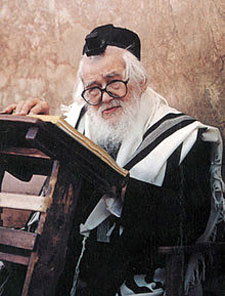
Throughout their forty years in the desert, the Jewish nation had to be prepared to travel at a moment’s notice. At any time the Divine clouds could suddenly rise and proceed further into the desert. As soon as that occurred the entire nation had to immediately dismantle their camps, gather their children and belongings, and begin to travel in perfect formation along with their tribe.
By Rabbi Yaakov Klass and Rabbi Gershon Tannenbaum
Location, Location! ‘Alive Until Determined Otherwise’ (Niddah 4)

Shavuot is the holiday of the Torah, which impacted the US Constitution in particular and the state of Western morality, liberty, and democracy in general. Shavuot is celebrated by decorating homes and houses of worship with Land of Israel-related fruit, vegetables, herb and flowers, demonstrating the indigenous connection between the Torah of Israel, the People of Israel, and the Land of Israel.

The Generation of the Wilderness was unique in the history of Israel, as Rabbi Avigdor Miller, zt”l, explains concerning the first verse of Bamidbar. Israel was slated for a special mission in the world, and this mission was begun with a special forty-year inauguration in which Israel gained an intense and unmatched closeness to Hashem.

The Rambam begins hilchos talmud Torah with the following halacha: Women and slaves are exempt from talmud Torah. A man is obligated to teach his son Torah, as it says, “velimadetem osam es beneichem ledaber bam.” However, a woman is not obligated to teach her son Torah because whoever is obligated to learn is obligated to teach – and since a woman is not obligated to learn, she is not obligated to teach.
Question: Many people stay awake Shavuot night and learn Torah. Is this proper considering that one’s davening the next morning may lack kavannah as a result? Wouldn’t it make more sense to get a good night’s sleep and then learn with more fervor the next day? No Name Please (Via E-Mail)

The korban tamid was offered up every morning and every afternoon, including Shabbat. The korbanot tamid served as the bookends for all the other korbanot that were brought during the day. No other offering could be brought before the korban tamid of the morning or after the korban tamid of the afternoon.
Question: When should women light yom tov candles?
I have been overwhelmed by the e-mails and letters I’ve received in response to my series of articles focusing on my recent accident and surgery – so much so that while I wrote last week that the subject would be closed with that column, I feel compelled to share some of these communications with you.

By dvora
It was a brisk fall day in late October some years ago when Chavy (name changed) decided that since the weather was perfect she would walk to work. She had, Baruch Hashem, just resumed her work schedule after being home for six weeks due to her maternity leave for the birth of her latest child. She felt the exercise was good for her, as it was only about a half mile to her job. She put all of her work papers into her knapsack and gingerly swung it over onto her back for the trek to work.

Israel Antiquities Authority and the Ir David Foundation announced that a clay seal was discovered bearing the name of the city of Bethlehem, evidence that the city existed during the period of the First Temple in Jerusalem. The find coincides with the upcoming holiday of Shavuot, during which time Jews from around the world focus on the story of the biblical figure Ruth, set in the city of Bethlehem.

Looking for a bouquet of flowers that will satisfy everyone’s taste – have we got a sweet idea for you! This beautiful “arrangement” (as easy as an Alef Bais Vase” can be simply assembled and is sure to be the most popular bunch of flowers. All it takes is a trip to the candy store, and let your creativity blossom, as you fill the skewers with candy. As an added bonus these flowers are sure to stay looking fresh throughout Yom Tov…unless they’re not eaten first.
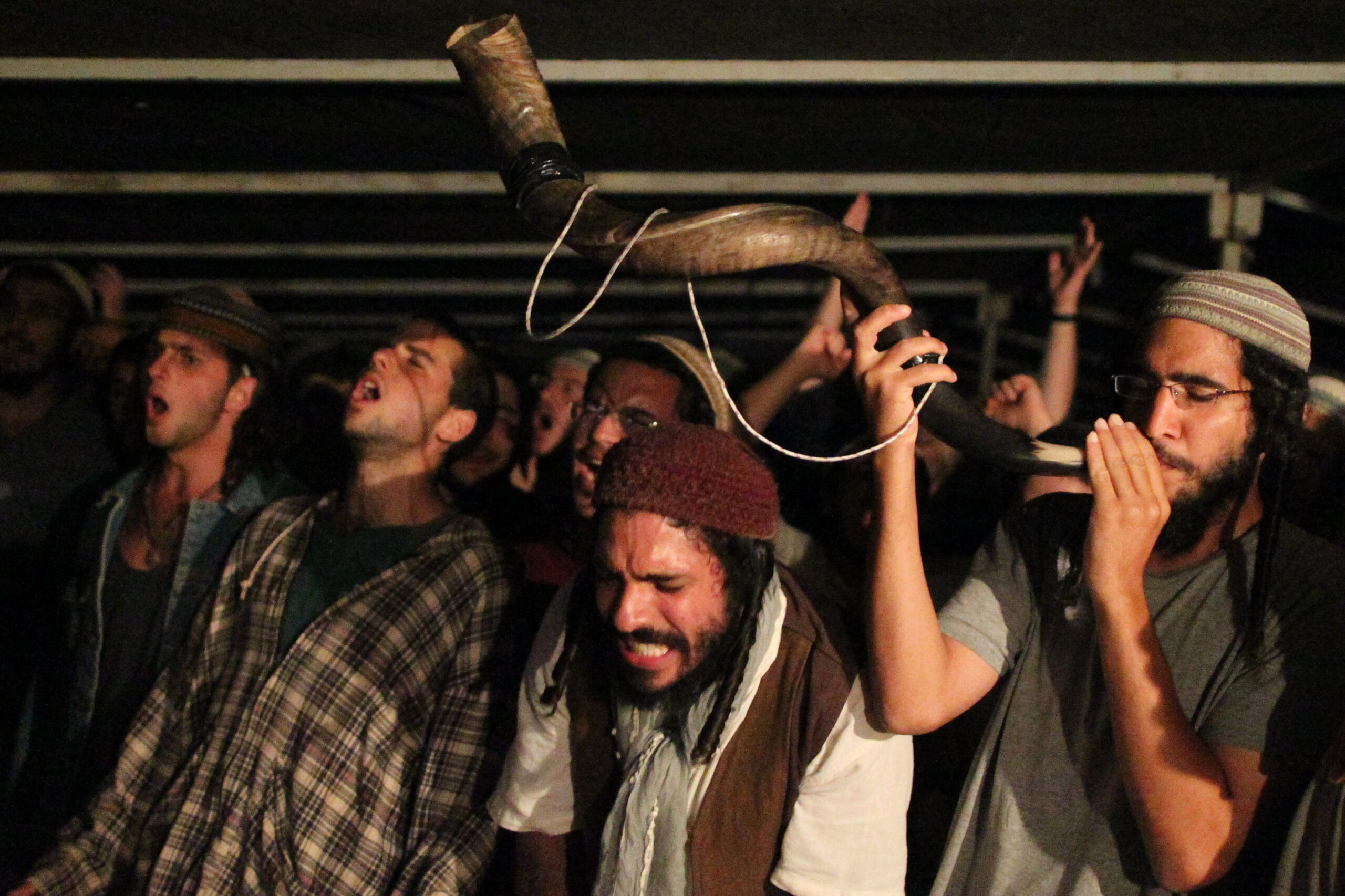
According to the Ramban, the verse "your foes who dwell upon it will be desolate" (Vayikra 26:32) is a partial blessing within the curse that guarantees through all generations that the Land of Israel will not receive any foreign nation in place of her true indigenous people.

Tina was in my kindergarten class last year. Each day Tina’s hair flew all around her. It would tumble into her eyes and she would bat at it periodically throughout the day just to see. Sometimes I’d use whatever hair accessory I had at hand - even just a rubber band - to put Tina’s hair out of her face.

In a famous photo, President John F. Kennedy is seen facing the windows of the Oval Office with his back to the camera. Slightly bent over, with his hands spread out on a credenza, he appears in deep and painful thought. The caption of the picture says it all: “The Loneliest Job.” Only the relatively few people who have been President of the United States truly understand the enormity of the job’s burden. It is for this reason presidents, despite their party affiliation, and often after leaving office, develop close bonds with one another, give the current office holder the benefit of the doubt and make themselves available to whoever may be president at the moment to help and advise.

"Welcome to the bar mitzvah celebration of our dear son, Eliezer," Mr. Siegel announced to his guests. "The bar mitzvah boy will now make a siyum Mishnayos, which will be followed by the main course."
By Rabbi Yaakov Klass and Rabbi Gershon Tannenbaum
Spared Possible Punishment ‘Those Who Are New To The Ketores’ (Tamid 32b-33a)

When we are on our own land we are commanded to keep every seventh year as the shemittah year, and at the completion of seven shemittahs to add an additional shemittah year – the yovel. During this year, all land lays fallow. Homesteads return to their original owners, and all Jewish slaves are freed.
Scholars have debated where precisely the Baal Shem Tov was born, few giving credence to the tiny village of Okopy (pronounced Akup). Most likely he hailed from Kolomyya on the slopes of the Carpathian Mountains and on the banks of the Prut River. Nearly 300 years have lapsed since the passing of the Baal Shem Tov and all the while the stories of his miraculous abilities have increased. Yet all fail to fully portray his greatness.
Question: I understand that at a minyan, the chazzan is required to repeat Shmoneh Esreh out loud so that people who may not know how to daven can fulfill their obligation to daven with the chazzan’s repetition. What, however, should the chazzan do when he reaches kedushah and Modim? I hear some chazzanim say every word of kedushah out loud and some only say the last part of the middle two phrases out loud. As far as the congregation is concerned, I hear some congregants say every word of kedushah and some say only the last part. Finally, some chazzanim and congregants say Modim during chazaras hashatz out loud and some say it quietly. What is the source for these various practices? A Devoted Reader (Via E-Mail)
In Behar, one of this week’s parshiyos, the Torah commands us in regard to some of the laws of buying and selling. The pasuk says, “Vechi simkiru mimkar la’amisecha … al tonu ish es achiv – When you make a sale to your fellow … do not afflict one another.” The Gemara in Baba Metzia 51a derives from this pasuk that one may not overcharge when selling an item without informing the buyer. This is referred to as ona’ah. The Gemara says that if one charges more than a sixth more than the market value of an item, the sale is void. If one charges less than a sixth more, the sale is valid. If one charges exactly a sixth more, the sale is valid; however, the seller must return the overcharge.
For the time being, at least, this will be my closing column on my experiences in the hospital in San Diego. Today, Baruch Hashem, I am on my way. I had the zechus to be at our Hineni Fortieth Anniversary Dinner, to greet the overflow crowd and impart my heartfelt love to them. True, I am walking with a cane, sometimes a walker, but I am walking, speaking, teaching and writing, and for as long as Hashem will allow me, I shall continue to try to serve Him.
Question: May one recite Sefirat Ha’Omer with a berachah after sunset (shekiah)?
The truth is sometimes unpopular or uncomfortable. Thus, people who wish to dismiss the Hand of Hashem from history and human affairs may be taken aback by the assertion of Rabbi Avigdor Miller, zt”l, based on the beginning of this parshah, that the suffering that befalls Israel comes for a Divine purpose. Rabbi Miller finds this purpose explicit in the opening words of Bechukosai, and observes that this “wish” (to dismiss the Hand of Hashem from history) is not a Jewish way of thinking.

By Ann Goldberg
“Mum, you’ll never guess what happened.” My daughter Tammy’s tone of voice at the other end of the phone indicated that it wasn’t something pleasant. “Someone took my baby stroller from the bus. When I went to pick it up and get off the bus, it wasn’t there any more. I couldn’t believe it. Who would do such a thing?”

The Talmud tells us that compassion is one of the three traits that distinguish the nation of Israel (the others are shame and kindness). The Torah abounds with commandments that exercise this quality, and Rabbi Avigdor Miller, zt”l, explains that they are given for exactly that purpose.
At about 4 a.m. on cold and damp autumn mornings in London, Dad would try to wake us in time for Selichot, the pre-Jewish New Year dawn prayers. As we heard Dad’s footsteps mounting the stairs, my brother and I would hide under our covers and mutter our displeasure at being disturbed.
By Rabbi Yaakov Klass and Rabbi Gershon Tannenbaum
Guarding the Temple Even Today! ‘Kohanim Were Stationed in Three Places’ (Tamid 25b)
Sefer HaChinuch: The Torah commands us to count the Omer so we can relive the Exodus from Mitzrayim. Just as the Jews back then anxiously anticipated the great day when they were to receive the Torah, so too we count the days till Shavuos, the Yom Tov that commemorates the giving of the Torah. To the Jews then, accepting the Torah on Har Sinai was even greater than their redemption from slavery. So we count each day to bring ourselves to that sense of great enthusiasm, as if to say, “When will that day come?”
Question: I understand that at a minyan, the chazzan is required to repeat Shmoneh Esreh out loud so that people who may not know how to daven can fulfill their obligation to daven with the chazzan’s repetition. What, however, should the chazzan do when he reaches kedushah and Modim? I hear some chazzanim say every word of kedushah out loud and some only say the last part of the middle two phrases out loud. As far as the congregation is concerned, I hear some congregants say every word of kedushah and some say only the last part. Finally, some chazzanim and congregants say Modim during chazaras hashatz out loud and some say it quietly. What is the source for these various practices? A Devoted Reader (Via E-Mail)
One who forgets to count sefirah at night may count during the day without a berachah, and then continue counting the rest of the days with a berachah. If one forgets to count sefirah at night and does not remember to count by day, he may not count with a berachah thereafter.
B’ezrat Hashem I will continue to share with you my challenging days spent at Scripps Memorial Hospital in San Diego. Whenever difficult days befell me, my revered father would always say “Hashem sends us tests so that we might know how to help others when they have to confront their trials.”

By dvora
My daughter, son-in-law and three children had reason to move to Buffalo, NY from Brooklyn this past summer. As we watched our grandchildren’s cute little faces peeled and waving through the back window, we knew we were in for a huge adjustment. We knew we would obviously miss them but we also were aware that we gave our children wings to do as they saw necessary (and they saw it necessary to drive seven hours away to their new home).

It seems that from time immemorial, or more specifically from some time after G-d first declared that a person’s days shall be limited to 120 years, at best (Genesis 6:3), Jews have been blessing each other with the wish “May you live to be 120.” I have noticed, however, that many people look at that goal with trepidation, as if it is not necessarily something positive to live for.
In sixteenth-century Cracow, there lived a Jew named R’ Isserl. He was a scholar, philanthropist, and a well-respected community leader, who made a fine living manufacturing and selling fine silk. Many member of the Polish nobility were his customers.

In both the company of fellow Jews and in the presence of gentiles, we must be relentlessly careful to conduct ourselves with morality, consideration towards others and honest financial dealings. A Jew must always be conscious that the Hebrew Nation represents HaShem in this world and that Israel is a direct reflection of His Divine Ideal.
Question: At the conclusion of the Amidah, should the chazzan say “Yiyu leratzon imrei fi… – May the words of my mouth and the meditations of my heart be acceptable before you, G-d, my Rock and Redeemer”?
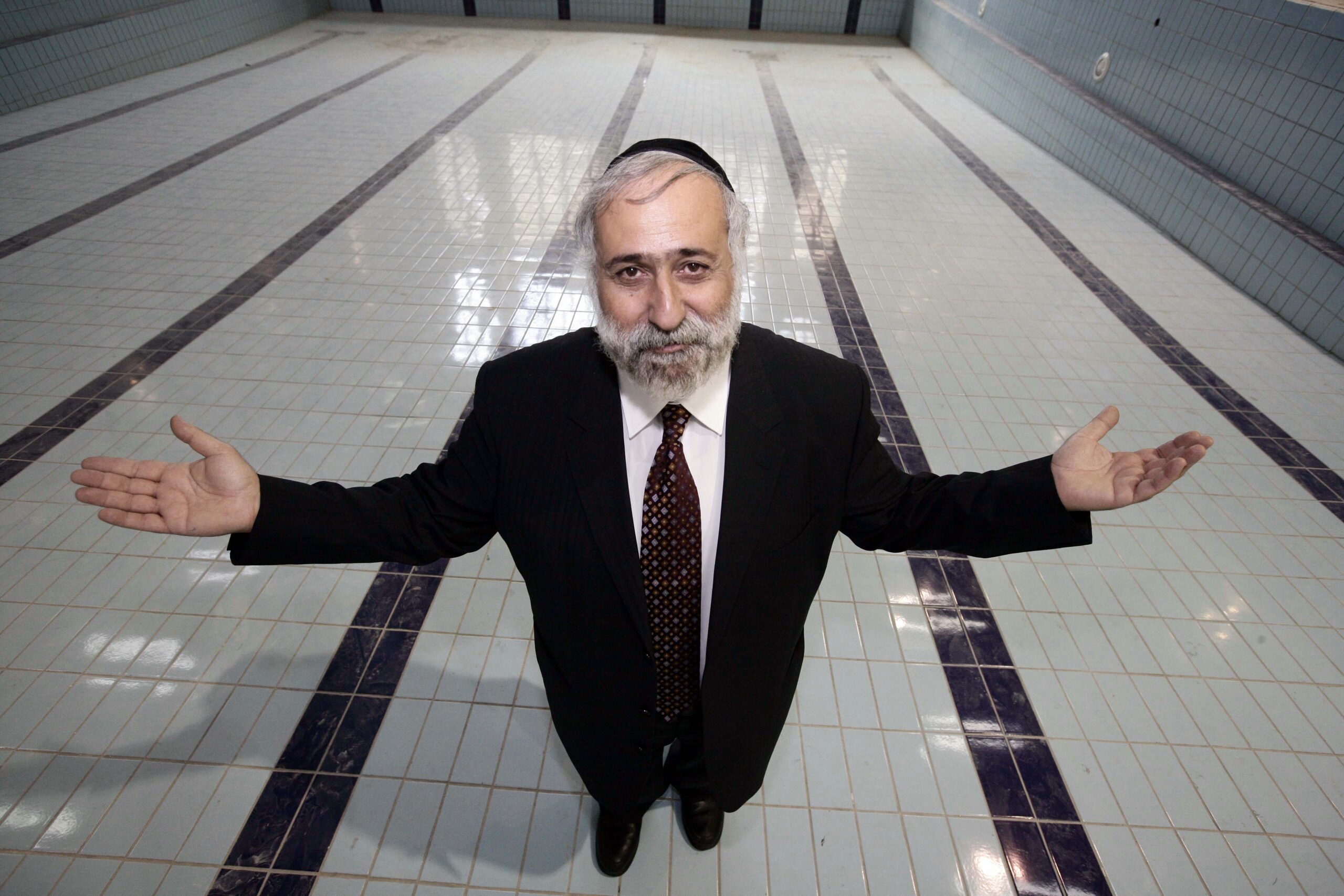
In our time we must always take advantage of the opportunity for a second chance to revive our identity as Jews in Eretz Yisrael, for without the identity of Israel as a Jewish state, we are truly at a spiritual and physical loss.
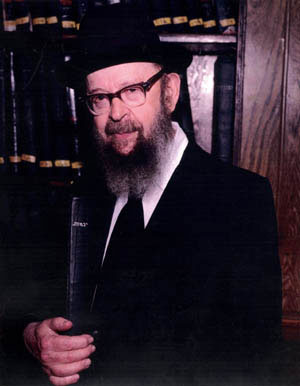
The restrictions Yom Kippur places on each Jew are unique among the Torah’s holidays. Likewise, the intricate and detailed Temple service that was performed on Yom Kippur is unique among the services Israel performed for Hashem. As Rabbi Avigdor Miller, zt”l, teaches, this unique day was in certain ways a microcosm for every Jew’s connection […]

Mr. Gottlieb, though not wealthy, was known for his generosity. He scrupulously gave 10 percent of his earnings to charity, and often much more. Among his regular charities was Yeshivas Ohr Israel. At the recent Dinner, Mr. Gottlieb pledged $10,000 toward the Yeshiva's scholarship fund.
By Rabbi Yaakov Klass and Rabbi Gershon Tannenbaum
Kishka ‘Their Consumers Are Not Human!’ (Me’ilah 20b)
Question: I find it very difficult to understand the punishment of death that was meted out to Rabbi Akiba’s students. If he was so great, we can assume that his students were of a superior caliber as well. If so, why did they deserve such a harsh punishment? Zelig Aronson Queens, NY
By Rabbi Lord Jonathan Sacks z"l
It is simply not the same to put on tefillin or keep kashrut or observe Shabbat in the Diaspora as in Israel. The Torah is the constitution of a holy people in the holy land. Only in Israel is the fulfillment of the commands a society-building exercise, shaping the contours of a culture as a whole. Only in Israel does the calendar track the rhythms of the Jewish year.
According to the Targum, it appears that if Reuven ate a ham sandwich and I didn’t rebuke him, I would be punished for his sin. This seems difficult to understand. Why should I be punished for his sin? At most, you might argue that if I was capable of rebuking him and didn’t, I would be responsible for the sin of not rebuking him. But how do I become responsible for the sin he perpetrated? He transgressed it; I didn’t.
I have had much experience in bikur cholim – visiting the sick. Even at the age of six I would accompany my saintly father on his rounds to slave labor camps where young Jewish men were incarcerated by the Hungarians prior to the Nazi occupation.

The following is one unique halacha that is associated with arayos (forbidden relationships): Concerning most aveiros, if one is put in a predicament where he must choose between saving his life and fulfilling a mitzvah he must choose to live and transgress the mitzvah. The Gemara says that arayos are one of the three mitzvos that are yehareg v’al ya’avor (one must allow himself to be killed so as not to transgress the mitzvah), along with murder and avodah zarah.

My son lost his backpack when traveling back to his base. He had put it in the hold of the bus in which he was traveling. He would need to replace his wallet, tefillin, clothes, books, phone charger and all of his documentation. Of course the tefillin was the most important item of all. It was a bar mitzvah gift from his grandparents and specially written for him, and we all know how expensive tefillin are. But obviously the sentimental value was irreplaceable.

Our Mission: When it comes to Chesed the Jewish people are at the front of the line. We’ve tackled Chesed and everyone is aware of the unbelievable work and generosity that we are involved in. Now it’s time to take on a new, more difficult challenge: Middot (character trait).

Is it really possible for any self-respecting New Yorker to love parking tickets? I have seen those orange rectangular pieces of paper become the nemesis of society. As a result, those trying to earn a meager living giving out these tickets have become Public Enemy Number One. We view them as “out to get us,” deliberately attempting to make our lives miserable.
By Rabbi Yaakov Klass and Rabbi Gershon Tannenbaum
A Transfusion, An Element Of Life ‘Blood From A Sanctified Animal Is Forbidden’ (Me’ilah 12)
At the end of parshas Metzora the Torah discusses the halachos of when a woman becomes a niddah. The Torah says that a woman who becomes a niddah must count seven days from when she stops seeing blood, and then becomes tahor by immersing in a mikveh.
By Rabbi Lord Jonathan Sacks z"l
It was the Septuagint, the early Greek translation of the Hebrew Bible, that translated tzara’at, the condition whose identification and cleansing occupies much of Parshiyot Tazria and Metzora as lepra, giving rise to a long tradition identifying it with leprosy.
Question: I find it very difficult to understand the punishment of death that was meted out to Rabbi Akiba’s students. If he was so great, we can assume that his students were of a superior caliber as well. If so, why did they deserve such a harsh punishment? Zelig Aronson Queens, NY
Yaakov Avinu received word that his brother Eisav was coming to greet him. He understood fully well that this was not to be a warm family reunion. Eisav came accompanied by a band of four hundred armed men, bent on revenge. The Torah says Yaakov was “very frightened,” so he prepared for war.
Question: I have heard that some halachic authorities disapprove of placing a silver atarah on a talit. Is this true?

Although the tzoraas affliction is no more in contemporary times, it teaches lessons that are eternal. Rabbi Avigdor Miller, zt”l, explains that foremost among these lessons is the greatness of Torah leaders and their wisdom. Another lesson: The opportunity the affliction presented to the afflicted for repentance and seld-improvement.
I’m learning to walk again. Every step is painful. I go with a walker. There is a security belt wrapped around my waist which the physical therapist watches carefully so that in case I stumble she will be able to catch me. As I make my way, the nurses and other health care personnel smile and congratulate me: “You’re doing wonderful! You’re doing great!”

By dvora
It was early evening in Jerusalem. I was exhausted, and thankful that the light rail train had arrived. Along with all the other passengers, I jockeyed for a place to stand where I could place some of my bundles on the floor. At the next stop a seat became available, and I was grateful to be able to claim it.
By Yoel Meltzer
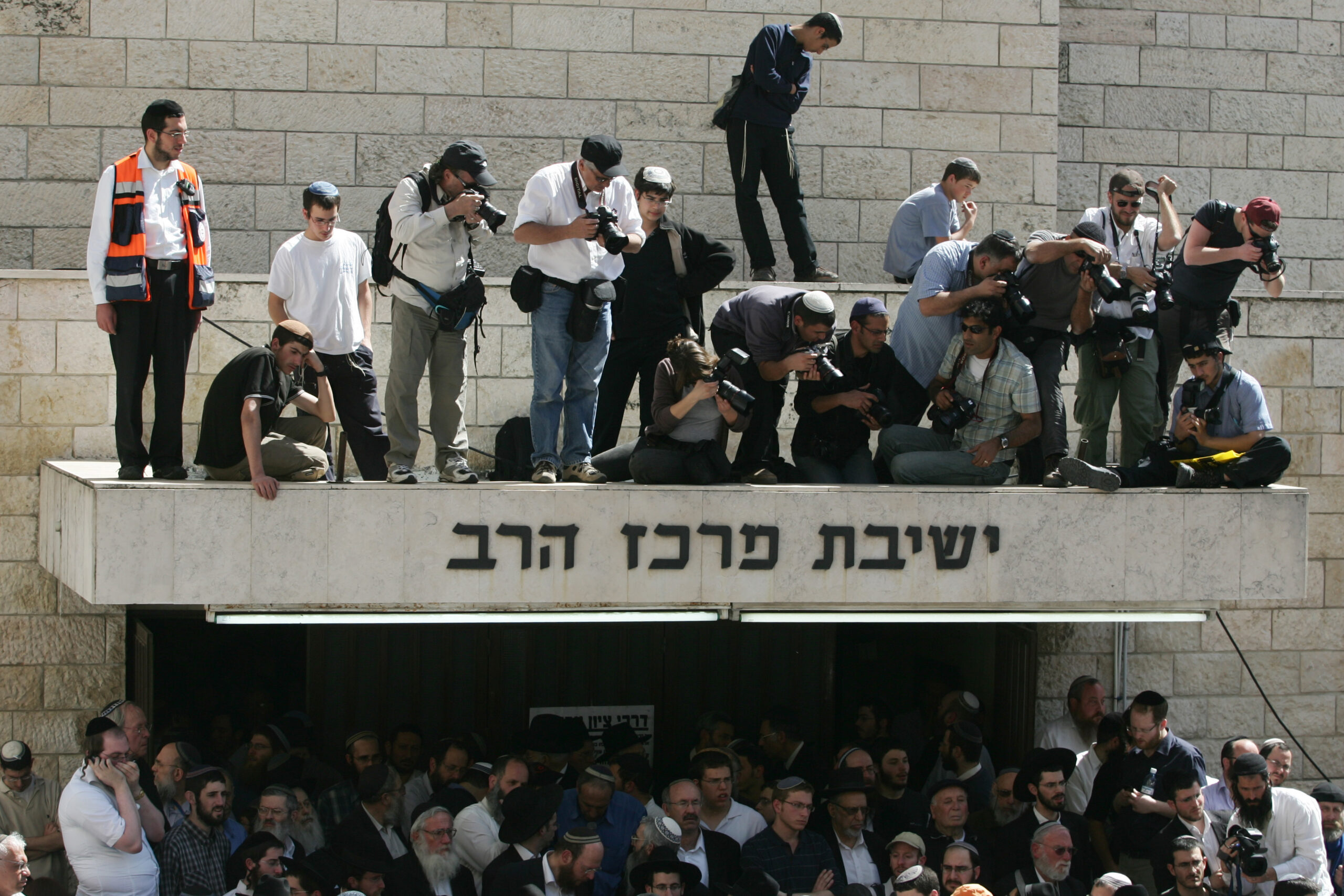
Rabbi Zuriel: "With the ingathering of the exiles, we need a Sanhedrin to implement various changes since Judaism is a developing matter; it's supposed to be dynamic. He showed me in one of his works twenty items that the Tosafot changed. Today however, he added, we're like the Karaites, we don’t want to change.

When Rabbi Berel Wein began working for the O.U. kashrus division, he shared an office with Rabbi Alexander Rosenberg a’h, the founder of the kashrus division and its administrator for thirty years.

More than 1500 people died on the Titanic. As a result of the tragedy, out of date conventions and procedures were changed, navigational mistakes were identified and corrected, and the threat of ice was taken seriously—even in the era of modern ships. Walter Lord, in his seminal book on the disaster, A Night to Remember (1955), wrote: “Never again would men fling a ship into an ice field, heedless of warnings, putting their whole trust in a few thousand tons of steel and rivets. From then on Atlantic liners took ice messages seriously, steered clear, or slowed down. Nobody believed in the ‘unsinkable ship.’
In addition to karet, there is another type of premature death at the hand of God known as “mita bedei shamayim.”
The commentators discuss the meaning and implications of the “strange fire” brought as an offering by Nadav and Avihu. In his discussion of this perplexing passage, Rabbi Avigdor Miller, zt”l, discusses their early demise and observes that their death served a greater purpose (through the sadness that ensued) and that despite receiving a divine death penalty, the Torah regards them as great people.
“Tell Bnei Yisrael, “These are the creatures you should eat.” – Vayikrah 11:2 Chovos Halevovos (Sha’ar Avodas Elokim 3) explains that Hashem created man out of two very distinct parts – a nefesh haschili (intellectual soul) and a nefesh habahami (animal soul). Each has its desires and inclinations, and each is competing with the other, […]
By Rabbi Lord Jonathan Sacks z"l
Why was spontaneity wrong for Nadav and Avihu, yet right for Moshe Rabbeinu? The answer is that Nadav and Avihu were kohanim, priests. Moses was a navi, a prophet. These are two different forms of religious leadership. They involve different tasks and different sensibilities, indeed different approaches to time itself.
Question: During Kriat HaTorah, many congregations recite a general prayer for ill people. What is the source of this custom? Also, in many congregations, instead of the gabbai announcing each name, all of the shul’s members are asked to silently say the name of the ill person to themselves while the gabbai remains quiet for several moments. Is this proper?
In 1648 and 1649 Bogdan Chmelnitzky and his hordes of Cossack warriors perpetrated an annihilation campaign against the Jews of Poland and the Ukraine. Almost 100,000 Jews and 300 communities perished at the hands of these murderous mobs. All of the Jews, including infants, were targeted for murder; the general populaces nearly always joined in the attacks, and the torture and degradation of Jews was an integral aspect of the murderer’s procedures.
By Rabbi Yaakov Klass and Rabbi Gershon Tannenbaum
When The Service Is Done ‘Once Permitted To Kohanim, Me’ilah Does Not Apply’ (Me’ilah 4b)
Question: I find it very difficult to understand the punishment of death that was meted out to Rabbi Akiba’s students. If he was so great, we can assume that his students were of a superior caliber as well. If so, why did they deserve such a harsh punishment? Zelig Aronson Queens, NY Answer: The Aruch […]

A little more than six months ago, my sister-in-law passed away after battling a serious illness. For more than 30 years she had given symposiums on the Holocaust to youngsters in the Philadelphia area, and we talked about her activities many times on our visits to the U.S. After her passing I was determined to do some kind of volunteer work for Yad Vashem in her memory.
By dvora
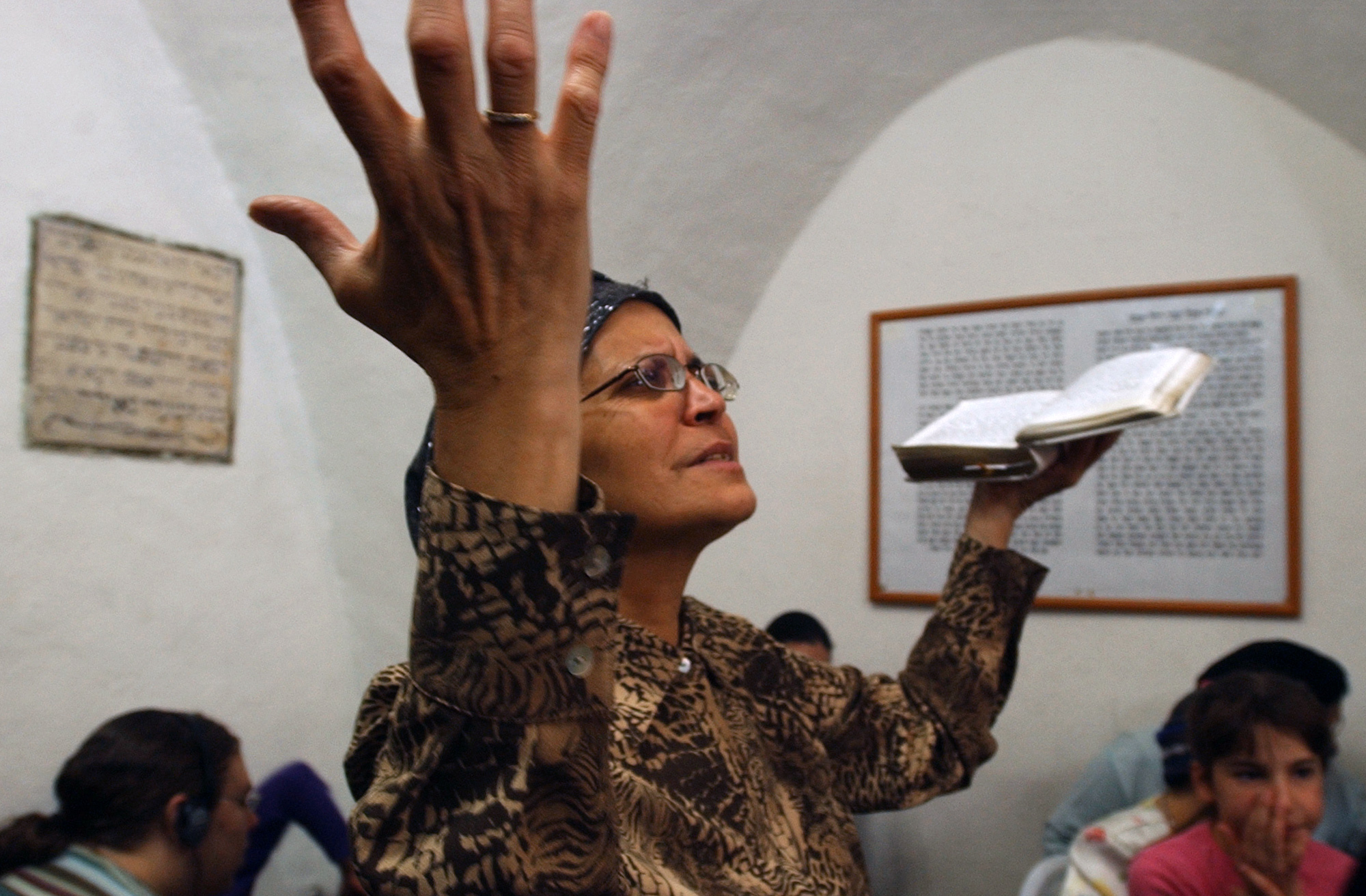
From rallying Rachel's children to reclaim their identity and holy roots, to purchasing and delivering a Sefer Torah to the empty un-walled streets in front of Rachel's Tomb, to petitioning to have regular scheduled trips of Egged buses eight times daily, Rachel's Children Reclamation Foundation now finds itself in a dilemma: whether to be silent like Rachel or cry like Rachel.
 October 9, 2026