יום שישי, ה׳ חשוון תשפ״זFriday, October 16, 2026



Follow Us


By Rabbi Lord Jonathan Sacks z"l
People with the growth mindset react differently. They don't just seek challenge; they thrive on it. The bigger the challenge, the more they stretch.
Being a real hero is not just about what we do, it is also about when we do it.
Even in the depths of our exile, we are never forsaken by Hashem, and the Gemara teaches that even the Shechina, the Divine Presence on earth, goes into exile to suffer with us until our ultimate redemption.
It is specifically when a person is in trouble or faces a serious challenge that he becomes vulnerable to the yetzer hara.
What is so exceptional about the blessing Magein Avraham that the Shulchan Aruch says that we have to say Shemoneh Esrei over again if we didn’t have kavanah? The answer is because the first blessing is the password to get into Hashem’s Palace, to have an audience with HaKadosh Baruch Hu.

As to why the Sages considered sin with the mouth as a precursor to sexual immorality, on a simple level we may say that lack of boundaries and respect will lead to also breaking barriers of dignity and body integrity.
Is it right? In my estimation it can be misconstrued and seen as a sign of arrogance and haughtiness which our Sages certainly look upon as being at best unacceptable behavior for Jewish people.

Prepare based on temperament and personality. Add healthy dose of tefillah. Mix together all ingredients while continually adding tefillos. Allow to rise generously.
The spiritual concept of seeing is the idea of observing something as it is, i.e., in a completely static state, lacking any movement. When you see a picture, you grasp the entire image instantaneously.
But why be taught Torah in the womb to begin with if we are only going to be caused to forget?

My mother insisted that I give this woman a hug. I refused. My mother continued to coax me to hug her and I resisted. Little by little my mother got me to go to her. I don’t exactly know how long it took but I eventually gave her a hug.
No Trespass ‘Two Gardens, One Above The Other…’ (Bava Metzia 118b)
The primary means of hashavas aveidah, returning lost items, is through simanim, identifying features, replied Rabbi Dayan.

The census, the camp, and travel scheme were all set, but then...

The noise was deafening! I had to find my way to the front of the shul to hear the reading of the Torah, and even then, it was still hard to hear every word. The Mussaf service was no better.

Question: Recently we read the haftara of Parashat Naso. I am puzzled by the fact that the wife of Manoach was given to see things her husband did not see, yet only his name is mentioned. What was the name of Manoach’s wife? Yossy Guttman Via Email

As we are approaching vacation time, this is a letter by the Rebbe to the children of the graduating class and their parents. It was sent to various Jewish educational institutions throughout the United States.
By Rabbi Lord Jonathan Sacks z"l
Adaptive leadership is called for when the world is changing, circumstances are no longer what they were, and what once worked works no more.
The Jews assumed that Hashem hated them because they saw themselves as unworthy of His love.

By Rabbi Dr. Mordechai Schiffman
Presumably, even the lowly of spirit according to Maimonides is not purposefully self-denigrating and contains a healthy sense of self-worth (contingent on an awareness of G-d, not one’s own accomplishments).
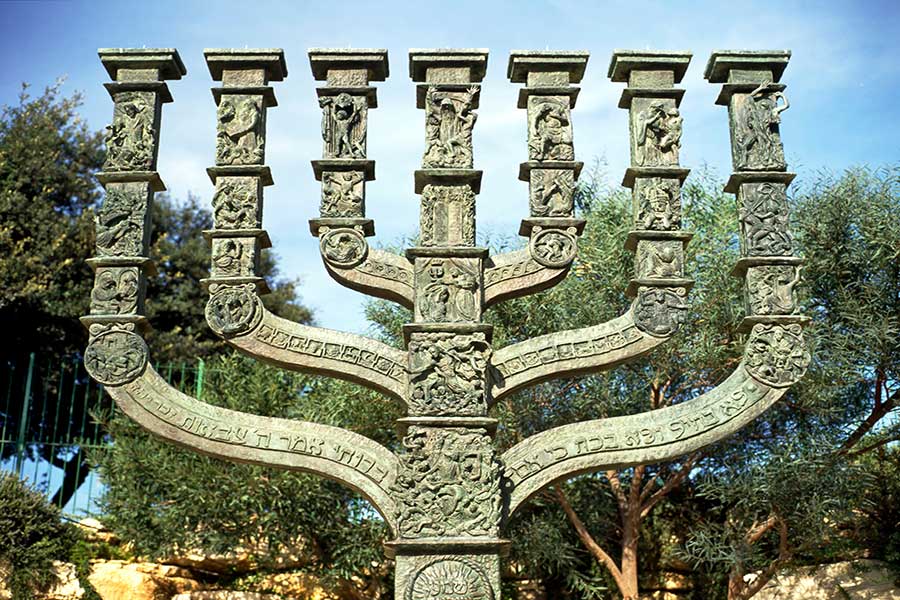
The seven stems of the Menorah symbolize the seven wisdoms of the world. They all emanate from the central wisdom of the divine Torah and they have purpose only when they too contribute to the Torah.

Not eating meat is a decision, eating meat is an instinct. -Denis Leary
These entities differ profoundly from one another, but they join together when they face the Menorah, the single individual divine source of all wisdom.

One may then raise the question of why should Moshe have gotten married to begin with
How could Hashem imply that the essence of every Jew is good (made of pure gold like the menorah) if there were sinners among them?

Swimmers should be cautioned about the absolute need for proper supervision and the great danger of going solo to the pool. Also, remember that long exposures to the sun can be unhealthy. Use a sun blocker!
On practical level, we must ask ourselves: Aren’t there halachot that are more serious than others? No legal or moral system can operate by treating everything with equal priority (see Tosafos Yom Tov on Avos 2:1).
When it comes to parenting/teaching we don’t like to watch children make mistakes. We also don’t like having to take the time and energy to enforce the consequences of those mistakes.
When used properly, clothing mitigates the shame of our physical bodies and helps us express our higher, dignified selves in the world. When misused, clothing can hide our spiritual core, portraying ourselves as completely physical beings.

Let’s just say that I soon began covering the shortfall myself, and my group leader promptly stopped sending me the spreadsheets. And I countered by unearthing them anyway and continuing to fill the quota, most often without signing in.

Even if the property was initially intended for renting out, either partner can demand to dissolve the partnership through gode o agod – i.e., he offers the other partner the option to either buy (gode) or sell (agod) the respective half of the property (C.M. 171:8).

For Lack Of Funds ‘Merchants In Sura Are Not In [Biblical] Violation …’ (Bava Metzia 111a)
Why are the wagons referred to as a Korban?
Some research indicates that heroism during war or, maybe more specifically, the acknowledgement of a soldier’s heroism, might be beneficial to the soldier himself, as it is associated with lower levels of post-traumatic stress symptoms (Stein et al., 2020).
Question: Lately, various missionary groups have been very active in my neighborhood and other Jewish areas, anxious to convert our brethren to their way. Why don’t we, in turn, seek to convert them? This should be correct especially in light of the Yom Tov of Shavuot that we are celebrating when we read of the conversion of Ruth the Moabite, a woman of such exceeding piety that she proved to be the ancestress of King David and his dynasty, from which will sprout the ultimate king and redeemer, Melech HaMashiach. Moshe Jakobovitz Via email
Some demographers, including Pew and other federations, have created a new line of questioning designed to analyze Chabad involvement. Instead of asking them what type of Jew they think they are, the surveys encourage participants to express their Jewish identity in more depth.
By Rabbi Lord Jonathan Sacks z"l
Why does the Torah spend so much time describing an event that could have been stated far more briefly by naming the princes and then simply telling us generically that each brought a silver dish, a silver basin and so on?
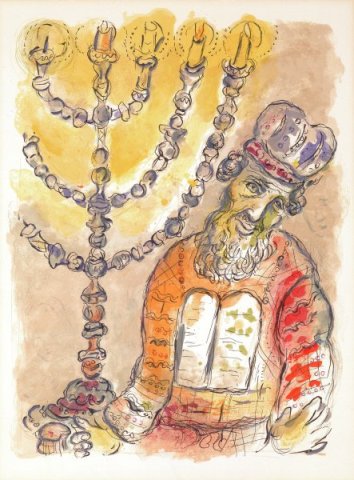
The Kohen is the one who will accompany these three alienated individuals and, by so doing, become their connection to the rest of society.
Love is a portion of the soul itself, and it is of the same nature as the celestial breathing of the atmosphere of paradise. -Victor Hugo
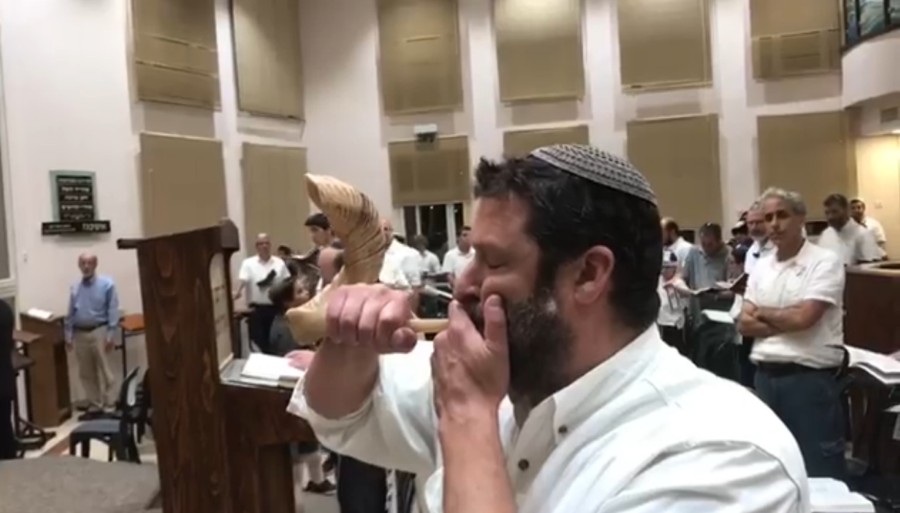
Ari talks about the holidays of Shavuot and Yom Kippur, the Shofar that connects the two holidays, and the indigenous people of the Land of Israel.
The Reading of Megillat "Ruth" on Shavuot has its roots in Masechet Sofrim.

A Jewish student from MIT visiting Israel told me, after describing the hypocritical protests on behalf of Hamas that took place on her campus: What our world needs the most now is faith, vision, and a clear moral compass.
G-d had grand plans for the world. There would be nothing wasted. Even the wood itself would be a part of the fruit. That’s potentially true, but in reality there will be losses. Not every part of the process will yield fruit.
Baruch Hashem, we are witnessing a revolution in this area. Though no soldier can match the Vilna Gaon’s or P’nei Yehoshua’s piety, we have thousands of IDF soldiers who are both deeply committed to halacha and Jewish values and are genuine talmidei chachamim.
If we had our way, we might indeed have the yeshiva students write about how iconic heroes have an immensely deep influence on politics, ethics, outlook, and everything in between. But the names of the heroes would be worlds – nay, universes – apart!
Some may refer to the Torah as a history book; others may think of it as a book of law or a source of Jewish wisdom. While these are all true, they only scratch the surface of the Torah’s true nature.

When we think this Shavuot about the revelation at Sinai, let’s remember that the Torah was given surprisingly in the midst of billowing smoke and blackness.
By Rabbi Dr. Mordechai Schiffman
Even someone who openly performs wicked deeds should not be disparaged in totality.
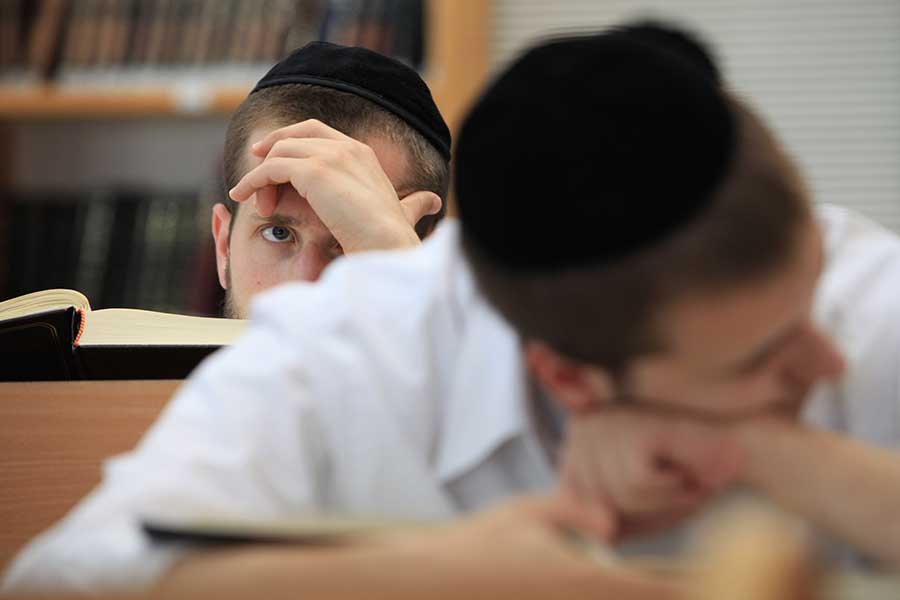
If staying up all night will cause one great discomfort or ruin one's Yom Tov and cause one not to be able to learn properly during Shavuot and its aftermath, then there are halachic grounds to be lenient and to go to sleep Shavous night.
I asked My people to bless Me when they are sated, and they responded by blessing Me even if they only eat a portion the size of an olive (or an egg). They do so because they recognize that everything comes from their Father in Heaven, and they seek to give Me great pleasure in all that they do.
In this day and age, when there is so much intermarriage and assimilation, even in Israel, should we not be thankful that this young man married a Jewish girl. Their children will be Jewish, even if their chuppah wasn’t so much. There’s still hope for their future generations.
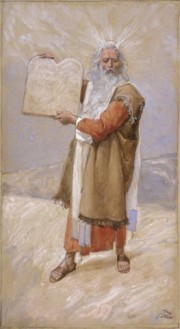
Judging from the sources in the Talmud, there is more than a tinge of ambivalence about the non-Jews being left out of Matan Torah. Though the Talmud was written in the context of a nascent Christianity that preached a gospel to all men, it was likely more than this that prompted the rabbis to justify […]

Usually, a kinyan must be made for a transaction to be binding, whereas retracting from a verbal agreement carries only the stigma of mechusar amana – lacking trustworthiness, replied Rabbi Dayan. Nonetheless, stating ‘mazel u’bracha’ is considered a binding obligation in diamond commerce, according to many poskim.
Must Investments Be Invested? ‘The Parts of The Iska Are Interdependent’ (Bava Metzia 105a)

I felt that this would be a most memorable night that could not easily be duplicated. After all, how often in life do we get to hear the words of a survivor who transformed their life and discovered Hashem in the process of healing?
Question: My friends are getting married on Rosh Chodesh Sivan. I tried to convince them to do otherwise, as many people have a minhag (custom) not to attend weddings until three days before Shavuot. They told me they spoke to rabbis who allowed it. Is this right? May I attend? Name withheld by request

May you and all the wounded have a speedy and complete recovery, Michael. We can only imagine how many wonderful heroic acts like this are taking place each day in rehabilitation clinics throughout Israel.
The question of why there were no questions about Chabad involvement in the UJA-Federation survey is even more perplexing when you consider Chabad’s growth.
The real theme of this book is how to live so that G-d will plant His presence among us, so that G-d will be with us and among us.
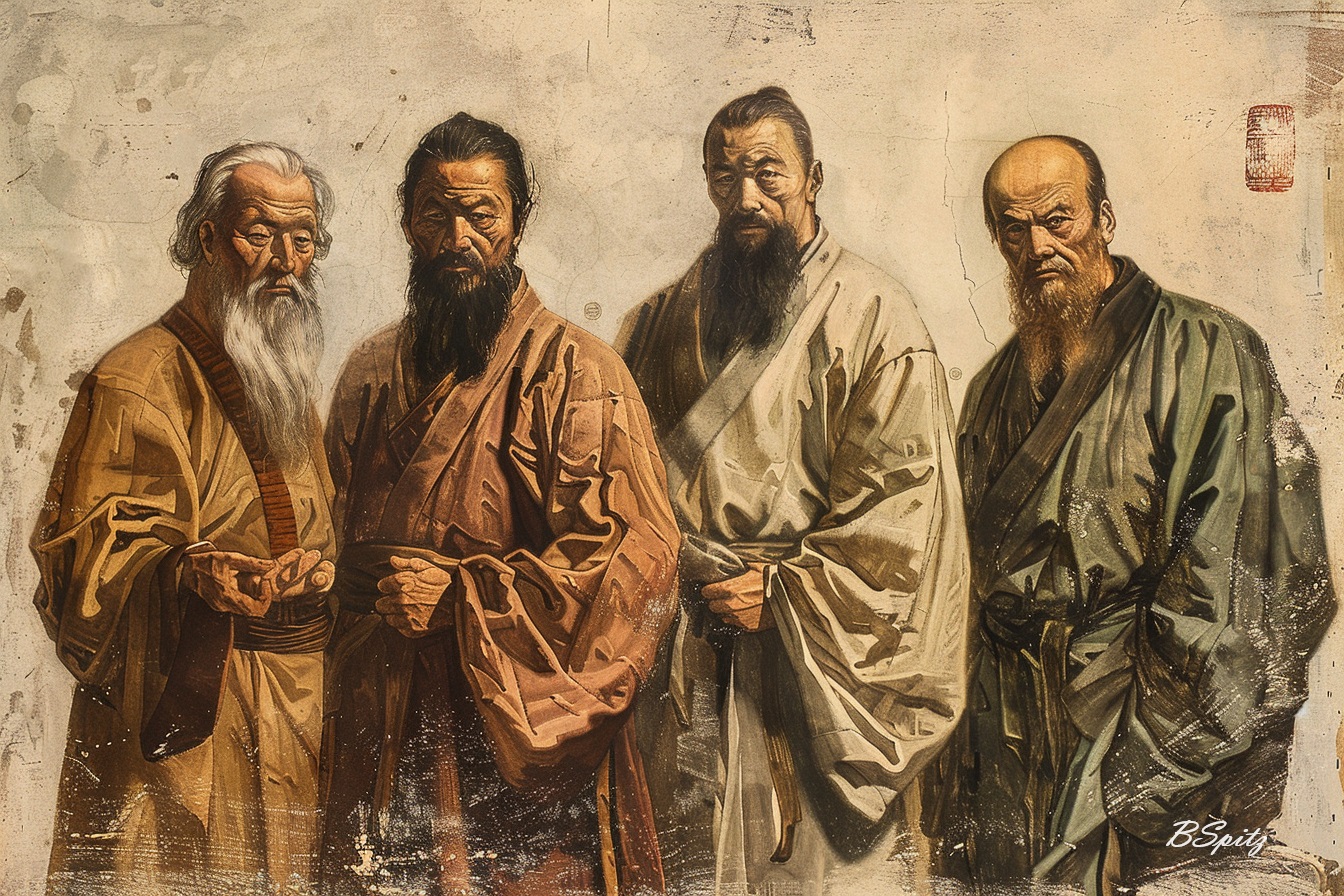
History is not everything, but it is a starting point. History is a clock that people use to tell their political and cultural time of day. It is a compass they use to find themselves on the map of human geography. It tells them where they are but, more importantly, what they must be. -John Henrik Clarke

By Rabbi Lord Jonathan Sacks z"l
The wilderness was not just a place; it was a state of being, a moment of solidarity, midway between enslavement in Egypt and the social inequalities that would later emerge in Israel.
Many associate the freedom Rebbe Yehoshua mentions with the exemption Torah scholars enjoy from taxes and other communal responsibilities (Avot 3:5 and Bava Batra 8a). We exempt scholars from these responsibilities so they can be free to focus on their studies.
The reason a person without Torah can never be truly free is because human beings are slaves to their passions and desires.
It is the supporters of Torah who provide the artillery to those involved in Torah study to win the war of holiness in this world.
This is vital information for parents and educators, to know how to direct their children to the right school and the correct teachers.
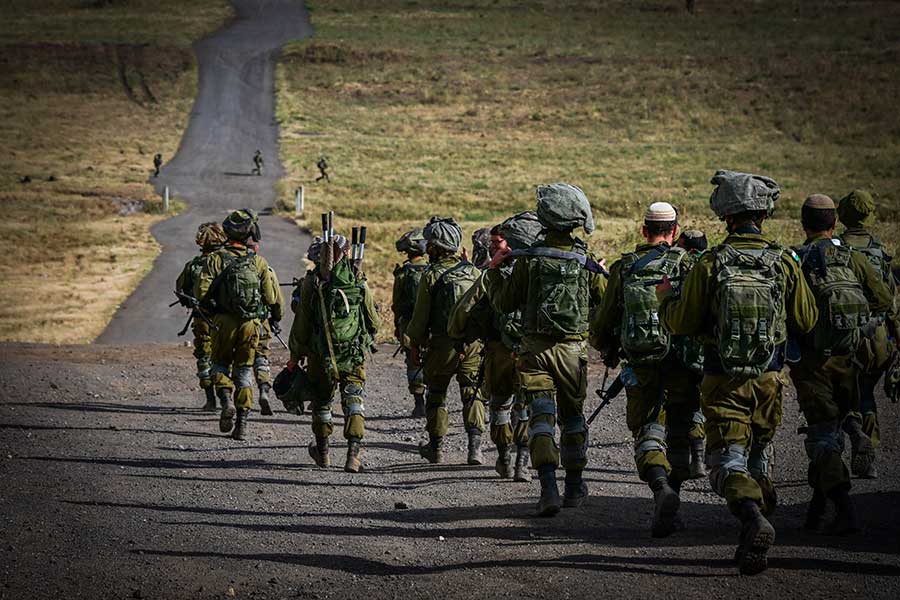
Let us all hope and pray that no more civilian lives will be lost, Israeli or Arab. But query whether it is realistic to expect this to happen if the leadership of the Israelis, the Arabs, and the Americans all have their way.
Living entails aspiration for growth and great effort to get there. But sometimes we strive to accomplish too much in too little time, and thereby set ourselves up for frustration and failure.
We must ask ourselves: Is this the best way to handle an ordeal? When we face challenges, how do we act during these moments of pain and discomfort?
By Rabbi Dr. Mordechai Schiffman
The reverse is true of sin, continues Rabbi Hirsch. It removes you from the pure and loving presence of your Father in heaven. It will awaken within you the torturing pangs of conscience...
It is interesting that the Gemara does not seem to have an issue with the borrower’s somewhat deceitful motives. This would seem to be a violation of geneivas da’as, misleading a person in order to achieve an inappropriate gain.
Shaindy tried to think logically. There must be some way to signal for help. She pulled out her cellphone and dialed her husband. No reception and no service. She tried dialing 911. That should work. No service again. No way to call anyone in this underground station.
There is a mitzvah to pay wages that day, and a prohibition – bal talin – to withhold wages, even if requires effort, replied Mr. Klein. But you offered Mrs. Adler alternate forms of payment. I’m not sure whether that’s sufficient.
A Public Servant ‘You Our Master Are Loaned To Us…’ (Bava Metzia 97a)
The UN security council stood for a moment of silence in his memory. What exactly were they thinking about during that moment of silence, which was also observed by the U.S. Deputy Ambassador to the UN?

Question: My friends are getting married on Rosh Chodesh Sivan. I tried to convince them to do otherwise, as many people have a minhag (custom) not to attend weddings until three days before Shavuot. They told me they spoke to rabbis who allowed it. Is this right? May I attend? Name withheld by request
The Three Days of Preparation and the Festival of the Giving of our Torah indeed come once a year, but there is a small-scale version of this preparation and of Matan Torah every day.
By Rabbi Shimshon HaKohen Nadel
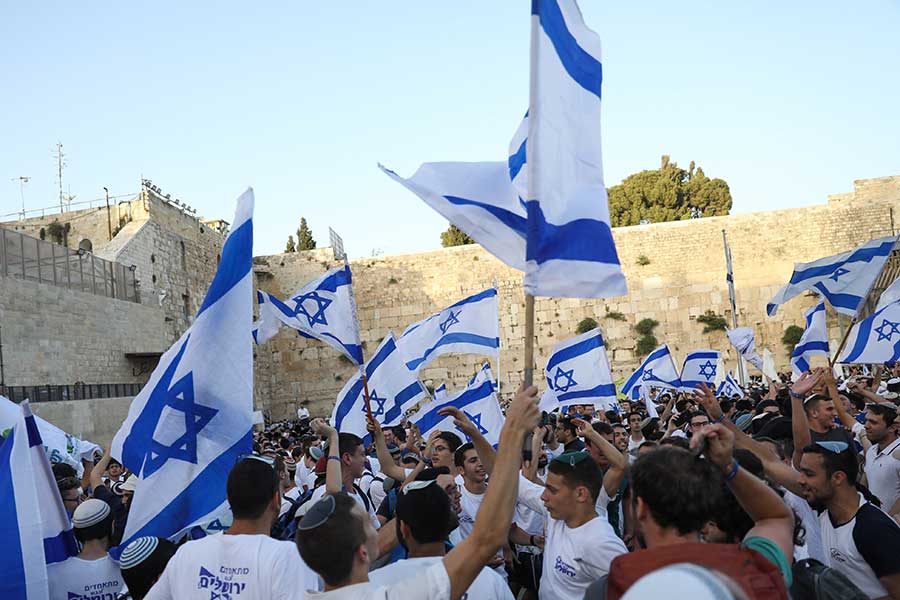
The indelible images of those six dramatic days in June 1967, along with the echo of Motta Gur's battle cry, Har HaBayit b’yadeinu – the Temple Mount is in our hands, are forever seared into our collective consciousness.

Whatever we expect with confidence becomes our own self-fulfilling prophecy. -Brian Tracy

Avraham was a righteous individual in a mass of wicked depraved individuals and civilizations, and he was one single light in the face of a growing darkness.
By Rabbi Lord Jonathan Sacks z"l
The people may be faithless to G-d but G-d will never be faithless to the people.
Many interpret the word tza’ar in the literal sense – pain or suffering. Our reward is proportional to the pain we endure.
Hashem gives us opportunities to do teshuva. He delivers minor punishments to put us on notice. However, if these signals are ignored, then the suffering becomes more and more difficult.
Please, return us the real thing which is bringing our sacrifices in the Beis HaMikdash.
As we only have a limited amount of space, we must decide what we want to fill our space with. This is not only true about data and stuff, but also about our relationships as well. It’s up to us to show those we care about that they have space in our lives.
I lived (as a stranger) with Lavan…and I acquired oxen and donkeys. Rashi there elaborates that Yaakov was trying to placate Esav by telling him that the blessings of the first born were not fulfilled, so he need not be angry with him for having stolen them.
On the one hand, there is the mitzvah to celebrate with the chasan and kallah or the bar mitzvah, but there is also the mitzvah (Devarim 4:15) V’nishmartem me’od l'nafshoseichem - Take heed of yourself [guard your health].
By Rabbi Dr. Mordechai Schiffman
We tend to define our own levels of wisdom, power, wealth, and honor by likening how much of these commodities we have in relation to others. According to psychologist Leon Festinger, when we make downward social comparisons, we tend to inflate our sense of self by reflecting on how much more we have than others.
While the Ramban suggests that a test is within one’s capacity, the very Hebrew word for a test suggests otherwise. The root of the word nisayon is neis, the Hebrew word for miracle.
This is a true story that happened to me several years ago, but it is a story that I will never forget. Because of it, I now have a “thing” about locking front doors, though, truth to tell, I was always careful about making sure that they were locked before leaving my house.
Although the renter is not liable for oness, such as natural death, whereas the borrower is, Rabi Yosei rules that the borrower pays the value of cow to the owner, not to the renter/lender, since he should not profit from the other person’s cow (C.M. 307:5).
His Father Gave The Ring ‘What About A Worker Toasting The Produce And Eating?’ (Bava Metzia 89a)

Like all of the holidays since Simchas Torah, each community and individual needs to navigate how to observe and experience Lag B’Omer while a war rages in our homeland.
 October 16, 2026