יום שישי, ה׳ חשוון תשפ״זFriday, October 16, 2026



Follow Us


What is the significance of the counterintuitive approach advanced by the Raavya? What is gained by making bedikas and biur chametz intrinsically important within thirty days of Pesach, rather than simply ways to avoid problems once Pesach begins?
A person who tells disparaging stories of others that are untrue in order to find favor by others is punished from Heaven. He is afflicted with leprosy, he becomes impure, he has to be isolated and distanced from the rest of the Jewish people. In this way the person learns not to speak lashon hara anymore.
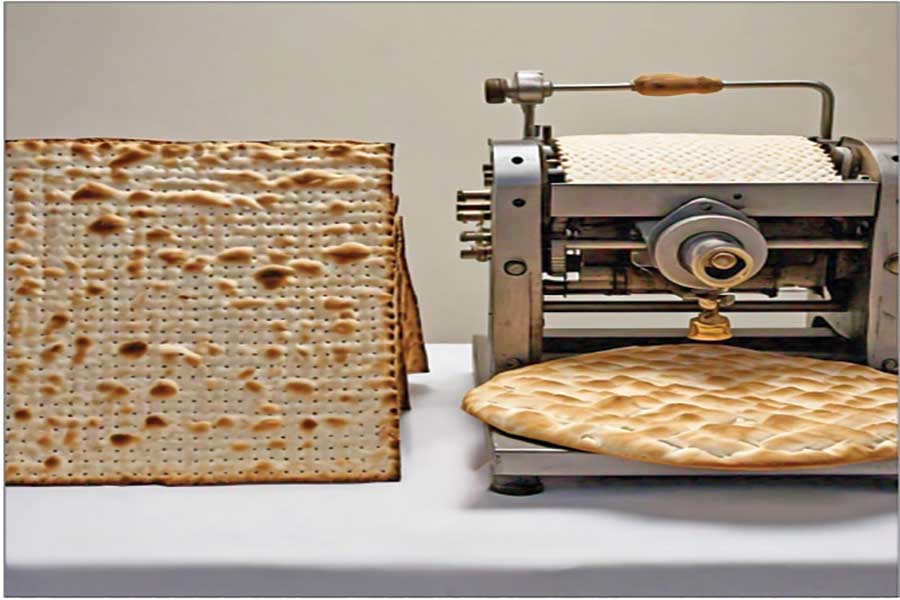
The Ksav Sofer also dismissed the square matzah concern by stating, In the merit of the four-cornered matzos, may Hashem redeem us from the four corners of the earth.

Just like when we head out on a trip, we have our Waze programmed so that we know each step of the way, or we get our AAA Tripkits, so too, when we navigate the Seas of Life, we should crystallize in our minds what steps we want to take and which vital pursuits we want to achieve in the mission of life.
The Seder night serves as an opportunity to pass over our mesorah, our tradition and legacy, to the next generation. It's a night when we speak about emunah, the meaning of being a Jew, and our purpose in this world. In order to teach these lessons to our children and ourselves in a deep and lasting way, we must encourage the Seder participants to ask questions, no matter the age or knowledge-level.
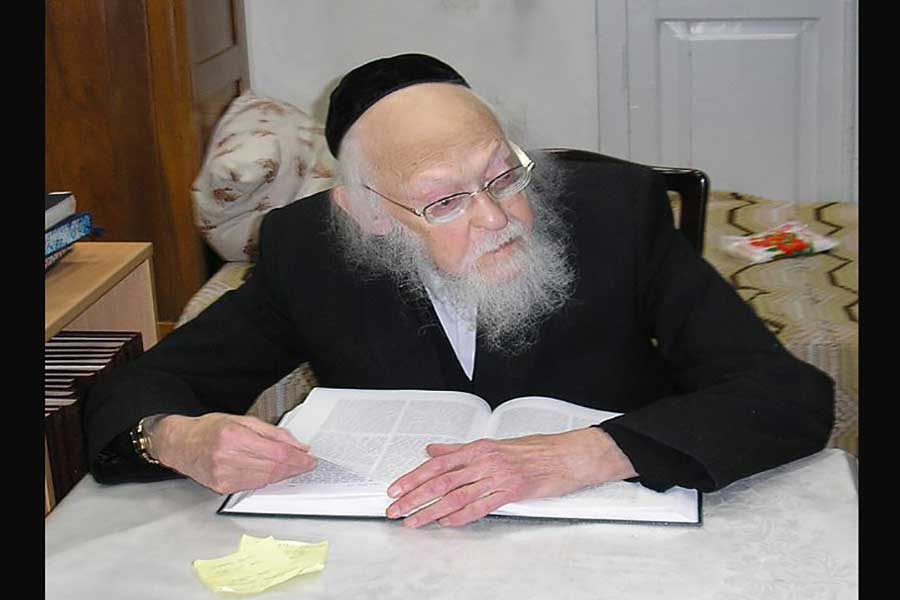
I didn’t let go of what I correctly perceived was a once-in-a-lifetime opportunity, and accompanied Rav Elyashiv all the way home – again just the two of us.
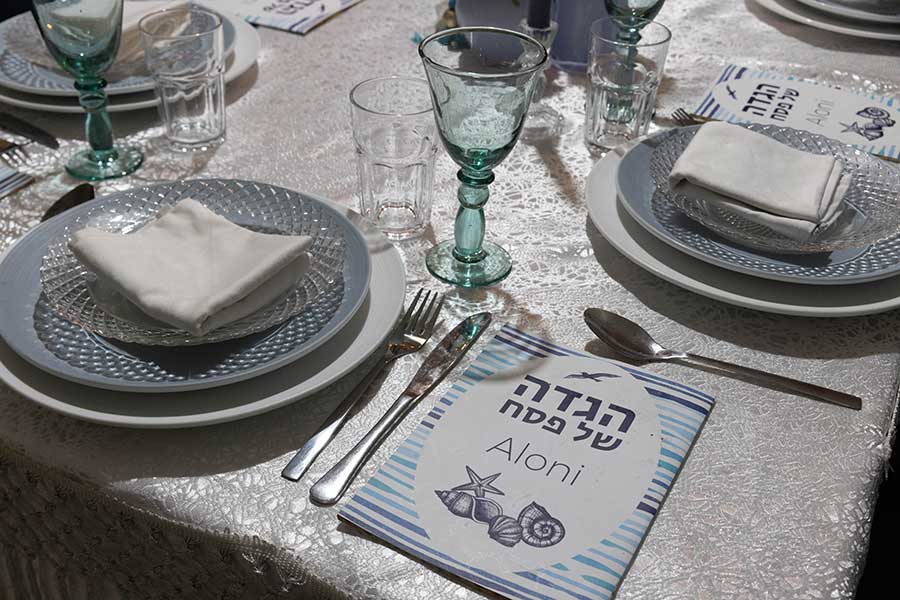
Most people will be surprised to learn that at one time a blessing was indeed recited before beginning the Haggadah. For some reason, however, the practice was discontinued.
Stevens reminds us that our children benefit from process-oriented praise, rather than outcome-oriented praise; in other words, to highlight the effort, rather than the results.
When Moshe saw two Jews (Datan and Aviram) fighting and tried to stop them, they went and informed to Pharaoh that he had killed an Egyptian guard. Moshe then said, Now I realize why Am Yisrael are in exile in Egypt – it is because they speak lashon hara.
By Rabbi Shimshon HaKohen Nadel
According to Chazal, the Seder night is a night on which Hashem provides the Jewish people with additional spiritual protection. A night when we are unconcerned with harm. A night when we feel safe. This sense of safety and security finds expression in Jewish law and custom.
Pesach is not only the time to remember our initial redemption from Egypt, but it is also the time of redemption that will pave the way for our future redemption, which is the culmination of that initial redemption.
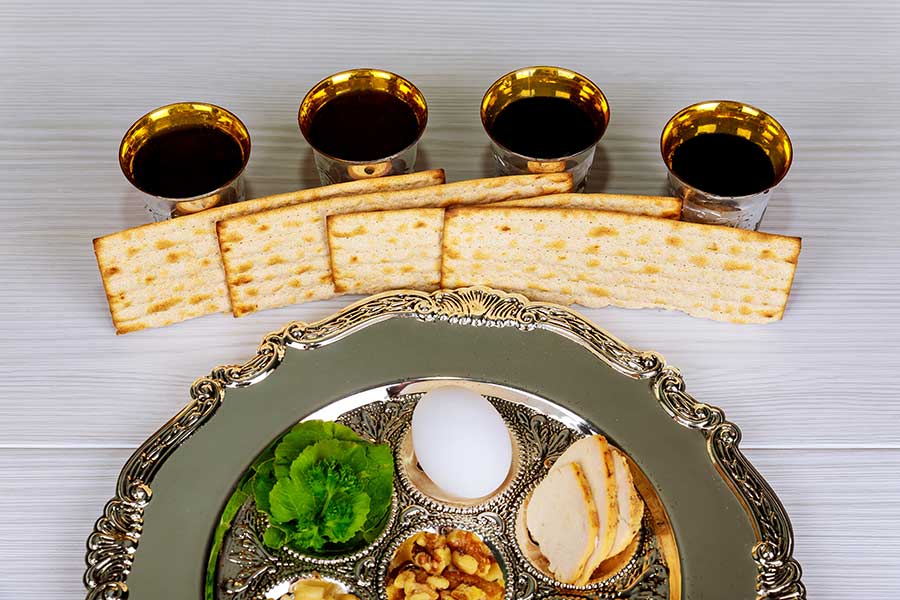
By Dr. Simcha Chesner and Dr. Sara Markowitz
Recognizing the need for targeted support during the holidays, Kosher ADHD offers pre-chag events to go over the aspects of the holiday that are most challenging for individuals with ADHD and their caregivers.

His reply was quick in coming. I’ve heard of a segula if the Pesach wine used for the makkos is poured on the doorstep of irritating neighbors they might move out, he informed him. Of course, Asher and Malkie were very excited to hear about this unusual segula and couldn’t wait for the seder to end so they could implement it.
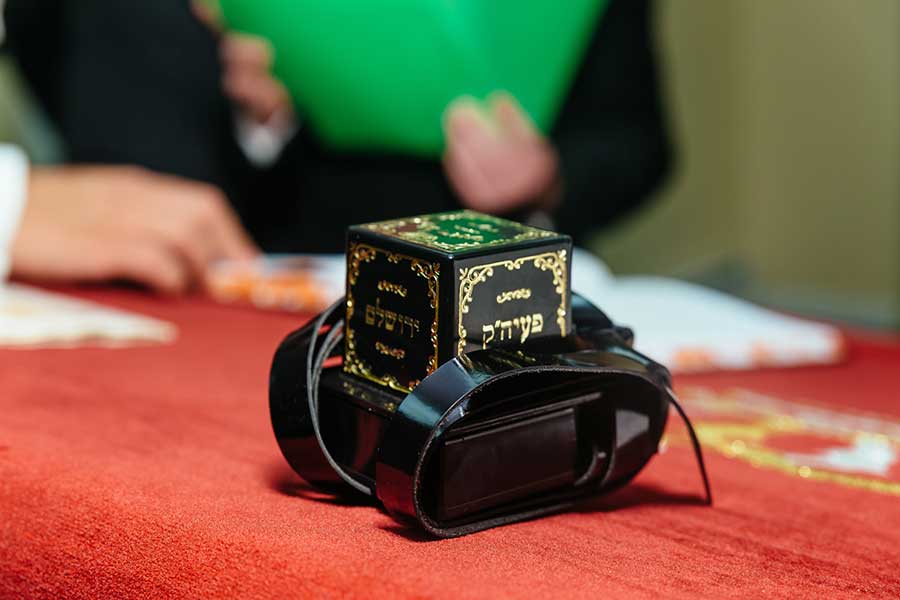
The Gemara (Gittin 29a; B.M. 29b) teaches that a person who borrows something may not lend it to others without the owner's permission, replied Rabbi Dayan. This applies even to a sefer Torah, despite the mitzvah involved (C.M. 342:1).
The Case Of The Conflicting Commitments ‘A Breach of Faith (Bava Metzia 49a)

This is the skyline of Sderot today. We are building and winning and being renewed.
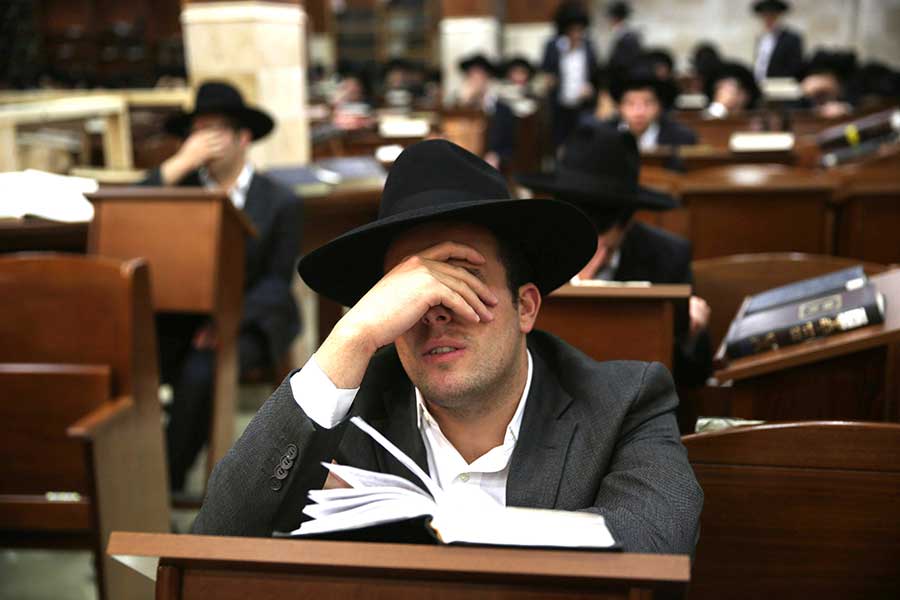
Question: On most mornings, after the Amidah we recite Tachanun. It seems that there are many days, including the entire month of Nissan, when such is not the case. My question is, what are those days and why don't we recite on those days? M. Solow Via email
Every participant will receive this matbei’a shel eish, a coin of fire, representing the fire of the Rambam and the fire of the Rebbe. Ure’isem oso uz’chartem – whenever one sees the coin, he or she will remember what the coin stands for; the daily learning of Rambam.

The Christian thinker Blaise Pascal was awed by the eternity of our people: “These people are not eminent solely by their antiquity, but are also singular by their duration, which has continued from their origin till now.

Even when we have no merit of our own, as the winter passes and the first shoots of spring emerge, the sanctity of our patriarchs works to our benefit to bring about the end of the exile.
By Rabbi Lord Jonathan Sacks z"l
The most compelling illustration of what the tradition is speaking about when it talks of the gravity of motsi shem ra, slander, and lashon hara, evil speech, is Shakespeare’s tragedy Othello.

I have recently suggested that this segulah should be implemented to help bring the hostages home by reciting a short tefillah followed by the words, Eloka D’Meir aneini, three times.
I believe the reason why we zoom in on the transgressions of the tongue is because it is the most ruinous of sins.
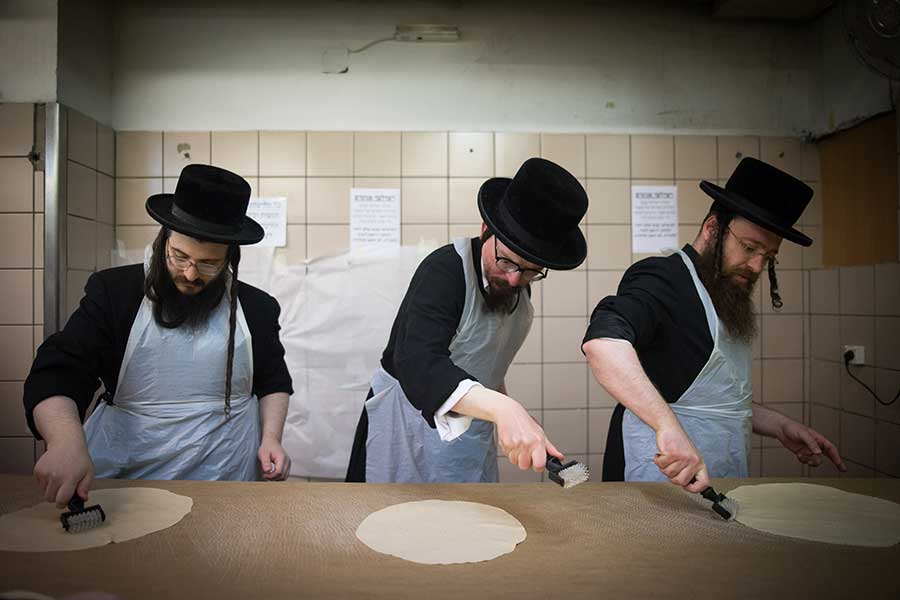
Although today our matzot are thin and hard, they used to be made thick and soft, and this remains the custom of some Sephardim today.
There is a fundamentally deeper understanding of a challenge – one that reveals the very core spiritual purpose and effect of a test.
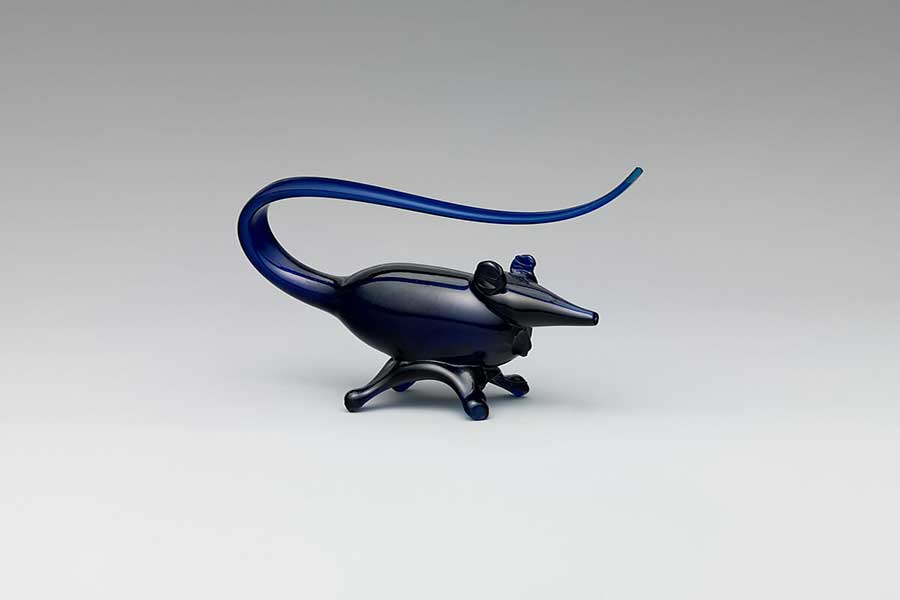
Presumably, the Yerushalmi calls the mice wicked because instead of merely eating what they need to survive, they also invite their friends over to party.
Although the redemption happened over three thousand years ago, it has different meaning in every generation.
Since the beginning of the year we have been going thought so much pain and devastation. So much grief and lamentation. We have troubles from outside and troubles from within. G-d in heaven hear our cry. Master of the world, see our pain. Hashem, our Father save us.

One can say that eclipses could be different from all other created natural anomalies as a matter of Jewish law and are not covered by the general idea of a wonder such that a blessing should be made.
They tried to explain he had Alzheimer’s and they implored upon them to try one more time to check that David was safe. Reluctantly they finally agreed and told them to return in two days.

If a shadchan from one place went and made a shidduch elsewhere, his default fee is according to the place where he made the shidduch.
Ensnarement and Atonement: ‘The Only Proper Guarding of Coins Is in the Ground’ (Bava Metzia 42a)

It is the notion that the Arabs, and in turn Hamas, cannot understand or accept that He hit me back. They cannot acknowledge the fact that the Israeli army is so powerful and is not subservient to them and that now they must recognize its superiority.
Question: I would like to know why there are four special readings of the Torah during the period between Purim and Pesach. Also, why do we call each of those four Shabbatot by a special name, such as Shabbat Shekalim, Shabbat Zachor, etc., which we don't do otherwise? Celia Gluck Via Email

I listen as one woman, Chaya, as she is being interviewed about her twin brother, Arnon. She describes how on October 7, her brother was not called up. He simply went to the Gaza border when he heard what had happened. ‘But you have no ammunition! You were not yet called!’ he was told.
Avi took one line from Ka Echsof (a song that many sing during the Shabbat dinner) and sang it slowly, over and over again: May your mercies spread over your holy people.
This presents a grave challenge, which should command our attention long before Passover and the Seder night. For no Jewish child should be forgotten and given up.
Before he could serve as the people’s agent for atonement, Aharon had to bring an ayil, a ram as an Olah offering. The ayil represents Yitzchak, who was prepared to bring the ultimate korban – himself.
Halacha is not “fact.” It is not one decision, but is determined by the Rabbi or Sanhedrin with human intellect to understand how to apply the will of G-d, as expressed by that mitzvah or halacha in a particular circumstance and time.
Sometimes, suffering is decreed from above – often as a punishment for sin. Hashem punished the first man and woman for their sins on their first day of existence and has continued to do so ever since.
By Rabbi Lord Jonathan Sacks z"l
Why then was spontaneity wrong for Nadav and Avihu yet right for Moshe Rabbeinu? The answer is that Nadav and Avihu were Kohanim, Priests. Moses was a Navi, a Prophet.
We are not simply natural constructs, inhabitants of the planet Earth, but we are spiritual beings in service of our Creator. When we perform the mitzvot of blessing the new moon and of defining the calendar, we are accentuating this aspect of our identity.
it seems hard to understand how the rabbis could come right back with the conclusion that Nadav and Avihu were greater than Moshe and Aharon
Giving charity is one of the greatest single merits that one can accrue. We also learn that charity has the power to atone for one’s sins. It even has the power to bring the redemption closer (Bava Basra 10a).
The fact that the pasuk is 42 letters alludes to one of the Ineffable Name of Hashem which has 42 letters.
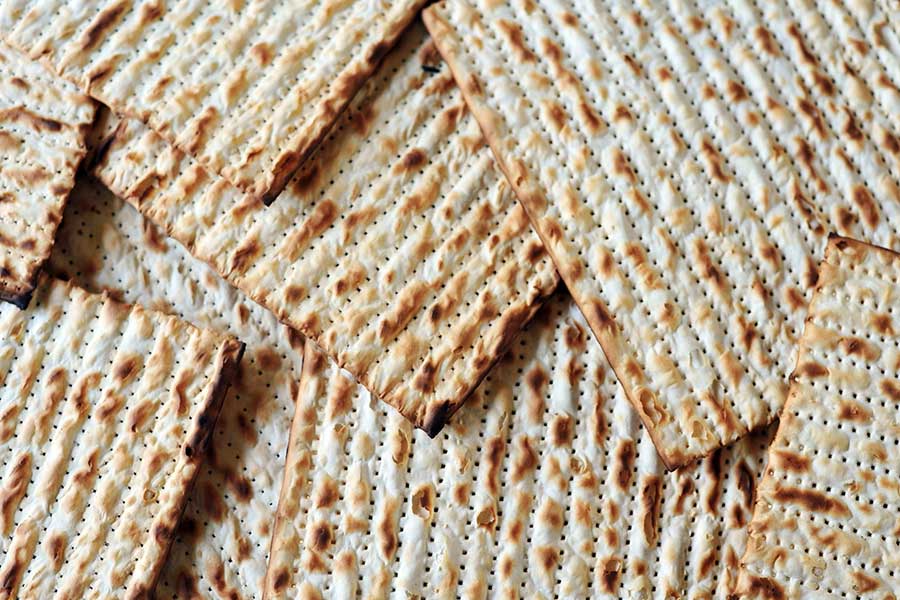
There are several reasons for the requirement to use mayim shelanu. According to some, the reason is that the wells and springs are warm in the springtime, and cold water must be used for baking the matzot.
Most spiritual schools of thought are focused wholly on the spiritual; they view the physical world as lowly and dangerous. They therefore claim that the physical should be avoided to the greatest extent possible.
When I asked my class why we give shalach manos on Purim, one of my students replied, So that our friend gives us back!
Am Yisrael were desperately waiting for the Shechina to return after the sin of the Golden Calf. At the conclusion of the eight days of inauguration of the Mishkan, it finally happened. Moshe and Aharon entered and exited the Ohel Moed and blessed the people, and the Glory of G-d was visible to the entire […]
Those who are cleaning for Pesach must remember that preparation for Pesach is a mitzvah and that theme should always be portrayed so that their children will learn from their actions.
Today, in our generation there is so much confusion and promiscuity. So what do we think about when we want to prepare for such a holy holiday with so much meaning?

The fallen tree damaged the car’s roof and broke a window. My husband covered the window with plastic in the meantime. Accompanied by a car-knowledgeable friend, Menachem went to file his claim against the city a short time later.

The book is worth more with M.F.'s autograph, insisted David. I got it autographed, so I should be able to keep the autographed copy! If you insist on getting your book back, at least pay me the added value of the book!
The Difficult Choice ‘His Father’s Lost Object and his Rebbi’s Lost Object…’ (Bava Metzia 33a)
There is some discussion as to whether the Ba'alei Tosfot bring down an opinion that Parshat Para is Torah mandated (עי' מג"א תרפ"ה), and theories have been offered as to what the source may be.
Esther wore royalty. When she acted with self-confidence, with true conviction and devotion to her people and to G-d – everything began to fall into place and to turn around for the good.
By Rabbi Lord Jonathan Sacks z"l
Jews did not abandon the past. We still refer constantly to the sacrifices in our prayers. But they did not cling to the past. Nor did they take refuge in irrationality.
Question I would like to know why there are four special readings of the Torah during the period between Purim and Pesach. Also, why do we call each of those four Shabbatot by a special name, such as Shabbat Shekalim, Shabbat Zachor, etc., which we don't do otherwise? Celia Gluck Via E-mail

Discretion is the better part of valor
A policeman noticed the crowd gathered around the Rebbe and listening to him, so he came over and asked the Rebbe, Haben Sie eine erlobinish? (Do you have a permit?) When the Rebbe did not produce a permit, the officer arrested him.
By Rabbi Dr. Nathan Lopes Cardozo
The repeated commandment for the Cohanim to keep the fire burning seems to undermine the purpose of the Heavenly fire: the open manifestation of God’s miraculous providence.

In this column, I focus on one aspect of the war most commonly experienced by soldiers and other military service members, namely the perpetration of an act that, in the soldier’s perception, violates his moral code and inappropriately caused or contributed to the harm or death of an undeserving victim.
When man ate from the tree of knowledge of good and bad, he realized his full potential to pursue sin. This choice damaged both him and the world.
The Aish Kodesh says we read this parsha every year before the giving of the first mitzvah on Parshat HaChodesh because first we must give ourselves over entirely to obedience to Hashem.
Miracles that are revealed are intended to inspire a person to change his life for the better. However, when a person becomes accustomed to miracles as such they no longer affect him. A miracle that happens often and becomes nature may cause him to err in his thinking and stray.

The Gemara in Pesachim teaches us that leaven is a symbol for the evil inclination: Just as yeast agitates the dough, so too the yeitzer hara agitates the soul of man trying to get him to sin.

In her mind, all of her ancestors are swaying with her and she hears Baruch Levine singing harmony as she recites the timeless prayer for her children to be scholars and illuminators of the world. And in the middle of the spiritual euphoria (if she is lucky enough to get so far) she feels a tug on her leg. Mommy, can I have apple juice? Mommy, it’s not fair…
The carpenter was shocked! If only he had known he was building his own house, he would have invested so much more effort.
There is some fascinating research that seems to show that there is a social function for sarcasm, which actually can aid learning and creativity, notwithstanding the more frequent toxic effects of hostility and passive aggressiveness.

Why the different types of matzah and their symbolism? Each had to be offered for a different reason.
By Risa Rotman
My good friend knew all the above already, as a good friend does, but she listened anyway.
The Majority Rule “If The Majority Are Israelites…” (Bava Metzia 24a-b)
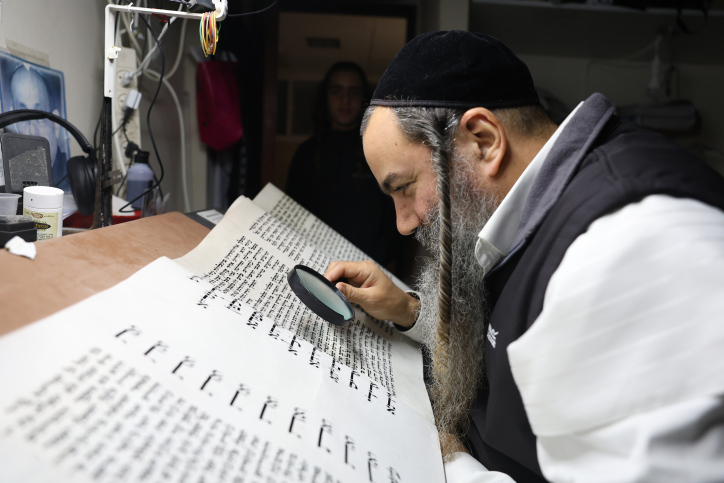
Why does the Jewish leap year always consist of two Adars? Why specifically Adar? Menachem via email
I saw in the eyes of the mourners how Jerusalem consoles. One of the grieving fathers left the Kotel tunnels in tears and said: I connected with all of our past and all of our future and to the historic task of our family within all of this.
Even when he was already advanced in years, Reb Zalman himself, with his flowing beard and joyful, shining face, would rush around the fields like a young man, with scythe in hand. His simcha carried him.
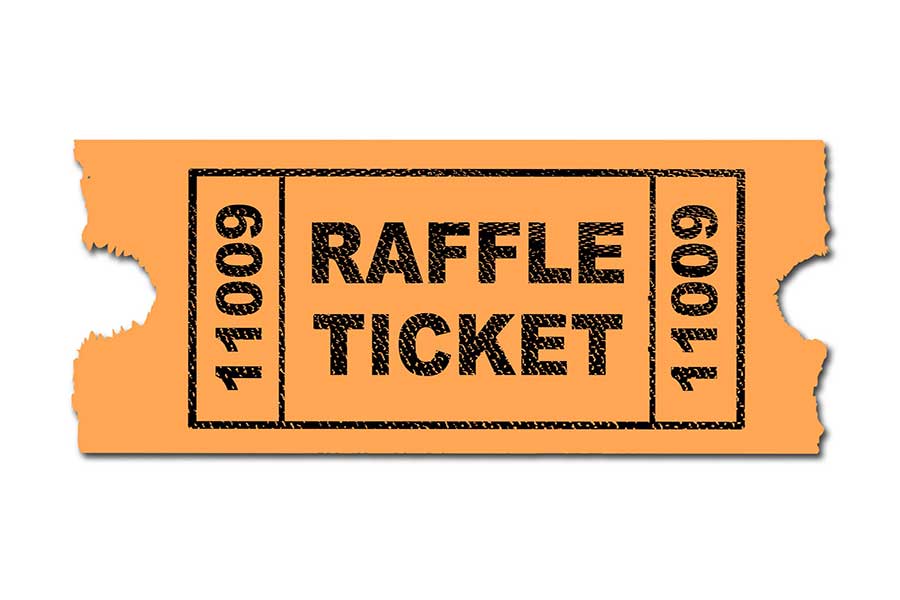
When you buy a raffle for another, even with your own money, you acquire it for him as his agent, replied Rabbi Dayan. All the more so if he asked you to lend him the money (C.M. 183:4; Divrei Chaim C.M. 2:21).

How many times do we stick to our guns because we are too proud to admit we are wrong, doubling down and doubling the damage?
Though there would always be antisemites, we were confident that the educated and tolerant mainstream had learned the lesson of the Holocaust. We assumed we would never again be hypocritically singled out. We were wrong.
The myriad Jews doing so much for Am Yisrael – such as going on missions, attending rallies, donating funds, advocating on social media, picking vegetables, returning to serve in the army, sending gear, making tzitzit, purchasing tefillin, and saying Tehillim – all serve as the glue that is bonding and unifying us in these challenging times.
I have discovered that all human evil comes from this, man's being unable to sit still in a room. -Blaise Pascal
The power of Amalek is not limited to the physical destruction they seek to bring upon Israel. Amalek’s chief ambition is to destroy Israel morally and spiritually.
By Rabbi Lord Jonathan Sacks z"l
Regardless of guilt and responsibility, if we commit a sin we have transgressed a boundary.

We sometimes cry such tears, not realizing that we have the choice to change our situation. Instead of bemoaning our bitter lot, we should get up and try to do something about it.
The great Rav Shamshon Rafael Hirsch, zt”l, zy”a, wrote in his ethical will that the only thing he asks from his righteous children is that if one of them is hurt by another sibling, they should forgive and make up, and that will bring the truest pleasure to their parents in the next world.

Can one simultaneously discharge the mitzvot of mishlo'ach manot and matanot la'evyonim by giving a poor person a generous food package on Purim?
Amalek rejects Hashem’s connection to this world or any connection between the spiritual and the physical. Essentially, Amalek denies Hashem’s control of this world and the ability for man to uplift himself to the level of the spiritual.
Forget about five-year-old kids; most adults are not overly attracted to Sefer Vayikra, with all its gore.
In honor of Purim, we open up the archives and bring to you some of the classic sheilos rabbanim have been asked this year…

As an aside, especially in our day and age, I think some careful thinking about one’s drinking is warranted. We live in a time of such excess and such abundance that unfortunately there are very many situations where people find themselves with serious drinking problems.
We are living in a generation when open miracles are not seen daily or at all. And yet our daily existence in this homeland is a natural miracle.
If you want to learn a mind blowing short & powerful class on Purim before the Holiday, Tehila delivers again!
 October 16, 2026