יום שבת, י״א אב תשפ״וSaturday, July 25, 2026



Follow Us



Someone called my mother, the oak tree. If you needed someone to lean on, my mother was there for you. She knew that people were different, and she accepted them as they were.

The wedding was beautiful, baruch Hashem, and the pictures came out nicely. Still, when the dust settled, the added expense lingered in Mr. Simcha’s mind.

A Sefer Torah That Fell “As Though Bitten by a Snake” (Menachos 32b)
The Jewish people did thank Hashem, but they waited. They waited for the sea to split, for the danger to pass, for the story to reach its resolution. And only then, in a powerful, collective, composed moment, they sang. It was magnificent. It was holy. It was exactly right.

It is an important call for individuals and humanity as a whole to exercise self-control, restrain impulses, and manage a world that has boundaries and red lines.

The Israelites have survived slavery, survived the plagues, survived the waters closing behind them. But survival is not the same as readiness. Freedom does not erase the patterns that oppression carves into the mind and heart. The Torah does not rush past this truth; it lingers in it.

The massive armada of vehicles and people to personally search for the remains of the last Israeli hostage – police officer Ran Gvili – will be forever etched into the minds and hearts not just of Jews but of people of good will throughout the world.
Yisro saw that the Jews were attacked by Amalek from behind, when they were weak and exhausted. The natural course of events should have resulted in their total defeat. But he witnessed G-d’s prescription for salvation.
Question: I am the gabbai in a large synagogue. Many people bring Divrei Torah handouts to distribute. As such, I am faced with disposing of the constantly growing accumulation of sheimot. How do I deal with these papers that include the names of Hashem in many substitute forms, mostly in English? No name please Via e-mail
I would like to explore the character that was R' Eliezer ben Horkenos, also known as R' Eliezer HaGadol, because of the important lessons we learn from him about Matan Torah.

Fathers must consider that beyond their financial inheritance, there is a spiritual yerusha that is their true inheritance. A life occupied with hours spent in the office or making deals but at the cost of family life is not a yerusha after all.

Would it not have been more striking to open the section of Yitro with the thunder and fire of revelation itself? More iconic, more symbolic, to move directly into the moment when Hashem speaks?

Until Israel had accepted our collective purpose and come to embody the Will of the Creator to have a nation among nations to perform His commandments and act on His behalf, there were only tribes and families.

Why do the Ten Commandments not include the most important of all mitzvos, the study of Torah?

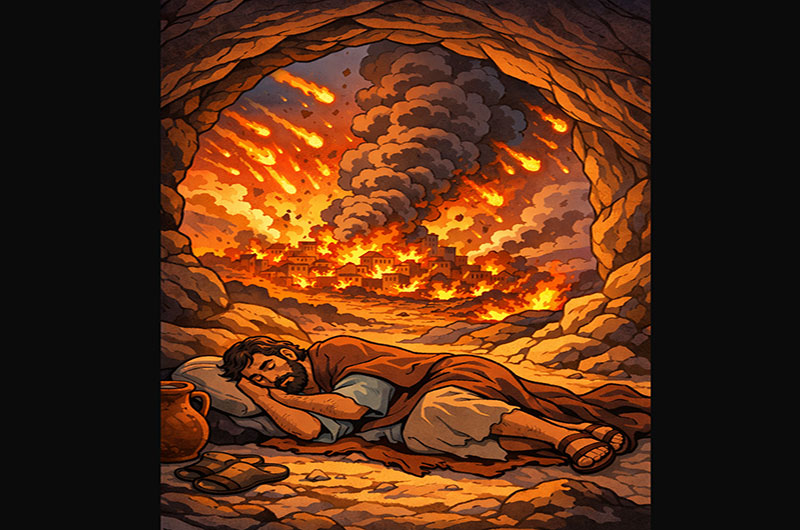
I will add a comparison between the altar and this stone. The altar represented service to G-d. In serving G-d, one goes gradually up and ascends a ramp. There can be no rush-jobs in approaching G-d – at least from our side of the relationship.

Let me break down the sedra into neat sections. We start with Yitro himself, identified as a Midianite priest and father-in-law of Moshe (a very odd combination of titles), coming to join Moshe and Bnei Yisrael. When did he come? What did he hear that motivated him to join our nation?

The feeling of making a great decision leads you to another great decision, and the cycle continues.
I have noted in this column that it’s a beautiful feeling to have nachas from one’s parents. I should add that the same is true about having nachas from one’s siblings.

By Naama Klein
We can generally guesstimate the time for Yizkor with an impressive degree of accuracy, but on Shavuos all bets are definitely off.

If I saw the hat, I could probably identify it, suggested David Baruch. I’m able to recognize it on the coatrack even though there are many similar hats.
Apples and Oranges “Two Menachos Were Mixed but the Handfuls Were Not Taken” (Menachos 23a)
Alexander was a man of integrity and a proud Jew. He loved the Land of Israel and the Jewish people.

There’s a reason the man arrives before the Aseres HaDibros. A people who have only known extraction cannot receive law until they first learn sufficiency.

They needed another forty years during which time G-d would show them more indisputable miracles like splitting the sea, extracting water from a rock and raining manna from heaven.
Question: The Written Law is there plain to see as it’s found in the five Books of Moses. However, from whence does the Oral Law come? I’m not asking as one who doubts its veracity – rather, I would simply like to know and not just follow blindly. Mark Grosz Via E-mail
There are different streams in the Torah world today regarding the Beit HaMikdash. The common denominator between them all is that they all want the third Beit HaMikdash to be rebuilt. The only question is how and when.
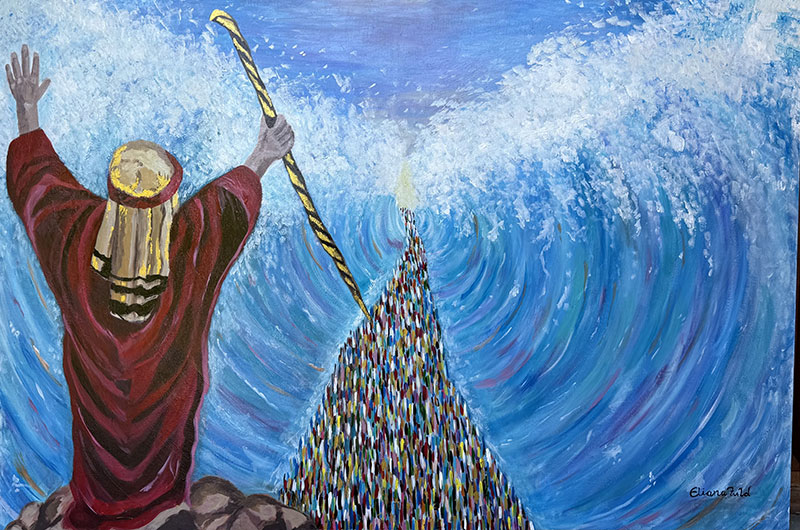
At the splitting of the sea, we learn that Hashem is willing and able to overturn the laws of nature as He sees fit to intervene on behalf of His chosen people.
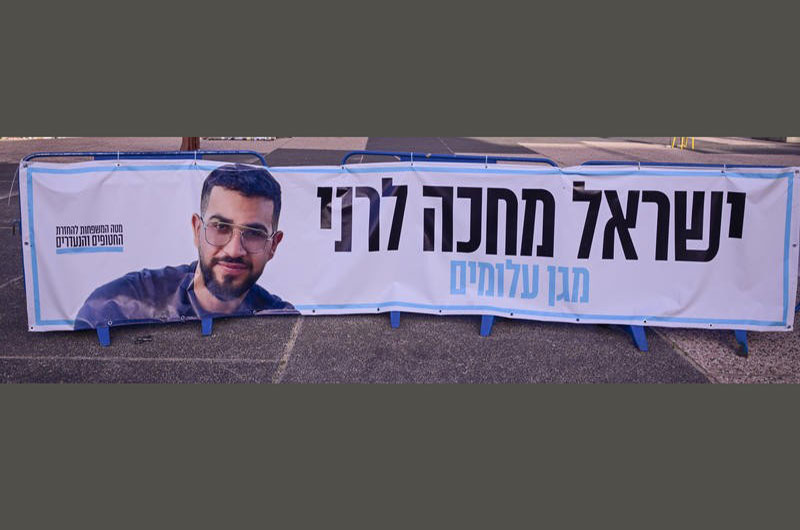
His return was neither simple nor swift. It was not the result of chance, but of determination – quiet, disciplined, and relentless. Israeli Defense Forces soldiers, together with doctors, forensic specialists, and dentists, entered the heart of Gaza on a mission unlike any other.
This was measure for measure for the lachatzeinu, intense pressure, that the Egyptian taskmasters inflicted upon Bnei Yisrael nonstop.
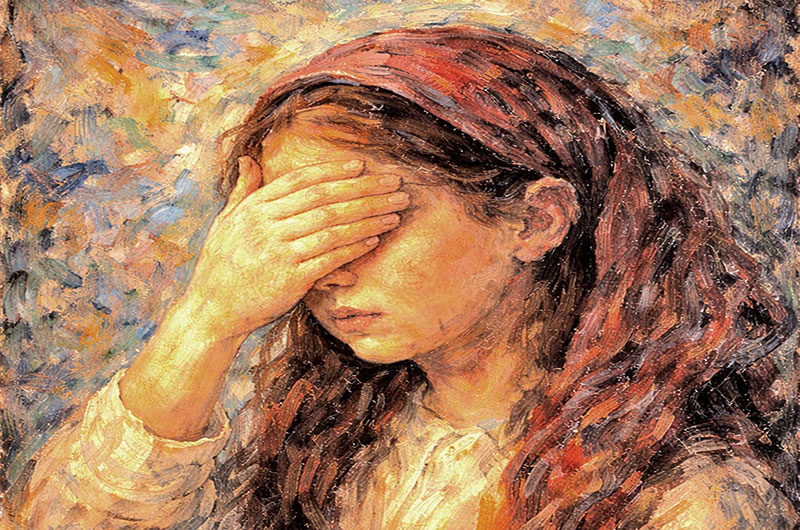
One who finds it difficult to daven all the tefillos in the morning – from the berachos through Aleinu – if he can manage to recite the Shema that would be sufficient. If he cannot say all of the Shema, even the recitation of the first paragraph would be good, or at least the first two lines of the Shema could still be powerful.
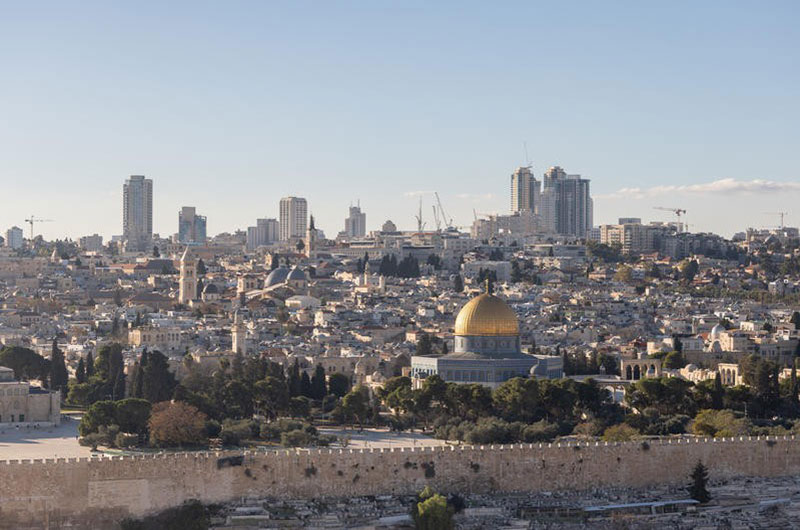
Chazal mention a few cases of kefitzas ha’derech. One is when Yaakov travels from the house of Yitzchak, narrowly escaping Eisav’s clutches. Another is when Eliezer embarks on a journey to find a wife for Yitzchak. There are several others as well, but what do these cases have in common? Do they share any deeper connection?
Much of our reality is constructed by our personal beliefs. If we believe in forgiveness, we can be forgiving of others as well as ourselves.

When the Gemara in Kiddushin reflects on the value of honoring parents, it presents it not as a narrow religious demand but as a foundational moral duty. Kibbud av va’eim cultivates gratitude, disciplines the ego, and lays the groundwork for a value-driven society, built in layers and carried across generations. To underscore its universal […]

Most Torah scrolls today have 245 columns with 42 lines on each column. The first letter at the top of each column is a Vav (this is not a requirement, but is a common style of Sifrei Torah), with the exception of five columns.

Rabbi Moshe Weinberger notes that although to the uneducated person it seems that a tree’s entire growth is dependent on the nourishment it receives from its roots in the ground, that is actually not the case.

His chavrusa considered this carefully. A pledge to tzedakah is binding, he said. The question is whether placing money in the shul’s box is considered delivery to the shul – or if it’s still your responsibility until the shul’s treasurer actually receives it.
A Jew’s Altar “Or If He… Did Not Salt It…” (Menachos 18a)

Unlike Moshe’s previous meetings with Pharaoh in which he was instructed by G-d to ask Pharaoh to release the Jews and threaten him with plagues in the hope that he would comply, in the opening scene of Parshas Bo, G-d gave Moshe no such instructions.

What has always struck me is that the Torah does not erase the plagues. It does not soften them. It does not pretend that the suffering did not occur. Instead, it asks us to hold the full truth...
Question: The Written Law is there plain to see as it is found in the five Books of Moses. However, from whence does the Oral Law come? I’m not asking as one who doubts its veracity – rather, I would just like to know and not simply follow blindly. Mark Grosz Via E-mail

The two chapters he dedicates to Parshat HaChodesh, which is found in this week’s parsha, contain profound and beautiful insights into the nature of the Nation of Israel and our unique relationship to the moon.
Rabbi Yeruchom Levovitz (1873–1936) of the Mir Yeshiva in Belarus told his students: Woe to the one who does not know his weaknesses, for he does not know what to fix.

An integral component of the exile from Egypt included an unmatched zeal and enthusiasm to flee, so much so that there was not sufficient time for the dough to rise. So too must eagerness and ardor be essential elements in our fulfillment of Torah and mitzvos.

As we familiarize ourselves with the concept of middah k’neged middah, it should be an incentive for us to adopt certain behaviors and inhibitions to avoid other behaviors.
The mitzvah is to create a Jewish Calendar which is based on sanctifying each month by Sanhedrin’s declaration of kedusha of the first day of each month, and the periodic decision of Sanhedrin to intercalate the year (with an extra Adar) in order to adjust the years so that Pesach will always be in the spring season (and Sukkot in the fall).
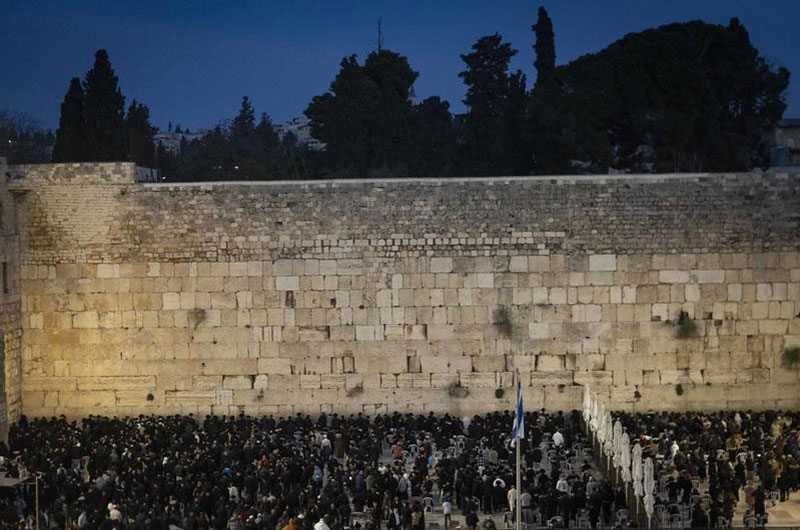
The Torah is replete with mention of Eretz Yisrael’s greatness and uniqueness. While we often hear about Eretz Yisrael’s unique kedusha (holiness), we must ask: What is the nature of this holiness, uniqueness, and greatness?

Tum’ah, representing death and the vacuum of G-d’s life-force, brings impurity. But humans have free will, and when it comes to our loss of connection to G-d, we must also reach out and cannot receive blanket dispensation.

When slavery began, we were cast as a threat to society. Pharaoh could only sell his genocidal policy to the broader public of Mitzrayim by turning us into a symbol of danger.

Providing a needy person with employment is considered the highest form of tzedakah because it preserves his self-dignity (Y.D. 249:6; Shach 249:7), replied Rabbi Dayan.
Double Trouble? “Two Handfuls” (Menachos 11b)
Ran went out to confront absolute evil. And it is the same evil we see today, asserting itself in Iran against its own people and elsewhere against anyone who stands for freedom and truth. We pray that this too will fall, that another hateful regime, another Jew-hating empire, will be thrown onto history’s scrap heap, just as others before it.
The plague of hail involved two opposing forces, water and fire. Under normal circumstances these forces cannot coexist peacefully, they are diametric opposites of each other. HaKadosh Baruch Hu miraculously made peace between them and unleashed them upon Egypt.

Experts declared: this should not have happened.
Geulah is not an escape; it is a return. It is the moment when a person remembers who they are and who they were meant to be.
Question: Seemingly the only place in our Torah where the matter of a birthday celebration is mentioned is regarding the birthday of Pharaoh. The only birthday celebration that we as Jews celebrate is a bar mitzvah – a young man’s 13th birthday. Is there greater significance to that day more than to any other? Yitzchak Gutman Via E-mail
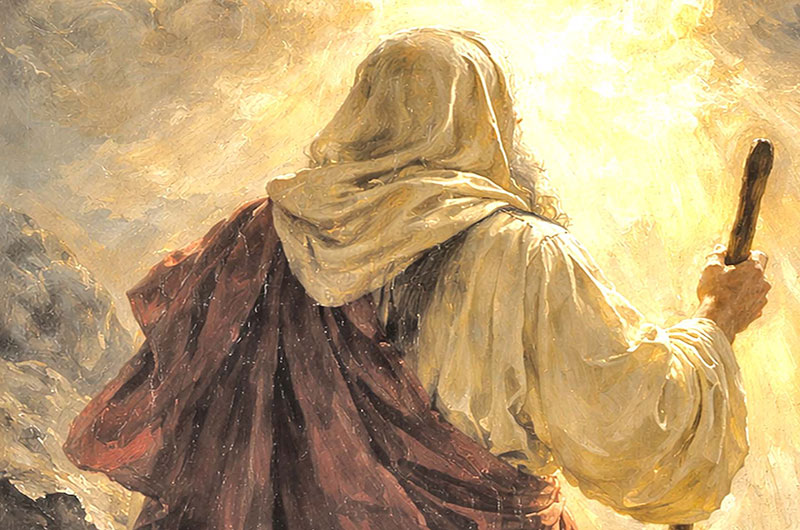
But the people were overworked and under pressure and they had no time for seemingly empty promises... It was hard for them to believe in a vacuum. They needed to see some concrete results.
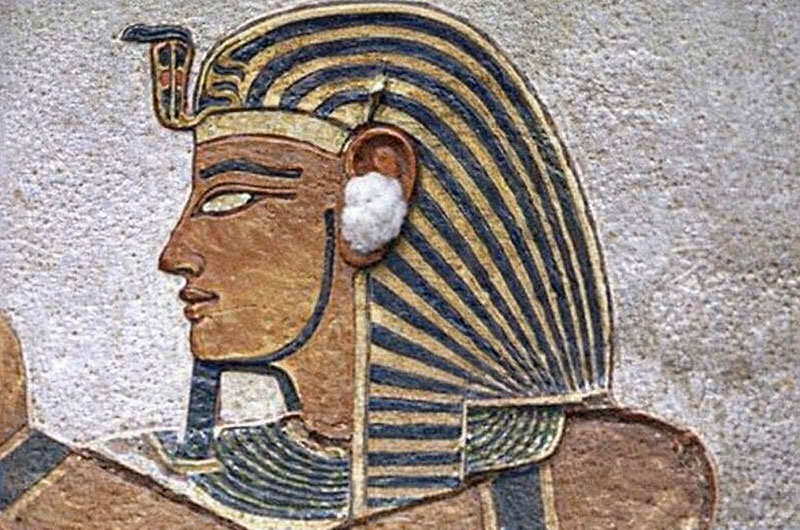
The danger of not listening is not limited to kings, tyrants, or political leaders intoxicated by success. It confronts all of us.

One of the key characteristics we see of Moshe that make him uniquely qualified for prophecy is his attention to detail in the face of the unusual.
In general, Klal Yisrael chooses its great people very differently than does the other nations. Rav Aharon Leib Shteinman, zt”l, zy”a, never ran for office. Rav Pam, zt”l, zy”a, never strutted his credentials. To the contrary, they ran from honor and it was that very humility that knighted them to be the leaders of our people.
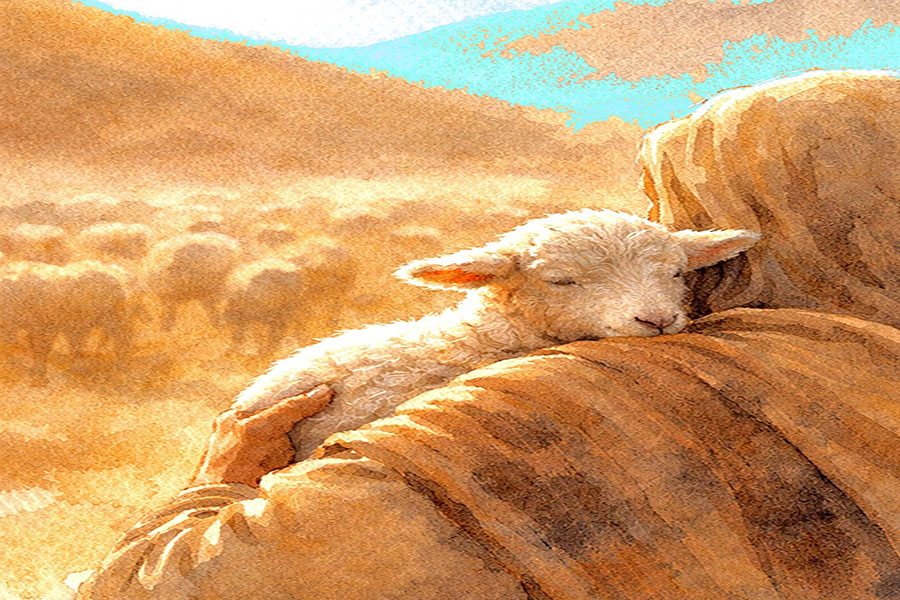
A person who can feel the pain of others is more suited to be a leader. For that reason, Hashem first tested Moshe to verify that he had the sensitivity to be able to share in the distress of his brethren.

The idea is not necessarily to add cups at the Seder, nor to take the focus off the Exodus and that special night – but to flesh out the significance of what happened at Har Sinai.
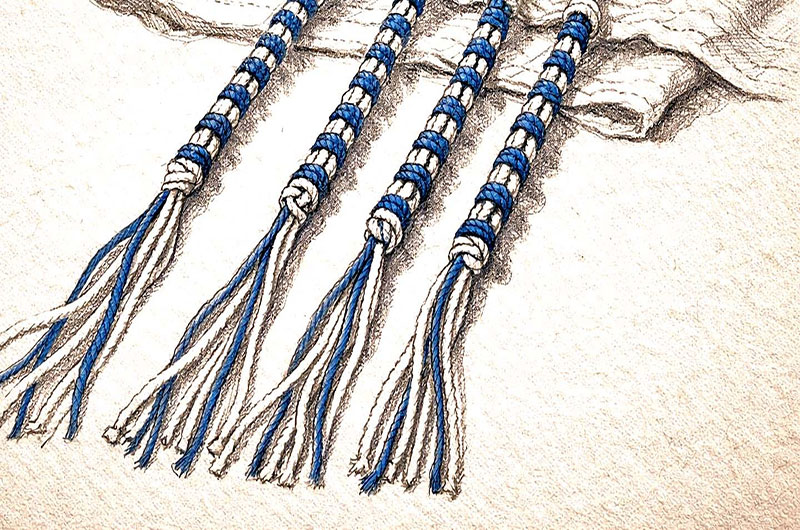
When someone invests in any project, there is a sense of ownership and pride that creates a stronger bond. This is an important principle in chinuch as well, especially in our times where discipline is much less about punishment and more about motivation via “chains of love” (the famous words of the Chazon Ish, Y.D. 2:28).

The transition from Torah She’bichsav to Torah She’baal Peh introduced a number of fundamental shifts in our relationship with Torah. These include the introduction of machlokes and a mode of “hearing” as opposed to “seeing.”

It’s not exactly the advice you might have expected from a leading Torah personality. But the truth is that one immersed in Torah wisdom has a keen and deep understanding of human personality and motivation.

Shimon spoke up. The hammock was fine when we were on it until Dovid joined, he said. He pushed it over the limit – it’s his fault.
Intrinsic, Danger, or Dilution? “From That Allowed to Jews” (Menachos 5a)

The cry of Bnei Yisrael is the first act of geulah. No armies, no influence, and still the world turns. The cry pierces the heavens, awakens, and sets redemption in motion.
According to Kabbalistic teachings, there are four levels in Creation: mineral, vegetable, animal and human. In one of our Mitchadshot workshops, Rabbi Michi Yosefi applied these four categories to the dynamics in a marriage.

The 12 sons of Yaakov did not assimilate into the Egyptian culture. They did not change their Jewish names, shemam, they did not abandon their Hebrew language, leshonam and they did not discard their traditional attire, malbusham – which three Hebrew words form the acronym shalom, peace.
Although in the Torah some people were named directly by HaKadosh Baruch Hu (like Noach for example), in most cases it is the parents who give names to their children. How does a parent choose an appropriate name?
Question: Seemingly the only place in our Torah where the matter of a birthday celebration is mentioned is regarding the birthday of Pharaoh. The only birthday celebration that we as Jews celebrate is a bar mitzvah – a young man’s 13th birthday. Is there greater significance to that day more than to any other? Yitzchak Gutman Via Email
He was not a child crying about his own pain; he was crying for the pain of his nation.
The reima is described in the Talmud as an animal so large that it was of mythic dimensions, and even its cub was described as too large to fit onto Noach’s ark, but it survived the flood by clinging onto the boat, according to Rabbi Yochanan, with only its head within the boat.

Thinking (and reason) is inexorably bound up with our free choice and the determinations we make in our lives that shape the past, present, and future.

The image of a bush aflame yet not consumed also conveys separation. Hashem is not part of the physical system He created. The laws that govern nature – energy, decay, and limitation – do not bind Him. He transcends the world even as He governs it.

It is interesting to note that the structure of the book does not lend itself to the idea that gaining our freedom or leaving Egypt is the main point. We leave Egypt at the end of Parshat Bo, in just three weeks, at what would have been a reasonable conclusion to the book.

The Medrash teaches that if one falls off a roof and breaks every bone in his body, he will need many casts and bandages in order to be repaired. But, if one sins spiritually, and thereby injures his entire body, Hashem fashions one bandage that can cure him through and through.
Whereas B’reishit is far from the average among the Five Books – size at one extreme and mitzvot at the other – Sh’mot is very close to average among the Chumashim.
One of the most famous and oft-quoted Yiddishisms is der mentsch tracht un Gut lacht – Man plans and G-d laughs. Its clear message is that we have no guarantees or assurances that we will be able to follow through on anything.
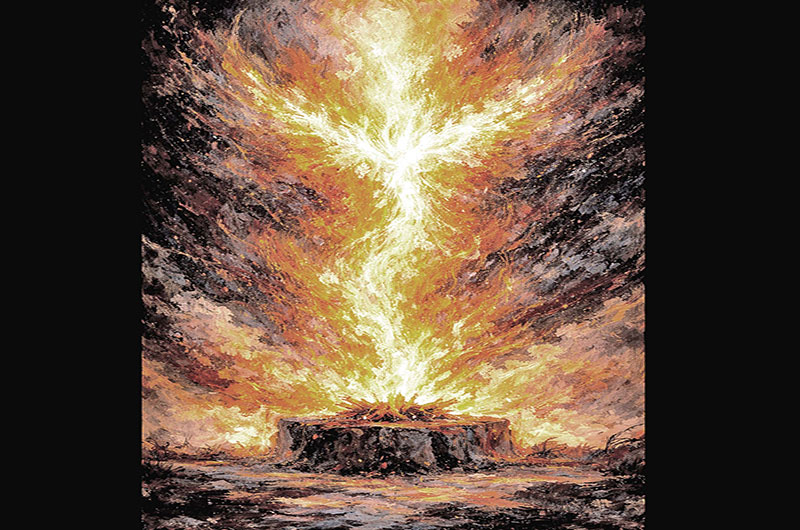
Apparently, the angel miraculously ascended along with the flames, indicating acceptance of Manoach’s offering. This is not a typical encounter with an angel; other Biblical figures encountered angels without such a dramatic departure. What is the meaning of this?

Committing something to writing renders it static and finalized, and writing down the Oral Torah would limit its wisdom to finite fragments of individual statements, causing the shards of truth to remain shattered and broken.
Who could envision the massacre on a serene beach in Australia while lighting the Chanukah menorah? Who could contemplate the vicious mobs shouting to ‘globalize the intifada’, taking over shopping malls, college campuses and city sights? All this while jihadists in suits call out ‘there is only one solution’, for the extermination of our land and people.

The Torah (Vayikra 27:8) states that if a person pledges his erech (age-based value) to the Temple treasury but it is beyond his financial means, the Kohen evaluates how much he can pay, and the person pays only that sum, replied Rabbi Dayan.
A Light Unto the Nations “The Sound Thereof Traveled from One End…To the Other…” (Zevachim 116a)
Of course, Yosef wasn’t planning on Yehudah’s powerful speech bringing him to his knees and forcing him to reveal himself as their long-lost brother. Hence, he had to come up with a new plan.
I had the privilege of speaking on stage, and of speaking with these young people afterward. Their eyes shine as they talk about aliyah, about pro-Israel activism on campus, about a Jewish identity that is awakening.
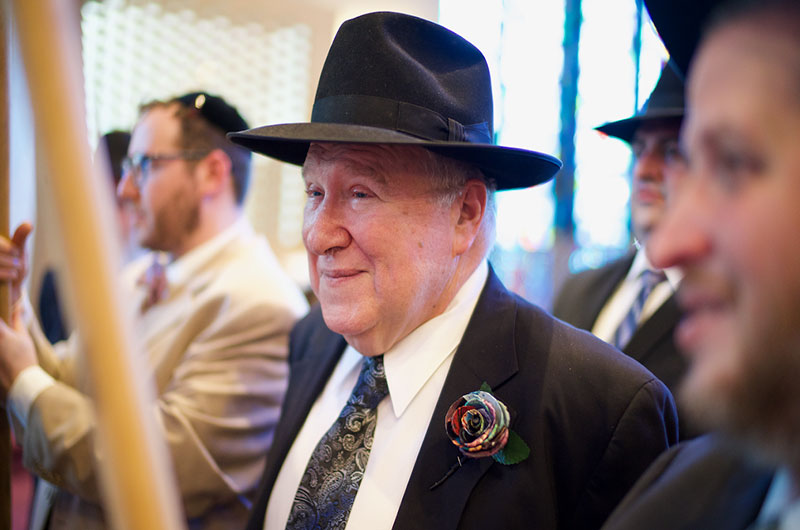
Decades ago, in an eighth-grade classroom in Miami, Rabbi Sherwin Stauber taught the story of Ephraim and Menashe. Two boys sat in that room: One would become Rav Zev Leff of Moshav Matisyahu, the other Dr. David Luchins, my father-in-law. They listened to the same words, but each carried them forward in a distinct way.
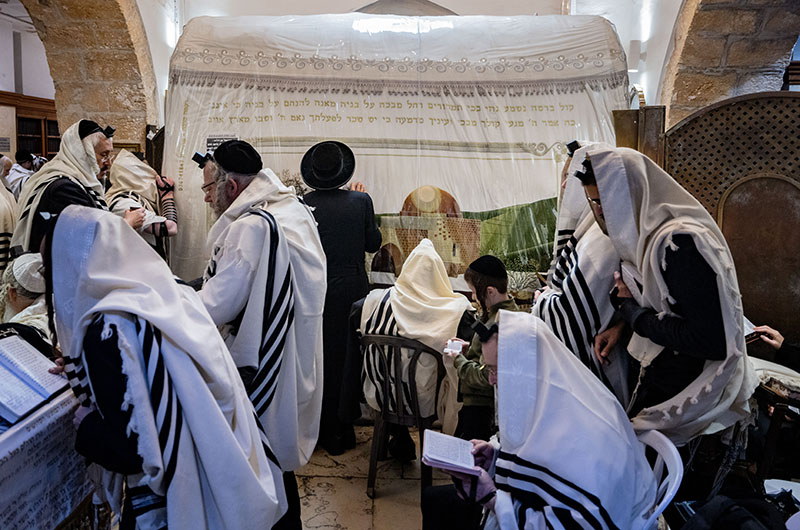
Despite the travails of the past, Yaakov did not regret the hardships he experienced. They were all part of the mosaic called life without which he would never have reached this peaceful destination.
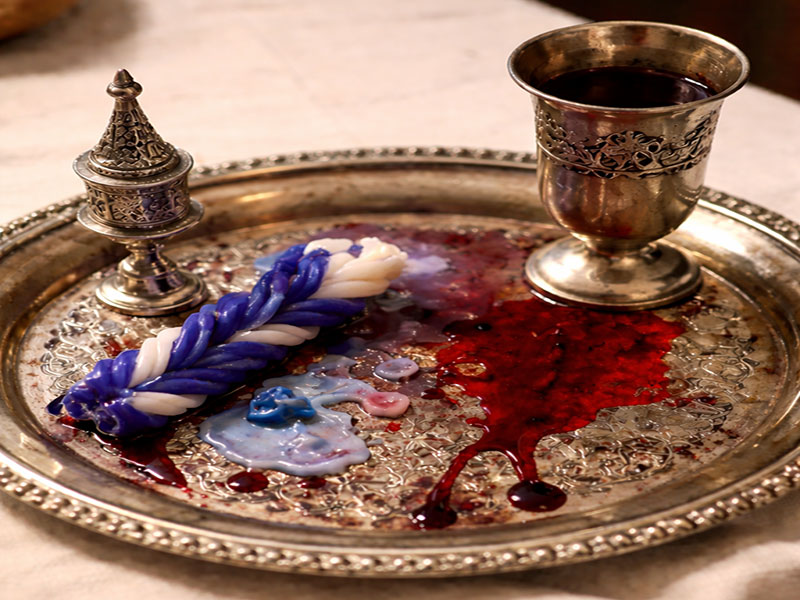
Question: Should the goblet used for havdalah be so filled that wine overflows? Additionally, is doing so not a violation of baal tashchit – deliberate wastefulness? George Nevens Via E-mail
On the surface of the Gemara, it seems that Zevulun was complaining that he did not have enough material wealth in his inheritance to provide a livelihood, as opposed to the other tribes, which required HaKadosh Baruch Hu to placate him by listing the natural resources in his inheritance.
The very first thing that David did was to capture the city of Jerusalem and move his capital there.

As he prepares to bless the sons of Yosef, having established them as Shevatim the same as their uncles, Yaakov relates how Rachel passed away on the side of the road, which seems incongruous here.
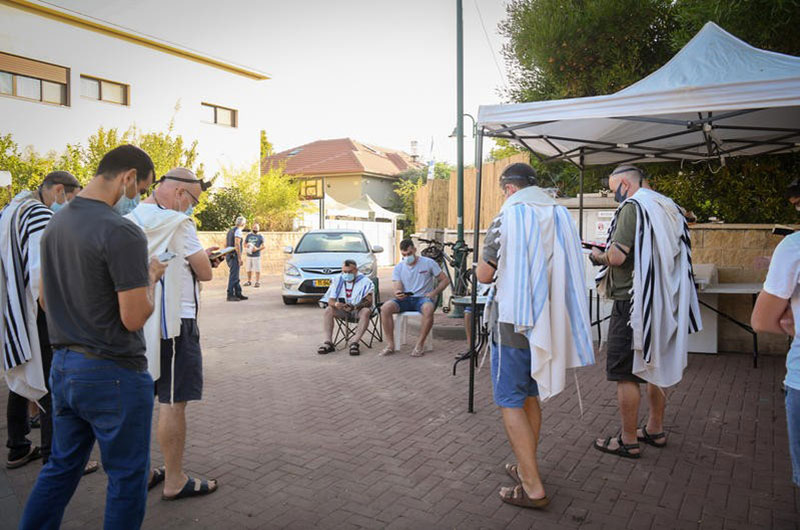
Just as the country began to heal, the unthinkable arrived. October 7, 2023. A day that will be remembered as one of the darkest in Jewish history.
 July 24, 2026