יום ראשון, י״ב אב תשפ״וSunday, July 26, 2026



Follow Us


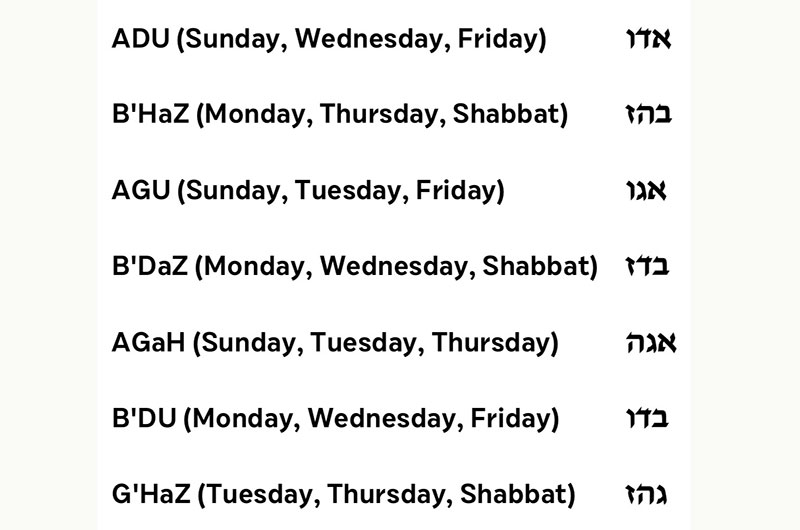
We weren’t even out of Egypt yet when G-d made us partners with Him in the matter of kedushat z’man, the sanctity of time.

That is our oxygen tank on this alien planet. If we discard that tank we will perish in accordance with the laws of nature.

If HaKadosh Baruch Hu was so extreme in His response to this mockery, then it cannot be such a trivial thing and we need to further explore why such drastic steps were necessary.
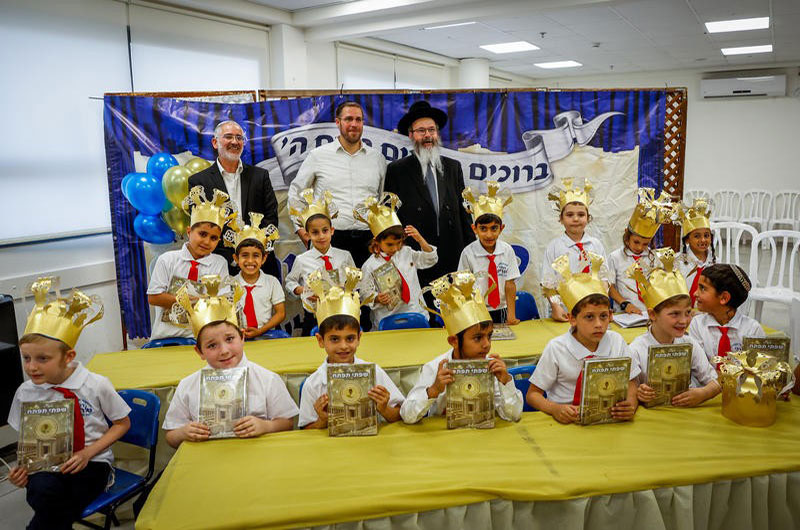
Question: Did we have a siddur and a holiday machzor before Gutenberg’s invention of the printing press? Is it possible to give a historical perspective on our prayers as found in the siddur and the machzor? Jerry Gross Via E-Mail

A lesson here appears on a national level, where we see that we will get further through strength and success than through patience for abuse. But how to apply such thinking is best left to strategists and political thinkers.
Rivkah hears the struggle inside her. It’s not a metaphor, nor a symbol, but the ache of nations colliding in her womb.
Though man shares the responsibility to populate the world with all living beings, his responsibility is more significant because only he creates others in G-d’s image.

If Yitzchak would distance himself from Eisav and display his dislike, Eisav would surely not be influenced to improve his ways.

Maharal says that when Yitzchak was brought as a korban, his own status changed, elevating him to a higher level of kedusha. He was no longer just some person, even a very righteous one – he had become a designated offering and a part of the Divine Service.

The considerable amount of danger that is engendered by being in proximity to holiness is not simply a matter of historic interest. Rather, it pertains to every observant Jew in a very real way, every day of our lives.
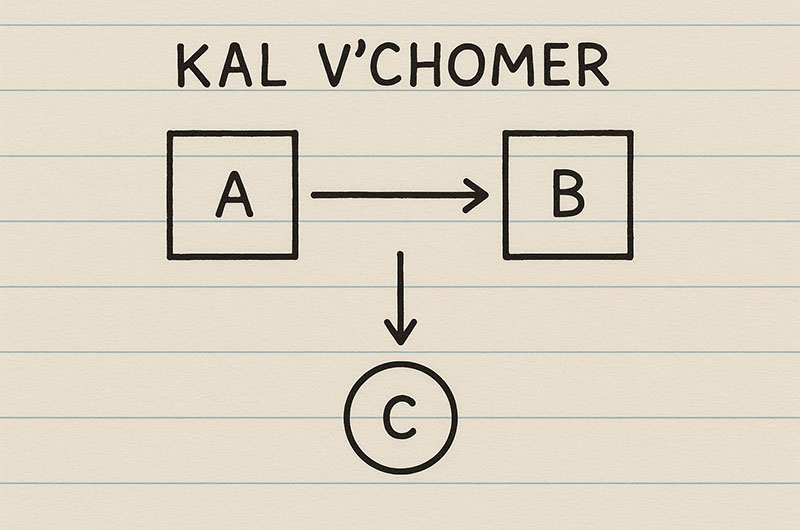
G-d in relation to the world is one giant kal v’chomer. After all, in essence, a kal v’chomer says that if you have the lighter item, surely you have the stronger item.

As the military phase recedes, the struggle shifts to the diplomatic front and to the charged arena of public opinion. Here, too, our resolve is tested, as our principled defense of land and people is distorted and condemned.
The Torah is not only a guide to living a life of truth within the physical world; it is also the literal blueprint and DNA of this physical world.

For those of us who have the merit and privilege to study the timeless words of Gemara, the thumb plays a particularly significant role. We can hardly imagine learning Gemara, trying to explain a particularly challenging novel exegetical explanation, without passionately thrusting our thumb downward and then upward.
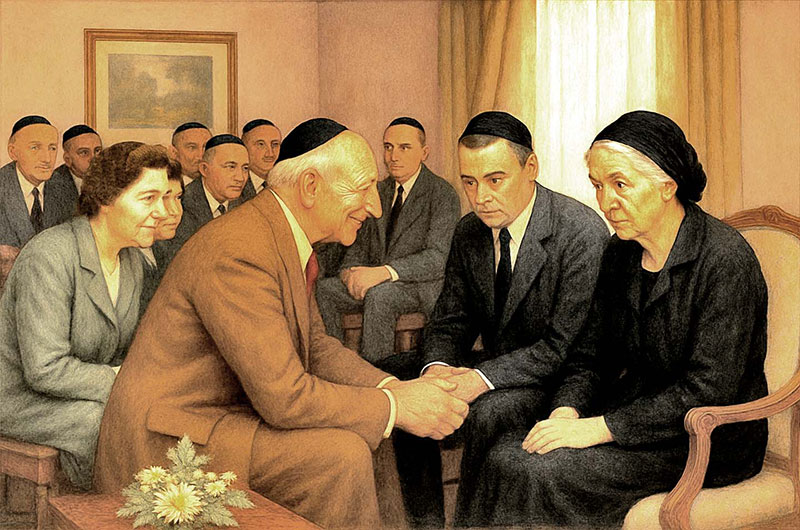
We must respect the feelings of individual mourners who may have personal or practical or psychological reasons and/or wounds rationalizing their not wanting to discuss their deceased relatives, but the main point of sitting shiva is to set up a mourning process that will help people adjust to the pain of loss.

Baruch didn’t really suspect Yosef of stealing, but the problem of the missing $500 needed to be clarified.

No Halacha Is Irrelevant “Anticipating The Arrival of Moshiach”


My heart raced as I stood before the original handwritten manuscripts of Rambam. The very ink strokes of one of our greatest minds lay before me. To imagine him bending over parchment nearly nine centuries ago, carefully inscribing words that would guide Jewish law and philosophy for generations, was overwhelming.

Usually when someone dies, the first reaction is to cry. After drying one’s tears, one collects one’s thoughts and eulogizes the deceased. In the case of Sarah, however, we are told that the tears came after the eulogy.

Question: I see that some people refer to the month of Cheshvan as Marcheshvan. Which name is correct? Nachman M. (Via E-Mail)

Sometimes our deepest spiritual experiences come when we least expect them, when we are closest to despair. It is then that the masks we wear are stripped away. We are at our point of maximum vulnerability – and it is when we are most fully open to G-d that G-d is most fully open to us.

While it is true that Hashem is referred to as the G-d of the Land of Israel specifically at times (2 Kings 17:26, 2 Chron. 32:19), it is not immediately clear why Ramban thinks this notion is being highlighted here instead of some plainer explanation of the text.

Curiously, although Avraham Avinu completely trusted Eliezer as his administrator with regard to his estate and his wealth, when it came to finding a wife for Yitzchak, he made Eliezer take an oath to assure that he would carefully adhere to Avraham’s guidelines in choosing a wife for Yitzchak. Why?
We ask Hashem that the Satan should never succeed in causing us to regret having done a mitzvah.
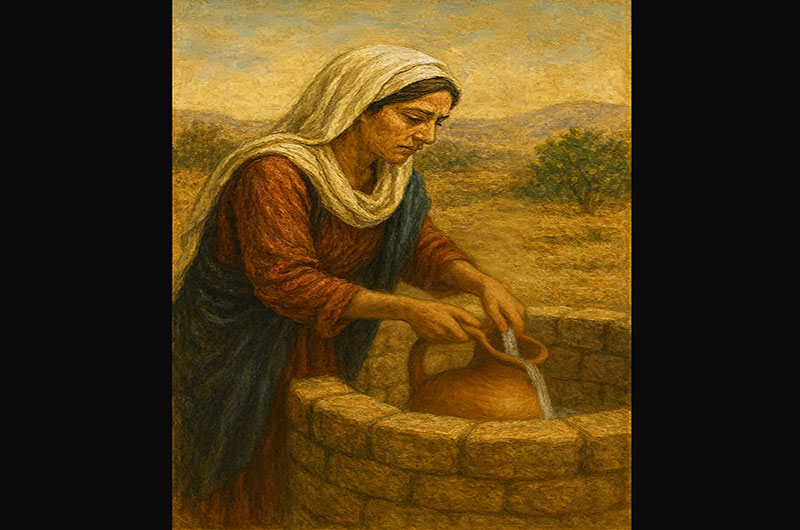
Living for yourself doesn’t mean acting selfishly. It means acting with integrity, even when no one is watching.
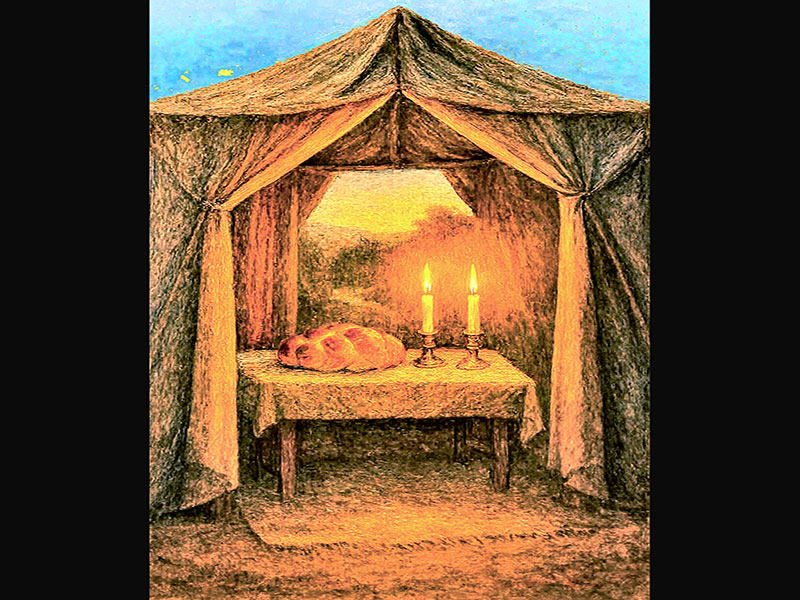
There are 5,846 pesukim in the Torah, and 54 sedras. The average number of pesukim per sedra is 108. Chayei Sara’s 105 pesukim puts it slightly below average, ranked at 32.
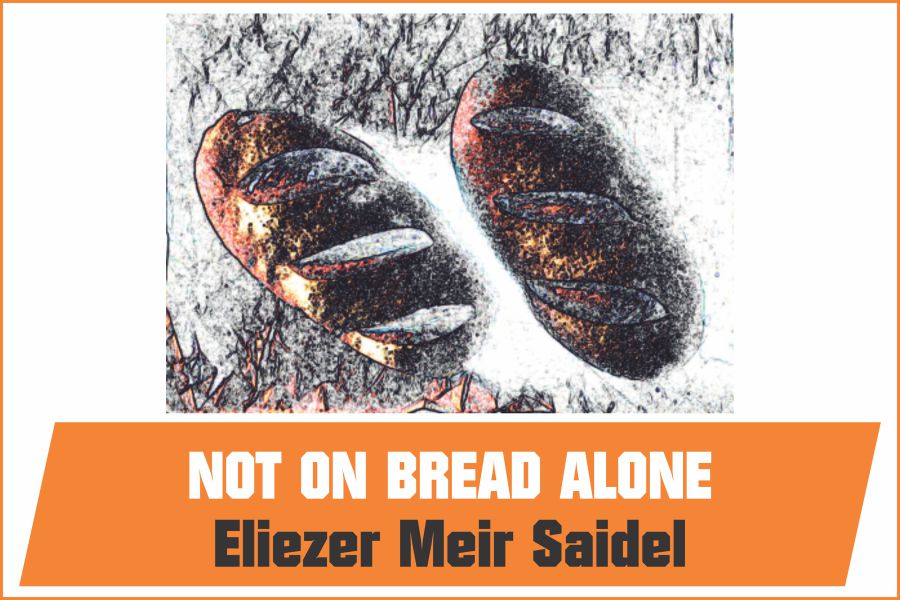
Why Avraham deferred the task of making bread to Sarah? If he was so meticulous and diligent in performing the mitzvah of welcoming guests and prepared the calf tongues in mustard sauce himself, why did he not also prepare the bread?

Some classical commentaries suggest that Avraham specifically wanted a wife to be chosen for Yitzchak from his own extended family in Aram Naharaim. A careful review of the text, however, reveals that Avraham never clearly makes that request of his servant. He simply tells Eliezer to return to Avraham’s land and birthplace and to search for a wife there.
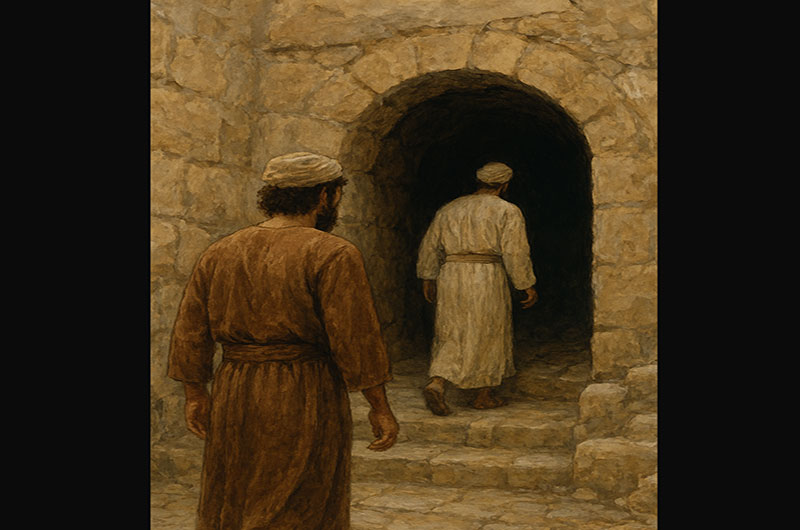
When the Torah relates at the end of the parsha (after already describing the death of Yishmael) that he fell before all his brethren on the approach to Ashur, Rabbi David Abuchatzera interprets this as a reference to the Purim story.

What happens when you remove an organ from the body? You are left with empty space. If you remove a kidney or liver, what remains is the empty space that this organ used to occupy. The same applies to spiritual organs as well.

The ashes represent Yitzchak’s (and Avraham’s) willingness to completely eliminate their egos in service and recognition of G-d. When that level of self-obliteration is accomplished, no physical sacrifice is necessary.
This is not the time for lengthy speeches. Now is the time to proceed.

Question: I see that some people refer to the month of Cheshvan and others as Marccheshvan. Which is correct? Nachman M. (Via E-Mail)
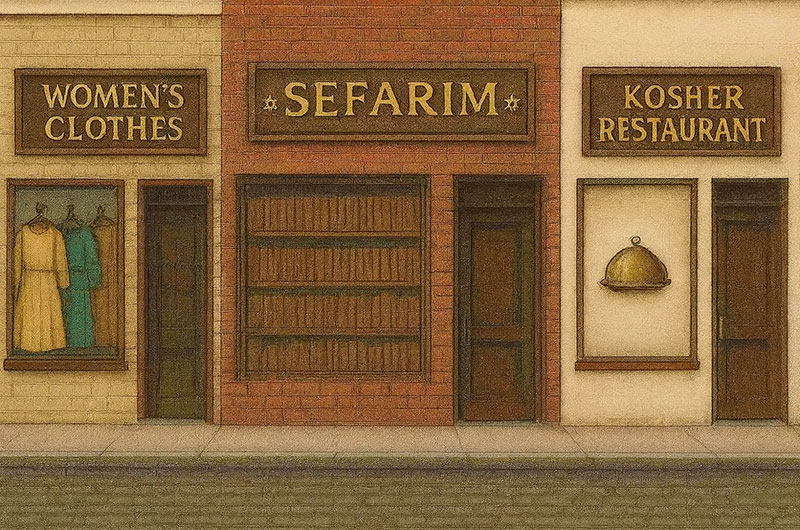
Can we prevent outside people from selling in our community when it affects our businesses adversely?
The Fat of the Land “Only Those Whose Chelev Are Forbidden…” (Zevachim 70a)

Even in mercy, we so often suffer. As much as we may always count on divine mercy, the divine calculus remains beyond our ken and we have been visited by destruction all too often.
Yishmael did not turn into the righteous son he had the potential to become. He mocked Yitzchak and this resulted in Avraham, on Sarah’s behest, banishing Hagar and Yishmael from his house.
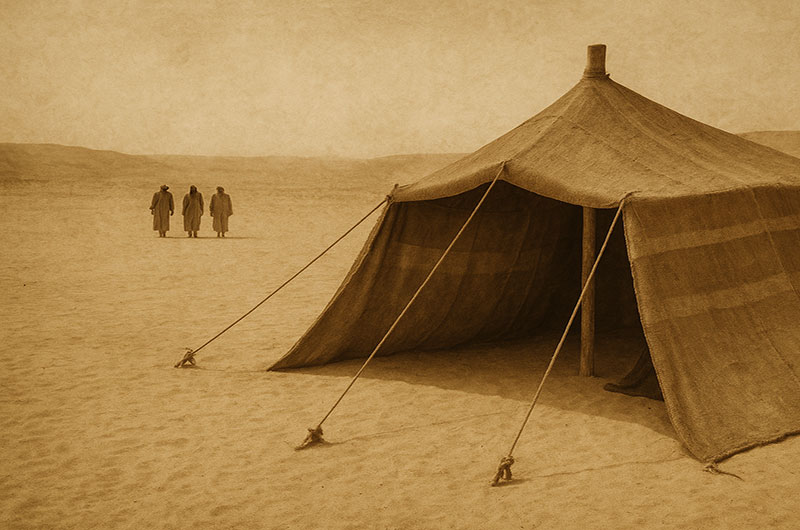
We are told that the encounter between Avraham and the three travelers took place on Pesach (Bava Metziah 86a) and that the “ugos,” the cakes that Sarah baked for them, were matzot. Here again the power of hospitality had its magical effect.
I instituted in my shul that once coats are hanging on the coat rack, the one who wants the window closed gets his way.
We live among people who espouse diverse philosophies. We are undoubtedly different, but it is that very disparity that empowers us to bring people closer to Hashem.

Chesed is both a way of showing our love for Hashem’s creations and also emulating His creation of the world as an act of chesed.
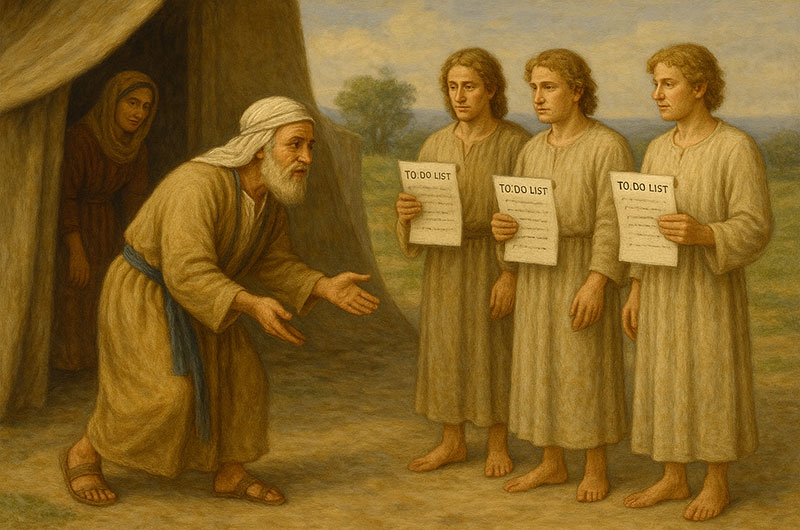
Before there was Torah Tidbits, there were Torah Tidbits. And one of the very first Torah Tidbits was entitled Angel Arithmetic. (Kind of appropriate for Torah by the Numbers.)
The Akeidah was the moment when Hashem declared the sanctity of human life. It affirmed that every person is His masterpiece – fashioned in His image and charged with elevating both self and society.
In Ramban's view, one simply can’t explain away every description of malachim in the Torah as a hallucination or lucid dream.

Leadership begins here. Not with command, but with disclosure. With the choice to let someone in. With the courage to be interrupted.

My mother and her siblings became malachim of Shabbos in the Gehennom of Bergen Belsen. It was a message that was held onto. To be the angel of Shabbos infused my mother with a sacred light, and the power to be greater than her fears.
While our default experience of life is internal and personal, we occasionally feel compelled to look at ourselves from an outside view and ponder the meaning and direction of our lives.
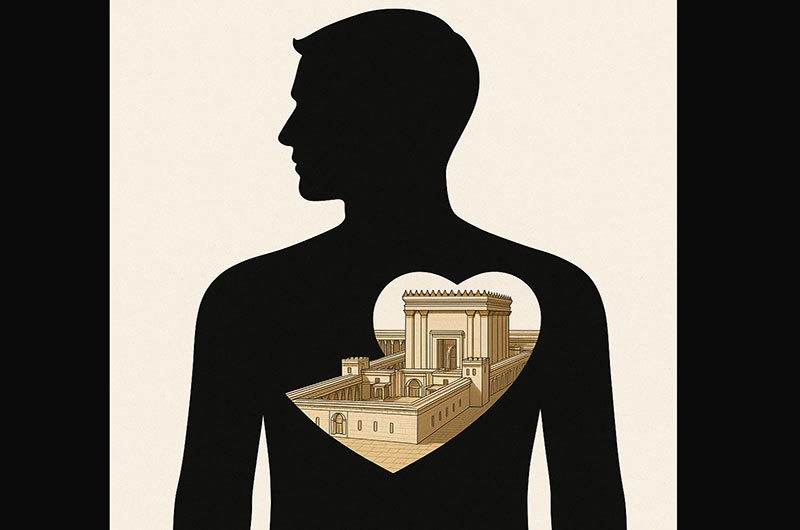
When the verse says about the Mishkan (Shemos 25:9), And so you shall do, and the Gemara (Sanhedrin 16b) infers so you shall do for the generations, it means that we all can create a dwelling place for the Shechinah within ourselves.

During my youth I couldn’t wait until my bar mitzvah when I would be able to start putting on tefillin. I still have a clear memory as an eleven-year-old sitting on my bed thinking my bar mitzvah is never going to arrive.

When the rule of shi’abuda d’Rabi Nosson applies, such as if B does not have other assets available, Shulchan Aruch (C.M. 86:5) rules that B cannot forgo C’s debt to him, nor extend the time of the loan and thereby undermine A’s right, since A has a direct claim against C based on this principle.
A Matter of Merit “They Added Four Amos” (Zevachim 61b)
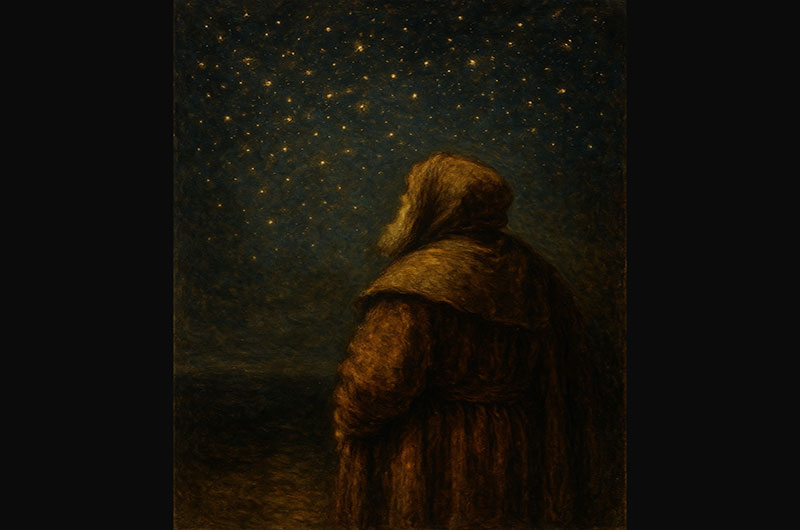
Avraham had complete trust in G-d. But he did not have complete trust in himself. G-d, after all, does not change, fail, or sin. But people do.

The prophet Yeshayahu describes an unnamed individual called from the east by G-d to achieve victory over numerous nations and bring an era of peace and prosperity to Israel. But is this an event that has already happened? Or one that is yet to come?
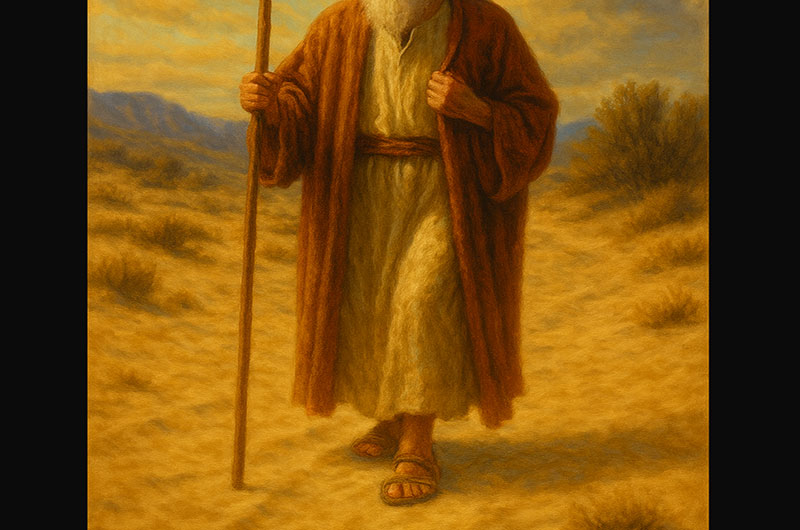
As a result of the gifts Pharaoh lavished on them, both Avram and Lot became extremely wealthy. But they related to their wealth very differently.

Question: I don’t think you’ve ever received a question like this one. I live in Queens and am extremely agitated about the prospects of a socialist, anti-Israel and anti Jewish candidate being elected mayor of our great city. Is there any path for us to follow that can change the outcome of this election? Zelig Aronson (Via E-mail)
Undoubtedly being told to sacrifice Yitzchak was Avraham’s toughest trial and this is the reason we mention it multiple times in our daily tefillot.

Avraham didn’t lead with certainty. He led with movement. Yeshayahu didn’t promise clarity. He promised renewal.
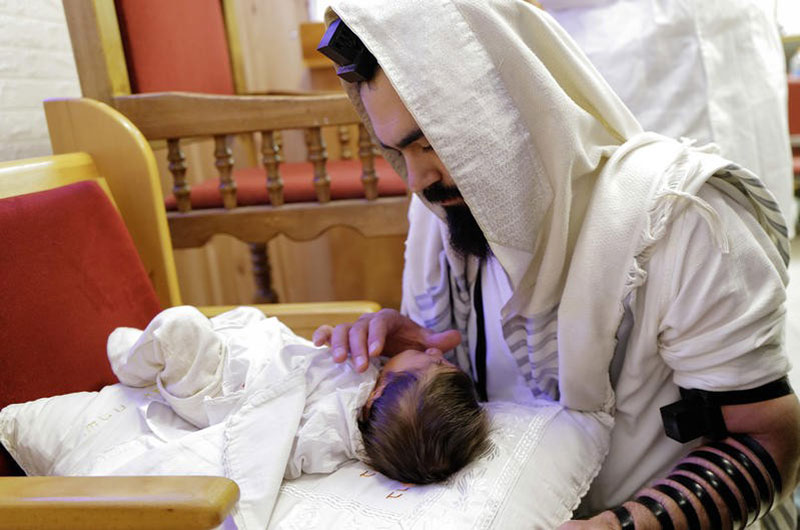
The Torah was given by Hashem to Am Yisrael, the Jewish People. Whatever the rest of the world has learned or failed to learn from the Torah, the Torah is ours.

Chazal go even further by asserting that planting takes precedence even over welcoming Mashiach. They taught that a person who hears that Mashiach has arrived while he is planting should finish planting and only then go to greet Mashiach (ADR”N 2:31).

We learn that if one successfully persuades a disenfranchised Jew to do even one mitzvah, that individual is rewarded in this world, for his entire life, each and every time the Jew performs that mitzvah.
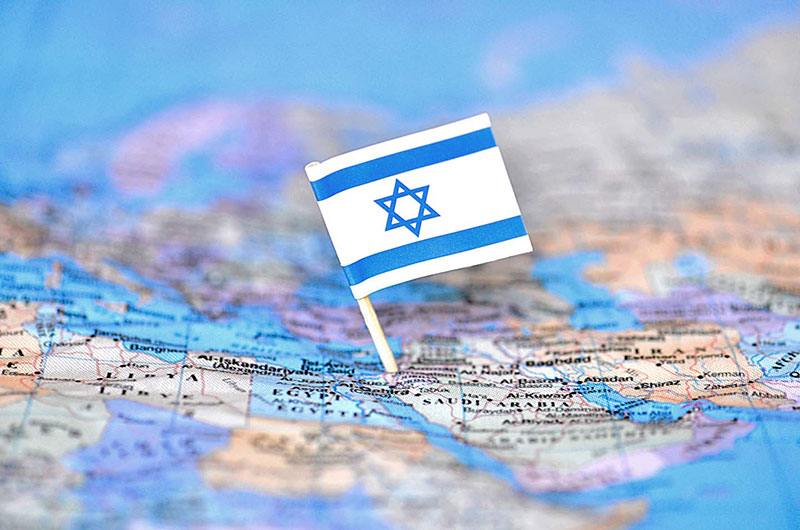
Avram somehow seems to be consummating the spiritual process begun with Enosh, finally achieving the spiritual possibilities of humanity – in Hebrew also known as Bnei Enosh, the descendants of Enosh.
The word chein is the root of the word chinam which means free. If we merit to find chein in the eyes of Hashem, He will freely give us things even if we don’t really deserve them.
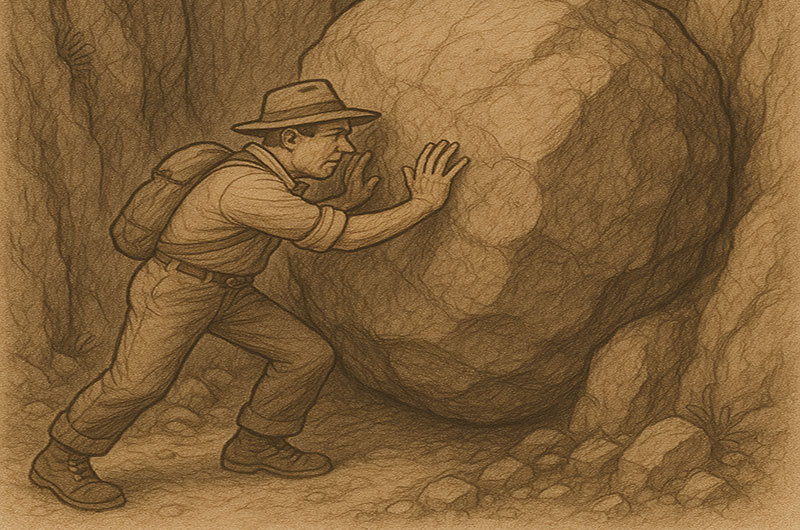
Why should tzara’as that spreads over the entire body result in purity? One would think it would indicate the opposite – corruption beyond repair.

The uneducated mind thinks of the truth as a single, factual statement. But the truth is actually the balance and harmony of opposite, seemingly contradictory ideas.

Avraham launched a religious revolution that still echoes through history. He introduced monotheism, shaping the religious imagination for millennia. Countless descendants, both genetic and spiritual, owe their beliefs and way of life to this movement.

Every Shabbos, we put aside all technology. We are perhaps the only community in the world who are active members of society all week and yet won’t check emails, social media, or the news for twenty-five hours.

This is a personal decision, not even between patients and doctors because doctors will almost always recommend a flu shot.

Today, various Jewish social justice groups protest against their own best interests to gain favoritism from the outside world. It’s nice to try and repair the world, but you need a Torah foundation.

The Gemara (B.M. 112b; Shevuos 45b-46a) teaches that when the parties dispute the amount of agreed wages, hamotzi meichaveiro alav har’aya – the burden of proof is on the one seeking payment, like other monetary disputes, replied Rabbi Dayan (C.M. 89:4).
Two Talleisim ‘The Residue of the Blood He Spills…’ (Zevachim 51a)
There is no doubt, it is not even a question, that Noach was G-d-fearing. Noach was not part of the depravation of the world, he did not commit adultery, he did not steal, he did not worship idols, etc.

Shem refined his father’s philosophy. For Shem, life itself was compensation enough for one’s good deeds and he did not complain if he received nothing more.
But as the days went by and the initial euphoria began to settle, another feeling began to rise within me – a quiet, haunting sadness.
Jewish tradition offers its own quiet rituals. The Baal Shem Tov teaches that entering the ark is a spiritual act or a retreat into truth. Cheshvan echoes that: not performance, but protection.

Even if it may have been clear to both men that theirs was the only way to assure any type of future, the isolation and opposition they must have encountered (as explored in many Midrashim) would have brought down anyone lacking the legendary fortitude of these two heroes.

Relying heavily on G-d’s promises to Noah to protect humanity from these realities is, simply put, relying on miracles.

G-d’s lesson through the story of Noach and the prophecy of Isaiah is that even in the face of all the difficulty and trauma, we must still recognize the blessings and opportunities that await us.
While corruption was more widespread and perhaps fundamental, the formal case against the generation of the flood was formulated on the basis of something they – and Noach, in particular – could understand: they were hurting each other.

The Rebbe references the Hebrew name of the wood from which the teivah was constructed (gopher wood), which might be cypress but the etymology is unclear. What is clear is that gopher is related to sulfur (gaphror in Hebrew), and thus correlates to burning and simmering rage.

As Mishlei (25:2) states, It is the glory of G-d to conceal a matter. A relationship must have privacy and sacred boundaries, honoring the bond both from within and without.
The tragic demise of mankind during the era of the flood was not just a punishment for that wicked generation. Even more so, it was perhaps a series of powerful lessons to be studied by G-d-fearing people throughout the millennia about behaviors that are so toxic that they can cause the absolute destruction of an entire world.

The Chofetz Chaim writes how important it is for a person to reinforce his middah (character trait) of judging others favorably, because it will facilitate his own advancement in attaining the level of a tzaddik, a righteous person.

Hashem does not perform miracles without intention. While it may be difficult to determine specific expectations, future responsibilities can often be articulated in personal terms.

Why was Pinchas’s act of killing even considered heroic? It appears to be violent and rash, perhaps even worthy of criticism. Why then, was it rewarded, and so handsomely at that?
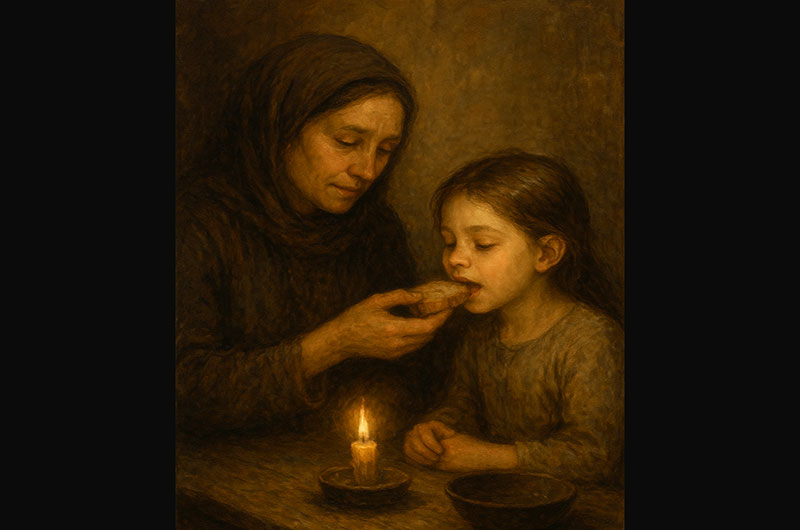
The Jewish people’s relationship with Hashem also began with a korban – the Korban Pesach. Though the Jews were passive during the first nine makot, for Makat Bechorot and Yetziat Mitzraim to occur, they needed to sacrifice the Korban Pesach.

Towards the end of Parshat Bereishit, the Torah records the births of Noach’s three sons – Sheim, Cham, and Yefet – when he was 500 years old. That is much older than the parental ages recorded for the births in the first nine generations.
I’m not a Washington fan, so why did I care about their Cinderella-like saga? Because being in the world of education, it symbolizes a vital truth that can’t be stressed enough: That ultimately the hundreds don’t matter.
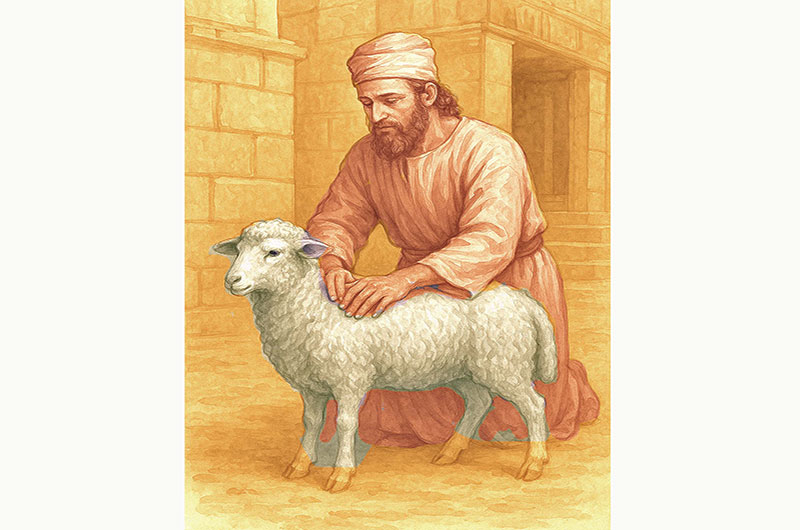
Question: I have heard that in the time of Mashiach, we will continue to offer sacrifices. How can we explain that if, as we are told, these will be times without sin? Menachem Via E-mail

Terms agreed upon before the beginning of a rental are binding even without a kinyan since the rental usage itself serves as a kinyan for the agreed-upon terms.
Reaching One’s Objective ‘… The One in Thought and the Other Silently’ (Zevachim 41b)

Hashem’s ownership over the land has halachic implications as well. It is how the Torah (Vay. 25:23) explains why the Yovel year keeps us from selling land permanently. The land is Hashem’s; we are merely subletters.
Kayin understood that if Hashem would not help him, he had no hope of remaining alive.
 July 24, 2026