יום ראשון, י״ב אב תשפ״וSunday, July 26, 2026



Follow Us


Why should we think that the nations of the world will be convinced when we prove our ownership through reference to the Torah? As it stands, so many people either do not believe in G-d or in His interest in the affairs of human beings. So why should they be compelled by this argument?

In a journey to the self, all that we know is the starting point; the destination remains to be discovered. We don’t know what we’ll find along the journey, the challenges we’ll face, what people will think, or if we will even succeed.
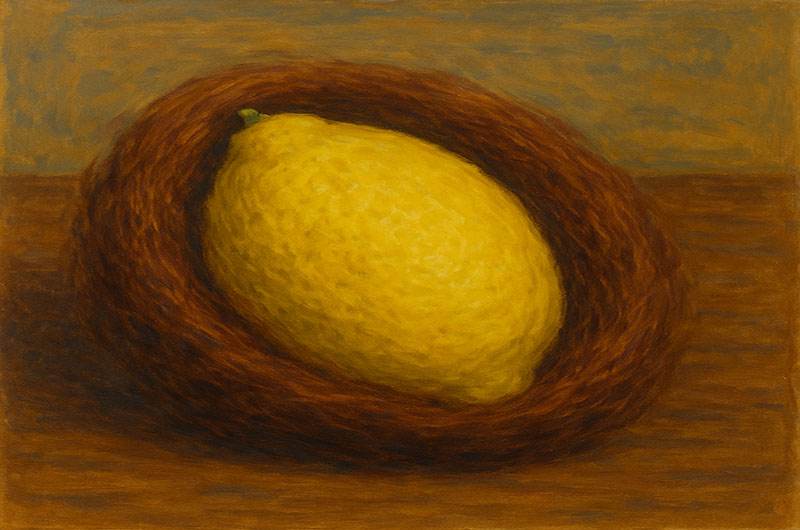
The one thing that has not changed is how careful we are and need to be when handling an esrog. The Medrash relates that the esrog symbolizes the heart, which reflects our emotions. We always have to be vigilant and mindful of the feelings of others, and we also need to be cognizant of, and honest about, our own emotions.
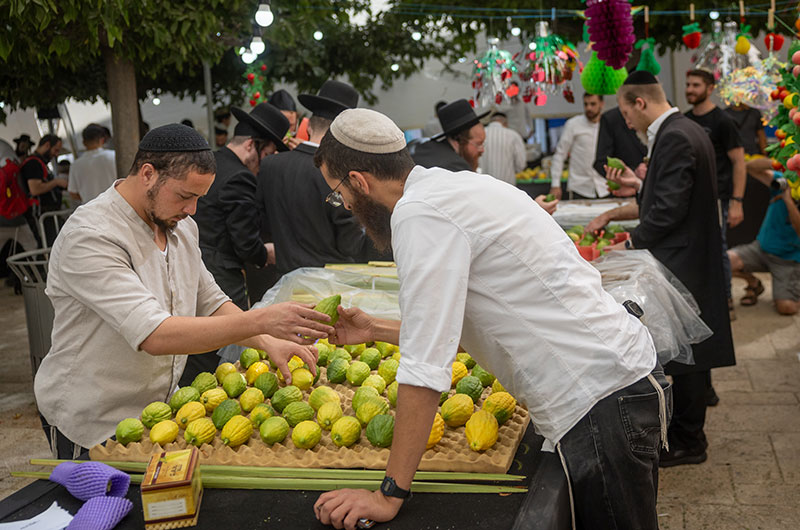
In principle, when purchasing items, payment is due when taking title or possession of the item, replied Rabbi Dayan. Therefore, the immediate payment price is usually viewed halachically as the true price.

Call To Alms ‘Having Declared It a Burnt Offering, He Rethought…’ (Zevachim 30a)

Not only is the sukkah a sign of our emunah in Hashem, but when we hold the lulav and esrog in our hand and shake them back and forth we are declaring, Just as the species cannot exist without You, Hashem, so too we are totally dependent on You.
The Jewish people have had highs and lows, including moments when our future seemed bleak. Our focus on our children and raising them according to Torah values ensured our continued survival and success.
Question: I recently moved to a new neighborhood where the predominance of synagogue options that are to my personal satisfaction pray in Nusach Sefard. However, when it comes Chol HaMoed, I am faced with being one of the few who don tefillin. What am I to do? Sam Schwartz Via E-mail

If a teacher wants to share a deep principle with his or her students, they might share a story or analogy that depicts the idea through a more relatable medium. While the mashal does not fully convey the idea itself, it leads the listener toward it, aiding him or her in the process of understanding.
A person who understands that his happiness and success are not dependent on anything material but only on his level of morality and attachment to G-d is truly free.

From our very inception, our existence was a miracle. Avram was unable to have children at his advanced age, but Avraham, the Av hamon goyim, the father of all nations, who spread the message of monotheism worldwide, was able to have a child.

It does mean that we must not conflate the fallibility of leaders with the infallibility of the Torah itself.

If one does teshuvah because of his love for Hashem, then willful sins are actually converted into meritorious deeds.
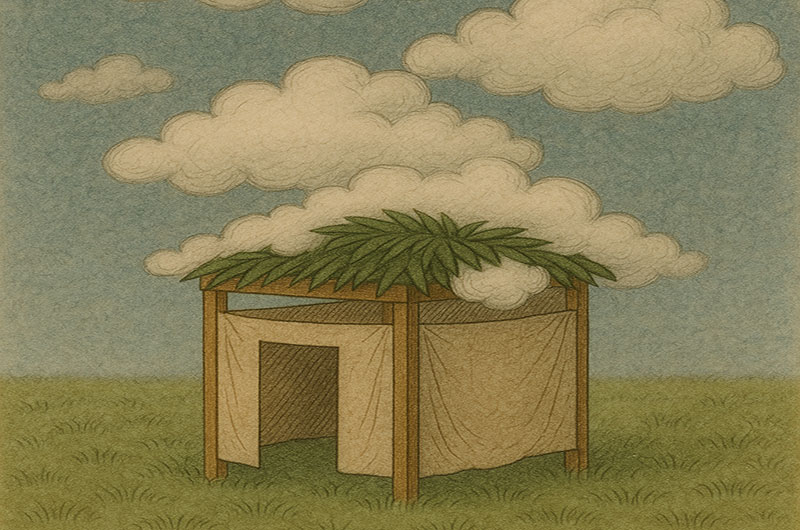
Though the loss of even one soldier or civilian is a tragedy, we must recognize the miraculous way Hashem has protected the Jewish people over the past two years.

When the Torah restates the mitzvot of Sukkot in Devarim (17) – although it doesn’t actually mention there the mitzvah of sukkah (!) – Rabbeinu Bachye discusses some of the hidden aspects of this mitzvah, particularly as they relate to the mitzvah of rejoicing on the holiday and in the context of all the major pilgrimage holidays under discussion there.
The Baal HaTanya writes that on Rosh Hashanah all the Heavenly Hosts sit in Shamayim and wait longingly to hear one Yid praise another. Why? Because in that moment when he does so, the angels take those good words and place them on his scale of merits.

With no rest for the weary, Sukkot begins on the Monday evening following Shabbat Parshat Ha’azinu.
By way of analogy, in Tefillah Zakkah we recite that our fasting on Yom Kippur, and the consumption of the fats and blood volume from our body during the fast, should be considered as if we offered the fat and blood of a sacrifice on the altar.

We should not feel like we are martyrs suffering for our children, for, after all, Judaism opposes human sacrifice.
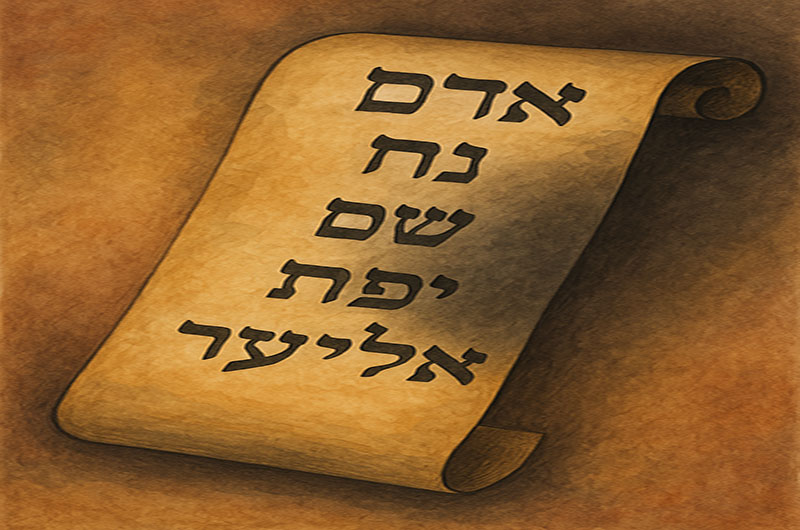
One of the problems with the Mabit’s position that the Chida focuses on is how Moses was able to name his son Eliezer, if that name is clearly from the time before Abraham (as we mentioned)?
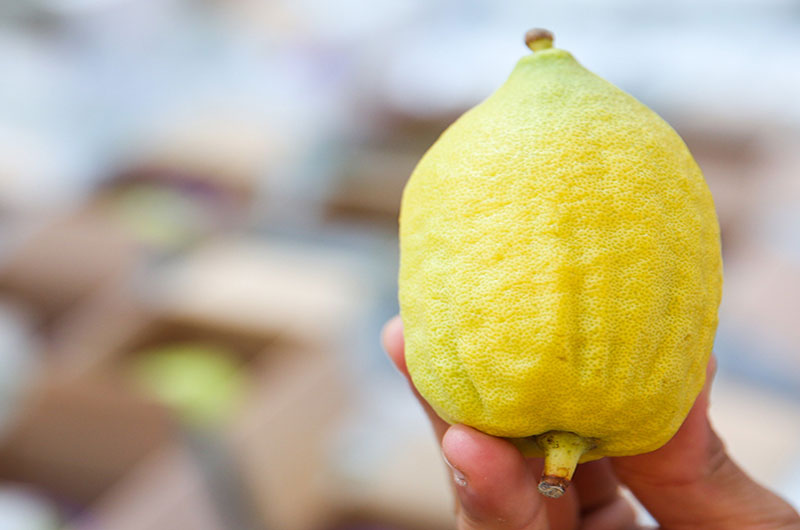
If you never finalized the price, I’m not sure the esrog is yours… the avreich said thoughtfully. You may not be able to use it, because you must own the esrog on the first day. You should ask Rabbi Dayan!
An Aging Problem? ‘I Have Chosen Him to Stand, But Not to Sit’ (Zevachim 23b)
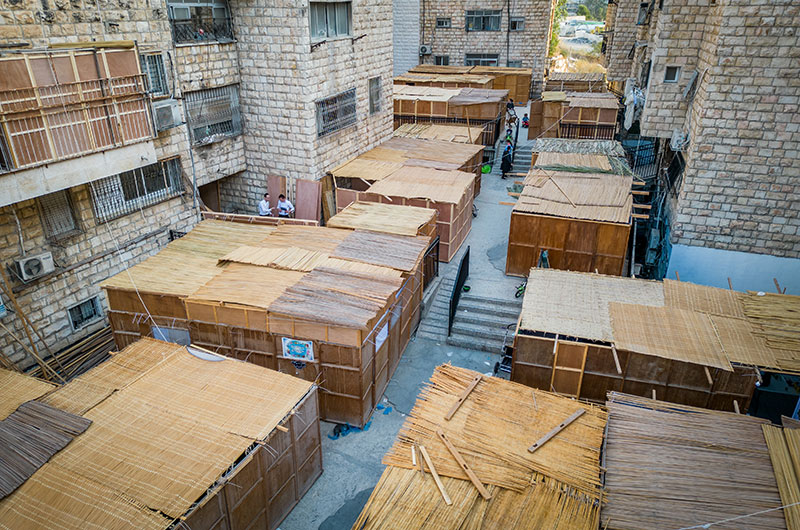
Question: I hope you will not mind answering several questions regarding the mitzvah of sitting in the sukkah. What is the reason for this mitzvah? Are we required to sit in a sukkah whenever we eat? Is one allowed to travel during the week of the holiday to a place where no sukkah is available? Moshe Jakobowitz Brooklyn, N.Y.

We first experience Elul, then Rosh Hashanah, and then Yom Kippur, a developmental process of raising ourselves higher and higher above the physical world and deeper and deeper into the spiritual world.

The mitzvah of sukkah is most unique. It is the only mitzvah one performs with his entire body (with the exception of living in Eretz Yisrael).

The sukkah is a reminder of Hashem’s constant care in our everyday lives. Commemorating a concept rather than a specific event reflects a more complex reality.

In a world fractured by fear, antisemitism, and isolation, Sukkos reminds us that holiness is not a status, it’s a practice.
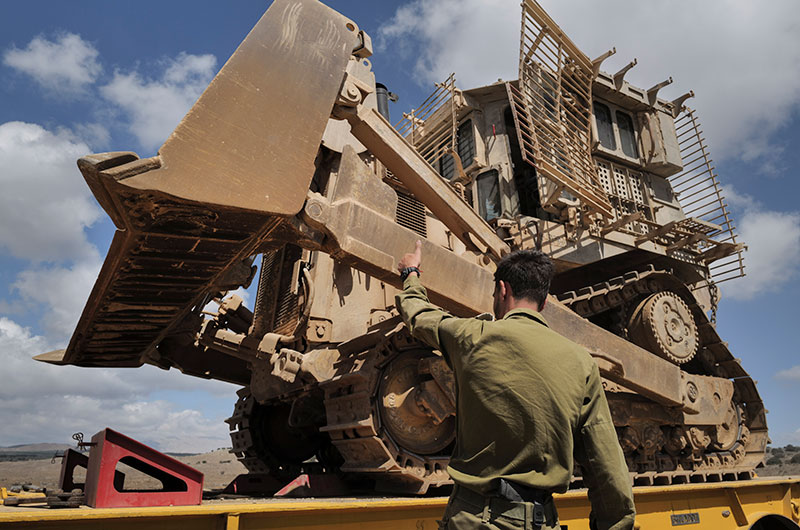
This is not a war of maneuver. It is a slow, grinding, street-by-street campaign against an enemy embedded in every alley, hiding behind civilians, and fighting from below.
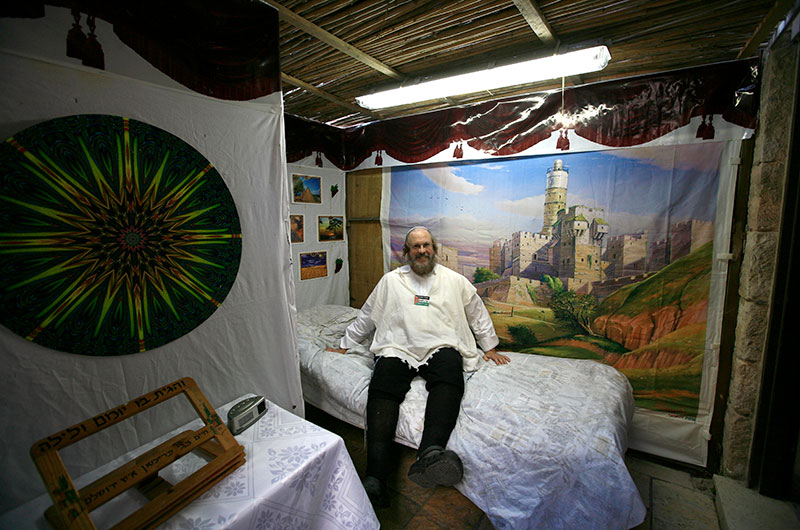
If it can be done comfortably, safely, and in accordance with halacha, it’s a beautiful and meaningful mitzvah. But we must do so without judgment. Not sleeping in the sukkah doesn’t imply laxity or lack of observance – sometimes, it’s a reflection of deeper spiritual sensitivity or halachic adherence.
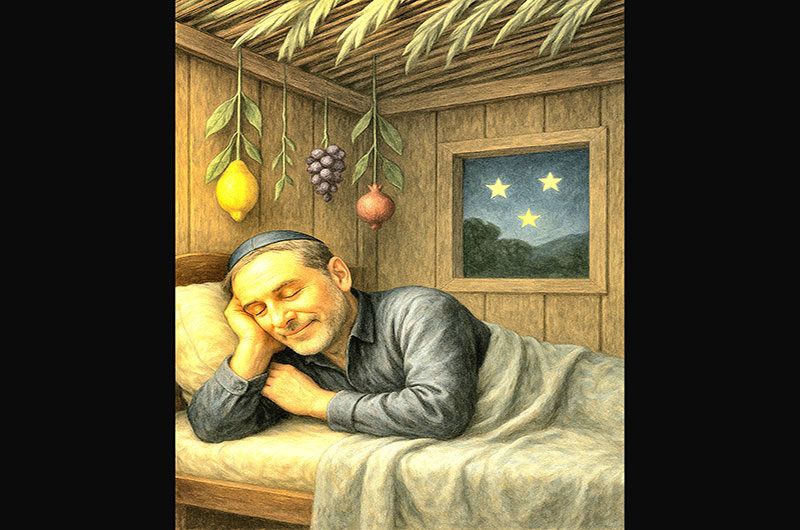
The Rema, however, is unconvinced by weather-based excuses (Darkei Moshe, O.C. 639:3). He maintains that it is generally not sufficiently cold even in Europe to constitute a blanket exemption (pun intended) from sleeping in the sukkah.
By Rabbi Lord Jonathan Sacks z"l
We are a hyper-verbal people. We talk, we argue, we pontificate, we deliver witty repartee and clever put-downs. Jews may not always be great listeners but we are among the world’s great talkers. Accuse us of anything and we’ll come up with a dozen reasons why we’re right and you are wrong.
Within all of us is this tension. A part of us might find the rituals confining, excessive, and boring. Why must we drudge through organized prayers and rituals? Why can’t we just connect to G-d and be a Jew at heart? The feeling is most legitimate.

If there was a dispute, though, you should try to resolve it, concluded Rabbi Dayan. Appeasement and restoring peace between people are a great merit on Yom Kippur.
Do Clothes Make the Man? ‘When Kohanim Are Wearing Their Holy Garments’ (Zevachim 17b)

Rabbi Nachman of Breslov, zt”l, teaches that when we cry out woe is me, we begin to take stock; not just of our actions, but of our presence. Where am I? Who is it who is crying out this way? This is not confession as ritual. It is rupture, it is awakening, it is the guttural cry that breaks through inherited silence.
Or, beseech, Hashem, I want to give more tzedakah this year. Can I have a bump in my livelihood so I can help my children more, or provide for my elderly parents? My wife has been wonderful. I want to be able to get her a nicer sheitel, some jewelry. Help me please, Hashem, to accomplish these goals.

As Yom Kippur approaches, we are called to reflect not only on our choices, but also on the apparent randomness that shapes our lives.
Hashem realizes that the commitment to improve does not always last, but He chooses to accept teshuvah because He cares for His creations and their survival.
Chazal say that for three days after Am Yisrael gathered all the loot from the Egyptians who drowned in the Red Sea, they neglected to study Torah, which set off a series of complaints and rebellions against Moshe and HaKadosh Baruch Hu Therefore, it was instituted that three days cannot pass without the Torah being read.
Clearly, Hashem could have created a universe in which there is no suffering and in which we can acknowledge and praise Him without having to overcome adversity. So, there is an inherent value to us, whether as individuals or as a species, in coming to this awareness through our own processes and gaining insight, and not just having it presented to us as perhaps the malachim do.

It’s sad. Our political-media discourse is stuck, narrow. A person is shaped by the landscape of their feed.
Did Mar Ukva crave the cheese so much that he couldn’t wait until the next day? On the other hand, there is no obligation to wait 24 hours before eating dairy. Why did Mar Ukva compare himself to vinegar, i.e. wine that has spoiled and has lost its value?
Hak-hel was (and will be again) a major event meant to unify the people and the Shevatim (tribes) to which they belonged. It also honors the Torah before all of Israel.
Question: What is the proper means of teshuvah, the repentance that one should engage in during Elul as we approach the Yomim Nora’im (Rosh Hashanah and Yom Kippur)? Zvi Unger Via E-mail

If the soul and body are complete opposites, how do they manage to coexist as one? One would expect them to repel each other, like two opposite sides of a magnet.
What Moshe was saying was that once G-d has forbidden him to do something, then even if he was physically able to do the forbidden thing, he was spiritually unable to bring himself to do so.
Our main argument for forgiveness is that our sinful behaviors do not define us; they are an aberration, an external infection as it were.

Whatever the case, we know that the most important thing is doing the right thing, accepting and fulfilling G-d’s commands and commandments, working on ourselves by adopting the guidance of Torah and halacha. And this is what we should think if we have to stay home on Yom Kippur, as all of us must do at some point.

Rosh Hashana is very much a gray zone because it’s the day on which we stand between what was and what can be. It’s the day on which we judge, and are judged, for how great our future can look tomorrow.
By Rabbi Shimshon HaKohen Nadel
For Rav Kook, the call of this ideal shofar represents redemption through holiness; An awakening to return to our ancestral homeland out of great love and faith, and a desire to bring about the Redemption, fulfilling our destiny in the Land of Israel.

One may wear another person’s tallis for davening, even though it is not a requirement, because you thereby fulfill a mitzvah.
Olas Shabbos B’Shabbato ‘An Offering of Appeasement’ (Zevachim 7b)

At 18, many girls might be expected to spend their time scrolling through their phones or shopping in malls. The chesed program provides these teenagers with a purpose beyond themselves, transforming them into compassionate, mature young women who value the art of giving.
The shofar doesn’t sound to restore order; it sounds to rupture it. It doesn’t call us to purity; it calls us to have strategic clarity. It doesn’t ask us to return to innocence; it asks us to return to alignment. To choose life in systems that often don’t.
Nitzavim has only 40 pesukim – the second shortest sedra, pasuk-wise. Only its sometimes partner Vayeilech has fewer (30).
Question: What is the proper means of teshuvah, the repentance one should engage in during Elul as we approach the Yomim Nora’im (Days of Awe)? Zvi Unger Via E-mail
In order to enable free will, HaKadosh Baruch Hu hides Himself in His Creation. When I say hide, I mean behind a concept, for example The Laws of Nature. By hiding behind this "concept," HaKadosh Baruch Hu enables a person to see Him, or not.
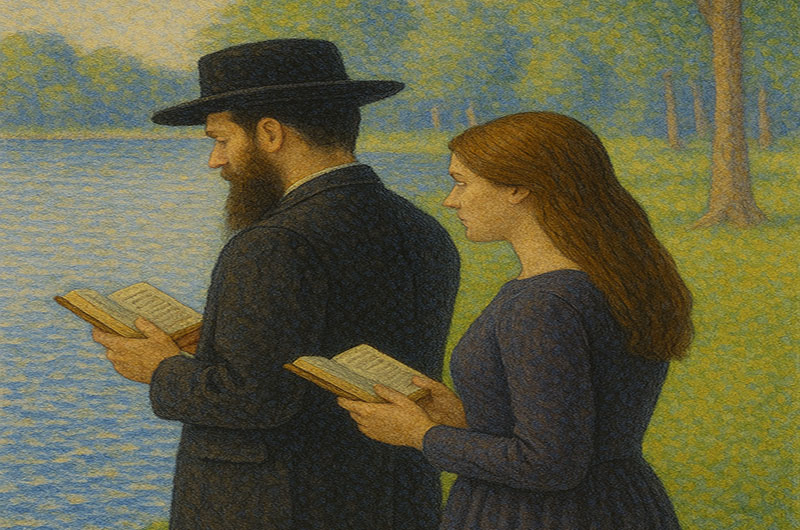
Hashem is Hashem in the supernal realms in which He plans Creation as an ideal to be embodied, and He is Hashem in the physical world that He created and which we have inhabited since the first Rosh Hashana.
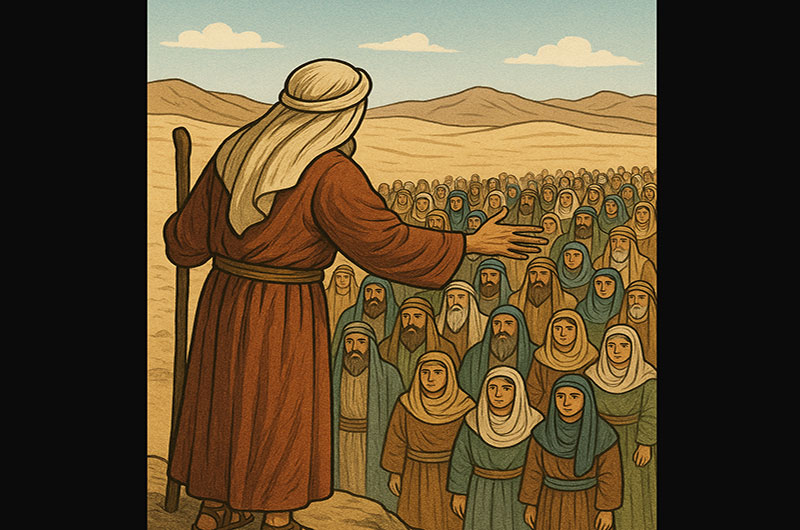
The only way to appease one’s conscience when giving in to one’s most extreme desires is to violate all the prohibitions of the Torah, even those that do not give one any pleasure.
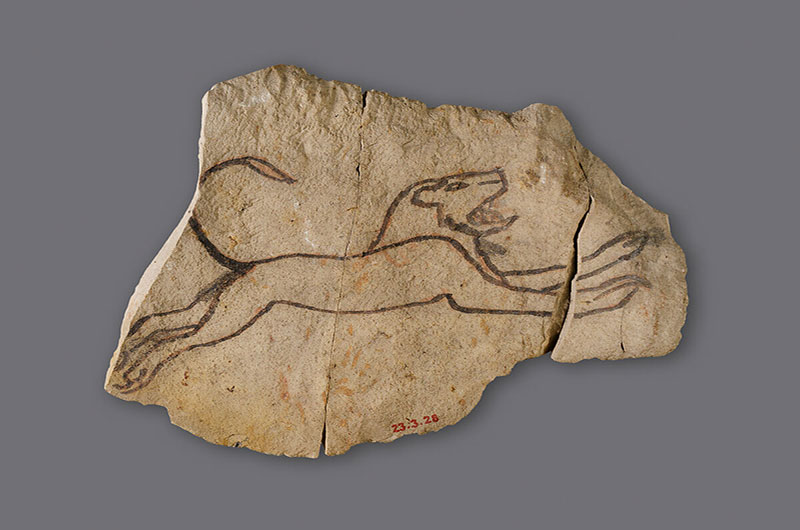
The earliest instances of Lavi as a first name that I know about are all found in the halachic responsa of the Algerian Sage Rabbi Yitzchak bar Sheshet (1326–1408), also known as the Rivash.
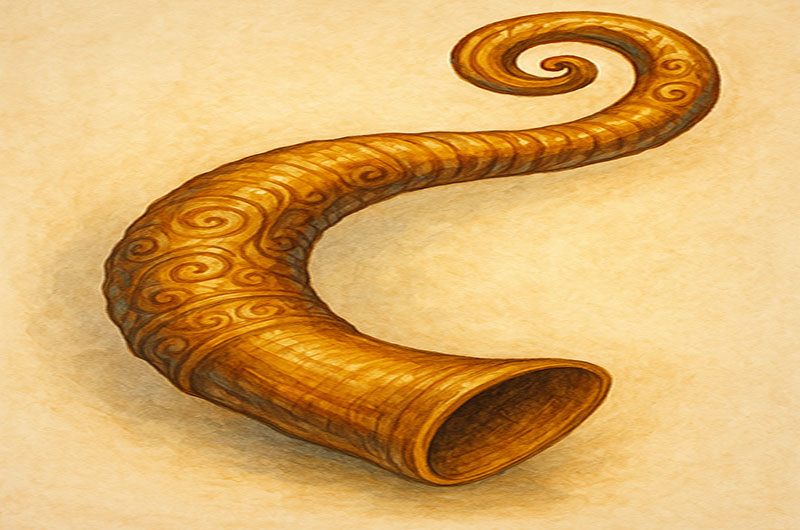
Before the recitation of the berachos preceding the blowing of the shofar, the shofar is placed on the bimah and covered with a tallis. If the ba’al tokei’a has more than one shofar, and/or other congregants have brought their own shofaros, they too are covered with the tallis on the bimah.
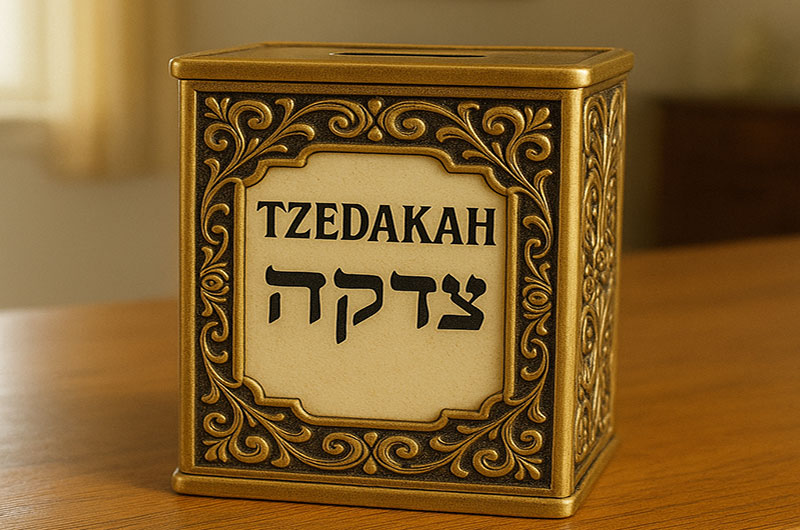
The protection of our charity extends to our children and grandchildren.

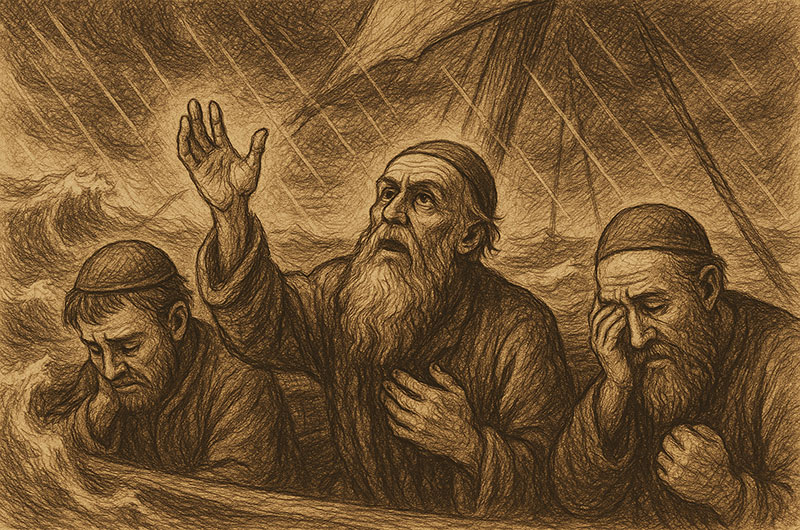
Goodman points out the Rambam is clearly hinting at his own suffering from his life – sea-voyage, or service of kings, indeed perhaps even a self-rebuke in the line they complain of the decrees and judgments of G-d. We are left speechless regarding the Rambam’s emotional courage, self-honesty, and humility.
We have brief moments of inspiration, but they soon fade into oblivion, only to be resuscitated for a few more days the next year in the hopes that somehow this year might be different.
We take it so for granted that we judge, that it doesn’t even occur to us that it’s not our place to always decide matters relating to other people’s lives.
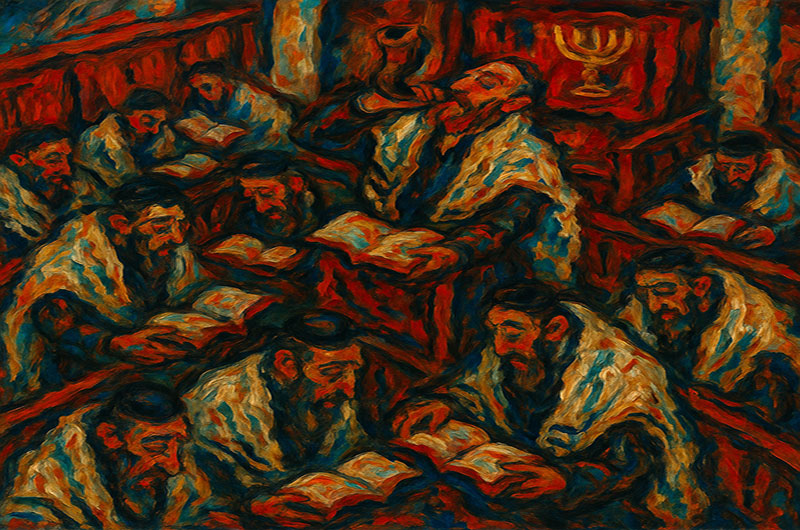
There is certainly a value in preserving one’s family nusach, minhagim, and even niggunim. Those, too, are compelling aspects of the mesorah. Fidelity to the past is not only comforting, but familiarity with the davening also enhances the spiritual experience.
Only when we negate our egos and acknowledge that the goodness and beracha in our lives comes not from our own independent efforts but from Hashem – our ultimate source and creator – can we then receive more beracha.

Although idol worship is less common and enticing in contemporary society, the prohibition against avodah zarah remains, at least conceptually, relevant.

If a person keeps in mind that everything belongs to Hashem, and knows the money is only entrusted to him, it is easier for him to tithe.
By Alan Magill
I was astounded at this tremendous mitzvah she was doing. She was dispensing HOPE in a big dose.

Several Acharonim resolve the matter by ruling that if the recipient is needy, it becomes a tzedakah pledge so that we are stringent to interpret the commitment for as long as he needs...
The great month of Elul has begun. The spirit of preparation for the Days of Mercy and Judgment have begun to envelop us, and with it the knowledge that it’s time to focus on teshuvah.
Halacha L’Ma’aseh A ‘Sinai’ Or ‘Oker Harim’? (Horayos 14a)

Elul is the season of return. Not just to G-d, but to self. To what’s bruised, unfinished, still becoming.
If you examine the paragraphs of the curses, both in Bechukotai and in Ki Tavo, you will see that they are preceded by a paragraph of blessings.
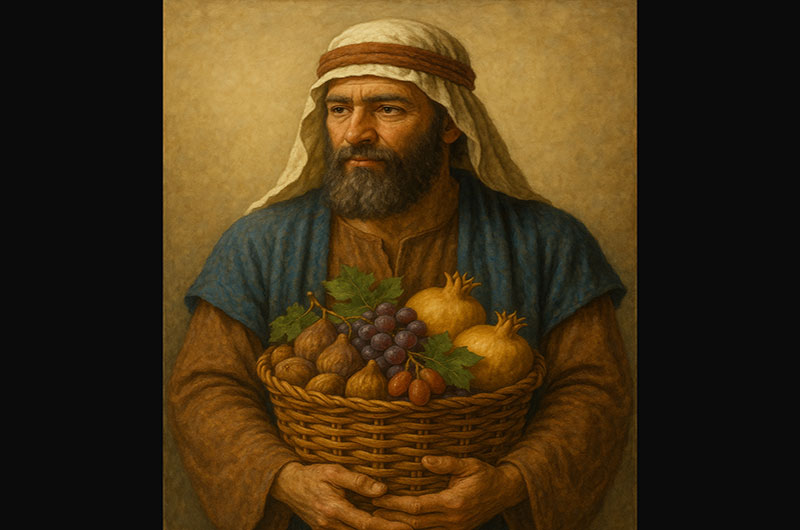
The gift of Bikkurim has to be wrapped in a way that is fit for a King. It must be offered in a beautiful basket.
Question: I recently returned from a trip abroad and wanted to say HaGomel. When I mentioned this to the officers of my synagogue, however, they told me – as per the instructions of the synagogue’s rabbi – that I would have to wait until Shabbos to do so. I was not given any reason for this and did not wish to display my ignorance, so I quietly acquiesced. Can you please explain why I had to wait? Name Withheld Via E-mail

The true national essence of Israel is not found in our markets, whether domestic or for export. In fact, Hashem made us with all the capabilities we require to subsist and even to thrive in our Land, which He endowed with all the ingredients we require to prosper.

As we recite this haftara, let us hope and pray to be deserving of a redemption that comes in a flash. The Jewish people of today, in Israel and outside it, has progressed spiritually beyond recognition in the years since the founding of the State.

Bikkurim is a prime example of hakarat hatov, recognition and acknowledgement of the good that G-d does for us.
We believe, of course, in the accuracy of the Torah. But it certainly strengthens our belief when we see the words of the Torah come alive throughout the ages.

Every person who has leadership status – a governor, a parent, a teacher, or an employer –must consider that even the highest official, the king, is only who he is by virtue of what he does.

Hashem is merciful – are we showing mercy? He doesn’t repay evil with evil – do we hold back and try to give kindness even when it isn’t deserved? He is slow to anger – are we working on patience? He is truthful – do we live with honesty? The list isn’t only about Him; it is a mirror held up to us.
By Michael Gati
Walking into the shul I saw an old man walking really slowly, I offered to help him down the stairs but was reluctant. He made an attempt to put on his tallis but was not able to. I walked over to help him but despite his reluctancy I insisted on helping.

Once it fell, it’s like the other candies, Sruli said. The same way you grabbed what was thrown, I grabbed what fell from you. He popped the candy into his mouth.
A Convert’s Benefit ‘Blemishes Are Only Post Sinai’ (Horayos 10a)
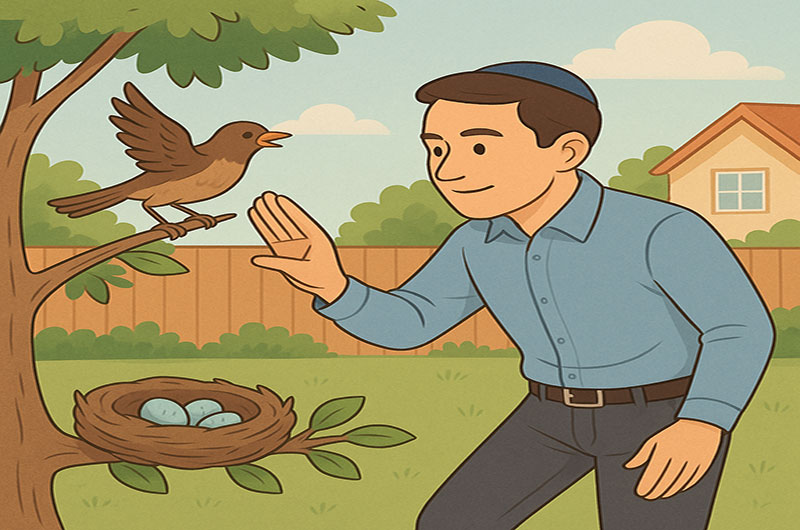
We know that it is already decided before one is born when and where one will die and there is no way of avoiding that meeting with the angel of death. If that is the case, why must one bother installing a fence? The accident is destined to happen anyway.
Question: I recently returned from a trip abroad and wanted to say HaGomel. When I mentioned this to the officers of my synagogue, however, they told me – as per the instructions of the synagogue’s rabbi – that I would have to wait until Shabbos to do so. I was not given any reason for this and did not wish to display my ignorance, so I quietly acquiesced. Can you please explain why I had to wait? Name Withheld Via E-mail
The Torah says about Sarah and Rivka that they were lovely (yefat mar'eh) but that Rachel, in addition to being lovely, was also beautiful (yefat toar). So, the only one of the Matriarchs that exactly matches the description of eishet yefat toar is Rachel.

Gold in Torah doesn’t just stand for just wealth, it’s also trust. And trust begins with math. With integrity. With the quiet promise that value won’t be manipulated for profit.
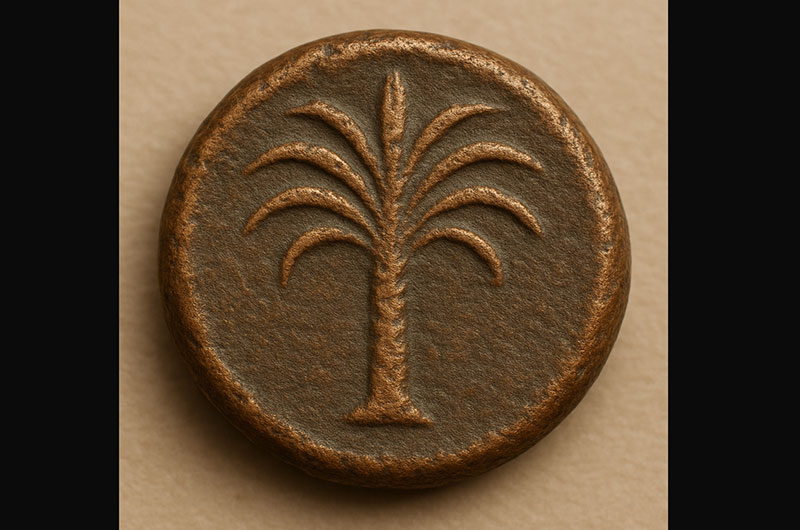
This article refers to the classic coin and usage, and does not address the fact that an actual Judean Bronze coin now can fetch hundreds of dollars or more on the open market.
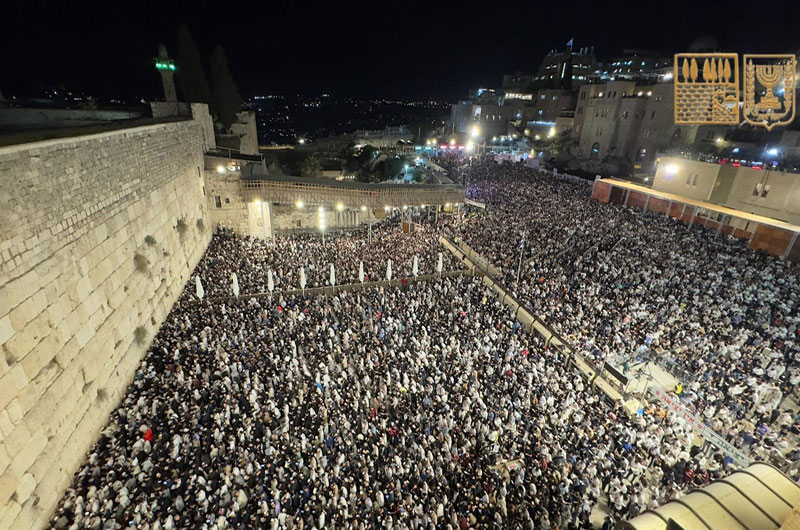
Ma’oz’s soul brought you together. He was your matchmaker. You studied in the same school for twelve years without ever having a real conversation. And yet, here you are – connected because of this Jewish hero, and through your shared love of Torah. This is not only Benji and Eliana’s private story. We are all part of something much greater.

There are 674 parshiyot in the Torah – 295 petuchot and 379 setumot. And Ki Teitzei has more parshiyot than any other sedra.
 July 24, 2026