יום ראשון, ו׳ תמוז תשפ״וSunday, June 21, 2026



Follow Us


Sections
E-Edition

When the seller wants to leave the area, if we would require notifying the bar metzra initially, the prospective buyer might retract in the meantime and delay the move, adversely affecting the seller even if he did not have a defined prospective option elsewhere.

Eternal and Immutable “Only Those Enumerated by the Sages” (Chulin 54a)

The reason for the celebration is that Torah is not merely a constitution or a book of the Rights of Man. “It is a Tree of Life for those who grasp it, and those who support it are blissful” (Mishlei).

If we are talking about the fact that he is afraid of being caught by the law and having to pay, it doesn’t make sense that he would throw it over the fence and cause damage.

Eli smiled sympathetically. Normally, you can’t take challah twice, he said. But I remember learning in kollel a famous Ketzos about someone who separated challah without the owner’s authorization. I don’t know what we rule in practice, though.
A Halachic Referral “It [the Lung] Erupted in Blisters” (Chulin 48a)

“I’m sorry” sometimes simply is not enough. These words echo painfully in my mind whenever I witness tragedy, cruelty, or human insensitivity. They reverberate whenever I see people throw words carelessly at one another, unaware that words themselves can become eternal scars.
While we hope and pray for continued miracles, we of course have to do all in our power to make miracles unnecessary, and one way is to do a better job explaining to the world which people are interested in genocide and which people are interested in preventing it.

The standard peshat of the words “The wise have their eyes in their head” is that they are introspective and consider the consequences of their choices prior to taking action.
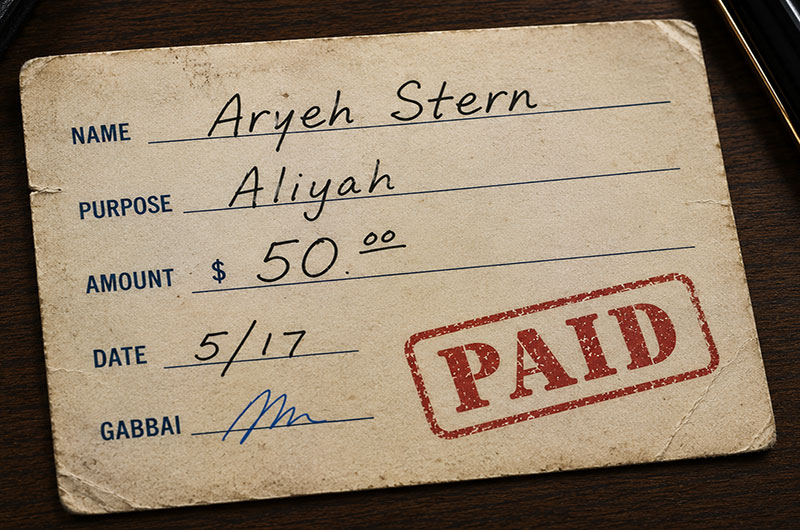
When you owe money to someone, and a third party pays the creditor of his own initiative, you are thereby relieved of your obligation to pay, replied Rabbi Dayan.
Incubator Chicks: The Dispute “These Are the Living Things Which You May Eat” (Chulin 42a)

I wonder how many stood there, opening up their hearts and souls. How many knew that this would be their final prayer and yet they called out to Avinu Shebashamayim, ‘bring us home to Yerushalayim!’

A person who constantly succumbs to his needs and urges without any intellectual thought or consideration is no better than an animal.

There isn’t an educator in any of our schools who isn’t a hero. Teaching is the most valuable and integral profession we have, despite the fact that teachers are often underpaid and underappreciated.

Does buying jewelry now count for the mitzvah of simchas Yom Tov?
The Jew as a Gentile’s “Kashrus Certificate” “We Do Not Give Innards to a Gentile” (Chullin 33a)
The ability to collaborate, connect, and negotiate between the built-in masculine and feminine traits and perspectives is what allows creation to occur, literally and figuratively.

If a father embarrasses his son in shul because the latter was talking during davening, he may get his son to stop talking in the moment, but in the long term he has not taught him anything about kavod ha’tefillah

From a philosophical perspective, many Jewish thinkers have focused on the unique role of speech as a defining element of humanity. Speech, at least in its fully realized form, distinguishes Man from the animal; for humans, speech expresses thought, making this distinction especially profound.
The Siren’s Wail “If a Festival Falls on the Eve of the Sabbath…” (Chullin 26)
How do we present our leaders? Do we portray them as flawless beings, untouched by error, existing on a plane so elevated that they bear little resemblance to the people we are raising? Or do we present them as the Torah itself does: as extraordinary individuals who nevertheless grappled with very human struggles?

You are in the middle of work, replied Rabbi Spitz. I assume that Rabbi Dayan also taught you the importance of having a good work ethic and not wasting time as an employee.

It is surprising, then, that this practice is so entrenched, especially since it has no basis in Chazal or the Rishonim. … In the late 16th century, however, two Eastern European authorities record a tradition not to recite Kiddush on the first night of Shavuot until nightfall.

Slaughtering with shechita represents an orderly process; while it is still death, it is via the approved process and represents the appropriate connection to G-d and transition from this world to the next through death.

In the daily grind, we often forget about the thunder and lightning and the excitement of Torah. It becomes just another part of our day, and we forget that its message is eternal and all-encompassing.

By Adina Broder
People may have varied religious practices, ideologies, or political views. They may come from different backgrounds, affiliations and persuasions. But this doesn’t mean that there needs to be strife between us.

If someone sold defective merchandise and was aware that the customer intended to take it elsewhere, the seller is liable for the return expenses.
Meat from Heaven? “Only Young Ones Are Acceptable…” (Chullin 22a-b)

Just because it is a clever derush, does it really make sense that one should merit something as grand as being revived from the dead for eating this final meal?

Is living in a confined area always a bad thing? Is living a metaphorically confined existence always restricting?

Rava permits the borrower to offer money to a third party to secure him a loan. Although the borrower pays, the lender does not benefit from him; the third party just receives his broker’s fee (Y.D. 160:16).
Aiding or Abetting? “However,…Due to Suspicion, We Check…” (Chulin 12a, Rashi)
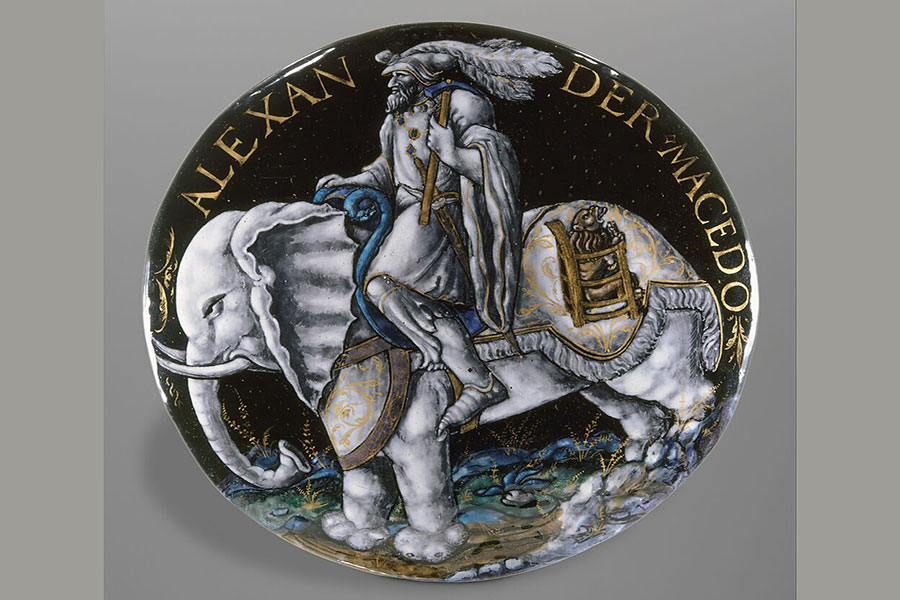
The whole topic of premonitions took on added twists and turns with the most recent Trump near assassination.

Since the Torah itself permits substances that may be unkosher if they are nullified or subject to certain assumptions, in effect they become kosher. The same law that prohibits can also permit. However, poison is poison and will not change due to legalisms.
In the most painful times, we walk ahead in darkness with the light of our faith. Sometimes that light may seem to dim, but we seek to fan its flame and strengthen it within us.

The Rosh (Responsum 68:24) upholds the practice of Ashkenazic communities to require granting a copy of the document to enable the borrower to identify possible forgery or similar issues in the document.
A “Heated” Discussion “The Place of Shechita is Hot” (Chullin 8b)

Scattered among the peoples of this earth, we spent two thousand years wrestling with history. Stripped of almost every public expression of Jewish life, we clung to the word and will of Hashem and proved more resilient than history and more faithful than our enemies presumed.
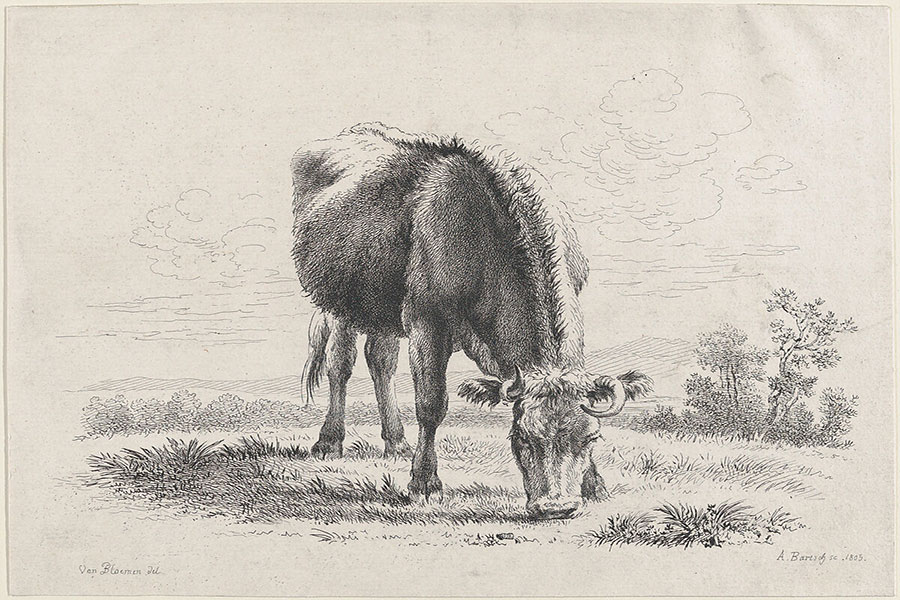
Eating itself is to be viewed as a form of sacrifice. The consumption of food to empower the body to serve G-d can be as symbolically and intentionally powerful as offering a sacrifice on the altar. It depends on the person’s kavana.
As one educator once said, “Every child has gifts. Some discover them later than others.” Very often, those qualities and talents remain latent and need to be recognized.

By the time Mr. Weiss headed home, his satisfaction had dimmed. While the stay had been pleasant, he felt that he had been cheated.
Anticipating the Rebuilt Temple “One Who Engages in the Study of the Chattas…” (Menachos 110a)
There is something uniquely powerful about the prayers of a child. Watch a young child daven, and you will see a kind of purity that is difficult to replicate in adulthood.

The more subtle point is an ego defense known as Reaction Formation. That is when a person is conflicted and feels that he should conform to an internal or external expectation, but deep down, does not want to.
These days it’s not hard to understand how a few nonchalant and effortless clicks can have tremendous consequences. Clicking on one part of the computer screen may be completely innocuous, while clicking an inch over, into a little box on the screen can cost you big time, in more ways than one.

Tests, consultations with doctors, and anxious waiting continued for hours. Thank G-d, it turned out that there was nothing seriously wrong, but it was now too late for the family to make it home for Shabbos.
What About the Blood? “They Were Not Really Babylonians…” (Menachos 100a)

Many people fault the United States and Israel for “initiating” a war (or trying to end it?) when they did, not because they think their opponent should not eventually be fought but because they feel that the threat from Iran was not imminent.
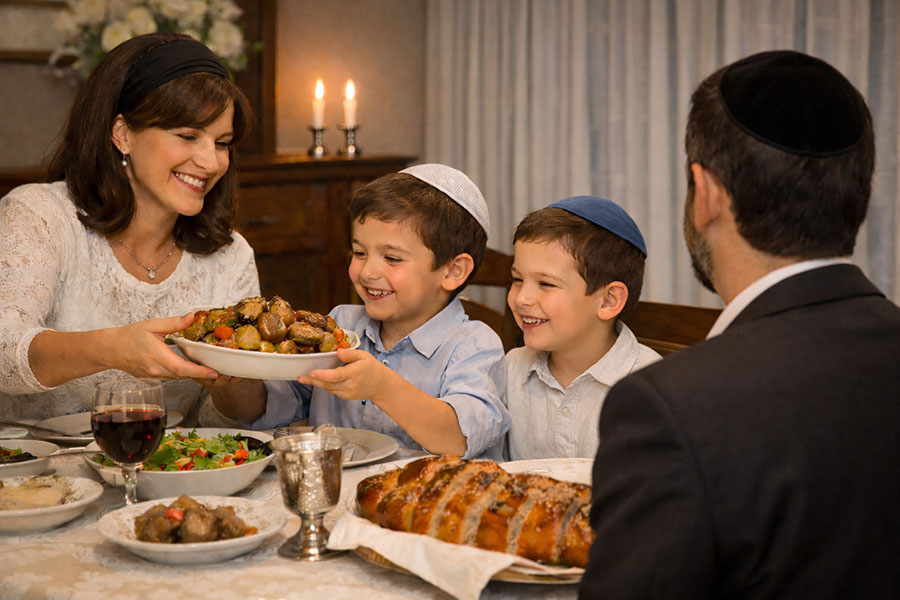
A child only has about 2,000 Shabbos meals until adulthood; when you think about it, that is not a long time to inculcate the fundamentals of our religion and how to experience it.
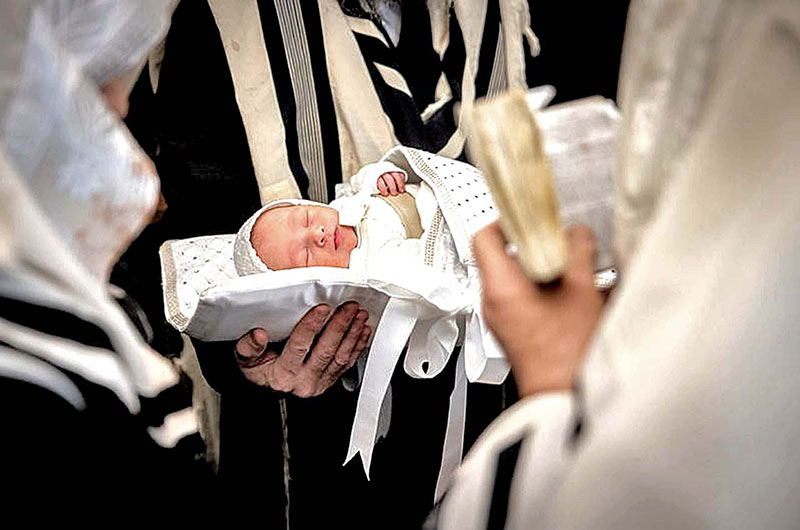
Brit and mila are not synonyms. They each point to a different aspect of what is supposed to happen on the baby boy’s eighth day.

Eating challah without a minimum of three or four dips is practically unheard of. (Some would argue that it may be more important than lechem mishna.)
A Matter of Inflation “Since It Is Baked, It Expands” (Menachos 94a)

Some say that even if we are not talking about the rav of a shul, just someone who is the baal t’fila for Maariv in a shul where it is the baal t’fila who leads the count, and the chazan in question skipped a day, he would be able to count with a b’racha to avoid being embarrassed.

Anyone who has gone through a traditional yeshiva education is familiar with this unique aspect of Jewish tradition. Torah study is not just for knowledge, nor is it merely a mitzvah to study, but it is also a redemptive, elevating process.
Nekudot in the Sefer Torah ‘Why Is There a Dot Over the Vav?’ (Menachos 87b)
Would we think it possible that one day we would be standing at Sinai, receiving the Torah and becoming Hashem’s chosen people?

If you are short on matzah, you can borrow from your neighbor, but you should say: ‘Do you have a box of matzah to give me, and I’ll give you one back on Chol HaMoed,’ rather than: ‘Can you lend me a box of matzah?’

Mrs. Klein replied, It doesn’t seem fair that I should pay you for two idle hours when there’s still work that could be done!
A Matter Of Terminology “Oil Set Apart for One Mincha Is Invalid for Another” (Menachos 79b)

The Rabbis applied an adage to dictate a Torah idea. I believe this is because when the Rabbis discerned an adage that was wise, they realized that it represented a pattern in life.

Mr. Brand shook his head. I didn’t even light the fire, he replied. The compressor sparked on its own. And how was I supposed to know that there were valuable tools hidden under a tarp?
Hashem’s Holy Name “…That A Gentile May Bring Either Votive or Freewill Offerings…” (Menachos 73b)
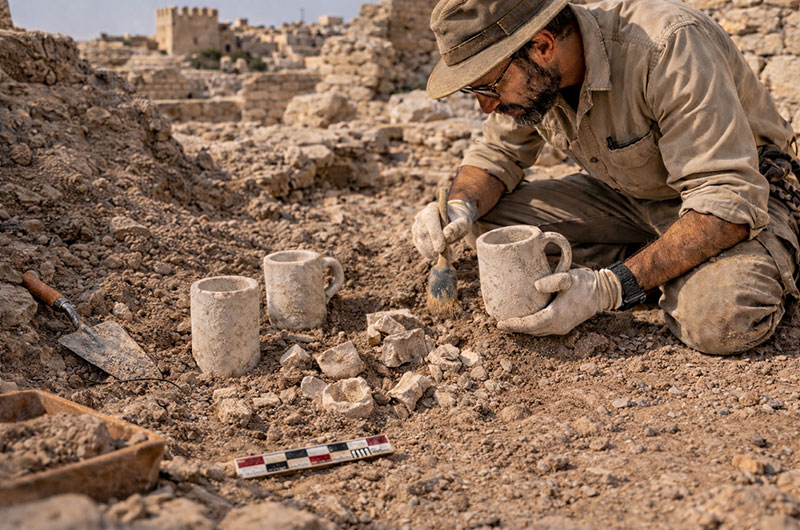
What is most fascinating about the laws of purity is how extensive and invasive they must have been when they were observed properly in the times of our Sages.
I recently heard the Meaningful People podcast in which Uncle Moishy was interviewed. It’s clear that he genuinely loves what he does and takes great pleasure in the fact that he has had such a wonderful impact on so many Jewish children for so many years.

When the renovation finally neared completion, Mr. Landman approached Mr. Fixler. “We relied on your schedule,” he said. “We had to move out. We even rented an apartment. This delay caused real inconvenience and expense. I believe we deserve compensation.”
Shortchanged? “You Shall Count 50 Days” (Menachos 65b)
When I first learned of this initiative, I felt immediately that it deserved recognition. Not because it is grand, but because it reflects the quiet greatness that sustains Jewish life. Many communities mourn; fewer understand how to transform mourning into blessing.

Even this can be only a metaphor, because G-d is complete and needs nothing. The words “need” or “it brings honor” are a stand-in for human perception of a deeper truth or force of the universe.
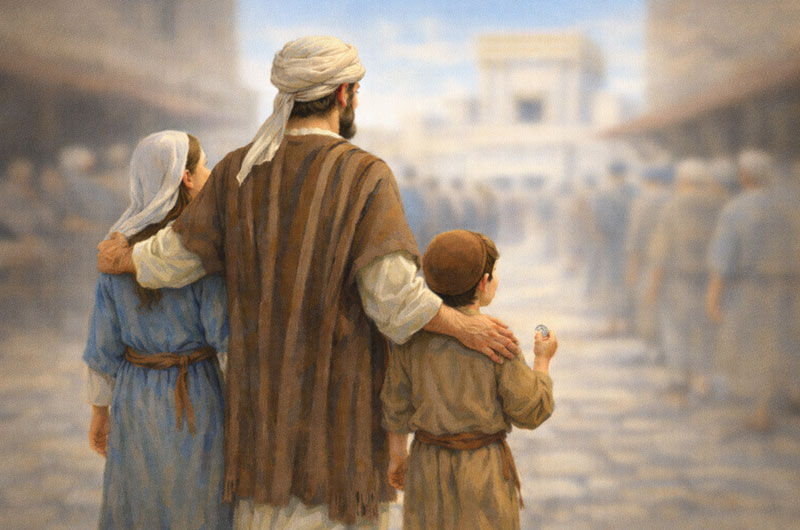
Although they used the child’s coin, this does not adversely affect the animal’s status. And since he gave it willingly, which is valid mi’d’Rabbanan, they have no obligation to return its value to him
Monies in a Pushka “Do Not Add Oil” (Menachos 59b)
Hundreds of chayalim, in all types of uniforms, walking together, right before my very eyes! The same window through which the Nazis would look in, now we were looking out and seeing a miracle unfold before our eyes.

The Torah is asking of us not to devote moments of time toward worship but to live and walk with G-d.

When we smell something, it also allows us to anticipate something we may not see or hear.
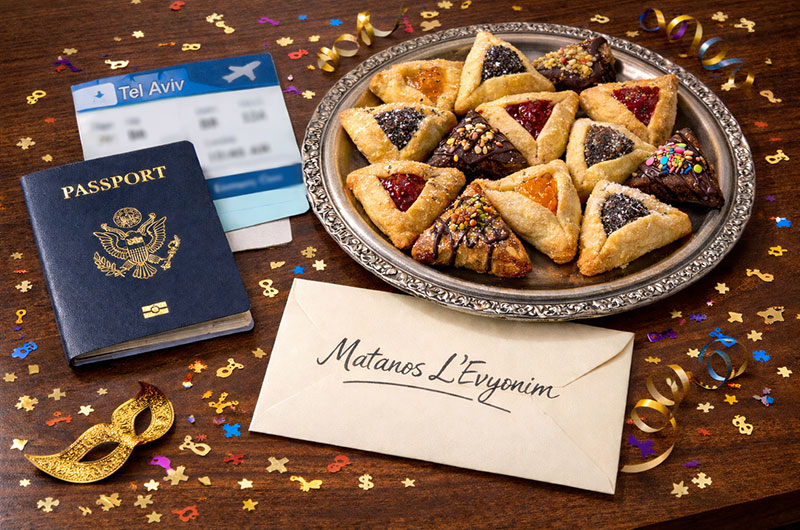
Can I send matanos la’evyonim to someone living in Yerushalayim which they will receive when they are celebrating Purim?
The Greater Reward “The Ketores…Since It Is Infrequent, It Is Most Dear” (Menachos 50a)
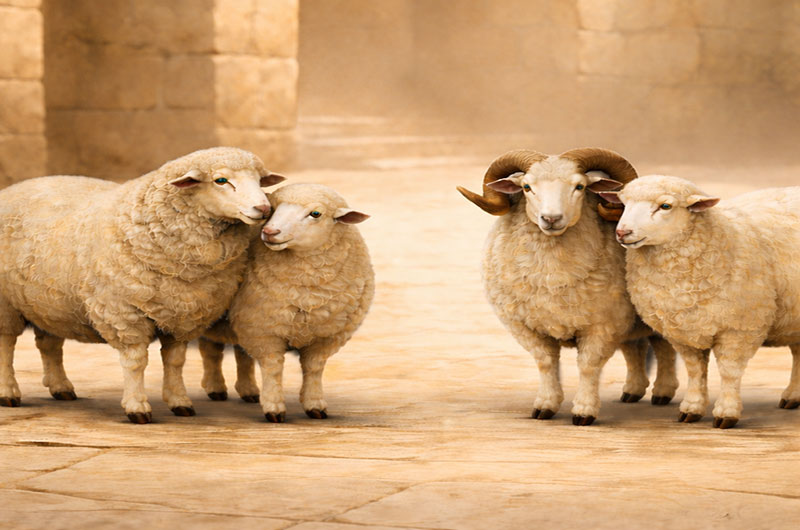
At this point the Gemara assumes that it is improper to commit a sin even in order to achieve a higher purpose, such as fulfillment of the overall mitzvah.

Like people, relationships have ups and downs. They do not remain static and require constant nurturing and attention to maintain and enhance them.

He assumed it probably wasn’t a problem, but his uncertainty held him back. Was exchanging bills considered using company money? Was borrowing temporarily any different?
Something Borrowed, Something Blue “‘You Shall See It’ To Exclude A Nighttime Garment” (Menachos 43a)

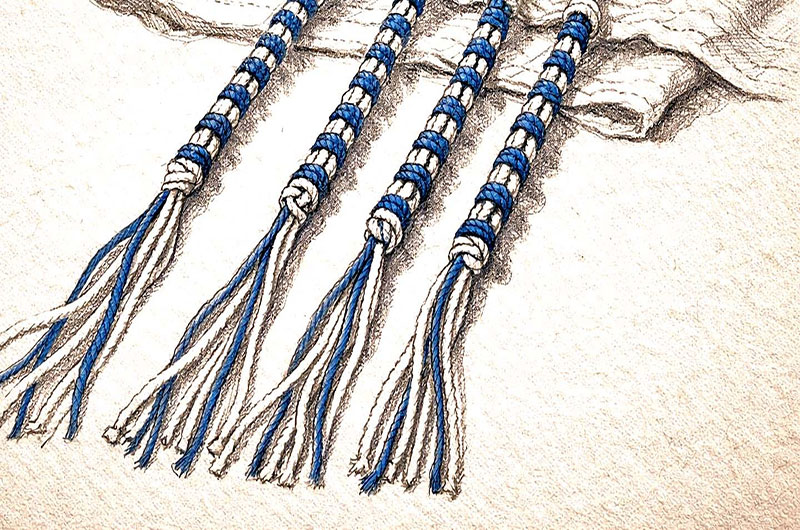
Our forefather Yaakov was described as a wandering Aramean (see Devarim 26:5 pashut p’shat, Ibn Ezra and Rashbam). The Jewish experience is to wander and spread out into the world, like our forefathers did. But the Jew maintains his identity and morals in the outside world by wearing tzitzis.
The truth is that much of life is spent waiting. On a simple level, when the world is functioning normally, we wait on store lines, in traffic, for packages to arrive, etc. But on a more significant level, we wait for all sorts of salvations and panaceas.

Miriam opened it slowly. Inside was the dress – her initial order. She stared at it, conflicted. After everything they put me through, she thought, do I really need to give this back?
Is a Shortened Lulav Kosher? “Remnants of Tzitzis are Kosher” (Menachos 38b)

What does it mean to see G-d’s back? In Hilchos Yesodei HaTorah (1:10), Rambam explains that even when one does not see a person’s face, one can still recognize them by seeing their back, provided one knows them well.

There are many lessons and reflections to be gleaned from the surreal events that have taken hold of the world during the Coronavirus pandemic. One of those lessons is a reminder about the effect and influence of every single individual.

The wedding was beautiful, baruch Hashem, and the pictures came out nicely. Still, when the dust settled, the added expense lingered in Mr. Simcha’s mind.
A Sefer Torah That Fell “As Though Bitten by a Snake” (Menachos 32b)

The massive armada of vehicles and people to personally search for the remains of the last Israeli hostage – police officer Ran Gvili – will be forever etched into the minds and hearts not just of Jews but of people of good will throughout the world.
Fathers must consider that beyond their financial inheritance, there is a spiritual yerusha that is their true inheritance. A life occupied with hours spent in the office or making deals but at the cost of family life is not a yerusha after all.
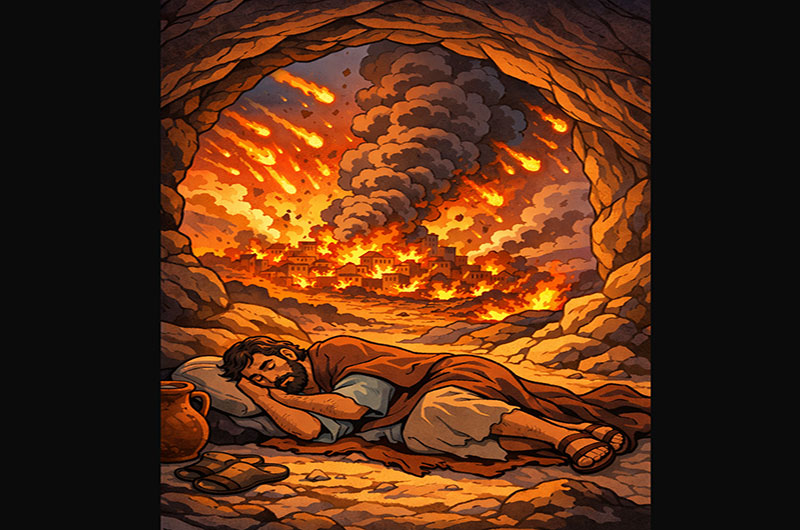
I will add a comparison between the altar and this stone. The altar represented service to G-d. In serving G-d, one goes gradually up and ascends a ramp. There can be no rush-jobs in approaching G-d – at least from our side of the relationship.
I have noted in this column that it’s a beautiful feeling to have nachas from one’s parents. I should add that the same is true about having nachas from one’s siblings.

If I saw the hat, I could probably identify it, suggested David Baruch. I’m able to recognize it on the coatrack even though there are many similar hats.
Apples and Oranges “Two Menachos Were Mixed but the Handfuls Were Not Taken” (Menachos 23a)

Much of our reality is constructed by our personal beliefs. If we believe in forgiveness, we can be forgiving of others as well as ourselves.

Rabbi Moshe Weinberger notes that although to the uneducated person it seems that a tree’s entire growth is dependent on the nourishment it receives from its roots in the ground, that is actually not the case.

His chavrusa considered this carefully. A pledge to tzedakah is binding, he said. The question is whether placing money in the shul’s box is considered delivery to the shul – or if it’s still your responsibility until the shul’s treasurer actually receives it.
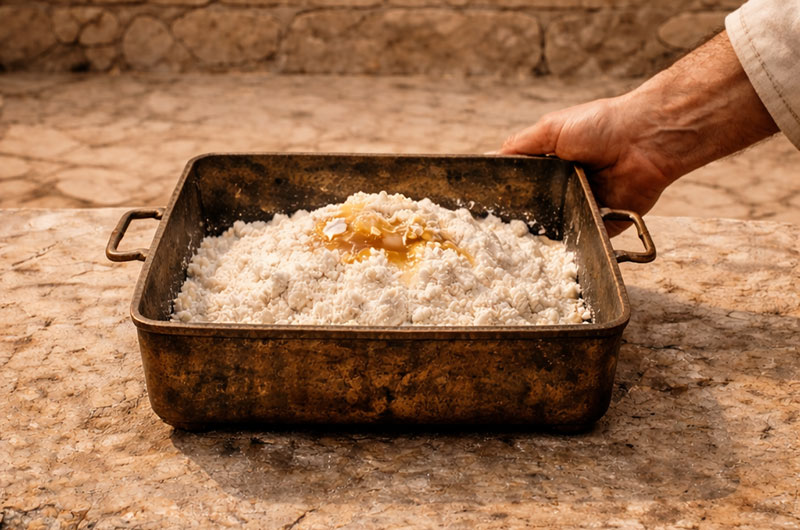
Tum’ah, representing death and the vacuum of G-d’s life-force, brings impurity. But humans have free will, and when it comes to our loss of connection to G-d, we must also reach out and cannot receive blanket dispensation.

Providing a needy person with employment is considered the highest form of tzedakah because it preserves his self-dignity (Y.D. 249:6; Shach 249:7), replied Rabbi Dayan.
Double Trouble? “Two Handfuls” (Menachos 11b)
When someone invests in any project, there is a sense of ownership and pride that creates a stronger bond. This is an important principle in chinuch as well, especially in our times where discipline is much less about punishment and more about motivation via “chains of love” (the famous words of the Chazon Ish, Y.D. 2:28).