יום שבת, ח׳ תשרי תשפ״זSaturday, September 19, 2026



Follow Us



Many people fault the United States and Israel for “initiating” a war (or trying to end it?) when they did, not because they think their opponent should not eventually be fought but because they feel that the threat from Iran was not imminent.
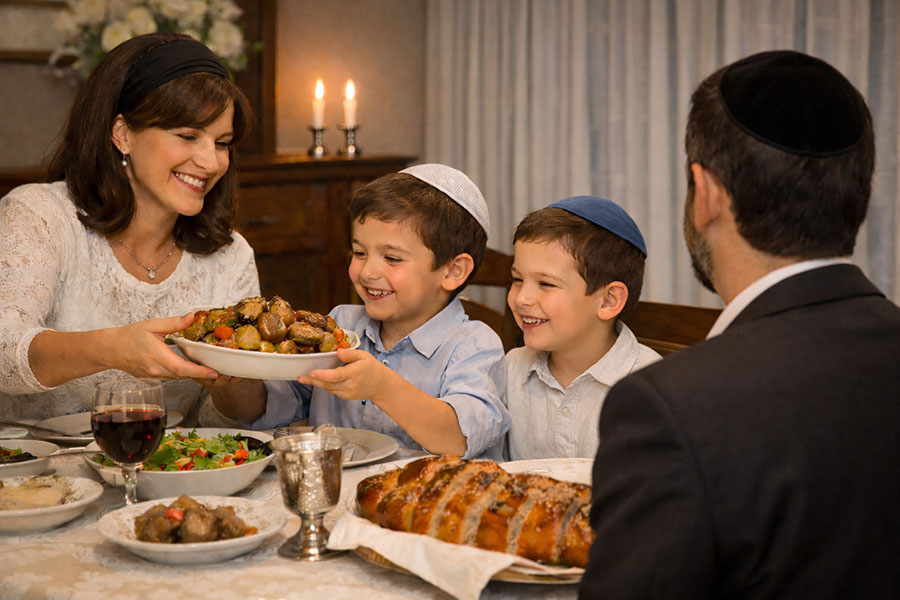
A child only has about 2,000 Shabbos meals until adulthood; when you think about it, that is not a long time to inculcate the fundamentals of our religion and how to experience it.
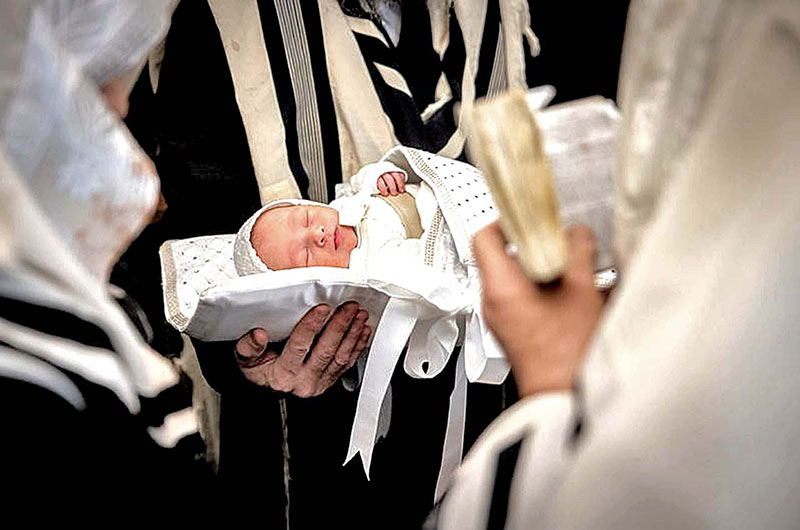
Brit and mila are not synonyms. They each point to a different aspect of what is supposed to happen on the baby boy’s eighth day.
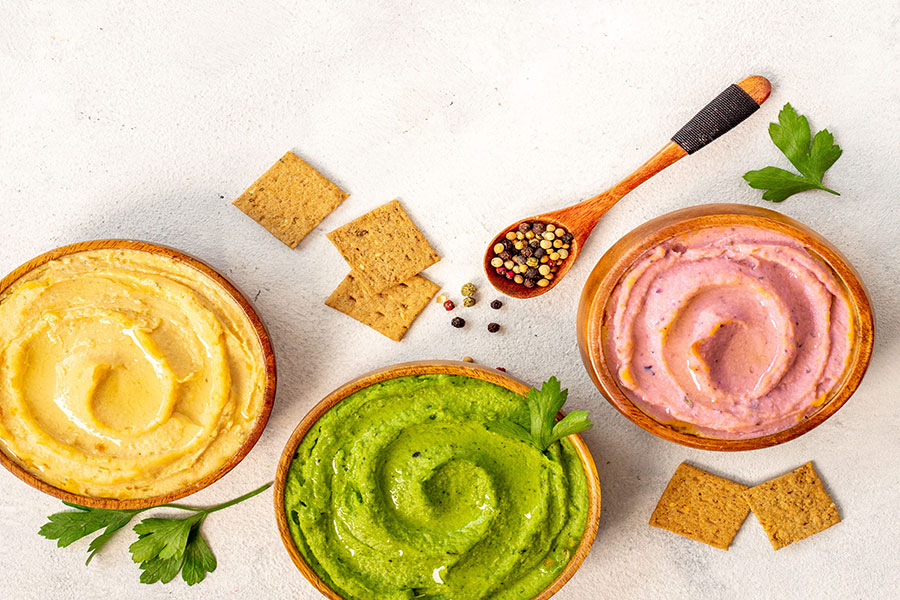
Eating challah without a minimum of three or four dips is practically unheard of. (Some would argue that it may be more important than lechem mishna.)

A Matter of Inflation “Since It Is Baked, It Expands” (Menachos 94a)
Some say that even if we are not talking about the rav of a shul, just someone who is the baal t’fila for Maariv in a shul where it is the baal t’fila who leads the count, and the chazan in question skipped a day, he would be able to count with a b’racha to avoid being embarrassed.

Anyone who has gone through a traditional yeshiva education is familiar with this unique aspect of Jewish tradition. Torah study is not just for knowledge, nor is it merely a mitzvah to study, but it is also a redemptive, elevating process.
Nekudot in the Sefer Torah ‘Why Is There a Dot Over the Vav?’ (Menachos 87b)

Would we think it possible that one day we would be standing at Sinai, receiving the Torah and becoming Hashem’s chosen people?

If you are short on matzah, you can borrow from your neighbor, but you should say: ‘Do you have a box of matzah to give me, and I’ll give you one back on Chol HaMoed,’ rather than: ‘Can you lend me a box of matzah?’

Mrs. Klein replied, It doesn’t seem fair that I should pay you for two idle hours when there’s still work that could be done!
A Matter Of Terminology “Oil Set Apart for One Mincha Is Invalid for Another” (Menachos 79b)

The Rabbis applied an adage to dictate a Torah idea. I believe this is because when the Rabbis discerned an adage that was wise, they realized that it represented a pattern in life.

Mr. Brand shook his head. I didn’t even light the fire, he replied. The compressor sparked on its own. And how was I supposed to know that there were valuable tools hidden under a tarp?
Hashem’s Holy Name “…That A Gentile May Bring Either Votive or Freewill Offerings…” (Menachos 73b)
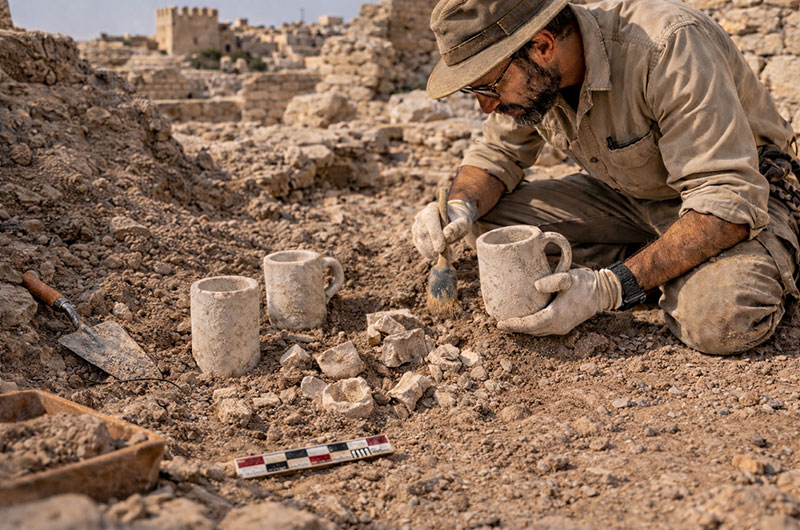
What is most fascinating about the laws of purity is how extensive and invasive they must have been when they were observed properly in the times of our Sages.

I recently heard the Meaningful People podcast in which Uncle Moishy was interviewed. It’s clear that he genuinely loves what he does and takes great pleasure in the fact that he has had such a wonderful impact on so many Jewish children for so many years.

When the renovation finally neared completion, Mr. Landman approached Mr. Fixler. “We relied on your schedule,” he said. “We had to move out. We even rented an apartment. This delay caused real inconvenience and expense. I believe we deserve compensation.”
Shortchanged? “You Shall Count 50 Days” (Menachos 65b)

When I first learned of this initiative, I felt immediately that it deserved recognition. Not because it is grand, but because it reflects the quiet greatness that sustains Jewish life. Many communities mourn; fewer understand how to transform mourning into blessing.

Even this can be only a metaphor, because G-d is complete and needs nothing. The words “need” or “it brings honor” are a stand-in for human perception of a deeper truth or force of the universe.
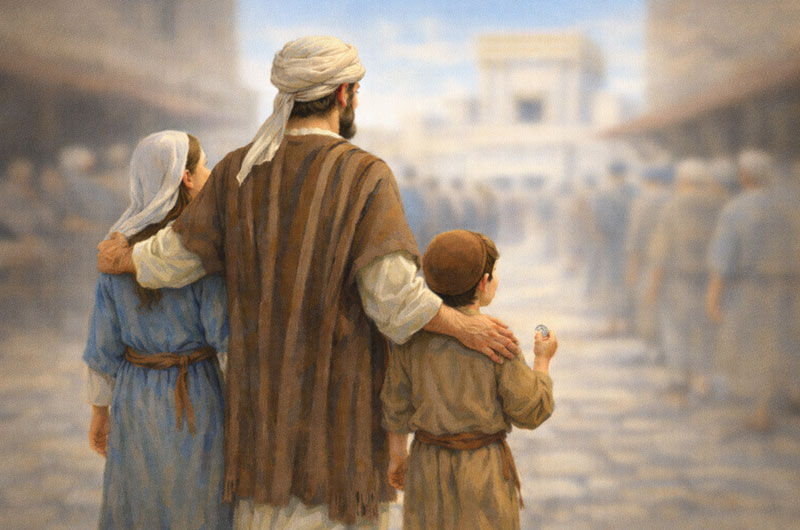
Although they used the child’s coin, this does not adversely affect the animal’s status. And since he gave it willingly, which is valid mi’d’Rabbanan, they have no obligation to return its value to him
Monies in a Pushka “Do Not Add Oil” (Menachos 59b)
Hundreds of chayalim, in all types of uniforms, walking together, right before my very eyes! The same window through which the Nazis would look in, now we were looking out and seeing a miracle unfold before our eyes.

The Torah is asking of us not to devote moments of time toward worship but to live and walk with G-d.

When we smell something, it also allows us to anticipate something we may not see or hear.
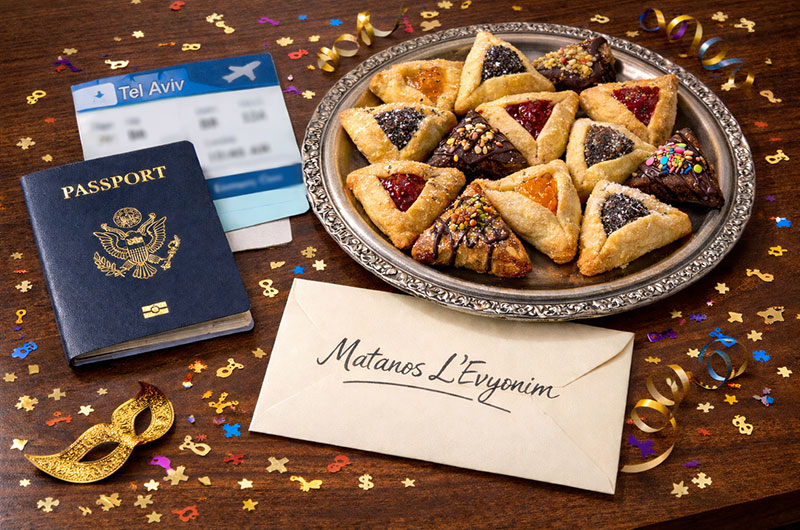
Can I send matanos la’evyonim to someone living in Yerushalayim which they will receive when they are celebrating Purim?
The Greater Reward “The Ketores…Since It Is Infrequent, It Is Most Dear” (Menachos 50a)
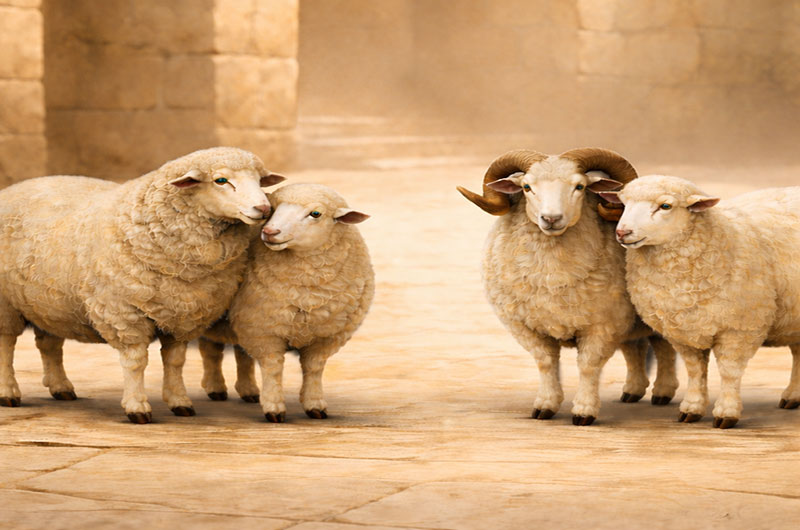
At this point the Gemara assumes that it is improper to commit a sin even in order to achieve a higher purpose, such as fulfillment of the overall mitzvah.

Like people, relationships have ups and downs. They do not remain static and require constant nurturing and attention to maintain and enhance them.

He assumed it probably wasn’t a problem, but his uncertainty held him back. Was exchanging bills considered using company money? Was borrowing temporarily any different?
Something Borrowed, Something Blue “‘You Shall See It’ To Exclude A Nighttime Garment” (Menachos 43a)
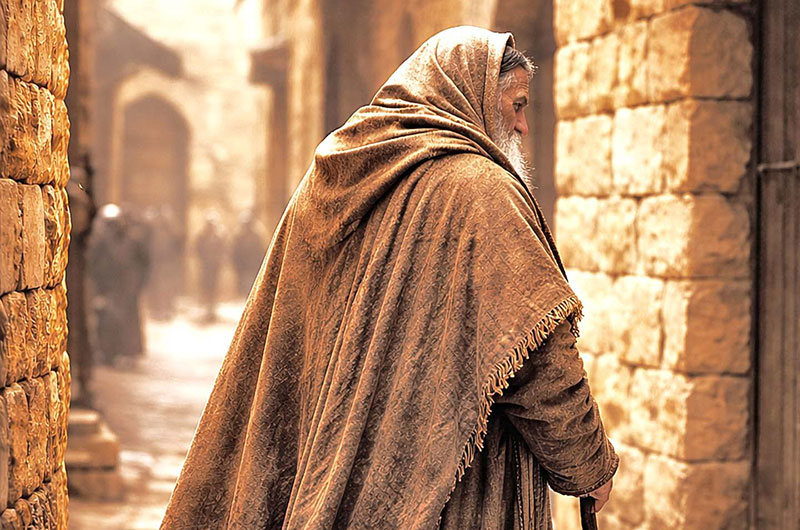
Our forefather Yaakov was described as a wandering Aramean (see Devarim 26:5 pashut p’shat, Ibn Ezra and Rashbam). The Jewish experience is to wander and spread out into the world, like our forefathers did. But the Jew maintains his identity and morals in the outside world by wearing tzitzis.
The truth is that much of life is spent waiting. On a simple level, when the world is functioning normally, we wait on store lines, in traffic, for packages to arrive, etc. But on a more significant level, we wait for all sorts of salvations and panaceas.

Miriam opened it slowly. Inside was the dress – her initial order. She stared at it, conflicted. After everything they put me through, she thought, do I really need to give this back?
Is a Shortened Lulav Kosher? “Remnants of Tzitzis are Kosher” (Menachos 38b)

What does it mean to see G-d’s back? In Hilchos Yesodei HaTorah (1:10), Rambam explains that even when one does not see a person’s face, one can still recognize them by seeing their back, provided one knows them well.

There are many lessons and reflections to be gleaned from the surreal events that have taken hold of the world during the Coronavirus pandemic. One of those lessons is a reminder about the effect and influence of every single individual.

The wedding was beautiful, baruch Hashem, and the pictures came out nicely. Still, when the dust settled, the added expense lingered in Mr. Simcha’s mind.
A Sefer Torah That Fell “As Though Bitten by a Snake” (Menachos 32b)

The massive armada of vehicles and people to personally search for the remains of the last Israeli hostage – police officer Ran Gvili – will be forever etched into the minds and hearts not just of Jews but of people of good will throughout the world.
Fathers must consider that beyond their financial inheritance, there is a spiritual yerusha that is their true inheritance. A life occupied with hours spent in the office or making deals but at the cost of family life is not a yerusha after all.
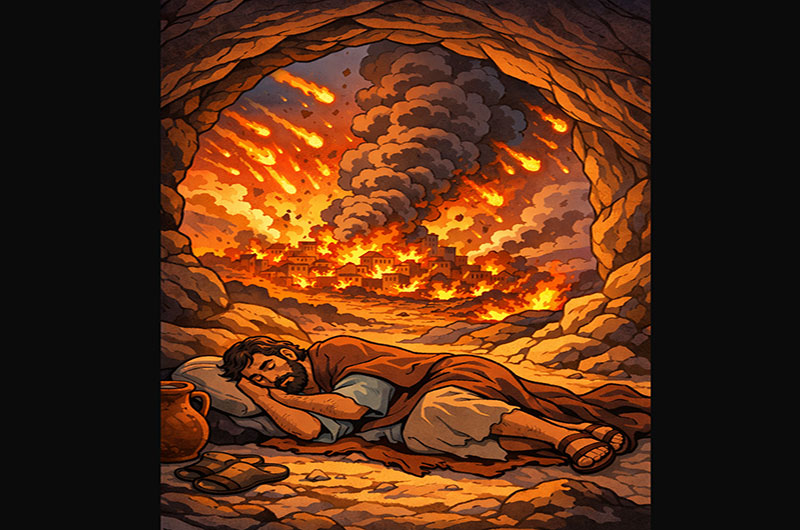
I will add a comparison between the altar and this stone. The altar represented service to G-d. In serving G-d, one goes gradually up and ascends a ramp. There can be no rush-jobs in approaching G-d – at least from our side of the relationship.
I have noted in this column that it’s a beautiful feeling to have nachas from one’s parents. I should add that the same is true about having nachas from one’s siblings.

If I saw the hat, I could probably identify it, suggested David Baruch. I’m able to recognize it on the coatrack even though there are many similar hats.
Apples and Oranges “Two Menachos Were Mixed but the Handfuls Were Not Taken” (Menachos 23a)

Much of our reality is constructed by our personal beliefs. If we believe in forgiveness, we can be forgiving of others as well as ourselves.

Rabbi Moshe Weinberger notes that although to the uneducated person it seems that a tree’s entire growth is dependent on the nourishment it receives from its roots in the ground, that is actually not the case.

His chavrusa considered this carefully. A pledge to tzedakah is binding, he said. The question is whether placing money in the shul’s box is considered delivery to the shul – or if it’s still your responsibility until the shul’s treasurer actually receives it.
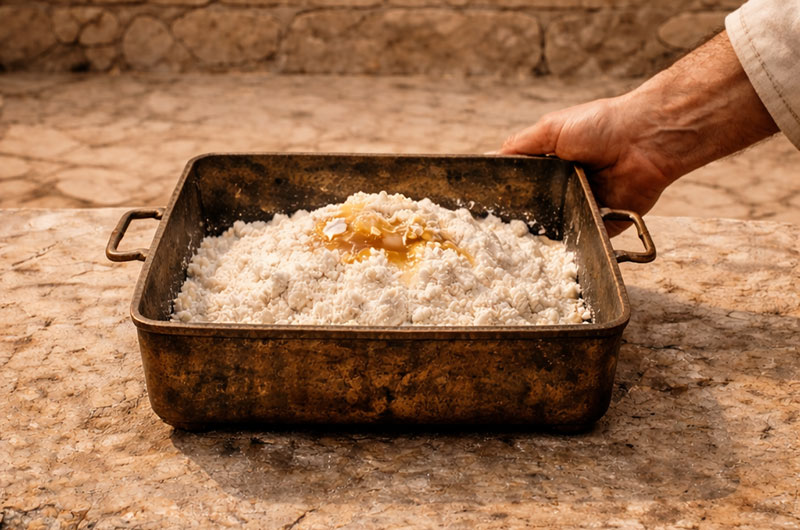
Tum’ah, representing death and the vacuum of G-d’s life-force, brings impurity. But humans have free will, and when it comes to our loss of connection to G-d, we must also reach out and cannot receive blanket dispensation.

Providing a needy person with employment is considered the highest form of tzedakah because it preserves his self-dignity (Y.D. 249:6; Shach 249:7), replied Rabbi Dayan.
Double Trouble? “Two Handfuls” (Menachos 11b)

When someone invests in any project, there is a sense of ownership and pride that creates a stronger bond. This is an important principle in chinuch as well, especially in our times where discipline is much less about punishment and more about motivation via “chains of love” (the famous words of the Chazon Ish, Y.D. 2:28).

It’s not exactly the advice you might have expected from a leading Torah personality. But the truth is that one immersed in Torah wisdom has a keen and deep understanding of human personality and motivation.

Shimon spoke up. The hammock was fine when we were on it until Dovid joined, he said. He pushed it over the limit – it’s his fault.
Intrinsic, Danger, or Dilution? “From That Allowed to Jews” (Menachos 5a)
The reima is described in the Talmud as an animal so large that it was of mythic dimensions, and even its cub was described as too large to fit onto Noach’s ark, but it survived the flood by clinging onto the boat, according to Rabbi Yochanan, with only its head within the boat.
One of the most famous and oft-quoted Yiddishisms is der mentsch tracht un Gut lacht – Man plans and G-d laughs. Its clear message is that we have no guarantees or assurances that we will be able to follow through on anything.
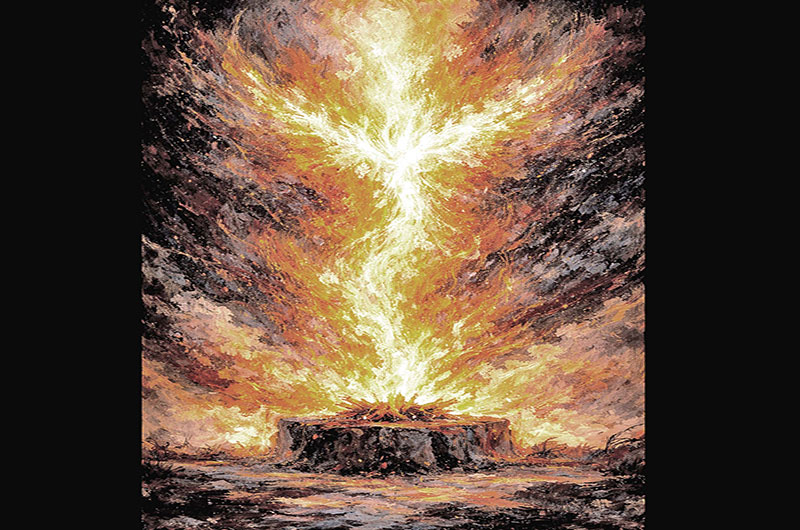
Apparently, the angel miraculously ascended along with the flames, indicating acceptance of Manoach’s offering. This is not a typical encounter with an angel; other Biblical figures encountered angels without such a dramatic departure. What is the meaning of this?
Who could envision the massacre on a serene beach in Australia while lighting the Chanukah menorah? Who could contemplate the vicious mobs shouting to ‘globalize the intifada’, taking over shopping malls, college campuses and city sights? All this while jihadists in suits call out ‘there is only one solution’, for the extermination of our land and people.

The Torah (Vayikra 27:8) states that if a person pledges his erech (age-based value) to the Temple treasury but it is beyond his financial means, the Kohen evaluates how much he can pay, and the person pays only that sum, replied Rabbi Dayan.
A Light Unto the Nations “The Sound Thereof Traveled from One End…To the Other…” (Zevachim 116a)
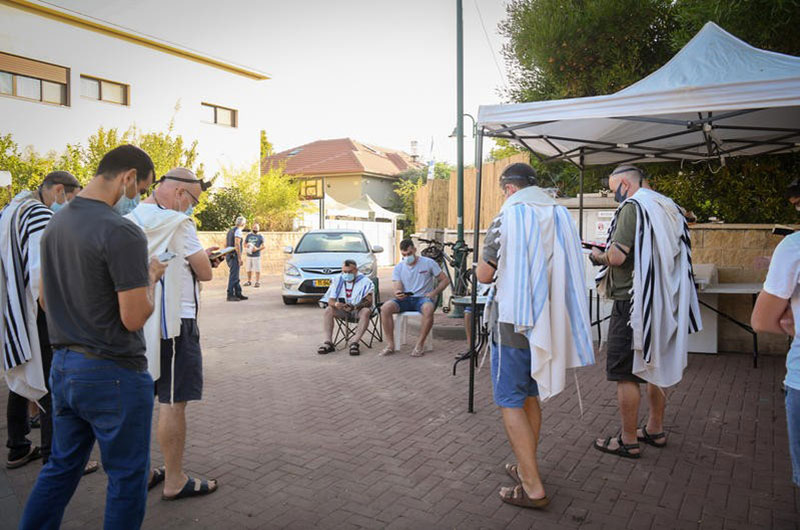
Just as the country began to heal, the unthinkable arrived. October 7, 2023. A day that will be remembered as one of the darkest in Jewish history.
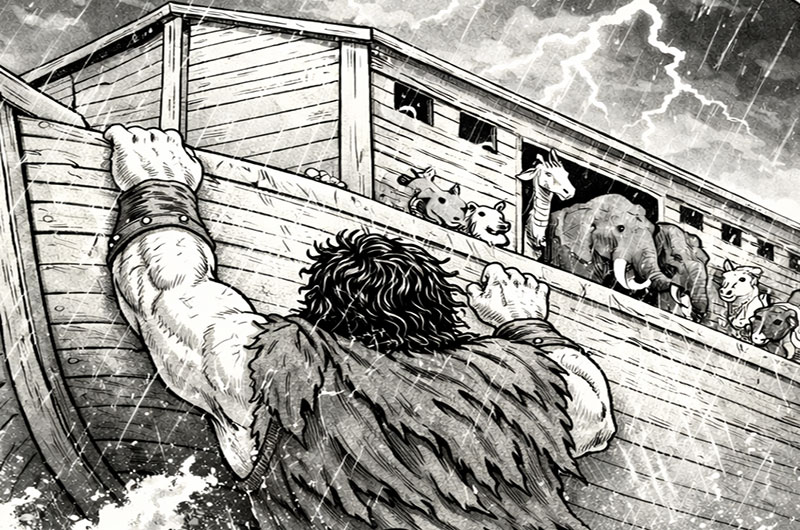
We see that in the end, by hook or by crook, so to speak, Og got his merit. Noach might have sensed this potential via Ruach HaKodesh and wanted to avoid it. By the way, this merit came even though, according to the aggadah, Og had an ulterior motive: He was hoping Avraham would die in battle and he could possess Sarah as a wife.
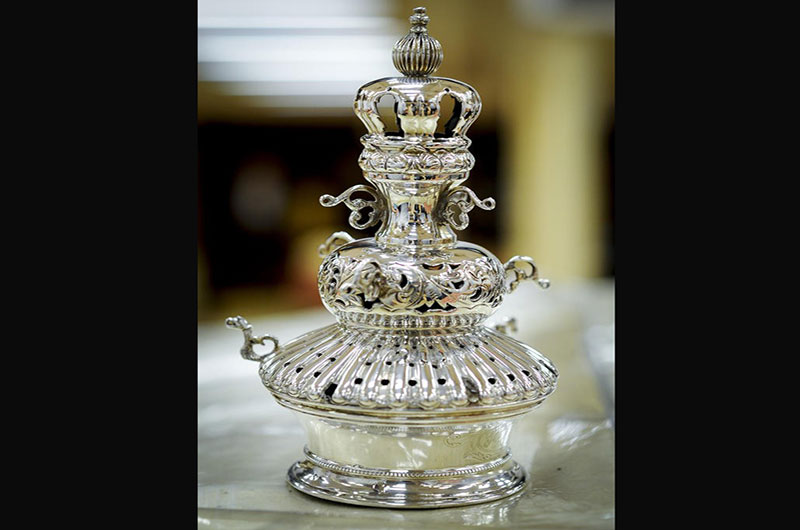
Every pasuk, every Mishna and every line of Gemara; every mitzvah, every chesed, and every word of tefillah – make us part of the royal family.

If partners need to divide property, and A can benefit by receiving a specific half whereas to B there is no difference, must he allow A to take the beneficial half?
To Him Shall You Hearken “One Who Offers Up Nowadays” (Zevachim 107b)

If a non-kosher substance falls into a pot, it is normally nullified by 60 times a permitted substance. If, at a later time, more non-kosher falls in, the nullification may use the entire mixture as a permitted substance to nullify the new material.

At one point, I left my seat and made my way down to try my luck and see if I could get onto the field. I was indeed able to, and I walked right up to the dais.

If the product clearly cannot live up to its stated specs, there would presumably be a violation of misleading advertising, which could fall under the rubric of geneivas daas. This does not serve as basis, though, to void the sale and entitle the customer to a refund.
A Discussion in the Privy “Rav Quotes Elazar ben Rabbi Shimon” (Zevachim 102b)
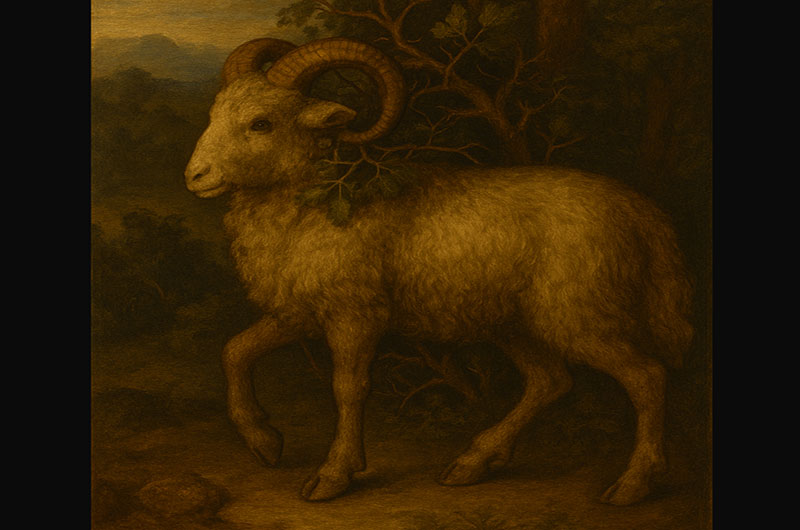
The words offered it up for a burnt offering in place of his son seem redundant: Given the storyline, it is obvious that the ram was being brought as an offering in place of Yitzchak. Why does the Torah emphasize in place of his son?
Of course, we have to do our part to ensure our safety, in whatever ways are necessary and appropriate. But on a spiritual level, our response is always to strive to increase light – the very light our enemies seek to extinguish.

Avi stared at the gash. What a wild rider… that’s really bad luck, he murmured. The coat was clearly damaged, but Avi shrugged helplessly – he certainly hadn’t caused the tear.
A Saline Solution “Its Soaking Is Its Laundering” (Zevachim 94b)
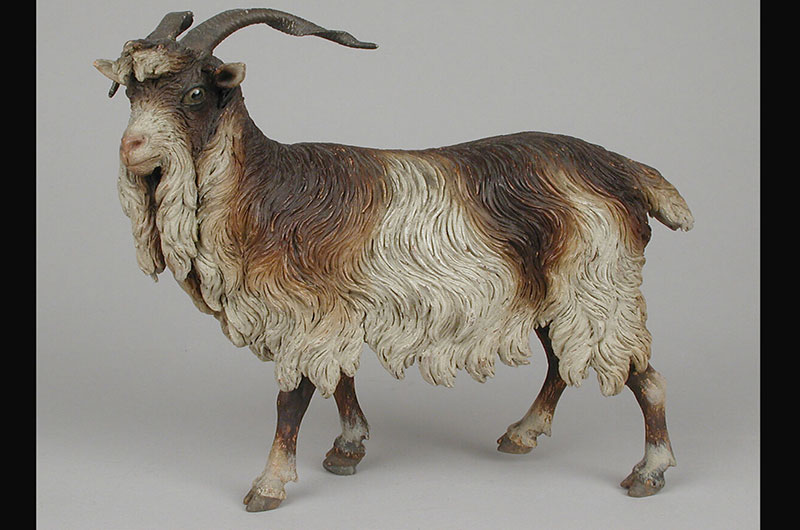
A goat represents impetuousness, as it jumps about and often in the Gemara is a symbol of an animal that breaks boundaries (Sukkah 14b). Holding back from eating the first fruits until a portion is dedicated to G-d represents patience.

Judaism believes that it’s not so much what I know as what/who I am! Book knowledge isn’t worth much, if that knowledge doesn’t cause a transformation within the person.

I honestly don’t know whether that chair was already cracked or if it broke while I was loading the chairs, Nosson said. If it was my fault, I want to pay for it. Mr. Adler examined the chair. Hard to know, he replied. I don’t inspect the chairs individually when people return them. Let’s ask Rabbi Dayan what the halacha is.
Even Eruv Tavshilin! “One Might Have Thought That We Remove the Tendons…” (Zevachim 86a)
We are given clear direction. When you look around the world and feel frightened. When the darkness feels crushing. Take another look.

We also have another teaching: Any item that is suited to be consumed by the fire (ishim) on the altar shall not descend. A person who attains a position of leadership – a play on the word ishim, which can also connote a prestigious person – may allow some degree of honor and bearing in order to maintain authority, provided he is pure and sincere in his motives.

Later that day, Daniel called Mr. Sorscher. I know that you worked hard,” he said apologetically. “But I’m being relocated. Since I can’t take the place in the end, I assume I’m not obligated to pay the full fee.
A Matter Of Doubt “When You Make [Four] Applications [Of Blood], You Transgress…” (Zevachim 80a)

Each sacrifice’s range of time to consume represents the experience of holiness and influence (hispashtus) that it is supposed to have.
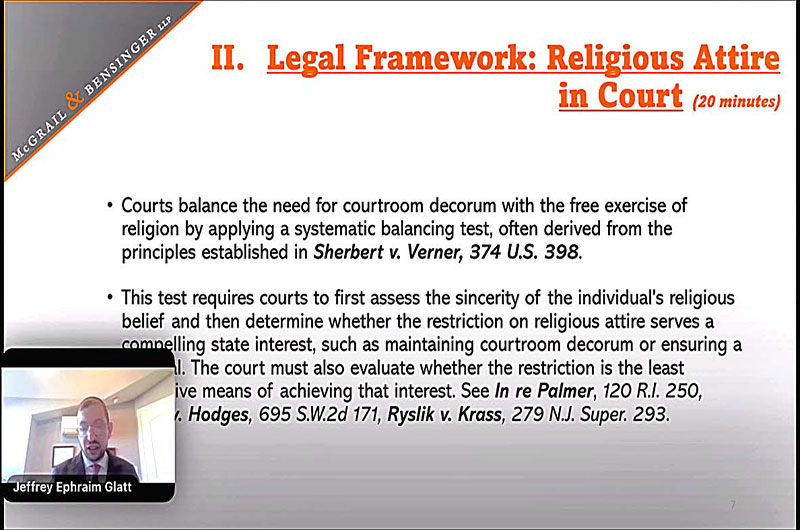
Rabbi Glatt offered viewers some strategies for handling potential conflicts between religious law and court practice, including politely explaining the religious practice to the court.

A lack of derech eretz or moral clarity in children is frequently a reflection of what they witness, or fail to witness, in their parents.

In an age of rampant antisemitism – when Jewish people are vilified, targeted, and mocked – this silence becomes even harder to justify. When the world scorns us, unity should come naturally.
some authorities are stringent and prohibit buying raffle tickets with maaser money or rule that if the ticket was purchased with maaser money, the prize belongs to tzedakah.
A Light Mix-up “Anything That Is Counted…” (Zevachim 73a)
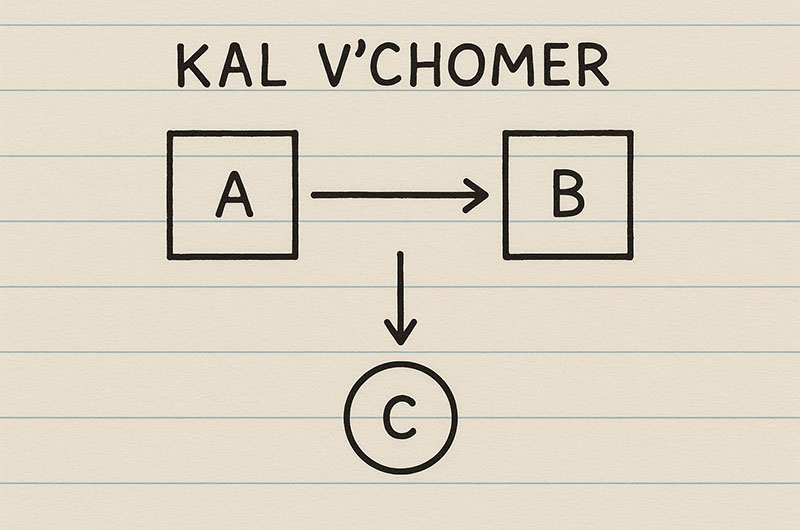
G-d in relation to the world is one giant kal v’chomer. After all, in essence, a kal v’chomer says that if you have the lighter item, surely you have the stronger item.
For those of us who have the merit and privilege to study the timeless words of Gemara, the thumb plays a particularly significant role. We can hardly imagine learning Gemara, trying to explain a particularly challenging novel exegetical explanation, without passionately thrusting our thumb downward and then upward.

Baruch didn’t really suspect Yosef of stealing, but the problem of the missing $500 needed to be clarified.
No Halacha Is Irrelevant “Anticipating The Arrival of Moshiach”

The ashes represent Yitzchak’s (and Avraham’s) willingness to completely eliminate their egos in service and recognition of G-d. When that level of self-obliteration is accomplished, no physical sacrifice is necessary.
This is not the time for lengthy speeches. Now is the time to proceed.
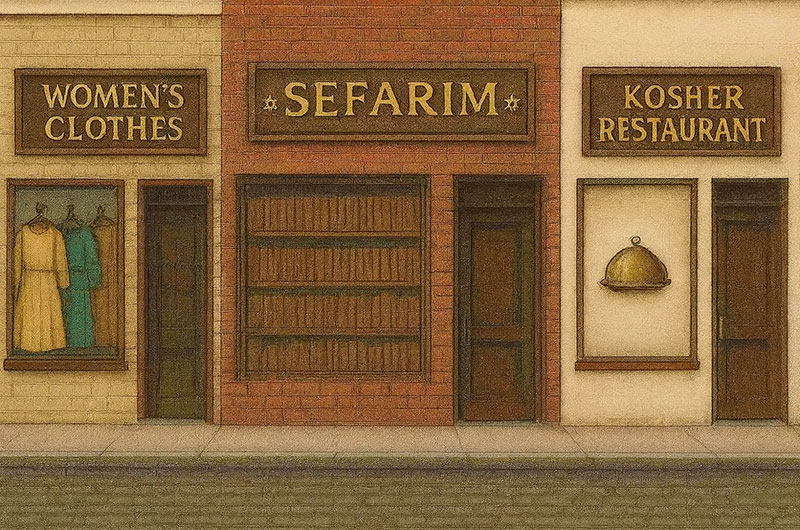
Can we prevent outside people from selling in our community when it affects our businesses adversely?
The Fat of the Land “Only Those Whose Chelev Are Forbidden…” (Zevachim 70a)
My mother and her siblings became malachim of Shabbos in the Gehennom of Bergen Belsen. It was a message that was held onto. To be the angel of Shabbos infused my mother with a sacred light, and the power to be greater than her fears.
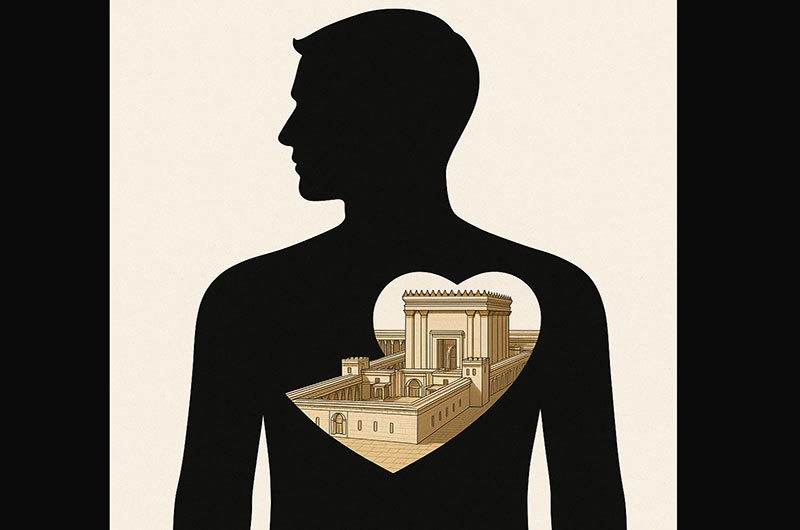
When the verse says about the Mishkan (Shemos 25:9), And so you shall do, and the Gemara (Sanhedrin 16b) infers so you shall do for the generations, it means that we all can create a dwelling place for the Shechinah within ourselves.

During my youth I couldn’t wait until my bar mitzvah when I would be able to start putting on tefillin. I still have a clear memory as an eleven-year-old sitting on my bed thinking my bar mitzvah is never going to arrive.
 September 18, 2026