יום ראשון, י״ז אלול תשפ״וSunday, August 30, 2026



Follow Us




By Mendi Glik
As we know, Hashem created the levana (moon) on the fourth day, and it’s also the subject of one of Avraham Fried’s songs. His album Bracha Vehatzlacha was released in 1995 and is one of my favorites.

Hashem’s ownership over the land has halachic implications as well. It is how the Torah (Vay. 25:23) explains why the Yovel year keeps us from selling land permanently. The land is Hashem’s; we are merely subletters.

In a journey to the self, all that we know is the starting point; the destination remains to be discovered. We don’t know what we’ll find along the journey, the challenges we’ll face, what people will think, or if we will even succeed.
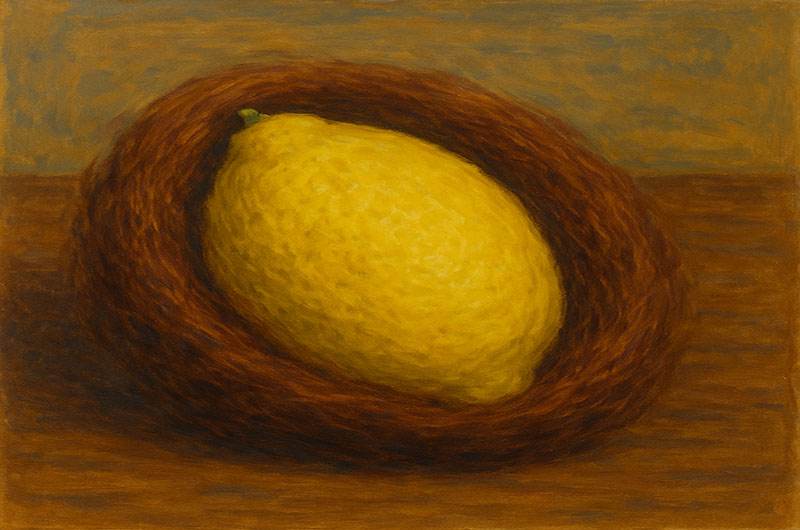
The one thing that has not changed is how careful we are and need to be when handling an esrog. The Medrash relates that the esrog symbolizes the heart, which reflects our emotions. We always have to be vigilant and mindful of the feelings of others, and we also need to be cognizant of, and honest about, our own emotions.

Not only is the sukkah a sign of our emunah in Hashem, but when we hold the lulav and esrog in our hand and shake them back and forth we are declaring, Just as the species cannot exist without You, Hashem, so too we are totally dependent on You.
The Jewish people have had highs and lows, including moments when our future seemed bleak. Our focus on our children and raising them according to Torah values ensured our continued survival and success.

Throughout history, Torah has at times stood as a Divine, untouchable document, and at other times woven into the currents of Jewish experience, carried and shaped by the people of Israel. Its dual nature – both Divine and national – has been reflected in every generation’s approach to learning, observance, and communal life.

By Zvi S. Rosen
One would have to be a moral idiot to think the death of 60,000, many of them fighters, is worth comparing or mentioning in the same breath as the industrial murder of 6,000,000 based on ethnicity.

It was especially haunting to see this image: Rabbi Daniel Walker, who valiantly protected his synagogue and tended to his congregants amidst the horrific violence, wearing his traditional white kittel, stained by blood at the bottom. And yet, in the face of this terrible destruction, we see another model of holiness. Sometimes, when the evil cannot be banished, the High Priest must deal with it directly, even if he gets bloodied in the process.

For decades, Britain opened its doors to mass migration from Muslim-majority countries. Many of these immigrants have become part of the national fabric, however, successive governments refused to build an integration strategy. Instead, they embraced a shallow multiculturalism, encouraging communities to live side by side, rather than together.
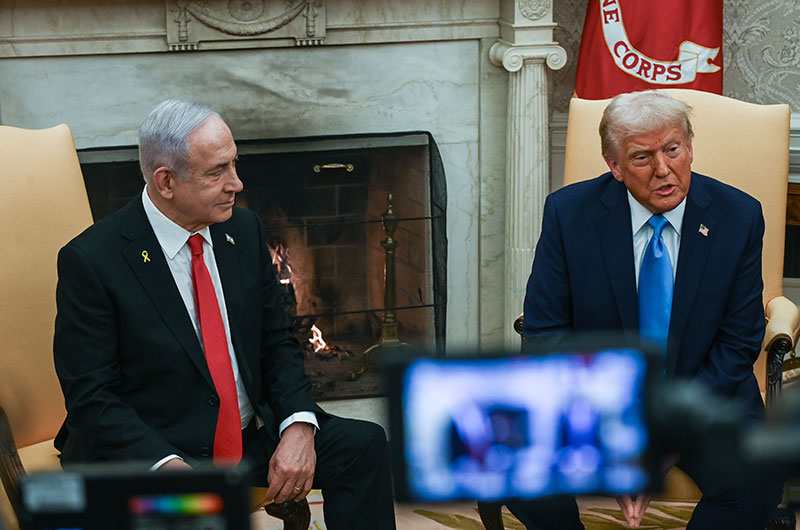
Like the other peace initiatives, the Palestinians have been offered over the past decades, the problem is that it’s by no means clear that they regard a chance to end their long war against the Jewish presence in the land of Israel or even the latest chapter of it that began two years ago as a desirable outcome.

We should not feel like we are martyrs suffering for our children, for, after all, Judaism opposes human sacrifice.
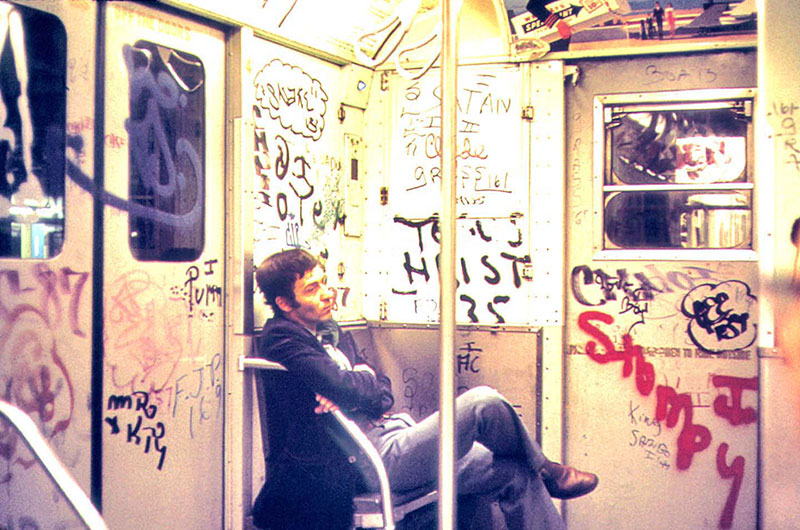
That history is worth remembering now. It is what happens when leaders handcuff the police and abandon law-abiding citizens. And it will happen again if Mamdani wins the mayoralty. The cycle will repeat, and more brutally than before.

We first experience Elul, then Rosh Hashanah, and then Yom Kippur, a developmental process of raising ourselves higher and higher above the physical world and deeper and deeper into the spiritual world.

The sukkah is a reminder of Hashem’s constant care in our everyday lives. Commemorating a concept rather than a specific event reflects a more complex reality.

Some will argue that silence is cowardice, that in critical times rabbis must declare who to vote for. That is nonsense.

Mamdani’s primary win has alarmed many in part because it was also unexpected, with nearly every major poll predicting a Cuomo victory in the weeks leading up to the primary.

If it can be done comfortably, safely, and in accordance with halacha, it’s a beautiful and meaningful mitzvah. But we must do so without judgment. Not sleeping in the sukkah doesn’t imply laxity or lack of observance – sometimes, it’s a reflection of deeper spiritual sensitivity or halachic adherence.
By Rabbi Lord Jonathan Sacks z"l
We are a hyper-verbal people. We talk, we argue, we pontificate, we deliver witty repartee and clever put-downs. Jews may not always be great listeners but we are among the world’s great talkers. Accuse us of anything and we’ll come up with a dozen reasons why we’re right and you are wrong.

Rabbi Nachman of Breslov, zt”l, teaches that when we cry out woe is me, we begin to take stock; not just of our actions, but of our presence. Where am I? Who is it who is crying out this way? This is not confession as ritual. It is rupture, it is awakening, it is the guttural cry that breaks through inherited silence.

Or, beseech, Hashem, I want to give more tzedakah this year. Can I have a bump in my livelihood so I can help my children more, or provide for my elderly parents? My wife has been wonderful. I want to be able to get her a nicer sheitel, some jewelry. Help me please, Hashem, to accomplish these goals.

Hashem realizes that the commitment to improve does not always last, but He chooses to accept teshuvah because He cares for His creations and their survival.

Most kids tell you what they need, even if they don’t have the words. If we hover over their homework and they can’t say ‘stop pressuring me’ or ‘trust me to do it,’ they might say something disrespectful. But they always try to tell us what they need.

Printed with the Hadrat Kodesh commentary and following the customs of the Kahal Kadosh Ashkenazim, this impressive edition stands out not only for its rich liturgical content but also for its craftsmanship.

Teshuvah is a dark and harrowing descent into the self, a journey through the hidden recesses of personality. It demands that we confront our failures and flaws without disguise.
Clearly, Hashem could have created a universe in which there is no suffering and in which we can acknowledge and praise Him without having to overcome adversity. So, there is an inherent value to us, whether as individuals or as a species, in coming to this awareness through our own processes and gaining insight, and not just having it presented to us as perhaps the malachim do.

It’s sad. Our political-media discourse is stuck, narrow. A person is shaped by the landscape of their feed.
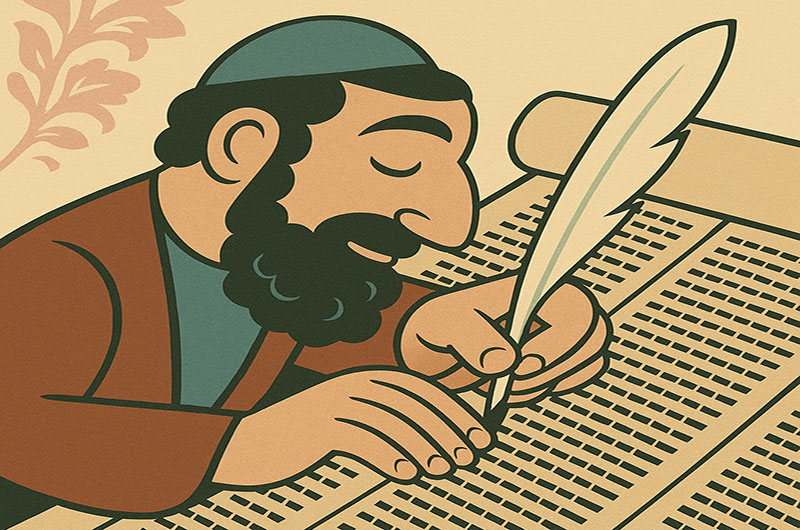
Hak-hel was (and will be again) a major event meant to unify the people and the Shevatim (tribes) to which they belonged. It also honors the Torah before all of Israel.

Every single time I get into the ice bath I don’t want to. But I do it anyway and when I do, I am rewiring and changing my brain, not metaphorically or symbolically, but literally.
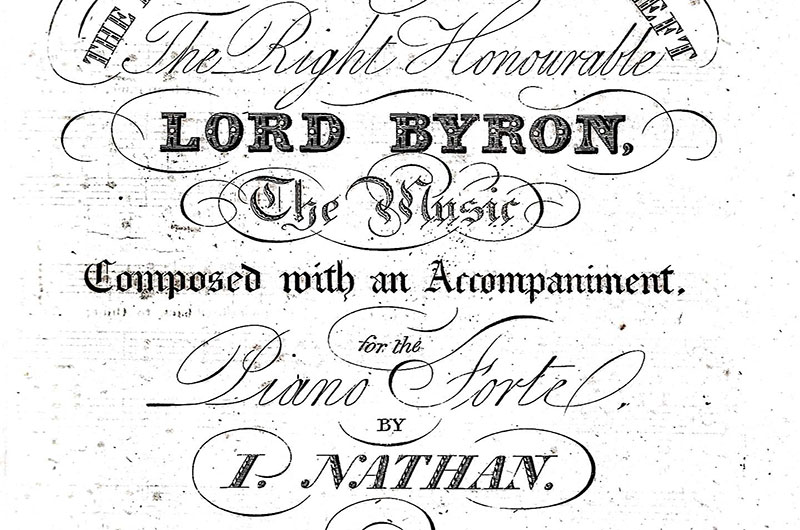
As the Romantic movement reached its crescendo across Europe in the early nineteenth century, few collaborations seemed as unlikely – and as fruitful – as that between Lord Byron, the scion of English nobility and a literary enfant terrible, and Isaac Nathan, an observant Anglo-Jewish composer and musicologist.

Rosh Hashana is very much a gray zone because it’s the day on which we stand between what was and what can be. It’s the day on which we judge, and are judged, for how great our future can look tomorrow.
By Rabbi Shimshon HaKohen Nadel
For Rav Kook, the call of this ideal shofar represents redemption through holiness; An awakening to return to our ancestral homeland out of great love and faith, and a desire to bring about the Redemption, fulfilling our destiny in the Land of Israel.

One may wear another person’s tallis for davening, even though it is not a requirement, because you thereby fulfill a mitzvah.
The shofar doesn’t sound to restore order; it sounds to rupture it. It doesn’t call us to purity; it calls us to have strategic clarity. It doesn’t ask us to return to innocence; it asks us to return to alignment. To choose life in systems that often don’t.
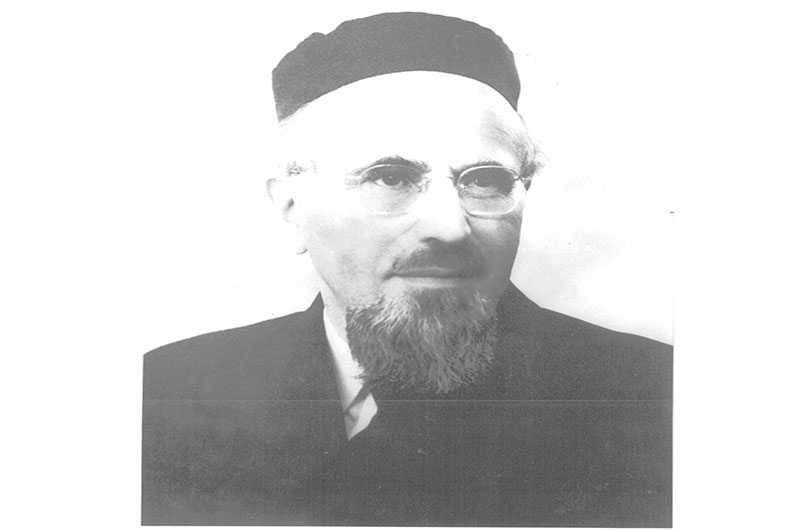
As a follower of Rabbi Hirsch, he believed in the formula of Torah im Derech Eretz, which he defined as steadfast loyalty to Torah and tradition combined with participation in the social, economic and cultural life of the country where the Jew has been welcomed as a citizen.

The attack of October 7 and the unleashing of antisemitism have had a paradoxical effect: while they brought violence and tragedy, they also drew many hearts closer to Hashem, to religion, and to tradition.

Young conservatives are disillusioned with politics, hostile to institutions, and suspicious of anything that sounds prepackaged. If you try to silence dissent, they tune you out.
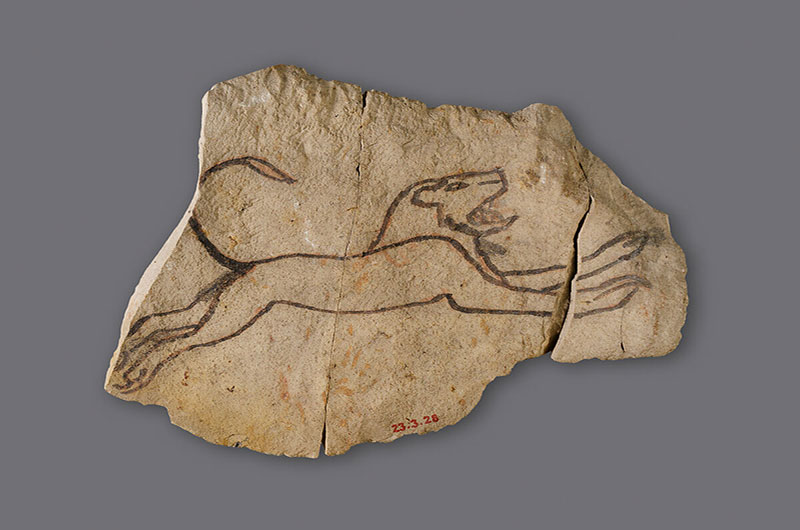
The earliest instances of Lavi as a first name that I know about are all found in the halachic responsa of the Algerian Sage Rabbi Yitzchak bar Sheshet (1326–1408), also known as the Rivash.
We mourn the moment that it became fatally dangerous in the United States of America to express an opinion.

Although it has become one of the most familiar and participatory rituals of the High Holiday season that is embedded in contemporary Jewish practice, the extralegal origins of Tashlich and the controversies it once generated have largely been forgotten.

We have brief moments of inspiration, but they soon fade into oblivion, only to be resuscitated for a few more days the next year in the hopes that somehow this year might be different.
We realize, too, when we are davening on Rosh Hashana that we have no idea how to articulate our wants and needs. What if you need a car? How does one phrase such a mundane request to Hashem? Like Elkanah, we can’t say nothing, but if we do say something, what should it be?
There is certainly a value in preserving one’s family nusach, minhagim, and even niggunim. Those, too, are compelling aspects of the mesorah. Fidelity to the past is not only comforting, but familiarity with the davening also enhances the spiritual experience.
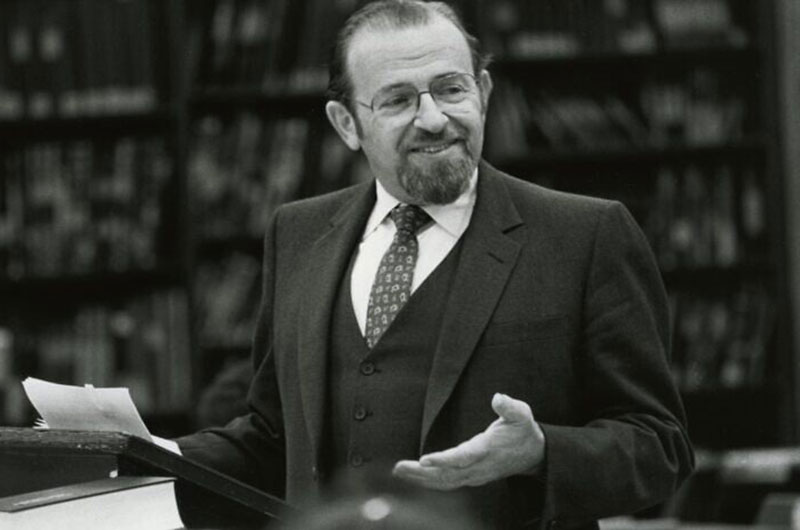
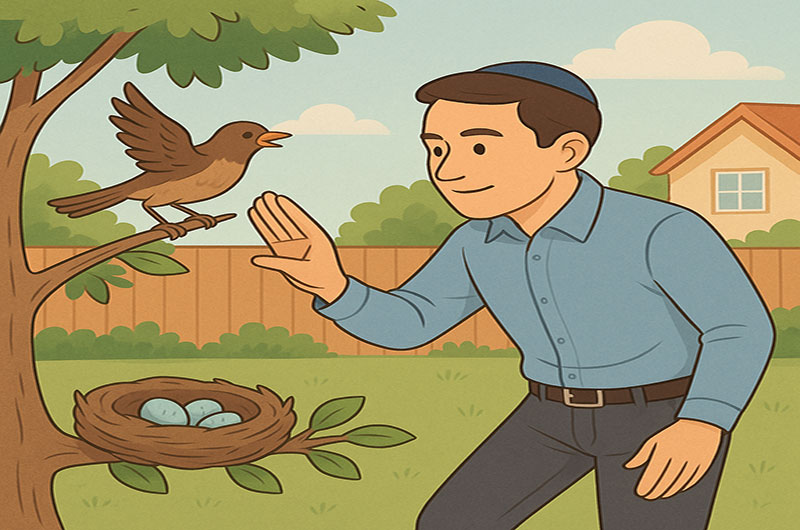
On one side, you have something like a letter he wrote to a little girl in his congregation who had lost her pet bird – he turned it into a gentle lesson about memory and care. On the other, you see a leader constantly pressing forward, urging Senator Javits to speak on behalf of a day school.

Only when we negate our egos and acknowledge that the goodness and beracha in our lives comes not from our own independent efforts but from Hashem – our ultimate source and creator – can we then receive more beracha.

Although idol worship is less common and enticing in contemporary society, the prohibition against avodah zarah remains, at least conceptually, relevant.

If a person keeps in mind that everything belongs to Hashem, and knows the money is only entrusted to him, it is easier for him to tithe.

Several Acharonim resolve the matter by ruling that if the recipient is needy, it becomes a tzedakah pledge so that we are stringent to interpret the commitment for as long as he needs...

The great month of Elul has begun. The spirit of preparation for the Days of Mercy and Judgment have begun to envelop us, and with it the knowledge that it’s time to focus on teshuvah.

Elul is the season of return. Not just to G-d, but to self. To what’s bruised, unfinished, still becoming.

By Mendi Glik
The navi Yishayahu compares the return of Am Yisrael to Eretz Yisrael as doves who return to their home. The navi continues and describes how the gates of Israel will be open day and night for Jews to return home.

Gratitude does not just lead to joy. Gratitude produces joy. By tracing our blessings back through time, we cultivate the emotional soil in which joy grows.
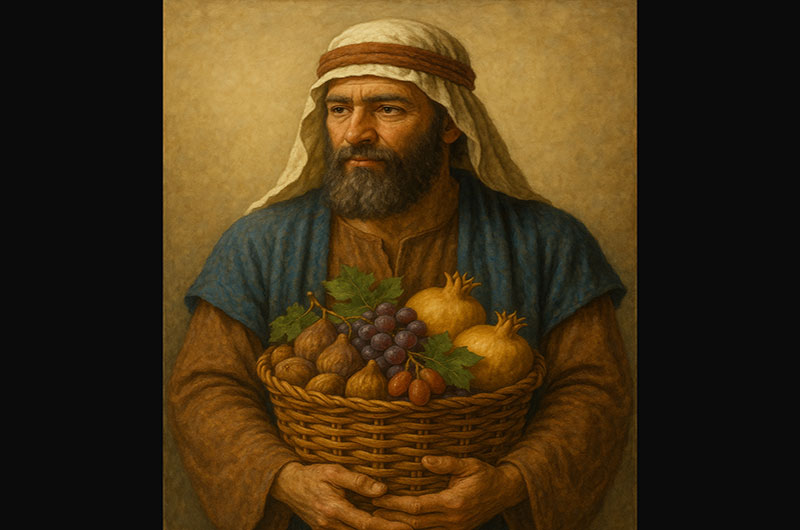
The gift of Bikkurim has to be wrapped in a way that is fit for a King. It must be offered in a beautiful basket.
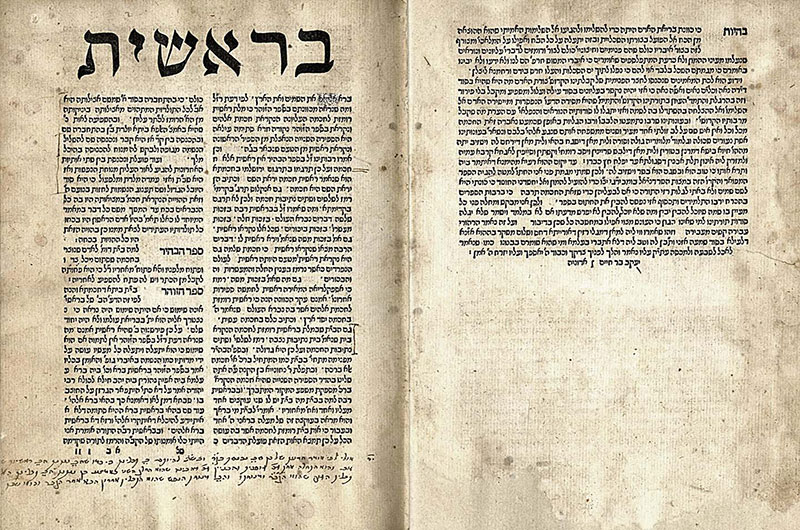
In his preface, Yaakov ben Chaim offers a sober caution to readers: only those capable of comprehending these mystical teachings should engage with them, and the secrets within must not be disclosed to the unworthy.

As we recite this haftara, let us hope and pray to be deserving of a redemption that comes in a flash. The Jewish people of today, in Israel and outside it, has progressed spiritually beyond recognition in the years since the founding of the State.

Bikkurim is a prime example of hakarat hatov, recognition and acknowledgement of the good that G-d does for us.
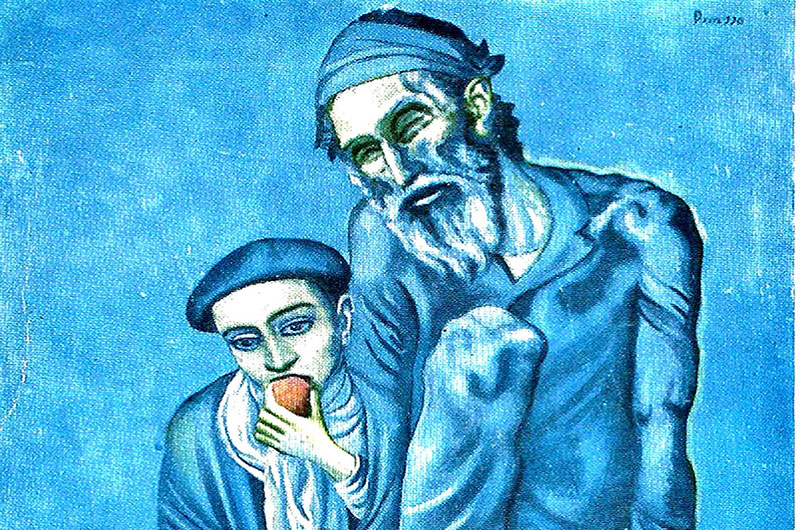
Art historians and commentators, who are fascinated by the question of why Picasso singled out a specifically Jewish figure for The Old Jew, have presented many theories on the subject.

I wrote this book because I lived at the paradox at the heart of so many modern lives: the pursuit of material success while at the same time yearning for meaning.
By Alan Zeitlin
Charlie was extremely smart, knowledgeable, well read and an authoritative yet genuine voice who could speak on virtually every subject, capable of responding to those debating and critiquing him.

In an unrelated case which was settled with the New Jersey Education Department in August, parents of special education students secured the right to “stay put” in private school settings while they fight their claims that public schools are not providing them with a free and appropriate education (FAPE) under the Individuals with Disabilities Act (IDEA).
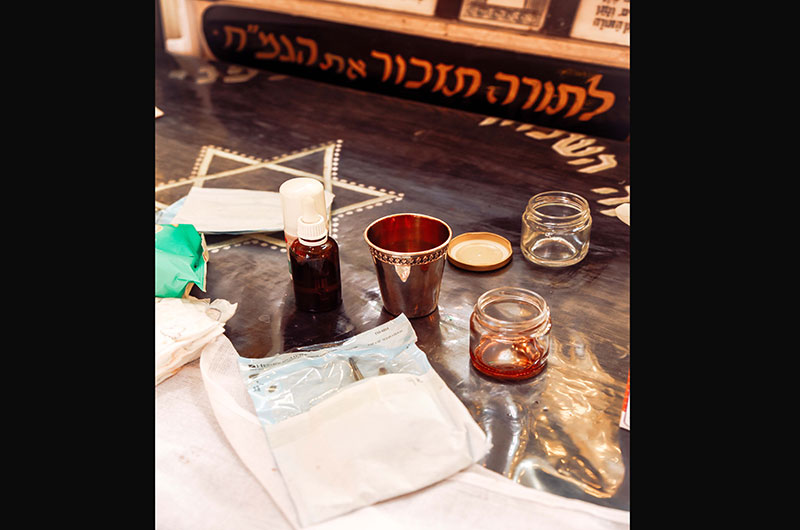
The larger Jewish community he’d spent his career serving helped him in his time of need. It wasn’t easy for him to let someone else take the helm, but it meant so much to be taken care of.

Every person who has leadership status – a governor, a parent, a teacher, or an employer –must consider that even the highest official, the king, is only who he is by virtue of what he does.

The fight has also been distorted by the actions of left-wing and left-leaning media outlets that applied a magnifying glass to Israel’s every move while blindly accepting casualty figures from the Hamas health ministry, relying on the claims of so-called journalists who were in reality Hamas operatives and agents of influence.

Israel understands that its survival is at stake. But the West does not.

Two terrorists were neutralized at the scene by an Israel Defense Forces soldier and an armed civilian.
By Irwin Cohen
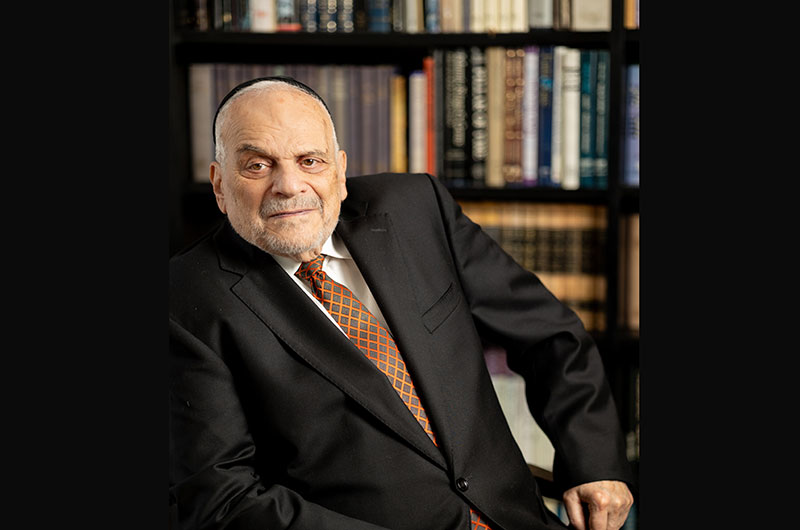
Rabbi Wein moved in many fields and was superb in all of them. What a resume he had.
By Mendi Glik
Moti used to listen to chazzanut for hours and try to analyze the pieces, to listen to the dynamics and understand their meaning.
We know that it is already decided before one is born when and where one will die and there is no way of avoiding that meeting with the angel of death. If that is the case, why must one bother installing a fence? The accident is destined to happen anyway.

Gold in Torah doesn’t just stand for just wealth, it’s also trust. And trust begins with math. With integrity. With the quiet promise that value won’t be manipulated for profit.

How many beautiful souls have given their lives for Am Yisrael and Eretz Yisrael as their seats remain mournfully empty? How many broken families, and broken hearts?

Although protesters feel justified blocking highways and disturbing the families and neighbors of elected officials, many Israelis find the practice abhorrent.

By Baruch Lytle
The Jewish community has to organize itself. The gentile community has a history of promising the Jews they are going to be there when you need them, and then suddenly the Jews find themselves helped by no one.

Although we likely take it for granted that berachos are a pillar of our daily lives, they have not always existed as they do now.

Equally important is resisting the urge to retaliate. A sharp remark often provokes an even sharper response, and the tone can quickly descend into bitterness.
According to the DSA, terrorists have legitimate grievances, and the root cause of terrorism is – you guessed it – America’s “imperialist” foreign policy. In the eyes of Mamdani’s comrades – DSA members actually call each other that – the nation’s power, prestige, global reach and influence is a menace.

G-d is not in a popularity contest. In fact, He Himself endows man with the ability to deny His Presence or to believe in any falsity he chooses. That itself is the epitome of awesomeness, in its true meaning.

If someone were to ask you to prove that you exist, you would seriously struggle to do so. One’s own existence simply cannot be rationally proven.

Despite its unsettled reception, The Man in the Glass Booth was neither suppressed nor forgotten; to the contrary, its notoriety ensured its place in the canon of post-Holocaust drama.

Tehilla understood that nights of interrupted sleep and scampering into the safe room was a small price to pay compared to the price others paid in the terrible loss of life and limbs.

Even though Pinchas explicitly cancelled the agency before witnesses (the other friends), since David was not aware and purchased the pizza as instructed, Pinchas is liable to reimburse David for what David laid out with reliance on him (Nesivos 182:3).

A guy who immediately suggests that you change in order to meet their approval is not someone you can keep in your life.

By Irwin Cohen
The Orthodox community in Harrisburg is under 100. Some wear their tallis over their head while davening and some don't.
One of the hardest feelings, especially now, is uncertainty. We don’t know what tomorrow will bring, and so many people search for answers that can guarantee the future.

By Mendi Glik
I’ll be very honest with you: This new trend of using different tunes for the High Holiday tefillot really ruins the davening for me.
Question: I recently returned from a trip abroad and wanted to say HaGomel. When I mentioned this to the officers of my synagogue, however, they told me – as per the instructions of the synagogue’s rabbi – that I would have to wait until Shabbos to do so. I was not given any reason for this and did not wish to display my ignorance, so I quietly acquiesced. Can you please explain why I had to wait? Name Withheld Via E-mail

Once a month, on days meant to be marked by personal introspection, Hashem challenges us to recognize and value the quiet enablers in our midst.

The architecture of Shoftim invites reflection not just on governance, but on restraint. It cautions against excess and sanctifies balance. It insists that power must be regulated by humility, and that leadership demands a commitment to the law: not a manipulation of it.

Elul is a deep dive into ourselves, into the hidden recesses of who we are. Without this introspection, we cannot grow into better people. Even as the national situation rightly demands our attention, we must not forget this personal journey into the inner worlds that shape us.

The mitzvot of Parshat Shoftim are relevant to the governance and political practices of an Israelite (or Israeli) society ruled by law. The king is interchangeable with the elders, as we find in the present passages (Devarim 21:1-9), and stands in for the collective of Israel at large.

Abraham Lincoln chose a different path. Instead of surrounding himself with loyalists, he built a “team of rivals,” appointing to his Cabinet, men who had opposed him and even run against him for the presidency. They disagreed with him often and sometimes bitterly, but Lincoln welcomed the challenge.
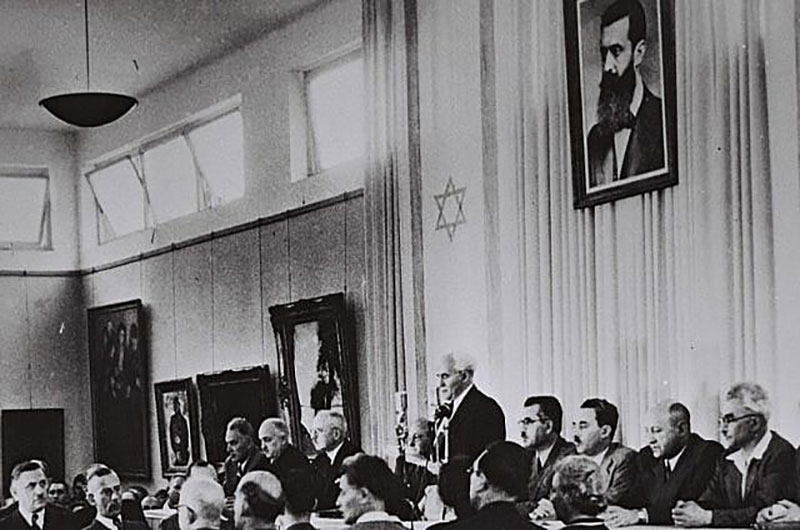
To equate Munich and Yalta isn’t just sloppy history. It erases the essential difference between surrender and solidarity in the face of total war.
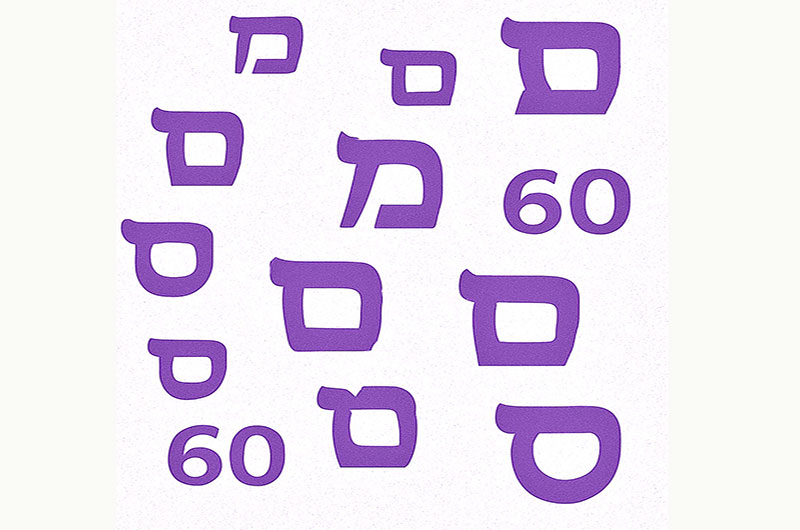
The idea that a prohibited substance is nullified by 60 is portrayed pictographically by a mem (square) surrounded by a samech (circle).
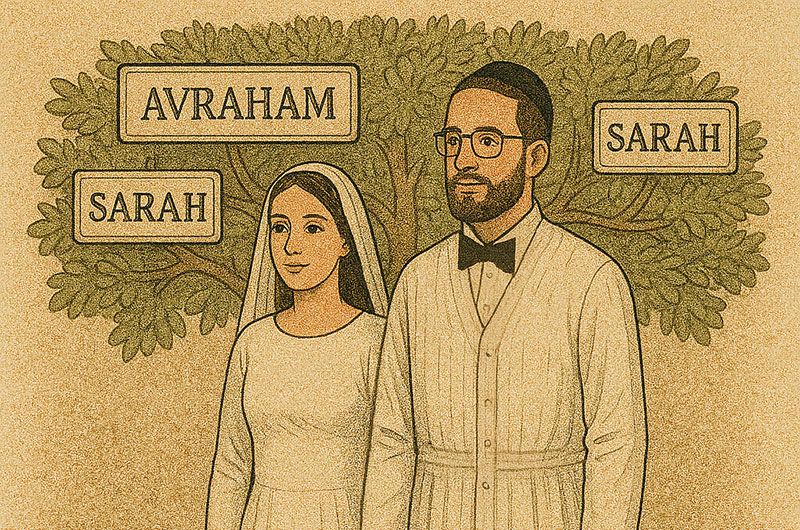
There are several leniencies in applying this restriction when the names do not totally match up. For example, if the names do not match exactly – such as a father-in-law named Yaakov Yosef and a son-in-law named Yosef – some poskim permit the marriage.
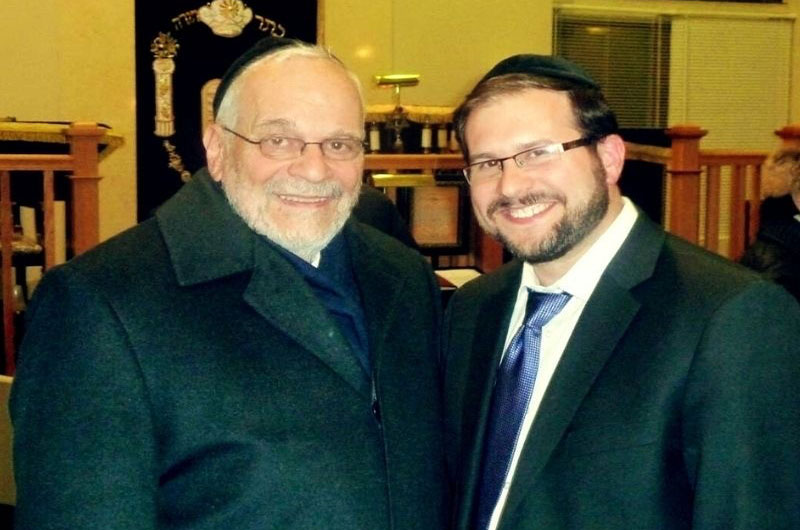
It’s an understatement to say that Rabbi Wein has been a major influence in my life. I find myself quoting him constantly. When I had questions about Torah outlook or life matters, I would ask Rabbi Wein. Now that opportunity is lost.

By Jason Ciment
Elul has started. It’s the time of year when we find ourselves reflecting on the past, hoping we didn’t mess up too badly, and wondering if we’ll make it through the U’netaneh Tokef of Rosh Hashana with a clean slate. The end of the year is a great catalyst to thinking about goals – […]

What is the blessing that G-d bestows on us for keeping the mitzvot? It is that “tishme’u,” you will be able in the future to continue performing the mitzvot. There is a future to keeping mitzvot.

Why a recent rabbis’ letter is not what the Jewish State needs right now.

By Marc Gronich
There is a clear nexus between cell phone use and a decline in students’ mental health and academic success due to a decreased ability to focus, diminished social interaction and emotional stress, said Senator Shelley Mayer (D – Yonkers, Westchester County), chairwoman of the Senate Education Committee.
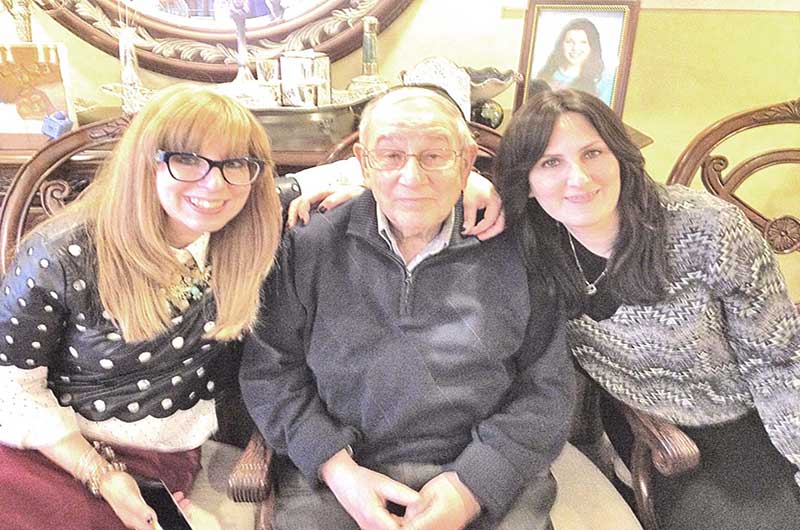
As the weeks went on, it became disappointingly apparent to me that my father and I were not inspired by the same things. I desperately wanted to connect to the ideas that he thought worthy of preservation, and while I was able to appreciate them intellectually, my heart remained perversely neutral.
 August 28, 2026