יום שלישי, ל׳ חשוון תשפ״זTuesday, November 10, 2026



Follow Us


We live among people who espouse diverse philosophies. We are undoubtedly different, but it is that very disparity that empowers us to bring people closer to Hashem.

Chesed is both a way of showing our love for Hashem’s creations and also emulating His creation of the world as an act of chesed.
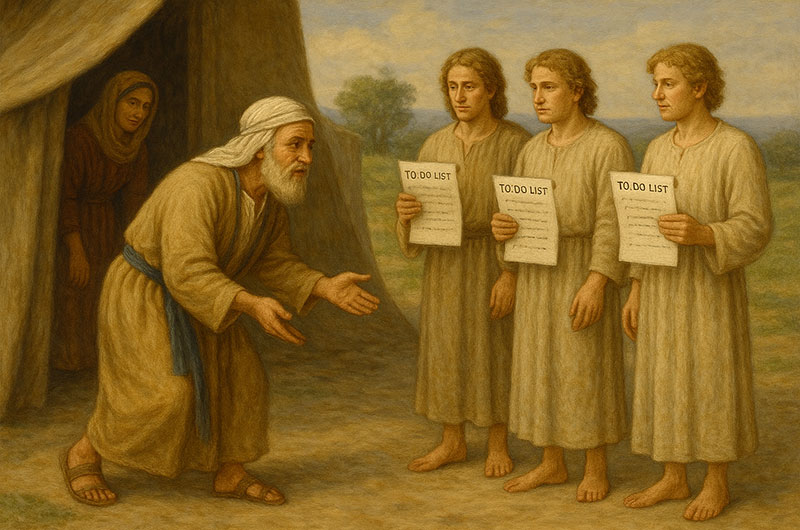
Before there was Torah Tidbits, there were Torah Tidbits. And one of the very first Torah Tidbits was entitled Angel Arithmetic. (Kind of appropriate for Torah by the Numbers.)
The Akeidah was the moment when Hashem declared the sanctity of human life. It affirmed that every person is His masterpiece – fashioned in His image and charged with elevating both self and society.

In Ramban's view, one simply can’t explain away every description of malachim in the Torah as a hallucination or lucid dream.

Leadership begins here. Not with command, but with disclosure. With the choice to let someone in. With the courage to be interrupted.

My mother and her siblings became malachim of Shabbos in the Gehennom of Bergen Belsen. It was a message that was held onto. To be the angel of Shabbos infused my mother with a sacred light, and the power to be greater than her fears.
While our default experience of life is internal and personal, we occasionally feel compelled to look at ourselves from an outside view and ponder the meaning and direction of our lives.
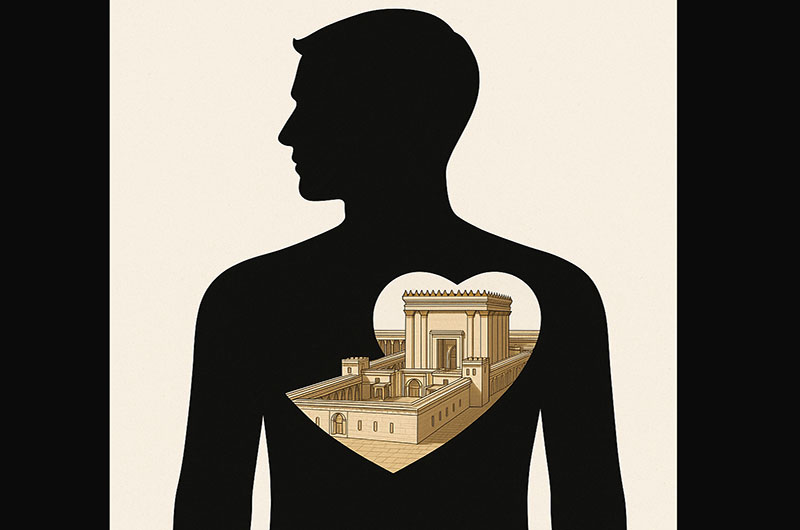
When the verse says about the Mishkan (Shemos 25:9), And so you shall do, and the Gemara (Sanhedrin 16b) infers so you shall do for the generations, it means that we all can create a dwelling place for the Shechinah within ourselves.
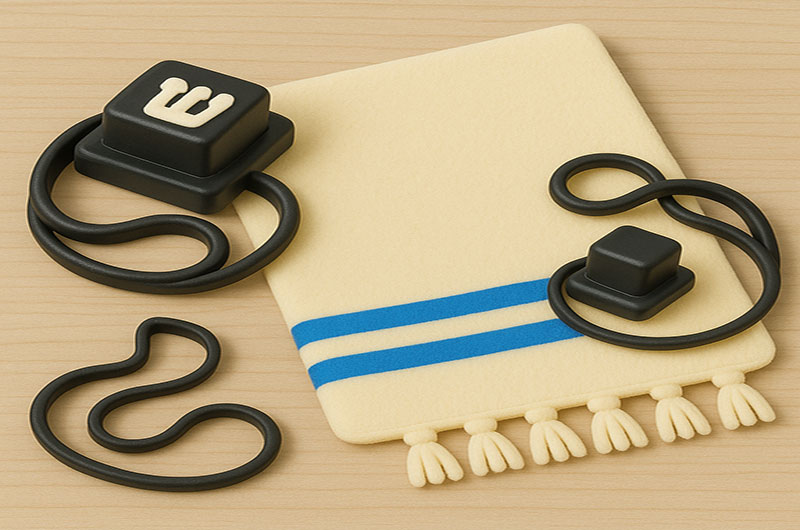
During my youth I couldn’t wait until my bar mitzvah when I would be able to start putting on tefillin. I still have a clear memory as an eleven-year-old sitting on my bed thinking my bar mitzvah is never going to arrive.

When the rule of shi’abuda d’Rabi Nosson applies, such as if B does not have other assets available, Shulchan Aruch (C.M. 86:5) rules that B cannot forgo C’s debt to him, nor extend the time of the loan and thereby undermine A’s right, since A has a direct claim against C based on this principle.

A Matter of Merit “They Added Four Amos” (Zevachim 61b)
Avraham had complete trust in G-d. But he did not have complete trust in himself. G-d, after all, does not change, fail, or sin. But people do.

The prophet Yeshayahu describes an unnamed individual called from the east by G-d to achieve victory over numerous nations and bring an era of peace and prosperity to Israel. But is this an event that has already happened? Or one that is yet to come?
As a result of the gifts Pharaoh lavished on them, both Avram and Lot became extremely wealthy. But they related to their wealth very differently.

Question: I don’t think you’ve ever received a question like this one. I live in Queens and am extremely agitated about the prospects of a socialist, anti-Israel and anti Jewish candidate being elected mayor of our great city. Is there any path for us to follow that can change the outcome of this election? Zelig Aronson (Via E-mail)
Undoubtedly being told to sacrifice Yitzchak was Avraham’s toughest trial and this is the reason we mention it multiple times in our daily tefillot.

Avraham didn’t lead with certainty. He led with movement. Yeshayahu didn’t promise clarity. He promised renewal.
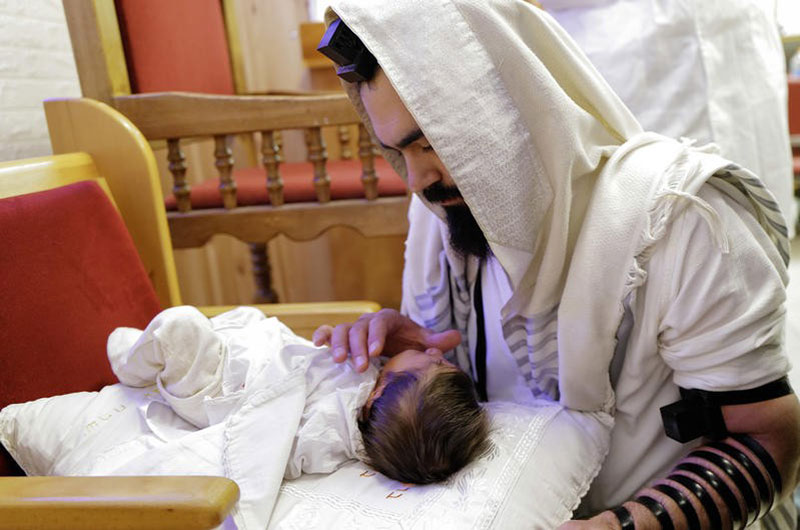
The Torah was given by Hashem to Am Yisrael, the Jewish People. Whatever the rest of the world has learned or failed to learn from the Torah, the Torah is ours.
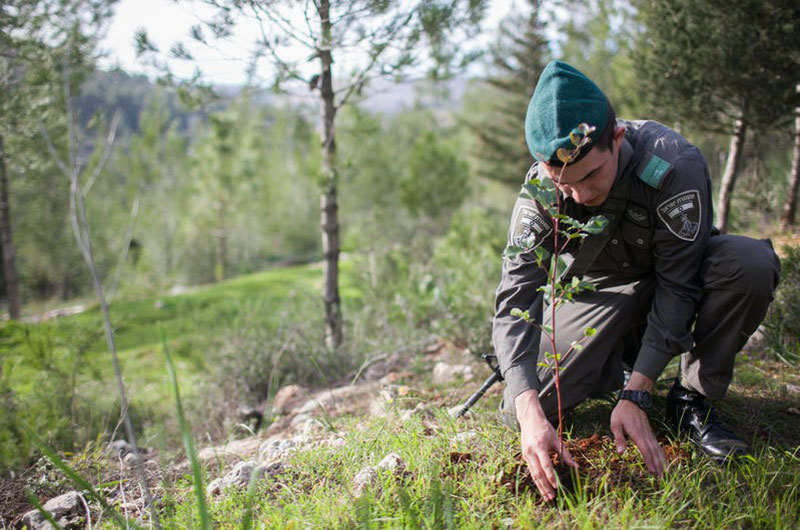
Chazal go even further by asserting that planting takes precedence even over welcoming Mashiach. They taught that a person who hears that Mashiach has arrived while he is planting should finish planting and only then go to greet Mashiach (ADR”N 2:31).

We learn that if one successfully persuades a disenfranchised Jew to do even one mitzvah, that individual is rewarded in this world, for his entire life, each and every time the Jew performs that mitzvah.
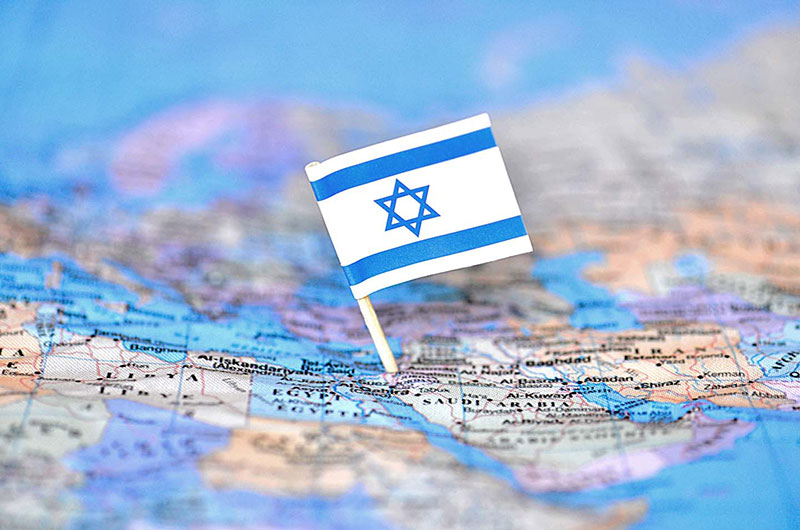
Avram somehow seems to be consummating the spiritual process begun with Enosh, finally achieving the spiritual possibilities of humanity – in Hebrew also known as Bnei Enosh, the descendants of Enosh.

The word chein is the root of the word chinam which means free. If we merit to find chein in the eyes of Hashem, He will freely give us things even if we don’t really deserve them.
Why should tzara’as that spreads over the entire body result in purity? One would think it would indicate the opposite – corruption beyond repair.

The uneducated mind thinks of the truth as a single, factual statement. But the truth is actually the balance and harmony of opposite, seemingly contradictory ideas.

Avraham launched a religious revolution that still echoes through history. He introduced monotheism, shaping the religious imagination for millennia. Countless descendants, both genetic and spiritual, owe their beliefs and way of life to this movement.

Every Shabbos, we put aside all technology. We are perhaps the only community in the world who are active members of society all week and yet won’t check emails, social media, or the news for twenty-five hours.
This is a personal decision, not even between patients and doctors because doctors will almost always recommend a flu shot.
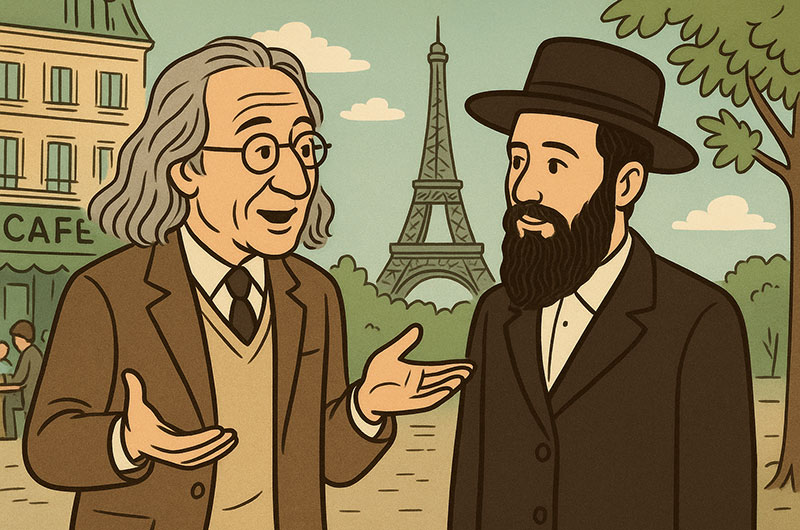
Today, various Jewish social justice groups protest against their own best interests to gain favoritism from the outside world. It’s nice to try and repair the world, but you need a Torah foundation.

The Gemara (B.M. 112b; Shevuos 45b-46a) teaches that when the parties dispute the amount of agreed wages, hamotzi meichaveiro alav har’aya – the burden of proof is on the one seeking payment, like other monetary disputes, replied Rabbi Dayan (C.M. 89:4).
Two Talleisim ‘The Residue of the Blood He Spills…’ (Zevachim 51a)
There is no doubt, it is not even a question, that Noach was G-d-fearing. Noach was not part of the depravation of the world, he did not commit adultery, he did not steal, he did not worship idols, etc.

Shem refined his father’s philosophy. For Shem, life itself was compensation enough for one’s good deeds and he did not complain if he received nothing more.

But as the days went by and the initial euphoria began to settle, another feeling began to rise within me – a quiet, haunting sadness.
Jewish tradition offers its own quiet rituals. The Baal Shem Tov teaches that entering the ark is a spiritual act or a retreat into truth. Cheshvan echoes that: not performance, but protection.

Even if it may have been clear to both men that theirs was the only way to assure any type of future, the isolation and opposition they must have encountered (as explored in many Midrashim) would have brought down anyone lacking the legendary fortitude of these two heroes.

Relying heavily on G-d’s promises to Noah to protect humanity from these realities is, simply put, relying on miracles.

G-d’s lesson through the story of Noach and the prophecy of Isaiah is that even in the face of all the difficulty and trauma, we must still recognize the blessings and opportunities that await us.
While corruption was more widespread and perhaps fundamental, the formal case against the generation of the flood was formulated on the basis of something they – and Noach, in particular – could understand: they were hurting each other.
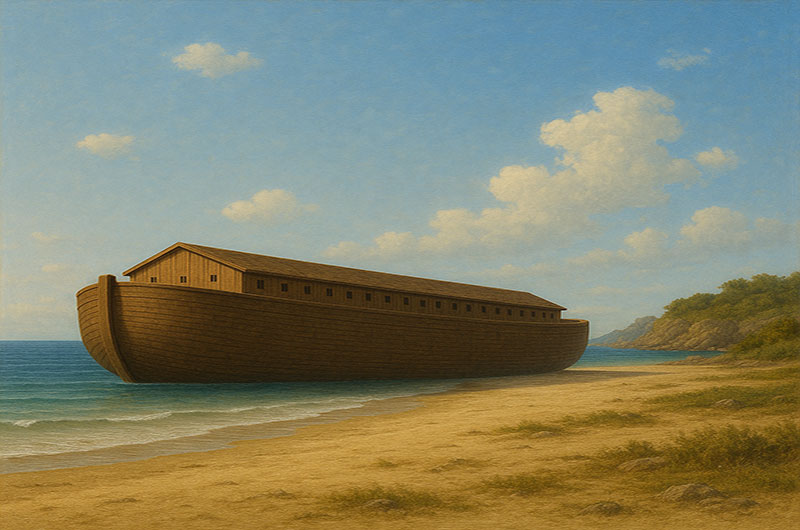
The Rebbe references the Hebrew name of the wood from which the teivah was constructed (gopher wood), which might be cypress but the etymology is unclear. What is clear is that gopher is related to sulfur (gaphror in Hebrew), and thus correlates to burning and simmering rage.

As Mishlei (25:2) states, It is the glory of G-d to conceal a matter. A relationship must have privacy and sacred boundaries, honoring the bond both from within and without.
The tragic demise of mankind during the era of the flood was not just a punishment for that wicked generation. Even more so, it was perhaps a series of powerful lessons to be studied by G-d-fearing people throughout the millennia about behaviors that are so toxic that they can cause the absolute destruction of an entire world.

The Chofetz Chaim writes how important it is for a person to reinforce his middah (character trait) of judging others favorably, because it will facilitate his own advancement in attaining the level of a tzaddik, a righteous person.

Hashem does not perform miracles without intention. While it may be difficult to determine specific expectations, future responsibilities can often be articulated in personal terms.

Why was Pinchas’s act of killing even considered heroic? It appears to be violent and rash, perhaps even worthy of criticism. Why then, was it rewarded, and so handsomely at that?
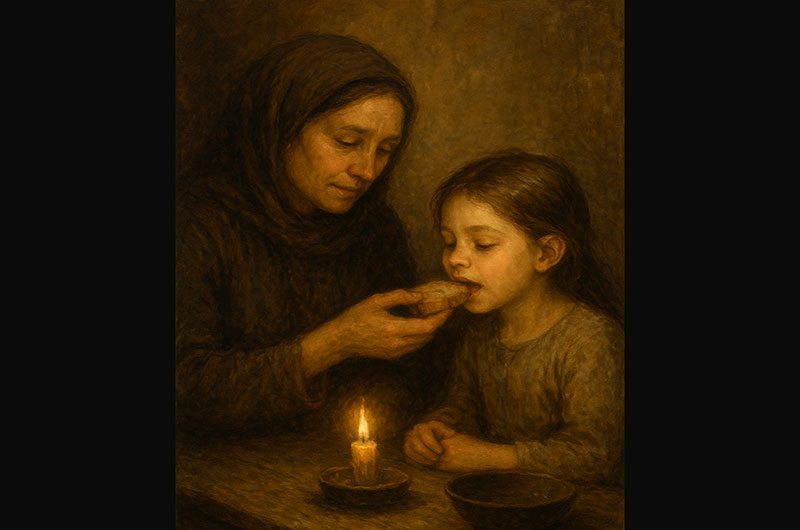
The Jewish people’s relationship with Hashem also began with a korban – the Korban Pesach. Though the Jews were passive during the first nine makot, for Makat Bechorot and Yetziat Mitzraim to occur, they needed to sacrifice the Korban Pesach.

Towards the end of Parshat Bereishit, the Torah records the births of Noach’s three sons – Sheim, Cham, and Yefet – when he was 500 years old. That is much older than the parental ages recorded for the births in the first nine generations.
I’m not a Washington fan, so why did I care about their Cinderella-like saga? Because being in the world of education, it symbolizes a vital truth that can’t be stressed enough: That ultimately the hundreds don’t matter.
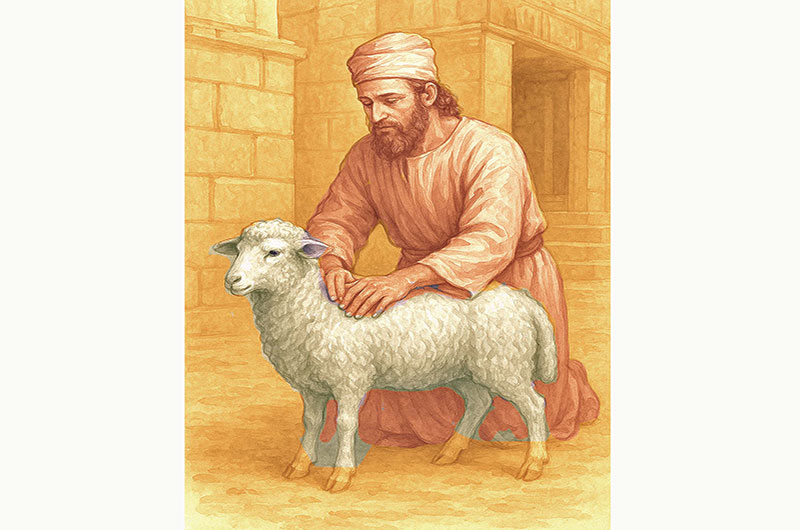
Question: I have heard that in the time of Mashiach, we will continue to offer sacrifices. How can we explain that if, as we are told, these will be times without sin? Menachem Via E-mail

Terms agreed upon before the beginning of a rental are binding even without a kinyan since the rental usage itself serves as a kinyan for the agreed-upon terms.
Reaching One’s Objective ‘… The One in Thought and the Other Silently’ (Zevachim 41b)

Hashem’s ownership over the land has halachic implications as well. It is how the Torah (Vay. 25:23) explains why the Yovel year keeps us from selling land permanently. The land is Hashem’s; we are merely subletters.
Kayin understood that if Hashem would not help him, he had no hope of remaining alive.
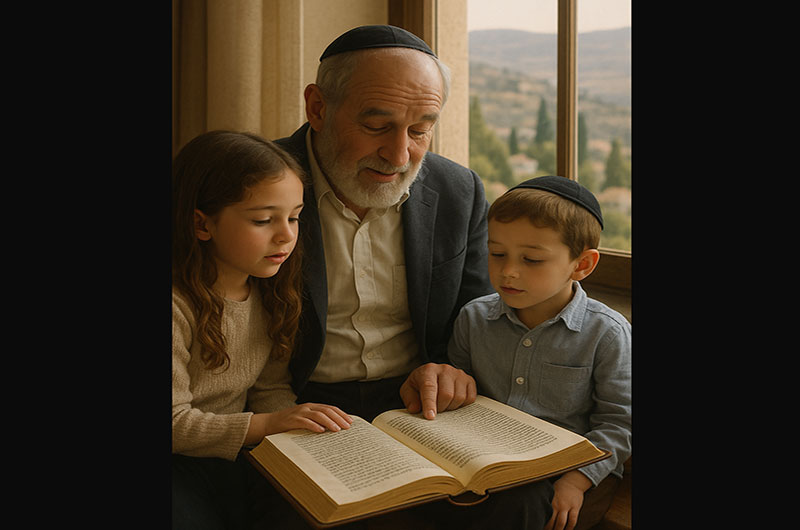
Why should we think that the nations of the world will be convinced when we prove our ownership through reference to the Torah? As it stands, so many people either do not believe in G-d or in His interest in the affairs of human beings. So why should they be compelled by this argument?

In a journey to the self, all that we know is the starting point; the destination remains to be discovered. We don’t know what we’ll find along the journey, the challenges we’ll face, what people will think, or if we will even succeed.
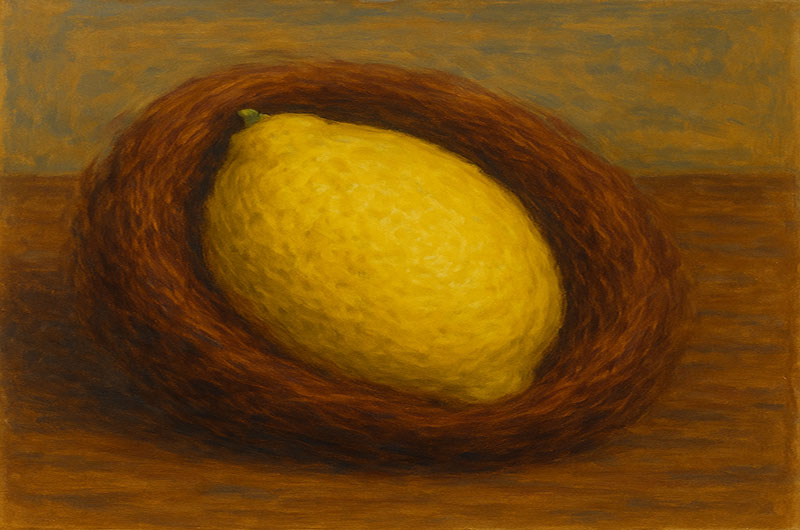
The one thing that has not changed is how careful we are and need to be when handling an esrog. The Medrash relates that the esrog symbolizes the heart, which reflects our emotions. We always have to be vigilant and mindful of the feelings of others, and we also need to be cognizant of, and honest about, our own emotions.
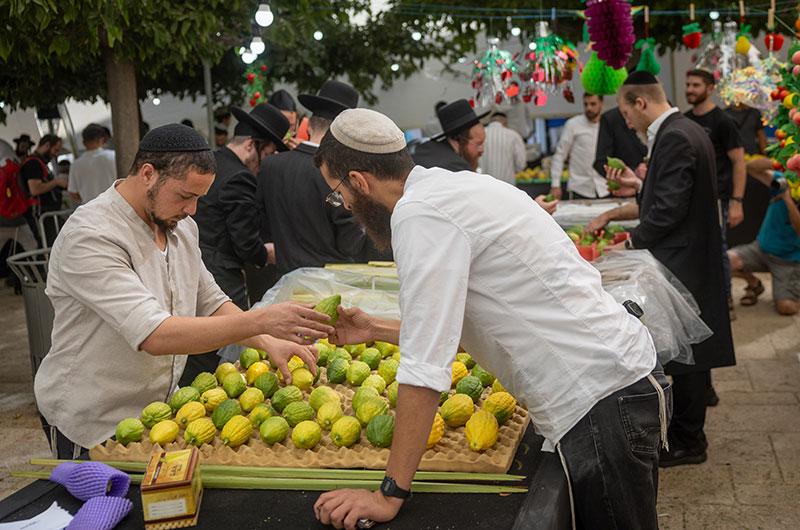
In principle, when purchasing items, payment is due when taking title or possession of the item, replied Rabbi Dayan. Therefore, the immediate payment price is usually viewed halachically as the true price.
Call To Alms ‘Having Declared It a Burnt Offering, He Rethought…’ (Zevachim 30a)
Not only is the sukkah a sign of our emunah in Hashem, but when we hold the lulav and esrog in our hand and shake them back and forth we are declaring, Just as the species cannot exist without You, Hashem, so too we are totally dependent on You.
The Jewish people have had highs and lows, including moments when our future seemed bleak. Our focus on our children and raising them according to Torah values ensured our continued survival and success.
Question: I recently moved to a new neighborhood where the predominance of synagogue options that are to my personal satisfaction pray in Nusach Sefard. However, when it comes Chol HaMoed, I am faced with being one of the few who don tefillin. What am I to do? Sam Schwartz Via E-mail

If a teacher wants to share a deep principle with his or her students, they might share a story or analogy that depicts the idea through a more relatable medium. While the mashal does not fully convey the idea itself, it leads the listener toward it, aiding him or her in the process of understanding.
A person who understands that his happiness and success are not dependent on anything material but only on his level of morality and attachment to G-d is truly free.

From our very inception, our existence was a miracle. Avram was unable to have children at his advanced age, but Avraham, the Av hamon goyim, the father of all nations, who spread the message of monotheism worldwide, was able to have a child.
It does mean that we must not conflate the fallibility of leaders with the infallibility of the Torah itself.
If one does teshuvah because of his love for Hashem, then willful sins are actually converted into meritorious deeds.

Though the loss of even one soldier or civilian is a tragedy, we must recognize the miraculous way Hashem has protected the Jewish people over the past two years.
When the Torah restates the mitzvot of Sukkot in Devarim (17) – although it doesn’t actually mention there the mitzvah of sukkah (!) – Rabbeinu Bachye discusses some of the hidden aspects of this mitzvah, particularly as they relate to the mitzvah of rejoicing on the holiday and in the context of all the major pilgrimage holidays under discussion there.
The Baal HaTanya writes that on Rosh Hashanah all the Heavenly Hosts sit in Shamayim and wait longingly to hear one Yid praise another. Why? Because in that moment when he does so, the angels take those good words and place them on his scale of merits.

With no rest for the weary, Sukkot begins on the Monday evening following Shabbat Parshat Ha’azinu.
By way of analogy, in Tefillah Zakkah we recite that our fasting on Yom Kippur, and the consumption of the fats and blood volume from our body during the fast, should be considered as if we offered the fat and blood of a sacrifice on the altar.

We should not feel like we are martyrs suffering for our children, for, after all, Judaism opposes human sacrifice.
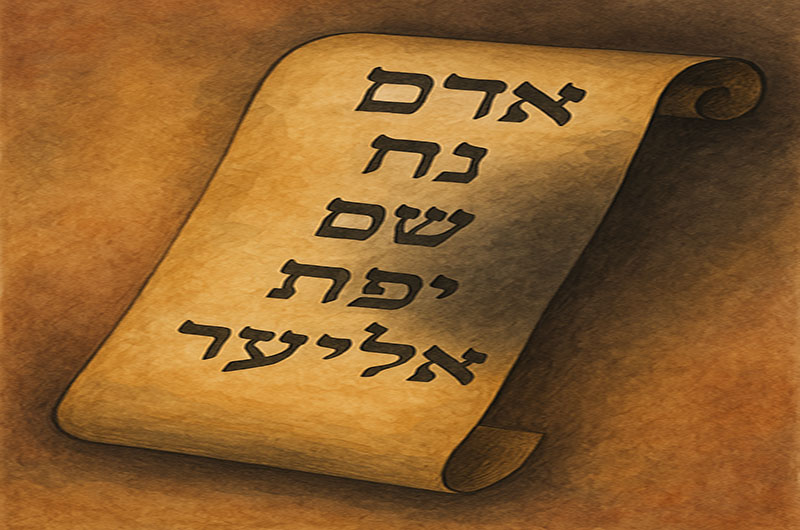
One of the problems with the Mabit’s position that the Chida focuses on is how Moses was able to name his son Eliezer, if that name is clearly from the time before Abraham (as we mentioned)?

If you never finalized the price, I’m not sure the esrog is yours… the avreich said thoughtfully. You may not be able to use it, because you must own the esrog on the first day. You should ask Rabbi Dayan!
An Aging Problem? ‘I Have Chosen Him to Stand, But Not to Sit’ (Zevachim 23b)
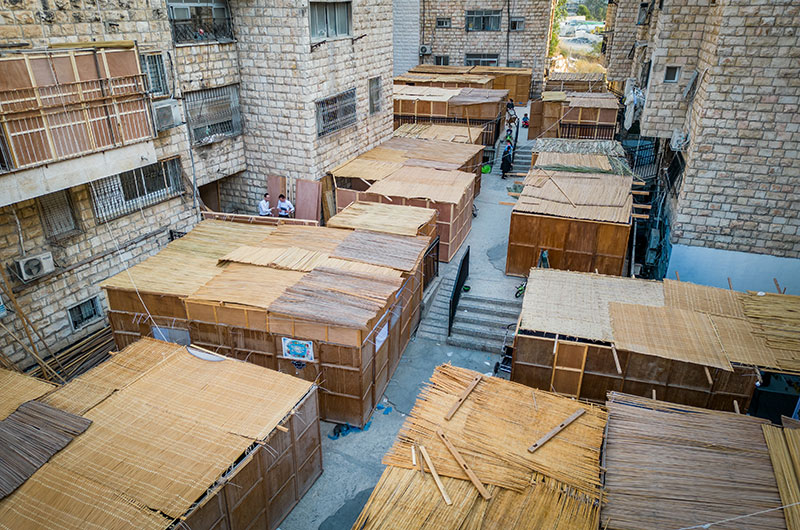
Question: I hope you will not mind answering several questions regarding the mitzvah of sitting in the sukkah. What is the reason for this mitzvah? Are we required to sit in a sukkah whenever we eat? Is one allowed to travel during the week of the holiday to a place where no sukkah is available? Moshe Jakobowitz Brooklyn, N.Y.

We first experience Elul, then Rosh Hashanah, and then Yom Kippur, a developmental process of raising ourselves higher and higher above the physical world and deeper and deeper into the spiritual world.

The mitzvah of sukkah is most unique. It is the only mitzvah one performs with his entire body (with the exception of living in Eretz Yisrael).

The sukkah is a reminder of Hashem’s constant care in our everyday lives. Commemorating a concept rather than a specific event reflects a more complex reality.

In a world fractured by fear, antisemitism, and isolation, Sukkos reminds us that holiness is not a status, it’s a practice.
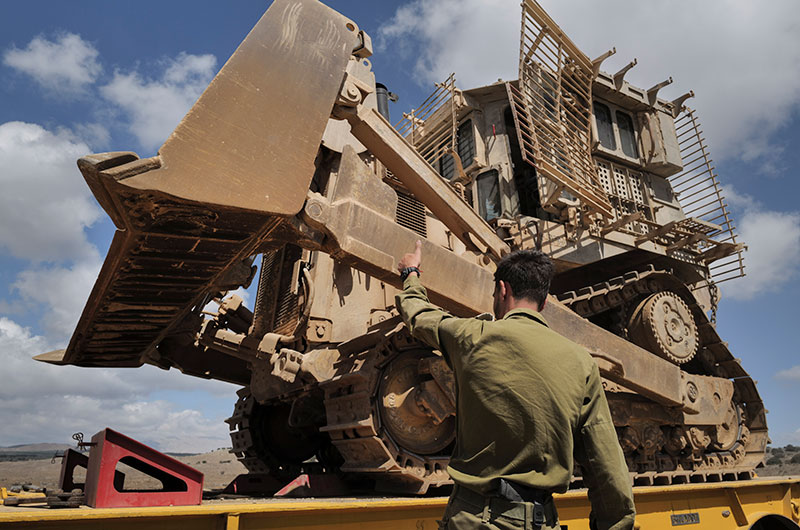
This is not a war of maneuver. It is a slow, grinding, street-by-street campaign against an enemy embedded in every alley, hiding behind civilians, and fighting from below.

If it can be done comfortably, safely, and in accordance with halacha, it’s a beautiful and meaningful mitzvah. But we must do so without judgment. Not sleeping in the sukkah doesn’t imply laxity or lack of observance – sometimes, it’s a reflection of deeper spiritual sensitivity or halachic adherence.
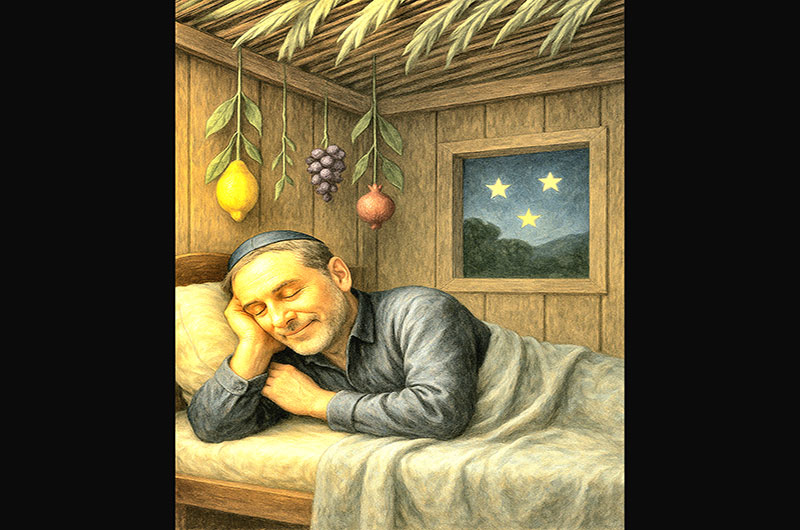
The Rema, however, is unconvinced by weather-based excuses (Darkei Moshe, O.C. 639:3). He maintains that it is generally not sufficiently cold even in Europe to constitute a blanket exemption (pun intended) from sleeping in the sukkah.
By Rabbi Lord Jonathan Sacks z"l
We are a hyper-verbal people. We talk, we argue, we pontificate, we deliver witty repartee and clever put-downs. Jews may not always be great listeners but we are among the world’s great talkers. Accuse us of anything and we’ll come up with a dozen reasons why we’re right and you are wrong.
Within all of us is this tension. A part of us might find the rituals confining, excessive, and boring. Why must we drudge through organized prayers and rituals? Why can’t we just connect to G-d and be a Jew at heart? The feeling is most legitimate.

If there was a dispute, though, you should try to resolve it, concluded Rabbi Dayan. Appeasement and restoring peace between people are a great merit on Yom Kippur.
Do Clothes Make the Man? ‘When Kohanim Are Wearing Their Holy Garments’ (Zevachim 17b)

Rabbi Nachman of Breslov, zt”l, teaches that when we cry out woe is me, we begin to take stock; not just of our actions, but of our presence. Where am I? Who is it who is crying out this way? This is not confession as ritual. It is rupture, it is awakening, it is the guttural cry that breaks through inherited silence.
Or, beseech, Hashem, I want to give more tzedakah this year. Can I have a bump in my livelihood so I can help my children more, or provide for my elderly parents? My wife has been wonderful. I want to be able to get her a nicer sheitel, some jewelry. Help me please, Hashem, to accomplish these goals.

As Yom Kippur approaches, we are called to reflect not only on our choices, but also on the apparent randomness that shapes our lives.

Hashem realizes that the commitment to improve does not always last, but He chooses to accept teshuvah because He cares for His creations and their survival.
Chazal say that for three days after Am Yisrael gathered all the loot from the Egyptians who drowned in the Red Sea, they neglected to study Torah, which set off a series of complaints and rebellions against Moshe and HaKadosh Baruch Hu Therefore, it was instituted that three days cannot pass without the Torah being read.
 November 6, 2026